₳
Crypto & State CBDCs
Cardano ADA Proof-of-Stake Token
ADB
Central Banks, Mints & Systems
Asian Development Bank (ADB)
Adyen
Central Banks, Mints & Systems
Adyen Global Omnichannel Payment Gateway
AEAT
Central Banks, Mints & Systems
State Tax Administration Agency of Spain (Agencia Tributaria / AEAT)
د.إ
Middle East & Africa
United Arab Emirates Dirham Sign (AED / د.إ)
Agorism
Central Banks, Mints & Systems
Agorist Counter-Economics Symbol (A3)
Agorist Flag
Central Banks, Mints & Systems
Agorist Black and Grey Market Flag
֏
#%
Caucasus & Eurasia
Armenian Dram Symbol
AMEX
Central Banks, Mints & Systems
American Express Premium Credit Network
Amundi
Central Banks, Mints & Systems
Amundi Asset Management & Prime UCITS ETFs
Anglo Irish
⚠️
Historical, Defunct & Underworld
Anglo Irish Bank (Celtic Tiger Insolvency & Sovereign Bailout)
Anonymous
Crypto & State CBDCs
Anonymous Emblem (Decentralized Financial Warfare)
₳
⚠️
Historical, Defunct & Underworld
Argentine Austral Inflationary Symbol (₳)
Asano-gumi
⚠️
Historical, Defunct & Underworld
Asano-gumi Yakuza Protection Racket Daimon
@
Central Banks, Mints & Systems
Commercial At Accounting Symbol
Auction Hammer
Central Banks, Mints & Systems
Forced Liquidation & Distraint Auction Hammer
Münze Österreich
Central Banks, Mints & Systems
Münze Österreich (Austrian Mint & Vienna Philharmonic)
AVAX
Crypto & State CBDCs
Avalanche Subnet Consensus Token (AVAX)
₼
#%
Caucasus & Eurasia
Azerbaijani Manat Symbol (₼)
Bancontact
Central Banks, Mints & Systems
Bancontact Belgian Electronic Payment Scheme
Bankruptcy Gavel
Central Banks, Mints & Systems
Bankruptcy & Insolvency Court Adjudication Gavel
Banxico
Central Banks, Mints & Systems
Bank of Mexico (Banco de México) Emblem
Barclays
Central Banks, Mints & Systems
Barclays Banking & Eagle Heraldry
‱
#%
Central Banks, Mints & Systems
Basis Point Symbol (‱ / bps)
BCH
Crypto & State CBDCs
Bitcoin Cash Electronic Cash
Banco de España
Central Banks, Mints & Systems
Bank of Spain (Banco de España) Institutional Logo
Banque de France
Central Banks, Mints & Systems
Bank of France (Banque de France)
৳
#%
Asia & Pacific Currencies
Bangladeshi Taka Currency Sign (৳)
Bear Stearns
⚠️
Historical, Defunct & Underworld
The Bear Stearns Companies Inc. (First 2008 GFC Casualty)
BEP
Central Banks, Mints & Systems
US Bureau of Engraving and Printing (BEP)
BHIM
Central Banks, Mints & Systems
BHIM (Bharat Interface for Money) UPI Payment Rail
BIS
Central Banks, Mints & Systems
Bank for International Settlements (BIS / BIZ)
Black Bart
⚠️
Historical, Defunct & Underworld
Bartholomew Roberts Pirate Code & Booty Shares Flag
La Mano Nera
⚠️
Historical, Defunct & Underworld
La Mano Nera (The Black Hand Extortion Letter Mark)
Black Hand
⚠️
Historical, Defunct & Underworld
Black Hand Threat Stamp (Ink Handprint)
BlackRock
Central Banks, Mints & Systems
BlackRock Asset Management & Aladdin Engine
Bloomberg
Central Banks, Mints & Systems
Bloomberg Professional Financial Data Terminal
BNB
Crypto & State CBDCs
BNB Binance Ecosystem Token
BNP Paribas
Central Banks, Mints & Systems
BNP Paribas European Universal Banking Group
Bank of England
Central Banks, Mints & Systems
Bank of England ("The Old Lady of Threadneedle Street")
Bank of Japan
Central Banks, Mints & Systems
Bank of Japan (Nippon Ginkō)
Bradford & Bingley
⚠️
Historical, Defunct & Underworld
Bradford & Bingley (Subprime Mortgage Collapse)
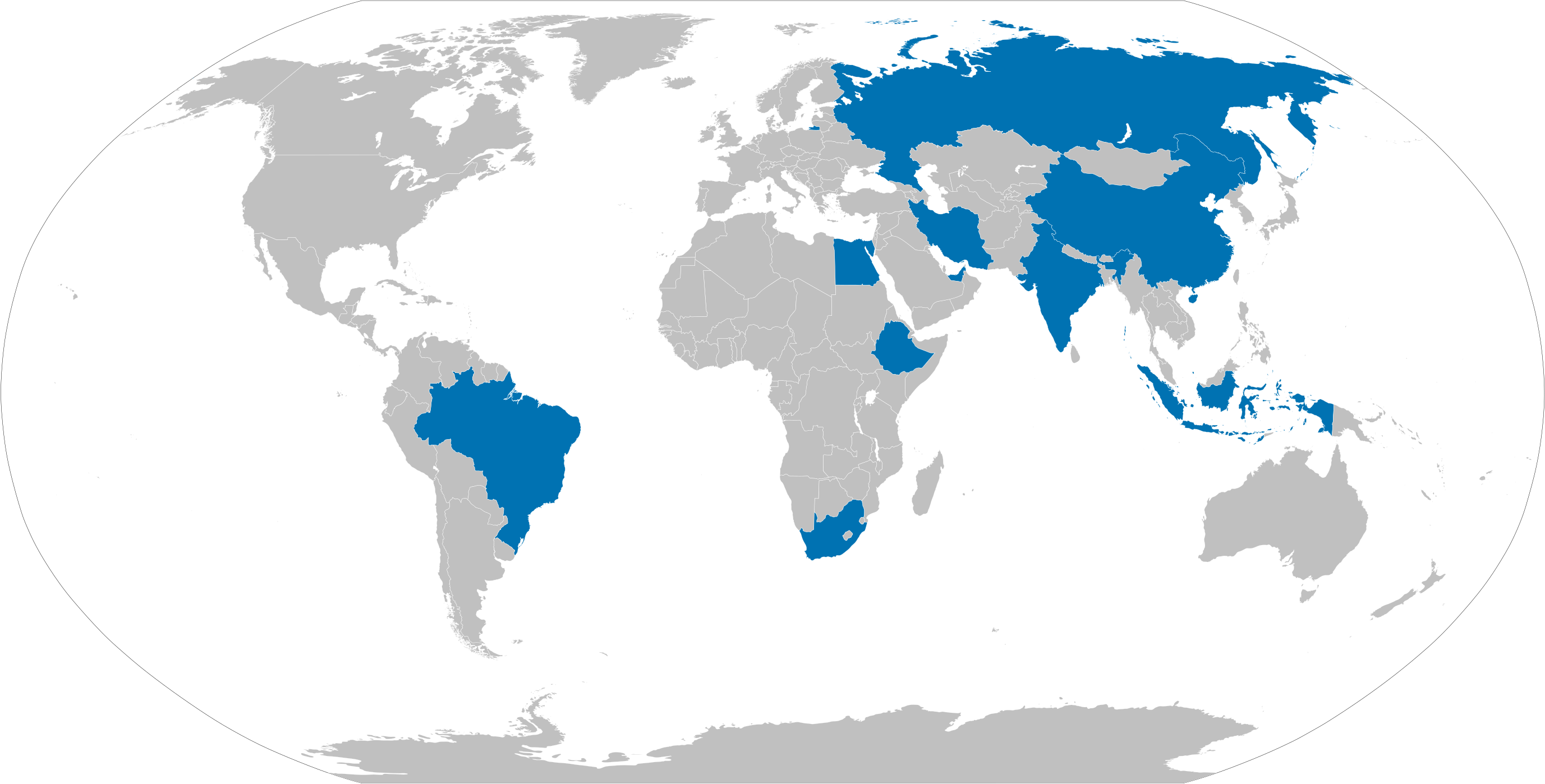
BRICS
Central Banks, Mints & Systems
BRICS Geopolitical & Economic Alliance
BSE
Central Banks, Mints & Systems
Bombay Stock Exchange (BSE / S&P BSE SENSEX)
₿
Crypto & State CBDCs
Bitcoin Sign
Bundesbank
Central Banks, Mints & Systems
Deutsche Bundesbank Institutional Emblem
Calico Jack
⚠️
Historical, Defunct & Underworld
Calico Jack Rackham Pirate Booty Flag
CBA
Central Banks, Mints & Systems
Commonwealth Bank of Australia (Historic Central Bank)
e-CNY
Crypto & State CBDCs
Digital Yuan / e-CNY (数字人民币)
Digital Rupee
Crypto & State CBDCs
Reserve Bank of India Digital Rupee (e₹)
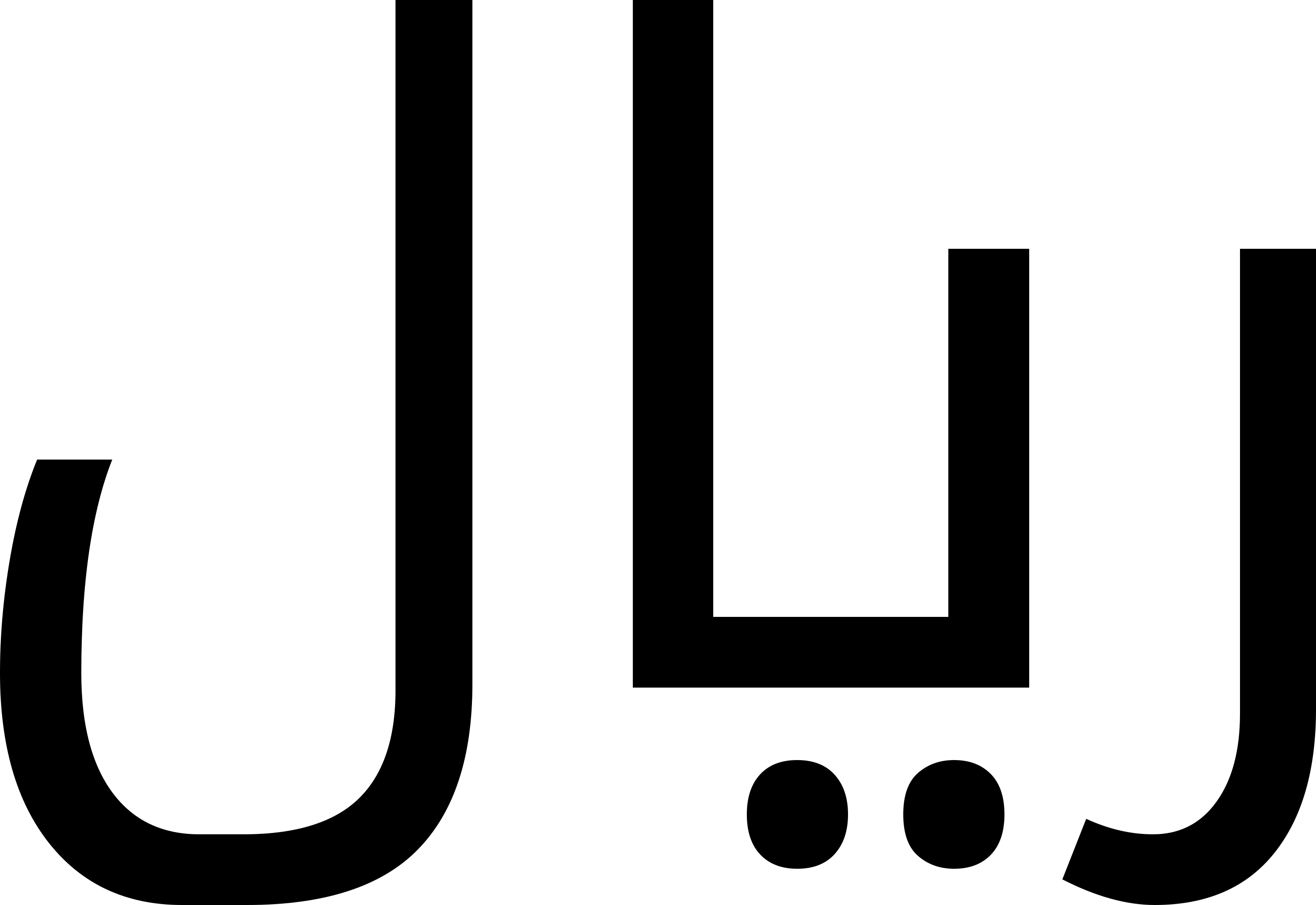
Digital Rial
Crypto & State CBDCs
Central Bank of Iran Digital Rial (ریال دیجیتال)
Digital Ruble
Crypto & State CBDCs
Digital Ruble Official State CBDC (Цифровой рубль)
M°
Central Banks, Mints & Systems
Ceca de la Casa de Moneda de México (Oldest Mint in the Americas)
¢
#%
Central Banks, Mints & Systems
Cent Subunit Sign
CFPB
Central Banks, Mints & Systems
Consumer Financial Protection Bureau (CFPB)
CFTC
Central Banks, Mints & Systems
Commodity Futures Trading Commission (CFTC)
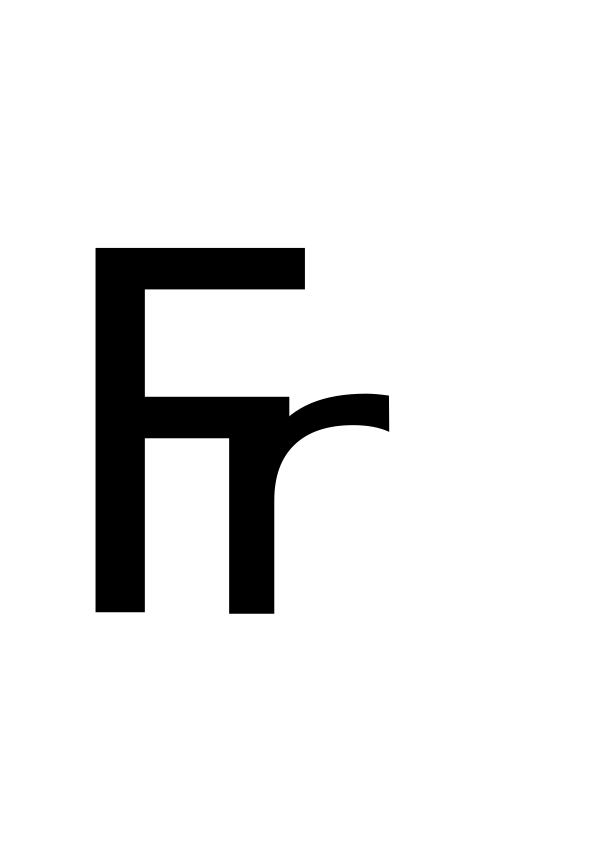
Fr.
European National Currencies
Swiss Franc Symbol
Ching Shih
⚠️
Historical, Defunct & Underworld
Ching Shih Red Flag Fleet Maritime Extortion Ensign
R$
Americas Currencies
Brazilian Real / Cifrão Sign
Cirrus
Central Banks, Mints & Systems
Cirrus Global Interbank ATM Network
CJEU
Central Banks, Mints & Systems
Court of Justice of the European Union (CJEU / Curia)
CME
Central Banks, Mints & Systems
CME Group (Chicago Mercantile Exchange)
CNMV
Central Banks, Mints & Systems
National Securities Market Commission of Spain (CNMV)
Coinbase
Crypto & State CBDCs
Coinbase Global Crypto Brokerage & Custody
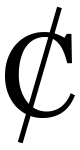
₡
Americas Currencies
Costa Rican Colón Sign
Credit Karma
Central Banks, Mints & Systems
Credit Karma Consumer Credit Health Platform
Credit Suisse
⚠️
Historical, Defunct & Underworld
Credit Suisse Group AG (Defunct Swiss Banking Titan)
₢
⚠️
Historical, Defunct & Underworld
Brazilian Cruzeiro Historic Currency Sign (₢)
DAX
Central Banks, Mints & Systems
DAX 40 German Blue-Chip Stock Index
FDIC Equal Lender
Central Banks, Mints & Systems
FDIC Equal Housing & Deposit Guarantee Insignia
Deutsche Bank
Central Banks, Mints & Systems
Deutsche Bank Institutional 'Slash in a Square'
Deutsche Börse
Central Banks, Mints & Systems
Deutsche Börse Group (Frankfurt / Xetra)
Dexia
⚠️
Historical, Defunct & Underworld
Dexia Group (European Public Finance Bailout & Resolution)
Diners Club
Central Banks, Mints & Systems
Diners Club International (First Charge Card)
Discover
Central Banks, Mints & Systems
Discover Global Network (DFS)
D&B
Central Banks, Mints & Systems
Dun & Bradstreet (D-U-N-S Corporate Identifier)
DNB
Central Banks, Mints & Systems
De Nederlandsche Bank (Central Bank of Netherlands)
Ð
Crypto & State CBDCs
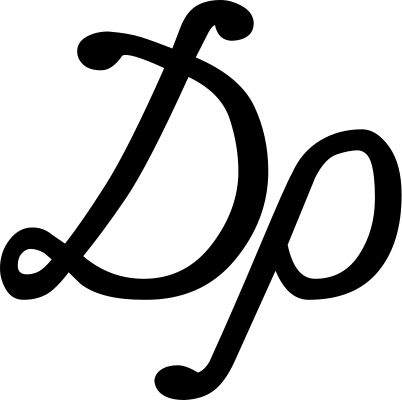
Dogecoin Currency Sign
ECA
Central Banks, Mints & Systems
European Court of Auditors (ECA / Curia Rationum)
ECB
Central Banks, Mints & Systems
European Central Bank Institutional Emblem
EIB
Central Banks, Mints & Systems
European Investment Bank (EU Climate Bank)
EIC
⚠️
Historical, Defunct & Underworld
British East India Company / EIC (Corporate Empire & Private Mint)
Enron
⚠️
Historical, Defunct & Underworld
Enron Corporation (Accounting Scandal & Sarbanes-Oxley)
EPPO
Central Banks, Mints & Systems
European Public Prosecutor's Office (EPPO)
Equifax
Central Banks, Mints & Systems
Equifax Consumer & Commercial Credit Bureau
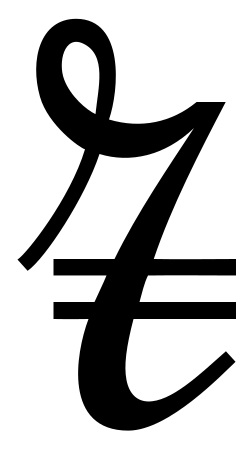
₧
⚠️
Historical, Defunct & Underworld
Spanish Peseta Historic Sign (₧)
ETC
Crypto & State CBDCs
Ethereum Classic Immutable Ledger (ETC)
Ξ
Crypto & State CBDCs
Ethereum Network & Ether Sign
eToro
Central Banks, Mints & Systems
eToro Social Investment & CopyTrading Platform
€
#%
Global Reserve Currencies
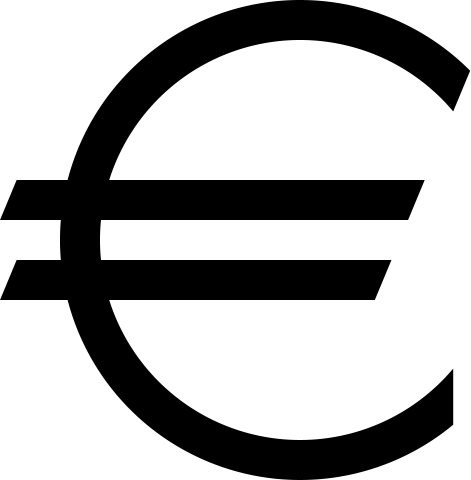
Euro Sign
Eurocheque
⚠️
Historical, Defunct & Underworld
Eurocheque Historic Cross-Border Guarantee System
Euronext
Central Banks, Mints & Systems
Euronext Pan-European Stock & Derivatives Exchange
Excel
Central Banks, Mints & Systems
Microsoft Excel Financial Modeling & Ledger Standard
Experian
Central Banks, Mints & Systems
Experian Global Information Services & Credit Scoring
FactSet
Central Banks, Mints & Systems
FactSet Research Systems Financial Data Platform
FCA
Central Banks, Mints & Systems
Financial Conduct Authority (UK FCA)
FDIC
Central Banks, Mints & Systems
Federal Deposit Insurance Corporation (FDIC)
FED
Central Banks, Mints & Systems
US Federal Reserve System Board Seal
FICO
Central Banks, Mints & Systems
Fair Isaac Corporation (FICO Credit Score Standard)
Fidelity
Central Banks, Mints & Systems
Fidelity Investments Global Brokerage & Custody
FinCEN
Central Banks, Mints & Systems
Financial Crimes Enforcement Network (FinCEN)
FINMA
Central Banks, Mints & Systems
Swiss Financial Market Supervisory Authority (FINMA)
FINRA
Central Banks, Mints & Systems
Financial Industry Regulatory Authority (FINRA)
Fitch
Central Banks, Mints & Systems
Fitch Ratings International Credit Agency
FNMT
Central Banks, Mints & Systems
Fábrica Nacional de Moneda y Timbre (FNMT - Spain)
SBP
Central Banks, Mints & Systems
Faster Payments System (SBP / Система быстрых платежей)
FreshBooks
Central Banks, Mints & Systems
FreshBooks Cloud Invoicing & Time Tracking
₣
⚠️
Historical, Defunct & Underworld
French Franc Sign
FSB
Central Banks, Mints & Systems
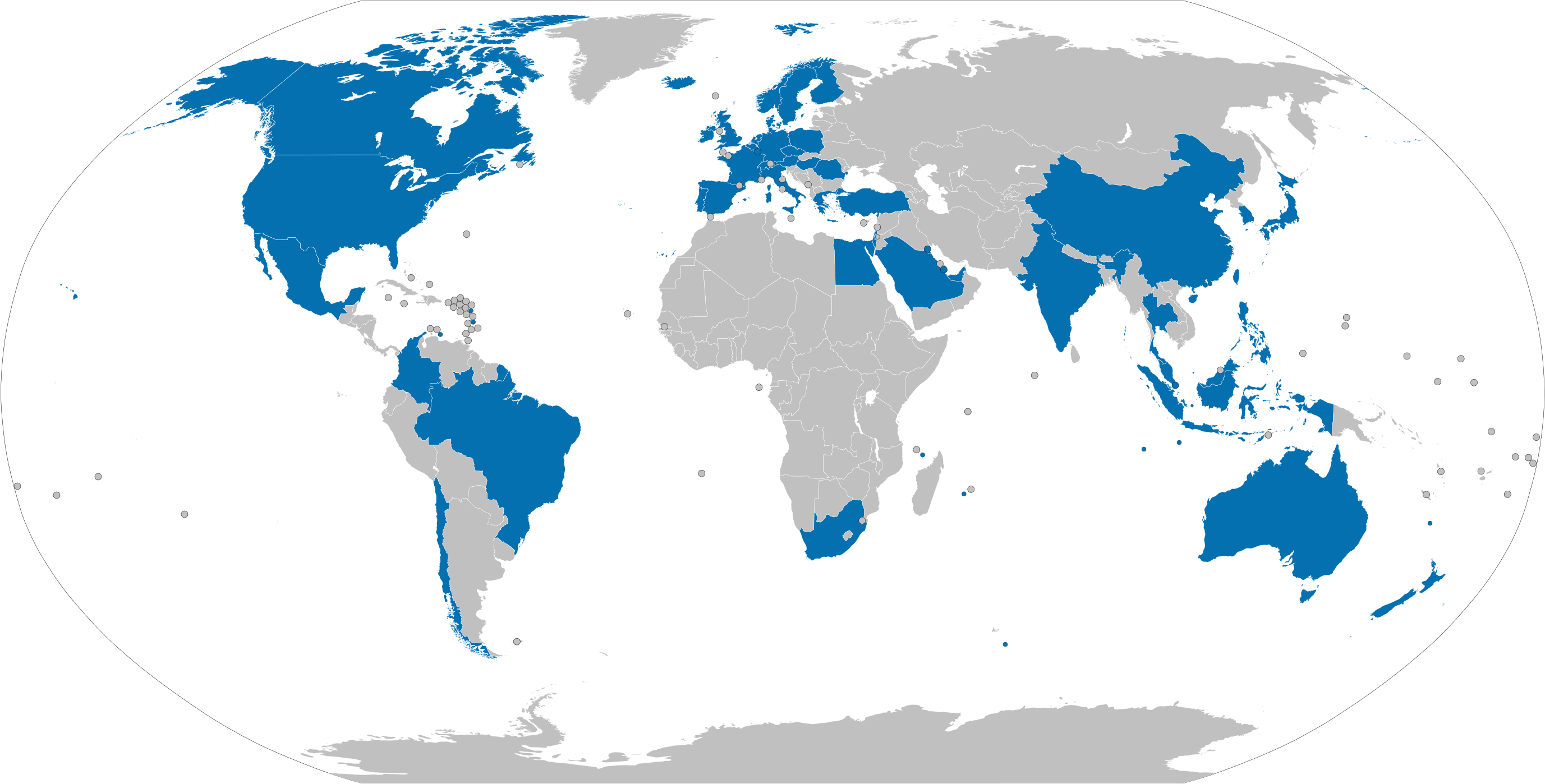
Financial Stability Board (FSB / G20 Monitor)
FTC
Central Banks, Mints & Systems
Federal Trade Commission (FTC)
FTSE 100
Central Banks, Mints & Systems
FTSE 100 Index (Footsie / LSE Benchmark)
FTSE All-World
Central Banks, Mints & Systems
FTSE All-World Index (VWCE Global ETF Benchmark)
FTX
⚠️
Historical, Defunct & Underworld
FTX Cryptocurrency Exchange ($8B Insolvency Collapse)
£
Global Reserve Currencies
Pound Sterling Sign
₾
#%
Caucasus & Eurasia
Georgian Lari Sign
¤
Historical, Defunct & Underworld
Generic Currency Sign
₵
Middle East & Africa
Ghanaian Cedi Sign
GİB
Central Banks, Mints & Systems
Turkish Revenue Administration (Gelir İdaresi Başkanlığı / GİB)
Girocard
Central Banks, Mints & Systems
Girocard German Interbank Debit Card System
Giropay
Central Banks, Mints & Systems
Giropay German Bank Account Payment Rail
Good Delivery
Central Banks, Mints & Systems
400-Ounce Good Delivery Gold Bullion Ingot
oz t
#%
Central Banks, Mints & Systems
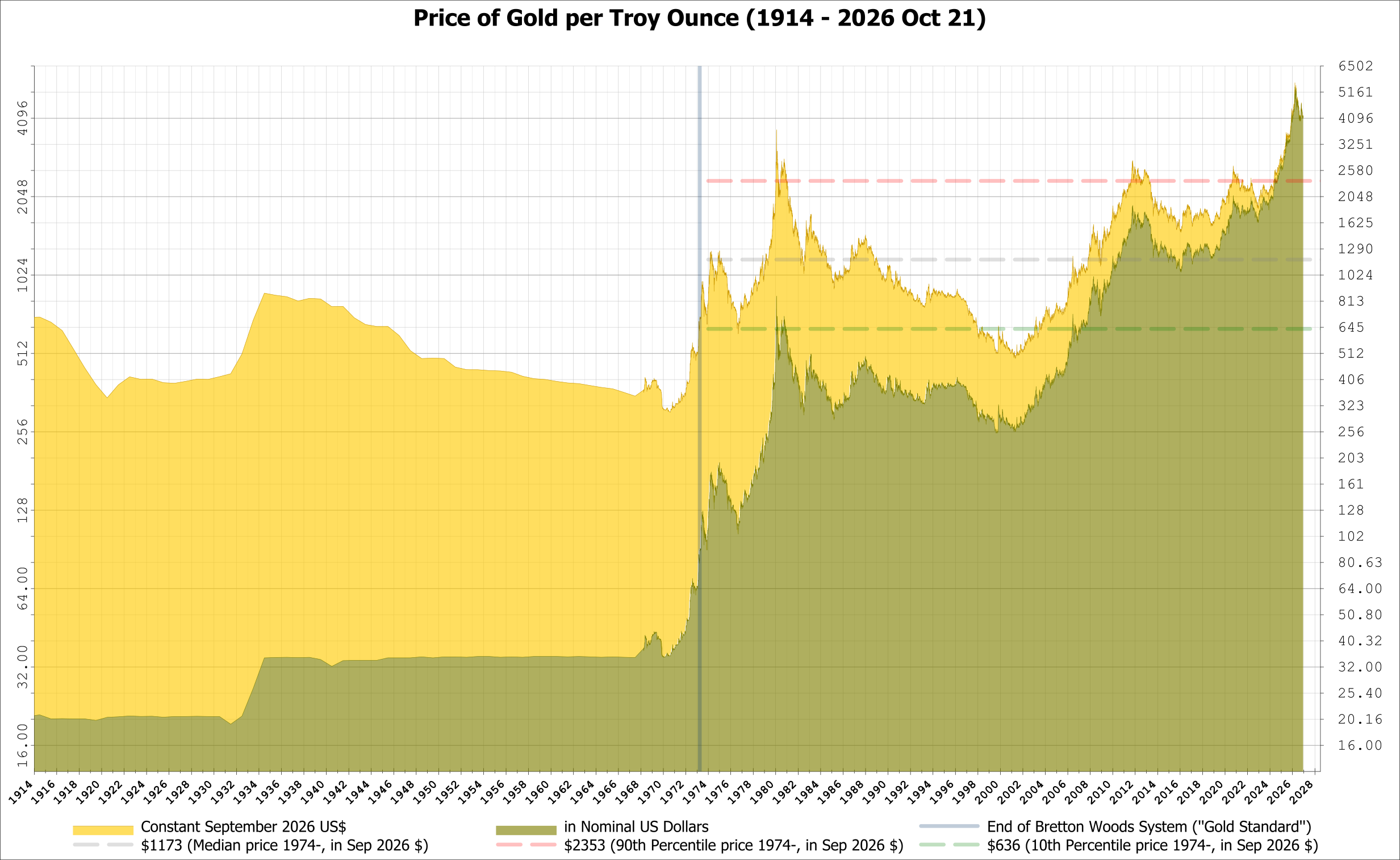
Troy Ounce Fine Gold Standard (oz t)
$35 / oz
⚠️
Historical, Defunct & Underworld
Historic Gold Standard Peg ($35 per Ounce)
Gosbank
⚠️
Historical, Defunct & Underworld
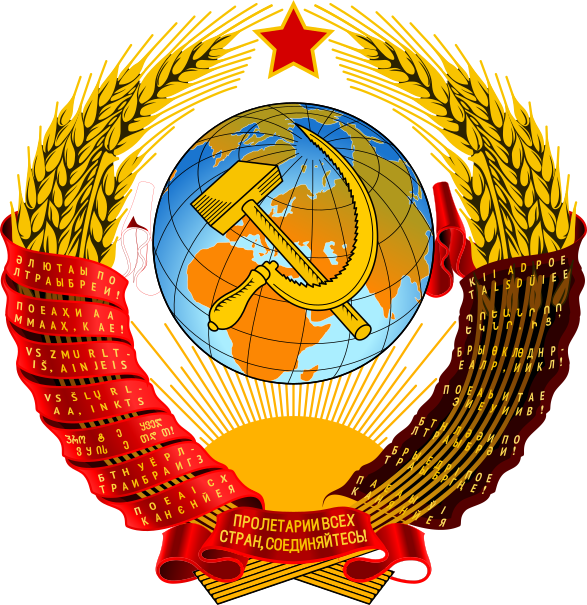
State Bank of the USSR (Gosbank / Госбанк СССР)
₯
⚠️
Historical, Defunct & Underworld
Greek Drachma Ancient & Modern Symbol (₯)
Hawala
Central Banks, Mints & Systems
Hawala Informal Value Transfer Banking System
HKEX
Central Banks, Mints & Systems
Hong Kong Exchanges and Clearing (HKEX)
H&R Block
Central Banks, Mints & Systems
H&R Block Consumer Tax Services
HSBC
Central Banks, Mints & Systems
HSBC Global Banking Corporation
IBEX 35
Central Banks, Mints & Systems
IBEX 35 Benchmark Stock Index (BME Spain)
IBKR
Central Banks, Mints & Systems
Interactive Brokers Electronic Direct-Market Access
iDEAL
Central Banks, Mints & Systems
iDEAL Dutch Online Banking Instant Payment System
₪
Middle East & Africa
Israeli New Shekel Sign
IMF
Central Banks, Mints & Systems
International Monetary Fund (IMF / SDR) Seal
ING
Central Banks, Mints & Systems
ING Groep Global Digital Direct Banking
₹
Asia & Pacific Currencies
Indian Rupee Sign
Interac
Central Banks, Mints & Systems
Interac Canadian Interbank Payment Rail
﷼
Middle East & Africa
Iranian Rial Ligature Symbol (﷼)
IRS
Central Banks, Mints & Systems
Internal Revenue Service (IRS / US Tax Authority)
iShares
Central Banks, Mints & Systems
iShares by BlackRock (World's Largest ETF Provider)
₤
⚠️
Historical, Defunct & Underworld
Italian Lira Double-Stroke Sign (₤)
JCB
Central Banks, Mints & Systems
JCB International Card Network
Jolly Roger
⚠️
Historical, Defunct & Underworld
Classic Jolly Roger Pirate Plunder Ensign
JPMorgan
Central Banks, Mints & Systems
JPMorgan Chase & Co. Global Investment Banking Titan
JPX
Central Banks, Mints & Systems
Japan Exchange Group (JPX / Tokyo Stock Exchange)
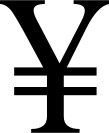
¥
Global Reserve Currencies
Yen / Yuan Sign
JSE
Central Banks, Mints & Systems
Johannesburg Stock Exchange (JSE South Africa)
Kaupthing
⚠️
Historical, Defunct & Underworld
Kaupthing Bank (Systemic Icelandic Financial Collapse)
Klarna
Central Banks, Mints & Systems
Klarna Bank (Buy Now Pay Later Pioneer)
Kraken
Crypto & State CBDCs
Kraken Cryptocurrency Exchange & Security Pioneer
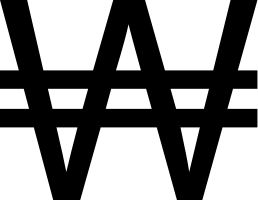
₩
Asia & Pacific Currencies
Korean Won Sign
Kudo-kai
⚠️
Historical, Defunct & Underworld
Kudo-kai Yakuza Financial Protection Emblem
₸
#%
Caucasus & Eurasia
Kazakhstani Tenge Sign
₭
#%
Asia & Pacific Currencies
Lao Kip Symbol
Lietuvos bankas
Central Banks, Mints & Systems
Bank of Lithuania (Lietuvos bankas) Emblem
LBMA
Central Banks, Mints & Systems
London Bullion Market Association (LBMA)
League of Nations
⚠️
Historical, Defunct & Underworld
League of Nations Financial Committee & Reconstruction Loans
Lehman Brothers
⚠️
Historical, Defunct & Underworld
Lehman Brothers Holdings Inc. (GFC 2008 Bankruptcy)
LINK
Crypto & State CBDCs
Chainlink Decentralized Financial Oracle (LINK)
₶
⚠️
Historical, Defunct & Underworld
French Livre Tournois Sign (₶)
LockBit
Crypto & State CBDCs
LockBit Ransomware Cyber Extortion Group
LSEG
Central Banks, Mints & Systems
London Stock Exchange Group (LSEG)
Ł
Crypto & State CBDCs
Litecoin Currency Symbol
Maestro
Central Banks, Mints & Systems
Maestro International Debit Card Network
Mastercard
Central Banks, Mints & Systems
Mastercard Global Settlement Network
MB WAY
Central Banks, Mints & Systems
MB WAY Mobile Instant Settlement (SIBS)
Medici
⚠️
Historical, Defunct & Underworld
Medici Bank / Banco dei Medici (Renaissance Double-Entry Banking)
₥
#%
Central Banks, Mints & Systems
Mill / Millage Rate Sign
Mir
Central Banks, Mints & Systems
Mir National Payment System (NSPK)
₮
#%
Asia & Pacific Currencies
Mongolian Tögrög / Tugrik Sign
Moody's
Central Banks, Mints & Systems
Moody's Global Credit Rating Agency
Morningstar
Central Banks, Mints & Systems
Morningstar Fund Rating & Benchmark Analytics
MSCI
Central Banks, Mints & Systems
MSCI World & Emerging Markets Global Index Standard
Mt. Gox
⚠️
Historical, Defunct & Underworld
Mt. Gox (Pioneer Bitcoin Exchange Collapse)
Multibanco
Central Banks, Mints & Systems
Multibanco Integrated Interbank Network (Portugal)
NASDAQ
Central Banks, Mints & Systems
NASDAQ Electronic Securities Exchange
₦
Middle East & Africa
Nigerian Naira Sign
ƒ
⚠️
Historical, Defunct & Underworld
Dutch Florin / Guilder Symbol (ƒ)
Nordea
Central Banks, Mints & Systems
Nordea Nordic Financial Services Group
Norges Bank
Central Banks, Mints & Systems
Norges Bank (Manager of the Government Pension Fund Global)
Northern Rock
⚠️
Historical, Defunct & Underworld
Northern Rock (First British Bank Run in 150 Years)
№
Central Banks, Mints & Systems
Numero / Invoice Accounting Sign
NYSE
Central Banks, Mints & Systems
New York Stock Exchange (Big Board)
Odoo
Central Banks, Mints & Systems
Odoo Open-Source ERP & Double-Entry Accounting
OECD
Central Banks, Mints & Systems
Organisation for Economic Co-operation and Development (OECD)
OLAF
Central Banks, Mints & Systems
European Anti-Fraud Office (OLAF)
OPEC
Central Banks, Mints & Systems
Organization of the Petroleum Exporting Countries (OPEC)
OpenSea
Crypto & State CBDCs
OpenSea Web3 & NFT Digital Asset Marketplace
Oracle
Central Banks, Mints & Systems
Oracle Financial Services & Cloud ERP
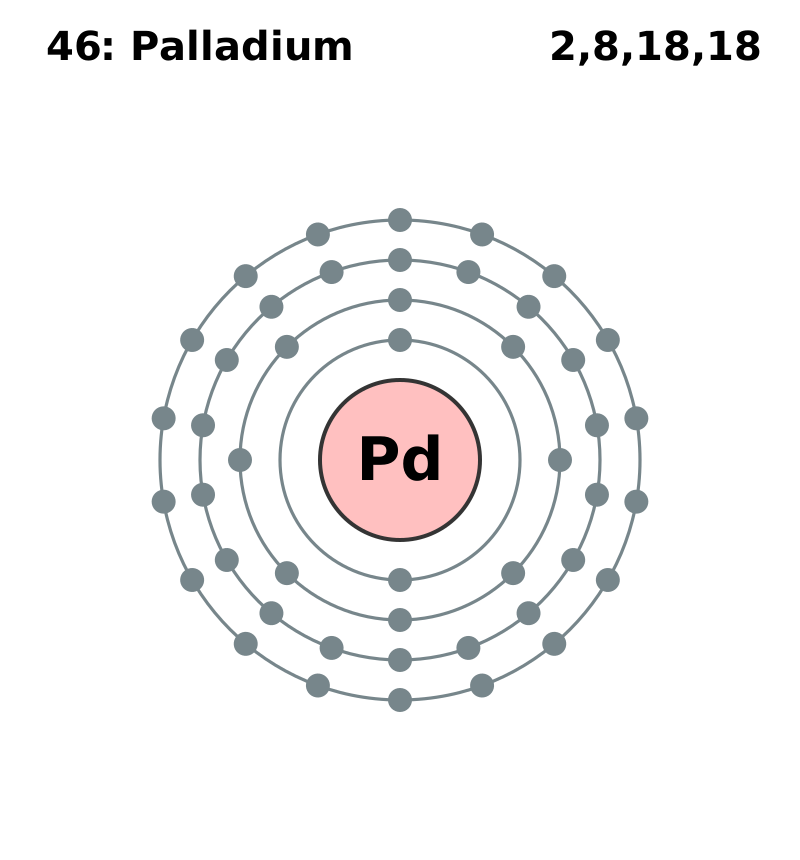
Pd
#%
Central Banks, Mints & Systems
Palladium Bullion & Catalytic Standard (XPD)
Paris Club
Central Banks, Mints & Systems
Paris Club (Sovereign Debt Workout & Relief)
PartyPoker
Central Banks, Mints & Systems
PartyPoker Offshore Gaming & Payment Settlement
PayPal
Central Banks, Mints & Systems
PayPal Digital Payments & Escrow System
PCA
Central Banks, Mints & Systems
Permanent Court of Arbitration (PCA / Cour permanente d'arbitrage)
PCAOB
Central Banks, Mints & Systems
Public Company Accounting Oversight Board (PCAOB)
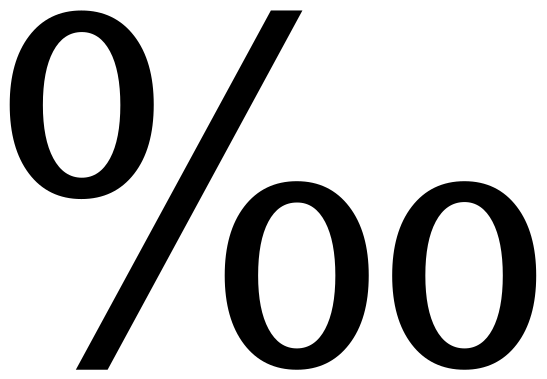
‰
#%
Central Banks, Mints & Systems
Per Mille Symbol
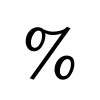
%
#%
Central Banks, Mints & Systems
Percentage Symbol
₰
⚠️
Historical, Defunct & Underworld
German Penny / Pfennig Historic Symbol (₰)
₱
Asia & Pacific Currencies
Philippine Peso Sign
Pix
Central Banks, Mints & Systems
Pix Instant Payment Network (Central Bank of Brazil)
₨
Asia & Pacific Currencies
Traditional Rupee Ligature Sign (₨ / Rs)
Pt
#%
Central Banks, Mints & Systems
Platinum Precious Metal Bullion Standard (XPT)
zł
#%
European National Currencies
Polish Złoty Sign
PLUS
Central Banks, Mints & Systems
Visa PLUS Worldwide ATM Interbank Network
₲
Americas Currencies
Paraguayan Guaraní Sign
QuickBooks
Central Banks, Mints & Systems
Intuit QuickBooks Accounting & Bookkeeping
RBI
Central Banks, Mints & Systems
Reserve Bank of India (RBI)
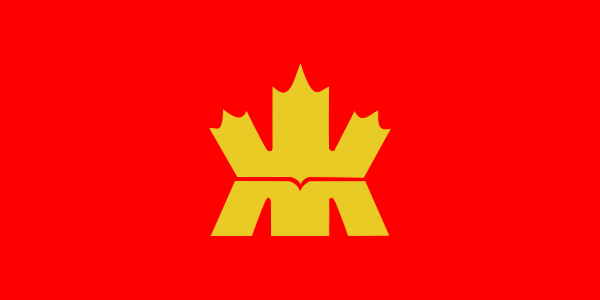
Royal Canadian Mint
Central Banks, Mints & Systems
Flag of the Royal Canadian Mint (Monnaie royale canadienne)
Reichsbank
⚠️
Historical, Defunct & Underworld
German Reichsbank (1923 Hyperinflation Central Bank)
Rekabet Kurumu
Central Banks, Mints & Systems
Turkish Competition Authority (Rekabet Kurumu)
Revolut
Central Banks, Mints & Systems
Revolut Global Digital Neo-Banking
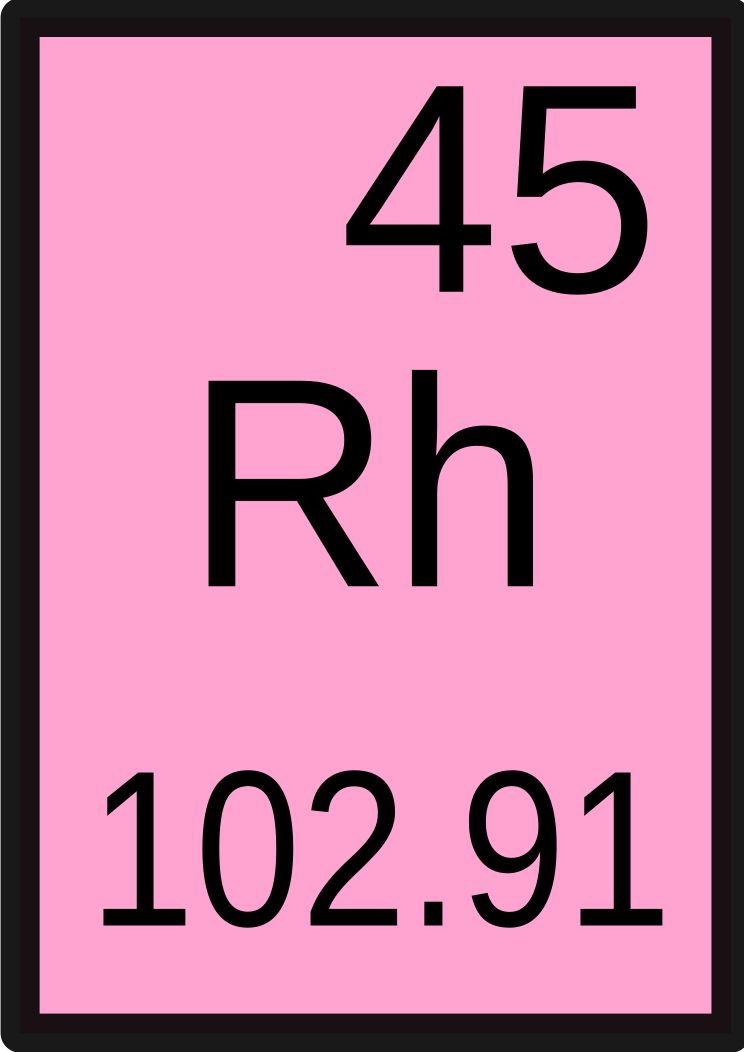
Rh
#%
Central Banks, Mints & Systems
Rhodium Ultra-Precious Metal Standard (Rh)
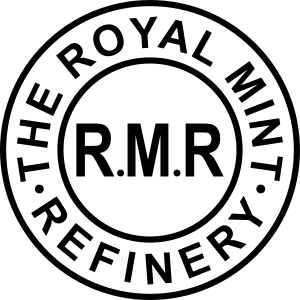
RMR
⚠️
Historical, Defunct & Underworld
Royal Mint Refinery Historic London Bullion Mark
Robinhood
Central Banks, Mints & Systems
Robinhood Zero-Commission Trading Platform
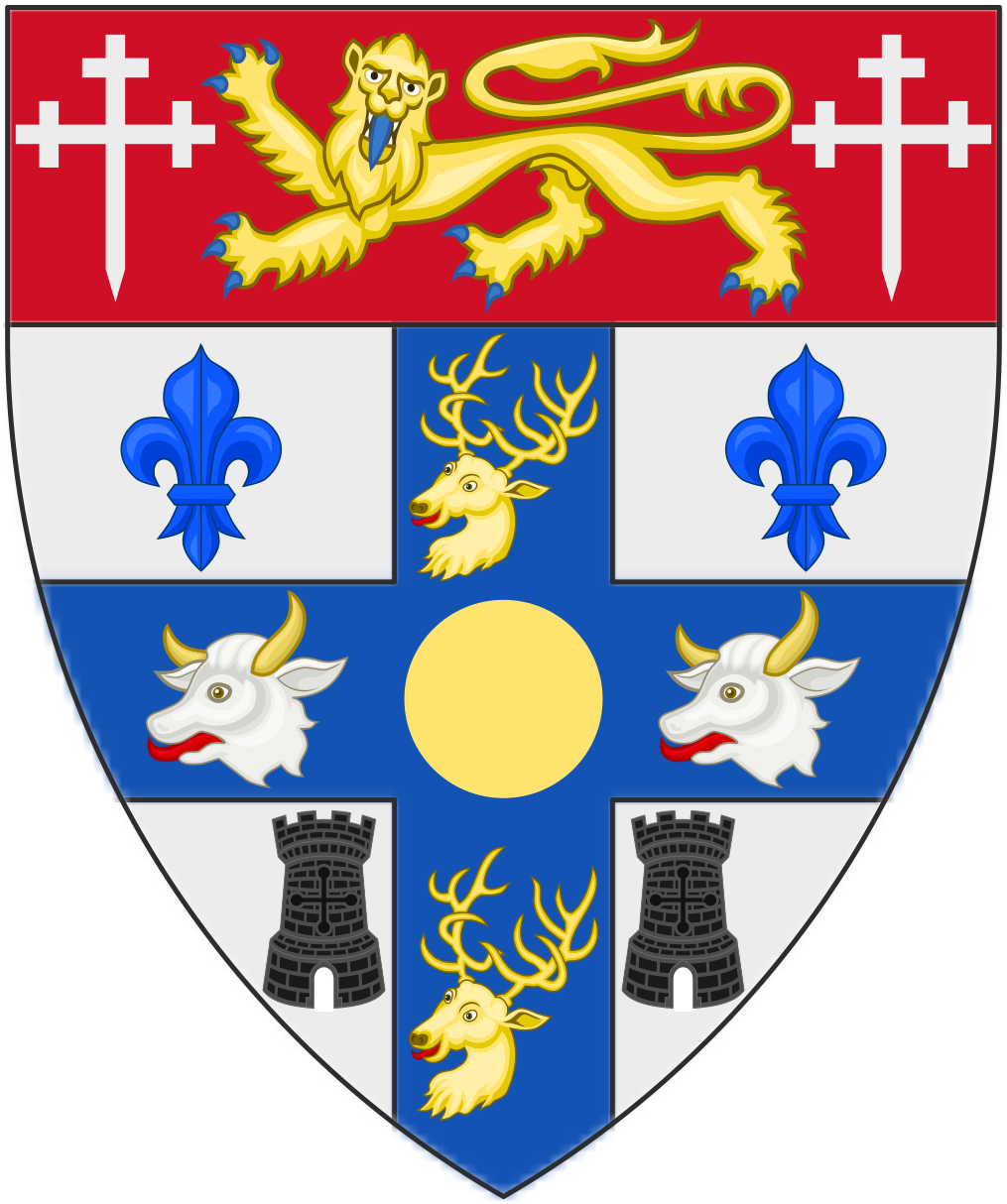
The Royal Mint
Central Banks, Mints & Systems
The Royal Mint Official Coat of Arms (UK)
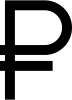
₽
#%
European National Currencies
Russian Ruble Sign
RuPay
Central Banks, Mints & Systems
RuPay Domestic Card Scheme of India (NPCI)
Sage
Central Banks, Mints & Systems
Sage Group Enterprise Accounting & Payroll
Santander
Central Banks, Mints & Systems
Banco Santander Global Retail Banking Leader
SAP
Central Banks, Mints & Systems
SAP Enterprise Resource Planning & Financial Accounting
﷼
Middle East & Africa
Saudi Riyal Official Currency Symbol (﷼)
Sayıştay
Central Banks, Mints & Systems
Turkish Court of Accounts (Sayıştay / Supreme Audit Institution)
Charles Schwab
Central Banks, Mints & Systems
Charles Schwab Wealth Management & Brokerage
Scotiabank
Central Banks, Mints & Systems
Scotiabank (The Bank of Nova Scotia)
SEB
Central Banks, Mints & Systems
Skandinaviska Enskilda Banken (SEB Bank)
SEC
Central Banks, Mints & Systems
US Securities and Exchange Commission (SEC)
kr
#%
European National Currencies
Swedish Krona Banking Sign (kr)
SEPA
Central Banks, Mints & Systems
Single Euro Payments Area (SEPA)
Shinwa-kai
⚠️
Historical, Defunct & Underworld
Shinwa-kai Yakuza Underground Banking Daimon
oz t Ag
#%
Central Banks, Mints & Systems
Troy Ounce Fine Silver Standard (XAG / oz t Ag)
Silvergate
⚠️
Historical, Defunct & Underworld
Silvergate Bank (Crypto Settlement Network Liquidation)
SIX
Central Banks, Mints & Systems
SIX Swiss Exchange (Zurich Financial Center)
SNB
Central Banks, Mints & Systems
Swiss National Bank (Schweizerische Nationalbank)
SOL
#%
Crypto & State CBDCs
Solana High-Throughput Network
⃀
#%
Caucasus & Eurasia
Kyrgyzstani Som Official Symbol (⃀)
S&P
Central Banks, Mints & Systems
S&P Global & S&P 500 Financial Benchmark
₷
⚠️
Historical, Defunct & Underworld
Historic Esperanto Spesmilo Sign (₷)
SSGA
Central Banks, Mints & Systems
State Street Global Advisors (SPDR & SPY Pioneer)
Stripe
Central Banks, Mints & Systems
Stripe Global Online Payments Infrastructure
Sumiyoshi-kai
⚠️
Historical, Defunct & Underworld
Sumiyoshi-kai Yakuza Confederation Crest
SVB
⚠️
Historical, Defunct & Underworld
Silicon Valley Bank / SVB (2023 Tech Bank Run)
Swedbank
Central Banks, Mints & Systems
Swedbank Retail & Commercial Banking Group
SWIFT
Central Banks, Mints & Systems
SWIFT Global Interbank Messaging Network
TCMB
Central Banks, Mints & Systems
Central Bank of the Republic of Turkey (TCMB)
TD
Central Banks, Mints & Systems
Toronto-Dominion Bank (TD Canada Trust)
฿
Asia & Pacific Currencies
Thai Baht Sign
TMX
Central Banks, Mints & Systems
TMX Group (Toronto Stock Exchange / TSX)
Tor
Crypto & State CBDCs
Tor Network (Onion Routing Darknet Financial Rail)
Trade Republic
Central Banks, Mints & Systems
Trade Republic European Neo-Broker & Bank
TransUnion
Central Banks, Mints & Systems
TransUnion Global Credit Information & Fraud Solutions
Triad
⚠️
Historical, Defunct & Underworld
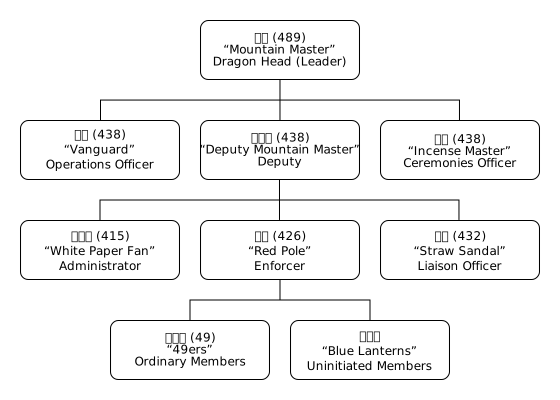
Traditional Triad Underground Financial Structure
$TRUMP
Crypto & State CBDCs
Official Trump & MAGA Meme Coin
₺
European National Currencies
Turkish Lira Sign
TSP
Central Banks, Mints & Systems
US Federal Thrift Savings Plan (World's Largest Retirement Plan)
TurboTax
Central Banks, Mints & Systems
Intuit TurboTax Consumer Tax Preparation
₴
#%
European National Currencies
Ukrainian Hryvnia Sign
UNI
Crypto & State CBDCs
Uniswap Automated Market Maker Protocol (UNI)
UnionPay
Central Banks, Mints & Systems
China UnionPay Bankcard Network (CUP)
US Mint
Central Banks, Mints & Systems
Seal of the United States Mint (Fort Knox Custodian)
US Mint Logo
Central Banks, Mints & Systems
United States Mint Official Bullion Brandmark
US Treasury
Central Banks, Mints & Systems
United States Department of the Treasury Seal
$
Global Reserve Currencies
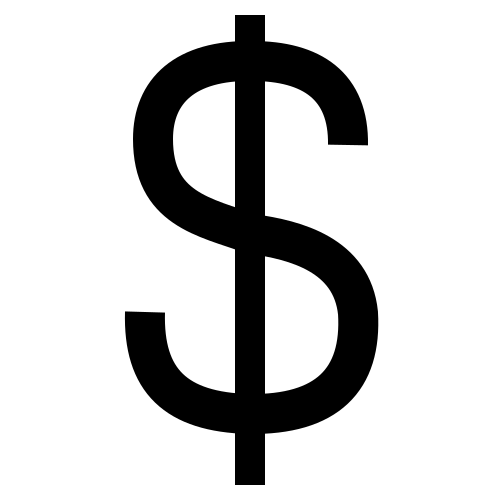
US Dollar Sign
USDC
Crypto & State CBDCs
USD Coin Regulated Stablecoin
₮
Crypto & State CBDCs
Tether USD₮ Fiat-Pegged Stablecoin
Valcambi
Central Banks, Mints & Systems
Valcambi Suisse Precious Metals Refinery
Vanguard
Central Banks, Mints & Systems
The Vanguard Group (Mutual Ownership & Indexing)
VISA
Central Banks, Mints & Systems
Visa Global Payment Card Network
VMI
Central Banks, Mints & Systems
State Tax Inspectorate of Lithuania (VMI)
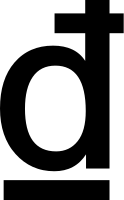
₫
#%
Asia & Pacific Currencies
Vietnamese Dong Sign
VOC
⚠️
Historical, Defunct & Underworld
Dutch East India Company / VOC (First Public Stock & Bond Issuer)
WaMu
⚠️
Historical, Defunct & Underworld
Washington Mutual / WaMu (Largest Bank Failure in US History)
Wise
Central Banks, Mints & Systems
Wise Multi-Currency Account & P2P FX
Wolters Kluwer
Central Banks, Mints & Systems
Wolters Kluwer Tax, Accounting & Compliance
World Bank
Central Banks, Mints & Systems
The World Bank Group Institutional Emblem
WSOP
Central Banks, Mints & Systems
World Series of Poker (High-Stakes Liquidity Benchmark)
Western Union
Central Banks, Mints & Systems
Western Union Financial Wire Transfer
ɱ
Crypto & State CBDCs
Monero Privacy Currency Symbol
XRP
Crypto & State CBDCs
XRP Ledger Cross-Border Settlement Token
Yamabishi
⚠️
Historical, Defunct & Underworld
Yamaguchi-gumi Yakuza Emblem (Yamabishi Daimon)
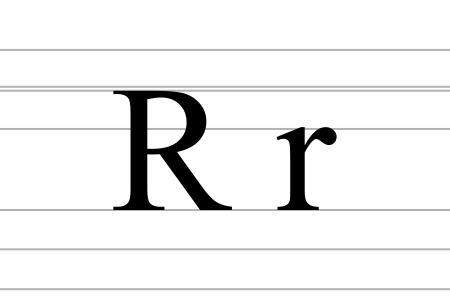
R
Middle East & Africa
South African Rand Sign
No financial symbols found matching your filters.