80 PLUS Bronze
Energy Efficiency & Technical Standards
80 PLUS Bronze Baseline Energy Certification
80 PLUS Gold
Energy Efficiency & Technical Standards
80 PLUS Gold Desktop & Server Power Standard
80 PLUS Platinum
Energy Efficiency & Technical Standards
80 PLUS Platinum Server Power Efficiency Standard
80 PLUS Silver
Energy Efficiency & Technical Standards
80 PLUS Silver Mid-Tier Efficiency Certification
80 PLUS Titanium
Energy Efficiency & Technical Standards
80 PLUS Titanium Power Supply Energy Standard
AB France
Organic Farming & Bio Standards
French Agriculture Biologique (AB Organic Mark)
ADEME Déchèterie
♻️
Packaging & Material Codes
ADEME Ecological Waste Drop-off Center Pictogram (France)
ARA Austria
♻️
Packaging & Material Codes
ARA Altstoff Recycling Austria Producer Responsibility Mark
ASC
Government Ecolabels & Public Warnings
Aquaculture Stewardship Council (ASC Farmed Seafood)
Mehrweg AT
♻️
Packaging & Material Codes
Austrian Reusable Packaging Symbol (Mehrweg)
Pfand AT
♻️
Packaging & Material Codes
Austrian Statutory Deposit Symbol (Einwegpfand)
B Corp
Government Ecolabels & Public Warnings
Certified B Corporation (B Corp Environmental Standard)
Li-ion Recycle
♻️
Packaging & Material Codes
Lithium-Ion Battery Recycling Mark (Li-ion)
Pb Recycle
♻️
Packaging & Material Codes
Lead-Acid Battery Hazardous Recycling Mark (Pb)
Battery Recycle
♻️
Packaging & Material Codes
Universal Battery Recycling Symbol (ISO 7000-2961)
Better Cotton
Organic Farming & Bio Standards
Better Cotton Initiative (BCI) Sustainable Agriculture
Bio-Siegel
Organic Farming & Bio Standards
German National Bio-Siegel Hexagon
Bio Suisse
Organic Farming & Bio Standards
Bio Suisse Knospe (Bud Organic Standard)
Bioland
Organic Farming & Bio Standards
Bioland Organic Farming Association
Biopark
Organic Farming & Bio Standards
Biopark Organic Agriculture Association Standard (Germany)
Blue Angel
Government Ecolabels & Public Warnings
Blue Angel (Der Blaue Engel - First Global Ecolabel)
Blue Flag
Government Ecolabels & Public Warnings
Blue Flag International Eco-Label for Beaches & Marinas
bmt Tierschutz
Organic Farming & Bio Standards
Bund gegen Missbrauch der Tiere (German Animal Welfare Association)
BREEAM
Energy Efficiency & Technical Standards
BREEAM Green Building Sustainability Method
Canada Organic
Organic Farming & Bio Standards
Canada Organic / Biologique Canada Seal
Carbon Trust
Government Ecolabels & Public Warnings
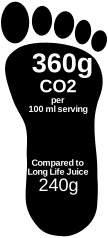
Carbon Trust Certified Carbon Footprint Label
CEN ALU
♻️
Packaging & Material Codes
CEN European Standard Aluminium Closed-Loop Recycling Mark
CEN Steel
♻️
Packaging & Material Codes
European CEN Steel Packaging Recycling Symbol (Magnetic Steel)
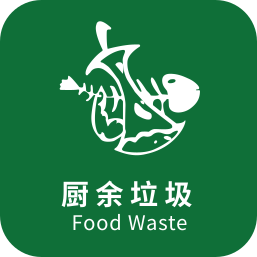
GB/T Food Waste
♻️
Packaging & Material Codes
China National Standard Kitchen Food Waste Symbol (GB/T 19095)
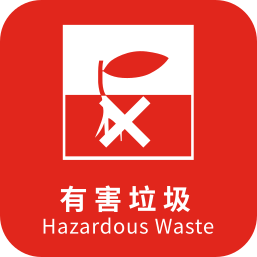
GB/T Hazardous
♻️
Packaging & Material Codes
China National Standard Hazardous Household Waste Symbol (GB/T 19095)
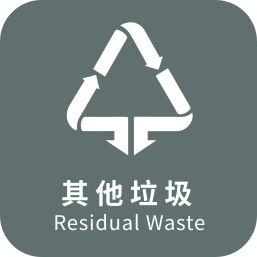
GB/T Other Waste
♻️
Packaging & Material Codes
China National Standard Residual Other Waste Symbol (GB/T 19095-2019)
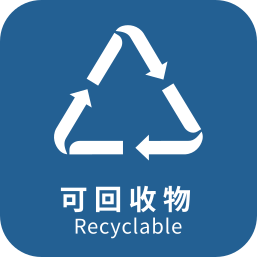
GB/T Recyclable
♻️
Packaging & Material Codes
China National Standard Recyclable Waste Symbol (GB/T 19095-2019)
China Recycling
♻️
Packaging & Material Codes
China National Packaging Recycling Symbol (GB/T 18455)
ABS Cerchio
♻️
Packaging & Material Codes
Italian CONAI Circular Material Symbol: ABS Polymer
ACC Cerchio
♻️
Packaging & Material Codes
Italian CONAI Circular Material Symbol: Steel (Acciaio)
ALU Cerchio
♻️
Packaging & Material Codes
Italian CONAI Circular Material Symbol: Aluminium (ALU)
CA Cerchio
♻️
Packaging & Material Codes
Italian CONAI Circular Material Symbol: Paper & Board (CA)
FE Cerchio
♻️
Packaging & Material Codes
Italian CONAI Circular Material Symbol: Steel & Tinplate (FE)
CONAI
♻️
Packaging & Material Codes
CONAI Italian Packaging Consortium Mark
PE Cerchio
♻️
Packaging & Material Codes
Italian CONAI Circular Material Symbol: Polyethylene (PE)
PET Cerchio
♻️
Packaging & Material Codes
Italian CONAI Circular Material Symbol: PET (Corepla)
PI Cerchio
♻️
Packaging & Material Codes
Italian CONAI Circular Material Symbol: Plastic Laminates (PI)
PP Cerchio
♻️
Packaging & Material Codes
Italian CONAI Circular Material Symbol: Polypropylene (PP)
PS Cerchio
♻️
Packaging & Material Codes
Italian CONAI Circular Material Symbol: Polystyrene (PS)
PVC Cerchio
♻️
Packaging & Material Codes
Italian CONAI Circular Material Symbol: PVC
Container Recycle
♻️
Packaging & Material Codes
Recyclable Container Symbol (Bottle & Can Recovery)
Corrugated Cardboard
♻️
Packaging & Material Codes
Corrugated Cardboard Recycling Symbol (FEFCO PAP 20)
Crit'Air 0
Energy Efficiency & Technical Standards
French Crit'Air Category 0 (Electric & Hydrogen Zero-Emission)
Crit'Air 1
Energy Efficiency & Technical Standards
French Crit'Air Category 1 (Clean Petrol & Hybrid Vignette)
Crit'Air 2
Energy Efficiency & Technical Standards
French Crit'Air Category 2 (Euro 6 Diesel & Euro 4 Petrol)
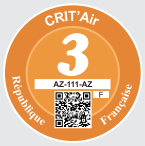
Crit'Air 3
Energy Efficiency & Technical Standards
French Crit'Air Category 3 (Euro 5 Diesel & Euro 2/3 Petrol)
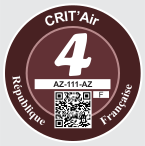
Crit'Air 4
Energy Efficiency & Technical Standards
French Crit'Air Category 4 (Euro 4 Diesel Restriction Vignette)
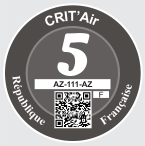
Crit'Air 5
Energy Efficiency & Technical Standards
French Crit'Air Category 5 (Euro 3 Diesel - Highest Pollution)
Demeter
Organic Farming & Bio Standards
Demeter Biodynamic Agriculture Standard
Dolphin Safe
Government Ecolabels & Public Warnings
Dolphin Safe Tuna Certification (Earth Island Institute)
DPG Pfand
♻️
Packaging & Material Codes
DPG German Beverage Deposit System Mark (Einwegpfand €0.25)
ECOVIN
Organic Farming & Bio Standards
ECOVIN German Organic Winegrowers Association Standard
EKO Keurmerk
Organic Farming & Bio Standards
EKO Keurmerk (Dutch Organic Plus Certification)
EMAS
Government Ecolabels & Public Warnings
EU Eco-Management and Audit Scheme (EMAS)
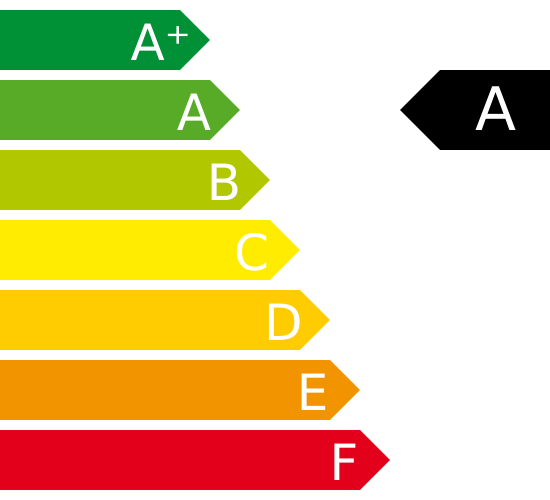
EU Energy A
Energy Efficiency & Technical Standards
EU Energy Efficiency Label (Class A)
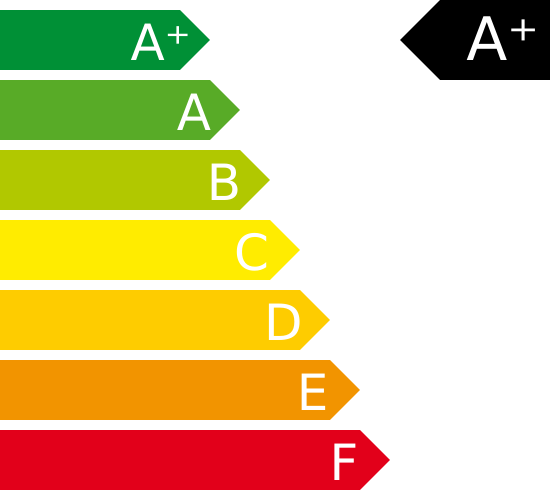
Energy A+
⚠️
Energy Efficiency & Technical Standards
Historic EU Energy Efficiency Label (Class A+)
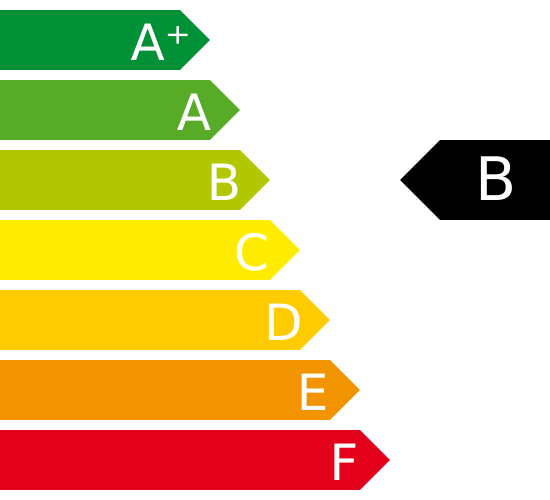
EU Energy B
Energy Efficiency & Technical Standards
EU Energy Efficiency Label (Class B)
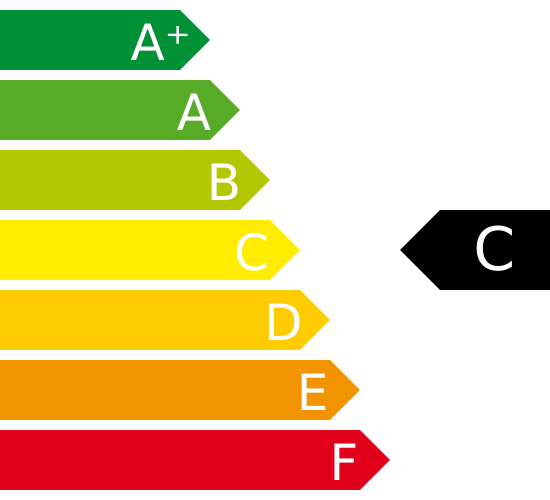
EU Energy C
Energy Efficiency & Technical Standards
EU Energy Efficiency Label (Class C)
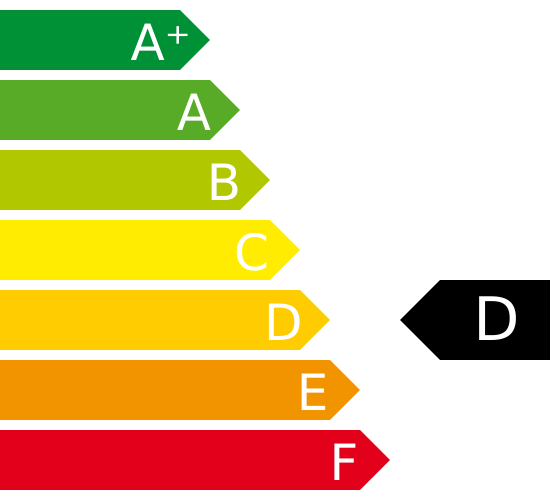
EU Energy D
Energy Efficiency & Technical Standards
EU Energy Efficiency Label (Class D)
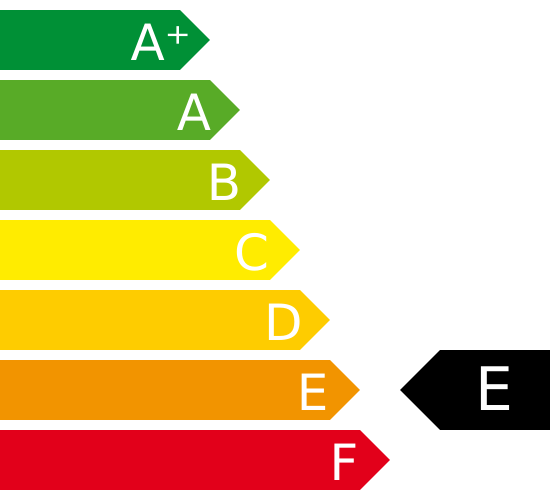
EU Energy E
Energy Efficiency & Technical Standards
EU Energy Efficiency Label (Class E)
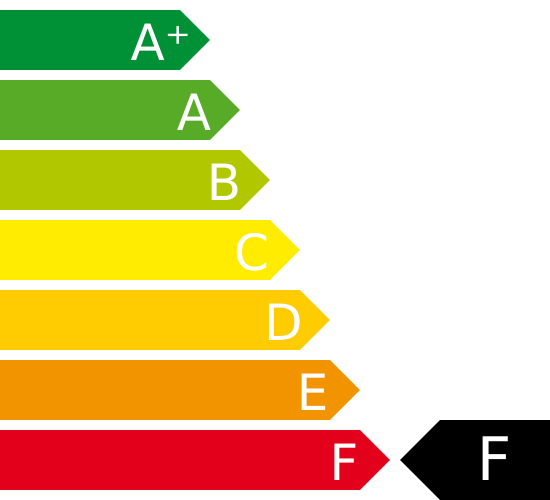
EU Energy F
Energy Efficiency & Technical Standards
EU Energy Efficiency Label (Class F)
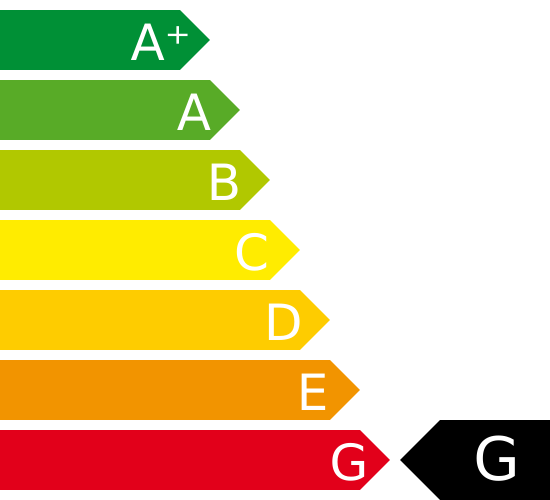
EU Energy G
Energy Efficiency & Technical Standards
EU Energy Efficiency Label (Class G - Lowest)
Energy Star
Energy Efficiency & Technical Standards
Energy Star Energy Efficiency Standard
EPEAT
Energy Efficiency & Technical Standards
EPEAT Green Electronics Rating (Bronze/Silver/Gold)
AENOR
Government Ecolabels & Public Warnings
AENOR Environmental Certification Mark (Spain)
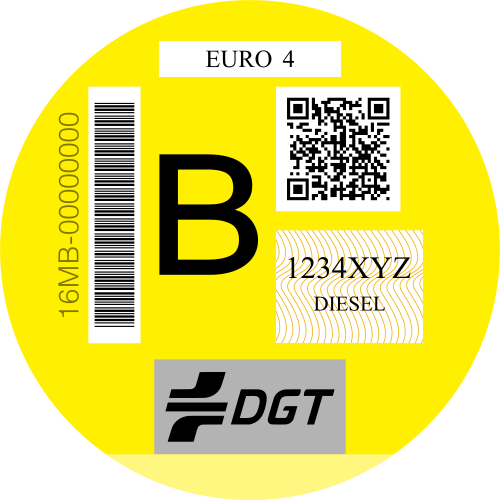
DGT B
Energy Efficiency & Technical Standards
DGT Environmental Badge B (Spain)
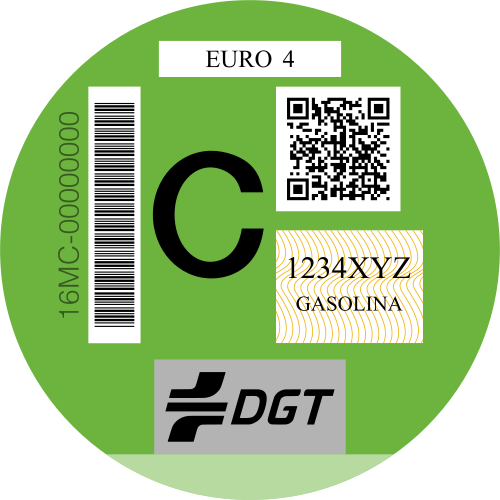
DGT C
Energy Efficiency & Technical Standards
DGT Environmental Badge C (Spain)
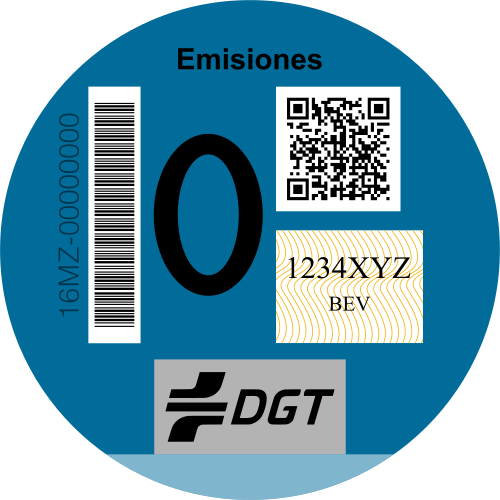
DGT Cero
Energy Efficiency & Technical Standards
DGT Environmental Badge 0 Emissions (Spain)
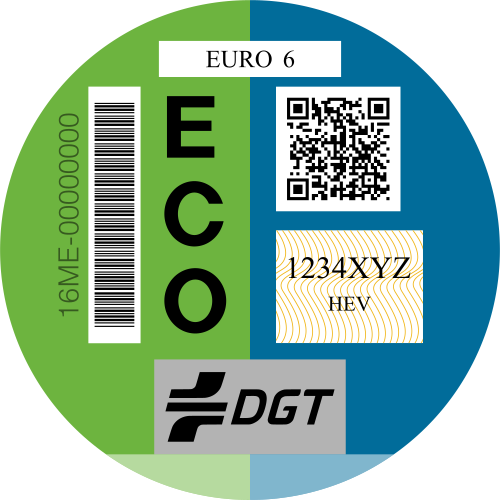
DGT ECO
Energy Efficiency & Technical Standards
DGT Environmental Badge ECO (Spain)
Punto Verde ES
♻️
Packaging & Material Codes
Spanish Green Dot (Punto Verde Ecoembes)
Etisk Handel
Government Ecolabels & Public Warnings
Ethical Trade Norway (Etisk handel Norge) Member Mark
EU Ecolabel
Government Ecolabels & Public Warnings
EU Ecolabel (The Flower / Euroblume)
EU Energy Label
Energy Efficiency & Technical Standards
EU Official Energy Label Emblem
Euro-Leaf
Organic Farming & Bio Standards
European Union Organic Logo (Euro-Leaf)
Fair Wear
Government Ecolabels & Public Warnings
Fair Wear Foundation Ethical Apparel Standard
Fairtrade
Organic Farming & Bio Standards
Fairtrade International Certification Mark
FSC
Government Ecolabels & Public Warnings
Forest Stewardship Council (FSC Certified Wood & Paper)
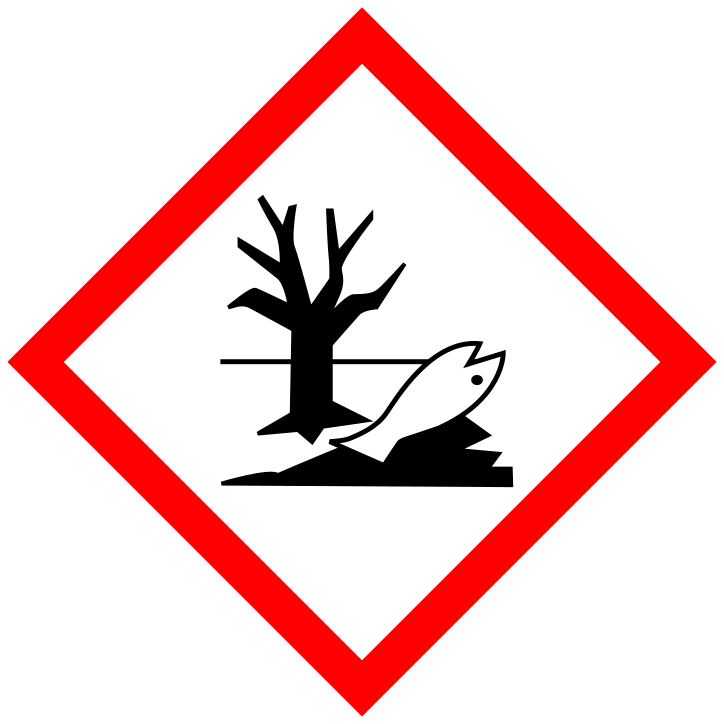
GHS09 Environment
⚠️
Packaging & Material Codes
GHS09 Environmental Hazard Warning Pictogram
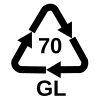
70 GL
♻️
Packaging & Material Codes
Recycling Code 70 GL (Clear / Colorless Glass)
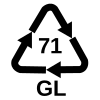
71 GL
♻️
Packaging & Material Codes
Recycling Code 71 GL (Green Glass)
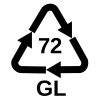
72 GL
♻️
Packaging & Material Codes
Recycling Code 72 GL (Brown / Amber Glass)
Glass Recycle
♻️
Packaging & Material Codes
Tidyman Glass Bottle Recycling Symbol
GOTS
Organic Farming & Bio Standards
Global Organic Textile Standard (GOTS)
Green Dot
♻️
Packaging & Material Codes
The Green Dot Packaging Recovery Symbol (Der Grüne Punkt)
Green Mark JP
♻️
Packaging & Material Codes
Japanese Green Mark for Recycled Paper Content
Green Seal
Government Ecolabels & Public Warnings
Green Seal Environmental Standard (United States)
Hazard N
⚠️
Packaging & Material Codes
European Hazard Symbol N (Dangerous for Environment)
India Veg Mark
Vegan & Animal Welfare
Indian Mandatory Vegetarian Food Mark (Green Dot)
FSSAI Vegan
Vegan & Animal Welfare
FSSAI Indian National Vegan Food Certification Mark
Infinitum NO
♻️
Packaging & Material Codes
Infinitum Norwegian Deposit System (Panteordning)
ISO 14001
Government Ecolabels & Public Warnings
ISO 14001 Environmental Management System Standard
ISO 7010 W072
⚠️
Packaging & Material Codes
ISO 7010 W072 Warning; Environmental Hazard
Alumi (アルミ)
♻️
Packaging & Material Codes
Japan Statutory Aluminium Can Recycling Mark (Alumi / アルミ)
Kami (紙)
♻️
Packaging & Material Codes
Japan Statutory Paper Packaging Recycling Mark (Kami / 紙)
PET Japan (PET)
♻️
Packaging & Material Codes
Japan Statutory PET Bottle Recycling Mark (PET / ペット)
PLA Japan (PLA)
♻️
Packaging & Material Codes
Japan Bioplastic PLA Packaging Identification Mark (PLA)
PVC Japan (PVC)
♻️
Packaging & Material Codes
Japan Statutory PVC Packaging Recycling Mark (PVC / 塩化ビニル)
Steel (スチール)
♻️
Packaging & Material Codes
Japan Statutory Steel Can Recycling Mark (Suchiiru / スチール)
JAS Organic
Organic Farming & Bio Standards
Japanese Agricultural Standard (JAS Organic Mark)
KRAV
Organic Farming & Bio Standards
Swedish KRAV Organic & Animal Welfare Label
Leaping Bunny
Vegan & Animal Welfare
Leaping Bunny Cruelty-Free Standard
Ekologinis žemės ūkis
Organic Farming & Bio Standards
Lithuanian Organic Agriculture Certification Mark (Ekologinis žemės ūkis)
Užstatas D
♻️
Packaging & Material Codes
Lithuanian Beverage Deposit Return Mark (USAD Užstatas D €0.10)
Žaliasis Taškas LT
♻️
Packaging & Material Codes
Lithuanian Green Dot (VšĮ Žaliasis Taškas)
Mehrweg DE
♻️
Packaging & Material Codes
German Reusable Packaging Symbol (Mehrweg Für die Umwelt)
40 FE
♻️
Packaging & Material Codes
Recycling Code 40 FE (Steel & Tinplate)
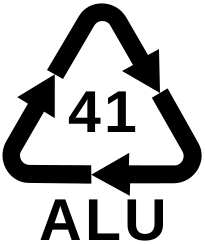
41 ALU
♻️
Packaging & Material Codes
Recycling Code 41 ALU (Aluminium Packaging)
Minergie
Energy Efficiency & Technical Standards
Minergie Swiss Building Energy Efficiency Standard
Möbius Loop
♻️
Packaging & Material Codes
Universal Recycling Symbol (Möbius Loop)
MSC
Organic Farming & Bio Standards
Marine Stewardship Council (MSC Sustainable Seafood)
Exceso Azúcares
Government Ecolabels & Public Warnings
Mexico Official Nutritional Warning: Excess Sugars (NOM-051)
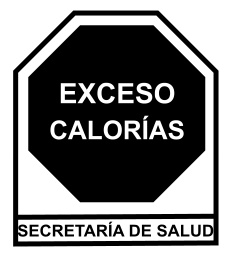
Exceso Calorías
Government Ecolabels & Public Warnings
Mexico Official Nutritional Warning: Excess Calories (NOM-051)
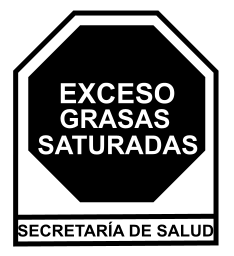
Exceso Grasas Saturadas
Government Ecolabels & Public Warnings
Mexico Official Nutritional Warning: Excess Saturated Fats (NOM-051)
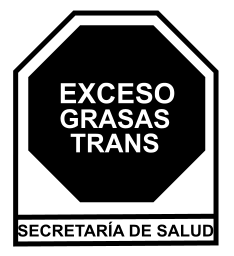
Exceso Grasas Trans
Government Ecolabels & Public Warnings
Mexico Official Nutritional Warning: Excess Trans Fats (NOM-051)
Exceso Sodio
Government Ecolabels & Public Warnings
Mexico Official Nutritional Warning: Excess Sodium (NOM-051)
Orgánico SAGARPA
Organic Farming & Bio Standards
Mexican National Organic Mark (SAGARPA SENASICA México)
Naturemade
Energy Efficiency & Technical Standards
Naturemade Swiss Renewable Energy Certification (VUE)
Naturland
Organic Farming & Bio Standards
Naturland Certified Organic Agriculture Association
No Palm Oil
Organic Farming & Bio Standards
Palm Oil Free Certification Mark (No Palm Oil)
Non-GMO Project
Organic Farming & Bio Standards
Non-GMO Project Verified Seal
Nordic Swan
Government Ecolabels & Public Warnings
Nordic Swan Ecolabel (Svanemerket)
Nutri-Score A
Organic Farming & Bio Standards
Nutri-Score Grade A Nutritional Rating
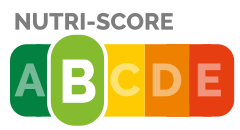
Nutri-Score B
Organic Farming & Bio Standards
Nutri-Score Grade B Nutritional Rating
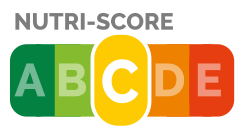
Nutri-Score C
Organic Farming & Bio Standards
Nutri-Score Grade C Nutritional Rating
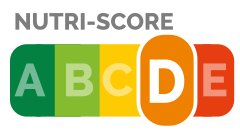
Nutri-Score D
Organic Farming & Bio Standards
Nutri-Score Grade D Nutritional Rating
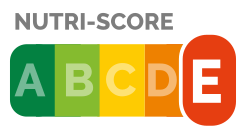
Nutri-Score E
Organic Farming & Bio Standards
Nutri-Score Grade E Nutritional Rating (Lowest)
ECO PASSPORT
Government Ecolabels & Public Warnings
OEKO-TEX ECO PASSPORT Sustainable Chemical Certification
LEATHER STANDARD
Government Ecolabels & Public Warnings
OEKO-TEX LEATHER STANDARD Safety Certification
MADE IN GREEN
Government Ecolabels & Public Warnings
OEKO-TEX MADE IN GREEN Traceable Sustainability Label
RESPONSIBLE BUSINESS
Government Ecolabels & Public Warnings
OEKO-TEX RESPONSIBLE BUSINESS Due Diligence Standard
STeP OEKO-TEX
Government Ecolabels & Public Warnings
OEKO-TEX STeP Sustainable Textile & Leather Production
OEKO-TEX 100
Government Ecolabels & Public Warnings
OEKO-TEX Standard 100 Confidence in Textiles
OK compost HOME
♻️
Packaging & Material Codes
OK compost HOME Certification (Home Compostable)
ok-power
Energy Efficiency & Technical Standards
ok-power German Green Electricity Quality Seal
Organic Ukraine
Organic Farming & Bio Standards
National Organic Certification Label of Ukraine
PA Polyamide
♻️
Packaging & Material Codes
PA Polyamide (Nylon) Engineering Plastic Mark
Sort Packaging
♻️
Packaging & Material Codes
On-Pack Packaging Sorting Guide Symbol
20 PAP
♻️
Packaging & Material Codes
Recycling Code 20 PAP (Corrugated Cardboard)
21 PAP
♻️
Packaging & Material Codes
Recycling Code 21 PAP (Non-Corrugated Paperboard)
22 PAP
♻️
Packaging & Material Codes
Recycling Code 22 PAP (General Paper)
23 PBD
♻️
Packaging & Material Codes
European Paperboard Recycling Code 23 (23 PAP / PBD)
PEFC
Government Ecolabels & Public Warnings
PEFC Sustainable Forest Management Certification
PET Recycle
♻️
Packaging & Material Codes
Circular PET Bottle Resource Recovery Mark
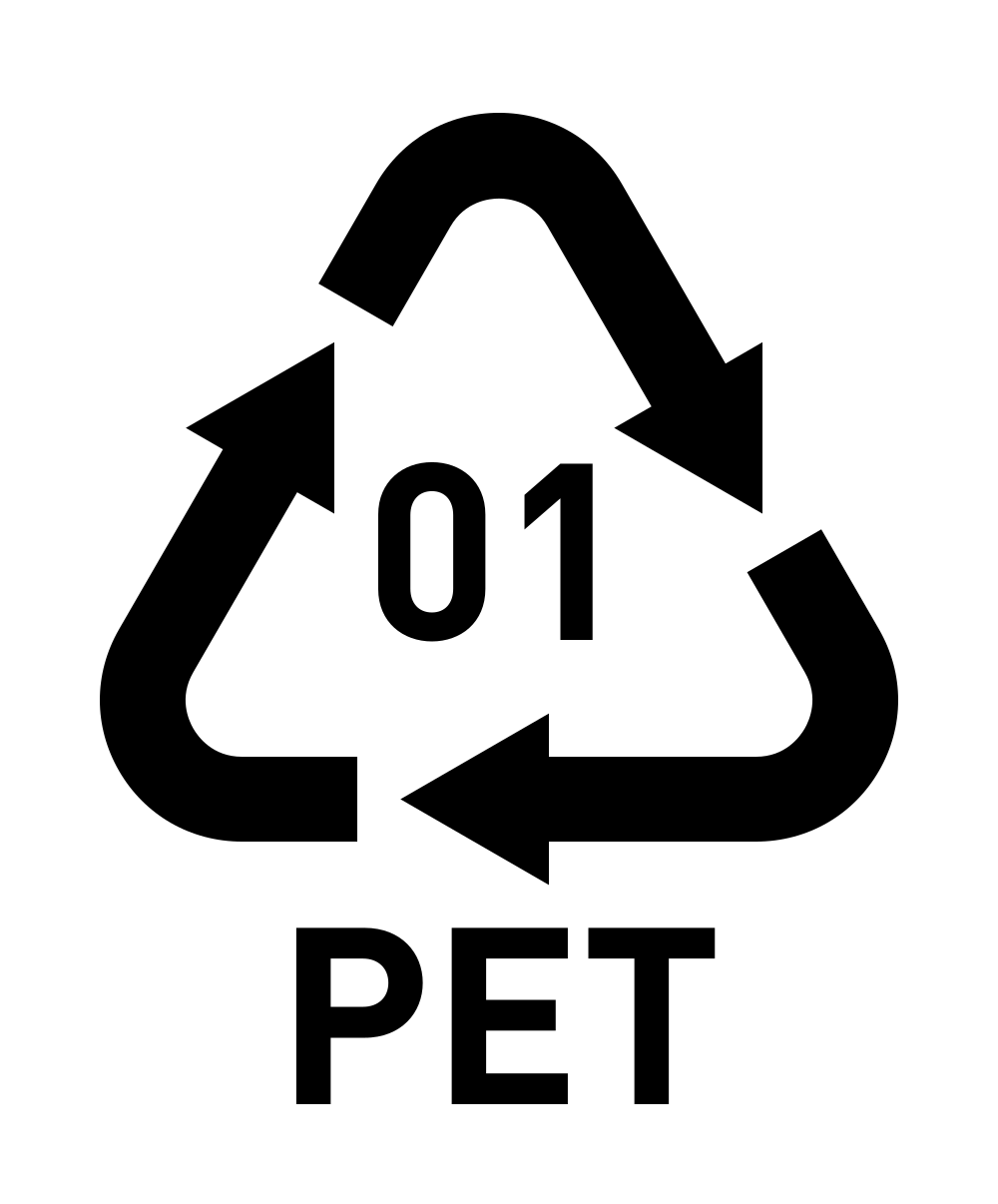
01 PET
♻️
Packaging & Material Codes
Resin Identification Code 01 PET (PETE)
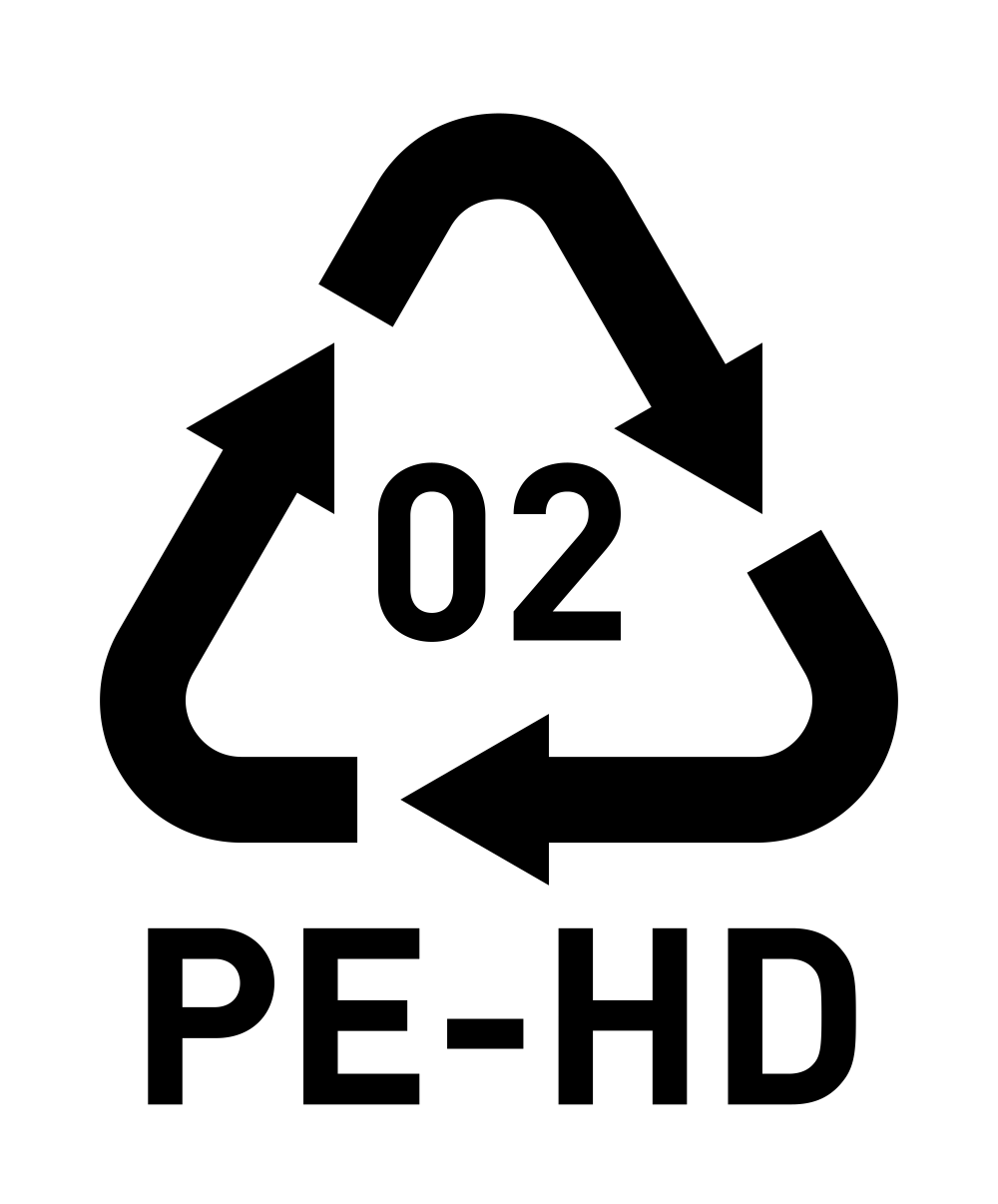
02 HDPE
♻️
Packaging & Material Codes
Resin Identification Code 02 PE-HD (HDPE)
03 PVC
♻️
Packaging & Material Codes
Resin Identification Code 03 V (PVC)
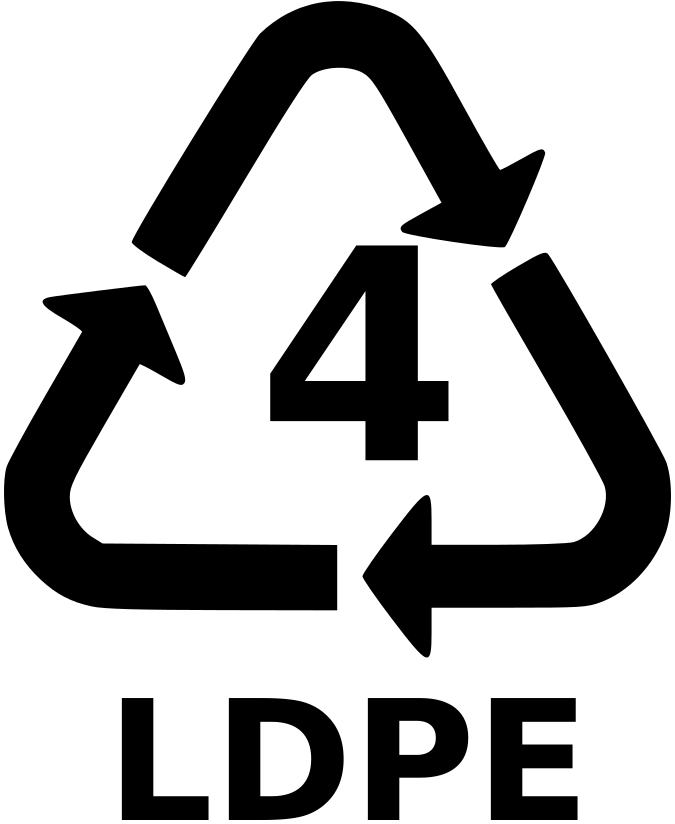
04 LDPE
♻️
Packaging & Material Codes
Resin Identification Code 04 PE-LD (LDPE)
05 PP
♻️
Packaging & Material Codes
Resin Identification Code 05 PP (Polypropylene)
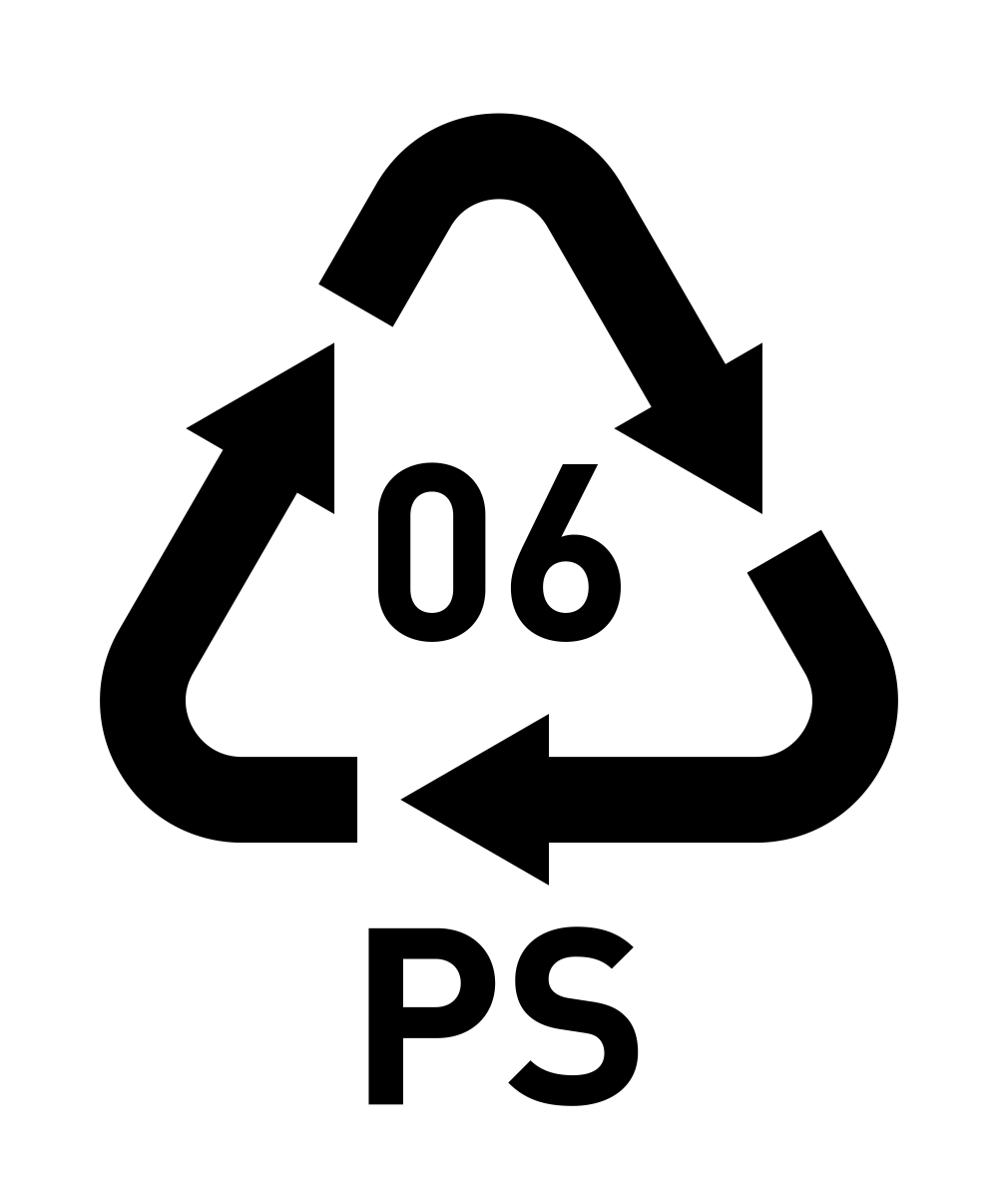
06 PS
♻️
Packaging & Material Codes
Resin Identification Code 06 PS (Polystyrene / Styrofoam)
07 OTHER
♻️
Packaging & Material Codes
Resin Identification Code 07 OTHER (Plastics)
Rainforest Alliance
Organic Farming & Bio Standards
Rainforest Alliance Certified (Green Frog)
Blue Recycle
♻️
Packaging & Material Codes
International Blue Recycling Loop for Paper & Cardboard
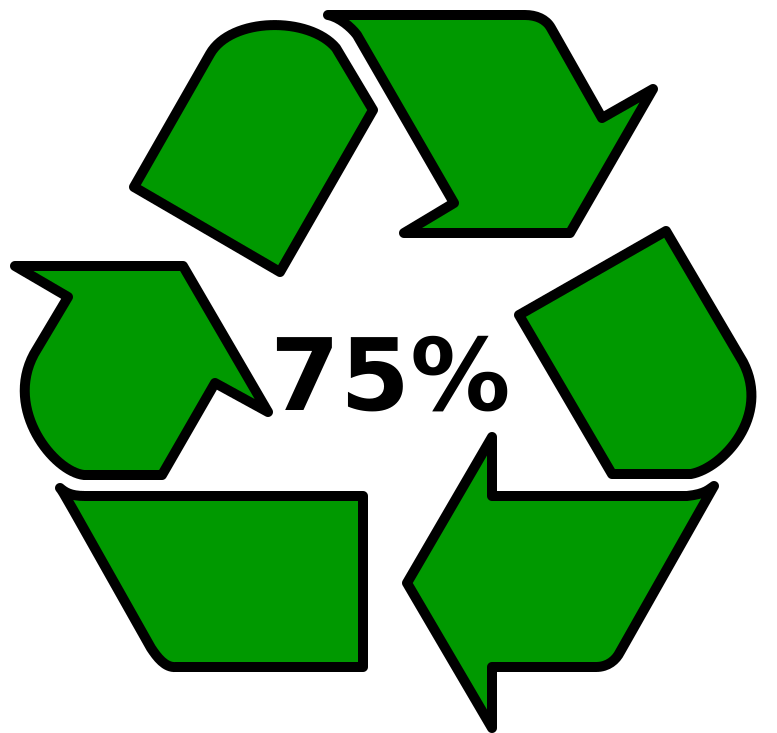
Mobius % Recycled
♻️
Packaging & Material Codes
Mobius Loop with Percentage Recycled Content (ISO 14021)
50 FOR
♻️
Packaging & Material Codes
Recycling Code 50 FOR (Wood & Wooden Crates)
51 FOR
♻️
Packaging & Material Codes
Recycling Code 51 FOR (Cork Packaging & Stoppers)
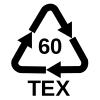
60 COT
♻️
Packaging & Material Codes
Recycling Code 60 COT (Cotton Textile Fibers)
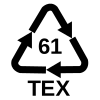
61 TEX
♻️
Packaging & Material Codes
Recycling Code 61 TEX (Jute & Burlap Fibers)
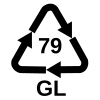
79 C/GL
♻️
Packaging & Material Codes
Recycling Code 79 (Glass & Multi-Material Composites)
81 C/PAP
♻️
Packaging & Material Codes
Recycling Code 81 C/PAP (Composite Beverage Cartons / Tetra Pak)
84 C/PAP
♻️
Packaging & Material Codes
Recycling Code 84 C/PAP (Paperboard & Aluminium Barrier)
90 Composite
♻️
Packaging & Material Codes
Recycling Code 90 (Plastic and Metal Composites)
Circular Loop
♻️
Packaging & Material Codes
Circular Closed-Loop Recycling Symbol
Re-turn IE
♻️
Packaging & Material Codes
Irish National Deposit Return Scheme Mark (Re-turn Ireland)
Reusable
♻️
Packaging & Material Codes
International Reusable Packaging Loop Symbol
RoHS
Energy Efficiency & Technical Standards
RoHS Restriction of Hazardous Substances
ROK Recycle
♻️
Packaging & Material Codes
Republic of Korea National Recycling Mark (South Korea)
RSPCA Assured
Organic Farming & Bio Standards
RSPCA Assured Higher Welfare Food Mark (United Kingdom)
Seedling EN 13432
♻️
Packaging & Material Codes
European Bioplastics Seedling Logo (Industrial Compost)
SPCA Certified
Organic Farming & Bio Standards
SPCA Certified Humane Animal Welfare Mark
Statiegeld NL
♻️
Packaging & Material Codes
Statiegeld Nederland Deposit Return Logo
Taiwan 4-in-1
♻️
Packaging & Material Codes
Taiwan Statutory 4-in-1 Recycling Symbol
TCO Certified
Energy Efficiency & Technical Standards
TCO Certified Sustainability in IT Products
Tidyman
♻️
Packaging & Material Codes
International Tidyman Anti-Littering Symbol
Triman
♻️
Packaging & Material Codes
French Triman Mandatory Recycling Pictogram
TÜV Austria
♻️
Packaging & Material Codes
TÜV Austria Biodegradability & Circular Testing
TÜV NORD
Energy Efficiency & Technical Standards
TÜV NORD Carbon Footprint & Environmental Testing
TÜV Rheinland
Energy Efficiency & Technical Standards
TÜV Rheinland Global Technical & Environmental Testing
TÜV SÜD
Energy Efficiency & Technical Standards
TÜV SÜD Industrial Decarbonization & Energy Efficiency
USDA Organic
Organic Farming & Bio Standards
USDA National Organic Program (NOP) Seal
UTZ Certified
Organic Farming & Bio Standards
UTZ Certified Sustainable Coffee, Tea & Cocoa
V-Label
Vegan & Animal Welfare
V-Label European Vegetarian & Vegan Standard
Vegan Trademark
Vegan & Animal Welfare
The Vegan Society Sunflower Trademark
Vier Pfoten
Organic Farming & Bio Standards
Four Paws (Vier Pfoten International Animal Welfare)
Ohne Gentechnik
Organic Farming & Bio Standards
German VLOG "Ohne Gentechnik" (Certified Non-GMO Standard)
WEEE
Energy Efficiency & Technical Standards
WEEE Crossed-Out Wheeled Bin Symbol
Animal Protection
Organic Farming & Bio Standards
World Animal Protection Global Welfare Standard
Zero Waste 5R
♻️
Packaging & Material Codes
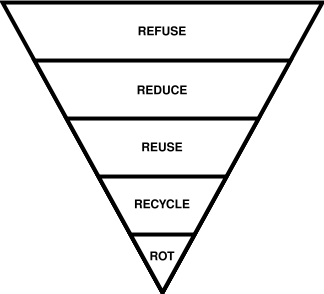
Zero Waste 5R Circular Hierarchy Symbol
No standards found matching your criteria.