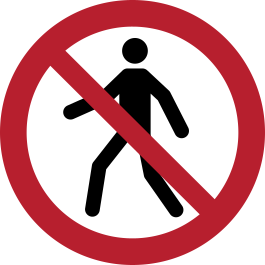
IEC 60417-5136
Oven & Baking Modes
Microwave Oven Heating Mode
IEC 60417-5137
Coffee & Small Kitchen
Bread Toaster / Browning Appliance
IEC 60417-5138
Oven & Baking Modes
Countertop Toaster Oven & Mini Grill
IEC 60417-5140
Coffee & Small Kitchen
Drip Coffee Maker & Brewer
IEC 60417-5141
Coffee & Small Kitchen
Electric Water Kettle with Auto-Shutoff
IEC 60417-5142
Coffee & Small Kitchen
Stationary Food Blender & Smoothie Maker
IEC 60417-5143
Induction & Cooktops
Kitchen Range Cooktop & Stove Burners
IEC 60417-5144
Dishwasher Symbols
Automatic Dishwasher Machine
IEC 60417-5145
Fridge & Freezer
Household Refrigerator & Freezer
IEC 60417-5146
Oven & Baking Modes
Steam Cooking Pot / Pressure Steamer
IEC 60417-5147
Oven & Baking Modes
Electric Barbecue Grill / Broiler Rack
ISO 7000-0112
Cookware & Food Safety
Frying Pan & Skillet Cookware
ISO 7000-0114
Coffee & Small Kitchen
Kitchen Weight Scale / Ingredient Measurement
ISO 7000-0115
Induction & Cooktops
Gas Cooktop Burner Flame Control
IEC 60417-5148
Oven & Baking Modes
Kitchen Cooking Timer & Minute Minder
IEC 60417-5149
Oven & Baking Modes
Oven Temperature Thermostat Setting
IEC 60417-5082
AC, Heating & Vacuum
Kitchen Range Hood Exhaust Extraction Fan
IEC 60417-5088
Fridge & Freezer
Super Freeze / Fast Chill Snowflake Mode
ISO 7000-0116
Oven & Baking Modes
Chef Gourmet Automatic Cooking Program
IEC 60417-5150
Induction & Cooktops
Induction Cooktop Heating Coil
EC 1935/2004
Cookware & Food Safety
Food Contact Safe Symbol (Wine Glass & Fork)
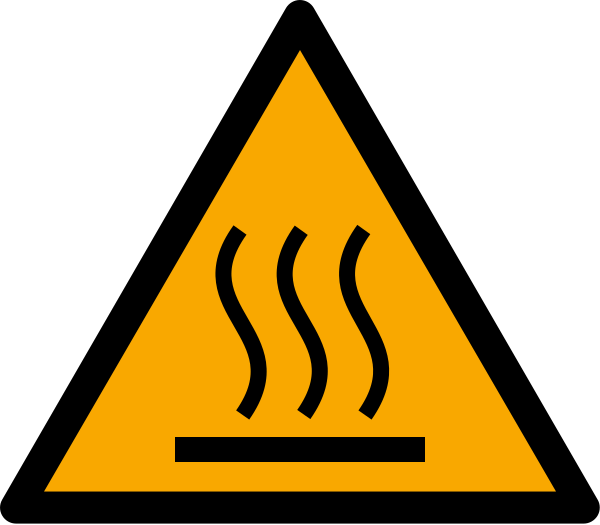
ISO 7010 W017
Oven & Baking Modes
Warning: Hot Surface – Burn Hazard
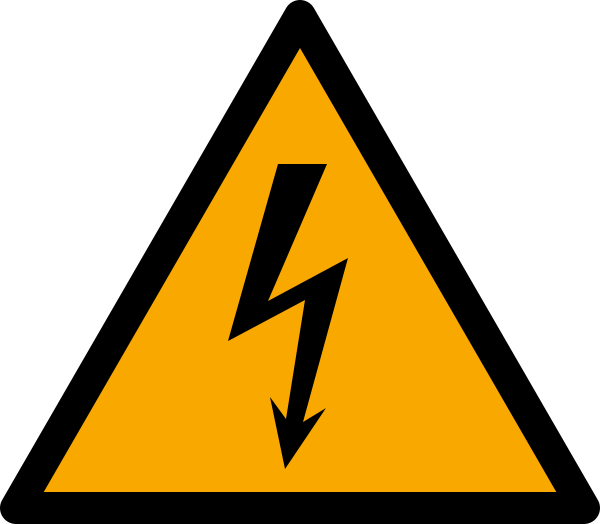
ISO 7010 W012
Electrical, IP & Remote Controls
Danger: High Voltage / Electric Shock Risk
ISO 7010 M002
Electrical, IP & Remote Controls
Refer to Instruction Manual / Operating Booklet
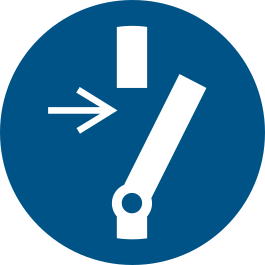
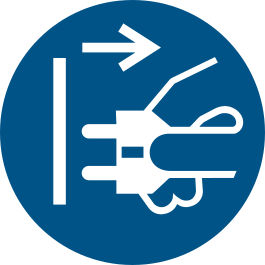
ISO 7010 M021
Electrical, IP & Remote Controls
Disconnect Mains Plug from Electrical Outlet
ISO 7010 M003
Lawn Mower & Garden Tools
Wear Hearing / Ear Protection (Lawn Mowers & Tools)
ISO 7010 M004
Lawn Mower & Garden Tools
Wear Eye Protection / Safety Glasses (Trimmers & Saws)
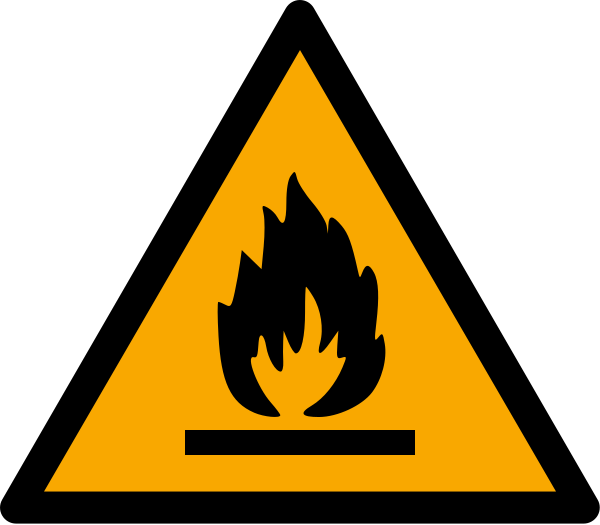
ISO 7010 W021
Fridge & Freezer
Warning: Flammable Refrigerant Gas R600a / R290
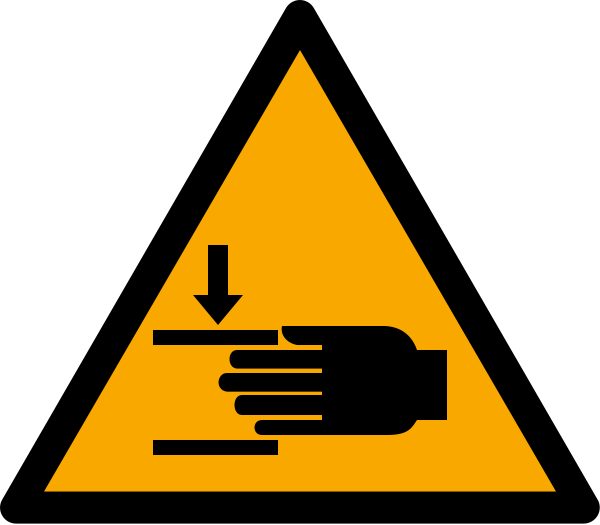
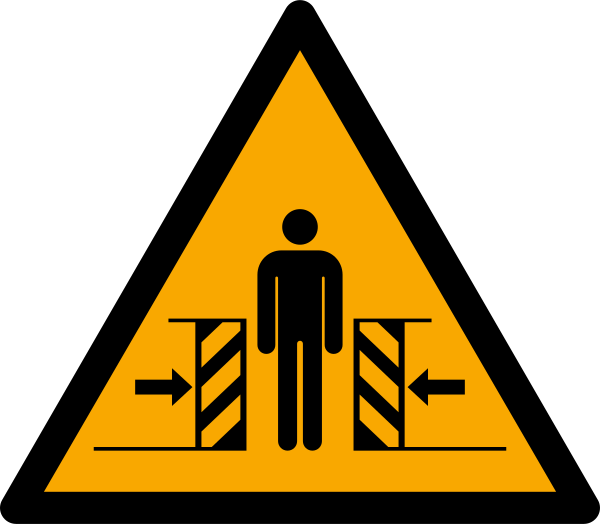
ISO 7010 W024
Lawn Mower & Garden Tools
Warning: Crushing of Hands / Pinch Point Between Moving Parts
IEC 60417-5009
Electrical, IP & Remote Controls
Standby Power On/Off Button (Broken Circle & Line)
IEC 60417-5151
Washer & Dryer
Automatic Front-Load Washing Machine
IEC 60417-5152
Washer & Dryer
Clothes Tumble Dryer / Drying Cycle
IEC 60417-5153
Ironing & Personal Care
Steam Clothes Iron / Ironing Mode
IEC 60417-5154
Ironing & Personal Care
Hair Dryer (Blow Dryer) / Airflow Speed
IEC 60417-5155
AC, Heating & Vacuum
Robotic Vacuum Cleaner / Autonomous Cleaning
IEC 60417-5156
Lawn Mower & Garden Tools
Robotic Lawn Mower / Autonomous Grass Cutter
IEC 60417-5157
AC, Heating & Vacuum
Wall-Mounted Split Air Conditioner (HVAC Climate)
IEC 60417-5158
AC, Heating & Vacuum
HEPA Air Purifier & Ionizer (Clean Air)
IEC 60417-5159
AC, Heating & Vacuum
Ultrasonic Cool Mist Air Humidifier
IEC 60417-5160
AC, Heating & Vacuum
Electric Storage Water Heater (Boiler Tank)
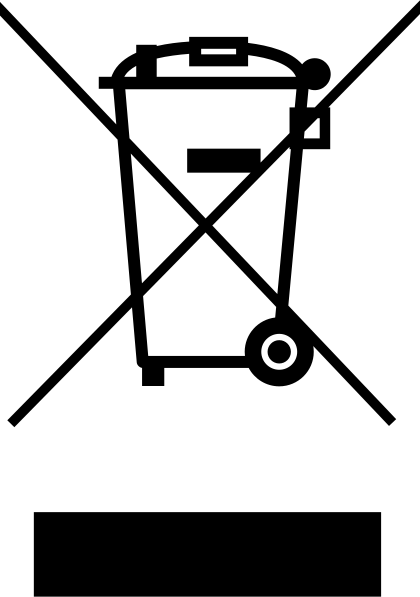
EN 50419 / WEEE
Electrical, IP & Remote Controls
WEEE Separate E-Waste Collection (Crossed-Out Wheelie Bin)
IEC 60417-5172
Electrical, IP & Remote Controls
Class II Double Insulated Appliance (Square Inside Square)
IEC 60417-5019
Electrical, IP & Remote Controls
Protective Earth Ground Terminal (PE Symbol)
IEC 60417-5180
Electrical, IP & Remote Controls
Class III Appliance (Safety Extra-Low Voltage SELV)
CE Marking
Electrical, IP & Remote Controls
CE European Conformity Marking
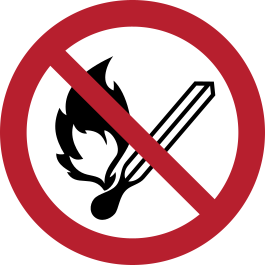
ISO 7010 P003
Electrical, IP & Remote Controls
No Open Flame / Fire Prohibition Sign
ISO 7010 P010
Oven & Baking Modes
Do Not Touch / Contact Prohibited (Hot or Hazardous Surface)
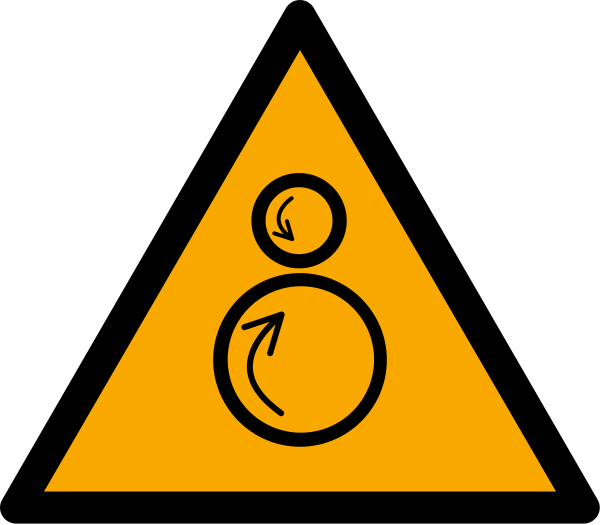
ISO 7010 W025
Lawn Mower & Garden Tools
Warning: Counter-Rotating Rollers & In-Running Nips
ISO 7010 W022
Coffee & Small Kitchen
Warning: Sharp Cutting Element / Rotating Blades Hazard
ISO 7010 W011
AC, Heating & Vacuum
Warning: Slippery Surface (Steam Mop & Water Leakage)
ISO 7000-0118
Lawn Mower & Garden Tools
Walk-Behind Rotary Lawn Mower (Garden Care)
IEC 60417-5161
AC, Heating & Vacuum
Central & Electric Heating Radiator (Convector)
ISO 7000-0120
AC, Heating & Vacuum
Optical Smoke & Fire Alarm Detector (Ceiling)
IEC 60417-5162
AC, Heating & Vacuum
Air Purifier & AC Filter Replacement Indicator
IEC 60417-5163
AC, Heating & Vacuum
Canister Vacuum Cleaner / Suction Power Level
IEC 60417-5164
Ironing & Personal Care
Rechargeable Electric / Sonic Toothbrush
IEC 60417-5569
Oven & Baking Modes
Child Safety Lock (Control Panel & Door Lock)
IEC 60417-5570
Dishwasher Symbols
Water Inlet Tap / Aquastop Supply Fault Indicator
ISO 7000-0621
Dishwasher Symbols
Delicate Glassware & Stemware Wash Program (40°C Glass)
IEC 60417-5571
Dishwasher Symbols
Eco 50°C Energy & Water Saving Program
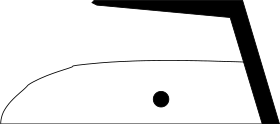
ISO 3758-411
Ironing & Personal Care
Iron at Low Temperature (110°C Max / 1 Dot)
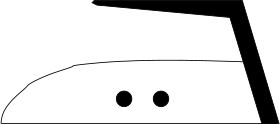
ISO 3758-412
Ironing & Personal Care
Iron at Medium Temperature (150°C Max / 2 Dots)
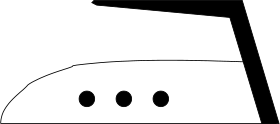
ISO 3758-413
Ironing & Personal Care
Iron at High Temperature (200°C Max / 3 Dots)
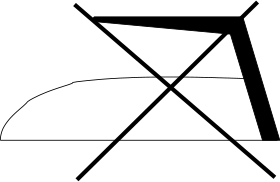
ISO 3758-414
Ironing & Personal Care
Do Not Iron (Heat Sensitive Garment)
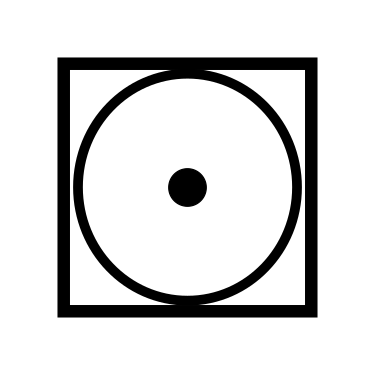
ISO 3758-311
Washer & Dryer
Tumble Dry at Low Heat (60°C Max / 1 Dot)
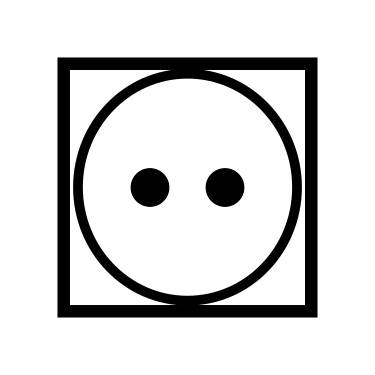
ISO 3758-312
Washer & Dryer
Tumble Dry at Normal / High Heat (80°C Max / 2 Dots)
ISO 3758-310
Washer & Dryer
Do Not Tumble Dry (Dryer Prohibited)
IEC 60417-5031
Electrical, IP & Remote Controls
Direct Current (DC Power Symbol ⎓)
IEC 60417-5032
Electrical, IP & Remote Controls
Alternating Current (AC Sine Wave Symbol ~)
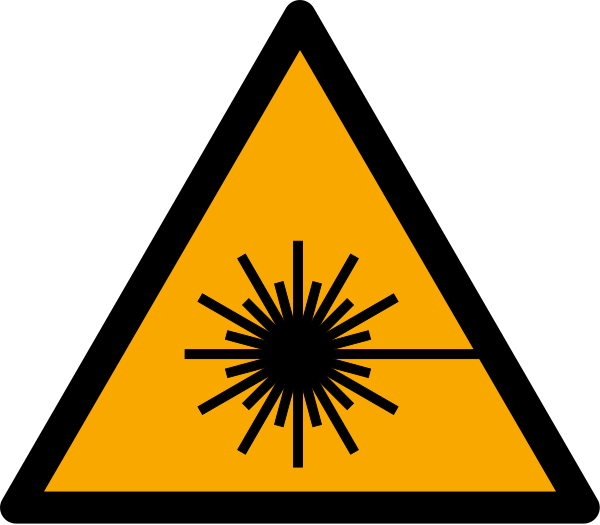
ISO 7010 W004
AC, Heating & Vacuum
Warning: Laser Beam Radiation (Robot Vacuum LiDAR)
IEC 60417-5315
Washer & Dryer
Washing Machine Error / Drain & Unbalance Fault
IEC 60417-5320
Washer & Dryer
Tumble Dryer Warning / Lint Filter or Condenser Alert
IEC 60417-5586
Ironing & Personal Care
Active Ironing Board / Steam Generator Station
IEC 60417-5323
Washer & Dryer
Cupboard Dry / Hanger Ready Drying Program
IEC 60417-6094
Ironing & Personal Care
Shaver Foil & Cutter Block Replacement Indicator
ISO 7000-2676
Dishwasher Symbols
Dishwasher System Error / Drainage or Leak Alarm
EN 62552-1
Fridge & Freezer
Refrigerator High Temperature / Door Ajar Alarm
ISO 7000-2426
AC, Heating & Vacuum
Water Boiler / Gas Water Heater Overheat & Pressure Fault
ISO 7000-2428
AC, Heating & Vacuum
Summer Mode / Central Heating Radiators Disabled
EN 14604
AC, Heating & Vacuum
Smoke & Fire Alarm Sounding (Emergency Alert Active)
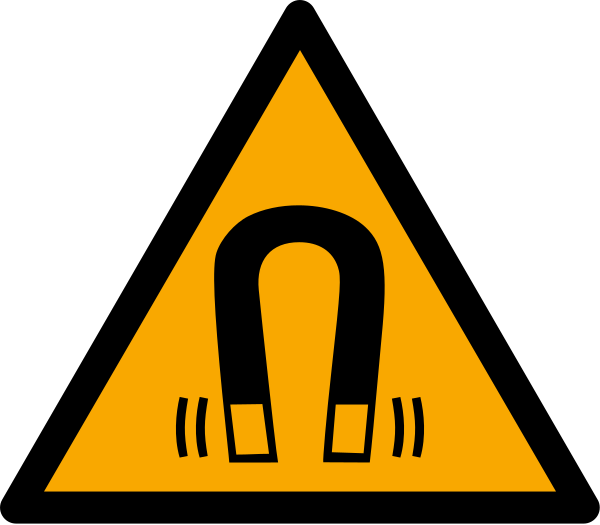
ISO 7010 W006
Induction & Cooktops
Warning: Strong Magnetic Field (Induction Hob Hazard)
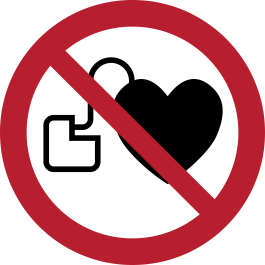
ISO 7010 P007
Induction & Cooktops
Prohibited for Persons with Cardiac Pacemakers (Induction Safe Distance)
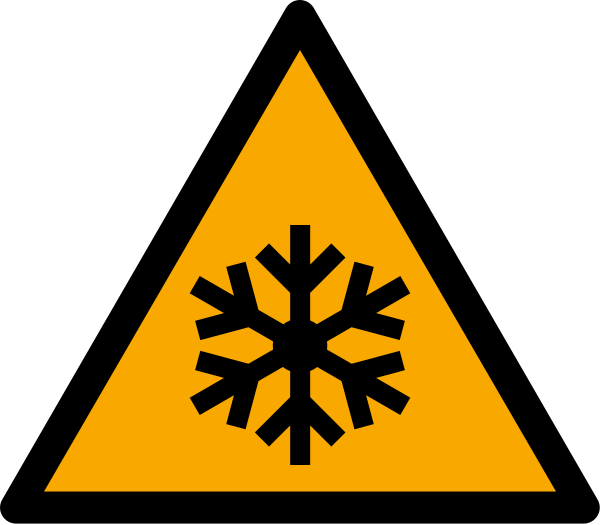
ISO 7010 W010
Fridge & Freezer
Warning: Low Temperature & Cryogenic Frostbite Hazard
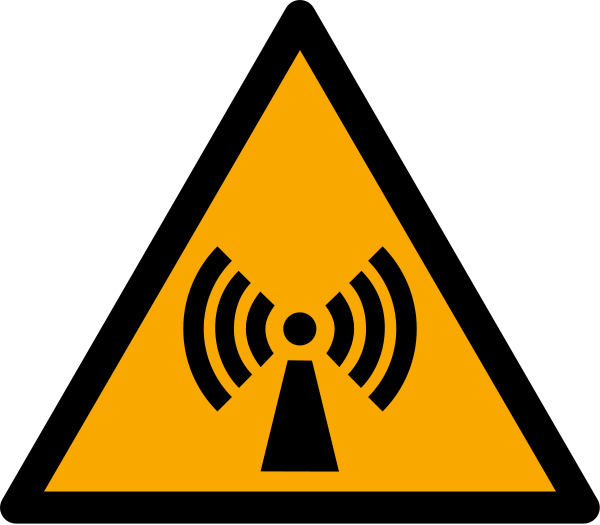
ISO 7010 W005
Oven & Baking Modes
Warning: Non-Ionizing Microwave & RF Radiation
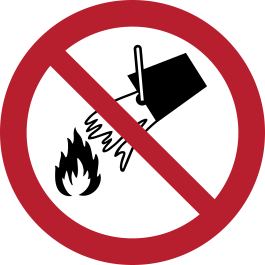
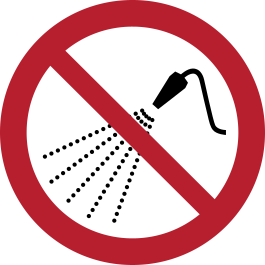
ISO 7010 P011
Electrical, IP & Remote Controls
Prohibition: Do Not Extinguish with Water (Oil & Electrical Fires)
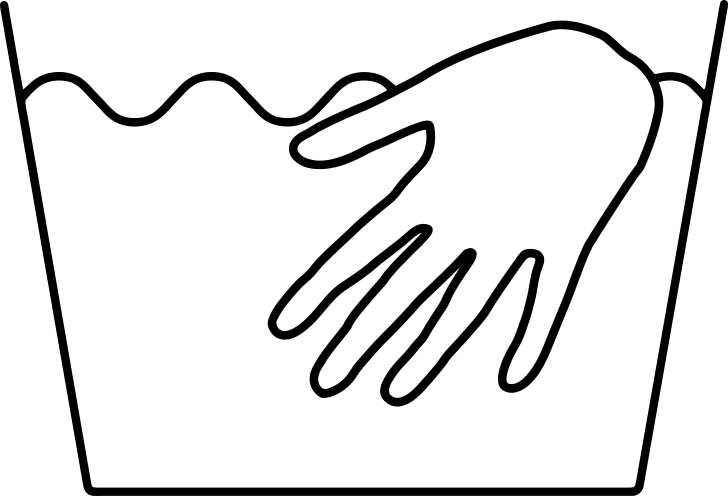
ISO 3758-140
Washer & Dryer
Hand Wash Only Program (Delicate Wool & Silk Care)
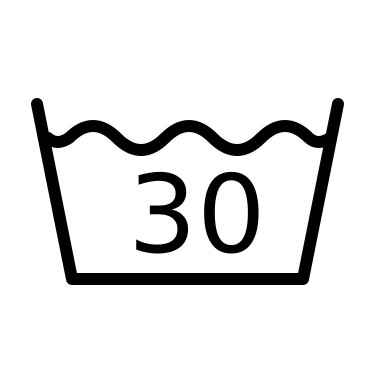
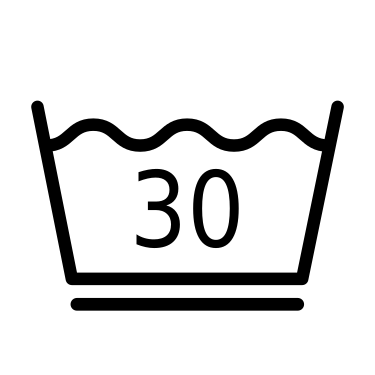
ISO 3758-130
Washer & Dryer
30°C Cold & Eco Wash Cycle (Synthetic & Delicate Fabrics)
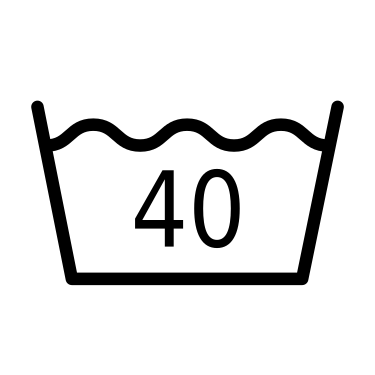
ISO 3758-141
Washer & Dryer
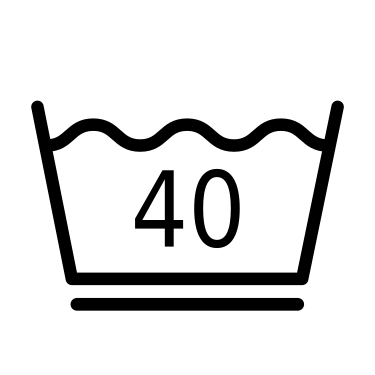
40°C Standard Daily Wash Cycle (Cotton & Mixed Loads)
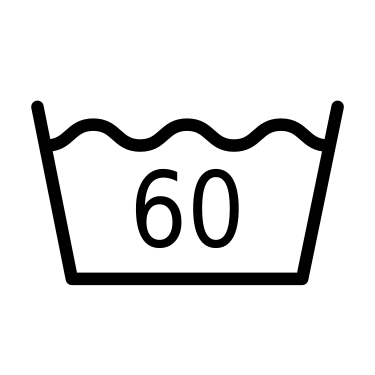
ISO 3758-160
Washer & Dryer
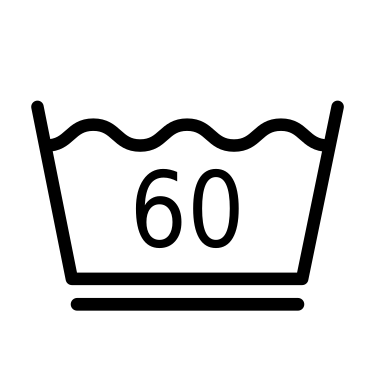
60°C Hygiene & Bedding Wash Cycle (Allergen & Mite Removal)
ISO 3758-195
Washer & Dryer
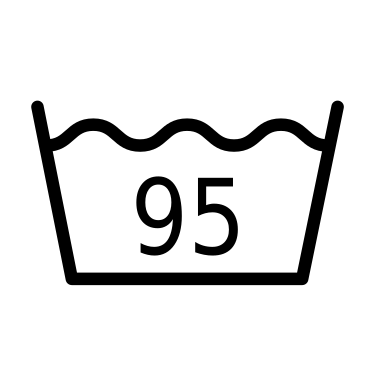
90-95°C Boil Wash & Drum Sterilization Cycle (Hospital Grade)
IEC 60417-5436
Electrical, IP & Remote Controls
Appliance Buzzer Mute / Silent Mode (End-of-Cycle Chime Off)
IEC 60417-6160
Electrical, IP & Remote Controls
Wi-Fi Smart Network Connection (Remote App Control & Diagnostics)
IEC 60417-6161
Electrical, IP & Remote Controls
Bluetooth Pairing Mode (Direct Mobile Device Connection)
IEC 60417-5534
Electrical, IP & Remote Controls
Mains Power Cord Plug (Connect to Wall Outlet / Cord Storage)
IEC 60417-5001
Electrical, IP & Remote Controls
Battery Charging Status (Cordless Vacuum & Shavers)
IEC 60417-5012
Oven & Baking Modes
Cavity & Worktop Interior Illumination (Oven & Range Hood Lamp)
ISO 7000-2417
AC, Heating & Vacuum
Dehumidification Dry Mode (Air Conditioner & Heat Pump)
ISO 7000-2416
AC, Heating & Vacuum
Heating Heat Pump Mode & Sun Comfort Setting (Thermostat Heating)
ISO 7000-2423
AC, Heating & Vacuum
Night Sleep Mode & Whisper Quiet Operation (Dimmed LEDs & Low Fan)
IEC 60417-6140
Coffee & Small Kitchen
Espresso & Fresh Coffee Cup Dispense (Brewing Cycle Active)
ISO 3758-100
Washer & Dryer
Prohibition: Do Not Wash in Water (Dry Clean or Specialized Care Only)
ISO 3758-201
Washer & Dryer
Bleaching Allowed (Chlorine & Oxygen Bleach Safe)
ISO 3758-200
Washer & Dryer
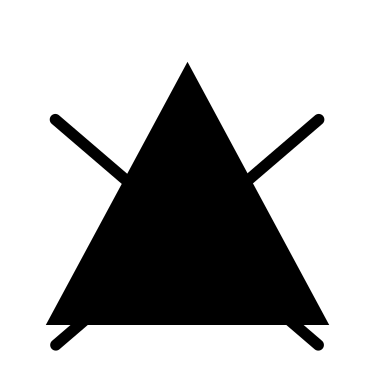
Prohibition: Do Not Bleach (Color Protection & Fabric Safety)
ISO 3758-202
Washer & Dryer
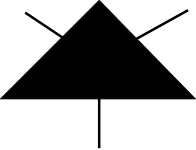
Non-Chlorine / Oxygen Bleach Only (No Chlorine Bleach)
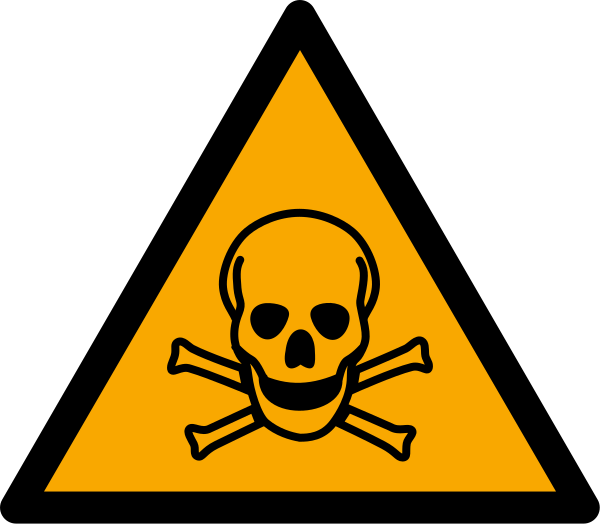
ISO 7010 W016
AC, Heating & Vacuum
Warning: Toxic Material & Carbon Monoxide Fumes Hazard
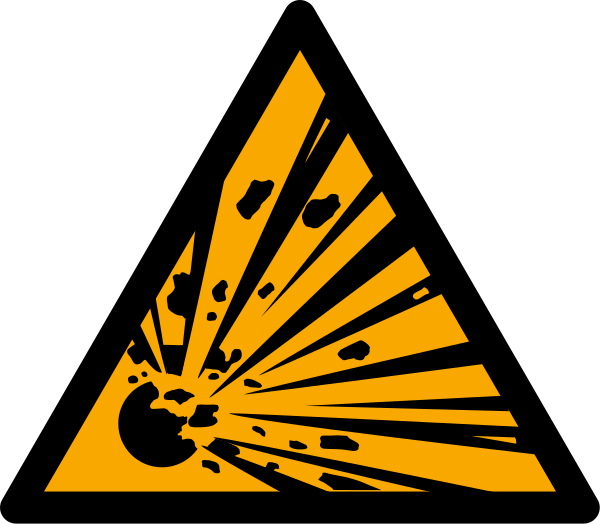
ISO 7010 W002
Electrical, IP & Remote Controls
Warning: Explosive Material & Battery Deflagration Hazard
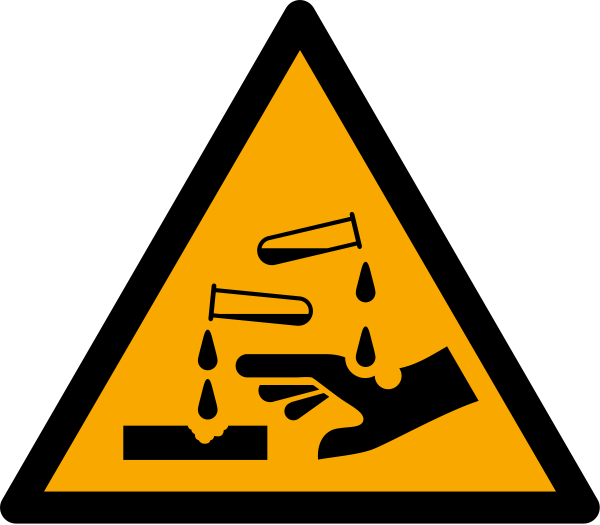
ISO 7010 W023
Dishwasher Symbols
Warning: Corrosive Substance (Oven Cleaners & Acidic Descalers)
ISO 7010 M009
Lawn Mower & Garden Tools
Mandatory: Wear Protective Gloves (Blade Maintenance & Caustic Cleaners)
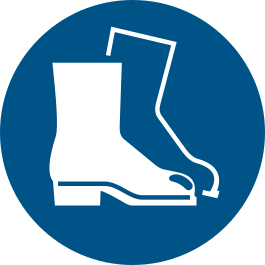
ISO 7010 M008
Lawn Mower & Garden Tools
Mandatory: Wear Safety Footwear (Lawn Mower & Outdoor Power Tools)
ISO 7010 P016
Electrical, IP & Remote Controls
Prohibition: Do Not Spray with Water (Electrical Shock Hazard)
IEC 60417-6040
Induction & Cooktops
Simmering & Stirring Saucepan Mode (Automatic Food Stir Function)
ISO 7000-2650
Dishwasher Symbols
Cutlery & Silverware Intensive Wash Cycle (Third Rack Care)
ISO 7000-2655
Dishwasher Symbols
HygienePlus Baby Bottle Sterilization 70-75°C (Antibacterial Rinse)
ISO 7000-2427
AC, Heating & Vacuum
Water Heater Standby / Heating Off Mode (Summer Energy Saver)
ISO 7000-2422
AC, Heating & Vacuum
Room Thermostat Setpoint Control (Target Temperature Regulation)
ISO 7000-2420
AC, Heating & Vacuum
Radiant & Underfloor Heating Thermal Waves (Floor Warming Active)
ISO 7000-2665
Fridge & Freezer
Water Filter & Ice Maker OK (Purified Drinking Water Status)
ISO 7000-0082
Dishwasher Symbols
Water Tap Closed / No Water Supply Alert (Check Water Inlet)
IEC 60417-6101
Coffee & Small Kitchen
Coffee Beans Hopper Status (Refill Whole Beans / Bean Aroma Setting)
IEC 60417-5534
Electrical, IP & Remote Controls
Appliance Deep Sleep & Eco Standby Mode (Sub-Watt Energy Save)
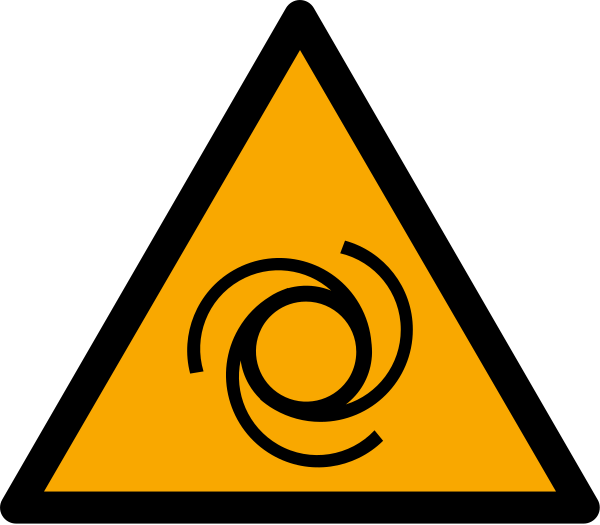
ISO 7010 W018
Lawn Mower & Garden Tools
Warning: Automatic Unexpected Start-Up (Robot Mowers & Timed Pumps)
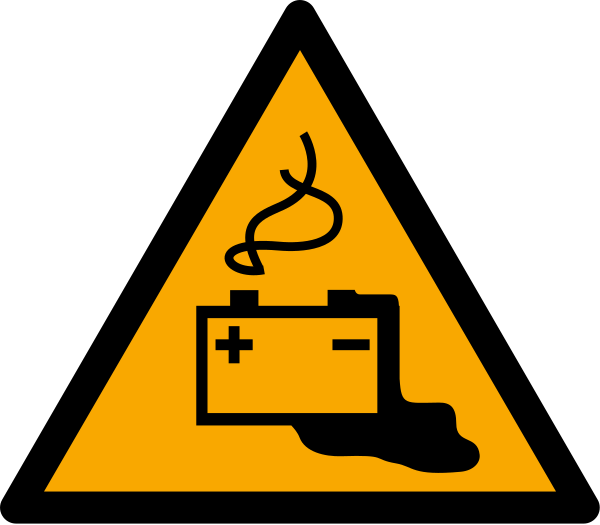
ISO 7010 W026
Electrical, IP & Remote Controls
Warning: Battery Charging Hazard (Flammable Gases & Overheating)
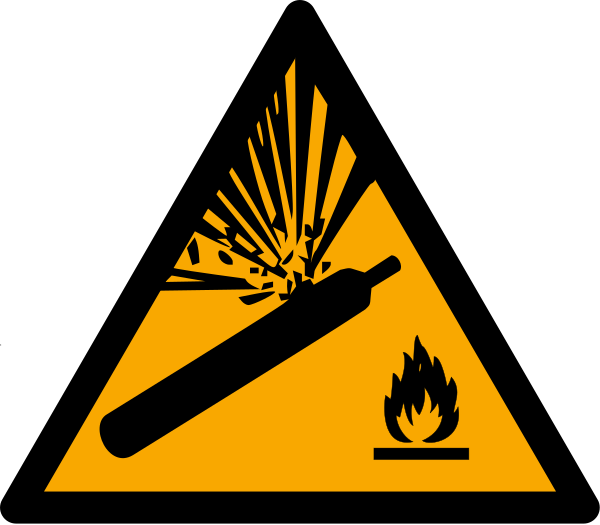
ISO 7010 W029
Coffee & Small Kitchen
Warning: Pressurized Gas Cylinder (Soda Makers & Beer Dispensers)
ISO 7010 M005
Electrical, IP & Remote Controls
Mandatory: Connect an Earth Terminal to Ground (Class I Safety)
ISO 7010 P031
Electrical, IP & Remote Controls
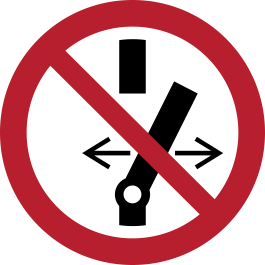
Prohibition: Do Not Switch On / Alter Switch State (Maintenance Lockout)
ISO 3758-340
Washer & Dryer
Prohibition: Do Not Wring & No Spin Cycle (Prevent Fiber Twisting)
ISO 3758-510
Washer & Dryer
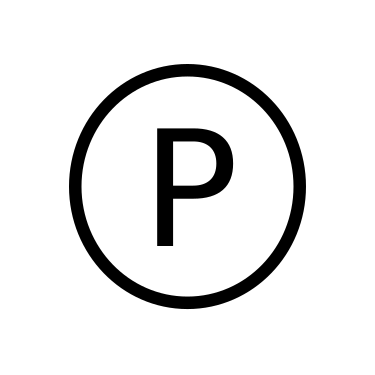
Professional Dry Clean in Perchloroethylene (Circle P Solvent)
ISO 3758-500
Washer & Dryer
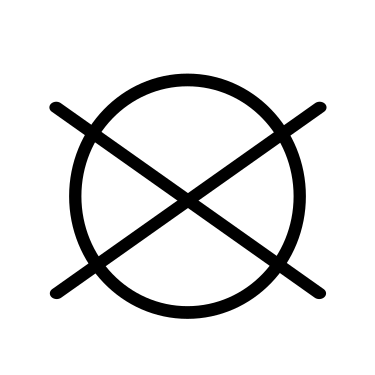
Prohibition: Do Not Dry Clean (Solvent Sensitive Membranes)
ISO 3758-540
Washer & Dryer
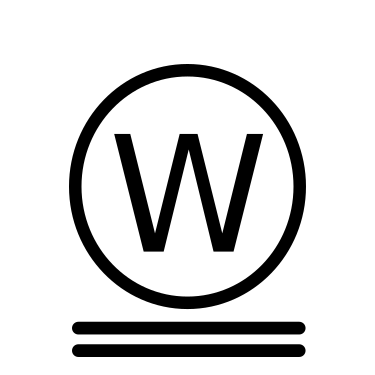
Professional Wet Cleaning Permitted (Circle W Water Program)
ISO 3758-330
Washer & Dryer
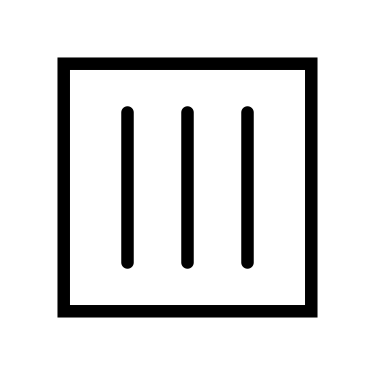
Drip Dry in Shade (Hang Dripping Wet Without Spin)
EN 62552-2
Fridge & Freezer
Lower Freezer Zone Control (Freezer Temperature Setpoint)
EN 62552-3
Fridge & Freezer
Upper Fresh Food Refrigerator Zone Control (Fridge Temp Setpoint)
IEC 60417-5546
Fridge & Freezer
Refrigerator Cooling Shut Down / Manual Cleaning Defrost Mode
ISO 7000-2652
Dishwasher Symbols
Dishwasher Power Off / Cycle Canceled & Drained
IEC 60417-5310
Washer & Dryer
Washing Machine Cycle Complete / Door Lock Released & Off
IEC 60417-5321
Washer & Dryer
Tumble Dryer Program End / Anti-Crease Cooldown Finished
IEC 60417-6109
Coffee & Small Kitchen
Rapid Water Boiling & Steam Pressure Cut-Off (Electric Kettle Boiling)
IEC 60417-5587
Coffee & Small Kitchen
Kettle Boil-Dry Protection or Limescale Descaling Warning
IEC 60417-6103
Coffee & Small Kitchen
Drip Coffee Brewing Complete (Carafe Ready & Hotplate Active)
IEC 60417-6114
AC, Heating & Vacuum
Robot Vacuum Stuck / Roller Brush or Drive Wheel Error Alert
ISO 3758-320
Washer & Dryer
Dry Flat Horizontally (Wool & Heavy Knitwear Care)
ISO 3758-315
Washer & Dryer
Line Dry / Hang to Dry (Clothesline Natural Air Drying)
ISO 3758-350
Washer & Dryer
Dry in the Shade (Protect Colors from Direct Sun Bleaching)
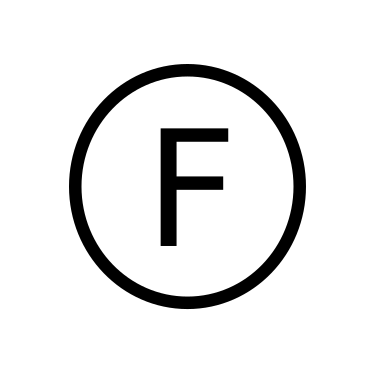
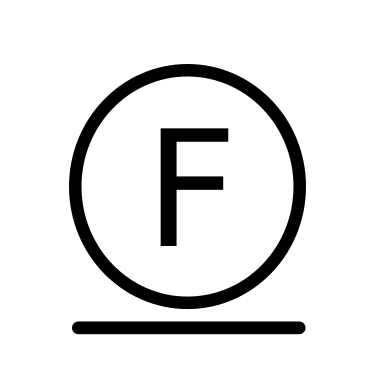
ISO 3758-520
Washer & Dryer
Professional Dry Clean with Hydrocarbons (Circle F Delicate Solvents)
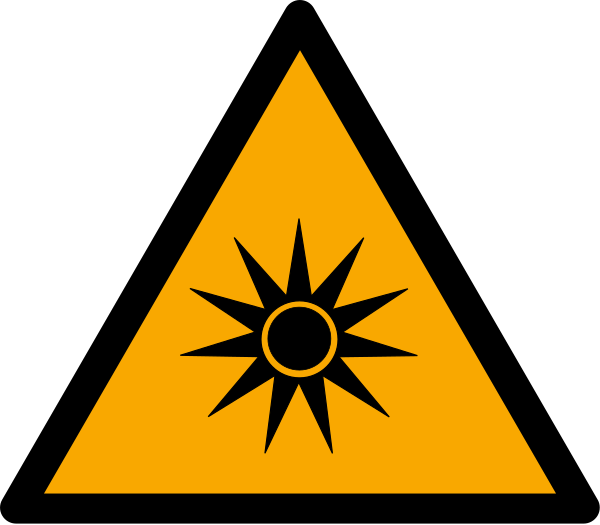
ISO 7010 W027
AC, Heating & Vacuum
Warning: Optical & UV-C Sterilization Radiation Hazard
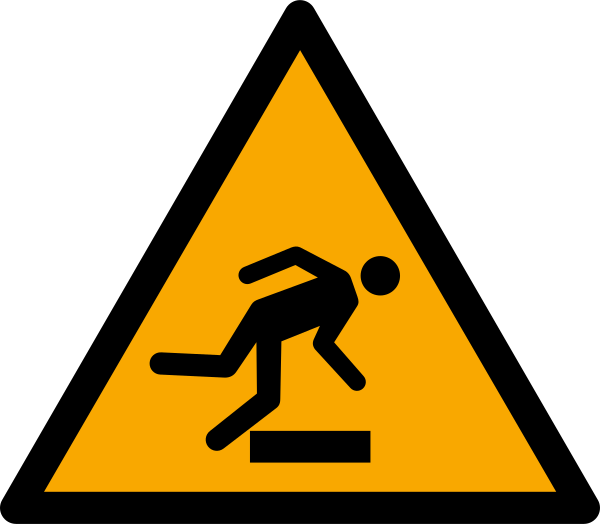
ISO 7010 W007
AC, Heating & Vacuum
Warning: Floor Obstacle & Trip Hazard (Trailing Power Cords & Robot)
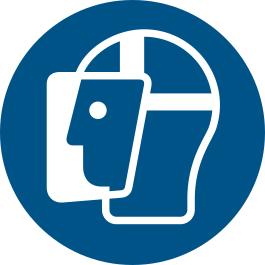
ISO 7010 M013
Lawn Mower & Garden Tools
Mandatory: Wear Face Shield (Grass Trimmers & High Pressure Washers)
ISO 7010 M017
Lawn Mower & Garden Tools
Mandatory: Wear Respiratory Protection (Ash Vacuums & Sprayers)
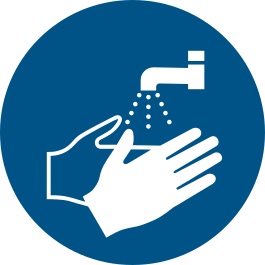
ISO 7010 M011
Cookware & Food Safety
Mandatory: Wash Hands (Food Preparation & Kitchen Hygiene)
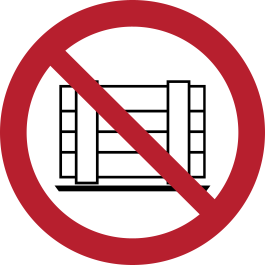
ISO 7010 P023
Oven & Baking Modes
Prohibition: Do Not Step or Place Heavy Loads on Open Door
ISO 7000-2670
Lawn Mower & Garden Tools
Robotic Lawnmower Schedule & Boundary Wire Sensor Active
IEC 60417-6095
AC, Heating & Vacuum
Ultrasonic Air Humidifier Off / Water Reservoir Tank Empty
ISO 7000-2668
AC, Heating & Vacuum
Air Purifier Standby / HEPA Filter Replacement Due
ISO 7000-2418A
AC, Heating & Vacuum
Fan Speed Level 1 (Low Quiet Continuous Airflow / Night Setting)
ISO 7000-2418B
AC, Heating & Vacuum
Fan Speed Level 2 (Medium Balanced Extraction / Standard Cooking)
ISO 7000-2418C
AC, Heating & Vacuum
Fan Speed Level 3 (Maximum Intensive Booster Extraction)
ISO 7000-2418
AC, Heating & Vacuum
Ventilation Blower Off (Convection Fan & Range Hood Stop)
IEC 60417-6105
Coffee & Small Kitchen
Toaster Cancel & Bread Pop-Up Eject (Emergency Heating Stop)
IEC 60417-6102
Coffee & Small Kitchen
Coffee Dispensing Blocked (Descaling Required or Waste Full)
IEC 60417-5143
Oven & Baking Modes
Microwave Heating Stopped & Timer Cancel (Power Off / Stop Button)
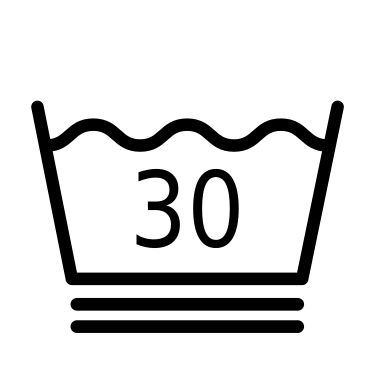
ISO 3758-131
Washer & Dryer
30°C Mild & Gentle Synthetics Wash (1 Bar Reduced Agitation)
ISO 3758-132
Washer & Dryer
30°C Very Mild Cradle Wash (2 Bars / Silk & Machine-Washable Wool)
ISO 3758-142
Washer & Dryer
40°C Easy-Care & Synthetic Gentle Wash (1 Bar Anti-Crease)
ISO 3758-161
Washer & Dryer
60°C Mild Hygiene Wash (1 Bar / Delicates Allergy Protection)
ISO 7010 W001
Electrical, IP & Remote Controls
General Warning Sign / Appliance Fault & Hazard Alert
ISO 7010 W028
Washer & Dryer
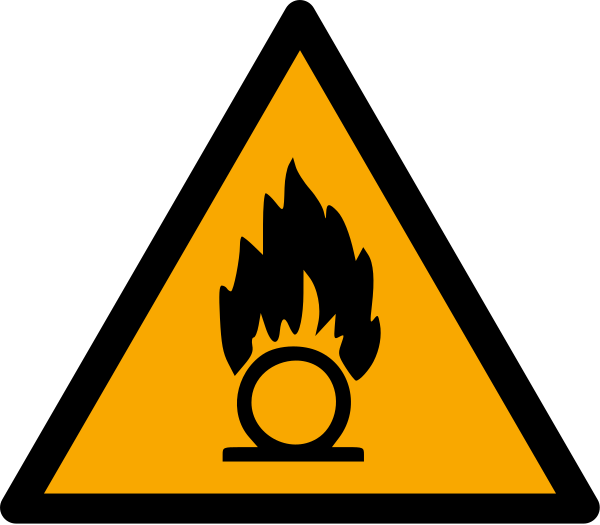
Warning: Oxidizing Material Hazard (Oxygen Bleach & Concentrated Peroxide)
ISO 7010 W041
AC, Heating & Vacuum
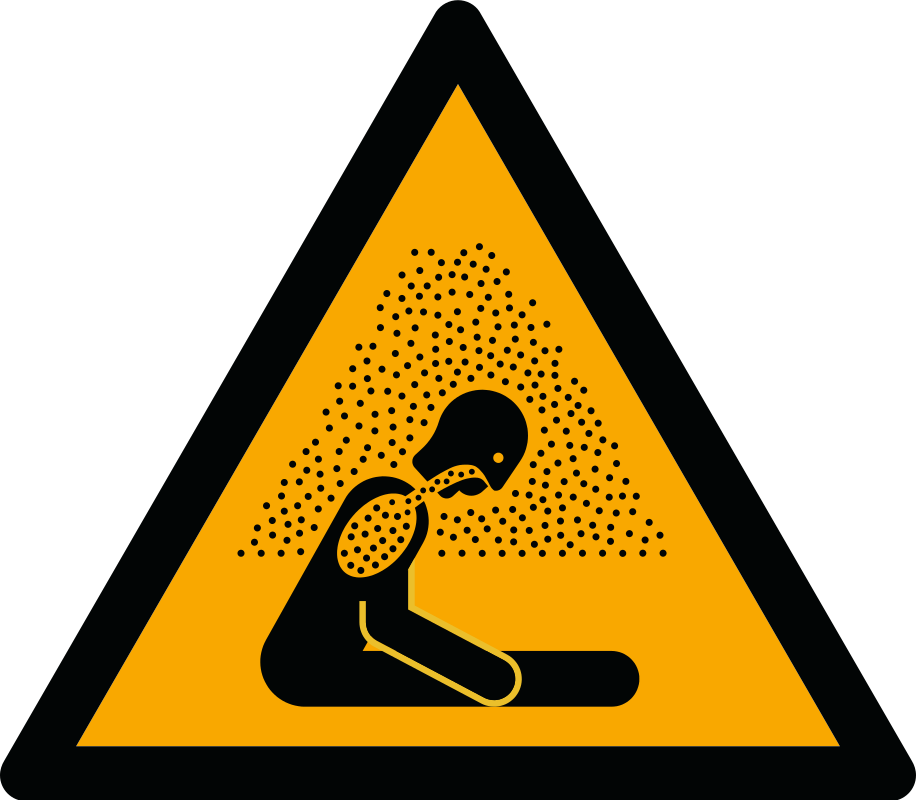
Warning: Breathing & Asphyxiation Hazard (Refrigerant Leaks & Boilers)
ISO 7010 W042
Electrical, IP & Remote Controls
Warning: Electric Arc Flash Hazard (High-Power Distribution Panels)
ISO 7010 M010
Lawn Mower & Garden Tools
Mandatory: Wear Protective Clothing (Chainsaw Chaps & Trimmer Apron)
ISO 7010 M027
Lawn Mower & Garden Tools
Mandatory: Install or Check Safety Guard (Lawn Mower Discharge Chute)
EN 62552-4
Fridge & Freezer
Multi-Door Side-by-Side Refrigerator Mode (Independent Multi-Zone)
EN 62552-5
Fridge & Freezer
Deep Freezer Chest & Commercial Storage (Sub-Zero Fast Blast Chill)
EN 30-1-1
Induction & Cooktops
LPG Bottled Gas Supply Mode (Propane/Butane Cooker Nozzle Setting)
EN 14543
AC, Heating & Vacuum
Outdoor Patio Mushroom Heater (Infrared Radiant Gas & Quartz Heater)
IEC 60417-5082A
AC, Heating & Vacuum
Ceiling Fan Air Circulation (Summer Downdraft / Winter Destratification)
IEC 60417-5082B
AC, Heating & Vacuum
Ceiling Fan Integrated Light & Dimmer (Fan Lamp Control)
EN 13240
AC, Heating & Vacuum
Pellet Stove & Electric Fireplace Flame Effect (Hearth Heating Mode)
EN 13240-OFF
AC, Heating & Vacuum
Stove & Fireplace Extinguished / Cool-Down & Ash Cleaning Mode
ISO 7000-1396
Lawn Mower & Garden Tools
Water Booster Pump Stopped / Dry-Run Automatic Protection Alert
IEC 60417-6170
Electrical, IP & Remote Controls
Smart Grid Ready & Solar PV Surplus Auto-Start Mode (SG Ready)
ISO 3758-143
Washer & Dryer
40°C Very Mild Gentle Cradle Wash (2 Bars)
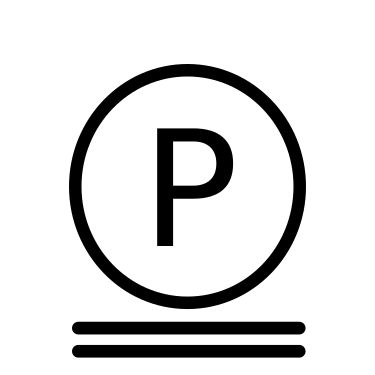
ISO 3758-511
Washer & Dryer
Mild Professional Dry Clean (P with Underline)
ISO 3758-521
Washer & Dryer
Mild Professional Wet Cleaning (W with Underline)
ISO 3758-335
Washer & Dryer
Drip Line Drying in the Shade (No Wringing)
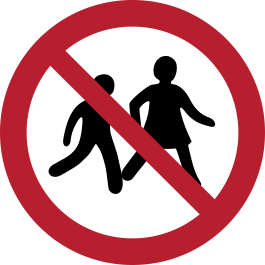
ISO 7010 P036
Electrical, IP & Remote Controls
Do Not Allow Children Unsupervised / Keep Away
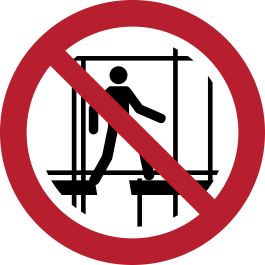
ISO 7010 P025
Electrical, IP & Remote Controls
Do Not Operate Incomplete or Damaged Unit
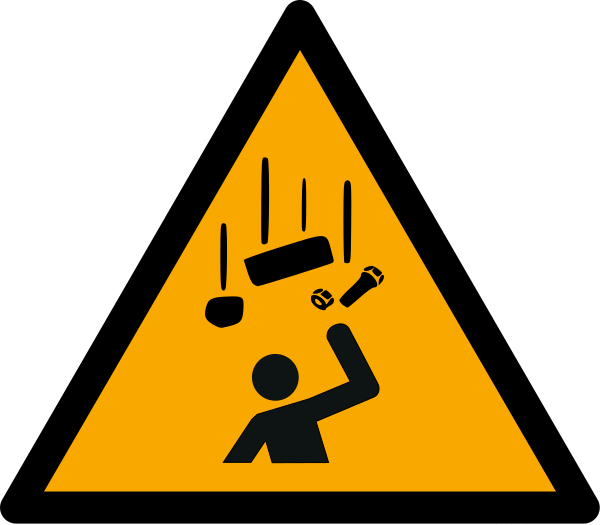
ISO 7010 W035
Oven & Baking Modes
Warning: Falling Objects & Heavy Suspended Items
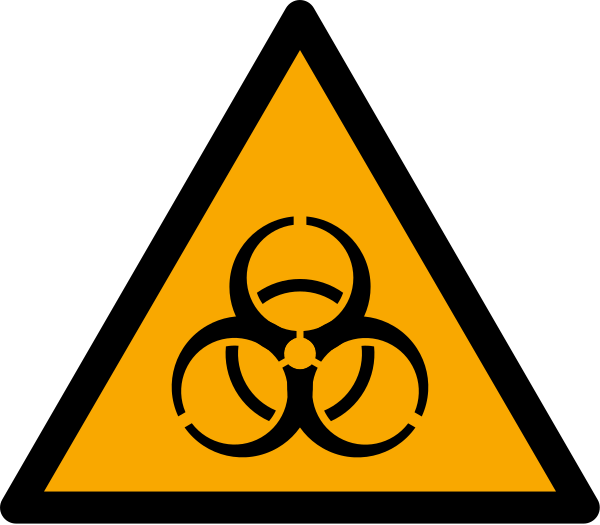
ISO 7010 W009
AC, Heating & Vacuum
Warning: Biological Hazard – Mold & Bacteria in Filters
ISO 7010 M014
Lawn Mower & Garden Tools
Mandatory Head Protection – Pruning & High Branches
ISO 7010 M015
Lawn Mower & Garden Tools
Mandatory High-Visibility Clothing for Outdoor Work
IEC 60417-5140A
Coffee & Small Kitchen
Drip Coffee Maker & Carafe Keep-Warm Plate
IEC 60417-6142
Coffee & Small Kitchen
Gooseneck Pour-Over Kettle & Precision Temperature
ISO 7000-2648
Cookware & Food Safety
Stockpot Boiling & Slow Cook Casserole Mode
IEC 60417-6120
Oven & Baking Modes
Steam Venting & Boiling Over Protection
IEC 60417-5544A
Oven & Baking Modes
Electric & Charcoal Barbecue Grill Sear Mode
EN 806-2
AC, Heating & Vacuum
Smart Learning Boiler & Auto Eco Water Heating
IEC 60417-5679
AC, Heating & Vacuum
Air Filter Status OK / Filter Reset Completed
IEC 60417-5680
AC, Heating & Vacuum
Stick Vacuum Cleaner Normal Suction Eco Mode
IEC 60417-5858
Ironing & Personal Care
Hair Dryer Cool Shot & Gentle Styling Airflow
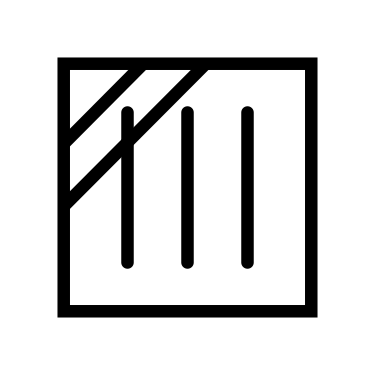
ISO 3758-415
Ironing & Personal Care
Dry Ironing Mode (Steam Generation Turned Off)
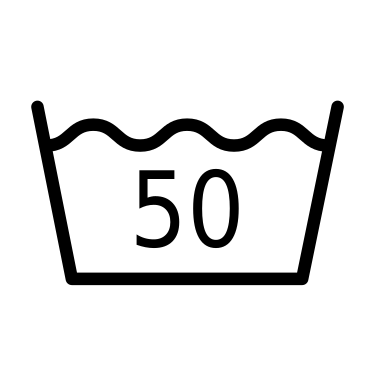
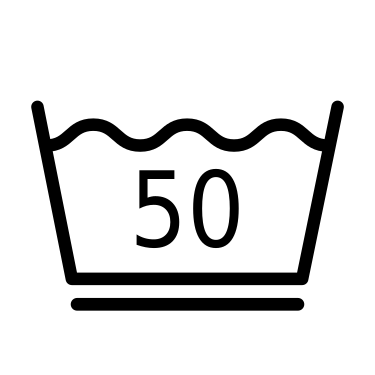
ISO 3758-150
Washer & Dryer
50°C Warm Synthetic & Colored Cotton Wash
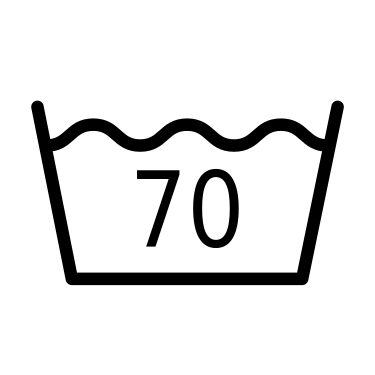
ISO 3758-170
Washer & Dryer
70°C Hot Antibacterial Hygiene Wash
ISO 3758-521
Washer & Dryer
Mild Hydrocarbon Dry Cleaning (F with Underline)
ISO 3758-542
Washer & Dryer
Very Mild Professional Wet Cleaning (W with 2 Bars)
ISO 3758-316
Washer & Dryer
Line Drying in the Shade (No Direct Sunlight)
ISO 3758-326
Washer & Dryer
Dry Flat Horizontally in the Shade
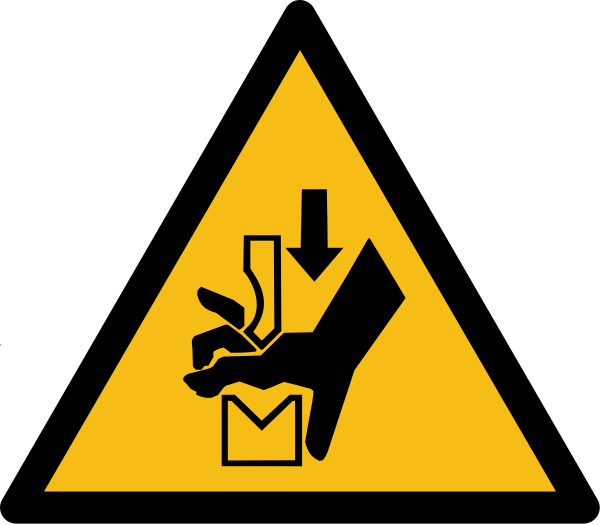
ISO 7010 W030
Lawn Mower & Garden Tools
Warning: Crushing & Blade Pinch Hazard Between Press Tools
ISO 7010 W019
Lawn Mower & Garden Tools
Warning: Crushing Between Rollers & Moving Gears
ISO 7010 P006
Electrical, IP & Remote Controls
Do Not Touch – High Voltage & Internal Live Components
ISO 7010 M001
Electrical, IP & Remote Controls
General Mandatory Action – Refer to Operating Instructions
ISO 7000-2415A
AC, Heating & Vacuum
Air Conditioner Cooling Thermostat & Temperature Setpoint
IEC 60417-5546A
Fridge & Freezer
Automatic Defrost Cycle Active (Melting Frost Droplet)
EN 62552-NF
Fridge & Freezer
No Frost Multi Air Flow Circulation System
EN 62552-FA
Fridge & Freezer
Freezer Temperature Warning & Thaw Defrost Alert
ISO 7000-2418D
AC, Heating & Vacuum
Automatic Range Hood & Fan Speed Regulation (AUTO)
IEC 60417-6132
AC, Heating & Vacuum
Grease Filter Saturation & Ventilation Fan Fault Warning
IEC 60417-6133
AC, Heating & Vacuum
Ventilation Delay Shut-Off Run-On Timer (5-15 min)
ISO 7000-2418E
AC, Heating & Vacuum
Intensive Kitchen Air Extraction Boost Speed
ISO 7000-2427A
AC, Heating & Vacuum
Water Heater Thermostat & Target Temperature Ready
EN 30-1-1A
Induction & Cooktops
Gas Hob Crown Burner Flame Control & Electronic Spark
ISO 3758-151
Washer & Dryer
50°C Mild Easy-Care Wash (1 Bar)
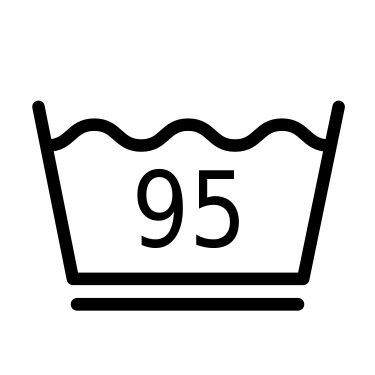
ISO 3758-196
Washer & Dryer
95°C Mild Antibacterial Hygiene Boil Wash (1 Bar)
ISO 3758-512
Washer & Dryer
Very Mild Dry Cleaning in Perchloroethylene (2 Bars)
ISO 3758-549
Washer & Dryer
Do Not Wet Clean – Water Sensitive Fibres (Crossed W)
ISO 3758-203
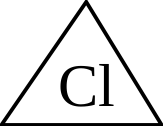
Washer & Dryer
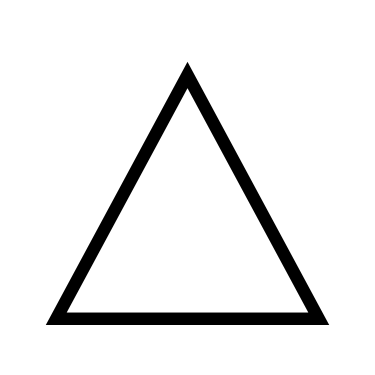
Chlorine Bleaching Allowed (CL in Triangle)
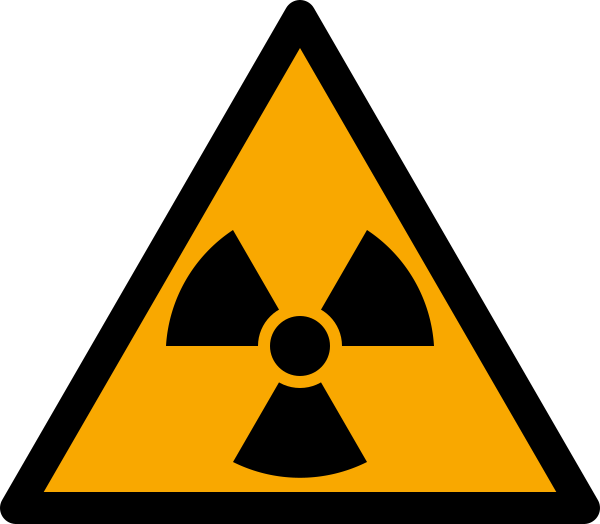
ISO 7010 W003
Electrical, IP & Remote Controls
Warning: Radioactive Material & Ionizing Radiation
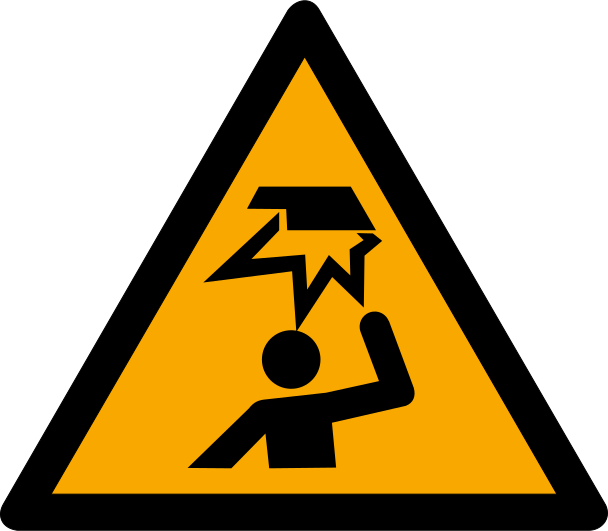
ISO 7010 W020
Lawn Mower & Garden Tools
Warning: Overhead Obstacle & Low Ceiling Collision Hazard
ISO 7010 P004
Electrical, IP & Remote Controls
Do Not Extinguish with Water – Live Electrical Fire
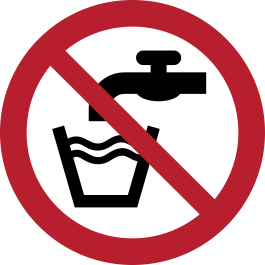
ISO 7010 P005
AC, Heating & Vacuum
Not Drinking Water – Boiler & Dehumidifier Condensate
ISO 7010 M006
Electrical, IP & Remote Controls
Mandatory: Disconnect Mains Plug Before Service & Opening
ISO 7000-2427B
AC, Heating & Vacuum
DHW Storage Tank Water Temperature Monitoring
IEC 60417-6063
Dishwasher Symbols
AquaStop Solenoid Safety Water Shut-Off Valve
IEC 60417-6109A
Coffee & Small Kitchen
Electric Kettle Boiling Steam Active & Thermal Sensing
IEC 60417-6109B
Coffee & Small Kitchen
Kettle Dry Boil Protection & Descaling Alarm
IEC 60417-6109C
Coffee & Small Kitchen
Kettle Auto Switch-Off & Power Base Lifted
ISO 7000-2421
AC, Heating & Vacuum
Radiator Central Heating Off & Freeze Guard Active
ISO 7000-2648A
Cookware & Food Safety
Gentle Sauce Stirring & Low Temperature Melt Mode
ISO 7000-0114A
Coffee & Small Kitchen
Kitchen Scale Zero Tare Reset & Power Auto-Off
IEC 60417-5001A
Electrical, IP & Remote Controls
Cordless Appliance Critical Low Battery Warning
ISO 7010 M021A
Electrical, IP & Remote Controls
Mains Power Plug Disconnected & Completely De-Energized
IEC 60417-5018
Electrical, IP & Remote Controls
DC Power Polarity – Center Positive (+)
IEC 60417-5056
Electrical, IP & Remote Controls
Dimmable Lighting & Triac Dimmer Compatibility
EN 60598-1
Electrical, IP & Remote Controls
Non-Dimmable Luminaire – Do Not Use with Dimmer
EN 60598-1 F
Electrical, IP & Remote Controls
Luminaire Mounting on Normally Flammable Surfaces (F Mark)
EN 60598-1 0.5m
Electrical, IP & Remote Controls
Minimum Distance to Illuminated Objects (Spotlight Clearance)
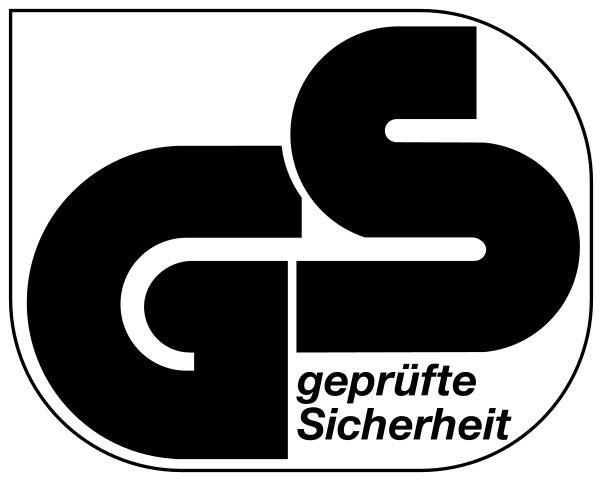
ProdSG GS
Electrical, IP & Remote Controls
GS Mark – Tested Safety (Geprüfte Sicherheit)
2011/65/EU RoHS
Electrical, IP & Remote Controls
RoHS Compliance – Restriction of Hazardous Substances
UKCA Mark
Electrical, IP & Remote Controls
UKCA Conformity Assessed Mark (United Kingdom)
IEC 60417-5068
Electrical, IP & Remote Controls
Audio Equalizer & Frequency Tone Control
IEC 60958-3 / Toslink
Electrical, IP & Remote Controls
Digital Optical Audio Output (Toslink / S/PDIF)
ISO 7000-2684
AC, Heating & Vacuum
AI Smart Adaptive Mode (Smart Auto)
IEC 60417-6171
Electrical, IP & Remote Controls
Microphone Mute & Hardware Privacy Disconnect
IEC 60417-6172
AC, Heating & Vacuum
Camera Privacy Shutter & Optical Vision Disabled
IEC 60417-6173
AC, Heating & Vacuum
LiDAR Radar & Ultrasonic Spatial Obstacle Sensor
ISO 7000-2685
AC, Heating & Vacuum
Robot Vacuum Edge Sweep & Side Brush Status
IEC 60417-5062
Electrical, IP & Remote Controls
Hearing Aid Compatibility & Telecoil Induction Loop (T-Coil)
IEC 60417-6174
Electrical, IP & Remote Controls
Audio Description for the Visually Impaired (AD)
ISO 7001 PI PF 006
Electrical, IP & Remote Controls
International Symbol of Access – Wheelchair Accessible (ISA)
ISO 17049
Electrical, IP & Remote Controls
Braille Tactile Markings for the Blind
ISO 7010 E007
Electrical, IP & Remote Controls
SOS Emergency Help & Fall Detection Call Button
ISO 7000-2686
Electrical, IP & Remote Controls
Heart Rate Pulse & Optical PPG Biosensor
ISO 7000-2687
Electrical, IP & Remote Controls
Stopwatch & High-Precision Chronograph Timer
IEC 60417-5535
Electrical, IP & Remote Controls
Alarm Clock & Scheduled Audio Reminder
ISO 7000-2688
Electrical, IP & Remote Controls
Do Not Disturb Mode (DND / Silent Notifications)
ISO 7000-2689
Electrical, IP & Remote Controls
Pedometer Step Counter & Daily Activity Goal
IEC 60417-6175
Ironing & Personal Care
Hair Clipper & Beard Trimmer Length Guard Setting
IEC 60417-6176
Ironing & Personal Care
Oral Irrigator Water Flosser Jet Pressure Mode
ISO 7000-2690
AC, Heating & Vacuum
Air Quality Particulate Matter Sensor (PM2.5 / Dust)
IEC 60417-6177
Electrical, IP & Remote Controls
Fast Charge & USB Power Delivery Protocol (Quick Charge / PD)
IEC 60417-5536
Electrical, IP & Remote Controls
Auto Sleep Mode & Inactivity Standby (Sleep Zz)
ISO 13850
Lawn Mower & Garden Tools
Emergency Stop Palm Button (E-Stop)
IEC 60529 IP65
Electrical, IP & Remote Controls
Weatherproof & Water Jet Ingress Protection (IP65 / IP66)
ISO 7000-2691
AC, Heating & Vacuum
Turbo Air Purifier Ventilation & High-Speed Cyclone Boost
IEC 60417-6178
Electrical, IP & Remote Controls
Battery Health Protection & Longevity Eco Mode
IEC 60417-6179
Electrical, IP & Remote Controls
Capacitive Touchscreen & Multi-Touch Gesture Control
IEC 60417-5074
Electrical, IP & Remote Controls
Program & Status Information Display (Info / OSD)
IEC 60417-5075
Electrical, IP & Remote Controls
Picture-in-Picture Display Mode (PIP)
IEC 60417-5076
Electrical, IP & Remote Controls
Surround Sound Audio Processing Mode
IEC 60417-5077
Electrical, IP & Remote Controls
Audio Track & Language Selection (Dual Sound / Audio)
IEC 60958
Electrical, IP & Remote Controls
Digital Optical Audio Port & Data Cable (S/PDIF)
IEC 60417-5034
Electrical, IP & Remote Controls
DC Power Polarity – Center Negative (- -C- +)
IEC 60417-5016
Electrical, IP & Remote Controls
Thermal Cut-off Fuse Protection (Thermal Link)
IEC 60417-5033
Electrical, IP & Remote Controls
Three-Phase Alternating Current (3N~ 400V)
IEC 60417-5017
Electrical, IP & Remote Controls
Chassis or Frame Ground (Audio GND / Functional Earth)
IEC 62680
Electrical, IP & Remote Controls
USB-C Reversible Power & Charging Port
ISO 7000-2692
AC, Heating & Vacuum
Passive Infrared Motion & Presence Sensor (PIR)
ISO 7000-2693
AC, Heating & Vacuum
Water Leakage & Flood Alert Sensor
EN 50194
AC, Heating & Vacuum
Flammable Gas Leak & Fire Hazard Alarm (Methane / LPG)
ISO 7000-2694
Electrical, IP & Remote Controls
Smart Home Central Gateway Hub (Matter / Zigbee)
ISO 7000-2695
AC, Heating & Vacuum
Night Whispering Sleep Mode (Ultra-Quiet CADR)
IEC 60417-6180
Coffee & Small Kitchen
Pre-ground Coffee Scoop Chute (Bypass Chute)
IEC 60417-6181
Coffee & Small Kitchen
Frothed Milk & Cappuccino Dispenser (Milk Frother)
IEC 60417-6182
Coffee & Small Kitchen
Air Fryer Crispy Frying & Grill Mode (French Fries Preset)
IEC 60335-2-14
Coffee & Small Kitchen
Safety Lid Interlock Engaged (Blender Safe Lock)
IEC 60417-6183
Ironing & Personal Care
Mustache, Beard & Nose Hygiene Trimmer Attachment
ISO 7000-2696
Ironing & Personal Care
Dental Care & Gum Massage Mode (Electric Toothbrush)
IEC 60417-6184
AC, Heating & Vacuum
UV-C Ultraviolet Disinfection & Sterilization Chamber
ISO 7000-1377
Lawn Mower & Garden Tools
Trimmer Auto Line Feed Mechanism (Tap & Go / Auto-Feed)
ISO 7000-2697
Lawn Mower & Garden Tools
Robotic Mower Lift & Tilt Sensor Emergency Brake
ISO 7000-2698
Electrical, IP & Remote Controls
Appliance Firmware & Software Update (OTA Update)
No appliance symbols found matching your filters.