ISO 3758 / Wash
Blue – Standard / Normal
Normal Machine Wash
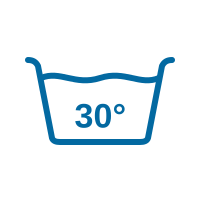
ISO 3758 / 30°C
Blue – Standard / Normal
Machine Wash 30°C Max
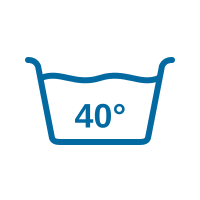
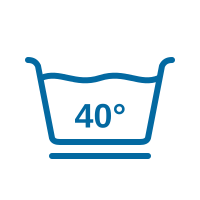
ISO 3758 / 40°C
Blue – Standard / Normal
Machine Wash 40°C Max
ISO 3758 / 50°C
Amber – Warm / Caution / Care
Machine Wash 50°C Max
ISO 3758 / 60°C
Amber – Warm / Caution / Care
Machine Wash 60°C Max (Hygiene)
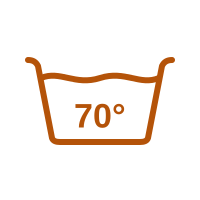
ISO 3758 / 70°C
Amber – Warm / Caution / Care
Machine Wash 70°C Max
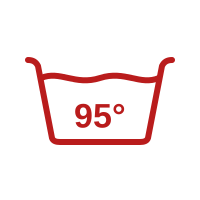
ISO 3758 / 95°C
Red – Do Not / Prohibited / Alert
Machine Wash 95°C Max (Boil Wash)
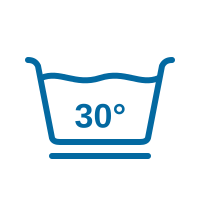
ISO 3758 / 30°C Mild
Blue – Standard / Normal
Mild Wash 30°C (Single Bar)
ISO 3758 / 40°C Mild
Blue – Standard / Normal
Mild Wash 40°C (Single Bar)
ISO 3758 / 60°C Mild
Amber – Warm / Caution / Care
Mild Wash 60°C (Single Bar)
ISO 3758 / 30°C Delicate
Green – Gentle / Eco / Safe
Very Mild Wash 30°C (Two Bars / Wool)
ISO 3758 / 40°C Delicate
Green – Gentle / Eco / Safe
Very Mild Wash 40°C (Two Bars)
ASTM D5489 / 1 Dot (30°C)
Blue – Standard / Normal
Cold Wash 30°C (ASTM 1 Dot)
ASTM D5489 / 2 Dots (40°C)
Blue – Standard / Normal
Warm Wash 40°C (ASTM 2 Dots)
ASTM D5489 / 3 Dots (50°C)
Amber – Warm / Caution / Care
Hot Wash 50°C (ASTM 3 Dots)
ASTM D5489 / 4 Dots (60°C)
Amber – Warm / Caution / Care
Very Hot Wash 60°C (ASTM 4 Dots)
ISO 3758 / Hand Wash
Green – Gentle / Eco / Safe
Hand Wash Only (Max 40°C)
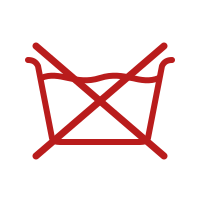
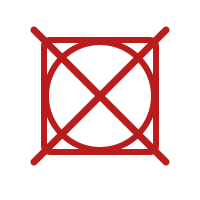
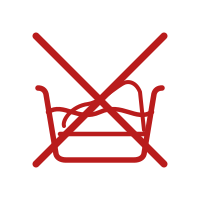
ISO 3758 / Do Not Wash
Red – Do Not / Prohibited / Alert
Do Not Wash (Water Prohibited)
ISO 3758 / Do Not Wring
Red – Do Not / Prohibited / Alert
Do Not Wring or Twist
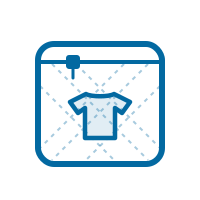
Care / Mesh Laundry Bag
Blue – Standard / Normal
Wash in Mesh Laundry Bag
ISO 3758 / 50°C Mild
Amber – Warm / Caution / Care
50°C Mild Machine Wash
Care / Wash Inside Out
Blue – Standard / Normal
Wash Inside Out
ISO 3758 / Any Bleach
Blue – Standard / Normal
Bleaching Allowed (Any Bleach)
ISO 3758 / Non-Chlorine Bleach
Green – Gentle / Eco / Safe
Non-Chlorine Bleach Only
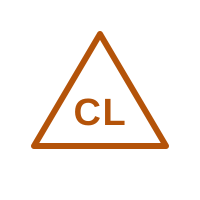
ISO 3758 (Legacy) / CL Bleach
Amber – Warm / Caution / Care
Chlorine Bleach Allowed (CL)
ISO 3758 / Do Not Bleach
Red – Do Not / Prohibited / Alert
Do Not Bleach (Solid ISO)
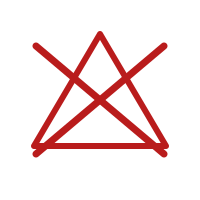
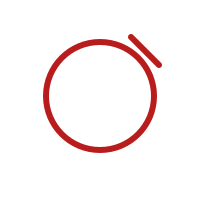
ASTM D5489 / Do Not Bleach
Red – Do Not / Prohibited / Alert
Do Not Bleach (Hollow ASTM)
ISO 3758 / Ironing Allowed
Blue – Standard / Normal
Ironing Allowed (Any Temperature)
ISO 3758 / Iron Low (110°C)
Green – Gentle / Eco / Safe
Iron at Low Temperature (110°C / 1 Dot)
ISO 3758 / Iron Medium (150°C)
Amber – Warm / Caution / Care
Iron at Medium Temperature (150°C / 2 Dots)
ISO 3758 / Iron High (200°C)
Amber – Warm / Caution / Care
Iron at High Temperature (200°C / 3 Dots)
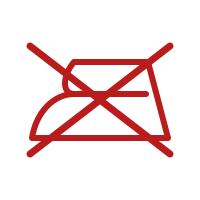
ISO 3758 / Do Not Iron
Red – Do Not / Prohibited / Alert
Do Not Iron
ASTM / Steam Iron Allowed
Blue – Standard / Normal
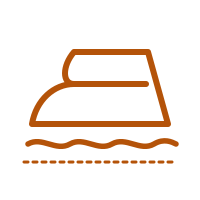
Steam Ironing Allowed
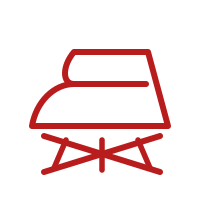
ISO 3758 / Iron Without Steam
Red – Do Not / Prohibited / Alert
Iron Without Steam
JIS L 0001 / Use Pressing Cloth
Amber – Warm / Caution / Care
Iron with Pressing Cloth
Care / Steamer Safe
Green – Gentle / Eco / Safe
Vertical Steaming Allowed
Care / Iron on Reverse Side
Amber – Warm / Caution / Care
Iron on Reverse Side Only
ASTM / Do Not Steam
Red – Do Not / Prohibited / Alert
Do Not Steam
Care / Starching Allowed
Blue – Standard / Normal
Starching Allowed
Care / Do Not Starch
Red – Do Not / Prohibited / Alert
Do Not Starch
ISO 3758 / Tumble Dry Allowed
Blue – Standard / Normal
Tumble Drying Allowed
ISO 3758 / Tumble Dry Low (60°C)
Green – Gentle / Eco / Safe
Tumble Dry Low Heat (60°C / 1 Dot)
ISO 3758 / Tumble Dry Normal (80°C)
Amber – Warm / Caution / Care
Tumble Dry Normal Heat (80°C / 2 Dots)
ASTM D5489 / Tumble Dry High
Amber – Warm / Caution / Care
Tumble Dry High Heat (3 Dots / ASTM)
ASTM D5489 / Tumble Dry No Heat
Blue – Standard / Normal
Tumble Dry No Heat (Air Fluff)
ISO 3758 / Tumble Dry Low Mild
Green – Gentle / Eco / Safe
Mild Tumble Dry Low Heat (1 Bar)
ISO 3758 / Tumble Dry Delicate
Green – Gentle / Eco / Safe
Delicate Tumble Dry Low Heat (2 Bars)
ISO 3758 / Do Not Tumble Dry
Red – Do Not / Prohibited / Alert
Do Not Tumble Dry
ISO 3758 / Do Not Dry
Red – Do Not / Prohibited / Alert
Do Not Dry
ISO 3758 / Line Dry
Blue – Standard / Normal
Line Dry (Hang on Clothesline)
GINETEX / Hang to Dry
Blue – Standard / Normal
Hang to Dry (Classic Envelope)
ISO 3758 / Drip Dry
Blue – Standard / Normal
Drip Dry (Hang Dripping Wet / 3 Lines)
ISO 3758 (Rev) / Drip Line Dry
Blue – Standard / Normal
Drip Line Dry (Updated ISO / 2 Lines)
ISO 3758 / Dry Flat
Green – Gentle / Eco / Safe
Dry Flat (Horizontal Surface)
ISO 3758 / Drip Flat Dry
Green – Gentle / Eco / Safe
Drip Flat Dry (Soaking Wet in Flat Position)
ISO 3758 / Dry in Shade
Green – Gentle / Eco / Safe
Dry in Shade (Protect from Sunlight)
ISO 3758 / Line Dry in Shade
Green – Gentle / Eco / Safe
Line Dry in Shade
ISO 3758 / Dry Flat in Shade
Green – Gentle / Eco / Safe
Dry Flat in Shade
ISO 3758 / Drip Dry in Shade
Green – Gentle / Eco / Safe
Drip Dry in Shade (Hang Dripping Wet in Shade)
JIS L 0001 / Hang on Hanger
Blue – Standard / Normal
Hang Dry on Clothes Hanger (JIS L 0001)
ISO 3758 / GINETEX
Blue – Standard / Normal
Dry Clean Allowed
ISO 3758 / Dry Clean (A)
Blue – Standard / Normal
Dry Clean with Any Solvent (A)
ISO 3758 / Dry Clean (P)
Blue – Standard / Normal
Dry Clean with Perchloroethylene (P)
ISO 3758 / Dry Clean (P) Mild
Amber – Warm / Caution / Care
Mild Dry Clean with Perchloroethylene (1 Bar)
ISO 3758 / Dry Clean (P) Delicate
Amber – Warm / Caution / Care
Delicate Dry Clean with Perchloroethylene (2 Bars)
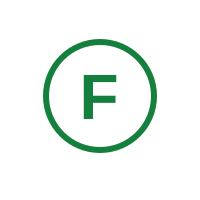
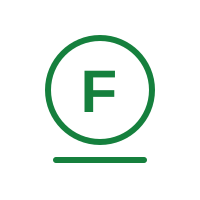
ISO 3758 / Dry Clean (F)
Green – Gentle / Eco / Safe
Dry Clean Hydrocarbon Solvents Only (F)
ISO 3758 / Dry Clean (F) Mild
Green – Gentle / Eco / Safe
Mild Dry Clean Hydrocarbon Only (1 Bar)
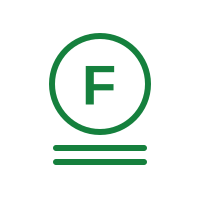
ISO 3758 / Dry Clean (F) Delicate
Green – Gentle / Eco / Safe
Delicate Dry Clean Hydrocarbon Only (2 Bars)
ISO 3758 / Do Not Dry Clean
Red – Do Not / Prohibited / Alert
Do Not Dry Clean
ISO 3758 / Wet Clean (W)
Green – Gentle / Eco / Safe
Professional Wet Cleaning (W)
ISO 3758 / Wet Clean (W) Mild
Green – Gentle / Eco / Safe
Mild Professional Wet Clean (1 Bar)
ISO 3758 / Wet Clean (W) Delicate
Green – Gentle / Eco / Safe
Delicate Professional Wet Clean (2 Bars)
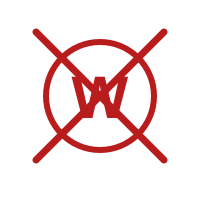
ISO 3758 / Do Not Wet Clean
Red – Do Not / Prohibited / Alert
Do Not Wet Clean
ASTM D5489 / Short Cycle
Amber – Warm / Caution / Care
Dry Clean Short Cycle (Bottom-Left Line)
ASTM D5489 / Reduced Moisture
Amber – Warm / Caution / Care
Dry Clean Reduced Moisture (Bottom-Right Line)
ASTM D5489 / Low Heat
Amber – Warm / Caution / Care
Dry Clean Low Heat (Top-Left Line)
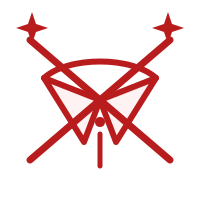
ASTM D5489 / No Steam Finishing
Red – Do Not / Prohibited / Alert
Dry Clean No Steam Finishing (Top-Right Line)
Care / Leather Specialist Only
Amber – Warm / Caution / Care
Clean by Leather Specialist Only
Care / Spot Clean / Wipe Only
Blue – Standard / Normal
Spot Clean with Damp Cloth Only
Care / Air Out / Ventilate
Green – Gentle / Eco / Safe
Air Out and Ventilate Garment
Textile / 100% Cotton
Green – Gentle / Eco / Safe
100% Pure Natural Cotton
Woolmark / Pure New Wool
Amber – Warm / Caution / Care
Woolmark Pure New Wool
Care / Washable Wool
Green – Gentle / Eco / Safe
Machine Washable Wool
Textile / Pure Linen / Flax
Green – Gentle / Eco / Safe
Pure Linen / Flax
Textile / Natural Silk
Amber – Warm / Caution / Care
Natural Silk & Cocoon
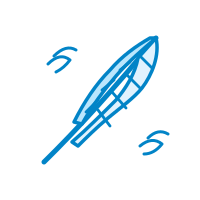
EN 12934 / Down & Feather
Blue – Standard / Normal
Down & Feather Fill (EN 12934)
Tech / Waterproof & Breathable
Blue – Standard / Normal
Waterproof & Breathable Membrane
Care / Do Not Use Softener
Red – Do Not / Prohibited / Alert
Do Not Use Fabric Softener
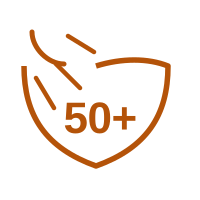
EN 13758 / UPF 50+ UV Shield
Amber – Warm / Caution / Care
UPF 50+ UV Sun Shield
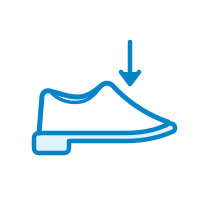
EU 94/11/EC / Shoe Upper
Blue – Standard / Normal
EU 94/11/EC Shoe Upper
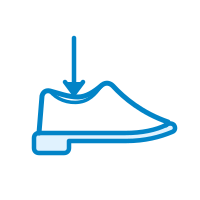
EU 94/11/EC / Lining & Insole
Blue – Standard / Normal
EU 94/11/EC Lining & Insole
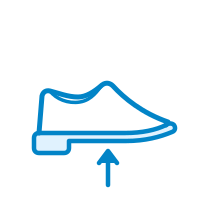
EU 94/11/EC / Outer Sole
Blue – Standard / Normal
EU 94/11/EC Outer Sole
EU 94/11/EC / Genuine Leather
Amber – Warm / Caution / Care
EU 94/11/EC Genuine Leather
EU 94/11/EC / Coated Leather
Amber – Warm / Caution / Care
EU 94/11/EC Coated Leather
EU 94/11/EC / Textile Mesh
Blue – Standard / Normal
EU 94/11/EC Woven Textile Mesh
EU 94/11/EC / Synthetic / Other
Blue – Standard / Normal
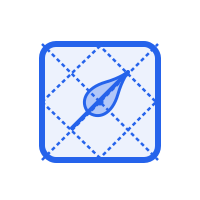
EU 94/11/EC Other / Synthetic Diamond
Care / Suede Brush Only
Amber – Warm / Caution / Care
Suede & Nubuck Brush Care
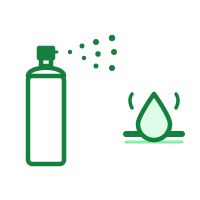
Care / Waterproofing Spray
Green – Gentle / Eco / Safe
Apply Waterproofing Spray Repellent
Care / Do Not Machine Wash Shoes
Red – Do Not / Prohibited / Alert
Do Not Machine Wash Shoes
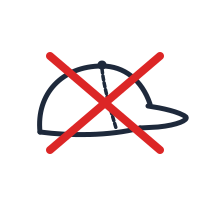
Care / Cap Spot Clean Only
Red – Do Not / Prohibited / Alert
Do Not Machine Wash Visor Caps
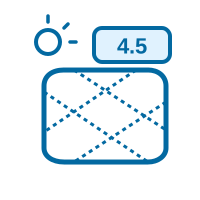
BS 5335 / Summer Duvet (1–4.5 TOG)
Blue – Standard / Normal
Summer Lightweight Duvet (1–4.5 TOG)
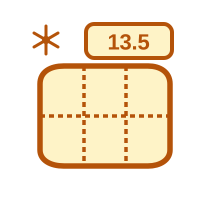
BS 5335 / Winter Duvet (13.5–15 TOG)
Amber – Warm / Caution / Care
Winter Extra Warm Duvet (13.5–15 TOG)
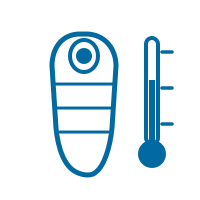
ISO 23537 / Sleeping Bag Temp
Blue – Standard / Normal
Sleeping Bag Temperature Rating (ISO 23537)
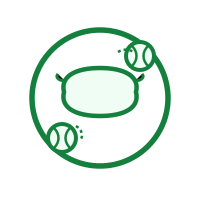
Care / Dry Down with Dryer Balls
Green – Gentle / Eco / Safe
Tumble Dry with Dryer Balls
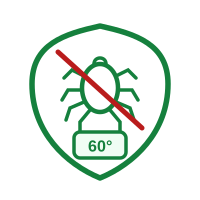
Bedding / Anti-Dust Mite (60°C)
Green – Gentle / Eco / Safe
Anti-Dust Mite Bedding (60°C Wash)
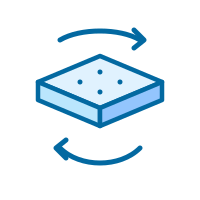
Bedding / Rotate & Flip Mattress
Blue – Standard / Normal
Rotate & Flip Mattress Regularly
Bedding / Removable Zip Cover
Green – Gentle / Eco / Safe
Removable Washable Mattress Cover
Bedding / Do Not Fold Mattress
Red – Do Not / Prohibited / Alert
Do Not Fold or Bend Mattress
Upholstery / Code W (Water-Based)
Blue – Standard / Normal
Upholstery Cleaning Code W (Water-Based)
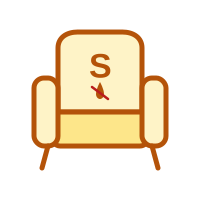
Upholstery / Code S (Solvent Only)
Amber – Warm / Caution / Care
Upholstery Cleaning Code S (Solvent Only)
Upholstery / Code WS (Water or Solvent)
Green – Gentle / Eco / Safe
Upholstery Cleaning Code WS (Water or Solvent)
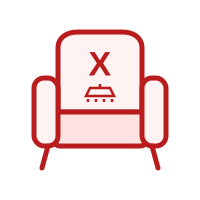
Upholstery / Code X (Vacuum Only)
Red – Do Not / Prohibited / Alert
Upholstery Cleaning Code X (Vacuum Only)
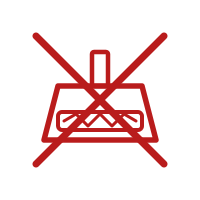
Carpet / No Rotating Beater Brush
Red – Do Not / Prohibited / Alert
Vacuum Carpet Without Rotating Beater Bar
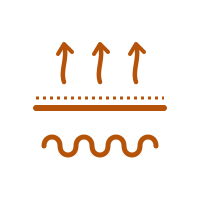
EN 1307 / Underfloor Heating Safe
Amber – Warm / Caution / Care
Carpet Suitable for Underfloor Heating (EN 1307)
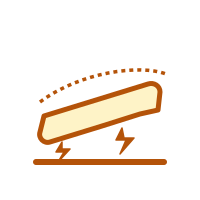
EN 1307 / Castor Chair Resistant
Blue – Standard / Normal
Castor Chair Resistant Carpet (EN 1307)
EN 1307 / Antistatic Carpet
Amber – Warm / Caution / Care
Antistatic Protection Carpet (EN 1307)
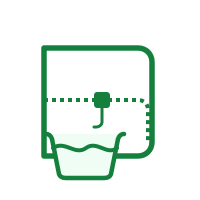
Care / Remove Curtain Hooks
Amber – Warm / Caution / Care
Remove Curtain Hooks Before Washing
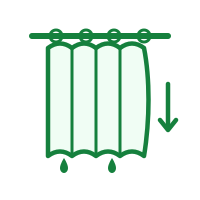
Care / Hang Curtains Damp
Green – Gentle / Eco / Safe
Hang Curtains While Damp to Self-Straighten
Auto / SRS Side Airbag Compatible
Red – Do Not / Prohibited / Alert
Car Seat Side Airbag Warning (Do Not Cover)
Care / High-Pressure Washer Distance
Red – Do Not / Prohibited / Alert
Pressure Washer Safe Distance Care
IEC 60417-5574 / Wash Under Tap
Blue – Standard / Normal
Washable Under Running Tap
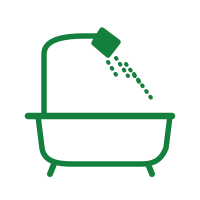
IEC 60417-5582 / Bath & Shower Safe
Green – Gentle / Eco / Safe
Suitable for Bath and Shower Use
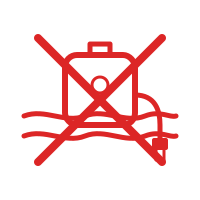
IEC / Do Not Immerse in Water
Red – Do Not / Prohibited / Alert
Do Not Immerse in Water
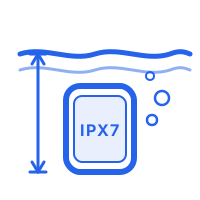
IEC 60529 / Waterproof IPX7
Blue – Standard / Normal
Waterproof Submersible IPX7
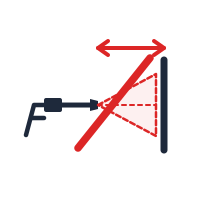
IEC / Unplug Before Cleaning
Amber – Warm / Caution / Care
Unplug Power Cord Before Cleaning
Appliance / Detachable Washable Head
Green – Gentle / Eco / Safe
Detachable Washable Cutter Head
Appliance / Wipe Exterior with Cloth
Blue – Standard / Normal
Wipe Exterior with Damp Cloth Only
Appliance / Descale / Calc-Clean
Amber – Warm / Caution / Care
Descaling and Calc-Clean Required
Appliance / Washable HEPA Filter
Green – Gentle / Eco / Safe
Washable HEPA Filter (Air Dry 24h)
Appliance / Non-Washable Dry Filter
Red – Do Not / Prohibited / Alert
Non-Washable HEPA Filter (Do Not Wet)
EN 12875 / Dishwasher Safe
Green – Gentle / Eco / Safe
Dishwasher Safe (EN 12875 Standard)
Care / Dishwasher Top Rack Only
Blue – Standard / Normal
Dishwasher Top Rack Only
EN 12875 / Delicate Glassware Cycle
Blue – Standard / Normal
Delicate Glassware Cycle (40°C)
Care / Not Dishwasher Safe (Hand Wash)
Red – Do Not / Prohibited / Alert
Do Not Wash in Dishwasher (Hand Wash Only)
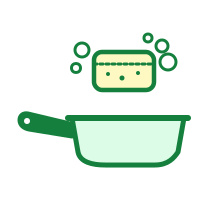
Care / Hand Wash Cookware Only
Green – Gentle / Eco / Safe
Hand Wash Cookware Only (Soft Sponge)
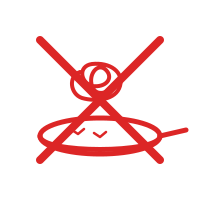
Care / No Metal Scourer / Non-Stick
Red – Do Not / Prohibited / Alert
No Metal Scourer or Abrasive Powder
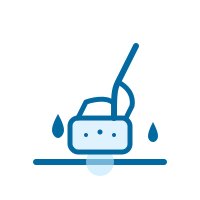
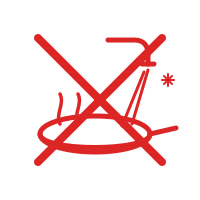
Care / Avoid Thermal Shock
Red – Do Not / Prohibited / Alert
Avoid Thermal Shock (Hot Pan Cold Water)
Care / Season Cast Iron & Wood with Oil
Amber – Warm / Caution / Care
Season Cast Iron Cookware with Oil
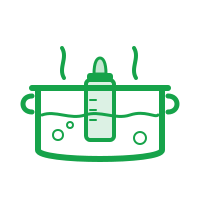
Care / Sterilize in Boiling Water / Steam
Green – Gentle / Eco / Safe
Sterilize in Boiling Water or Steam
Care / Wash Before First Use
Blue – Standard / Normal
Wash Before First Use
IEC / Compartment I (Pre-Wash)
Blue – Standard / Normal
Pre-Wash Detergent Compartment (I)
IEC / Compartment II (Main Wash)
Blue – Standard / Normal
Main Wash Detergent Compartment (II)
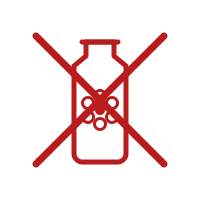
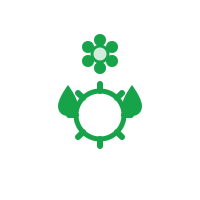
IEC / Softener Flower (✿)
Green – Gentle / Eco / Safe
Fabric Softener Compartment (Flower ✿)
Washer / Compartment 1
Blue – Standard / Normal
Pre-Wash Compartment (1)
Washer / Compartment 2
Blue – Standard / Normal
Main Wash Compartment (2)
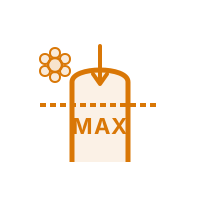
Washer / Softener MAX Siphon
Amber – Warm / Caution / Care
Fabric Softener MAX Level Line
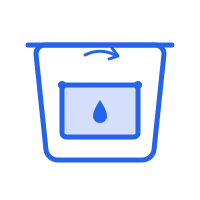
Washer / Liquid Detergent Flap
Blue – Standard / Normal
Liquid Detergent Flap Insert (Down Position)
Washer / Powder Detergent Scoop
Blue – Standard / Normal
Powder Detergent Dosing Scoop
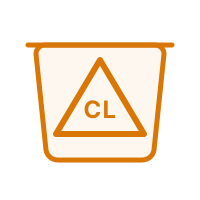
Washer / Liquid Bleach Compartment
Amber – Warm / Caution / Care
Liquid Bleach Compartment (CL)
Washer / AutoDose / i-DOS
Green – Gentle / Eco / Safe
AutoDosing Intelligent System (i-DOS / AutoDose)
Program / Cotton (Medvilnė)
Blue – Standard / Normal
Cotton Standard Wash Program
EU Reg 2019/2023 / Eco 40-60
Green – Gentle / Eco / Safe
Eco 40-60 Wash Program (EU Standard)
Program / Synthetics / Easy Care
Blue – Standard / Normal
Synthetics / Easy Care Program
Program / Mixed Load (Mix)
Blue – Standard / Normal
Mixed Load (Mix) Program
Program / Delicates & Silk
Green – Gentle / Eco / Safe
Delicates and Silk Program (Butterfly)
Program / Wool / Handwash
Green – Gentle / Eco / Safe
Wool and Handwash Program (Skein)
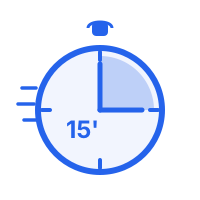
Program / Super Quick 15'
Blue – Standard / Normal
Super Quick 15-Minute Program (15')
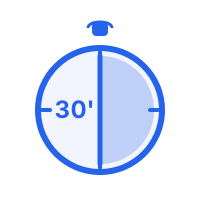
Program / Rapid 30'
Blue – Standard / Normal
Rapid 30-Minute Daily Wash Program (30')
Program / Intensive / Stain
Amber – Warm / Caution / Care
Intensive / Heavy Stain Removal Program
Program / Shirts & Blouses
Blue – Standard / Normal
Shirts and Blouses Anti-Crease Program
Program / Jeans / Dark Wash
Blue – Standard / Normal
Jeans & Dark Wash Program
Program / Sportswear / Fitness
Green – Gentle / Eco / Safe
Sportswear & Fitness Program
Program / Outdoor / Impregnation
Blue – Standard / Normal
Outdoor & Waterproof Program
Program / Duvet / Blanket / Down
Blue – Standard / Normal
Duvet, Blanket & Down Program
Program / Curtains
Blue – Standard / Normal
Curtains & Drapes Program
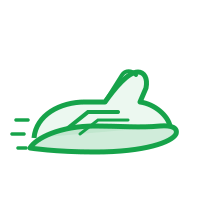
Program / Baby Care / Infant
Green – Gentle / Eco / Safe
Baby Care & Infant Wash Program
Program / Hygiene / Allergy+
Amber – Warm / Caution / Care
Hygiene & Allergy+ Steam Program
Program / Towels / Terry Cloth
Blue – Standard / Normal
Towels & Terry Cloth Program
Program / Lingerie / Lace
Green – Gentle / Eco / Safe
Lingerie & Lace Delicate Program
Program / Night Wash / Extra Quiet
Blue – Standard / Normal
Night Wash & Extra Quiet Program
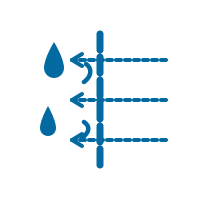
IEC 60417 / Pre-Wash Phase
Blue – Standard / Normal
Pre-Wash Cycle Phase (One Line |)
IEC 60417 / Main Wash Phase
Blue – Standard / Normal
Main Wash Cycle Phase (Two Lines ||)
Washer / Soak Function
Blue – Standard / Normal
Soaking Phase (Standing Water & Bubbles)
IEC 60417 / Rinse Phase
Green – Gentle / Eco / Safe
Rinse Cycle Phase (Water Shower)
Washer / Extra Rinse (+)
Green – Gentle / Eco / Safe
Extra Rinse Function (Rinse+)
IEC 60417 / Rinse Hold
Amber – Warm / Caution / Care
Rinse Hold (Stop with Water in Drum)
IEC 60417 / Spin Cycle
Blue – Standard / Normal
Spin Cycle (Archimedean Spiral)
IEC / No Spin (0 RPM)
Red – Do Not / Prohibited / Alert
No Spin Option (Crossed Spiral / 0 RPM)
IEC 60417 / Drain Water
Amber – Warm / Caution / Care
Drain / Pump Out Phase (Downward Arrow ↓)
IEC / Easy Iron / Anti-Crease
Green – Gentle / Eco / Safe
Easy Iron & Anti-Crease Phase
Washer / Steam Function
Green – Gentle / Eco / Safe
Steam Refresh & Hygiene Function
IEC / Child Lock (CL)
Amber – Warm / Caution / Care
Child Safety Lock (CL)
IEC / Door Lock Active
Red – Do Not / Prohibited / Alert
Door Lock Active Indicator
Washer / AddWash / Reload (+)
Blue – Standard / Normal
Add Garment & Reload Function (+)
IEC / Delay Start / Finish In
Blue – Standard / Normal
Delay Start & Finish In Timer
Washer / Drum Clean (70°–90°C)
Green – Gentle / Eco / Safe
Drum Self-Clean Cycle (Eco Drum Clean)
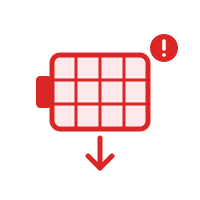
Alert / Clean Drain Pump Filter
Red – Do Not / Prohibited / Alert
Clean Drain Pump Filter Alert
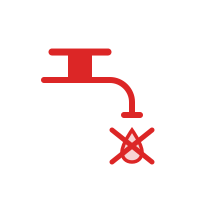
Alert / Check Water Inlet Tap
Red – Do Not / Prohibited / Alert
Check Water Supply Tap Alert
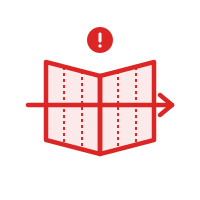
Alert / Excess Foam / Suds
Amber – Warm / Caution / Care
Excess Foam & Suds Alert (Sud)
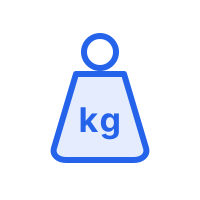
Washer / Auto Load Weight (kg)
Blue – Standard / Normal
Automatic Load Weight Sensor (kg)
Washer / Bubble Soak / Active Foam
Blue – Standard / Normal
Active Foam & Bubble Wash Technology
Washer / Mute Buzzer / Sound Off
Blue – Standard / Normal
Sound Mute & Buzzer Off Function
Dryer / Iron Dry (Drėgna lyginimui)
Blue – Standard / Normal
Dryer Iron Dry Program (Residual Moisture)
Dryer / Cupboard Dry (Sausa į spintą)
Green – Gentle / Eco / Safe
Cupboard & Closet Dry Program
Dryer / Extra Dry (+)
Amber – Warm / Caution / Care
Extra Dry Plus Program (+)
Dryer Alert / Clean Lint Filter
Red – Do Not / Prohibited / Alert
Clean Dryer Lint Filter Alert
Dryer Alert / Empty Condensate Tank
Amber – Warm / Caution / Care
Empty Condensate Water Tank Alert
Dryer Alert / Clean Condenser / Heat Pump
Amber – Warm / Caution / Care
Clean Heat Pump Condenser & Heat Exchanger
Dryer / Wool & Shoe Drying Rack
Green – Gentle / Eco / Safe
Drying Rack Basket Program (Shoes & Wool)
Appliance / Smart Wi-Fi Control
Blue – Standard / Normal
Smart Wi-Fi Remote Control & Monitoring
No laundry or washing machine symbols found matching your filters.