EMS / Star of Life
Emergency & First Aid
Star of Life (Emergency Medical Services)
WHO / Rod of Asclepius
Hospital & Clinical Wards
Rod of Asclepius (Medicine & WHO)
Pharma / Bowl of Hygieia
Pharmacy, Rx & Pharmacology
Bowl of Hygieia (International Pharmacy Symbol)
Rx / Prescription Only
Pharmacy, Rx & Pharmacology
Rx Symbol (Prescription-Only Medicine)
ISO 7010 E003 / First Aid
Emergency & First Aid
First Aid Post (ISO 7010 E003)
ISO 7010 E010 / Defibrillator AED
Emergency & First Aid
Automated External Defibrillator (ISO 7010 E010)
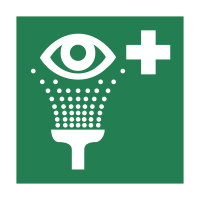
ISO 7010 E011 / Eyewash Station
Emergency & First Aid
Emergency Eyewash Station (ISO 7010 E011)
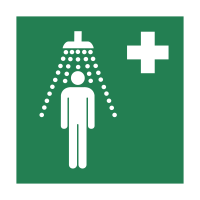
ISO 7010 E012 / Safety Shower
Emergency & First Aid
Emergency Safety Shower (ISO 7010 E012)
ISO 7010 E013 / Stretcher
Emergency & First Aid
Emergency Stretcher (ISO 7010 E013)
ISO 15223-1 5.4.2 / Do Not Re-Use
Medical Devices & ISO 15223
Do Not Re-Use (Single Use Only)
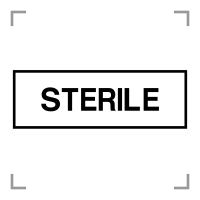
ISO 15223-1 5.2.1 / Sterile
Medical Devices & ISO 15223
Sterile (ISO 15223-1 5.2.1)
ISO 15223-1 5.1.5 / Batch Code
Medical Devices & ISO 15223
Batch Code / LOT (ISO 15223-1 5.1.5)
ISO 15223-1 5.1.7 / Serial Number
Medical Devices & ISO 15223
Serial Number / SN (ISO 15223-1 5.1.7)
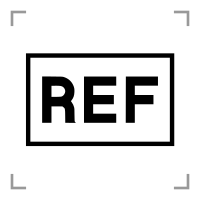
ISO 15223-1 5.1.6 / Catalogue Number
Medical Devices & ISO 15223
Catalogue Number / REF (ISO 15223-1 5.1.6)
ISO 15223-1 5.1.1 / Manufacturer
Medical Devices & ISO 15223
Manufacturer (ISO 15223-1 5.1.1)
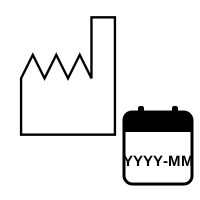
ISO 15223-1 5.1.3 / Date of Manufacture
Medical Devices & ISO 15223
Date of Manufacture (ISO 15223-1 5.1.3)
ISO 15223-1 5.1.4 / Use-by Date
Medical Devices & ISO 15223
Use-By Date (ISO 15223-1 5.1.4)
ISO 15223-1 5.4.3 / Consult IFU
Medical Devices & ISO 15223
Consult Instructions for Use (ISO 15223-1 5.4.3)
ISO 15223-1 5.7.7 / Medical Device MD
Medical Devices & ISO 15223
Medical Device / MD (EU MDR 2017/745)
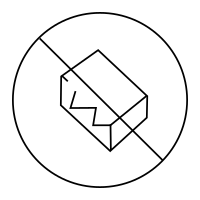
ISO 15223-1 5.2.8 / Do Not Use if Damaged
Medical Devices & ISO 15223
Do Not Use if Package is Damaged
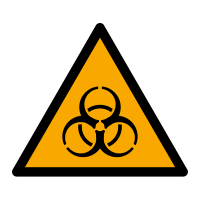
ISO 7010 W009 / Biohazard
Safety, Radiation & Biohazard
Biological Hazard (ISO 7010 W009)
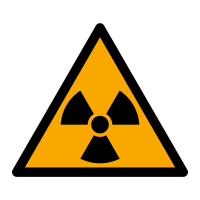
ISO 7010 W003 / Radiation
Safety, Radiation & Biohazard
Ionising Radiation (ISO 7010 W003)
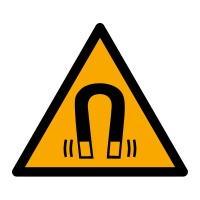
ISO 7010 W006 / Strong Magnetic Field
Safety, Radiation & Biohazard
Strong Magnetic Field / MRI (ISO 7010 W006)
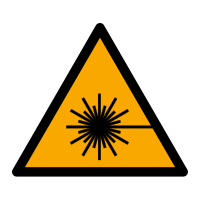
ISO 7010 W004 / Laser Surgery
Safety, Radiation & Biohazard
Laser Radiation (ISO 7010 W004)
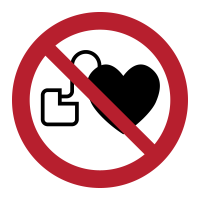
ISO 7010 P007 / No Pacemakers
Safety, Radiation & Biohazard
No Pacemakers Allowed (ISO 7010 P007)
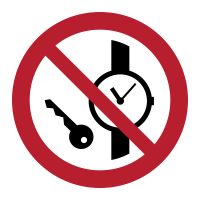
ISO 7010 P008 / No Metallic Articles
Safety, Radiation & Biohazard
No Metallic Articles Allowed (ISO 7010 P008)
ISO 7010 M016 / Wear Mask
Safety, Radiation & Biohazard
Wear a Medical Mask (ISO 7010 M016)
ISO 7010 M011 / Wash Hands
Safety, Radiation & Biohazard
Wash Your Hands (ISO 7010 M011)
ISO 7010 M009 / Wear Gloves
Safety, Radiation & Biohazard
Wear Protective Gloves (ISO 7010 M009)
ISO 7001 / Hospital Facility
Emergency & First Aid
Hospital (ISO 7001 Hospital Symbol)
ISA / Wheelchair Accessibility
Sanatorium, Care & Access
International Symbol of Access (Wheelchair)
ISO 7010 E004 / Nurse Call
Sanatorium, Care & Access
Emergency Call / Nurse Call (ISO 7010 E004)
Spa / Balneotherapy
Sanatorium, Care & Access
Balneotherapy / Thermal Spa
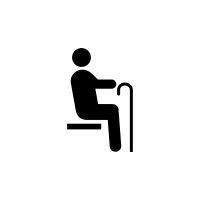
Care / Senior Assistance
Sanatorium, Care & Access
Priority Seat for Elderly People (ISO 7001 TF 022)
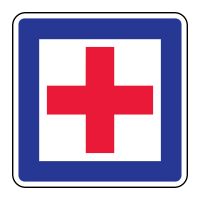
LV 601 / Medical Aid Post
Emergency & First Aid
Medical Aid Post (Road Sign)
Hospital / Patient Bed Ward
Sanatorium, Care & Access
Patient Bed / Hospital Ward
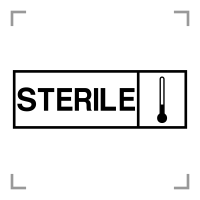
ISO 15223-1 5.3.7 / Temperature Limit
Medical Devices & ISO 15223
Storage Temperature Limit (ISO 15223-1 5.3.7)
ISO 15223-1 5.3.1 / Fragile Contents
Medical Devices & ISO 15223
Fragile Contents / Handle with Care (ISO 15223-1 5.3.1)
ISO 15223-1 5.3.4 / Keep Dry
Medical Devices & ISO 15223
Keep Dry (ISO 15223-1 5.3.4)
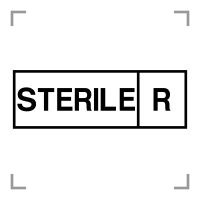
ISO 15223-1 5.2.4 / Sterile R
Medical Devices & ISO 15223
Sterile R / Sterilised by Irradiation (ISO 15223-1 5.2.4)
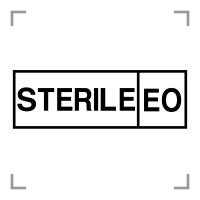
ISO 15223-1 5.2.3 / Sterile EO
Medical Devices & ISO 15223
Sterile EO (Ethylene Oxide)
ISO 15223-1 5.2.5 / Sterile Steam
Medical Devices & ISO 15223
Sterile Steam or Dry Heat
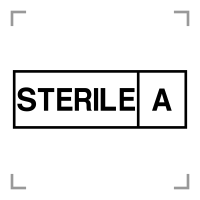
ISO 15223-1 5.2.2 / Sterile A
Medical Devices & ISO 15223
Sterile A (Aseptic Processing)
ISO 15223-1 5.2.11 / Double Sterile Barrier
Medical Devices & ISO 15223
Double Sterile Barrier System
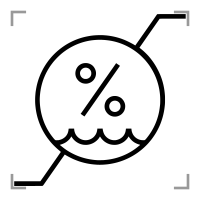
ISO 15223-1 5.3.5 / Humidity Limit
Medical Devices & ISO 15223
Humidity Limitation
ISO 15223-1 5.6.3 / Non-Pyrogenic
Medical Devices & ISO 15223
Non-Pyrogenic
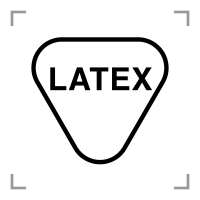
ISO 15223-1 5.4.5 / Natural Latex
Medical Devices & ISO 15223
Contains Natural Rubber Latex
ISO 7000 3723 / Hazardous Substances
Medical Devices & ISO 15223
Contains Hazardous Substances
ISO 15223-1 5.4.6 / Human Blood
Medical Devices & ISO 15223
Contains Human Blood or Plasma Derivatives
ISO 15223-1 5.3.2 / Protect from Light
Medical Devices & ISO 15223
Protect from Sunlight
ISO 15223-1 5.1.2 / EC REP
Medical Devices & ISO 15223
Authorised Representative in the EU (EC REP)
ISO 15223-1 5.7.10 / UDI
Medical Devices & ISO 15223
Unique Device Identifier (UDI)
Geneva / Red Cross
Humanitarian & Red Cross
Red Cross Emblem (Geneva Convention)
Geneva / Red Crescent
Humanitarian & Red Cross
Red Crescent Emblem (Geneva Convention)
Geneva / Red Crystal
Humanitarian & Red Cross
Red Crystal Emblem (Protocol III)
Pharma / Green Cross
Pharmacy, Rx & Pharmacology
Pharmacy Green Cross
Access / Hearing Loss
Sanatorium, Care & Access
Hearing Access for Deaf and Hard-of-Hearing People
IEC 60417-5333 / Type BF
Medical Devices & ISO 15223
Type BF Applied Part (IEC 60417-5333)
IEC 60417-5840 / Type B
Medical Devices & ISO 15223
Type B Applied Part (IEC 60417-5840)
ISO 7000 3063 / Defibrillator Connector
Medical Devices & ISO 15223
Defibrillator Connector Cavity
Rehab / Physiotherapy
Sanatorium, Care & Access
Physiotherapy and Rehabilitation
Sanatorium / Thermal Bath
Sanatorium, Care & Access
Thermal Mineral Bath
Sanatorium / Mud Therapy
Sanatorium, Care & Access
Peloid / Mud Therapy
Sanatorium / Halotherapy
Sanatorium, Care & Access
Inhalation and Halotherapy
Access / Blind Assistance
Sanatorium, Care & Access
Blind and Low Vision Access
Care / Nurse Call
Sanatorium, Care & Access
Nurse Call Button
Clinical / Operating Room
Hospital & Clinical Wards
Operating Theatre
Clinical / Mechanical Ventilation
Hospital & Clinical Wards
Mechanical Ventilation
Clinical / Alarm Silence
Medical Devices & ISO 15223
Alarm Silence Control
Clinical / IV Infusion
Hospital & Clinical Wards
Intravenous Infusion
GHS04 / Medical Gas
Hospital & Clinical Wards
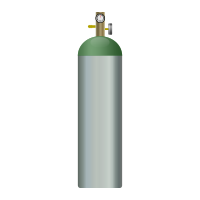
Medical Compressed Gas
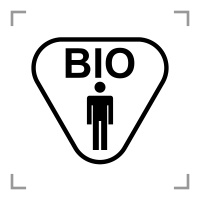
ISO 7000-0659 / Biological Risks
Safety, Radiation & Biohazard
Biological Risks / Infectious Waste
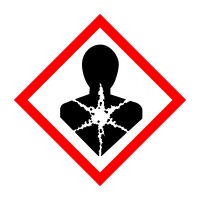
GHS08 / CMR Health Hazard
Medical Devices & ISO 15223
CMR Health Hazard
ISO 15223-1 5.5.1 / IVD
Medical Devices & ISO 15223
In Vitro Diagnostic Medical Device
ISO 15223-1 5.2.9 / Single Barrier
Medical Devices & ISO 15223
Single Sterile Barrier System
ISO 15223-1 5.2.13 / Barrier Inside
Medical Devices & ISO 15223
Barrier with Protective Packaging Inside
ISO 15223-1 5.2.14 / Barrier Outside
Medical Devices & ISO 15223
Barrier with Protective Packaging Outside
ISO 15223-1 5.4.7 / Medicinal Substance
Medical Devices & ISO 15223
Contains Medicinal Substance
ISO 15223-1 5.4.9 / Human Origin
Medical Devices & ISO 15223
Contains Human Origin Material
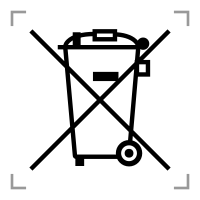
IEC 60417-6414 / WEEE
Medical Devices & ISO 15223
WEEE Separate Collection
Dental / Tooth
Dentistry & Oral Health
Dentistry / Tooth Anatomy
Dental / Clinic
Dentistry & Oral Health
Dental Clinic
Pathology / Mortuary
Hospital & Clinical Wards
Mortuary
Pathology / Autopsy
Hospital & Clinical Wards
Autopsy / Pathology
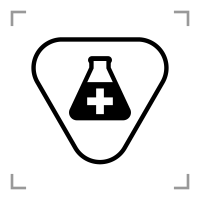
Laboratory / Clinical Diagnostics
Hospital & Clinical Wards
Clinical Laboratory
Surgery / Scalpel
Hospital & Clinical Wards
Surgical Scalpel
Surgery / Suture
Hospital & Clinical Wards
Surgical Suture
Surgery / Forceps Clamp
Hospital & Clinical Wards
Haemostatic Forceps
Diagnostic / Stethoscope
Diagnostics, Lab & Imaging
Stethoscope
Clinical / Syringe
Diagnostics, Lab & Imaging
Medical Syringe
Diagnostic / Thermometer
Diagnostics, Lab & Imaging
Clinical Thermometer
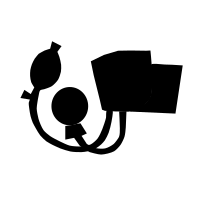
Diagnostic / Sphygmomanometer
Diagnostics, Lab & Imaging
Blood Pressure Monitor
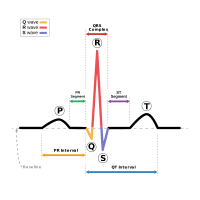
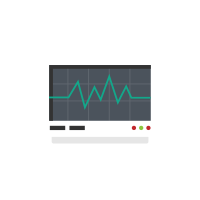
Diagnostic / ECG Rhythm
Diagnostics, Lab & Imaging
ECG Rhythm Strip
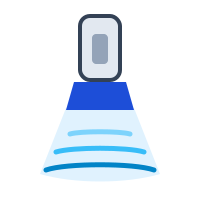
Diagnostic / Ultrasound
Diagnostics, Lab & Imaging
Ultrasound / Sonography
Ortho / Broken Bone Cast
Orthopedics & Mobility
Fracture Cast / Trauma
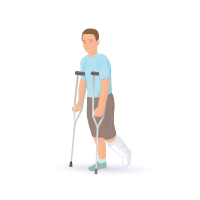
Ortho / Crutches
Orthopedics & Mobility
Crutches
Ortho / Walking Aid
Orthopedics & Mobility
Walking Aid / Rollator
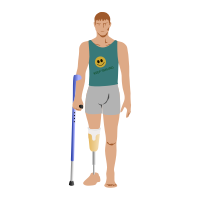
Ortho / Prosthesis
Orthopedics & Mobility
Prosthetic Limb
Pharma / Capsule Pill
Pharmacy, Rx & Pharmacology
Capsules and Tablets
Pharma / Injection Vial
Pharmacy, Rx & Pharmacology
Ampoule / Injection Vial
Clinical / Ophthalmology
Pharmacy, Rx & Pharmacology
Ophthalmology / Eye Care
Toxicology / Poison Center
Pharmacy, Rx & Pharmacology
Poison Control Center
Emergency / Ambulance Service
Emergency & First Aid
Ambulance / Emergency Services
Hospital / Helipad H
Emergency & First Aid
Hospital Helipad
Clinical / Maternity Ward
Hospital & Clinical Wards
Maternity / Obstetrics Ward
Hematology / Blood Donation
Emergency & First Aid
Blood Donation
Hematology / Transfusion
Hospital & Clinical Wards
Blood Transfusion
Hematology / Stem Cells
Hospital & Clinical Wards
Bone Marrow and Stem Cells
Neonatal / Newborn Care
Hospital & Clinical Wards
Newborn Care
ISO 7001 / Breastfeeding
Hospital & Clinical Wards
Breastfeeding Room
Neonatal / Baby Bottle
Hospital & Clinical Wards
Baby Bottle Feeding
Oncology / Cytotoxic Hazard
Safety, Radiation & Biohazard
Cytotoxic Drug Handling
Oncology / Cytotoxic Waste
Safety, Radiation & Biohazard
Cytotoxic Waste
Radiation / Pregnancy Warning
Safety, Radiation & Biohazard
Pregnancy Radiation Warning
Radiation / Lead Shield
Safety, Radiation & Biohazard
Lead Shielding
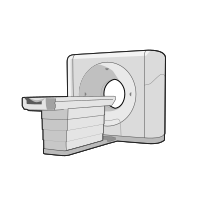
Diagnostic / CT Scanner
Diagnostics, Lab & Imaging
CT Scanner
Nephrology / Hemodialysis
Hospital & Clinical Wards
Hemodialysis
Transplant / Organ Transport
Emergency & First Aid
Organ Transport
Nuclear / Radiopharmacy
Safety, Radiation & Biohazard
Radiopharmacy
ISO 7010 M013 / Face Shield
Safety, Radiation & Biohazard
Face Shield
ISO 7010 M010 / Protective Suit
Safety, Radiation & Biohazard
Protective Clothing
ISO 7010 M008 / Safety Footwear
Safety, Radiation & Biohazard
Safety Footwear / Overshoes
Isolation / Negative Pressure
Safety, Radiation & Biohazard
Negative Pressure Isolation
Safety / Fall Risk
Sanatorium, Care & Access
Fall Risk
Hospital / Silence Zone
Hospital & Clinical Wards
Silence Zone
Laboratory / DNA Genetics
Diagnostics, Lab & Imaging
DNA Genetic Testing
Laboratory / Centrifuge
Diagnostics, Lab & Imaging
Laboratory Centrifuge
Pharma / Controlled Drugs
Pharmacy, Rx & Pharmacology
Controlled Drugs Cabinet
Clinical / Airway Management
Hospital & Clinical Wards
Airway Management
Surgery / Drainage Kit
Hospital & Clinical Wards
Surgical Drainage Kit
Diagnostic / Pulse Oximeter
Diagnostics, Lab & Imaging
Pulse Oximeter (SpO2)
Diagnostic / Glucose Monitoring
Diagnostics, Lab & Imaging
Blood Glucose Monitoring
Diagnostic / Ophthalmoscopy
Diagnostics, Lab & Imaging
Ophthalmoscopy
Diagnostic / Otoscopy
Diagnostics, Lab & Imaging
Otoscopy
Diagnostic / Neurological Exam
Diagnostics, Lab & Imaging
Neurological Assessment
Diagnostic / Spirometry
Diagnostics, Lab & Imaging
Pulmonary Function / Spirometry
Diagnostic / Rapid Antigen Test
Diagnostics, Lab & Imaging
Rapid Antigen Test
Diagnostic / Endoscopy
Diagnostics, Lab & Imaging
Gastrointestinal Endoscopy
Clinical / Nil Per Os (NPO)
Hospital & Clinical Wards
Nil Per Os (NPO)
Clinical / Foley Catheter
Hospital & Clinical Wards
Urinary Catheter
Care / Pressure Relief
Sanatorium, Care & Access
Pressure Relief Mattress
Care / Bed Rest
Sanatorium, Care & Access
Bed Rest and Safety
Clinical / Compression Stockings
Hospital & Clinical Wards
Compression Stockings
Clinical / Emesis Bag
Hospital & Clinical Wards
Emesis Bag
Cardiology / Pacemaker Implant
Hospital & Clinical Wards
Cardiac Pacemaker
Diagnostic / Holter Monitor
Diagnostics, Lab & Imaging
Holter ECG Monitoring
Diagnostic / EEG
Diagnostics, Lab & Imaging
Electroencephalography (EEG)
Cardiology / Defibrillation Safety
Medical Devices & ISO 15223
Defibrillation Safety
Dental / Orthodontics
Dentistry & Oral Health
Orthodontic Treatment
Dental / Titanium Implant
Dentistry & Oral Health
Dental Implant
Ortho / Elastic Bandage
Orthopedics & Mobility
Elastic Bandage
Ortho / Cold Therapy
Orthopedics & Mobility
Cold Therapy / Ice Pack
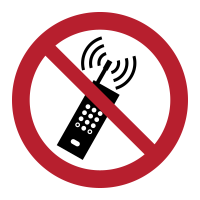
ISO 7010 P013 / No Mobile Phones
Safety, Radiation & Biohazard
No Mobile Phones
Clinical / Oxygen Fire Hazard
Safety, Radiation & Biohazard
Oxygen Fire Hazard
Hospital / CSSD Sterilization
Hospital & Clinical Wards
CSSD Sterile Processing
Sanatorium / Buvette
Sanatorium, Care & Access
Mineral Water Buvette
Sanatorium / Kneipp Therapy
Sanatorium, Care & Access
Kneipp Foot Therapy
Sanatorium / Cryochamber
Sanatorium, Care & Access
Whole-Body Cryotherapy
Rehab / Presotherapy
Sanatorium, Care & Access
Lymphatic Drainage / Presotherapy
Dietary / Sodium Restriction
Sanatorium, Care & Access
Sodium / Salt Restriction
Rehab / Terrain Cure
Sanatorium, Care & Access
Nordic Walking / Terrain Cure
Pharma / Inhaler Spacer
Pharmacy, Rx & Pharmacology
Inhaler with Spacer
Pharma / Transdermal Patch
Pharmacy, Rx & Pharmacology
Transdermal Patch
Pharma / Suppository
Pharmacy, Rx & Pharmacology
Rectal Suppository
Pharma / Cold Chain 2-8C
Pharmacy, Rx & Pharmacology
Cold Chain 2–8 °C
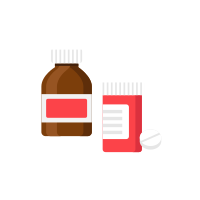
Pharma / Protect Light
Pharmacy, Rx & Pharmacology
Light-Sensitive Medicine Bottle
Pharma / Yellow Card
Pharmacy, Rx & Pharmacology
Pharmacovigilance Reporting
ISO 15223-1 5.4.8 / Animal Origin
Medical Devices & ISO 15223
Animal-Derived Material
ISO 7000-2727 / Liquid Filter
Medical Devices & ISO 15223
Sterile Fluid Filter
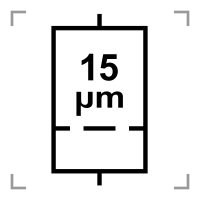
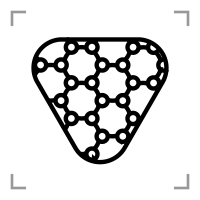
ISO 15223-1 5.4.11 / Nanomaterials
Medical Devices & ISO 15223
Nanomaterials
IEC 60417-5021 / Equipotentiality
Medical Devices & ISO 15223
Equipotential Bonding
ISO 15223-1 5.4.12 / Single Patient
Medical Devices & ISO 15223
Single Patient Multiple Use
Sterilization / Bio Indicator
Medical Devices & ISO 15223
Biological Sterilization Indicator
Isolation / Positive Pressure
Safety, Radiation & Biohazard
Positive Pressure Clean Room
Ethics / Do Not Resuscitate
Hospital & Clinical Wards
Do Not Resuscitate (DNR)
Safety / Patient ID Band
Hospital & Clinical Wards
Patient ID Wristband
Hospital / Visiting Hours
Hospital & Clinical Wards
Visiting Hours
Safety / Fume Hood
Safety, Radiation & Biohazard
Hazardous Fume Hood
Safety / ESD Protection
Safety, Radiation & Biohazard
ESD Protection
Waste / Autoclave Shredder
Safety, Radiation & Biohazard
Medical Waste Shredder
Veterinary / Cross V
Veterinary Medicine
Veterinary Cross V
Veterinary / Clinic
Veterinary Medicine
Veterinary Clinic
Veterinary / Microchip
Veterinary Medicine
Animal RFID Microchip
Dietary / Gluten-Free
Pharmacy, Rx & Pharmacology
Gluten-Free Diet
Allergy / Peanut Anaphylaxis
Safety, Radiation & Biohazard
Peanut Allergy Hazard
Dietary / Lactose-Free
Pharmacy, Rx & Pharmacology
Lactose-Free Diet
ISO 7001 / Guide Dog
Sanatorium, Care & Access
Guide Dog Access
Access / Hearing Loop
Sanatorium, Care & Access
Hearing Loop T-Coil
ISO 7001 / Sign Language
Sanatorium, Care & Access
Sign Language Interpreter
Care / Sensory Room
Sanatorium, Care & Access
Sensory Room / Neurodiversity
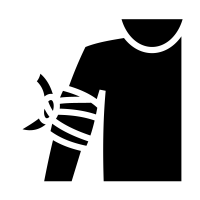
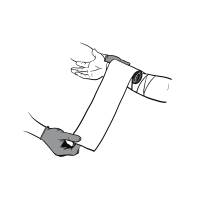
TCCC / Pressure Dressing
Emergency & First Aid
Emergency Pressure Bandage
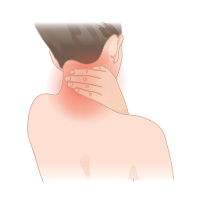
Trauma / Cervical Collar
Emergency & First Aid
Cervical Collar / Spine
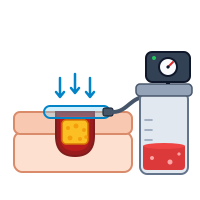
Surgery / NPWT Wound
Hospital & Clinical Wards
NPWT Vacuum Wound Therapy
Lab / Blood Vacutainer
Diagnostics, Lab & Imaging
Blood Vacutainer
Lab / Urine Specimen
Diagnostics, Lab & Imaging
Urine Specimen Container
Lab / Transport Swab
Diagnostics, Lab & Imaging
Sterile Transport Swab
ISO 15223-1 5.1.8 / Importer
Medical Devices & ISO 15223
Medical Device Importer
ISO 15223-1 5.1.9 / Distributor
Medical Devices & ISO 15223
Medical Device Distributor
ISO 15223-1 5.7.12 / Patient URL
Medical Devices & ISO 15223
Patient Information Website
ISO 15223-1 5.7.11 / Repackaging
Medical Devices & ISO 15223
Repackaging
EMS / Vehicle Extrication
Emergency & First Aid
Vehicle Extrication
EMS / Stretcher Lock
Emergency & First Aid
Stretcher Lock
EMS / Vehicle Oxygen
Emergency & First Aid
Vehicle Oxygen Outlet
EMS / CPR Backboard
Emergency & First Aid
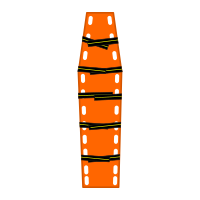
CPR Rescue Board
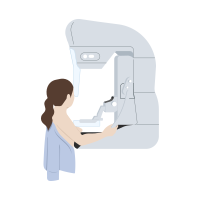
Diagnostic / Mammography
Diagnostics, Lab & Imaging
Mammography
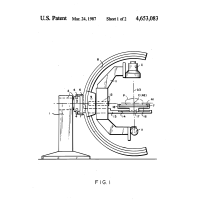
Diagnostic / Fluoroscopy C-Arm
Hospital & Clinical Wards
C-Arm Fluoroscopy
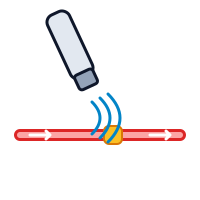
Diagnostic / Doppler Ultrasound
Diagnostics, Lab & Imaging
Vascular Doppler
Obstetrics / Cardiotocography
Hospital & Clinical Wards
Cardiotocography (CTG)
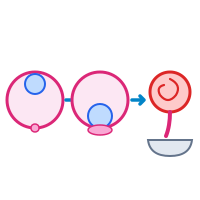
Obstetrics / Delivery
Hospital & Clinical Wards
Childbirth / Vaginal Delivery
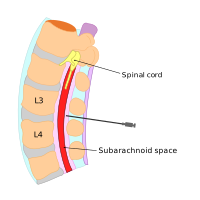
Anesthesia / Epidural
Hospital & Clinical Wards
Epidural Anesthesia
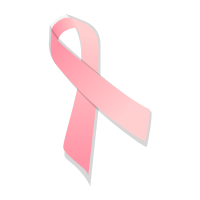
Oncology / Cancer Ribbon
Safety, Radiation & Biohazard
Cancer Awareness Ribbon
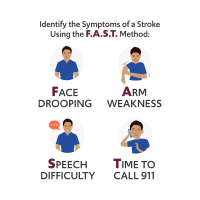
Emergency / FAST Stroke
Emergency & First Aid
FAST Stroke Screen
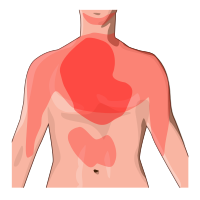
Cardiology / Heart Attack
Emergency & First Aid
Myocardial Infarction
Care / Palliative Hospice
Sanatorium, Care & Access
Palliative Hospice Care
Admin / Electronic Health Record
Hospital & Clinical Wards
Electronic Health Record
Ophthalmology / Eye Patch
Hospital & Clinical Wards
Eye Patch
Ethics / Informed Consent
Hospital & Clinical Wards
Informed Consent
Lab / Stool Specimen
Diagnostics, Lab & Imaging
Stool Specimen Container
Lab / 24h Urine Jug
Diagnostics, Lab & Imaging
24-Hour Urine Jug
Lab / Specimen Drop-off
Diagnostics, Lab & Imaging
Specimen Drop-off
Lab / Phlebotomy Station
Diagnostics, Lab & Imaging
Phlebotomy Chair
Hematology / Apheresis
Hospital & Clinical Wards
Platelet Apheresis
Access / Braille System
Sanatorium, Care & Access
Braille Signage
Access / Mute AAC Board
Sanatorium, Care & Access
AAC Communication Board
Care / Paraplegia Transfer
Sanatorium, Care & Access
Paraplegia Transfer Hoist
Care / Baby Hatch
Hospital & Clinical Wards
Baby Hatch / Safe Haven
Awareness / HIV AIDS
Safety, Radiation & Biohazard
HIV/AIDS Red Ribbon
Awareness / Prostate Cancer
Safety, Radiation & Biohazard
Prostate Cancer Ribbon
Awareness / Childhood Cancer
Safety, Radiation & Biohazard
Childhood Cancer Ribbon
Awareness / Alzheimer
Safety, Radiation & Biohazard
Alzheimer's Purple Ribbon
Global / WHO
Hospital & Clinical Wards
World Health Organization
Diabetes / Insulin Pen
Pharmacy, Rx & Pharmacology
Insulin Pen Injector
Symbols / Caduceus
Hospital & Clinical Wards
Caduceus
Respiratory / Nasal Cannula
Hospital & Clinical Wards
Nasal Oxygen Cannula
Access / Baby Changing
Hospital & Clinical Wards
Baby Changing Table
Global / IMSS Mexico
Hospital & Clinical Wards
IMSS Mexico
Global / Medicare USA
Hospital & Clinical Wards
Medicare USA
Global / CMS (Medicare & Medicaid)
Hospital & Clinical Wards
CMS (Medicare & Medicaid Services)
Global / HHS USA
Hospital & Clinical Wards
US HHS Department
Global / Health Canada
Hospital & Clinical Wards
Health Canada
MedicAlert / Medical ID
Hospital & Clinical Wards
MedicAlert Medical ID
Global / Air Ambulance
Emergency & First Aid
Air Ambulance
Global / SNS Spain
Hospital & Clinical Wards
Spanish National Health
Safety / Sharps Container
Safety, Radiation & Biohazard
Sharps Waste Container
Emergency / Epinephrine
Emergency & First Aid
Epinephrine Autoinjector
Global / VLK Lithuania
Hospital & Clinical Wards
Health Insurance Card
Access / Hospital Elevator
Hospital & Clinical Wards
Stretcher Hospital Elevator
TCCC / CAT Tourniquet
Emergency & First Aid
CAT Arterial Tourniquet
Neurology / Tuning Fork
Diagnostics, Lab & Imaging
Tuning Fork
Awareness / Organ Donation
Safety, Radiation & Biohazard
Organ Donor Green Ribbon
No medical symbols found matching your filters.