#95 · 5 strokes
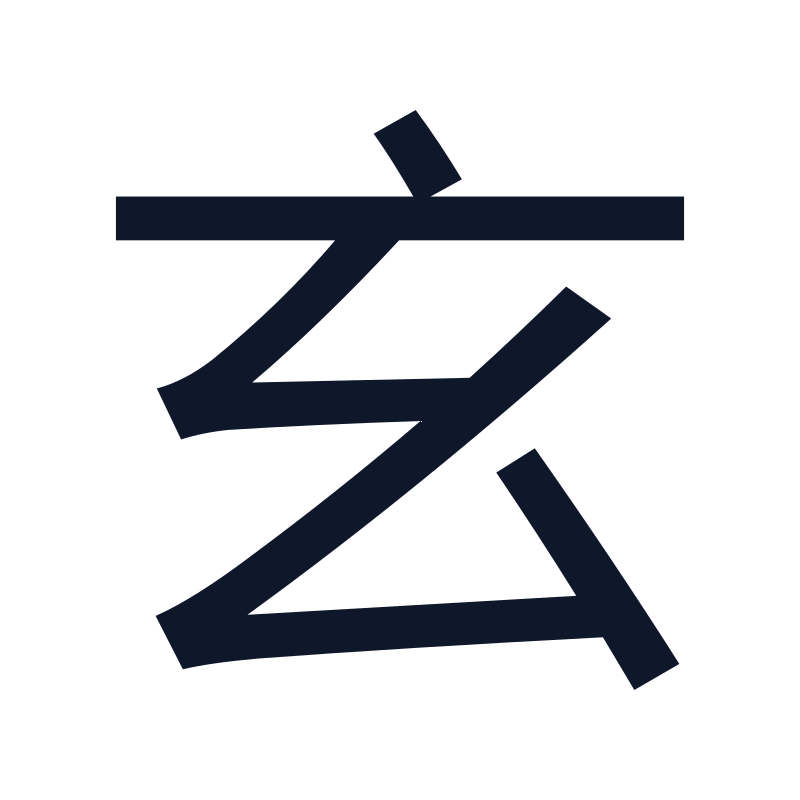 xuán · U+7384
玄
Dyed dark silk skein, mysterious, arcane
Kangxi Radical #95 玄 (xuán, "Profound") is written with 5 calligraphic strokes. Originating in Shang Dynasty Oracle Bone (Jiǎgǔwén) and Zhou Bronze inscriptions (Jīnwén) to depict dyed dark silk skein, mysterious, arcane, it serves as a foundational semantic classifier in the 1716 Imperial Kangxi Dictionary. Frequent compound Hanzi characters governed by this radical include: 玄 (xuán), 率 (lǜ), 兹 (zī).
#96 · 5 strokes
 yù · U+7389
玉
Three jade discs strung on a silk cord, gem
Kangxi Radical #96 玉 (yù, "Jade") is written with 5 calligraphic strokes. Originating in Shang Dynasty Oracle Bone (Jiǎgǔwén) and Zhou Bronze inscriptions (Jīnwén) to depict three jade discs strung on a silk cord, gem, it serves as a foundational semantic classifier in the 1716 Imperial Kangxi Dictionary. Frequent compound Hanzi characters governed by this radical include: 王 (wáng), 玉 (yù), 珍 (zhēn), 珠 (zhū).
#97 · 5 strokes
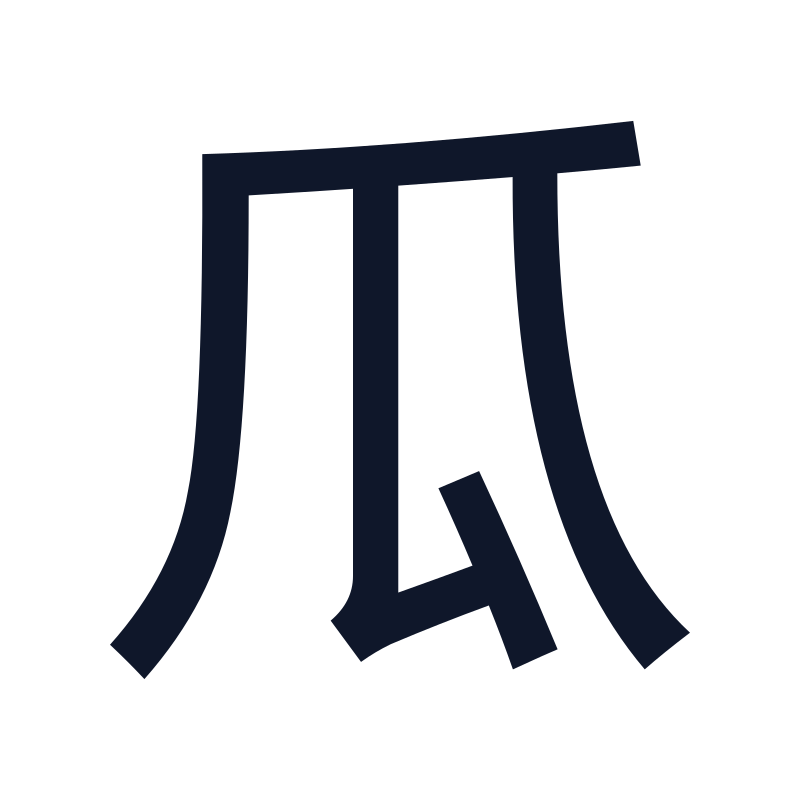 guā · U+74DC
瓜
Gourd or melon hanging from a trailing vine
Kangxi Radical #97 瓜 (guā, "Melon") is written with 5 calligraphic strokes. Originating in Shang Dynasty Oracle Bone (Jiǎgǔwén) and Zhou Bronze inscriptions (Jīnwén) to depict gourd or melon hanging from a trailing vine, it serves as a foundational semantic classifier in the 1716 Imperial Kangxi Dictionary. Frequent compound Hanzi characters governed by this radical include: 瓜 (guā), 瓢 (piáo), 瓣 (bàn).
#98 · 5 strokes
 wǎ · U+74E6
瓦
Interlocking curved clay roof tiles, pottery
Kangxi Radical #98 瓦 (wǎ, "Tile") is written with 5 calligraphic strokes. Originating in Shang Dynasty Oracle Bone (Jiǎgǔwén) and Zhou Bronze inscriptions (Jīnwén) to depict interlocking curved clay roof tiles, pottery, it serves as a foundational semantic classifier in the 1716 Imperial Kangxi Dictionary. Frequent compound Hanzi characters governed by this radical include: 瓦 (wǎ), 瓶 (píng), 瓷 (cí).
#99 · 5 strokes
 gān · U+7518
甘
Mouth holding something delicious and sweet
Kangxi Radical #99 甘 (gān, "Sweet") is written with 5 calligraphic strokes. Originating in Shang Dynasty Oracle Bone (Jiǎgǔwén) and Zhou Bronze inscriptions (Jīnwén) to depict mouth holding something delicious and sweet, it serves as a foundational semantic classifier in the 1716 Imperial Kangxi Dictionary. Frequent compound Hanzi characters governed by this radical include: 甘 (gān), 甜 (tián), 甚 (shèn).
#100 · 5 strokes
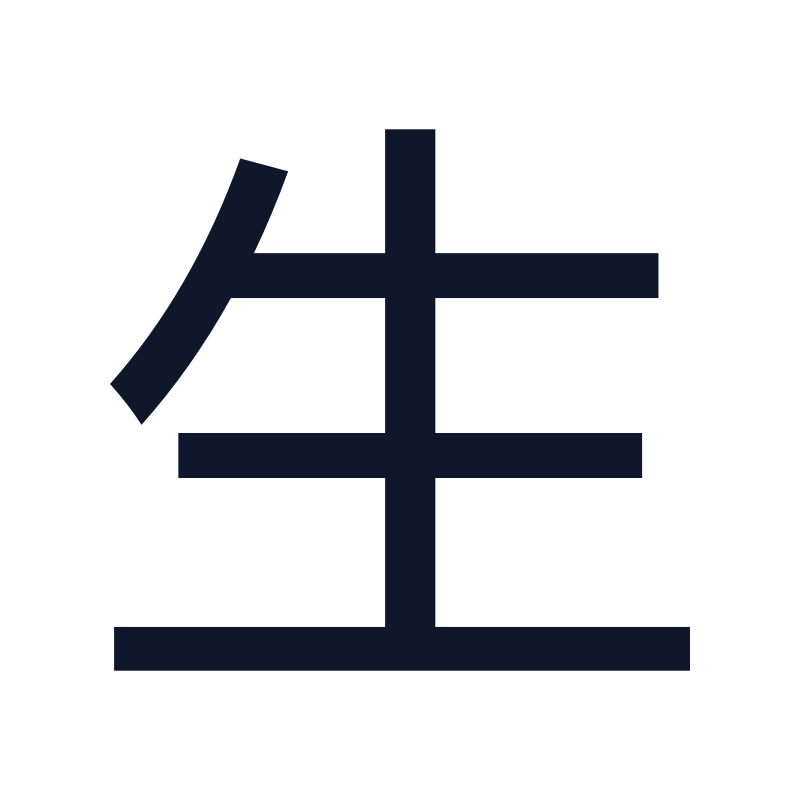 shēng · U+751F
生
Fresh green sprout growing out of fertile earth
Kangxi Radical #100 生 (shēng, "Life") is written with 5 calligraphic strokes. Originating in Shang Dynasty Oracle Bone (Jiǎgǔwén) and Zhou Bronze inscriptions (Jīnwén) to depict fresh green sprout growing out of fertile earth, it serves as a foundational semantic classifier in the 1716 Imperial Kangxi Dictionary. Frequent compound Hanzi characters governed by this radical include: 生 (shēng), 产 (chǎn), 甥 (shēng).
#101 · 5 strokes
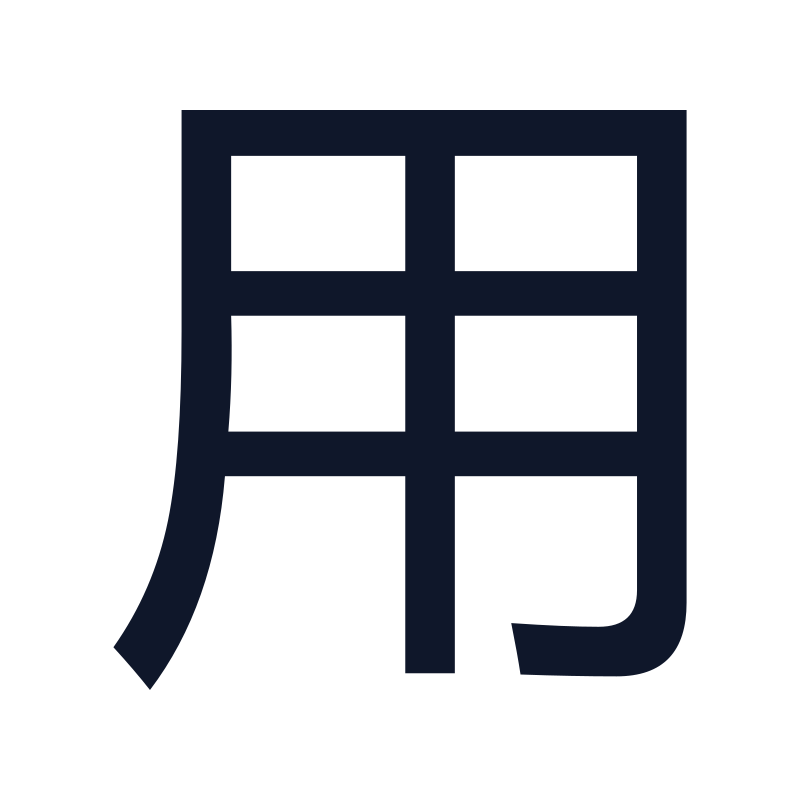 yòng · U+7528
用
Divination cracks or bronze bell, utility, function
Kangxi Radical #101 用 (yòng, "Use") is written with 5 calligraphic strokes. Originating in Shang Dynasty Oracle Bone (Jiǎgǔwén) and Zhou Bronze inscriptions (Jīnwén) to depict divination cracks or bronze bell, utility, function, it serves as a foundational semantic classifier in the 1716 Imperial Kangxi Dictionary. Frequent compound Hanzi characters governed by this radical include: 用 (yòng), 甩 (shuǎi), 甫 (fǔ).
#102 · 5 strokes
 tián · U+7530
田
Irrigated rice paddy divided into four plots
Kangxi Radical #102 田 (tián, "Field") is written with 5 calligraphic strokes. Originating in Shang Dynasty Oracle Bone (Jiǎgǔwén) and Zhou Bronze inscriptions (Jīnwén) to depict irrigated rice paddy divided into four plots, it serves as a foundational semantic classifier in the 1716 Imperial Kangxi Dictionary. Frequent compound Hanzi characters governed by this radical include: 田 (tián), 由 (yóu), 男 (nán), 界 (jiè).
#103 · 5 strokes
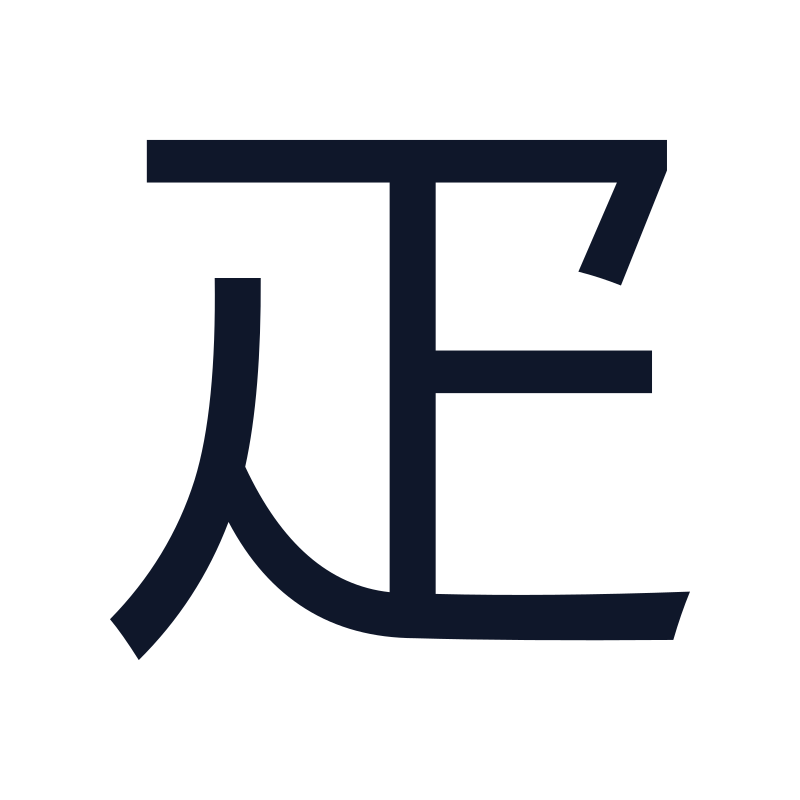 pǐ · U+758B
疋
Measured roll of woven textile or walking foot
Kangxi Radical #103 疋 (pǐ, "Bolt of Cloth") is written with 5 calligraphic strokes. Originating in Shang Dynasty Oracle Bone (Jiǎgǔwén) and Zhou Bronze inscriptions (Jīnwén) to depict measured roll of woven textile or walking foot, it serves as a foundational semantic classifier in the 1716 Imperial Kangxi Dictionary. Frequent compound Hanzi characters governed by this radical include: 疏 (shū), 疑 (yí).
#104 · 5 strokes
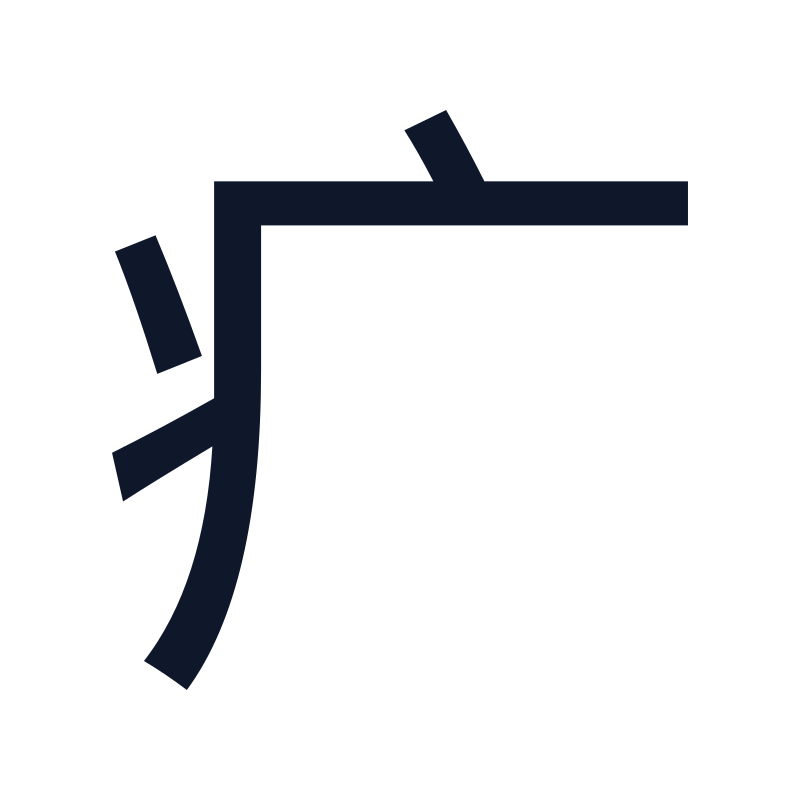 nè · U+7592
疒
Person lying weak on a sickbed, illness
Kangxi Radical #104 疒 (nè, "Sickness") is written with 5 calligraphic strokes. Originating in Shang Dynasty Oracle Bone (Jiǎgǔwén) and Zhou Bronze inscriptions (Jīnwén) to depict person lying weak on a sickbed, illness, it serves as a foundational semantic classifier in the 1716 Imperial Kangxi Dictionary. Frequent compound Hanzi characters governed by this radical include: 病 (bìng), 痛 (tòng), 疗 (liáo), 瘦 (shòu).
#105 · 5 strokes
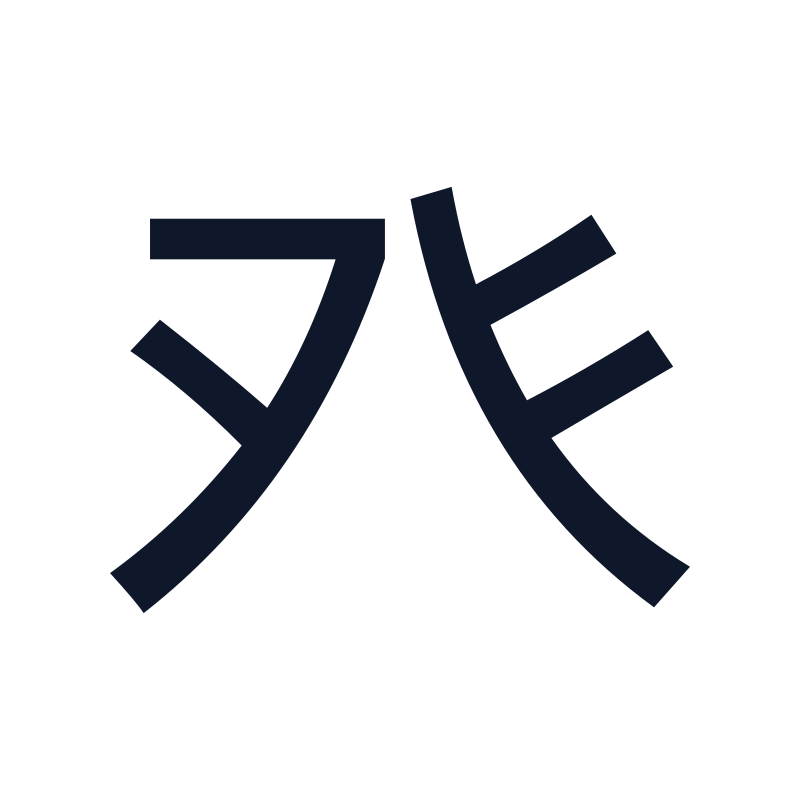 bǒ · U+7676
癶
Two feet planted apart ready to ascend
Kangxi Radical #105 癶 (bǒ, "Footsteps") is written with 5 calligraphic strokes. Originating in Shang Dynasty Oracle Bone (Jiǎgǔwén) and Zhou Bronze inscriptions (Jīnwén) to depict two feet planted apart ready to ascend, it serves as a foundational semantic classifier in the 1716 Imperial Kangxi Dictionary. Frequent compound Hanzi characters governed by this radical include: 登 (dēng), 发 (fā), 癸 (guǐ).
#106 · 5 strokes
 bái · U+767D
白
Bright sun ray or candle flame, purity, clear
Kangxi Radical #106 白 (bái, "White") is written with 5 calligraphic strokes. Originating in Shang Dynasty Oracle Bone (Jiǎgǔwén) and Zhou Bronze inscriptions (Jīnwén) to depict bright sun ray or candle flame, purity, clear, it serves as a foundational semantic classifier in the 1716 Imperial Kangxi Dictionary. Frequent compound Hanzi characters governed by this radical include: 白 (bái), 百 (bǎi), 的 (de), 皇 (huáng).
#107 · 5 strokes
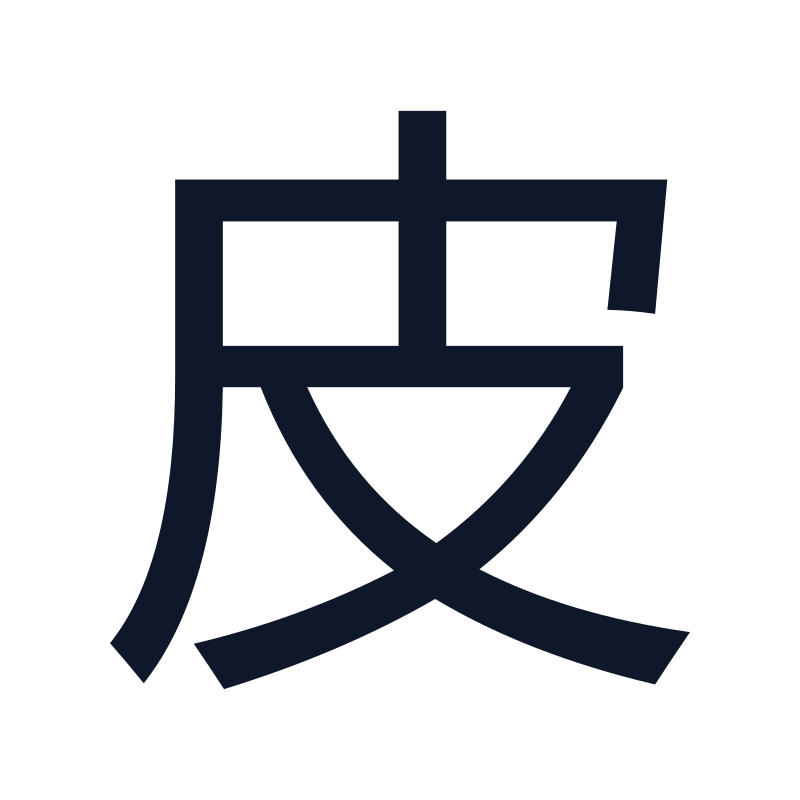 pí · U+76AE
皮
Hand stripping hide or bark, outer surface
Kangxi Radical #107 皮 (pí, "Skin") is written with 5 calligraphic strokes. Originating in Shang Dynasty Oracle Bone (Jiǎgǔwén) and Zhou Bronze inscriptions (Jīnwén) to depict hand stripping hide or bark, outer surface, it serves as a foundational semantic classifier in the 1716 Imperial Kangxi Dictionary. Frequent compound Hanzi characters governed by this radical include: 皮 (pí), 皱 (zhòu), 颇 (pō).
#108 · 5 strokes
 mǐn · U+76BF
皿
Shallow footed ritual vessel or food platter
Kangxi Radical #108 皿 (mǐn, "Dish") is written with 5 calligraphic strokes. Originating in Shang Dynasty Oracle Bone (Jiǎgǔwén) and Zhou Bronze inscriptions (Jīnwén) to depict shallow footed ritual vessel or food platter, it serves as a foundational semantic classifier in the 1716 Imperial Kangxi Dictionary. Frequent compound Hanzi characters governed by this radical include: 盆 (pén), 益 (yì), 盛 (shèng), 盘 (pán).
#109 · 5 strokes
 mù · U+76EE
目
Human eye with pupil and eyelids, vision
Kangxi Radical #109 目 (mù, "Eye") is written with 5 calligraphic strokes. Originating in Shang Dynasty Oracle Bone (Jiǎgǔwén) and Zhou Bronze inscriptions (Jīnwén) to depict human eye with pupil and eyelids, vision, it serves as a foundational semantic classifier in the 1716 Imperial Kangxi Dictionary. Frequent compound Hanzi characters governed by this radical include: 看 (kàn), 眼 (yǎn), 睡 (shuì), 睛 (jīng).
#110 · 5 strokes
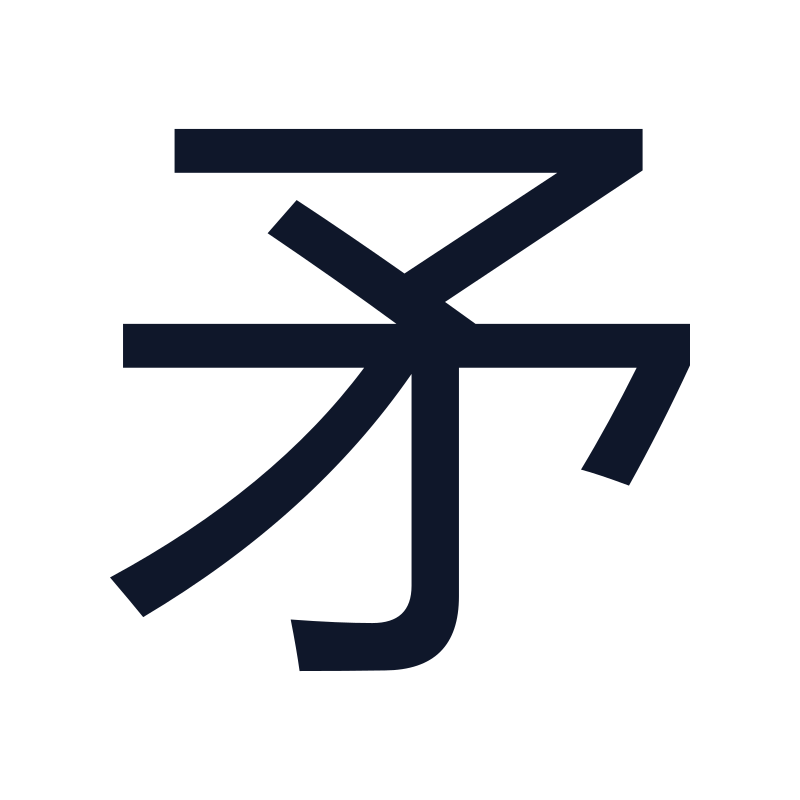 máo · U+77DB
矛
Long-shafted bronze infantry spear
Kangxi Radical #110 矛 (máo, "Spear") is written with 5 calligraphic strokes. Originating in Shang Dynasty Oracle Bone (Jiǎgǔwén) and Zhou Bronze inscriptions (Jīnwén) to depict long-shafted bronze infantry spear, it serves as a foundational semantic classifier in the 1716 Imperial Kangxi Dictionary. Frequent compound Hanzi characters governed by this radical include: 矛 (máo), 柔 (róu), 矜 (jīn).
#111 · 5 strokes
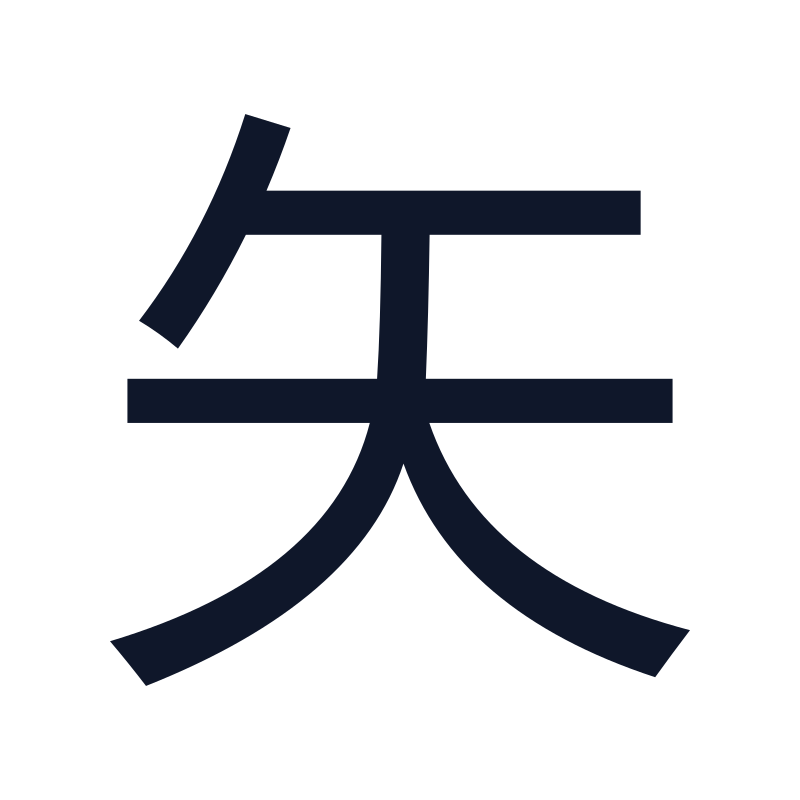 shǐ · U+77E2
矢
Fletched arrow with sharp tip and tail feathers
Kangxi Radical #111 矢 (shǐ, "Arrow") is written with 5 calligraphic strokes. Originating in Shang Dynasty Oracle Bone (Jiǎgǔwén) and Zhou Bronze inscriptions (Jīnwén) to depict fletched arrow with sharp tip and tail feathers, it serves as a foundational semantic classifier in the 1716 Imperial Kangxi Dictionary. Frequent compound Hanzi characters governed by this radical include: 知 (zhī), 短 (duǎn), 矮 (ǎi), 矩 (jǔ).
#112 · 5 strokes
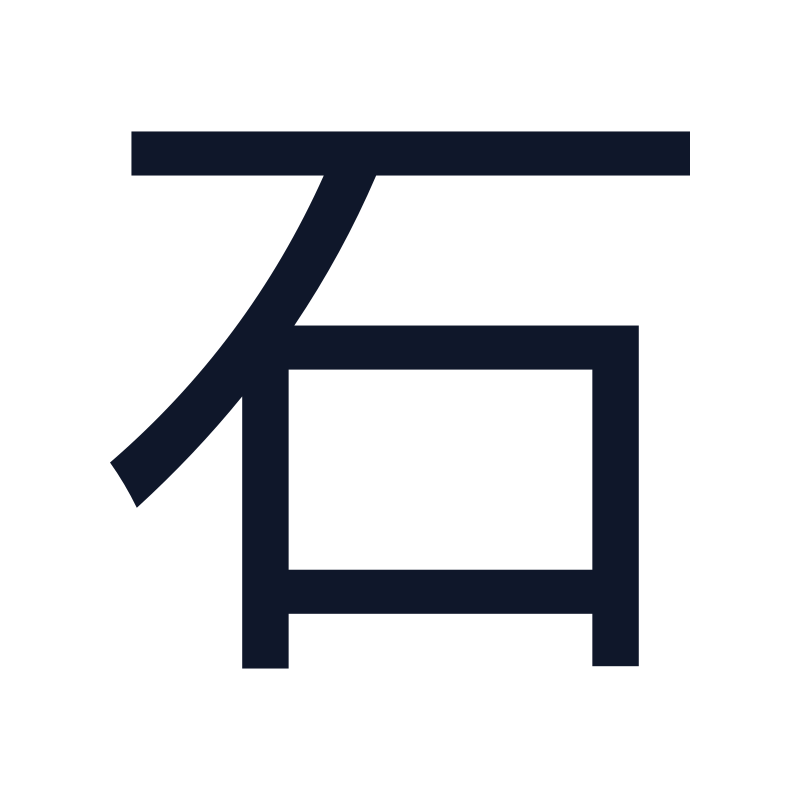 shí · U+77F3
石
Solid rock boulder beneath a mountain cliff
Kangxi Radical #112 石 (shí, "Stone") is written with 5 calligraphic strokes. Originating in Shang Dynasty Oracle Bone (Jiǎgǔwén) and Zhou Bronze inscriptions (Jīnwén) to depict solid rock boulder beneath a mountain cliff, it serves as a foundational semantic classifier in the 1716 Imperial Kangxi Dictionary. Frequent compound Hanzi characters governed by this radical include: 石 (shí), 破 (pò), 研 (yán), 础 (chǔ).
#113 · 5 strokes
 shì · U+793A
示
Sacrificial stone altar revealing heavenly signs
Kangxi Radical #113 示 (shì, "Spirit") is written with 5 calligraphic strokes. Originating in Shang Dynasty Oracle Bone (Jiǎgǔwén) and Zhou Bronze inscriptions (Jīnwén) to depict sacrificial stone altar revealing heavenly signs, it serves as a foundational semantic classifier in the 1716 Imperial Kangxi Dictionary. Frequent compound Hanzi characters governed by this radical include: 社 (shè), 神 (shén), 福 (fú), 礼 (lǐ).
#114 · 5 strokes
 róu · U+79B8
禸
Wild beast pawprint impressed in soft mud
Kangxi Radical #114 禸 (róu, "Track") is written with 5 calligraphic strokes. Originating in Shang Dynasty Oracle Bone (Jiǎgǔwén) and Zhou Bronze inscriptions (Jīnwén) to depict wild beast pawprint impressed in soft mud, it serves as a foundational semantic classifier in the 1716 Imperial Kangxi Dictionary. Frequent compound Hanzi characters governed by this radical include: 禹 (yǔ), 离 (lí), 禽 (qín).
#115 · 5 strokes
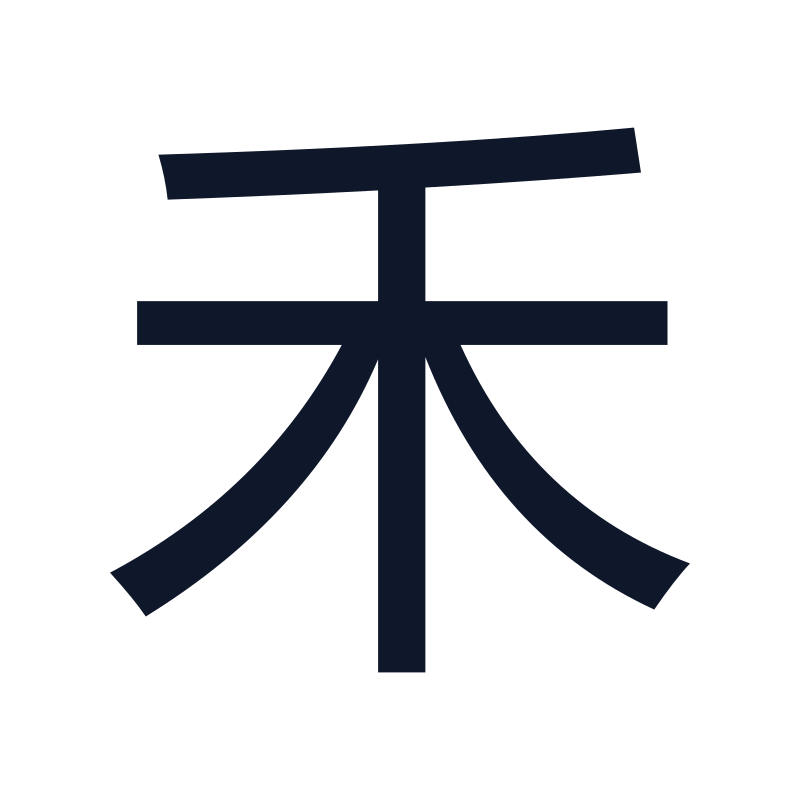 hé · U+79BE
禾
Ripe cereal stalk bending under heavy grain head
Kangxi Radical #115 禾 (hé, "Grain") is written with 5 calligraphic strokes. Originating in Shang Dynasty Oracle Bone (Jiǎgǔwén) and Zhou Bronze inscriptions (Jīnwén) to depict ripe cereal stalk bending under heavy grain head, it serves as a foundational semantic classifier in the 1716 Imperial Kangxi Dictionary. Frequent compound Hanzi characters governed by this radical include: 秋 (qiū), 种 (zhǒng), 科 (kē), 称 (chēng).
#116 · 5 strokes
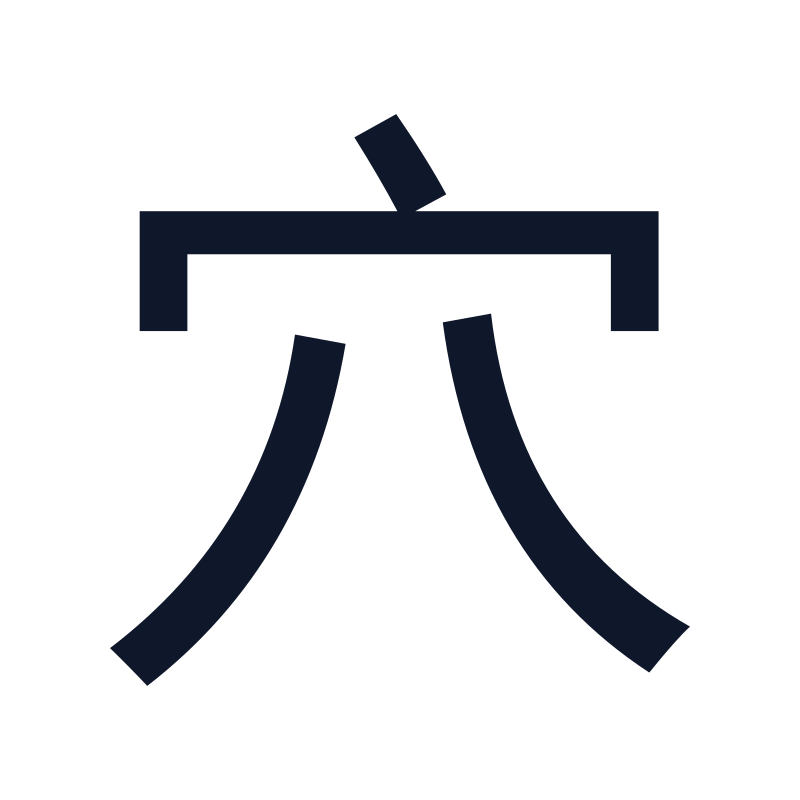 xué · U+7A74
穴
Excavated cavern dwelling beneath a roof
Kangxi Radical #116 穴 (xué, "Cave") is written with 5 calligraphic strokes. Originating in Shang Dynasty Oracle Bone (Jiǎgǔwén) and Zhou Bronze inscriptions (Jīnwén) to depict excavated cavern dwelling beneath a roof, it serves as a foundational semantic classifier in the 1716 Imperial Kangxi Dictionary. Frequent compound Hanzi characters governed by this radical include: 空 (kōng), 穿 (chuān), 窗 (chuāng), 穷 (qióng).
#117 · 5 strokes
 lì · U+7ACB
立
Person standing firmly upright on the ground
Kangxi Radical #117 立 (lì, "Stand") is written with 5 calligraphic strokes. Originating in Shang Dynasty Oracle Bone (Jiǎgǔwén) and Zhou Bronze inscriptions (Jīnwén) to depict person standing firmly upright on the ground, it serves as a foundational semantic classifier in the 1716 Imperial Kangxi Dictionary. Frequent compound Hanzi characters governed by this radical include: 立 (lì), 站 (zhàn), 章 (zhāng), 端 (duān).
#118 · 6 strokes
 zhú · U+7AF9
竹
Twin stalks of drooping bamboo leaves, slips
Kangxi Radical #118 竹 (zhú, "Bamboo") is written with 6 calligraphic strokes. Originating in Shang Dynasty Oracle Bone (Jiǎgǔwén) and Zhou Bronze inscriptions (Jīnwén) to depict twin stalks of drooping bamboo leaves, slips, it serves as a foundational semantic classifier in the 1716 Imperial Kangxi Dictionary. Frequent compound Hanzi characters governed by this radical include: 竹 (zhú), 笑 (xiào), 笔 (bǐ), 算 (suàn).
#119 · 6 strokes
 mǐ · U+7C73
米
Husked rice grains scattered around a threshing stalk
Kangxi Radical #119 米 (mǐ, "Rice") is written with 6 calligraphic strokes. Originating in Shang Dynasty Oracle Bone (Jiǎgǔwén) and Zhou Bronze inscriptions (Jīnwén) to depict husked rice grains scattered around a threshing stalk, it serves as a foundational semantic classifier in the 1716 Imperial Kangxi Dictionary. Frequent compound Hanzi characters governed by this radical include: 米 (mǐ), 粉 (fěn), 粒 (lì), 精 (jīng).
#120 · 6 strokes
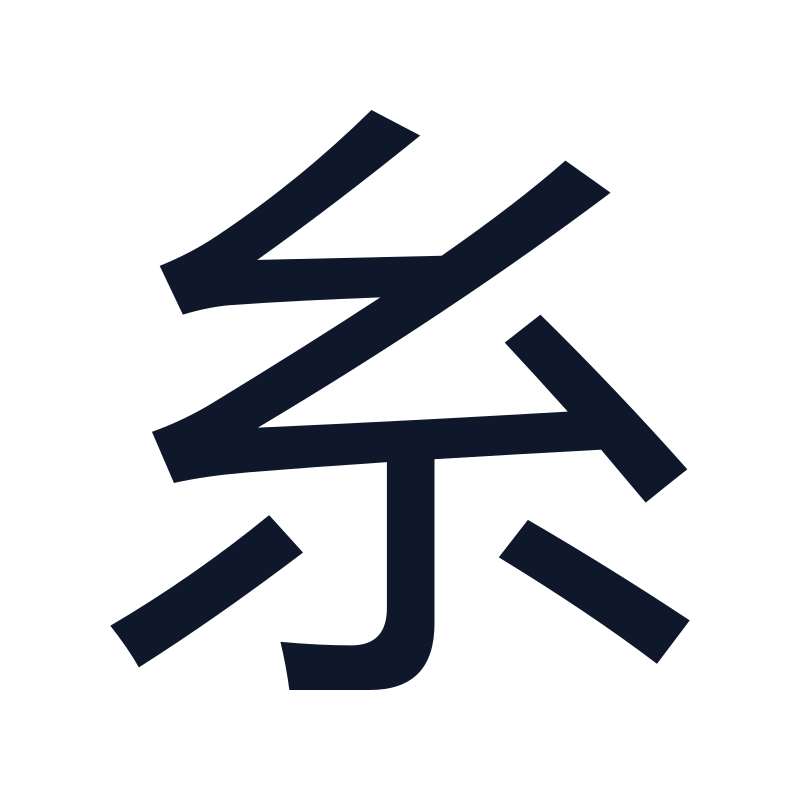 mì · U+7CF8
糸
Twisted skeins of fine cocoon silk thread
Kangxi Radical #120 糸 (mì, "Silk") is written with 6 calligraphic strokes. Originating in Shang Dynasty Oracle Bone (Jiǎgǔwén) and Zhou Bronze inscriptions (Jīnwén) to depict twisted skeins of fine cocoon silk thread, it serves as a foundational semantic classifier in the 1716 Imperial Kangxi Dictionary. Frequent compound Hanzi characters governed by this radical include: 红 (hóng), 线 (xiàn), 织 (zhī), 统 (tǒng).
#121 · 6 strokes
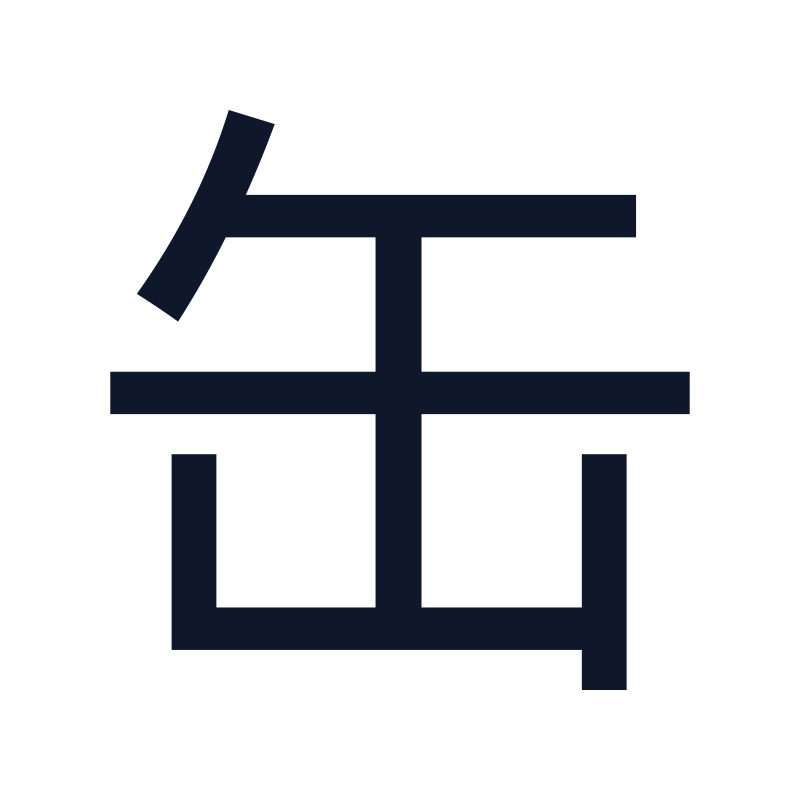 fǒu · U+7F36
缶
Round-bellied earthenware amphora or wine jar
Kangxi Radical #121 缶 (fǒu, "Jar") is written with 6 calligraphic strokes. Originating in Shang Dynasty Oracle Bone (Jiǎgǔwén) and Zhou Bronze inscriptions (Jīnwén) to depict round-bellied earthenware amphora or wine jar, it serves as a foundational semantic classifier in the 1716 Imperial Kangxi Dictionary. Frequent compound Hanzi characters governed by this radical include: 缸 (gāng), 缺 (quē), 罐 (guàn).
#122 · 6 strokes
 wǎng · U+7F51
网
Woven cord mesh for fishing and hunting
Kangxi Radical #122 网 (wǎng, "Net") is written with 6 calligraphic strokes. Originating in Shang Dynasty Oracle Bone (Jiǎgǔwén) and Zhou Bronze inscriptions (Jīnwén) to depict woven cord mesh for fishing and hunting, it serves as a foundational semantic classifier in the 1716 Imperial Kangxi Dictionary. Frequent compound Hanzi characters governed by this radical include: 罗 (luó), 罚 (fá), 罢 (bà), 置 (zhì).
#123 · 6 strokes
 yáng · U+7F8A
羊
Curved horns of a ram, auspiciousness, gentle
Kangxi Radical #123 羊 (yáng, "Sheep") is written with 6 calligraphic strokes. Originating in Shang Dynasty Oracle Bone (Jiǎgǔwén) and Zhou Bronze inscriptions (Jīnwén) to depict curved horns of a ram, auspiciousness, gentle, it serves as a foundational semantic classifier in the 1716 Imperial Kangxi Dictionary. Frequent compound Hanzi characters governed by this radical include: 羊 (yáng), 美 (měi), 群 (qún), 善 (shàn).
#124 · 6 strokes
 yǔ · U+7FBD
羽
Two bird wings covered in layered flight feathers
Kangxi Radical #124 羽 (yǔ, "Feather") is written with 6 calligraphic strokes. Originating in Shang Dynasty Oracle Bone (Jiǎgǔwén) and Zhou Bronze inscriptions (Jīnwén) to depict two bird wings covered in layered flight feathers, it serves as a foundational semantic classifier in the 1716 Imperial Kangxi Dictionary. Frequent compound Hanzi characters governed by this radical include: 羽 (yǔ), 翅 (chì), 翔 (xiáng), 翻 (fān).
#125 · 6 strokes
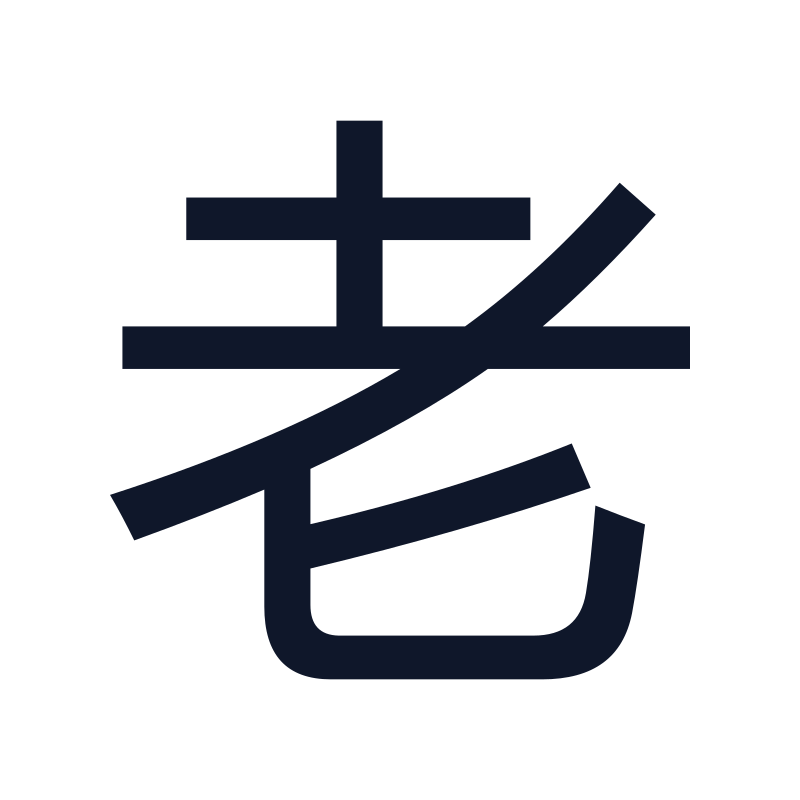 lǎo · U+8001
老
Long-haired elder leaning on a walking cane
Kangxi Radical #125 老 (lǎo, "Old") is written with 6 calligraphic strokes. Originating in Shang Dynasty Oracle Bone (Jiǎgǔwén) and Zhou Bronze inscriptions (Jīnwén) to depict long-haired elder leaning on a walking cane, it serves as a foundational semantic classifier in the 1716 Imperial Kangxi Dictionary. Frequent compound Hanzi characters governed by this radical include: 老 (lǎo), 考 (kǎo), 者 (zhě), 孝 (xiào).
#126 · 6 strokes
 ér · U+800C
而
Flowing whiskers on the chin, conjunction 'and'
Kangxi Radical #126 而 (ér, "And") is written with 6 calligraphic strokes. Originating in Shang Dynasty Oracle Bone (Jiǎgǔwén) and Zhou Bronze inscriptions (Jīnwén) to depict flowing whiskers on the chin, conjunction 'and', it serves as a foundational semantic classifier in the 1716 Imperial Kangxi Dictionary. Frequent compound Hanzi characters governed by this radical include: 而 (ér), 耍 (shuǎ), 耐 (nài).
#127 · 6 strokes
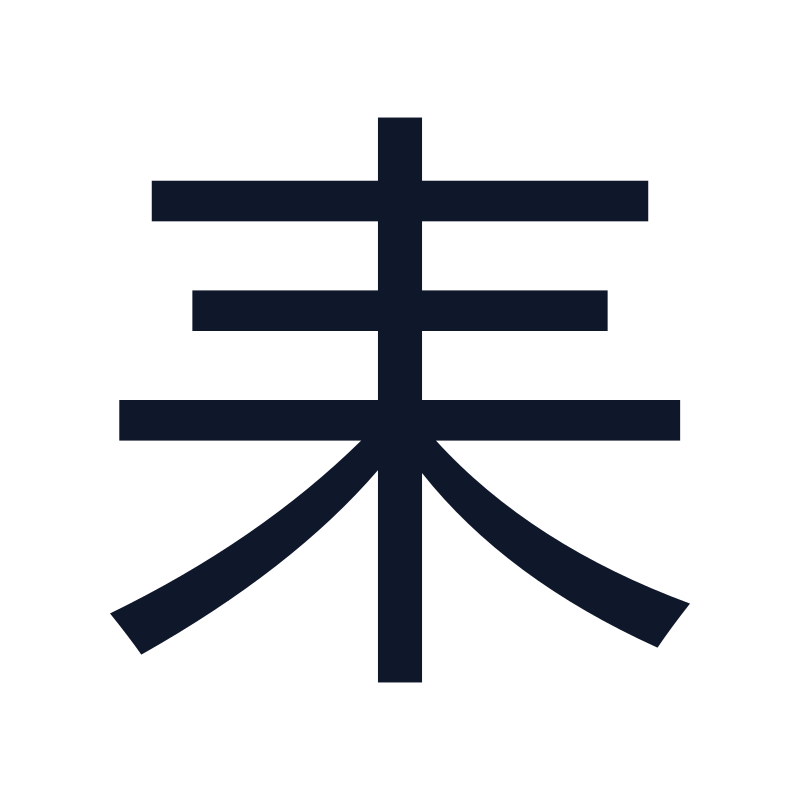 lěi · U+8012
耒
Wooden hand-plow with forked tines for tilling
Kangxi Radical #127 耒 (lěi, "Plow") is written with 6 calligraphic strokes. Originating in Shang Dynasty Oracle Bone (Jiǎgǔwén) and Zhou Bronze inscriptions (Jīnwén) to depict wooden hand-plow with forked tines for tilling, it serves as a foundational semantic classifier in the 1716 Imperial Kangxi Dictionary. Frequent compound Hanzi characters governed by this radical include: 耕 (gēng), 耗 (hào), 耘 (yún).
#128 · 6 strokes
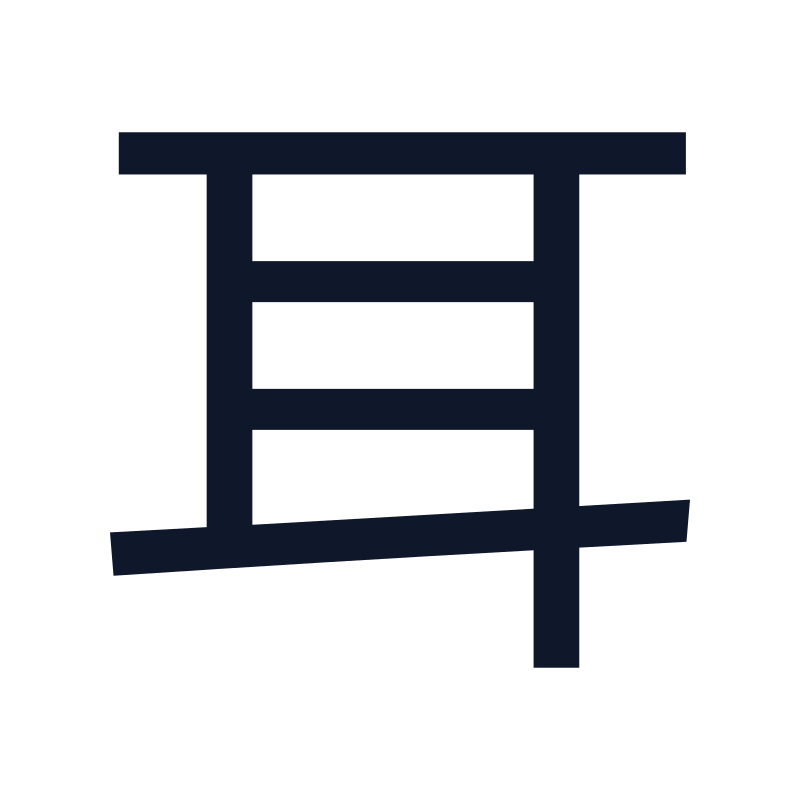 ěr · U+8033
耳
Curved human ear pinna, hearing, listening
Kangxi Radical #128 耳 (ěr, "Ear") is written with 6 calligraphic strokes. Originating in Shang Dynasty Oracle Bone (Jiǎgǔwén) and Zhou Bronze inscriptions (Jīnwén) to depict curved human ear pinna, hearing, listening, it serves as a foundational semantic classifier in the 1716 Imperial Kangxi Dictionary. Frequent compound Hanzi characters governed by this radical include: 耳 (ěr), 取 (qǔ), 闻 (wén), 聪 (cōng).
#129 · 6 strokes
 yù · U+807F
聿
Right hand holding an upright calligraphy brush
Kangxi Radical #129 聿 (yù, "Brush") is written with 6 calligraphic strokes. Originating in Shang Dynasty Oracle Bone (Jiǎgǔwén) and Zhou Bronze inscriptions (Jīnwén) to depict right hand holding an upright calligraphy brush, it serves as a foundational semantic classifier in the 1716 Imperial Kangxi Dictionary. Frequent compound Hanzi characters governed by this radical include: 肃 (sù), 肆 (sì), 肇 (zhào).
#130 · 6 strokes
 ròu · U+8089
肉
Ribbed slice of animal flesh, bodily organ
Kangxi Radical #130 肉 (ròu, "Meat") is written with 6 calligraphic strokes. Originating in Shang Dynasty Oracle Bone (Jiǎgǔwén) and Zhou Bronze inscriptions (Jīnwén) to depict ribbed slice of animal flesh, bodily organ, it serves as a foundational semantic classifier in the 1716 Imperial Kangxi Dictionary. Frequent compound Hanzi characters governed by this radical include: 肉 (ròu), 肌 (jī), 脑 (nǎo), 胸 (xiōng).
#131 · 6 strokes
 chén · U+81E3
臣
Downcast eye of a bowing court minister
Kangxi Radical #131 臣 (chén, "Minister") is written with 6 calligraphic strokes. Originating in Shang Dynasty Oracle Bone (Jiǎgǔwén) and Zhou Bronze inscriptions (Jīnwén) to depict downcast eye of a bowing court minister, it serves as a foundational semantic classifier in the 1716 Imperial Kangxi Dictionary. Frequent compound Hanzi characters governed by this radical include: 臣 (chén), 卧 (wò), 藏 (cáng).
#132 · 6 strokes
 zì · U+81EA
自
Front view of the human nose, origin, oneself
Kangxi Radical #132 自 (zì, "Self") is written with 6 calligraphic strokes. Originating in Shang Dynasty Oracle Bone (Jiǎgǔwén) and Zhou Bronze inscriptions (Jīnwén) to depict front view of the human nose, origin, oneself, it serves as a foundational semantic classifier in the 1716 Imperial Kangxi Dictionary. Frequent compound Hanzi characters governed by this radical include: 自 (zì), 臭 (chòu), 息 (xī).
#133 · 6 strokes
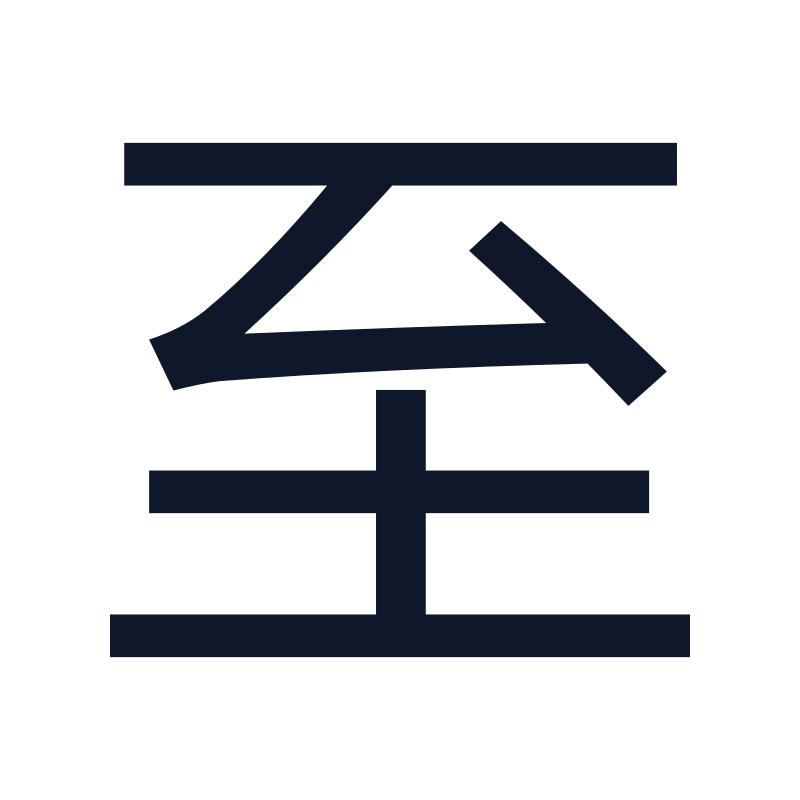 zhì · U+81F3
至
Arrow striking home into the target ground
Kangxi Radical #133 至 (zhì, "Arrive") is written with 6 calligraphic strokes. Originating in Shang Dynasty Oracle Bone (Jiǎgǔwén) and Zhou Bronze inscriptions (Jīnwén) to depict arrow striking home into the target ground, it serves as a foundational semantic classifier in the 1716 Imperial Kangxi Dictionary. Frequent compound Hanzi characters governed by this radical include: 至 (zhì), 致 (zhì), 臻 (zhēn).
#134 · 6 strokes
 jiù · U+81FC
臼
Hollowed stone mortar for pounding grain
Kangxi Radical #134 臼 (jiù, "Mortar") is written with 6 calligraphic strokes. Originating in Shang Dynasty Oracle Bone (Jiǎgǔwén) and Zhou Bronze inscriptions (Jīnwén) to depict hollowed stone mortar for pounding grain, it serves as a foundational semantic classifier in the 1716 Imperial Kangxi Dictionary. Frequent compound Hanzi characters governed by this radical include: 臼 (jiù), 舅 (jiù), 舆 (yú).
#135 · 6 strokes
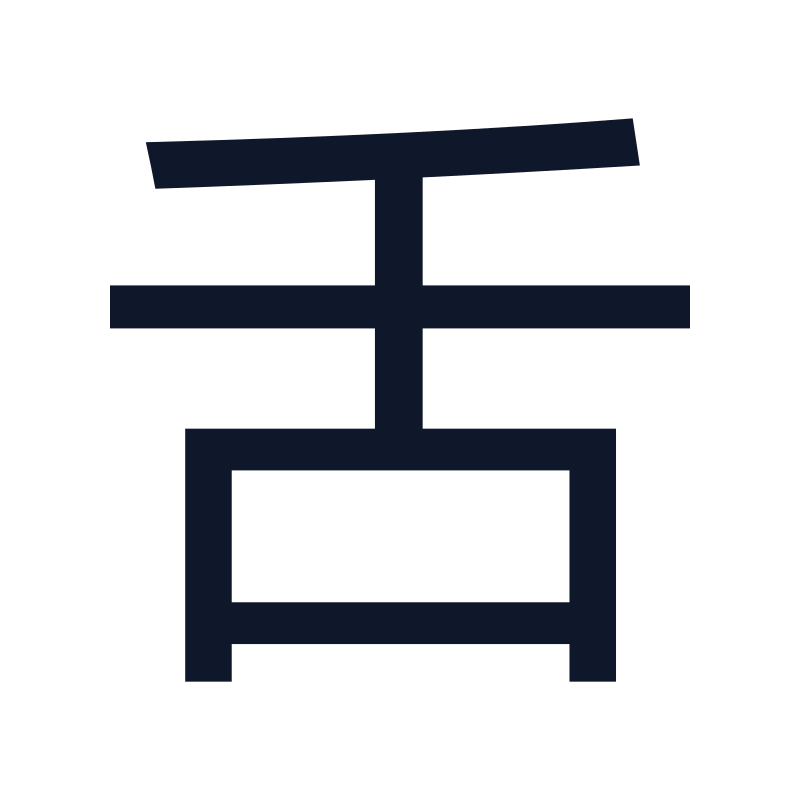 shé · U+820C
舌
Flexible tongue protruding from the mouth, speech
Kangxi Radical #135 舌 (shé, "Tongue") is written with 6 calligraphic strokes. Originating in Shang Dynasty Oracle Bone (Jiǎgǔwén) and Zhou Bronze inscriptions (Jīnwén) to depict flexible tongue protruding from the mouth, speech, it serves as a foundational semantic classifier in the 1716 Imperial Kangxi Dictionary. Frequent compound Hanzi characters governed by this radical include: 舌 (shé), 乱 (luàn), 甜 (tián), 舒 (shū).
#136 · 6 strokes
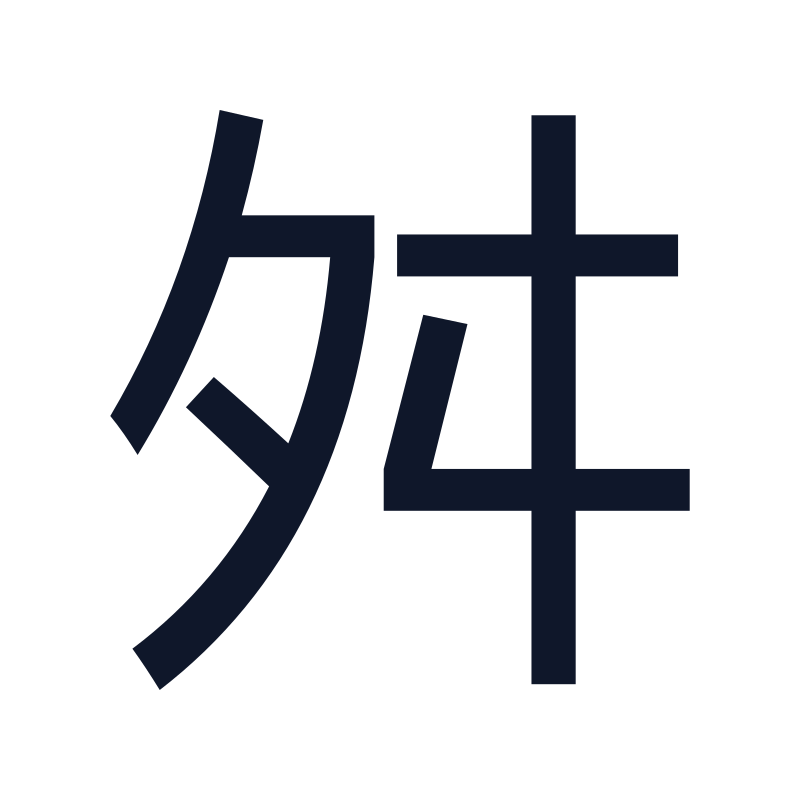 chuǎn · U+821B
舛
Two feet pointing in opposite directions, error
Kangxi Radical #136 舛 (chuǎn, "Oppose") is written with 6 calligraphic strokes. Originating in Shang Dynasty Oracle Bone (Jiǎgǔwén) and Zhou Bronze inscriptions (Jīnwén) to depict two feet pointing in opposite directions, error, it serves as a foundational semantic classifier in the 1716 Imperial Kangxi Dictionary. Frequent compound Hanzi characters governed by this radical include: 舞 (wǔ), 舜 (shùn).
#137 · 6 strokes
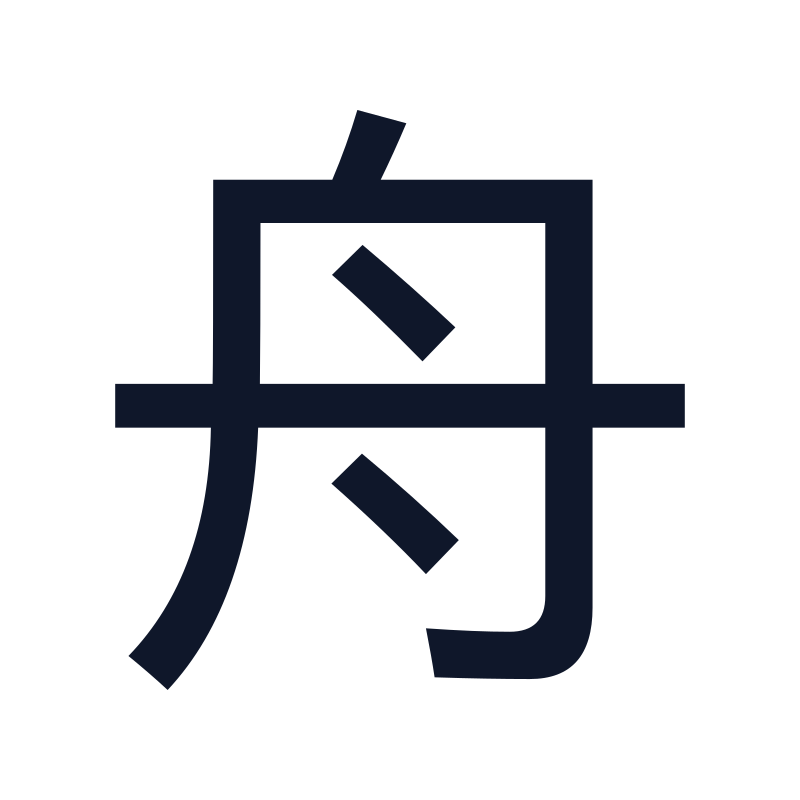 zhōu · U+821F
舟
Wooden river skiff with bow, stern and oars
Kangxi Radical #137 舟 (zhōu, "Boat") is written with 6 calligraphic strokes. Originating in Shang Dynasty Oracle Bone (Jiǎgǔwén) and Zhou Bronze inscriptions (Jīnwén) to depict wooden river skiff with bow, stern and oars, it serves as a foundational semantic classifier in the 1716 Imperial Kangxi Dictionary. Frequent compound Hanzi characters governed by this radical include: 舟 (zhōu), 船 (chuán), 航 (háng), 舰 (jiàn).
#138 · 6 strokes
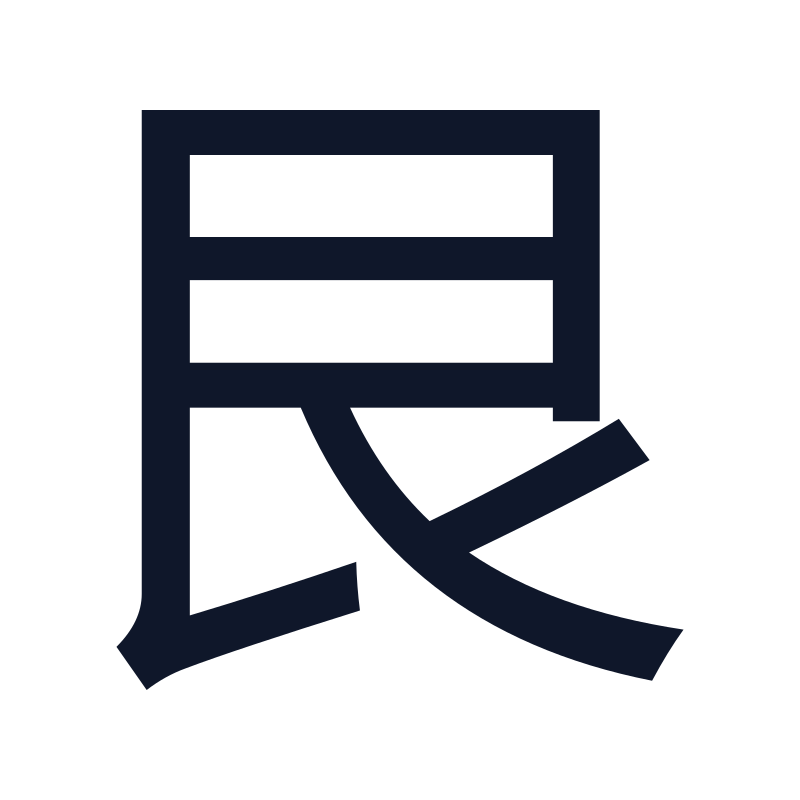 gèn · U+826E
艮
Person turning back with a firm gaze, mountain trigram
Kangxi Radical #138 艮 (gèn, "Stopping") is written with 6 calligraphic strokes. Originating in Shang Dynasty Oracle Bone (Jiǎgǔwén) and Zhou Bronze inscriptions (Jīnwén) to depict person turning back with a firm gaze, mountain trigram, it serves as a foundational semantic classifier in the 1716 Imperial Kangxi Dictionary. Frequent compound Hanzi characters governed by this radical include: 良 (liáng), 艰 (jiān), 恳 (kěn).
#139 · 6 strokes
 sè · U+8272
色
Facial flush, visual hue, beauty, appearance
Kangxi Radical #139 色 (sè, "Color") is written with 6 calligraphic strokes. Originating in Shang Dynasty Oracle Bone (Jiǎgǔwén) and Zhou Bronze inscriptions (Jīnwén) to depict facial flush, visual hue, beauty, appearance, it serves as a foundational semantic classifier in the 1716 Imperial Kangxi Dictionary. Frequent compound Hanzi characters governed by this radical include: 色 (sè), 艳 (yàn).
#140 · 6 strokes
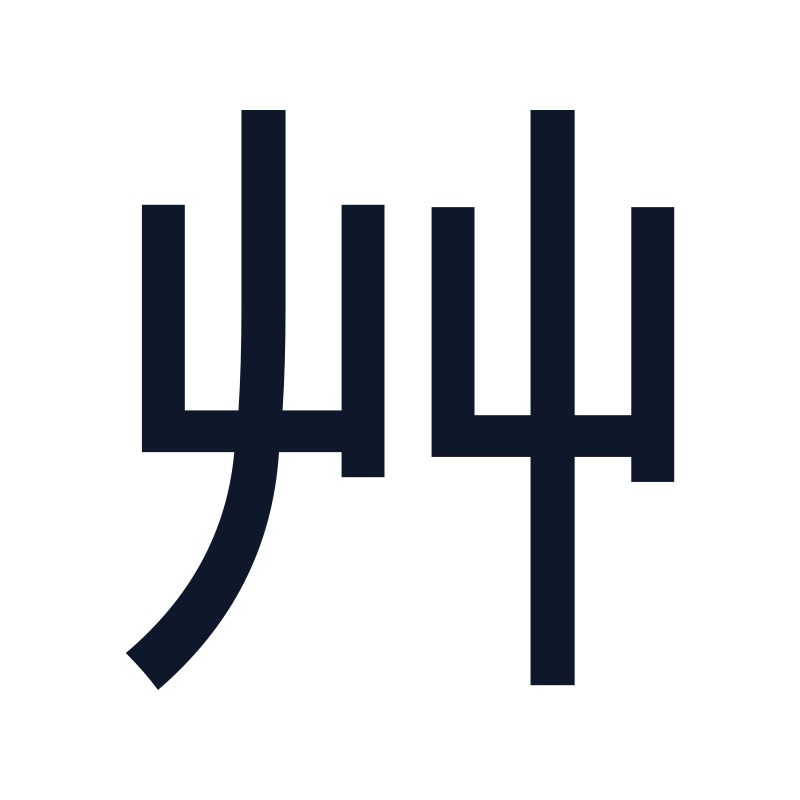 cǎo · U+8278
艸
Twin pairs of sprouting herbs and wild grasses
Kangxi Radical #140 艸 (cǎo, "Grass") is written with 6 calligraphic strokes. Originating in Shang Dynasty Oracle Bone (Jiǎgǔwén) and Zhou Bronze inscriptions (Jīnwén) to depict twin pairs of sprouting herbs and wild grasses, it serves as a foundational semantic classifier in the 1716 Imperial Kangxi Dictionary. Frequent compound Hanzi characters governed by this radical include: 花 (huā), 草 (cǎo), 茶 (chá), 药 (yào).
#141 · 6 strokes
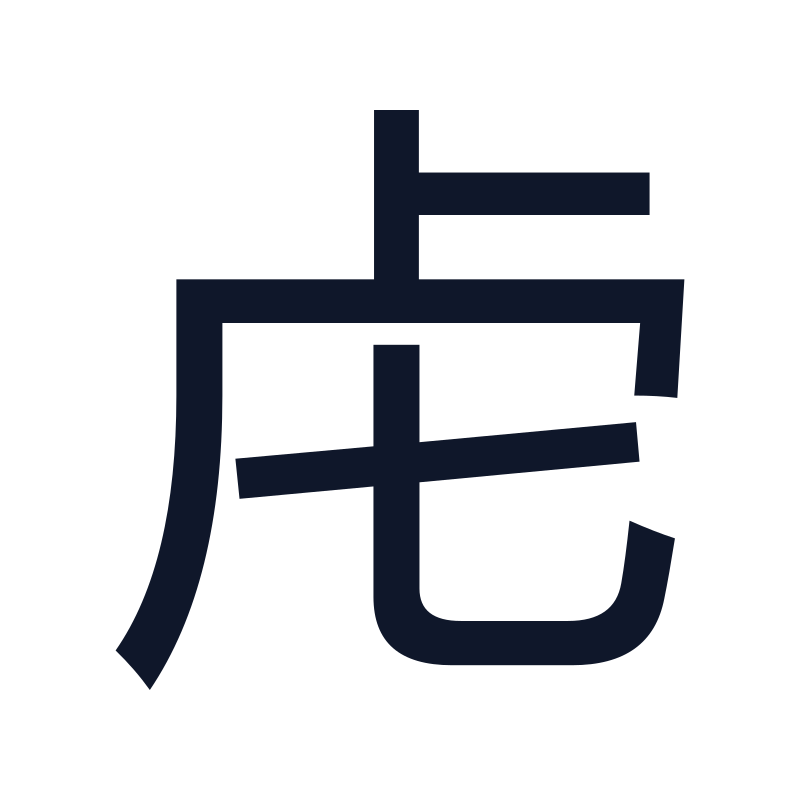 hǔ · U+864D
虍
Striped coat and fierce jaws of a mountain tiger
Kangxi Radical #141 虍 (hǔ, "Tiger") is written with 6 calligraphic strokes. Originating in Shang Dynasty Oracle Bone (Jiǎgǔwén) and Zhou Bronze inscriptions (Jīnwén) to depict striped coat and fierce jaws of a mountain tiger, it serves as a foundational semantic classifier in the 1716 Imperial Kangxi Dictionary. Frequent compound Hanzi characters governed by this radical include: 虎 (hǔ), 虑 (lǜ), 虚 (xū), 虞 (yú).
#142 · 6 strokes
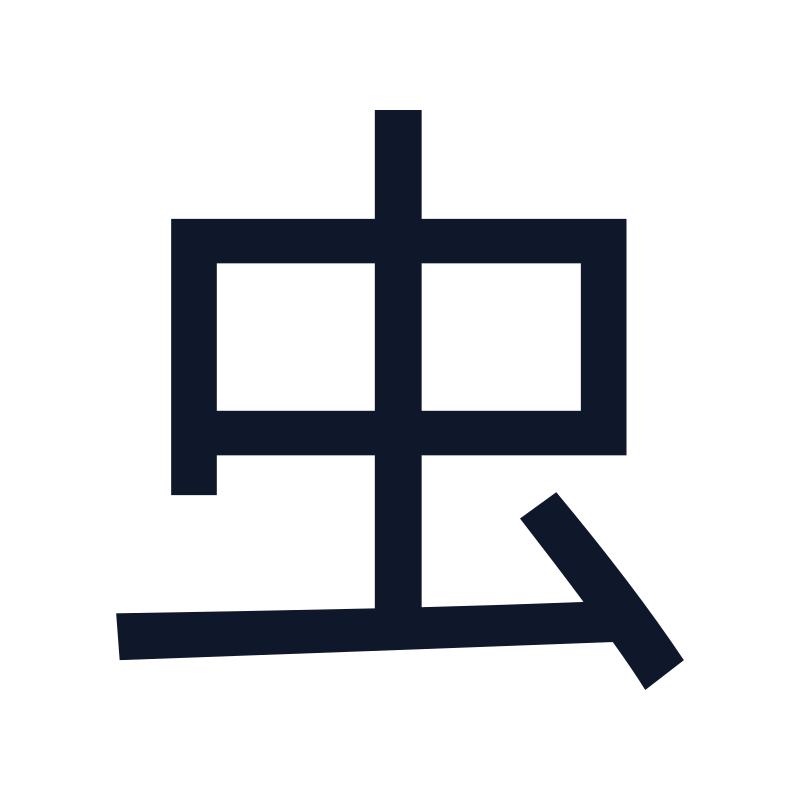 chóng · U+866B
虫
Coiled viper or creeping invertebrate creature
Kangxi Radical #142 虫 (chóng, "Insect") is written with 6 calligraphic strokes. Originating in Shang Dynasty Oracle Bone (Jiǎgǔwén) and Zhou Bronze inscriptions (Jīnwén) to depict coiled viper or creeping invertebrate creature, it serves as a foundational semantic classifier in the 1716 Imperial Kangxi Dictionary. Frequent compound Hanzi characters governed by this radical include: 虫 (chóng), 蛇 (shé), 蜂 (fēng), 蝶 (dié).
#143 · 6 strokes
 xuè · U+8840
血
Drop of sacrificial blood inside a ritual chalice
Kangxi Radical #143 血 (xuè, "Blood") is written with 6 calligraphic strokes. Originating in Shang Dynasty Oracle Bone (Jiǎgǔwén) and Zhou Bronze inscriptions (Jīnwén) to depict drop of sacrificial blood inside a ritual chalice, it serves as a foundational semantic classifier in the 1716 Imperial Kangxi Dictionary. Frequent compound Hanzi characters governed by this radical include: 血 (xuè), 众 (zhòng), 衅 (xìn).
#144 · 6 strokes
 xíng · U+884C
行
Four-way street intersection, walking, conduct
Kangxi Radical #144 行 (xíng, "Walk") is written with 6 calligraphic strokes. Originating in Shang Dynasty Oracle Bone (Jiǎgǔwén) and Zhou Bronze inscriptions (Jīnwén) to depict four-way street intersection, walking, conduct, it serves as a foundational semantic classifier in the 1716 Imperial Kangxi Dictionary. Frequent compound Hanzi characters governed by this radical include: 行 (xíng), 街 (jiē), 衡 (héng).
#145 · 6 strokes
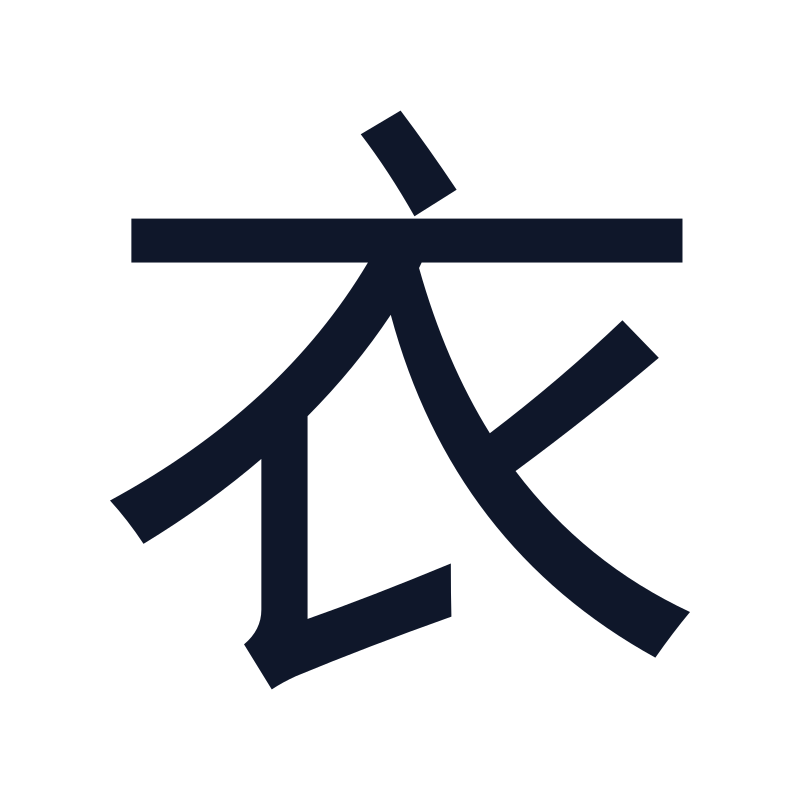 yī · U+8863
衣
Cross-collared robe with wide sleeves
Kangxi Radical #145 衣 (yī, "Clothes") is written with 6 calligraphic strokes. Originating in Shang Dynasty Oracle Bone (Jiǎgǔwén) and Zhou Bronze inscriptions (Jīnwén) to depict cross-collared robe with wide sleeves, it serves as a foundational semantic classifier in the 1716 Imperial Kangxi Dictionary. Frequent compound Hanzi characters governed by this radical include: 衣 (yī), 表 (biǎo), 袋 (dài), 被 (bèi).
#146 · 6 strokes
 yà · U+897E
襾
Woven bird nest or lid covering a vessel
Kangxi Radical #146 襾 (yà, "Cover (West)") is written with 6 calligraphic strokes. Originating in Shang Dynasty Oracle Bone (Jiǎgǔwén) and Zhou Bronze inscriptions (Jīnwén) to depict woven bird nest or lid covering a vessel, it serves as a foundational semantic classifier in the 1716 Imperial Kangxi Dictionary. Frequent compound Hanzi characters governed by this radical include: 西 (xī), 要 (yào), 覆 (fù).
