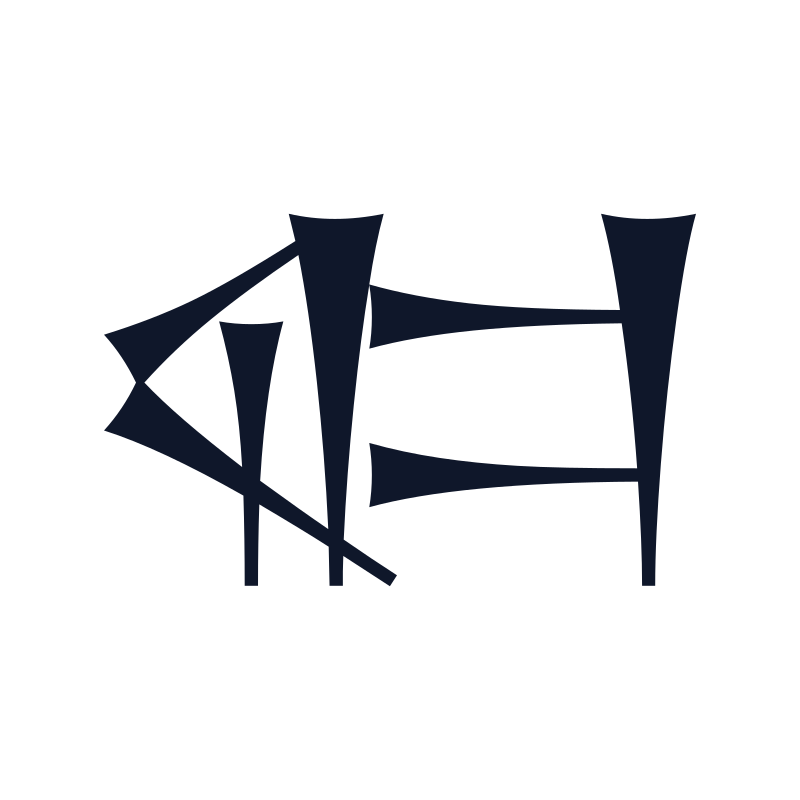
 SAG · U+12295
𒊕
head, foremost
Originally a profile drawing of a human head facing right with a distinct brow, nose, and neck, SAG (Sumerian 'saĝ', Akkadian 'rēšu') was rotated 90 degrees counterclockwise as cuneiform script evolved on clay tablets. Beyond meaning the anatomical head, it signified 'first', 'foremost', 'top', or an individual person in census lists. The Sumerians called themselves 'saĝ-gíg-ga' ('the black-headed people'), written with this exact sign at the beginning.
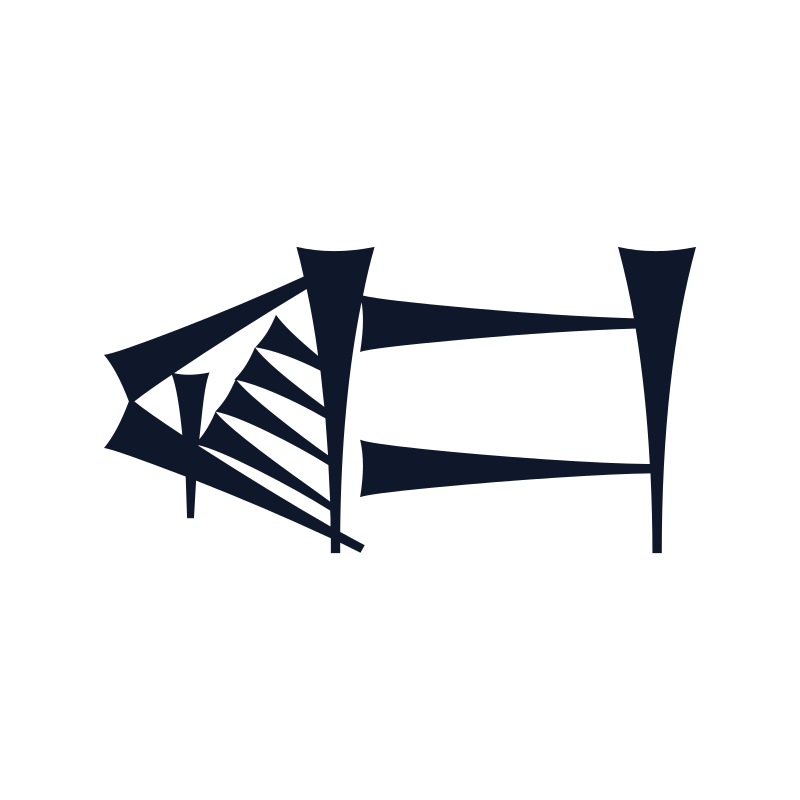 KA · U+12157
𒅗
mouth, word
Created by taking the sign SAG ('head') and adding hatching strokes inside the lower face to draw attention to the mouth area (a classic Sumerian graphic technique called 'gunû'), this sign revolves around human speech. Depending on context, it was read as 'ka' ('mouth', Akkadian 'pû'), 'inim' ('word' or 'matter', Akkadian 'amatu'), 'du₁₁' ('to speak' or 'command'), or 'zú' ('tooth'). It also served as a frame for compound signs: placing 'A' (water) inside the mouth created NAG ('to drink'), while placing 'NINDA' (bread) inside created GU₇ ('to eat').
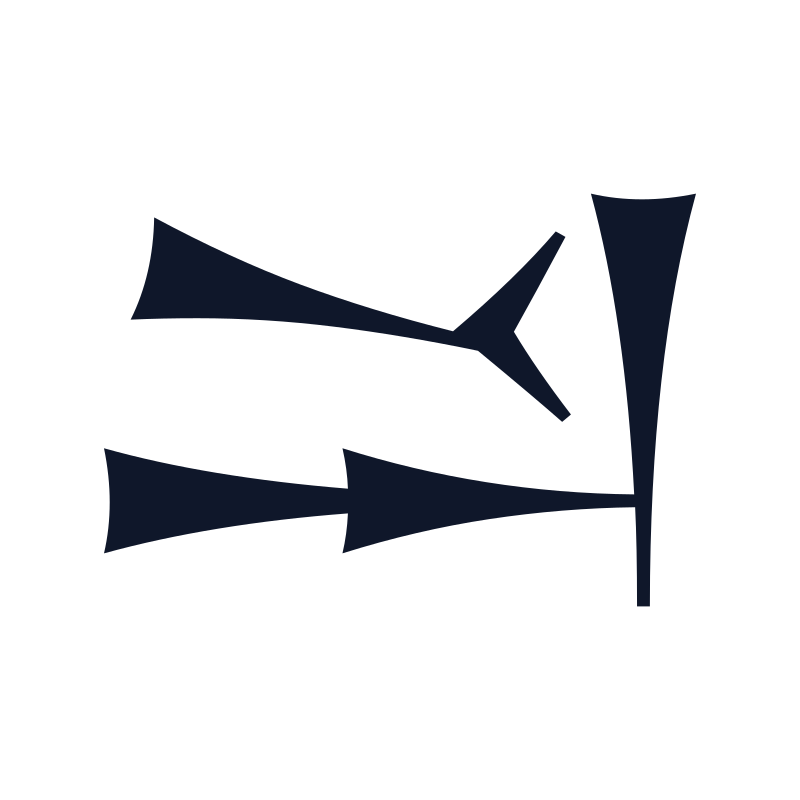 DU / GUB · U+1207A
𒁺
to walk, stand
Originating from a crystal-clear archaic pictogram of a human foot and lower leg standing on the ground (later rotated 90 degrees onto its back), this sign expresses all fundamental verbs of human motion. In Sumerian, it was read as DU or GIN ('to go' or 'to walk', Akkadian 'alāku'), GUB ('to stand firm' or 'be on duty', Akkadian 'izuzzu'), and TÙM ('to bring' or 'deliver'). Phonetically, it is the universal sign for the syllable 'du' across all cuneiform traditions.
 PI / GEŠTUG₂ · U+1227F
𒉿
ear, wisdom
Derived from an archaic pictogram of an alert animal or human ear, this sign embodies the Mesopotamian concept of intellect: in Sumerian (GEŠTUG₂) and Akkadian ('uznu'), the word for 'ear' also meant 'wisdom', 'understanding', and 'attention', because wisdom came from listening to the gods. A person of great intellect was called 'geštug₂-dagal' ('wide-eared', granted by the god Enki/Ea). Phonetically, this sign is unique for representing both 'pi/pe' and the semivowel series 'wa, we, wi, wu' across Old Babylonian and Hittite.
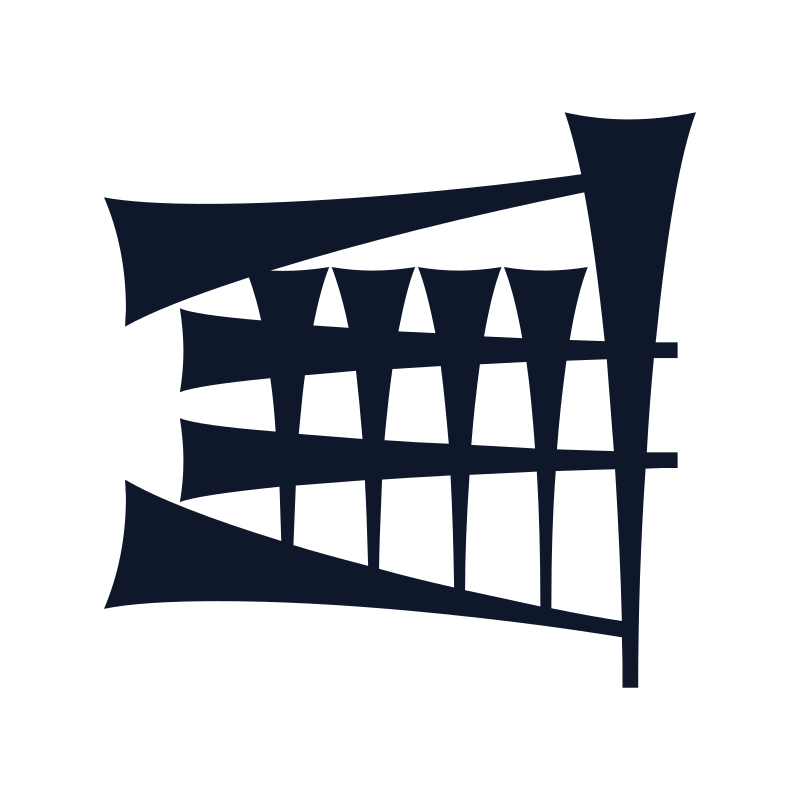 SU / KUŠ · U+122E2
𒋢
skin, body
Derived from an early pictogram of a stretched animal hide, this sign was read as KUŠ ('skin', 'hide', or 'leather' in Sumerian, 'mašku' in Akkadian) and placed as a silent determinative before all leather goods—such as sandals ('kuš-e-sir₂'), waterskins ('kuš-ummu₃'), harnesses, and temple kettle-drums ('kuš-lilissu'). Read as SU, it means the living human body or flesh (Akkadian 'zumru' and 'šīru'), or the verb 'to replace/repay' (Akkadian 'riābu'), and phonetically writes the syllable 'su'.
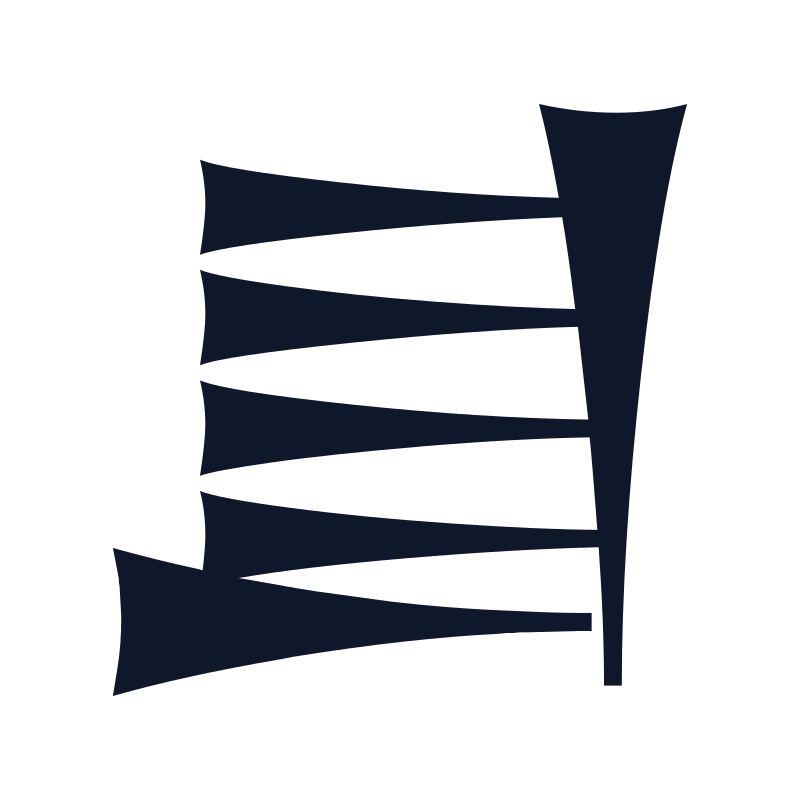 ŠU · U+122D7
𒋗
hand, power
Directly depicting a human hand with four horizontal fingers and a vertical wrist line, ŠU (Akkadian 'qātu') is one of the most visually transparent signs in cuneiform. In Sumerian, dozens of compound verbs are formed with ŠU: 'šu ti' ('to receive in the hand'), 'šu mú' ('to pray with raised hands'), and 'šu bar' ('to release/set free'). In accounting tablets, 'šu-nigin₂' means 'grand total' ('gathered in the hand'), and phonetically ŠU is the universal sign for the syllable 'šu'.
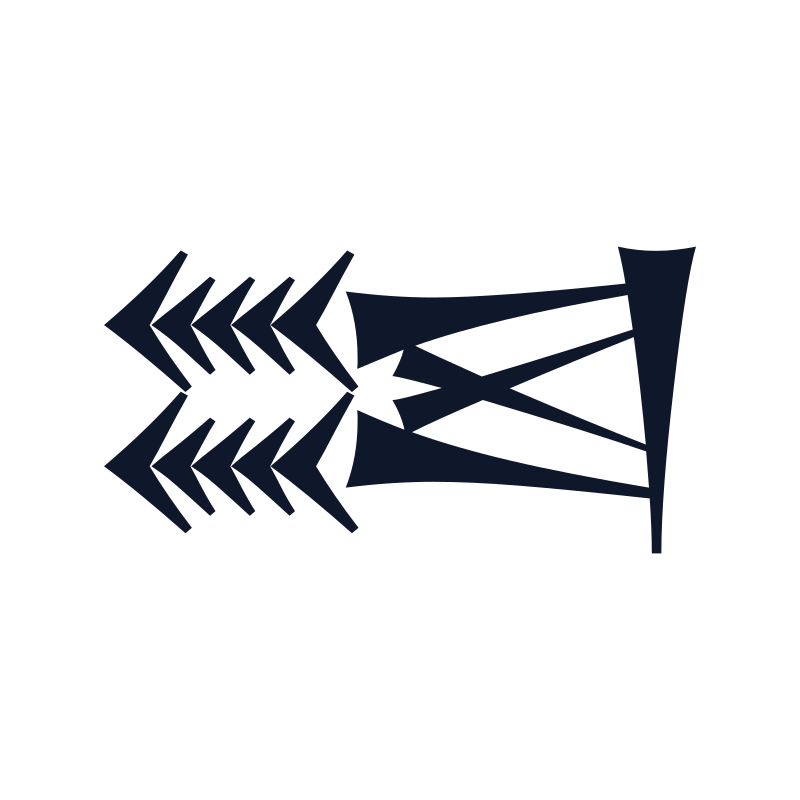 TU / KU₄ · U+12305
𒌅
to enter, be born
A rich polyvalent sign in Neo-Assyrian and Babylonian texts: read as KU₄ or TU (Akkadian 'erēbu'), it means 'to enter' (as into a temple or palace); read as TU or TUD (Akkadian 'walādu'), it means 'to give birth' or 'create a divine statue'; and read as TU₆ (Akkadian 'šiptu'), it means a sacred healing incantation or exorcistic spell. Followed by MUŠEN ('tu-mušen', Akkadian 'summatu'), it designates the dove—sacred bird of Ishtar—and phonetically writes the syllable 'tu'.
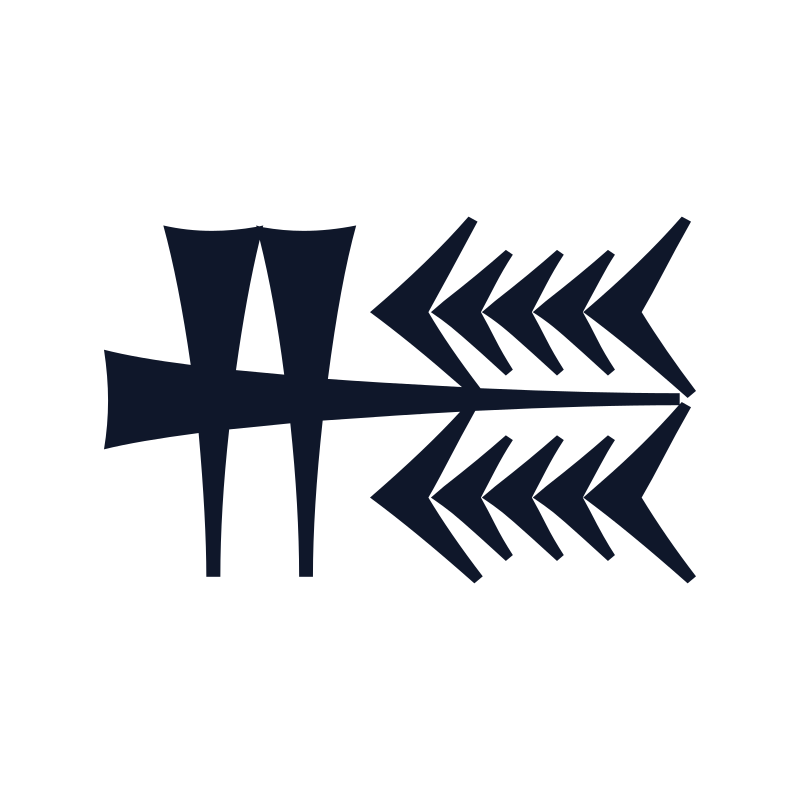 ZI / ZIG₃ · U+12363
𒍣
breath of life, soul
A cornerstone of Mesopotamian spirituality and ethics: read as ZI (Akkadian 'napištu'—cognate with Hebrew 'nephesh' and Arabic 'nafs'), it means 'throat', 'breath of life', and the 'living soul' (invoked in the solemn exorcism oath 'zi an-na hé-pà, zi ki-a hé-pà'—'Be conjured by the life of Heaven, be conjured by the life of Earth!'). Read as ZID (Akkadian 'kīttu'), it means 'truth', 'righteousness', and 'faithful', while as ZIG₃ (Akkadian 'tebû') it means 'to rise up' or 'mobilize/expend'. Phonetically it writes the syllable 'zi'.
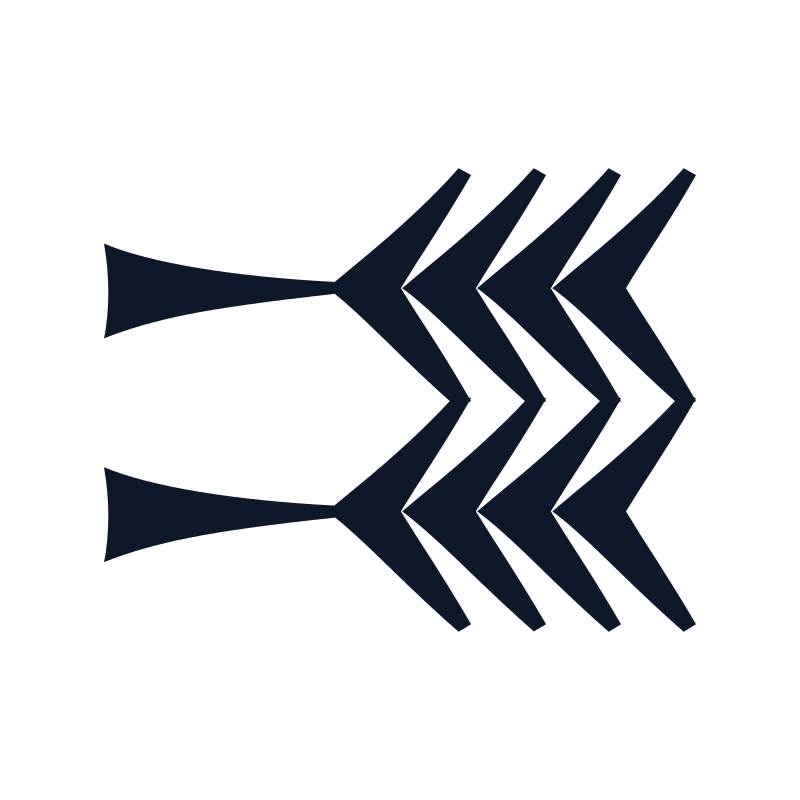 DUH / GAB · U+12083
𒂃
chest, breast
When read as GABA (Akkadian 'irtu'), this sign means the human 'chest' or 'breast'—appearing in royal military epithets like 'gaba-ri nu-tuku' ('having no rival who can stand chest-to-chest against him', Akkadian 'māhiru'). When read as DUH (Akkadian 'paṭāru'), it means 'to loosen', 'untie', 'open', or 'bake/ferment' (as well as brewer's spent grain bran used to fatten temple oxen). Phonetically it frequently writes 'gab', 'kab', 'qab', 'duh', and 'tuh'.
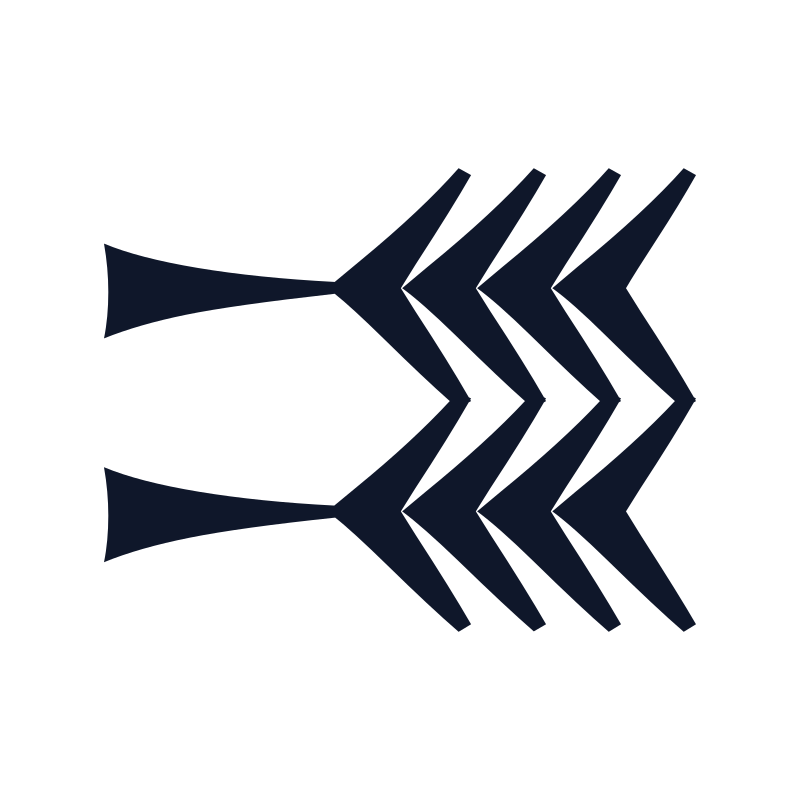 GABA · U+120EE
𒃮
chest, frontier
The classical Old Babylonian and monumental sign for 'chest' or 'breast' (Sumerian 'gaba', Akkadian 'irtu'). Beyond anatomical meaning, 'gaba' signified the front line or frontier of an army, and in the compound 'gaba-ri' (literally 'chest-meeting', Akkadian 'māhiru' and 'mehrum') meant both an equal rival in battle and an exact 'duplicate copy' of a cuneiform tablet verified face-to-face against the original in royal libraries.
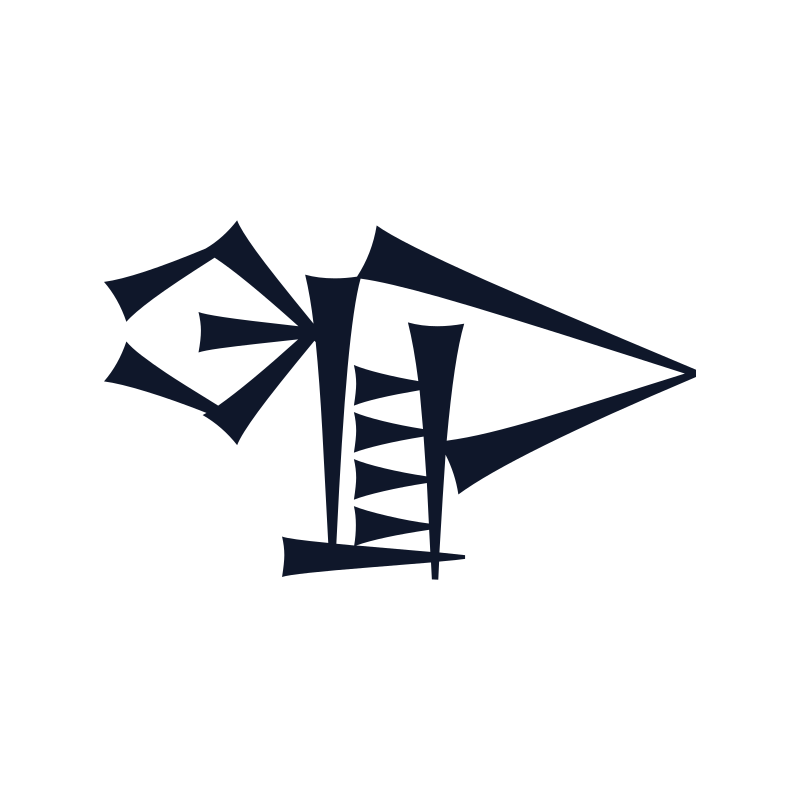 GIR₃ · U+1210A
𒄊
foot, path
Originally a detailed pictogram of a hoofed or human foot with hatching ('gunû'), GIR₃ (Sumerian 'ĝìr', Akkadian 'šēpu') means 'foot', 'step', 'road', or 'caravan path' ('harrānu'). In Ur III administrative tablets, 'ĝìr' before a personal name indicated the supervising official ('via / under the authority of...'), while the compound title GIR₃.NITA₂ (Akkadian 'šakkanakku') designated a supreme military governor or viceroy—most famously the Šakkanakku dynasty of Mari.
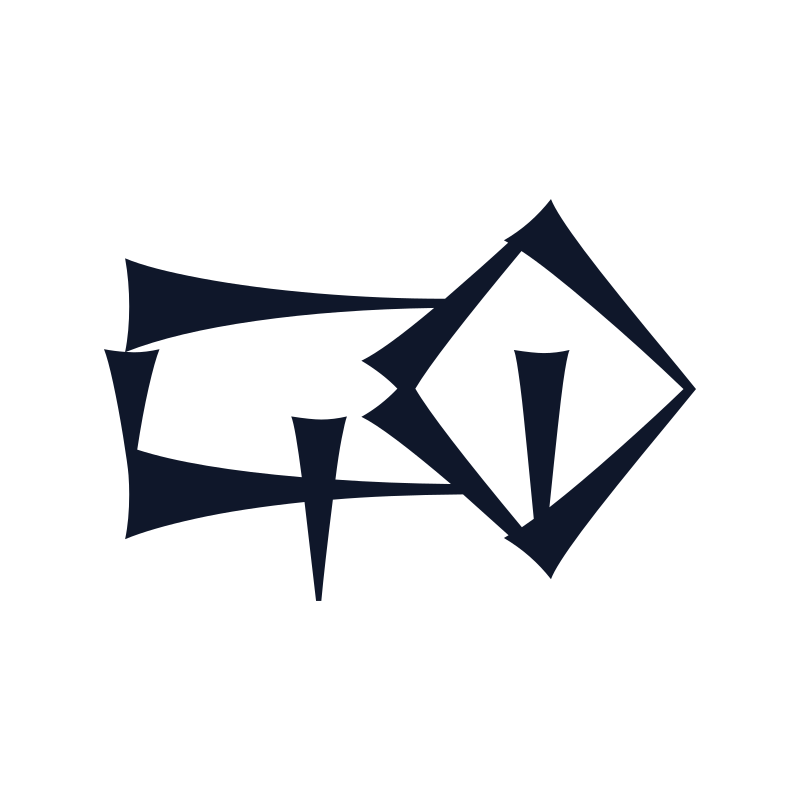 GU₂ / GUN · U+12118
𒄘
neck, riverbank
Originating from a pictogram of a human head and neck bearing a heavy load on the shoulders, this sign connects anatomy, geography, and economics. Read as GU₂ (Akkadian 'kišādu'), it means 'neck', 'throat', 'necklace', and the 'bank of a river or canal' ('gú id₂-da'). Read as GUN or GU₂.UN (Akkadian 'biltu', literally 'that which is carried on the neck'), it means 'royal tribute' and the largest Mesopotamian unit of weight—the Talent (equal to 60 minas or 3,600 shekels, ~30 kilograms). Phonetically it writes 'gu₂', 'gun', and 'tik'.
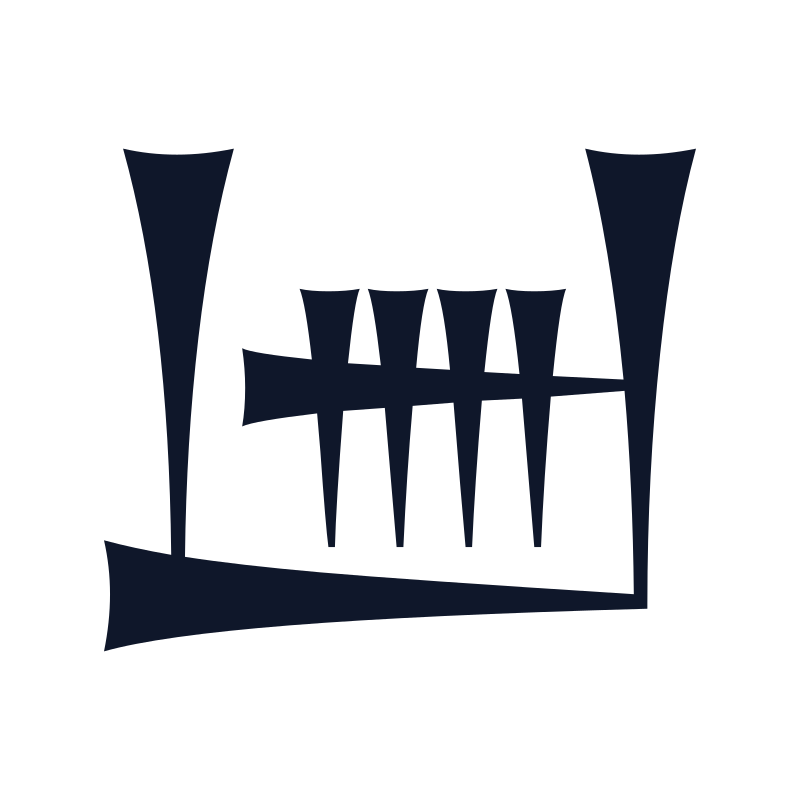 IB / URAŠ · U+12141
𒅁
waist, earth deity
Originally a diagram of an enclosed inner shrine or the human midsection, IB (Sumerian ib / uraš, Akkadian qablu) denotes the waist, middle, an oval temple enclosure (the E-ib-Anu), and the primordial Earth deity Urash. Phonetically, it serves as the primary VC sign for /ib/ and /ip/ across Sumero-Akkadian texts.
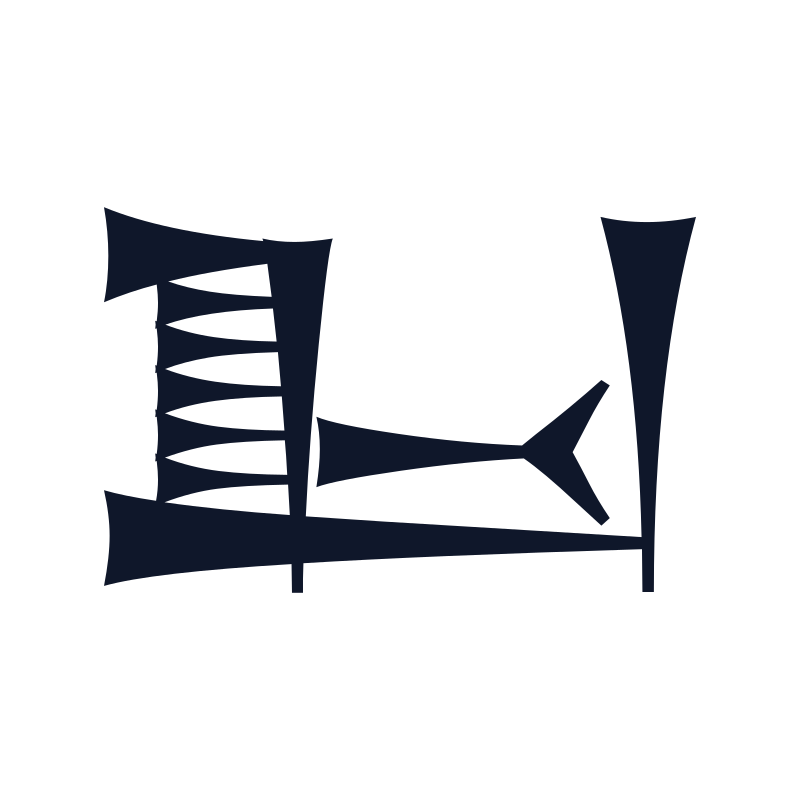 KAB / GUB₃ · U+1218F
𒆏
left hand, left side
Read logographically as GUB₃ (Akkadian šumēlu), this sign means 'left hand' or 'left side', constantly paired in Mesopotamian divination and omen texts with ZAG ('right side') to interpret favourable and unfavourable portents. Phonetically, it serves as the regular CVC syllable /kab/, /kap/, and /qab/.
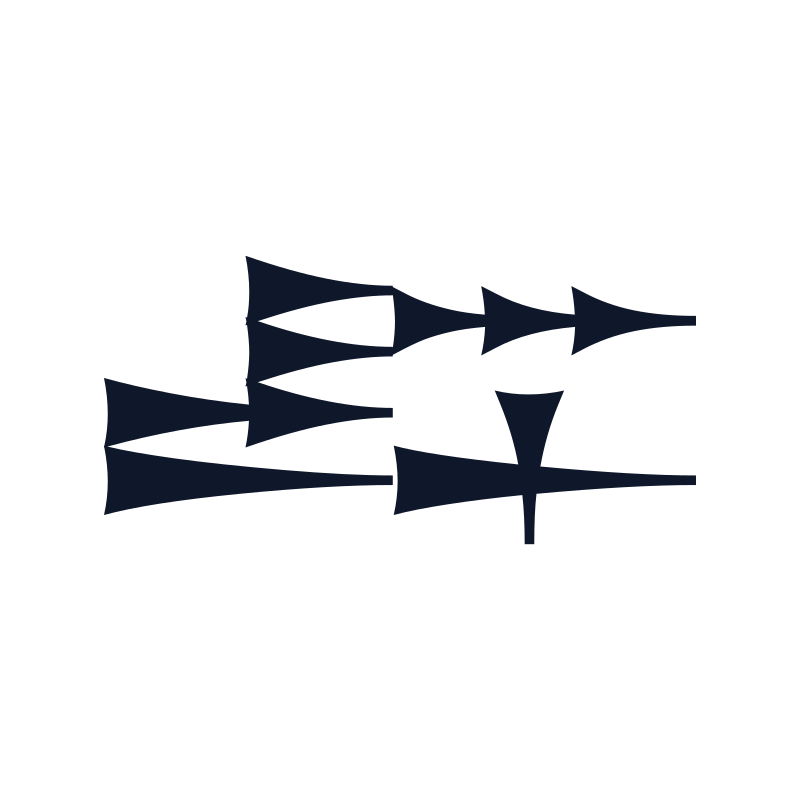 RAB · U+12290
𒊐
clamp, neck-stock
Depicting a wooden neck-stock or metal clamp used to restrain captives and unruly animals, RAB (loaned into Akkadian as rappu) denotes a shackle, hoop, or binding collar—often wielded metaphorically by the gods as an inescapable net or stock upon oath-breakers. Phonetically, it is the primary CVC sign for /rab/ and /rap/ (especially in forms of Akkadian rabû, 'great').
 ŠA₃ (ŠÀ) · U+122AE
𒊮
heart, mind
Originally a diamond-shaped anatomical pictograph of the heart or internal organs, ŠA₃ (Sumerian šag₄, Akkadian libbu) means 'heart, mind, emotional spirit, desire, womb, and interior'. In both Sumerian and Akkadian (ina libbi, written INA ŠA₃), it also functions as the everyday preposition 'inside, within, in the midst of, or from among'.
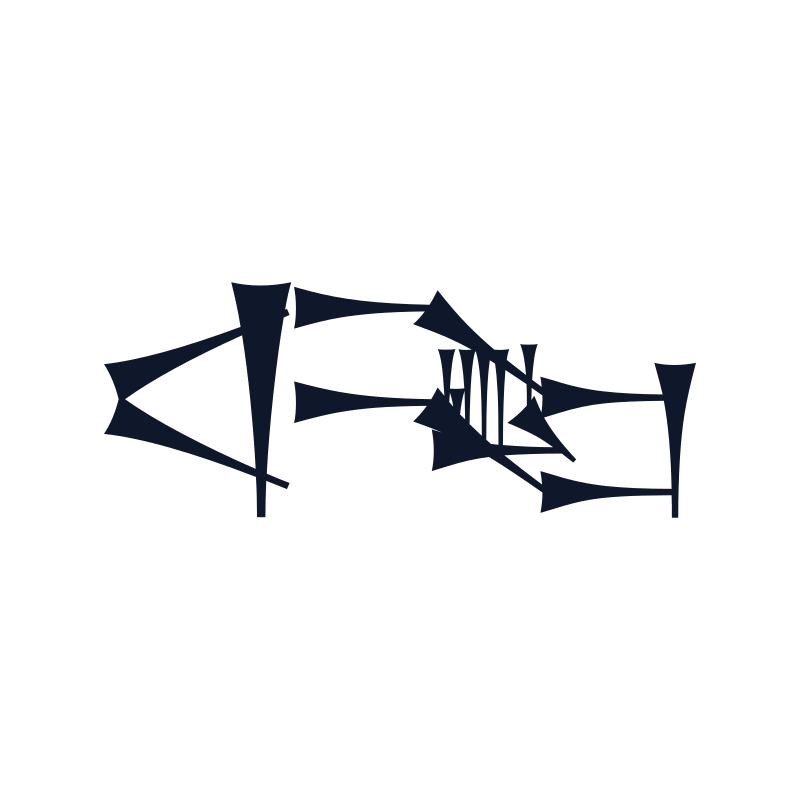 UMBIN · U+12322
𒌢
fingernail seal impression, claw
Denoting a human fingernail, animal claw, or bird's talon (Sumerian umbin, Akkadian ṣupru), as well as a wooden wagon or chariot wheel (GIŠ.UMBIN, Akkadian magarru). In Babylonian and Assyrian legal contracts, citizens who did not own a carved stone cylinder seal authenticated clay tablets by pressing their thumbnail into the wet clay alongside the caption ṣupur [Name] ('Fingernail of [Name]', written UMBIN [Name]).
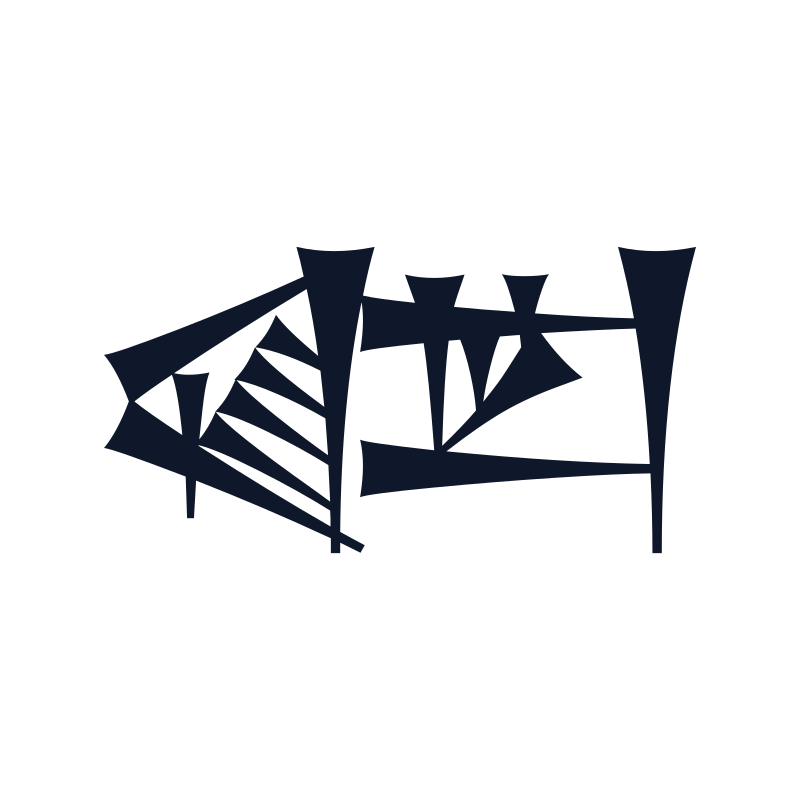 GU₇ (KA×GAR) · U+12165
𒅥
to eat, consume
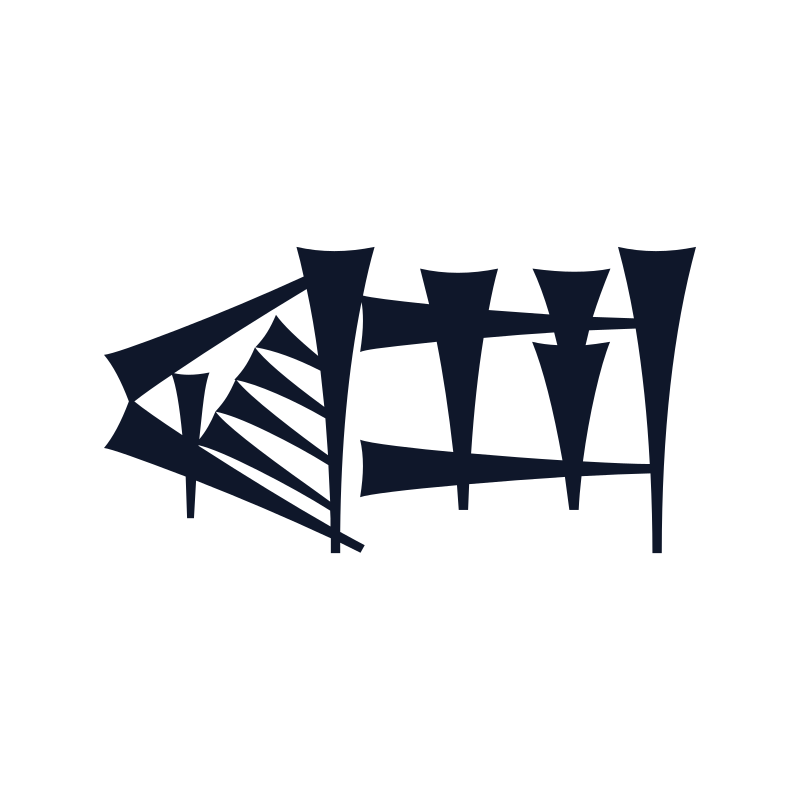
A textbook example of Sumerian compound ideography: formed by placing the sign GAR / NINDA ('bread, food ration', 𒃻) directly inside the mouth of the head sign KA (𒅗), GU₇ (Akkadian akālu) literally depicts a mouth eating bread and means 'to eat, dine, consume, feed, or enjoy the usufruct of property'.
 NAG (KA×A) · U+12158
𒅘
to drink, give water
An unmistakable compound ideogram formed by inscribing the sign A ('water', 𒀀) inside the mouth of the head sign KA (𒅗), directly depicting a mouth drinking water. Read as NAG / NA₈ (Akkadian šatû and šaqû), it is the universal Sumerian verb for 'to drink', 'to give water to people or herds', and 'to irrigate agricultural fields' (KI.A.NAG = funerary libation place).
 EME (KA×ME) · U+12174
𒅴
tongue, language
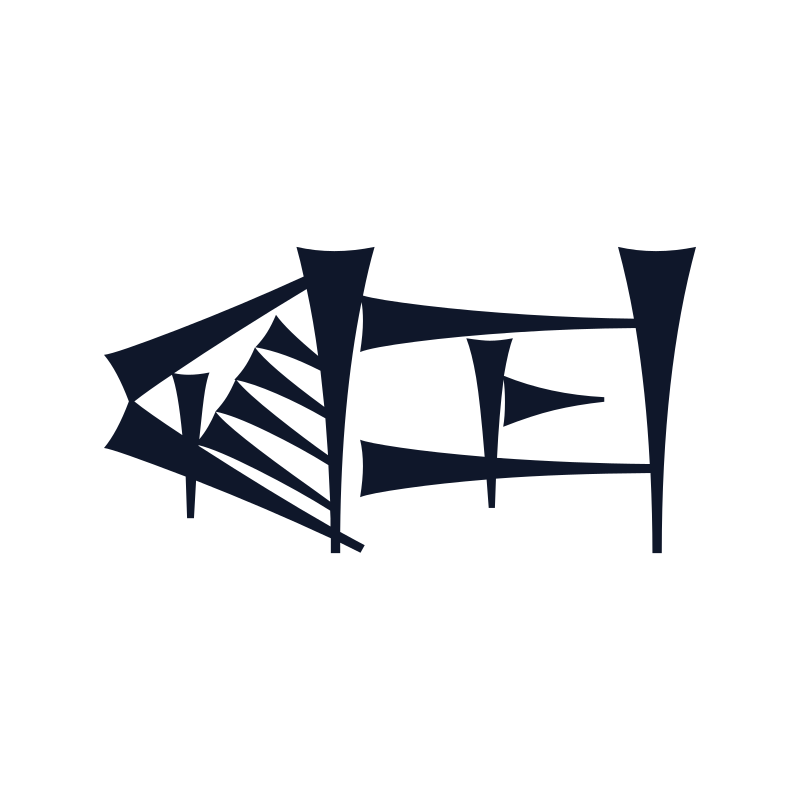
Formed by placing the sign ME ('divine power/function', 𒈨) inside the mouth of the head sign KA (𒅗), EME (Akkadian lišānu) denotes the anatomical 'tongue', the blade of a plough or dagger, and 'spoken language or dialect'. The Sumerians called their own native language EME.GIR₁₅ ('the native/noble tongue'), its liturgical women's register EME.SAL ('fine/thin tongue'), and Akkadian EME.URI ('the tongue of Akkad').
 SU₆ (KA×SA) · U+1217E
𒅾
ceremonial beard (mouth + cord/strands)
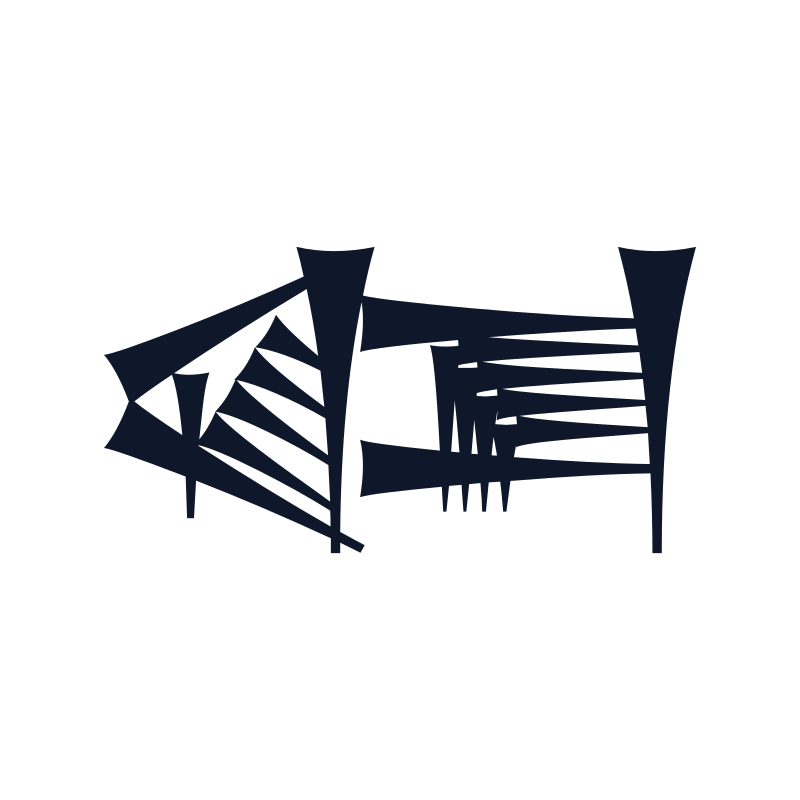
Formed by placing SA ('cords, sinews, braided strands', 𒊓) inside the lower jaw of the head sign KA (𒅗), SU₆ / SUN₄ (Akkadian ziqnu) depicts a braided ceremonial beard. In Mesopotamian art and hymnody, gods and kings are celebrated as wearing 'a radiant beard of pure lapis lazuli' (SU₆ NA₄.ZA.GIN₃), symbolizing virile authority, divine wisdom, and cosmic splendor.
 ID / A₂ · U+12009
𒀉
arm, wing
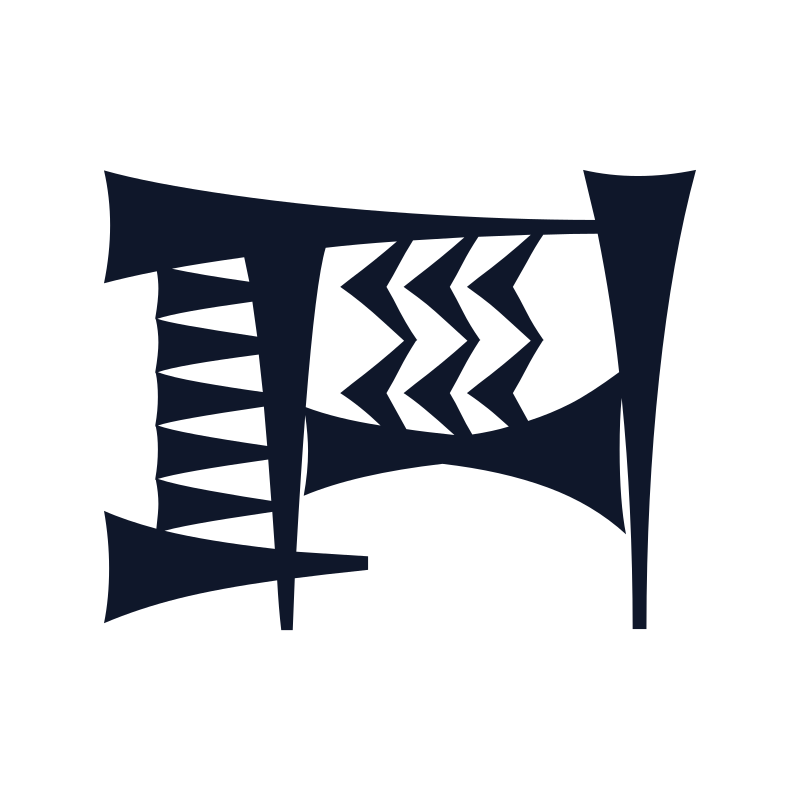
Originally a pictograph of a bent human forearm and elbow (with gunû strokes indicating muscular power), A₂ (Akkadian idu, emūqu, kappu, qarnu) means 'arm, wing of a bird, horn, side, physical strength, military force, and divine authority' (A₂.AG₂.GA₂ = têrtu, 'royal command/instruction'). In Mesopotamian law and economic tablets, A₂ (idu) is also the standard word for a worker's daily wage or boat hire.
 ŠI / IGI · U+12146
𒅆
eye, sight
Originally a pictograph of a human eye with brow and pupil, IGI (Akkadian īnu, pānu, mahru) means 'eye, sight, face, front, or before' (in legal tablets, IGI [Name] marks each official witness: 'Before [Name]'). In Babylonian sexagesimal mathematics, IGI n (loaned into Akkadian as igû) is the technical algebraic symbol for the reciprocal 1/n (e.g., IGI 3 = 20, i.e. 20/60). Phonetically it reads /ši/ and /lim/ (1,000).
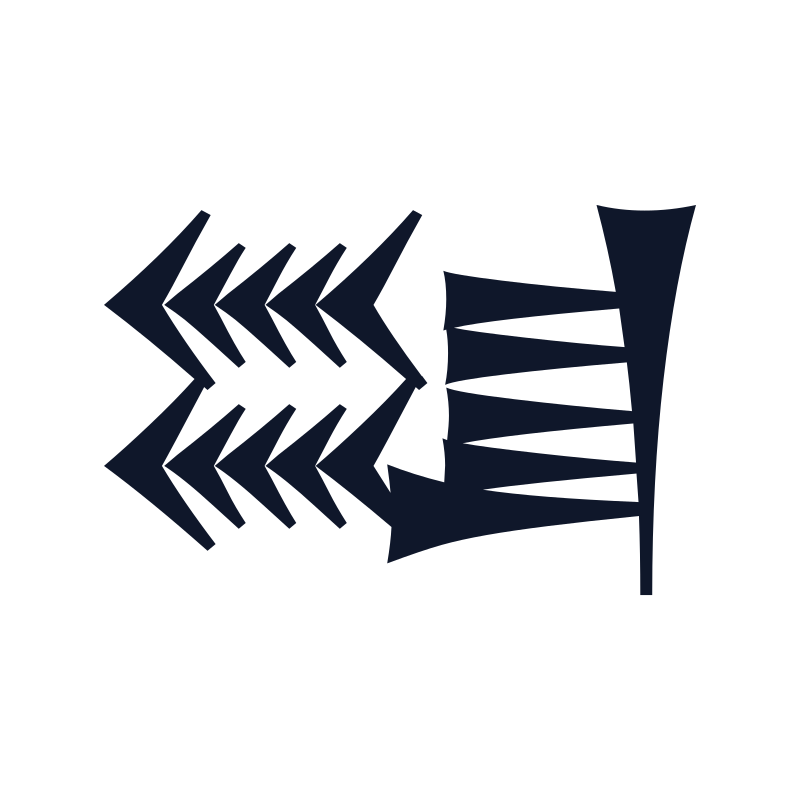 KU₄ (KUR₉) · U+121AD
𒆭
to enter, bring into the temple
The fundamental Sumerian verb of entry: KU₄ / KUR₉ (Akkadian erēbu and šūrubu) means 'to enter, go in, be admitted to the palace or temple' (ERIB₂.E₂ = ērib bīti, the 'temple-enterer' priest privileged to step into the inner sanctum) and transitively 'to bring in taxes, deliveries, or brides into a household' (MU.KU₄ = nērebu, revenue/delivery).
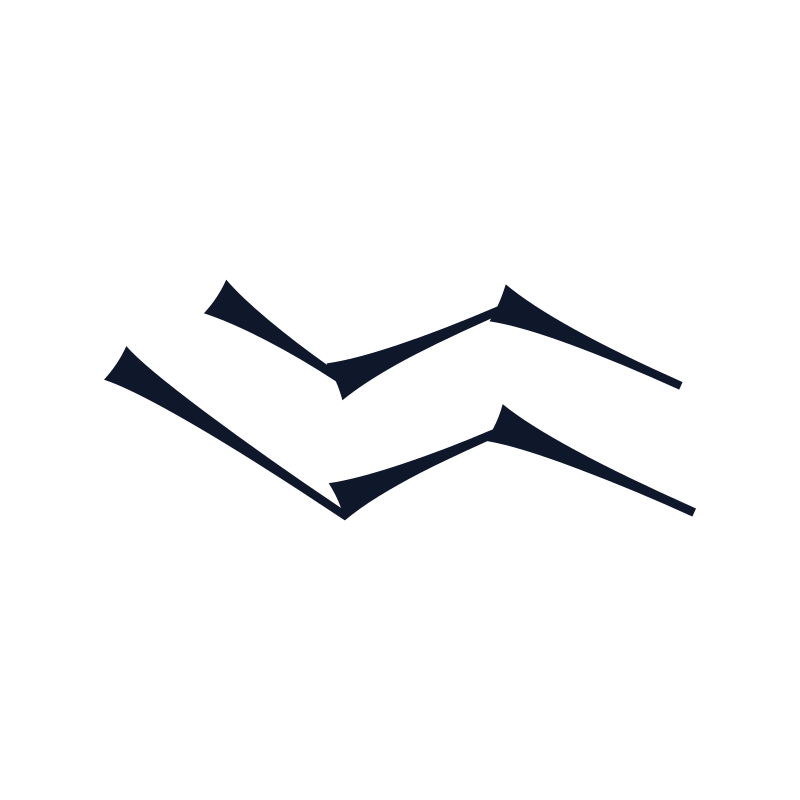 MURGU₂ · U+12231
𒈱
shoulder, back
Equated in bilingual Sumero-Akkadian vocabularies with Akkadian būdu ('shoulder') and ṣēru ('back'), MURGU₂ denotes the human shoulder and upper back that bears loads, as well as the structural ridge of a wall or canal embankment.
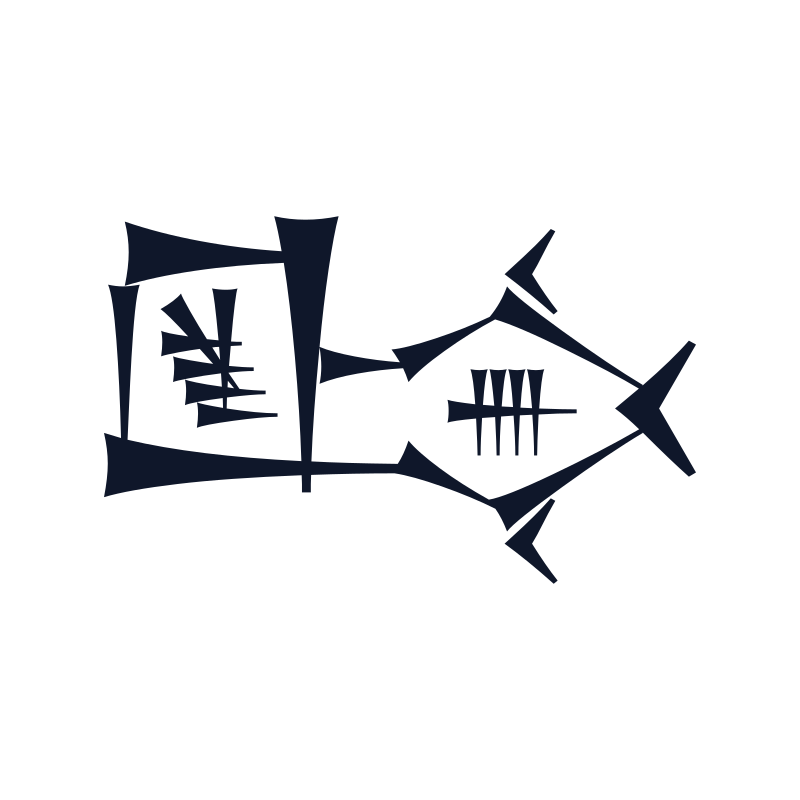 USHX · U+12356
𒍖
membrane, base
Cuneiform sign UŠₓ (U+12356), an archaic and lexical variant reading ušₓ in Sumerian anatomical and medical lists where it denotes 'membrane, womb lining, or placenta' (Akkadian ipu, silītu), as well as serving as a variant phonetic sign for the syllable uš.
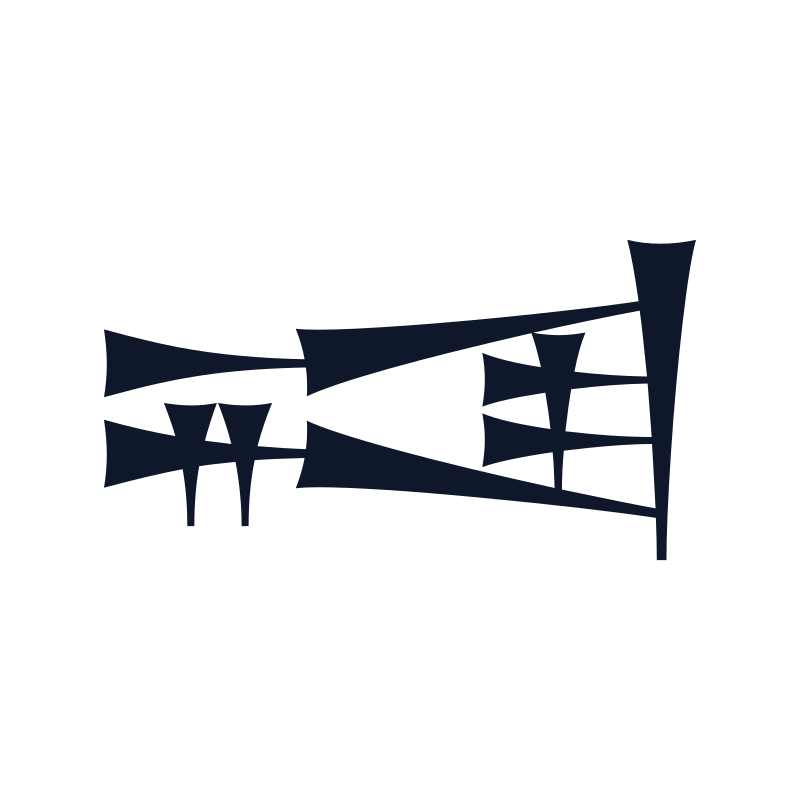 ZE2 · U+12362
𒍢
gall, bile
Cuneiform sign ZE₂ (Borger MZL 255, U+12362), the Sumerian logogram for 'gall bladder, bile, bitterness' (Sumerian ze₂; Akkadian martu) and 'to pluck, tear out' (Akkadian nasāḫu). In Akkadian syllabic writing it is the standard sign for the syllables ṣe, ṣi, and ze₂.
 USH2 · U+12357
𒍗
death, blood
Cuneiform sign UŠ₂ or UG₇ (U+12357), the distinct logogram for 'blood' (Sumerian uš₂; Akkadian dāmu), 'death, corpse' (Akkadian mūtu, pagru), and 'to die' (Sumerian ug₇; Akkadian mâtu), frequently used in administrative livestock records to mark dead animals (ba-ug₇).
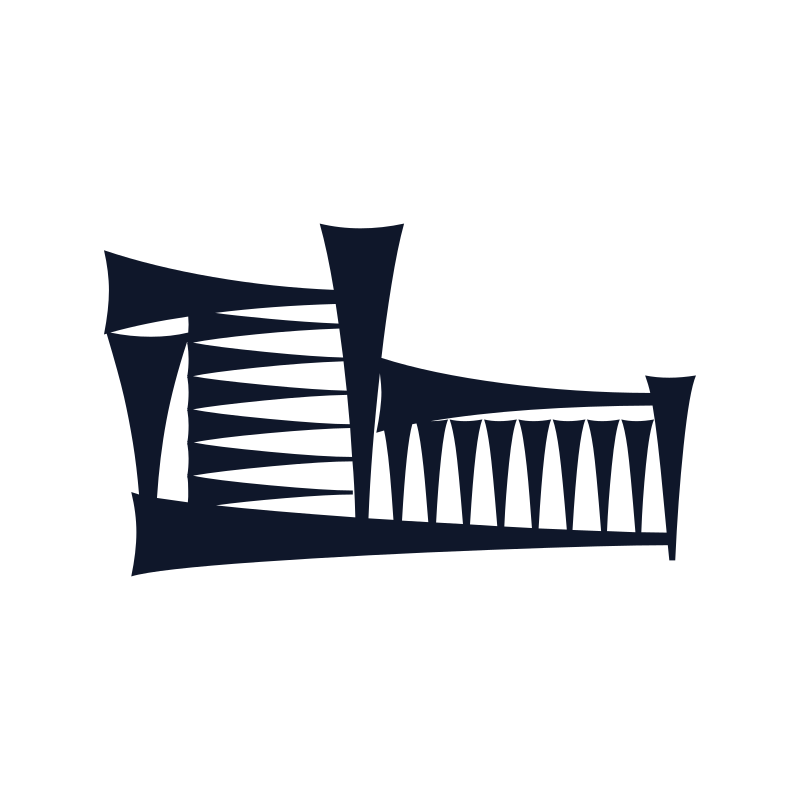 SHESH2 · U+122C1
𒋁
to anoint, weep
Cuneiform sign ŠEŠ₂ or ŠEŠ₄ (Borger MZL 852, U+122C1), meaning 'to anoint, rub with perfumed oil or salve' (Sumerian šeš₄; Akkadian pašāšu) in ritual and medical texts, and also attested with the reading šeš₂ ('to weep bitterly'; Akkadian bakû).
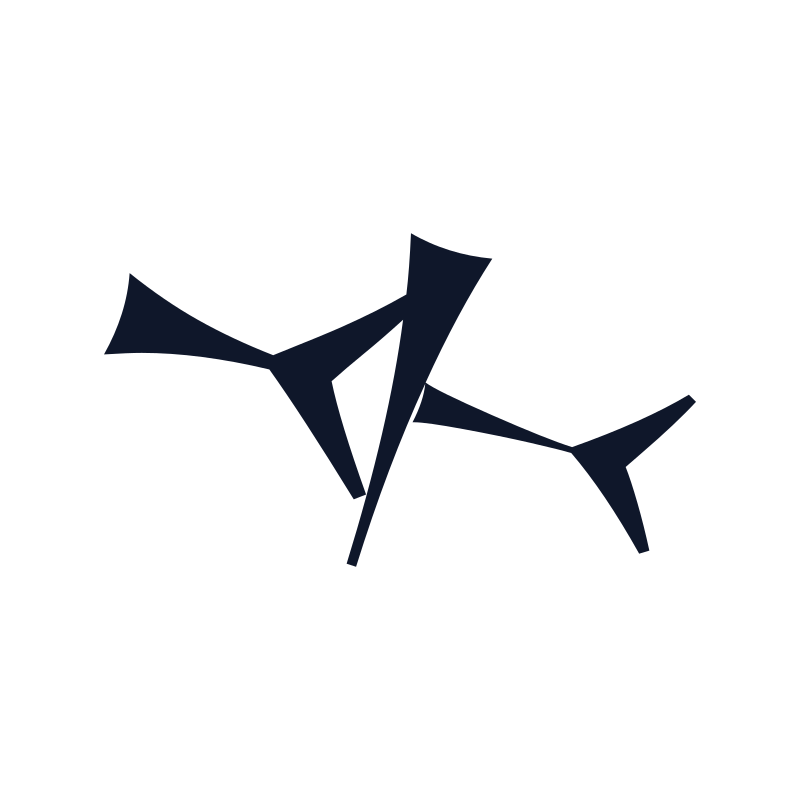 TI_TENU · U+122FF
𒋿
arrow, life
Cuneiform sign TI-tenû (U+122FF), the slanted (tenû) paleographic and lexical variant of the arrow/life sign TI, preserved in scholarly Babylonian sign lists (Ea and Diri) to document historical orthographic forms.
 AD4 · U+1235E
𒍞
lame, halting
Cuneiform sign ZA-tenû, read AD₄ (Borger MZL 850, U+1235E), the slanted (tenû) form of ZA. In Sumerian and Akkadian lexical lists it denotes a person who is lame, crippled, or halting in gait (Sumerian ad₄, kud-kud-du; Akkadian ḫummuru, ḫuzzû).
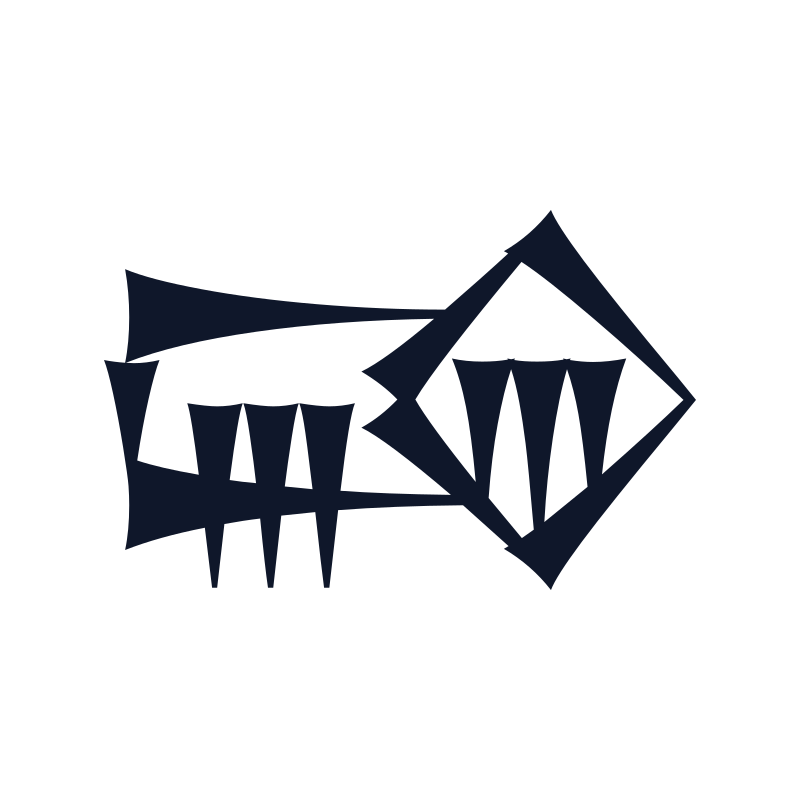 DUR2 · U+1211D
𒄝
to sit, dwell, seat
Cuneiform sign GU₂-gunû, read DUR₂, TUŠ, or KUŠ₇ (Borger MZL 804, U+1211D). As tuš and durun it is the primary Sumerian verb 'to sit, dwell, reside' (Akkadian wašābu); as dur₂ it means 'seat, base, rump' (Akkadian šubtu, išdu); and as kuš₇ it denotes a royal 'chariot groom, equerry' (Akkadian kizû).
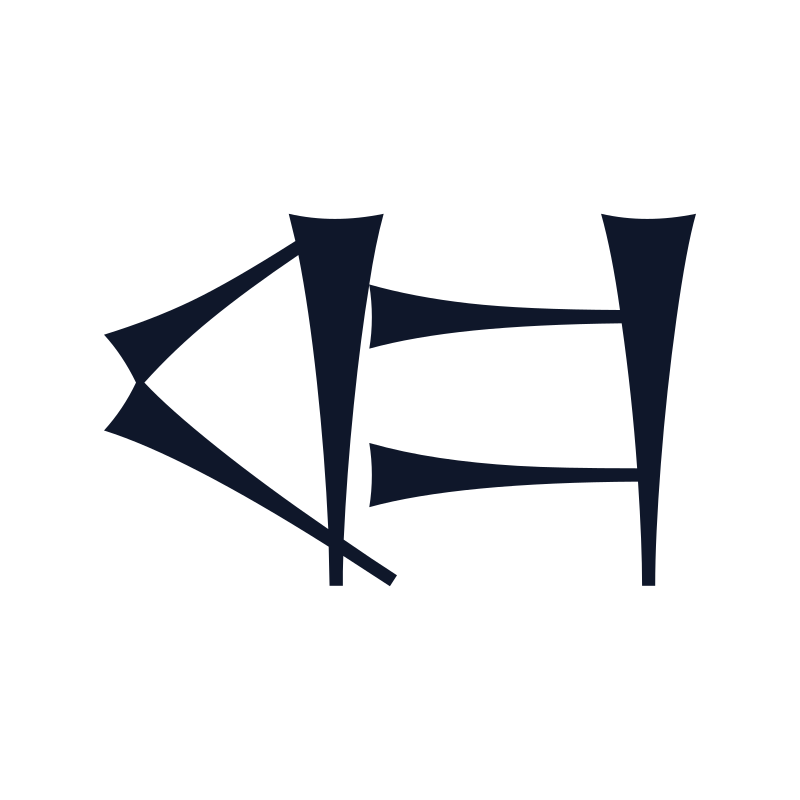 SAG_NUTILLU · U+12294
𒊔
head outline, brow
Cuneiform sign SAG-nutillû (Borger MZL 185, U+12294), literally 'unfinished SAG' ('head'), an entry in Babylonian scholarly lexical lists (Ea and Diri) used as a paleographic building block for complex head-related compound signs.
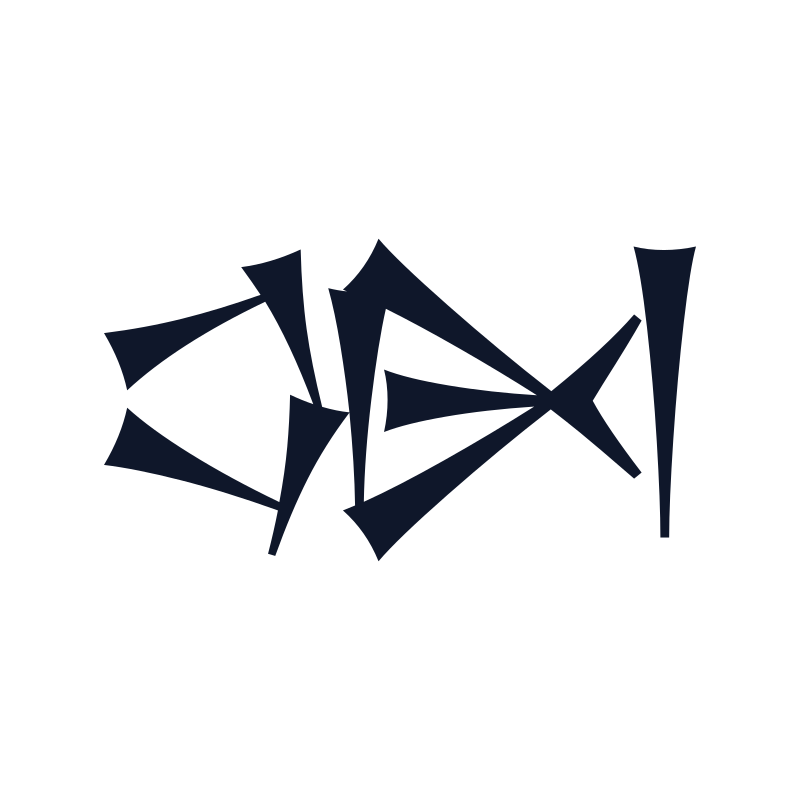 UH3 · U+12314
𒌔
venom, spittle, foam
Cuneiform sign UD.KUŠU₂, read UḪ₃ (Borger MZL 648, U+12314). In Sumerian medical, magical, and literary texts it denotes 'spittle, saliva, foam, or serpent venom' (Sumerian uḫ₃; Akkadian ru'tu, imtu, ḫuḫātu).
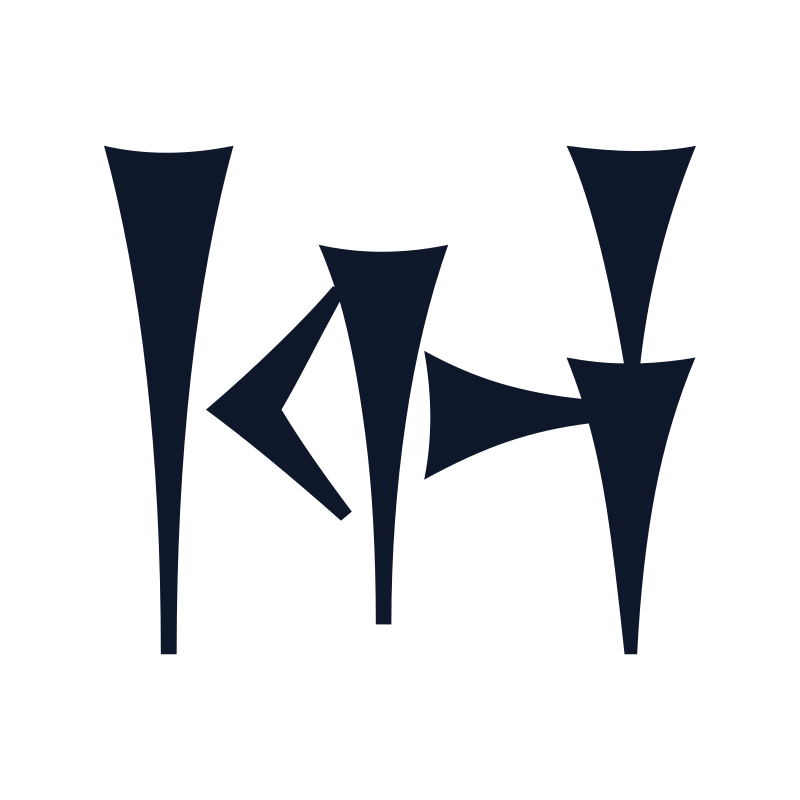 ER2 · U+12005
𒀅
tear, weeping, lament
Cuneiform sign A×IGI, read ER₂ or IR₂ (Borger MZL 845, U+12005), a transparent compound ideogram combining A ('water') + IGI ('eye'), literally 'water of the eye'. It is the primary Sumerian logogram for 'tear, weeping, and liturgical lamentation' (Sumerian er₂; Akkadian dimtu, bikītu, taqribtu).
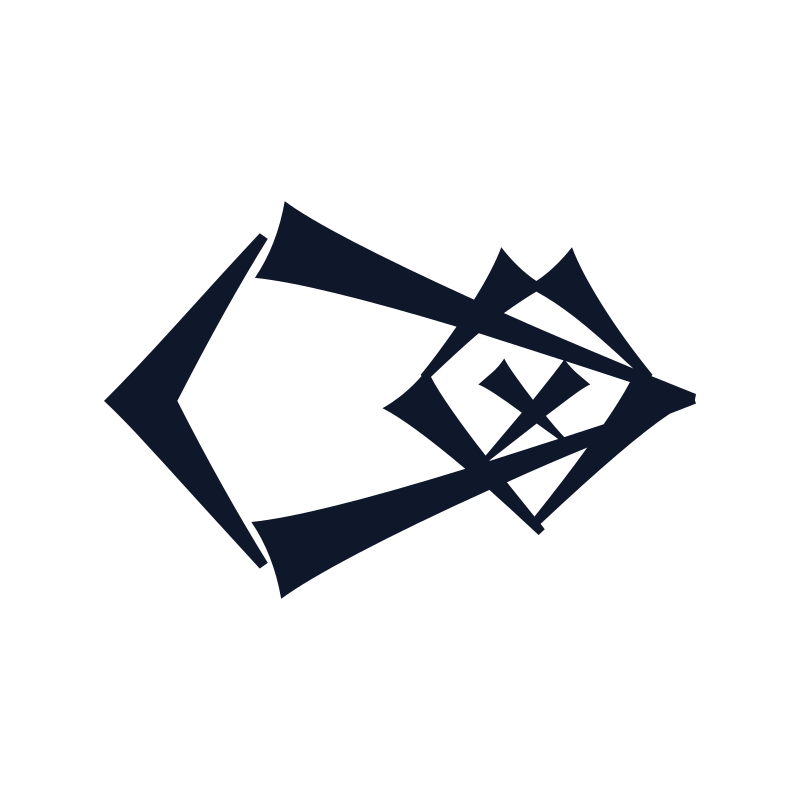 LIBISH · U+1201A
𒀚
heart, courage, wrath
Cuneiform sign AB₂׊A₃, read LIBIŠ (Borger MZL 677, U+1201A), inscribing ŠA₃ ('heart, insides') within AB₂. In Sumerian heroic and royal literature it means 'heart, inner viscera, heroic courage, or passionate wrath' (Sumerian libiš; Akkadian libbu, uzzatu).
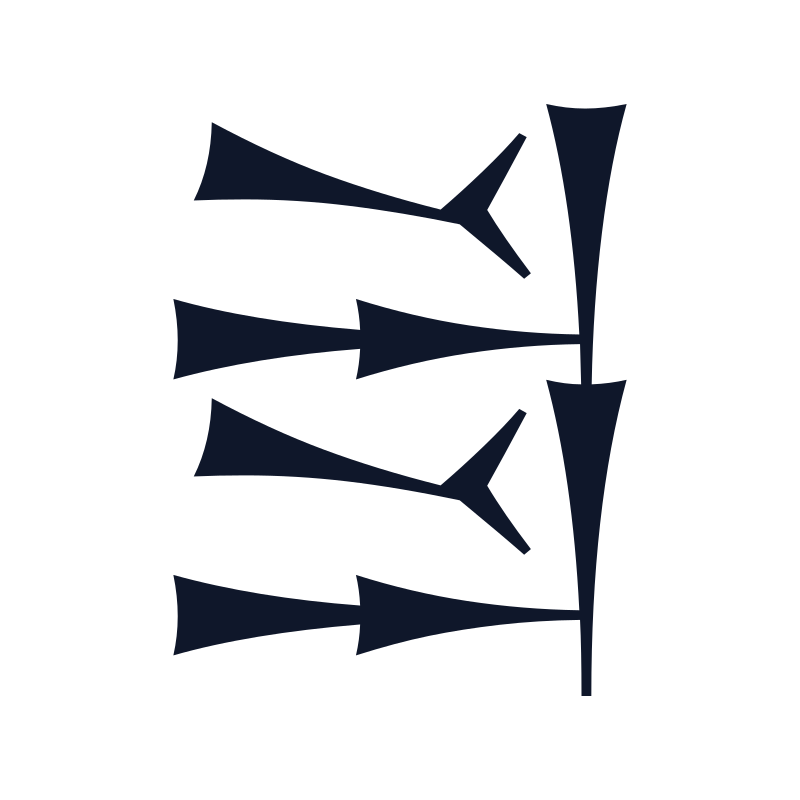 LAH5 · U+1207B
𒁻
to walk, stand, bring
Cuneiform sign DU/DU (two foot signs DU stacked vertically, Borger MZL 353, U+1207B). In Sumerian grammar it writes the plural stems of motion and posture verbs: re₇ / er ('to go' in plural; Akkadian alāku), su₈-g ('to stand' in plural; Akkadian izuzzu), and laḫ₅ ('to bring, lead' in plural; Akkadian wabālu).
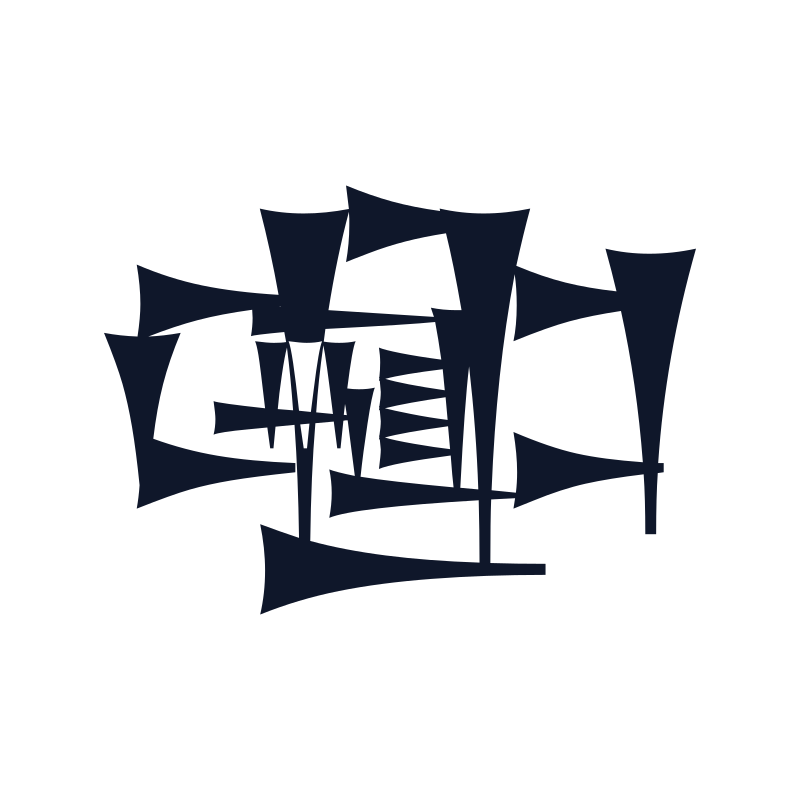 ASILA · U+120AF
𒂯
exultation, joyous cry
Cuneiform sign EZEN×LA, read ASILA or ASILAL (Borger MZL 262, U+120AF), combining EZEN ('festival') with LA ('abundance, delight'). It is a classic Sumerian literary logogram for 'joyous cry, exultation, festive music' (Sumerian asila; Akkadian rīštu, nigûtu, tanittu).
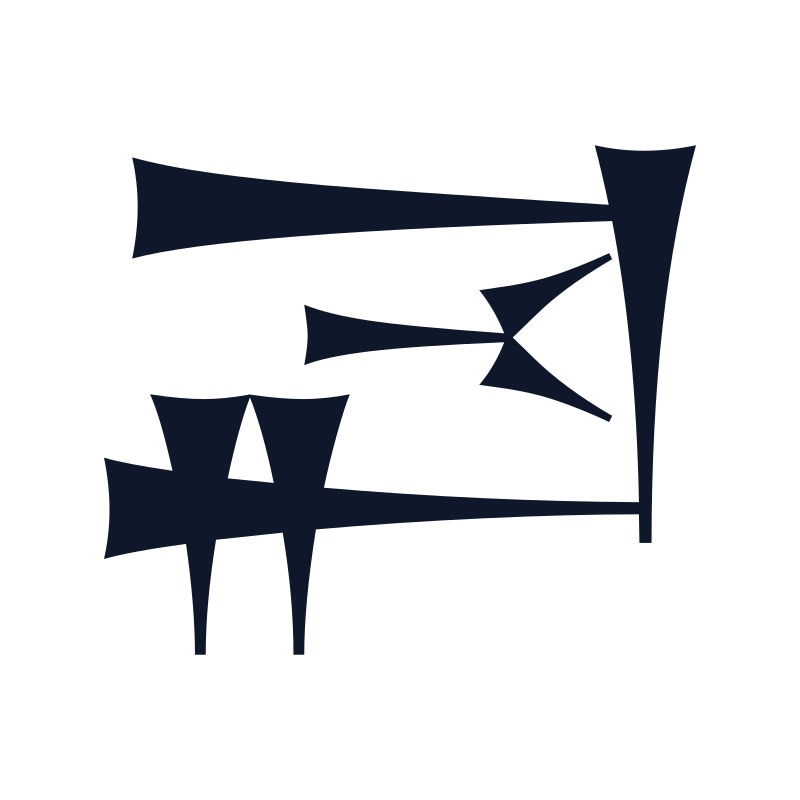 SUN4 · U+120BF
𒂿
beard, chin
Cuneiform sign GA₂×BAD, read SU₆ or SUN₄ (Borger MZL 414, U+120BF). It is the Sumerian logogram for 'beard, chin' (Sumerian su₆, sun₄; Akkadian ziqnu), famously used in hymns describing the lapis-lazuli beards (su₆-za-gin₃) of Mesopotamian gods and kings.
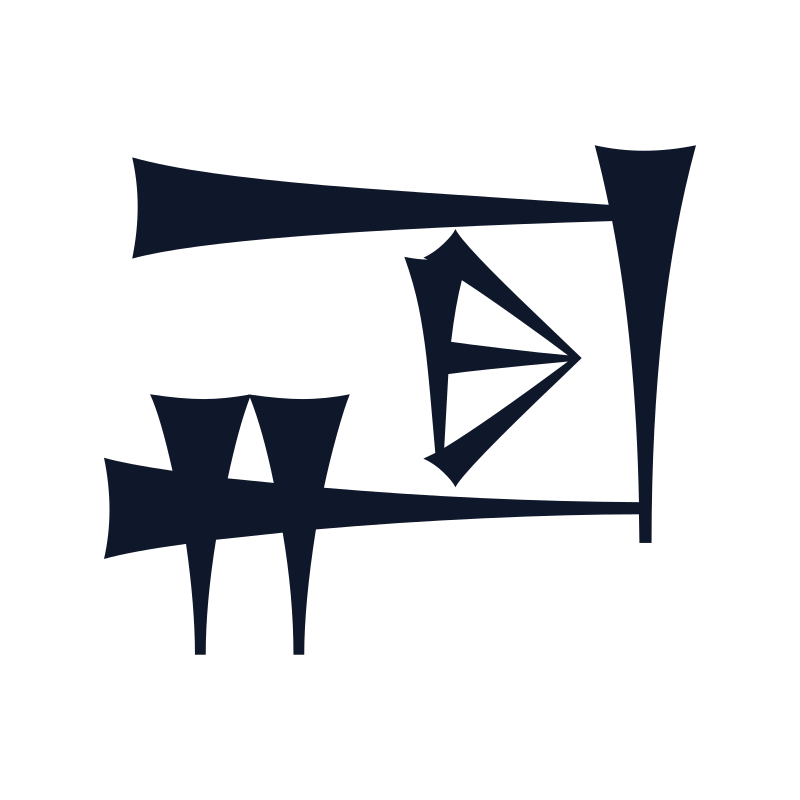 ARHUSH · U+120E3
𒃣
womb, compassion, mercy
Cuneiform sign GA₂×SAL, read ARḪUŠ or AMA₆ (Borger MZL 437, U+120E3), combining GA₂ ('enclosure, chamber') with SAL/MUNUS ('woman'). It is the primary Sumerian logogram for 'womb, placenta' and by extension 'compassion, mercy, maternal pity' (Sumerian arḫuš; Akkadian rēmu), central to prayers invoking the mercy of deities.
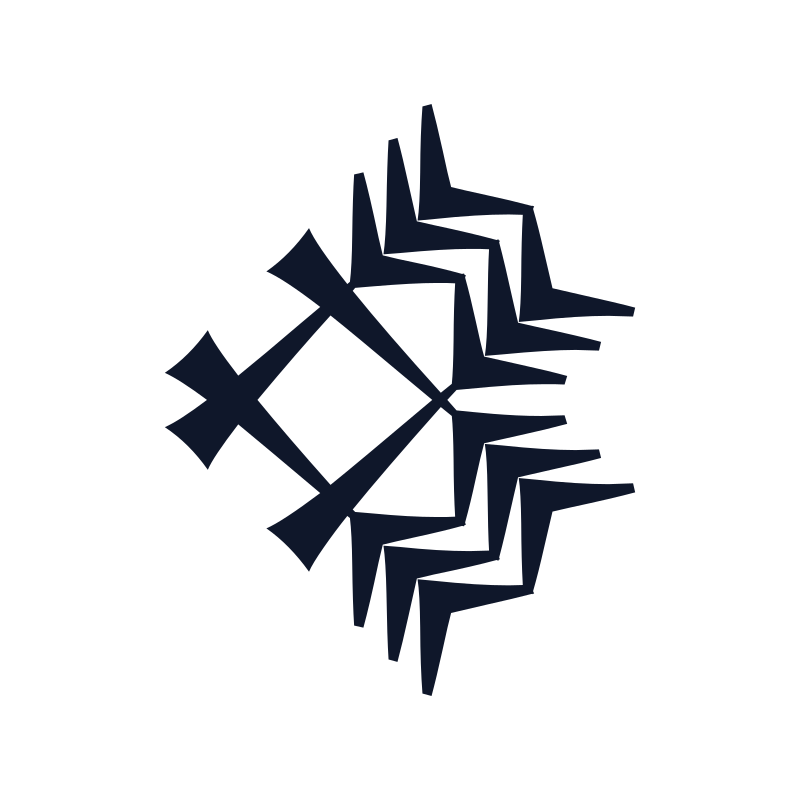 GABA_CROSS_GABA · U+120EF
𒃯
confrontation, rival
Cuneiform sign GABA crossing GABA (Borger MZL 299, U+120EF), formed by two intersecting GABA ('chest, breast, frontier') signs to depict chest-to-chest confrontation, a direct rival, or an equal opponent (Akkadian māḫiru, šāninu).
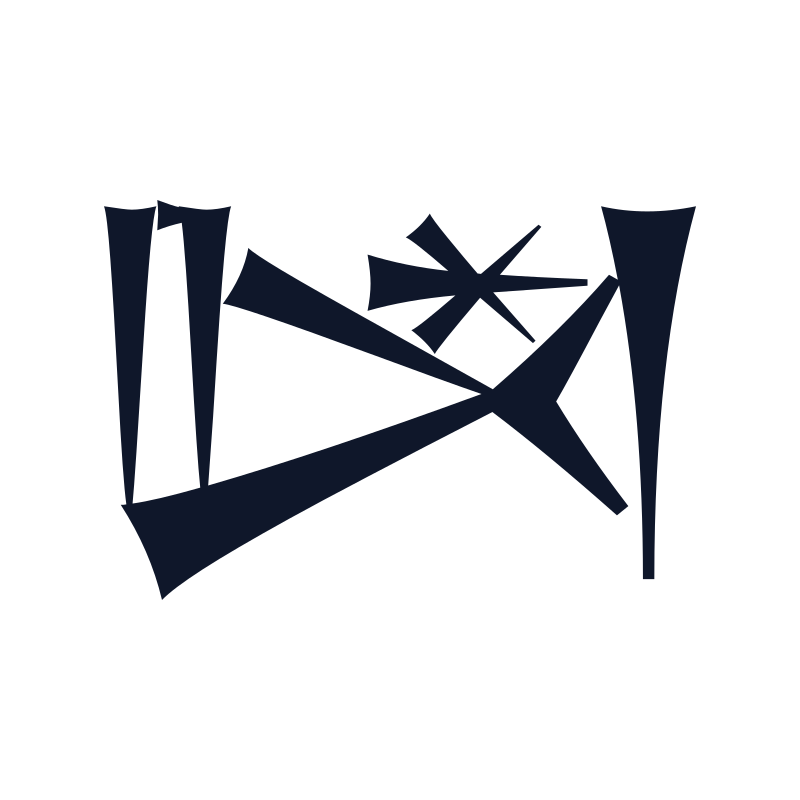 HUB2_HAL · U+1213A
𒄺
swift stride, trot
Cuneiform sign ḪUB₂×ḪAL (Borger MZL 150, U+1213A), combining ḪUB₂ ('to leap, run') with ḪAL ('to rush, roll along') in Babylonian lexical lists of rapid movement.
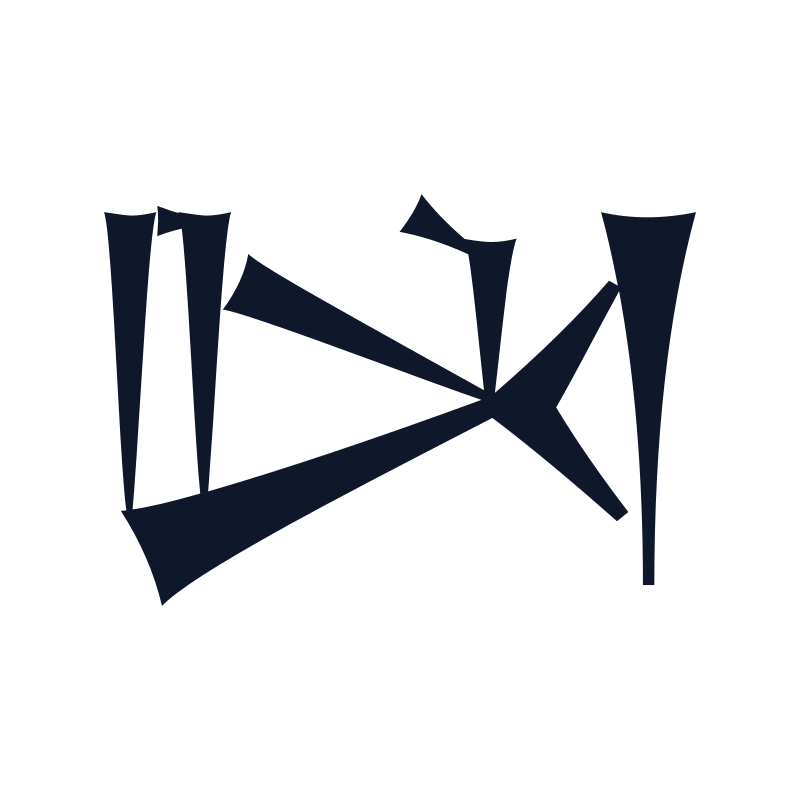 HUB2_LISH · U+1213C
𒄼
stamping foot, stride
Cuneiform sign ḪUB₂×LIŠ (Borger MZL 153, U+1213C), inscribing LIŠ inside the foot/leg sign ḪUB₂ in Babylonian lexical lists of motion and footwork.
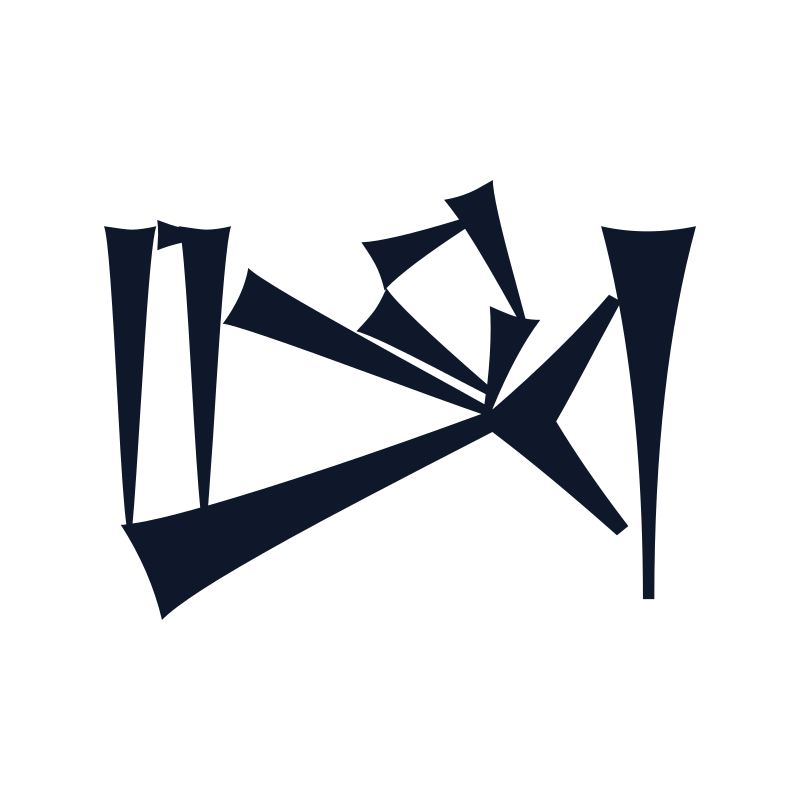 HUB2_UD · U+1213D
𒄽
leaping stride, bound
Cuneiform sign ḪUB₂×UD (Borger MZL 154, U+1213D), inscribing UD inside the leaping-foot sign ḪUB₂ in Babylonian lexical lists.
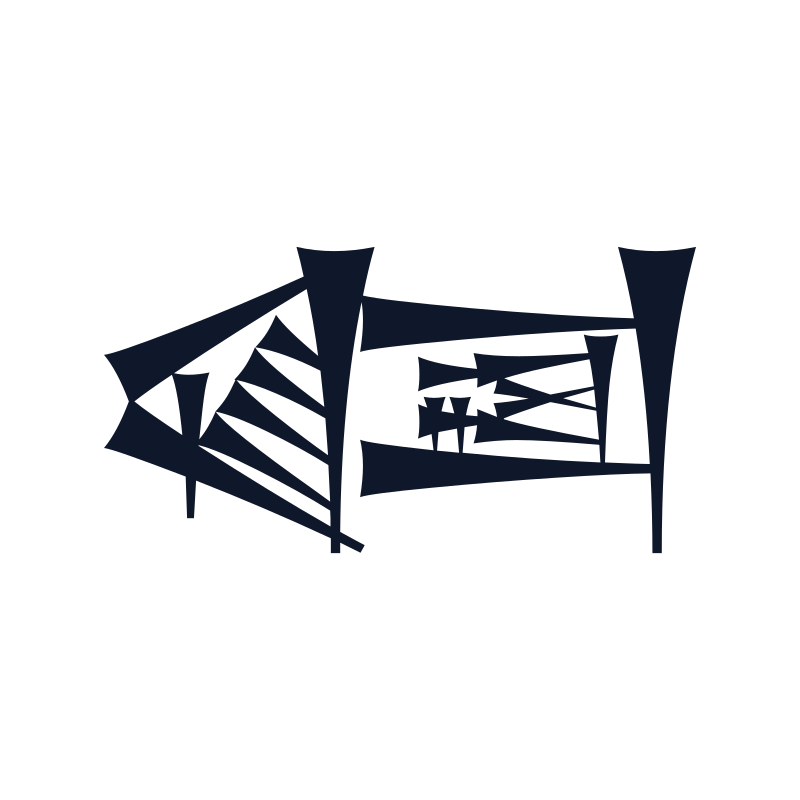 KA_AD · U+12159
𒅙
resounding voice, cry
Cuneiform sign KA×AD (Borger MZL 43, U+12159), inscribing AD ('voice, cry') inside the mouth sign KA to denote a resounding vocal cry or speech in Babylonian lexical lists.
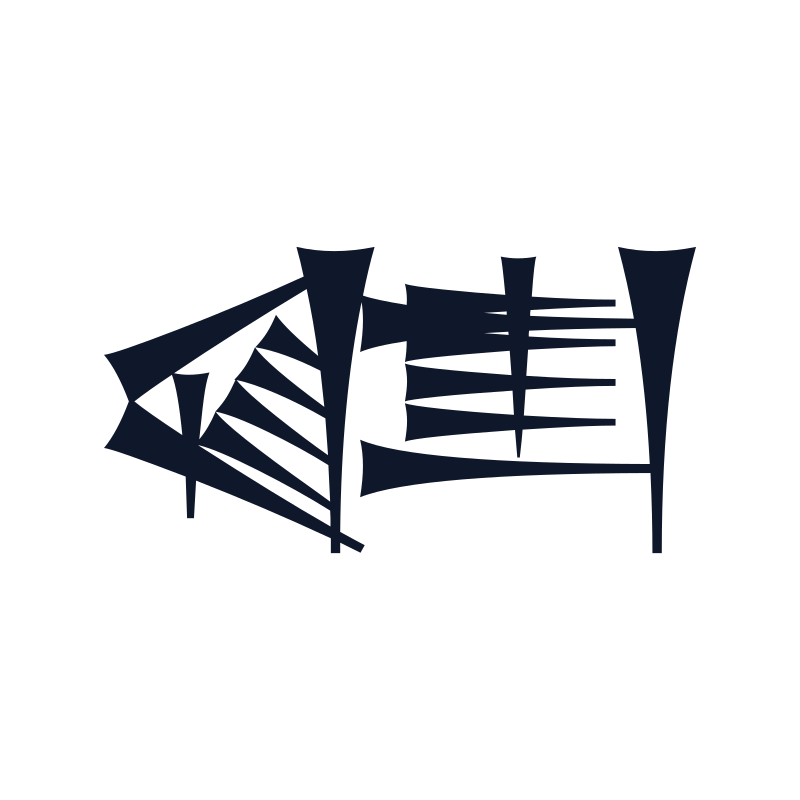 KA_ASH2 · U+1215B
𒅛
curse, imprecation
Cuneiform sign KA×AŠ₂ (Borger MZL 30, U+1215B), inscribing AŠ₂ ('curse, desire') inside the mouth sign KA to express an uttered curse, malediction, or insult (Akkadian arratu, nazāru).
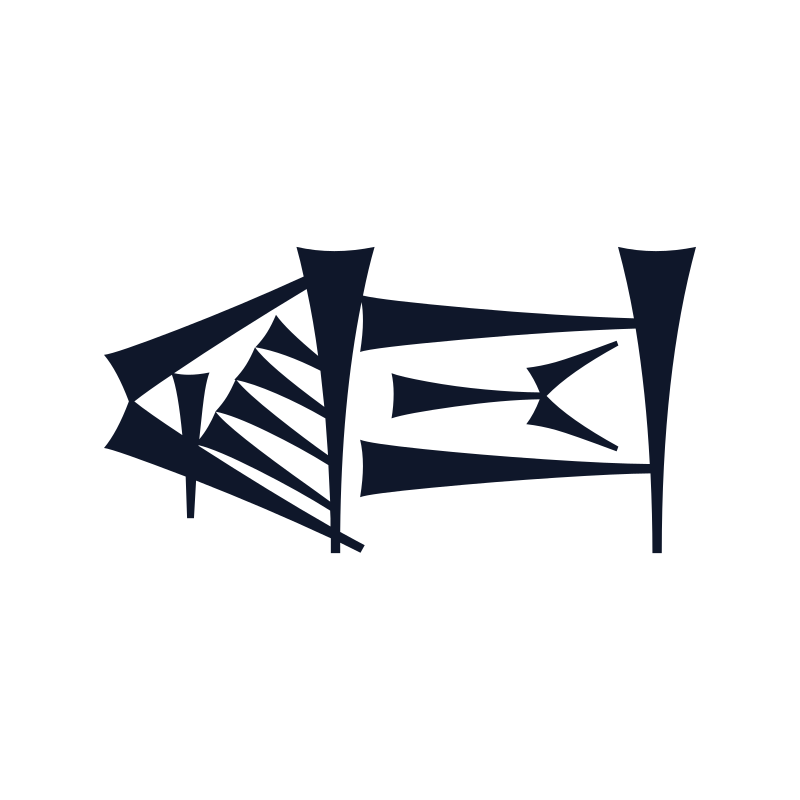 USH11 · U+1215C
𒅜
venom, poison, spell
Cuneiform sign KA×BAD, read UŠ₁₁ (Borger MZL 32, U+1215C), a graphic compound combining KA ('mouth') + BAD/UŠ₂ ('death, blood'), literally 'deadly fluid of the mouth'. It is the primary Sumerian logogram for 'serpent/scorpion venom, poison, and venomous sorcery' (Sumerian uš₁₁; Akkadian imtu, kišpū).
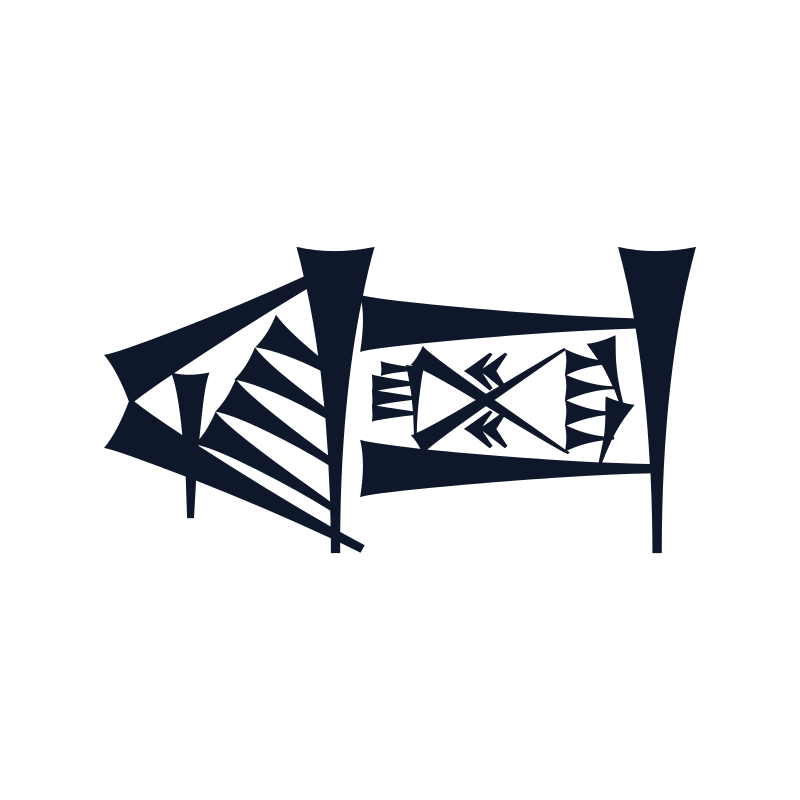 SHEG11 · U+1215D
𒅝
roar, thunderous cry
Cuneiform sign KA×BALAG, read ŠEG₁₁ or ŠEG₁₂ (Borger MZL 63, U+1215D), inscribing the booming drum/harp sign BALAG inside the mouth sign KA. Used in Sumerian phraseology (šeg₁₁ gi₄ 'to roar, thunder, bellow'; Akkadian šagāmu, rigmu) for the thunder of storm-god Iškur/Adad, the roar of lions, and battle cries.
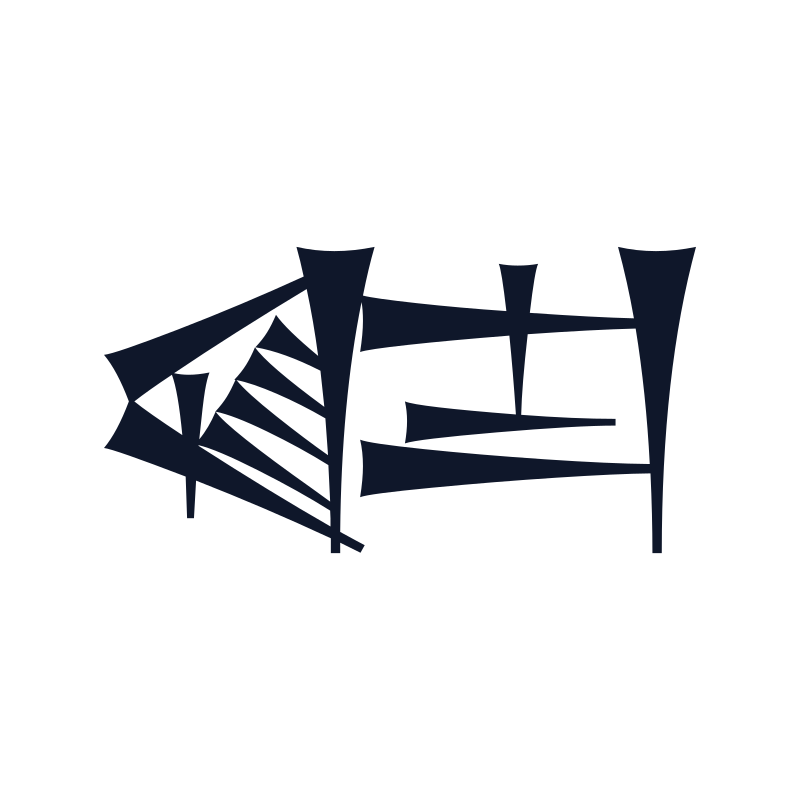 KA_BAR · U+1215E
𒅞
utterance, speech
Cuneiform sign KA×BAR (Borger MZL 31, U+1215E), inscribing BAR ('outside, open') inside the mouth sign KA in Babylonian lexical lists.
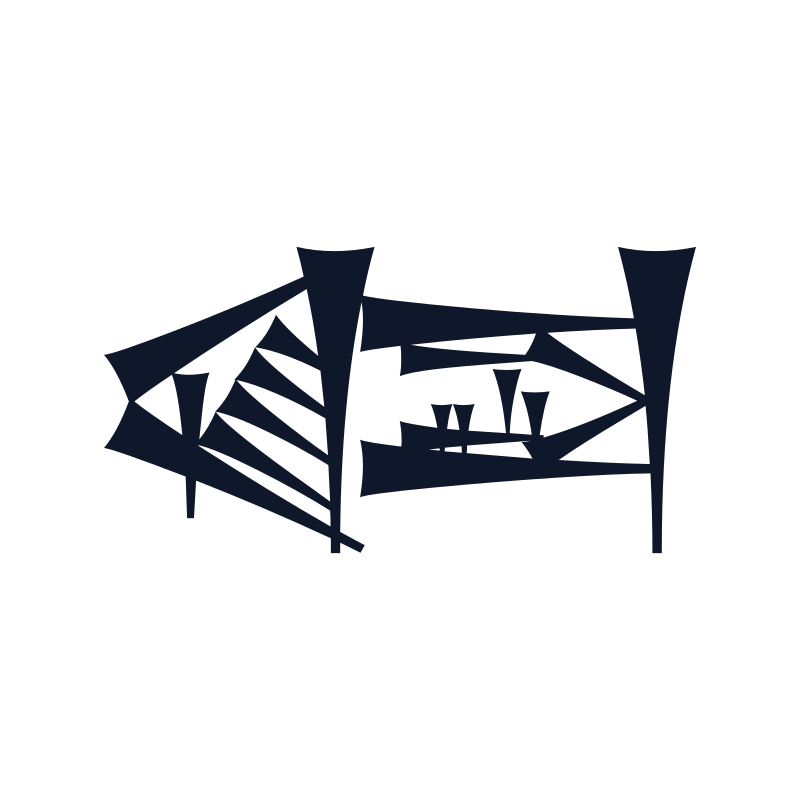 KA_BI · U+1215F
𒅟
pronouncement, saying
Cuneiform sign KA×BI (Borger MZL 46, U+1215F), inscribing BI inside the mouth sign KA, preserved in Mesopotamian lexical series for spoken pronouncements or tasting.
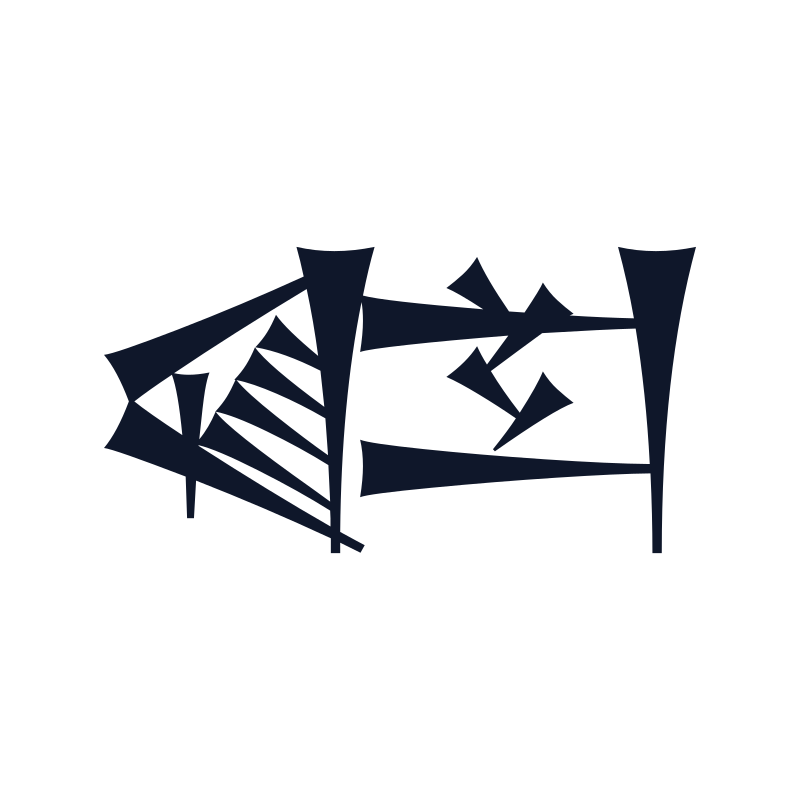 KA_ERIN2 · U+12160
𒅠
battle cry, war shout
Cuneiform sign KA×ERIN₂ (Borger MZL 48, U+12160), inscribing ERIN₂ ('troops, army') inside the mouth/voice sign KA to denote the collective war cry or clamor of soldiers.
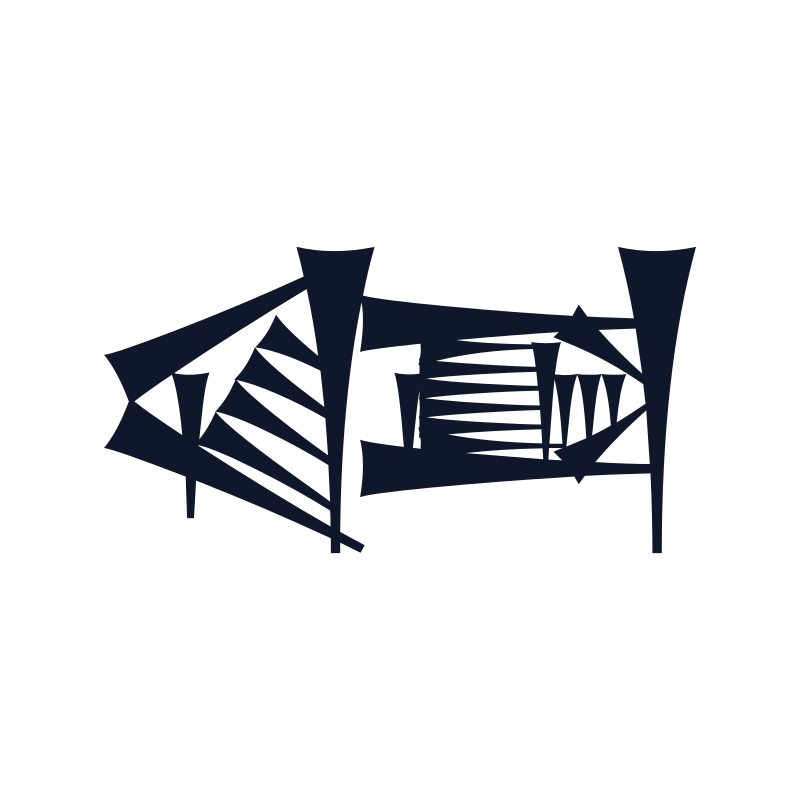 KA_GA · U+12162
𒅢
to suckle, nurse
Cuneiform sign KA×GA (Borger MZL 49, U+12162), inscribing GA ('milk') inside the mouth sign KA to depict suckling milk at the breast (Akkadian enēqu).
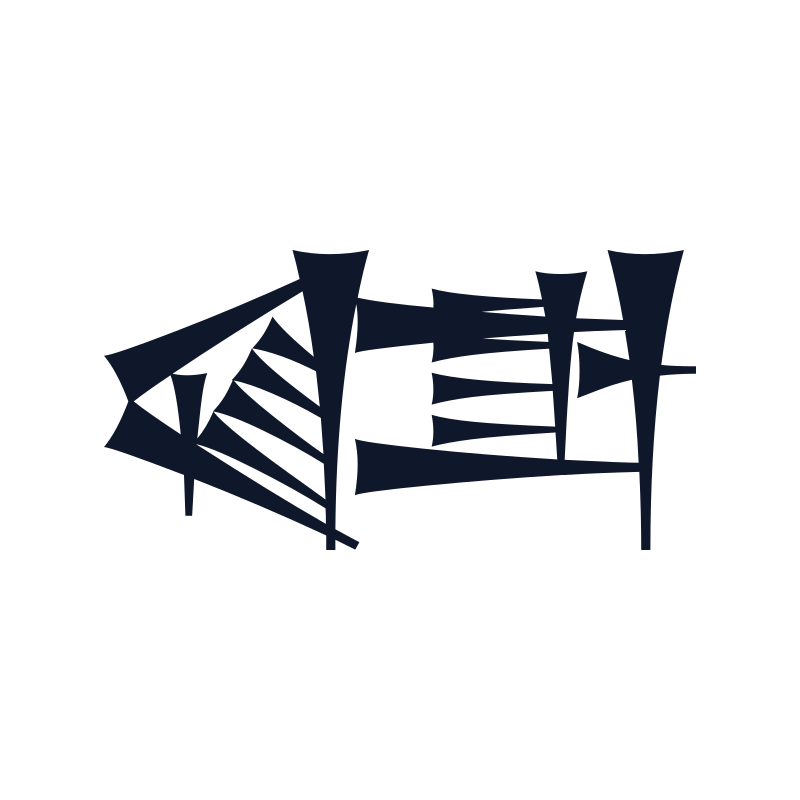 KA_GAL · U+12163
𒅣
loud voice, boasting
Cuneiform sign KA×GAL (Borger MZL 47, U+12163), combining KA ('mouth, speech') with GAL ('great, big') to denote loud speech, boasting, or grandiloquence.
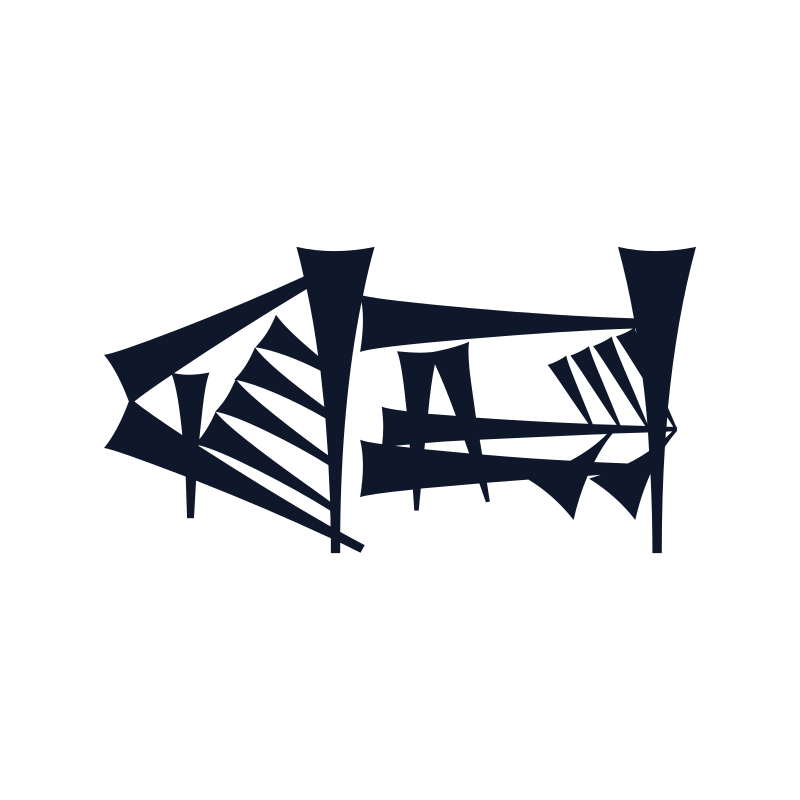 KA_GI · U+12167
𒅧
true word, reed pipe
Cuneiform sign KA×GI (Borger MZL 36, U+12167), inscribing GI ('reed; to be firm, true') inside the mouth sign KA in Babylonian lexical lists.
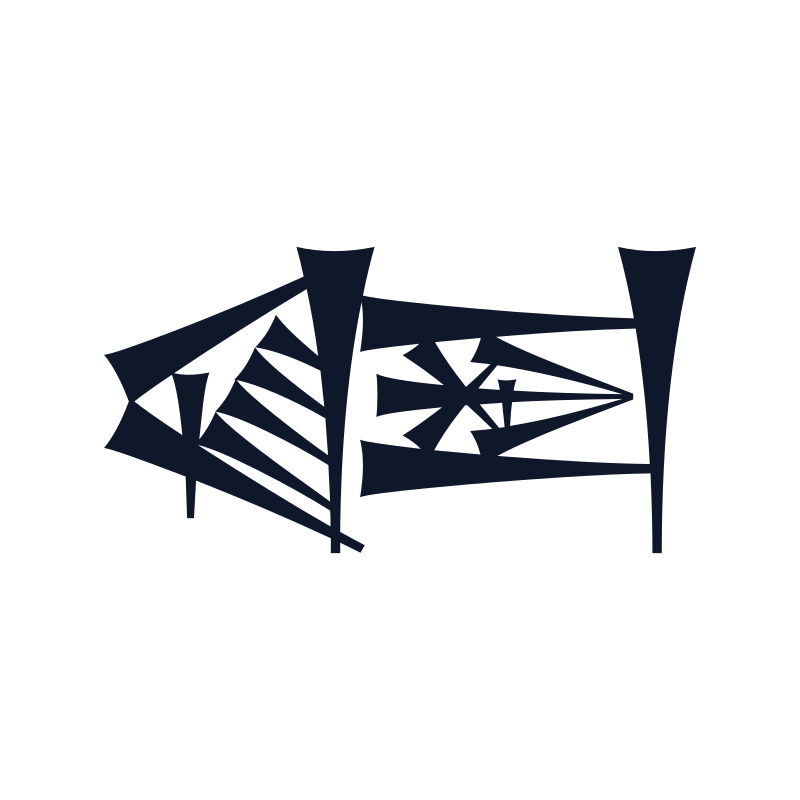 KA_GIR2 · U+12168
𒅨
sharp speech, biting word
Cuneiform sign KA×GIR₂ (Borger MZL 29, U+12168), inscribing the dagger/blade sign GIR₂ inside the mouth sign KA to evoke cutting, sharp, or aggressive speech.
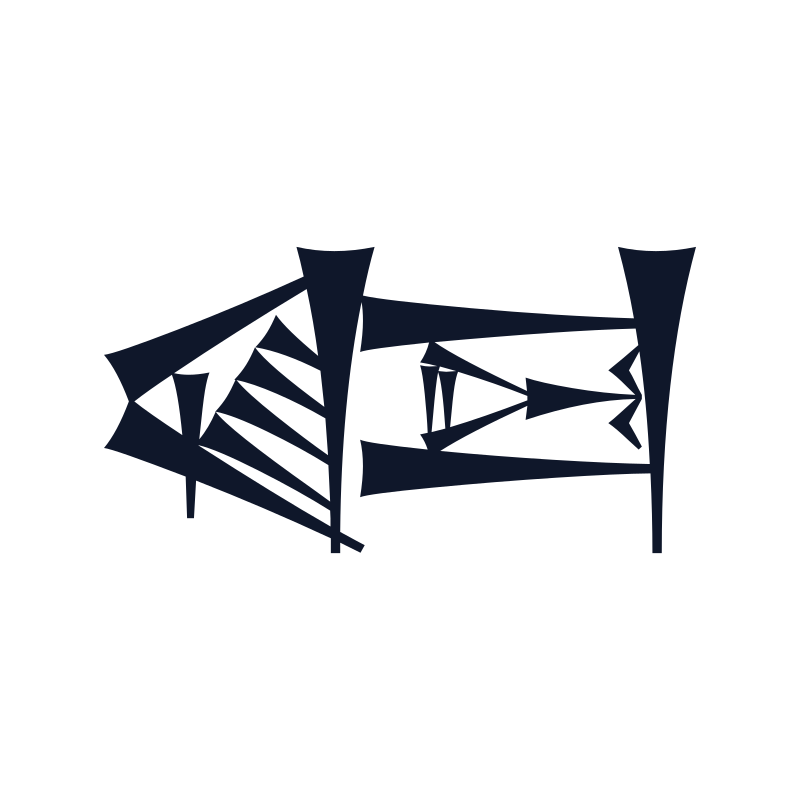 KA_GU · U+1216B
𒅫
resounding call, shout
Cuneiform sign KA×GU (Borger MZL 67, U+1216B), inscribing the phonetic complement or cord sign GU inside the voice/mouth sign KA/GU₃ in Mesopotamian lexical traditions.
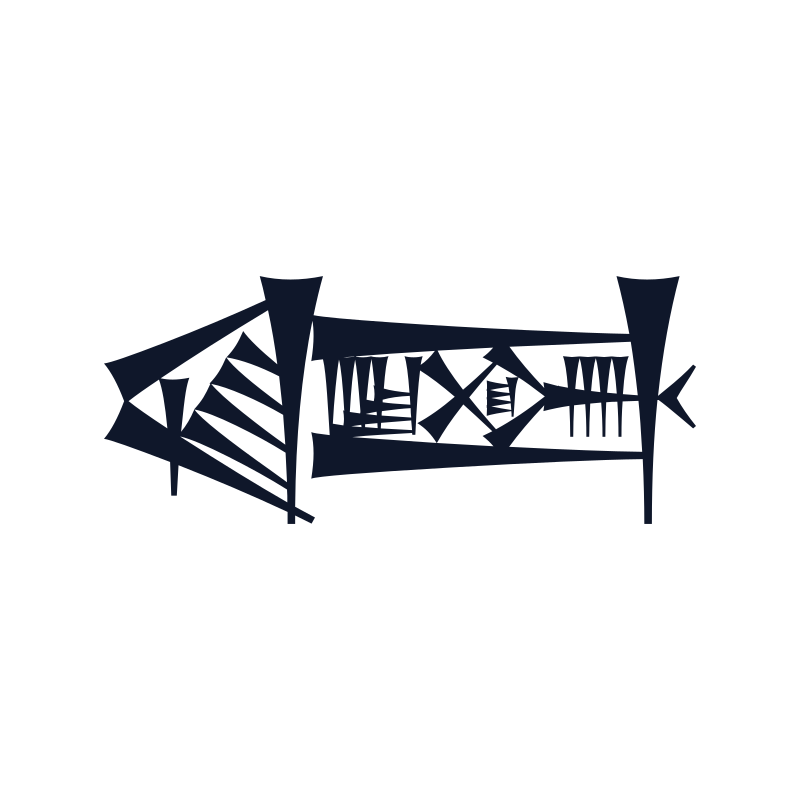 KA_GUR7 · U+1216C
𒅬
abundant feast, consumption
Cuneiform sign KA×GUR₇ (Borger MZL 62, U+1216C), inscribing the great grain-heap sign GUR₇ inside the mouth sign KA in Babylonian lexical lists.
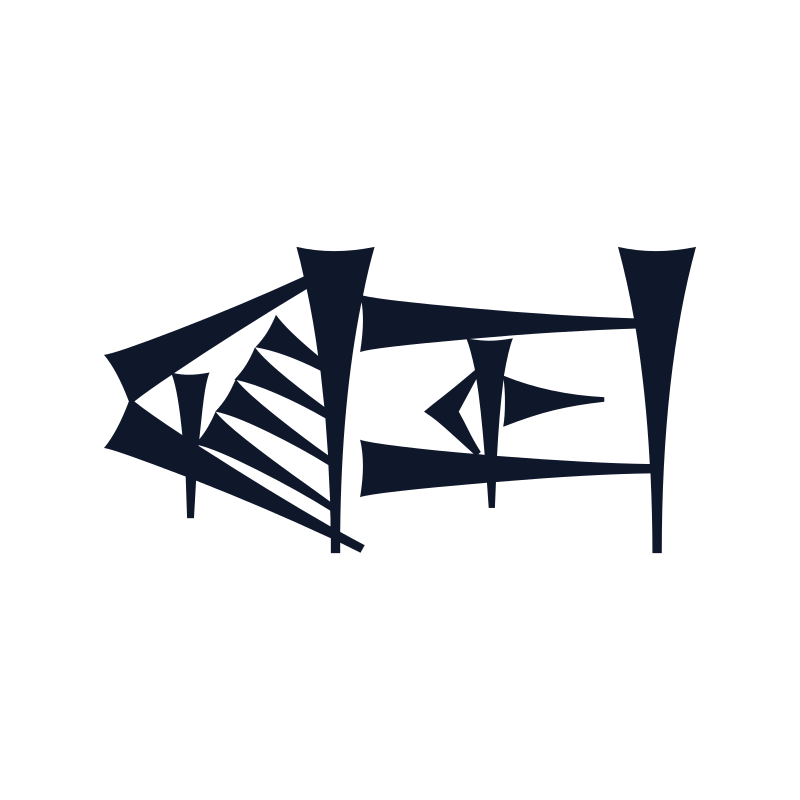 KA_IGI · U+1216D
𒅭
countenance, visage
Cuneiform sign KA×IGI (Borger MZL 55, U+1216D), combining KA ('mouth, nose, face') with IGI ('eye') to denote facial features, countenance, or direct gaze in lexical traditions.
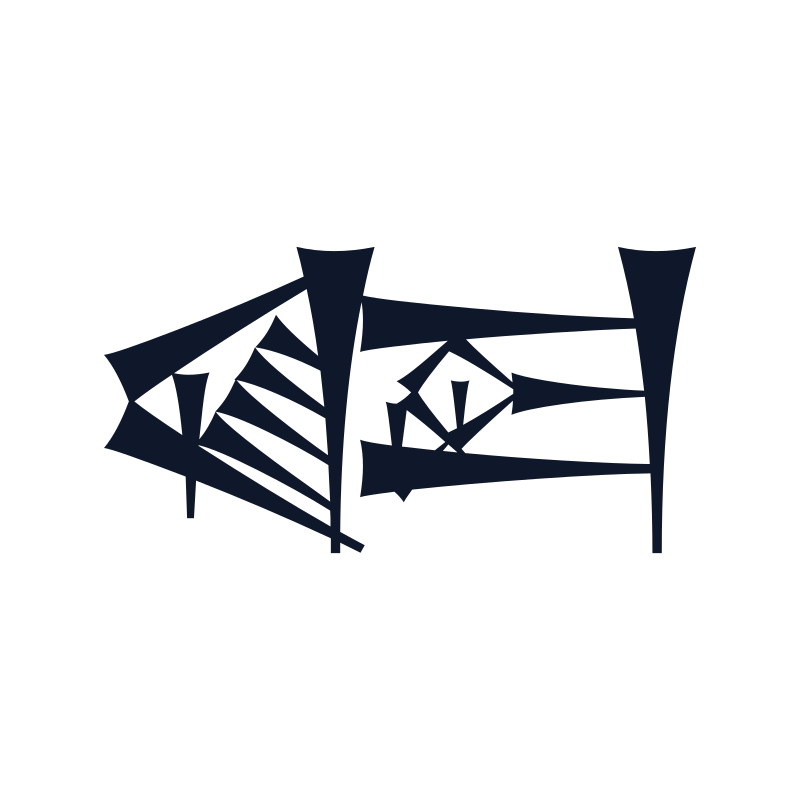 BUN2 · U+1216E
𒅮
bellows, breath, blister
Cuneiform sign KA×IM, read BUN₂ (Borger MZL 58, U+1216E), a transparent compound combining KA ('mouth') + IM ('wind, air'), literally 'wind of the mouth'. It is the Sumerian logogram for 'smith's bellows, blowing breath' (Sumerian bun₂; Akkadian nappāḫu) as well as 'blister, boil, inflammation' (Akkadian bubu'tu).
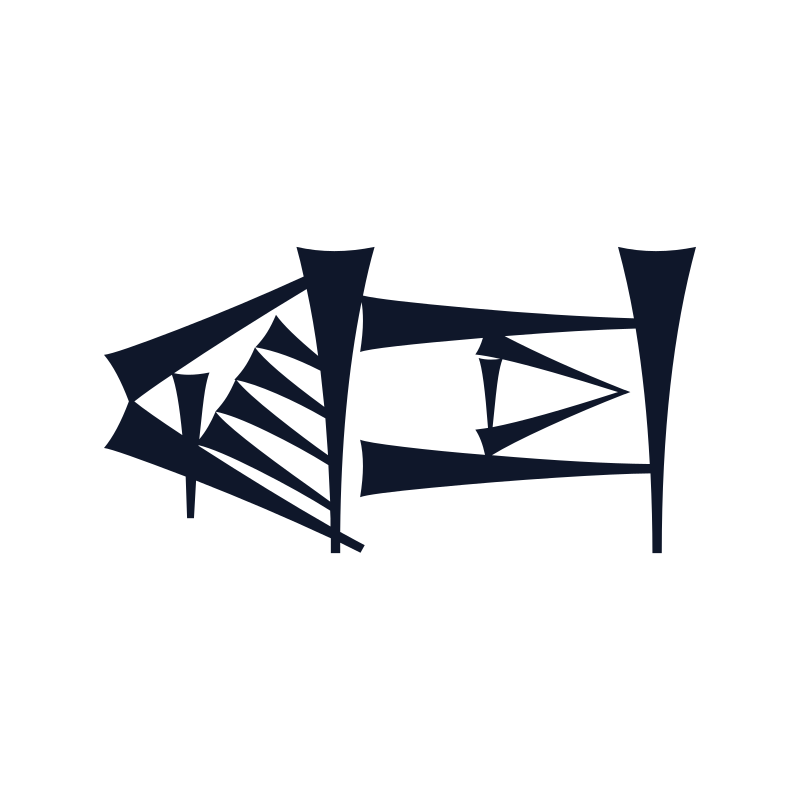 KA×KAK · U+1216F
𒅯
fastened word, peg
KA×KAK (𒅯) is a compound cuneiform sign combining KA ('mouth, word') with an inscribed KAK ('peg, to build/fasten') sign. In Mesopotamian lexical compendia, it denotes binding an oath, fastening a statement, or anatomical features of the nose and mouth.
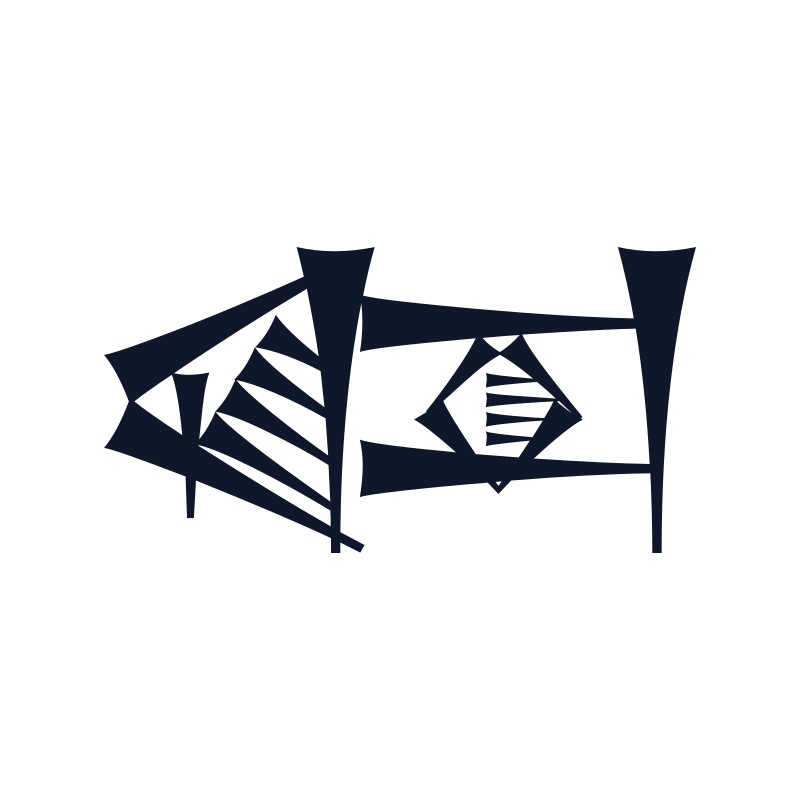 KA×KI · U+12170
𒅰
kiss the ground, homage
KA×KI (𒅰) is a compound cuneiform sign formed by placing KI ('earth, ground, place') inside KA ('mouth'). In Sumerian and Akkadian ceremonial and lexical traditions, it graphically evokes touching the mouth to the earth in prostration and homage before gods or kings.
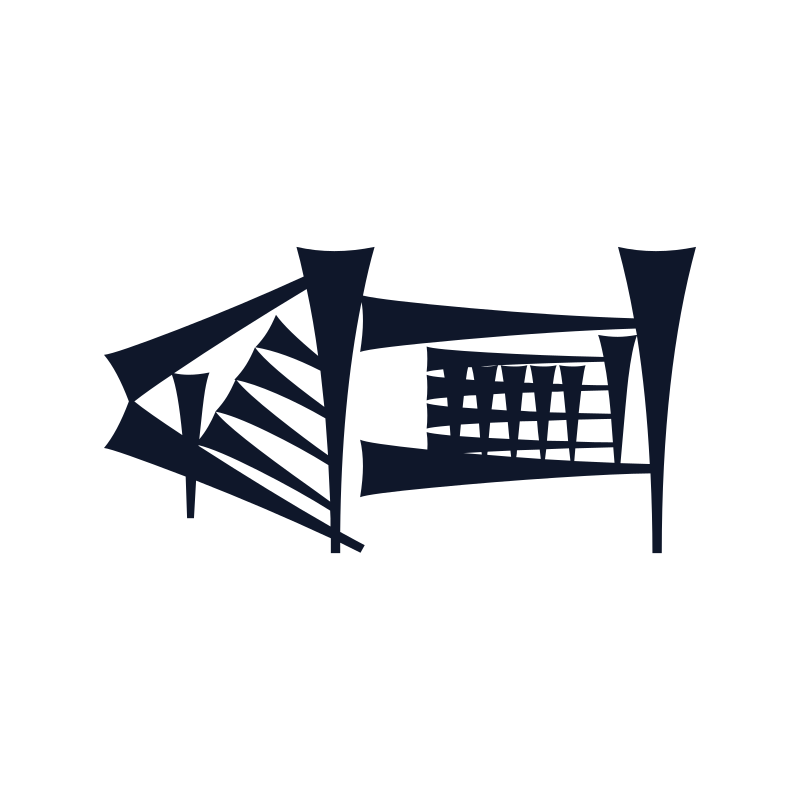 KA×KID · U+12171
𒅱
bite off, sharp utterance
KA×KID (𒅱) combines the sign KA ('mouth') with an inscribed KID ('to pinch off, cut, reed mat'). Recorded in Mesopotamian sign lists (Ea and Diri), it denotes biting or nipping with the teeth as well as clipped or decisive oral expressions.
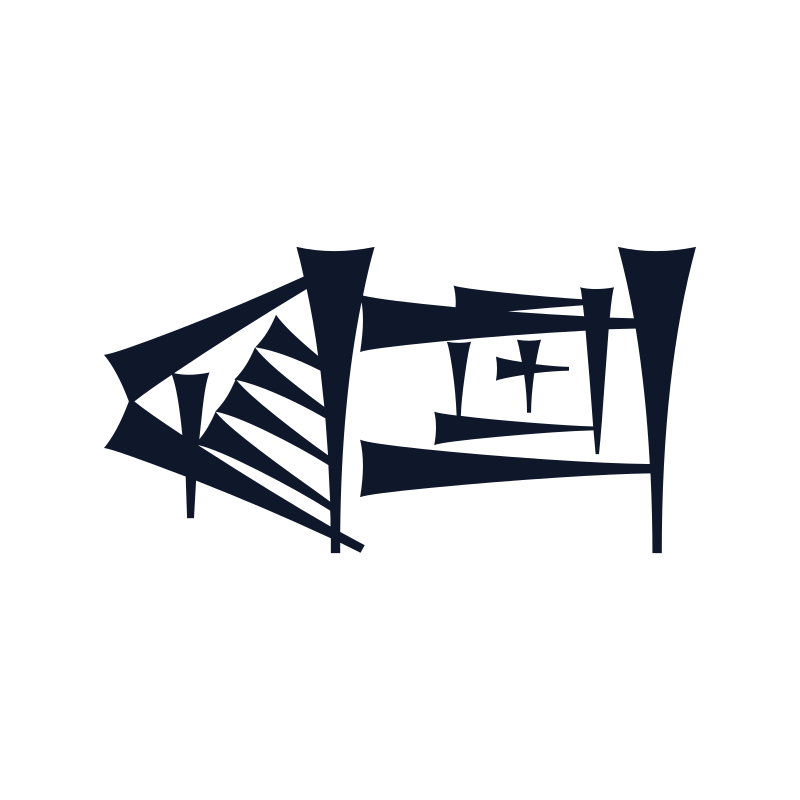 KA×LU · U+12173
𒅳
chew, graze, abundant speech
KA×LU (𒅳) is a compound logogram uniting KA ('mouth') with LU ('to be abundant, to graze, sheep'). In lexical lists, it expresses chewing, grazing, or multiplying words in fluent speech.
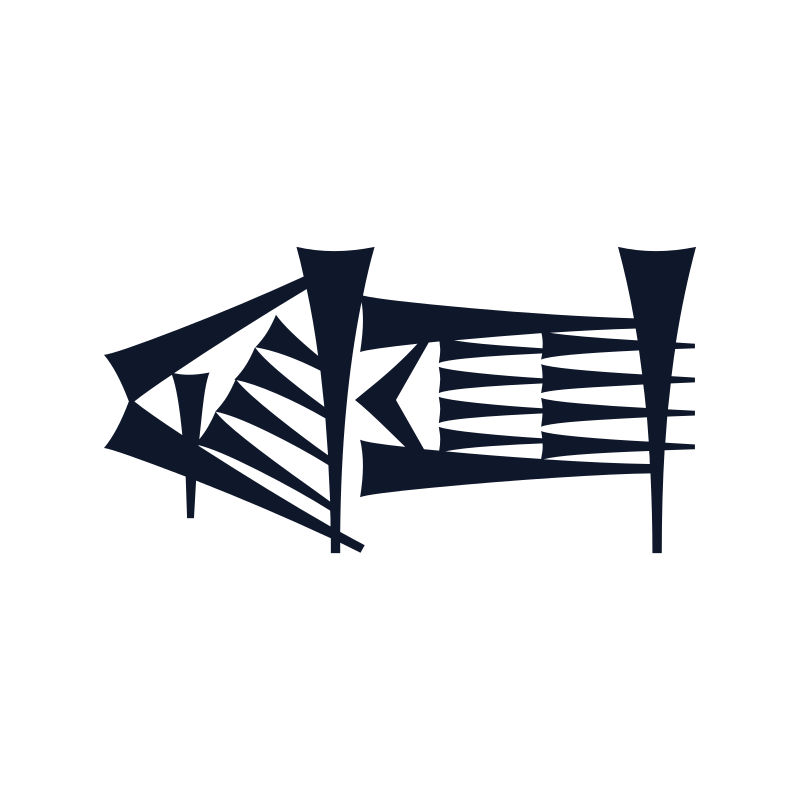 KA×MI · U+12178
𒅸
darkened mouth, gloom
KA×MI (𒅸) combines KA ('mouth, face') with an inscribed MI ('night, darkness, black'). In Babylonian lexical, medical, and omen texts (with values such as kan₆), it refers to a darkened face or mouth, gloom, melancholy, or celestial darkening.
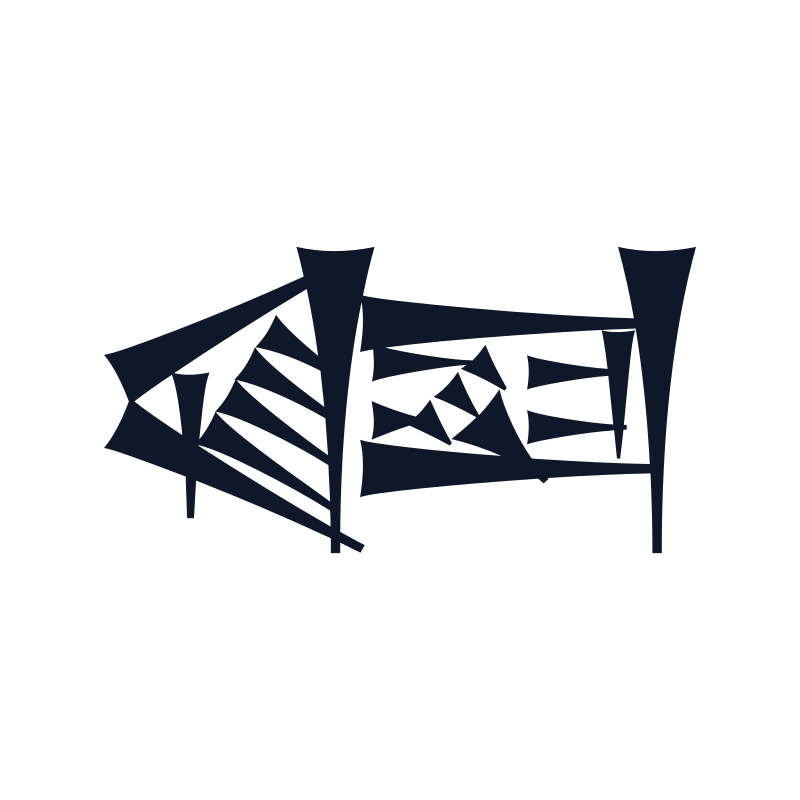 ZUR · U+1217A
𒅺
prayer, supplication
KA×NE (𒅺), read logographically as Sumerian ZUR or SUB₂ (Akkadian karābu, ikribu), combines KA ('mouth') with NE ('brazier, fire, warmth'). It represents fervent prayer, ritual blessing, and humble supplication offered before the gods.
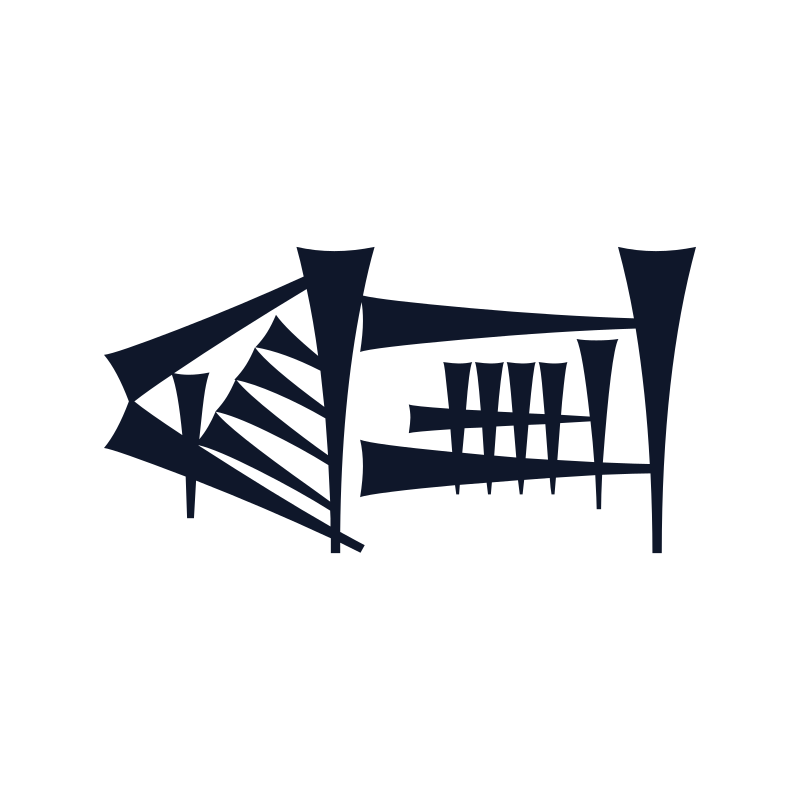 NUNDUM · U+1217B
𒅻
lip, rim, edge
NUNDUM (𒅻, structurally KA×NUN) is the Sumerian logogram for 'lip' (`nundum`, `nundun`; Akkadian `šaptu`). By metaphorical extension in literary and geographical texts, it also denotes the rim of a vessel or the bank and shoreline of a river or sea.
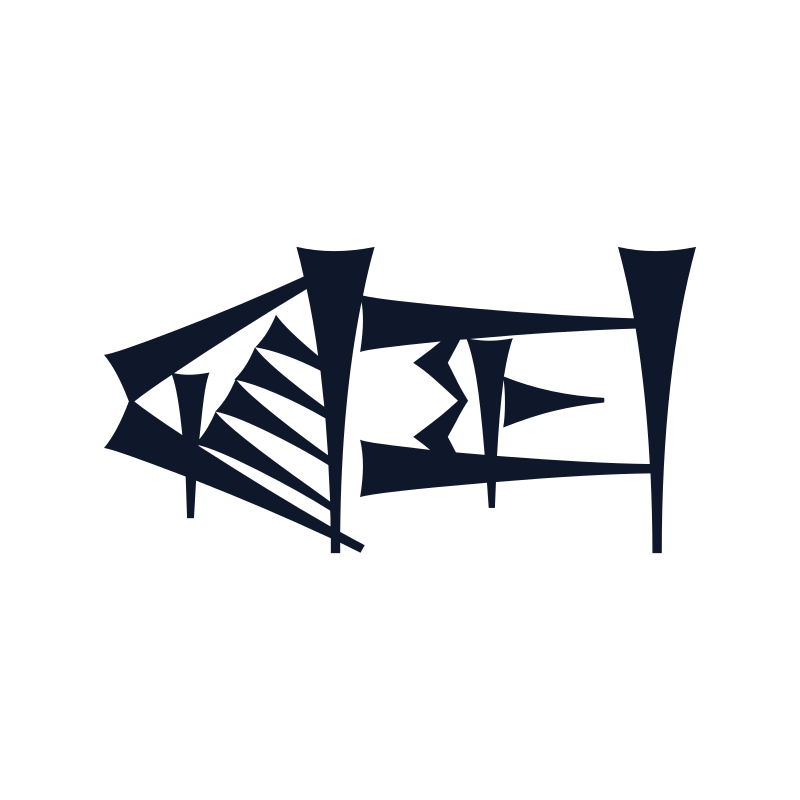 KA×PI · U+1217C
𒅼
oral counsel, attentive speech
KA×PI (𒅼) is a compound sign enclosing PI ('ear, wisdom, understanding') within KA ('mouth, speech'). Attested in Mesopotamian lexical lists, it links speaking and hearing—signifying wise oral counsel, attentive dialogue, or spoken instruction.
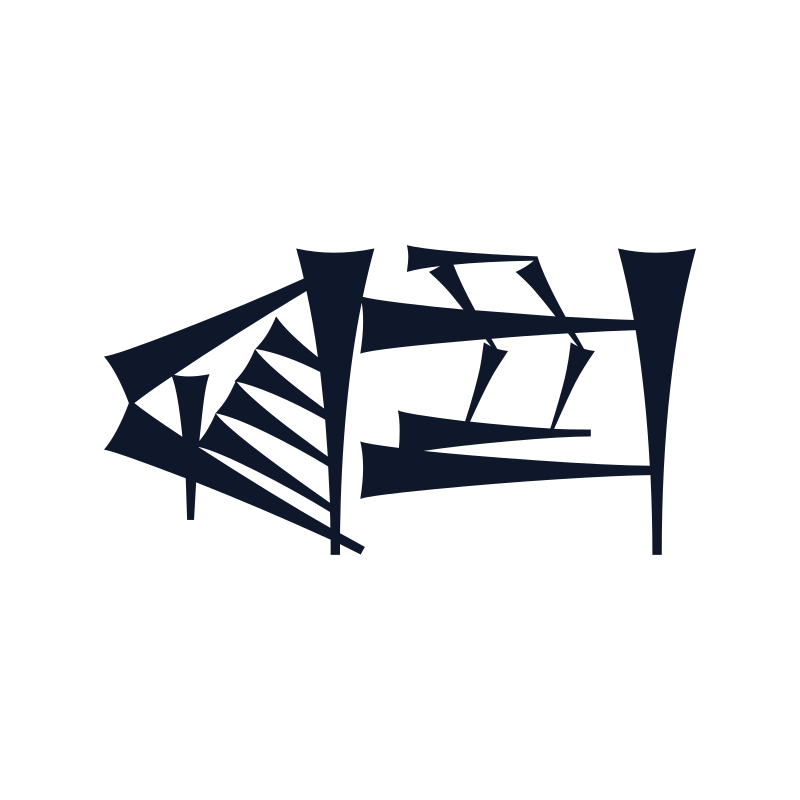 KA×RU · U+1217D
𒅽
hurl words, spit
KA×RU (𒅽) combines KA ('mouth') with an inscribed RU ('to throw, send, cast'). In lexical and magical traditions, it denotes projecting something from the mouth—such as spitting, hurling a curse, or casting a forceful oral utterance.
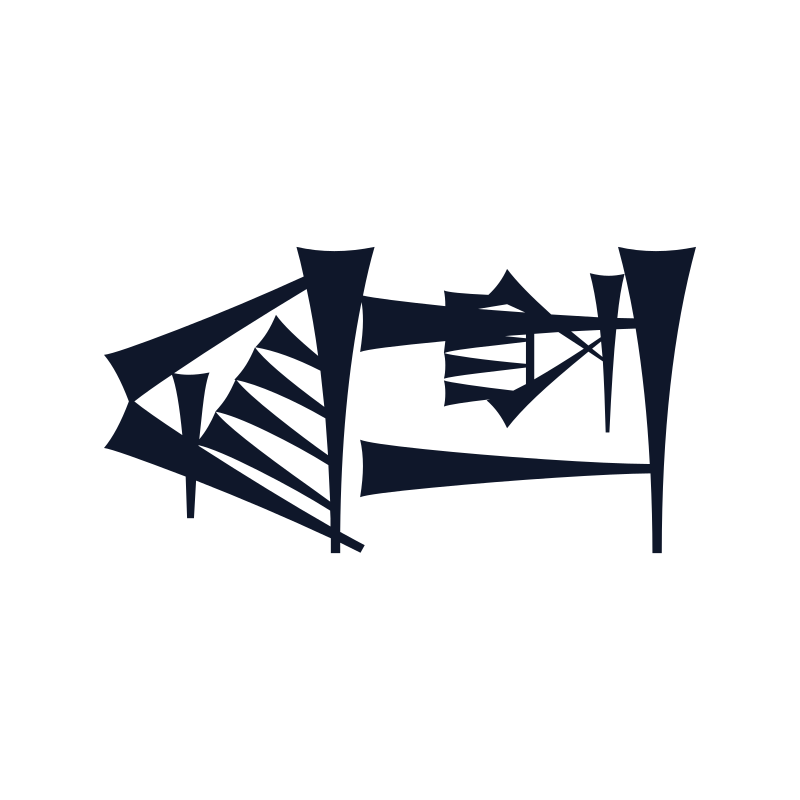 SHEG11 · U+12180
𒆀
loud cry, roar, clamor
ŠEG₁₁ (𒆀, structurally KA׊A) is a Sumerian logogram meaning 'loud cry, roar, or clamor' (Akkadian `rigmu`, `šagāmu`). Used frequently in the compound verb `šeg₁₁ gi₄` ('to roar, resound'), it describes the thunderous voice of storms, lions, warriors, and deities.
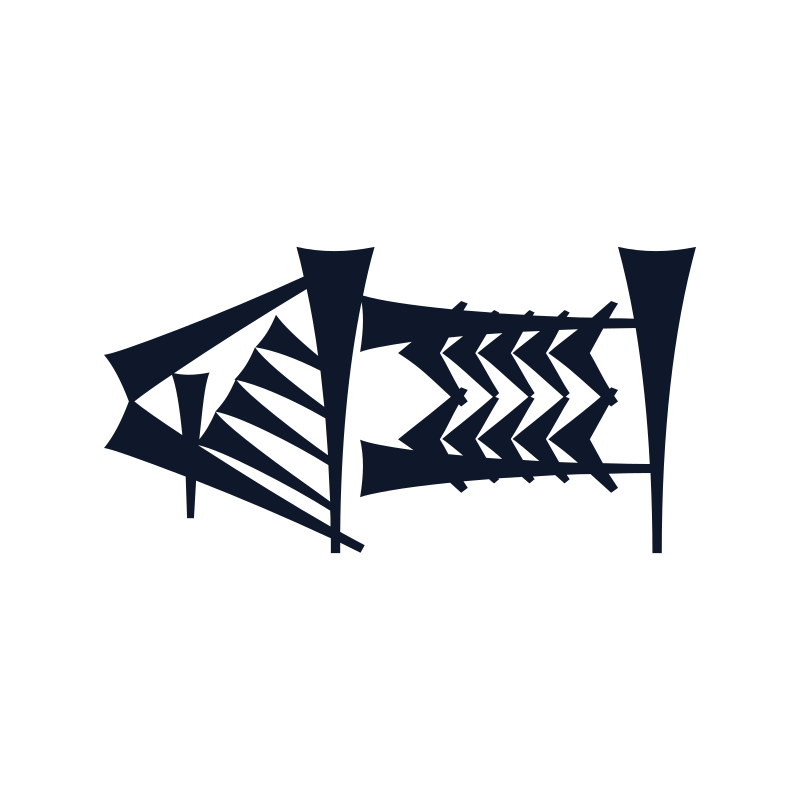 KA×SHE · U+12181
𒆁
grain in mouth, nourishment
KA׊E (𒆁) combines KA ('mouth') with an inscribed ŠE ('barley, grain'). In Mesopotamian lexical lists and early administrative traditions, it depicts grain placed in the mouth—representing eating barley, daily sustenance, or ritual grain offerings.
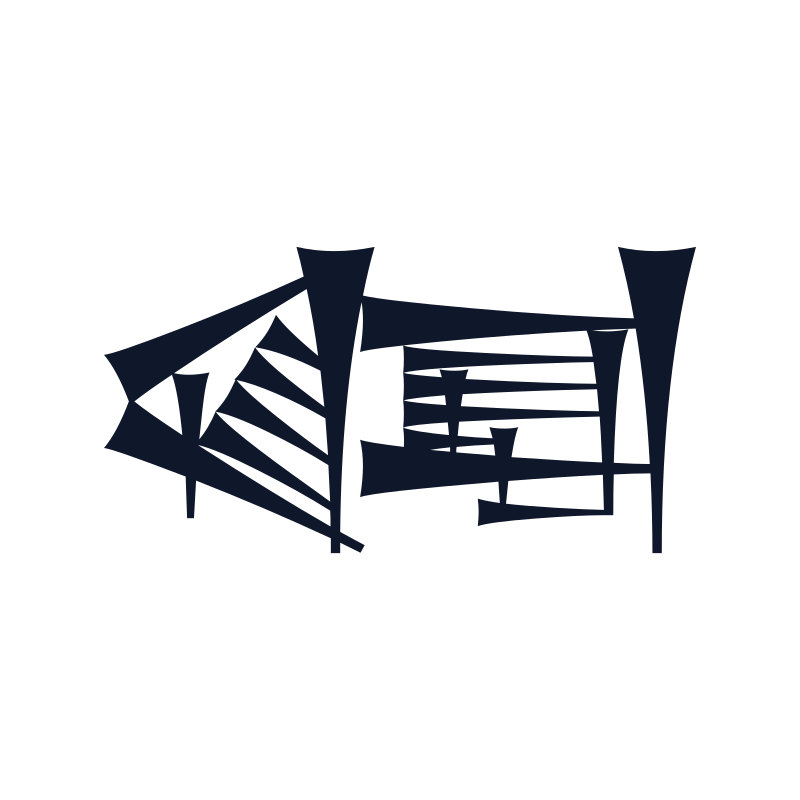 SHEG10 · U+12182
𒆂
recite aloud, bellow
ŠEG₁₀ (𒆂, structurally KA׊ID) combines KA ('mouth, voice') with ŠID ('to count, recite, reckon'). In Sumerian and Akkadian texts (`šagāmu`, `manû`), it denotes reciting a text or incantation aloud as well as emitting a resonant bellow or cry.
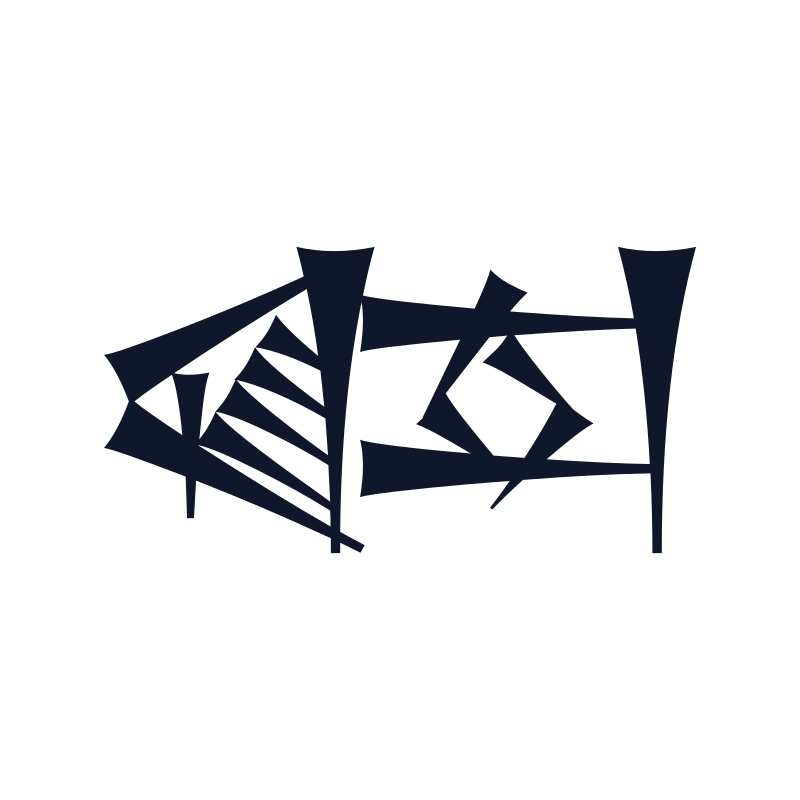 KA×SIG · U+12184
𒆄
soft voice, whisper
KA×SIG (𒆄) combines KA ('mouth, voice') with an inscribed SIG ('weak, low, narrow, fine'). In Mesopotamian lexical lists, it denotes a lowered, quiet, or gentle voice, as well as a graphic variant related to facial hair (`su₆`).
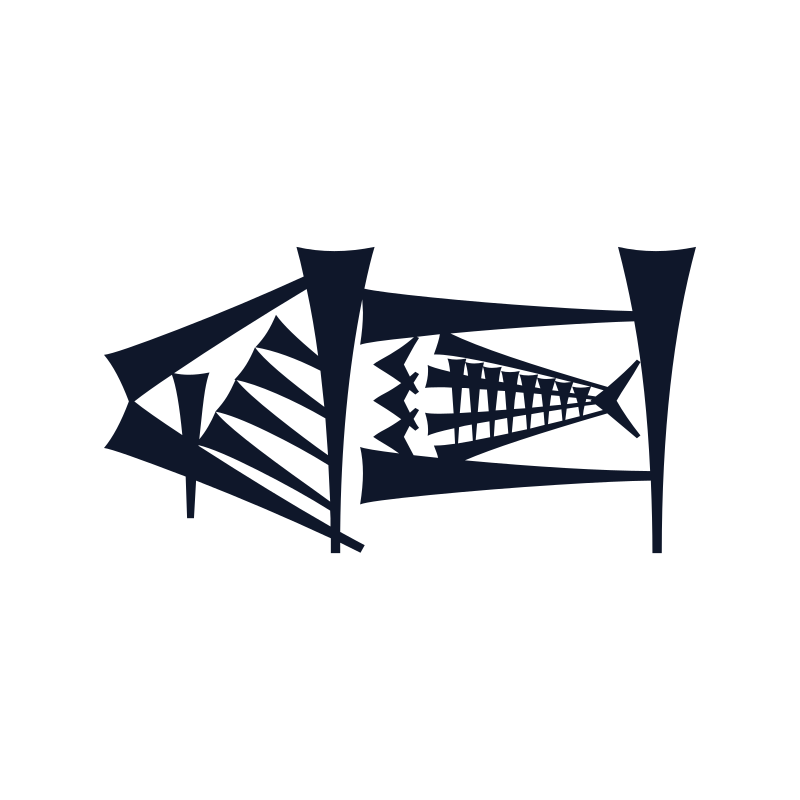 SU6 · U+12185
𒆅
beard, whiskers
SU₆ (𒆅, structurally KA×SUHUR or KA×SA) is the Sumerian logogram for 'beard' (Akkadian `ziqnu`), combining KA ('mouth, face') with SUHUR ('tuft, plume, crest'). In Sumerian hymns, deities and kings are frequently praised as possessing a 'beard of gleaming lapis lazuli' (`su₆ za-gin₃`).
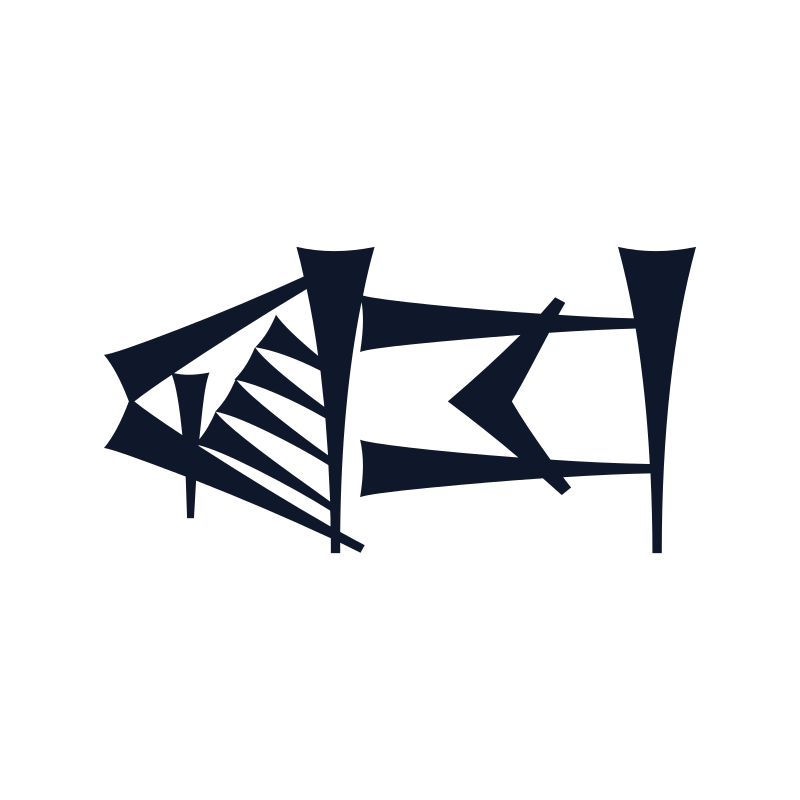 KA×U · U+12187
𒆇
mouth cavity, palate
KA×U (𒆇) encloses the depression wedge U inside KA ('mouth'). In Mesopotamian anatomical and lexical traditions, it represents the hollow cavity of the mouth, the palate, or wide-open jaws.
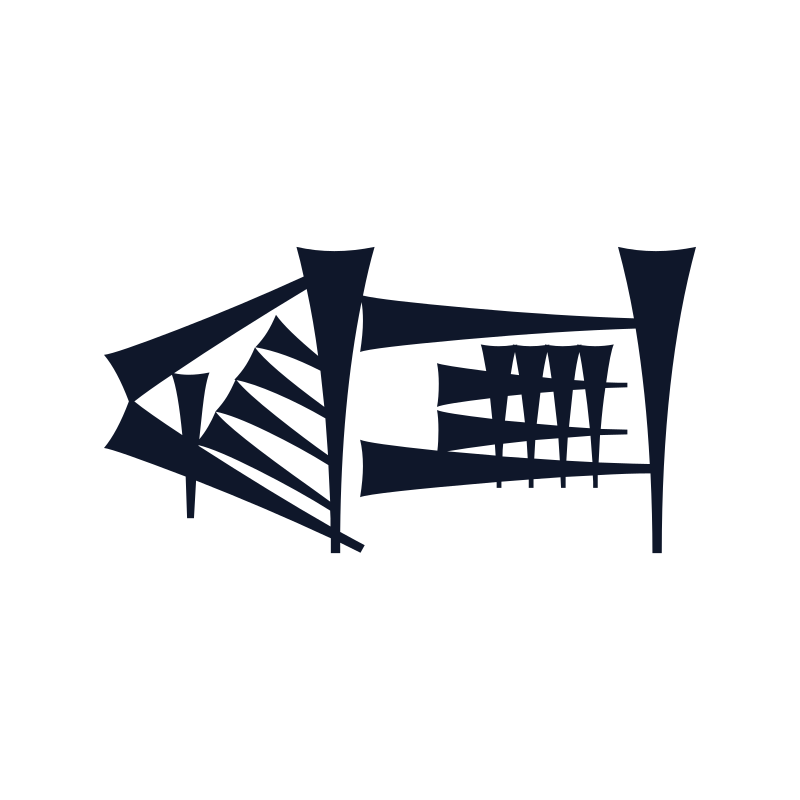 KA×U2 · U+12188
𒆈
eat plants, feed, pasture
KA×U₂ (𒆈) combines KA ('mouth') with an inscribed U₂ ('plant, herb, food, grass'). Attested in archaic and lexical cuneiform traditions alongside KA×GAR (`gu₇`), it graphically represents consuming plant food, grazing on pasture, or taking nourishment.
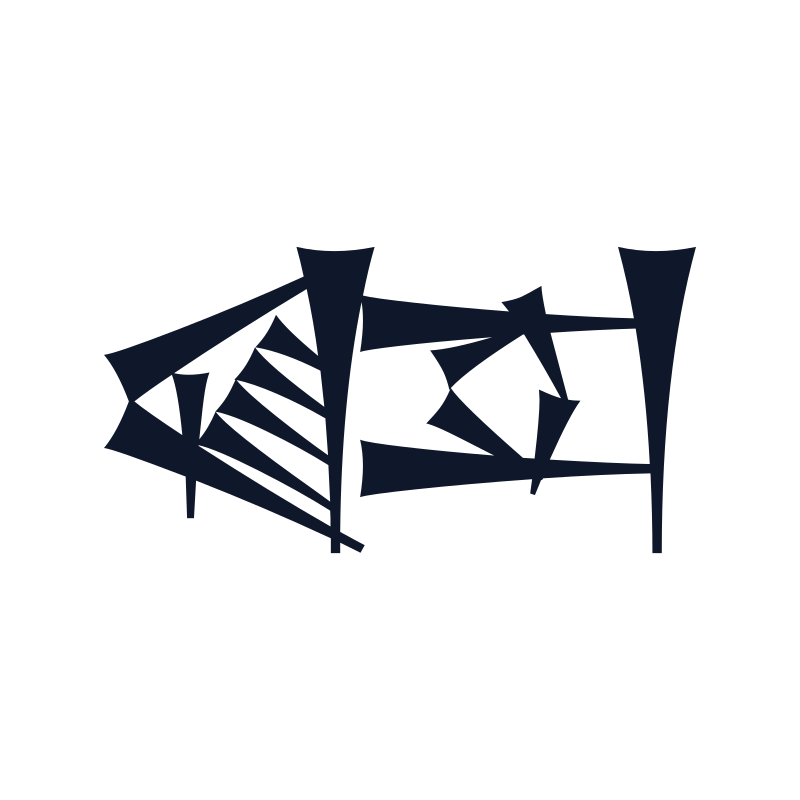 ZU2 · U+12189
𒆉
tooth, ivory, blade
ZU₂ (𒆉, structurally KA×UD, 'white/shining thing in the mouth') is the standard Sumerian logogram for 'tooth' and 'ivory' (Akkadian `šinnu`), as well as the verb `zuh` ('to steal, bite off'). By extension, it also denotes flint (`zu₂`), the teeth of a plow or comb, and the cutting edge of a weapon.
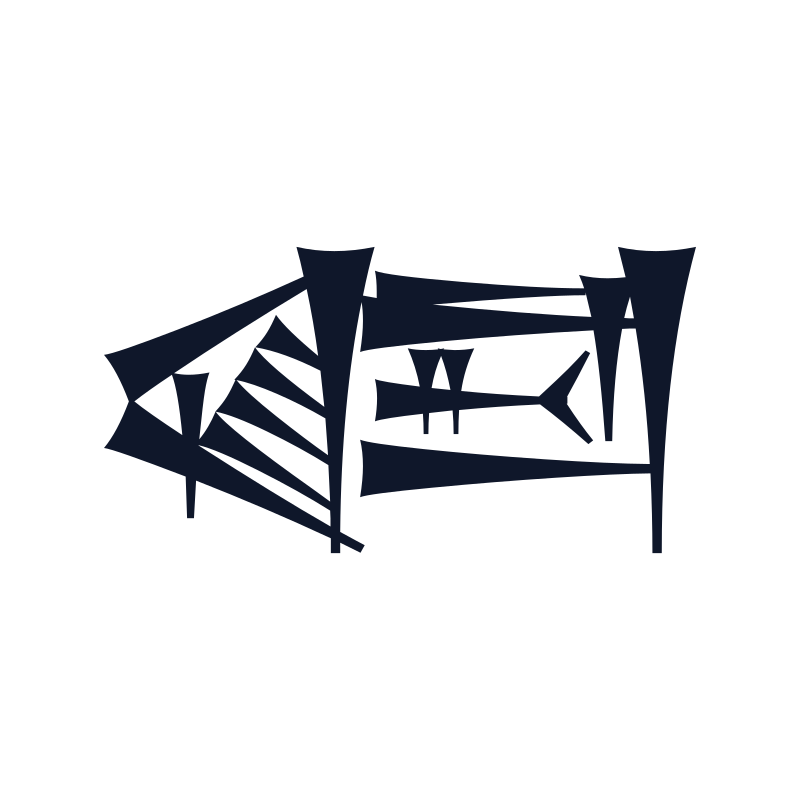 USH11 · U+1218B
𒆋
venom, poison, spittle
UŠ₁₁ (𒆋, structurally KA×UŠ or KA×BAD) is the Sumerian logogram for 'venom, poison, and spittle' (Akkadian `imtu`, `ru'tu`). In Mesopotamian mythology and incantations, it describes the deadly venom of serpents, scorpions, and cosmic monsters as well as potent magical saliva.
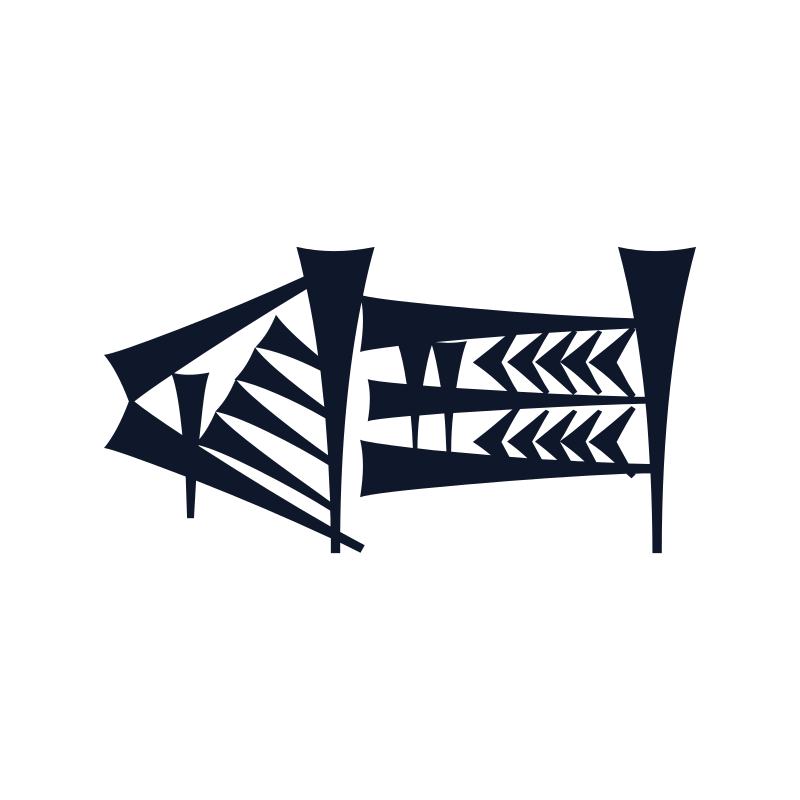 KA×ZI · U+1218C
𒆌
breath of life, throat
KA×ZI (𒆌) combines KA ('mouth, voice') with an inscribed ZI ('life, breath, throat, true'). In Mesopotamian lexical lists, it connects the mouth with vital breath and truthfulness, denoting living breath, the throat, or reliable speech.
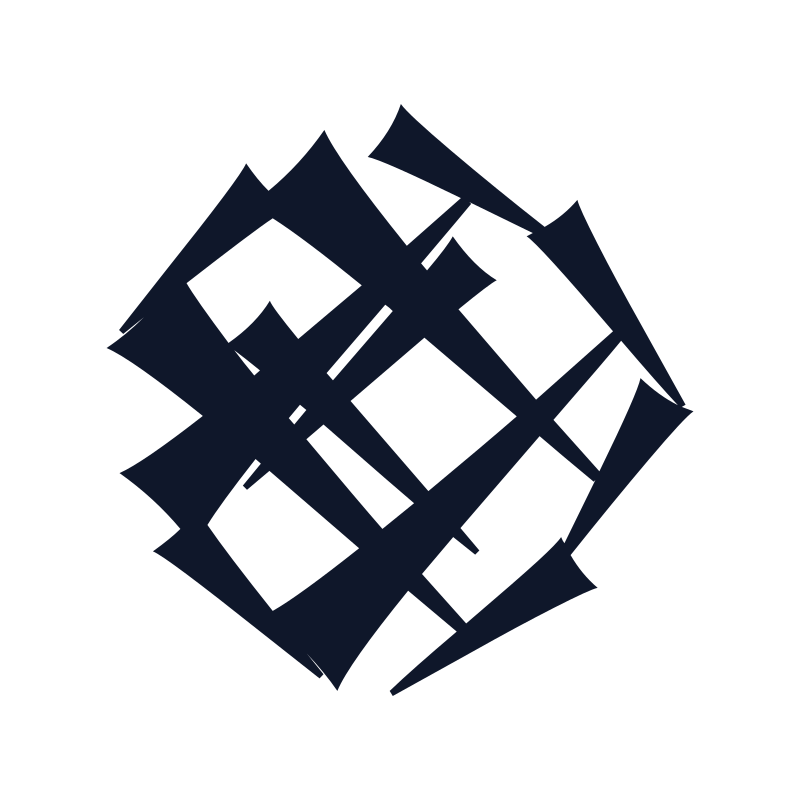 KAL×KAL · U+12199
𒆙
wrestling, heroic might
KAL CROSSING KAL (𒆙) is formed by two intersecting KAL ('strong, mighty, young man') signs. Visually depicting two strong men locked together, it signifies wrestling, a contest of physical strength (`lirum`, Akkadian `abāru`, `umzarhu`), and heroic might.
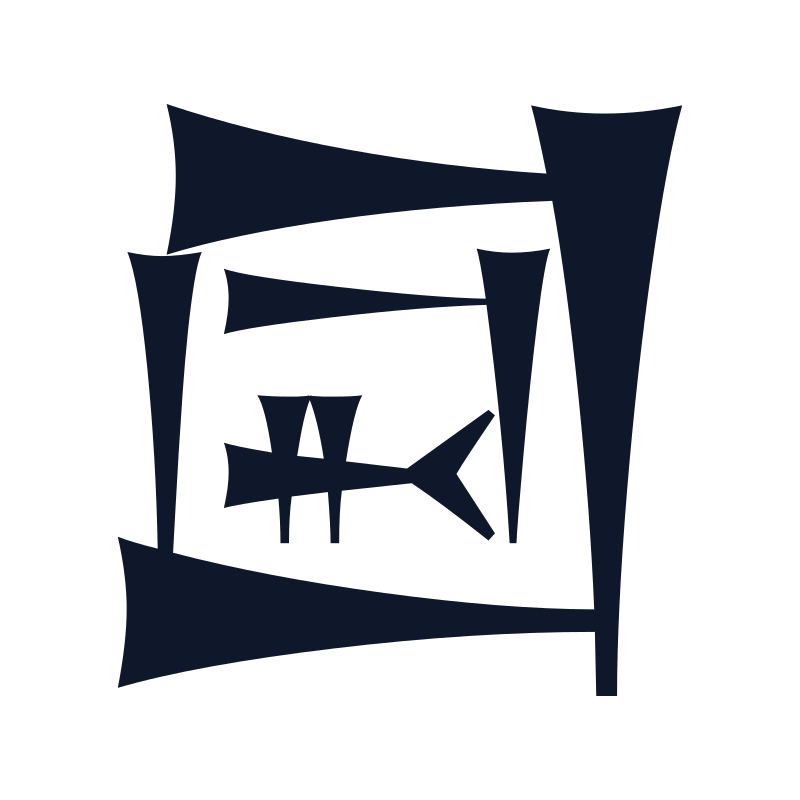 LAGAB×USH · U+121EA
𒇪
anatomical sac, bladder
LAGAB×UŠ (𒇪) combines the circular pouch sign LAGAB with an inscribed UŠ ('membrane, male organ, foundation'). In Babylonian anatomical and lexical lists, it denotes a bodily bladder, fluid sac, or enclosed foundation.
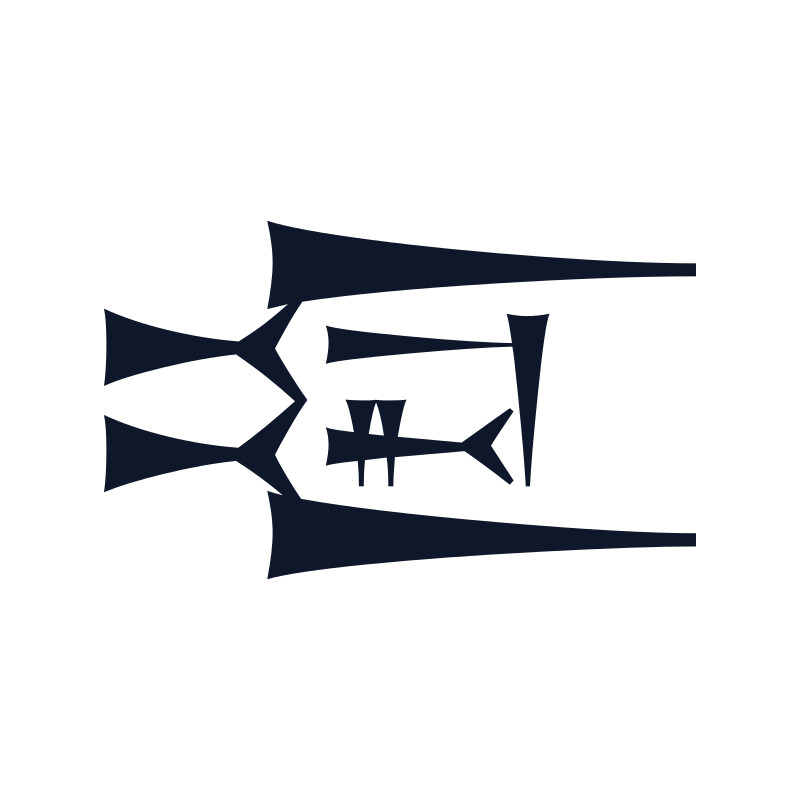 NINDA2×USH · U+1225F
𒉟
womb, maternal compassion
NINDA₂×UŠ (𒉟) combines the vessel and womb frame NINDA₂ with an inscribed UŠ ('membrane, placenta, male principle'). Related to Sumerian `arhuš` (Akkadian `rēmu`), it signifies both the anatomical womb and deep maternal compassion or mercy.
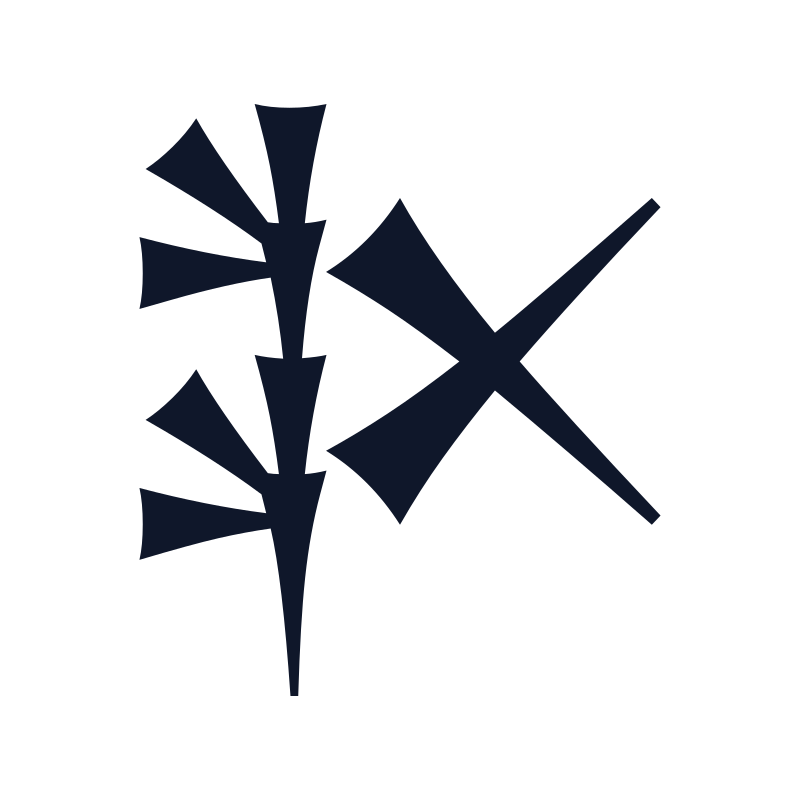 PI×PI · U+12289
𒊉
both ears, deep wisdom
PI CROSSING PI (𒊉) is formed by two intersecting PI ('ear, hearing, wisdom, understanding'; Sumerian `geštu₂`, Akkadian `uznu`) signs. The doubled, crossed composition represents both ears, mutual attentiveness, or vast, all-encompassing wisdom.
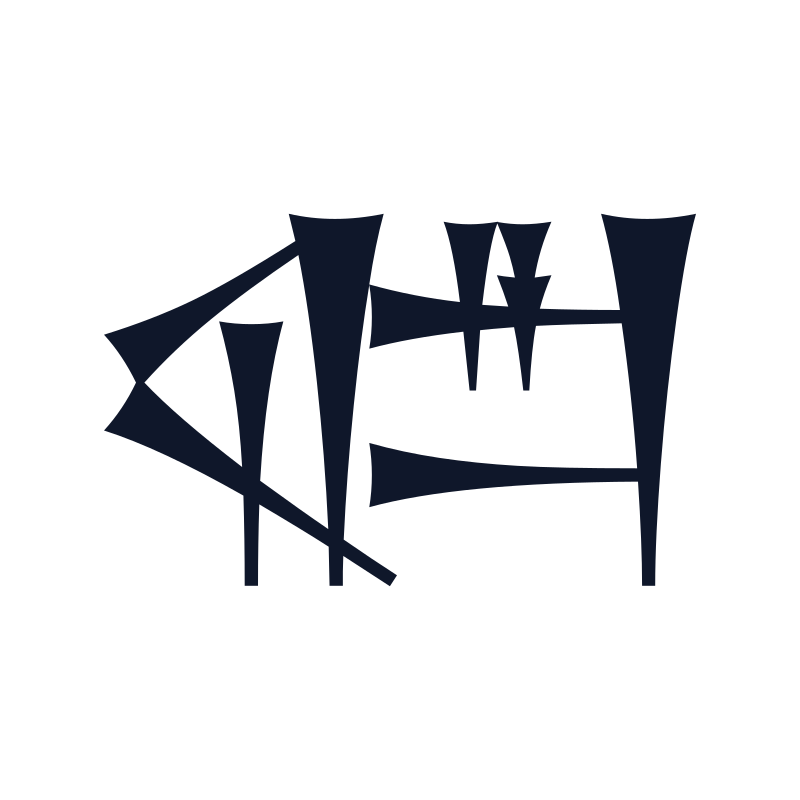 SAG×A · U+12296
𒊖
washed head, cranial fluid
SAG×A (𒊖) combines the pictographic frame SAG ('head') with an inscribed A ('water, fluid'). In Mesopotamian medical, diagnostic, and lexical texts, it refers to washing the head (`sag a-tu₅`) or fluid accumulation in the head.
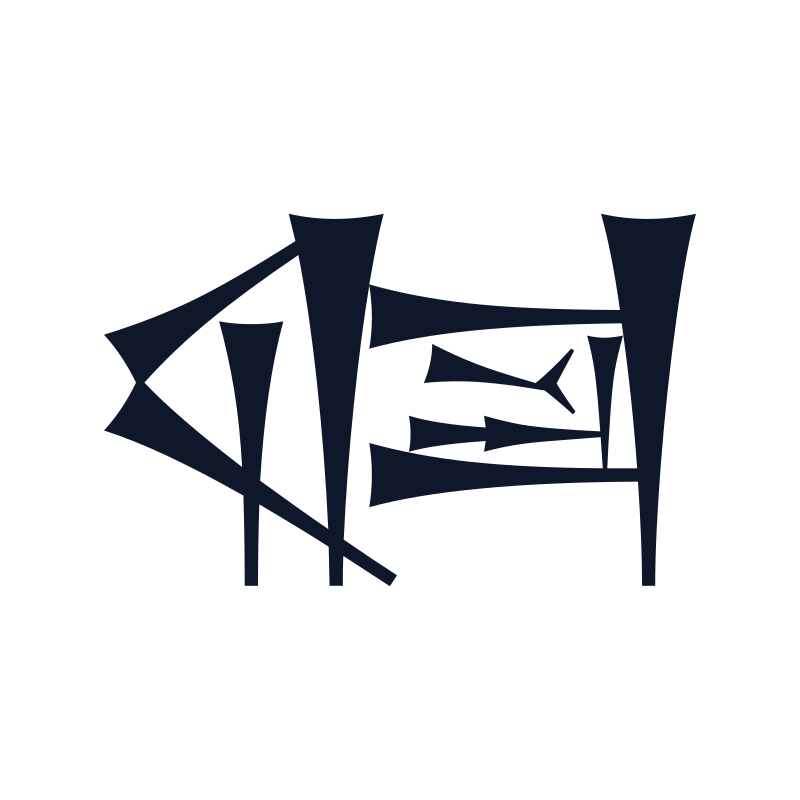 SAG×DU · U+12297
𒊗
head, cranium, self
SAG×DU (𒊗) is a compound monographic writing of Sumerian `sag-du` ('head, skull, cranium, self, capital sum'; Akkadian `qaqqadu`). Combining SAG ('head') with DU, it denotes the physical head of a human or animal as well as a geometric triangle (`sag-du`).
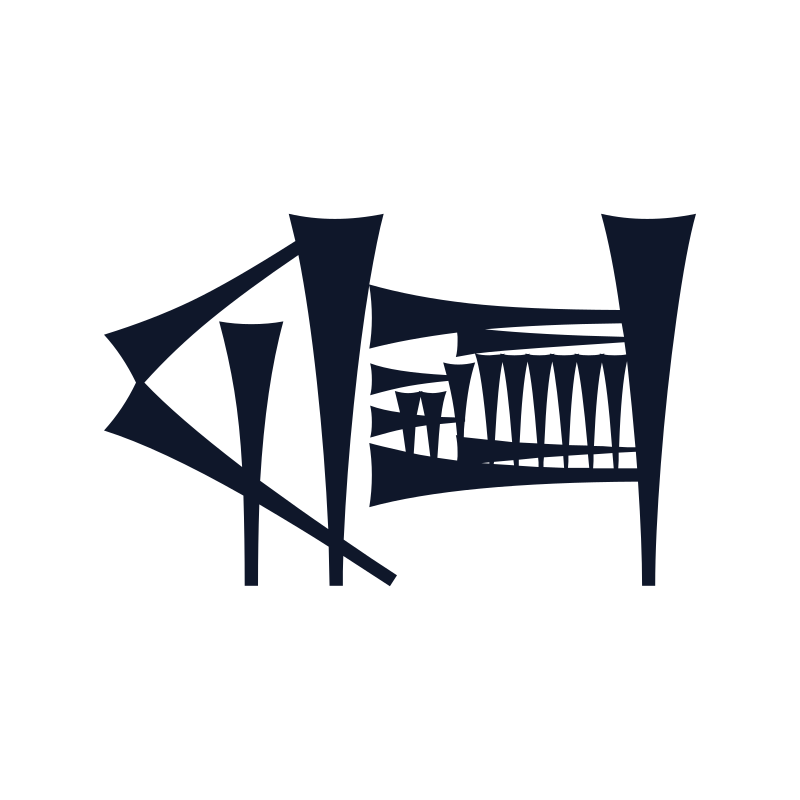 SAG×DUB · U+12298
𒊘
smashed head, skull
SAG×DUB (𒊘) combines SAG ('head, top') with an inscribed DUB ('clay tablet; to heap up, smash'). In Mesopotamian lexical lists and heroic narratives (`sag dub-dub`), it refers to striking or smashing heads in battle or to the top edge of a tablet.
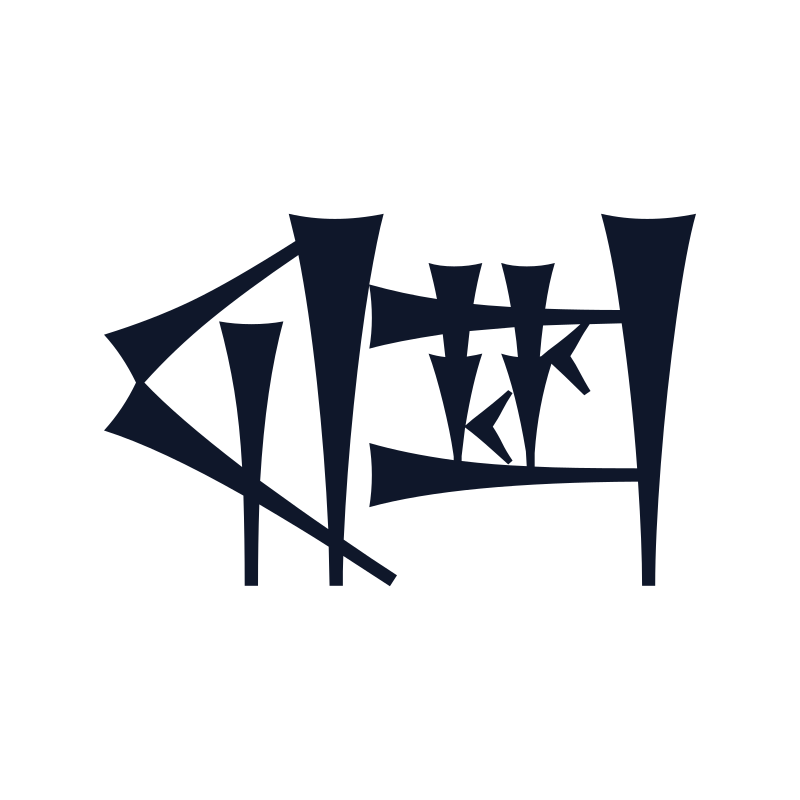 SAG×HA · U+12299
𒊙
choice portion, tribute share
SAG×HA (𒊙) encloses HA ('fish; allotment/share `ha-la`') within SAG ('head, first, prime'). In archaic and lexical traditions, it denotes a prime or first-choice share, a tithe offering, or the head of a fish.
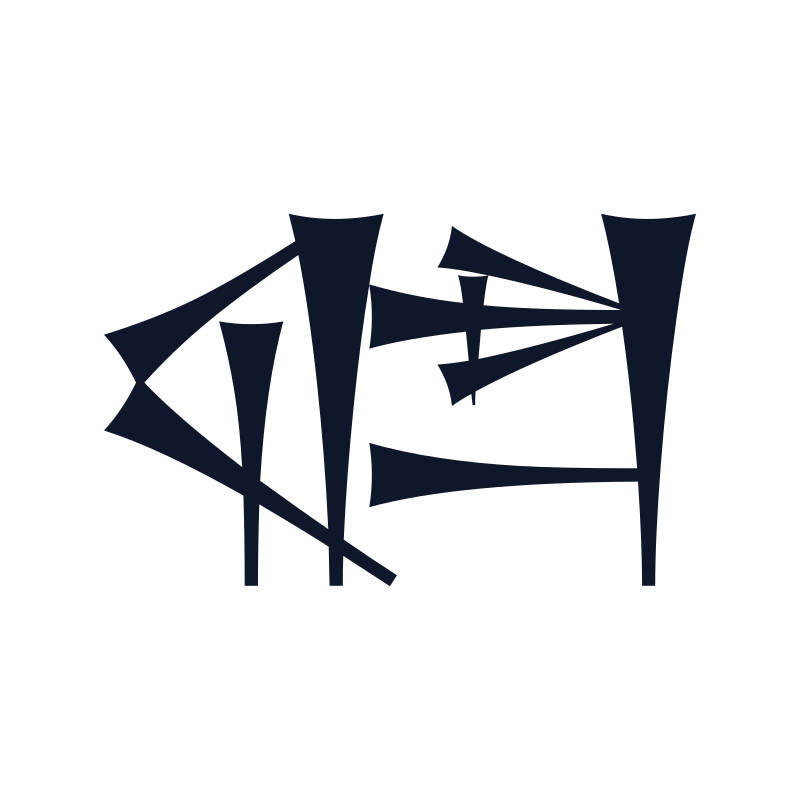 SAG×KAK · U+1229A
𒊚
spiked helmet, crown peg
SAG×KAK (𒊚) combines SAG ('head, top') with an inscribed KAK ('peg, spike, to build/make'). Recorded in Babylonian sign lists, it denotes a pointed helmet crest, a peg with a bossed head (`gag-sag`), or a cranial prominence.
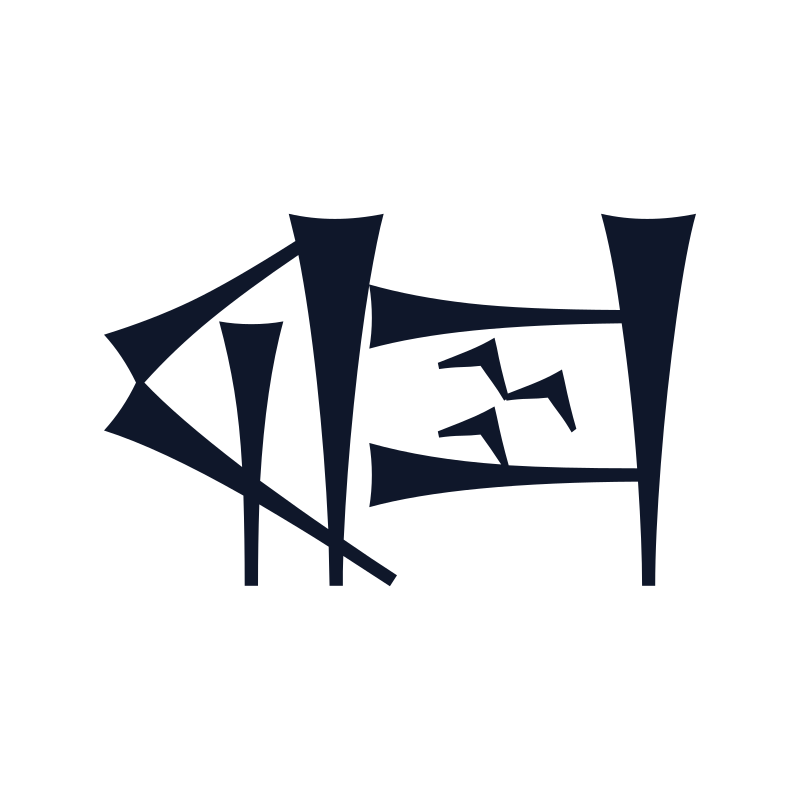 SAG×KUR · U+1229B
𒊛
mountain summit, peak
SAG×KUR (𒊛) combines SAG ('head, top, slave') with an inscribed KUR ('mountain, foreign highland'). In Mesopotamian lexical and archaic administrative traditions, it denotes a mountain peak (`sag-kur`) or a captive brought from the eastern highlands.
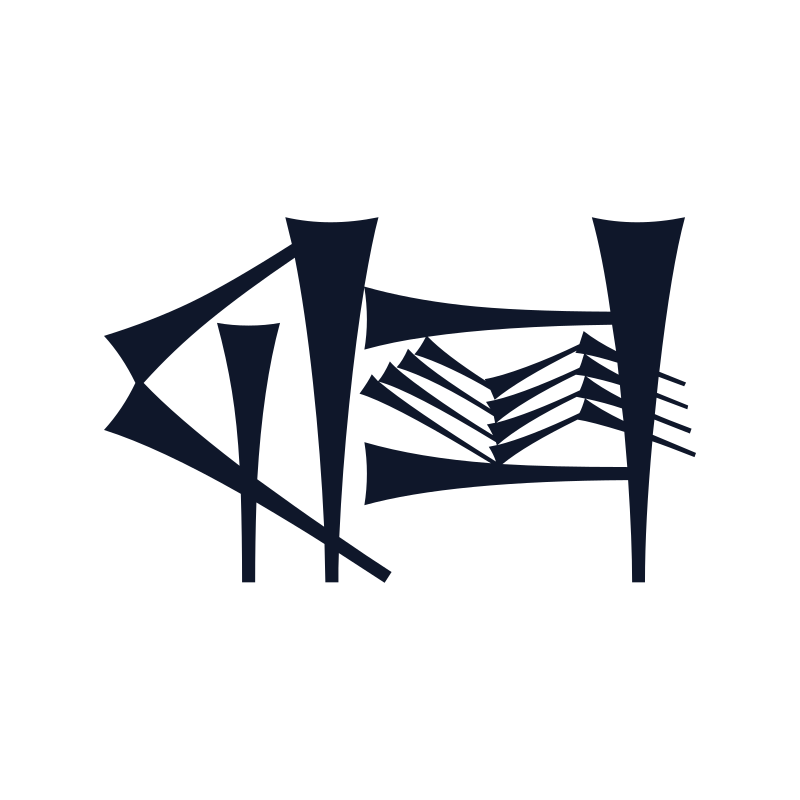 SAG×LUM · U+1229C
𒊜
thick hair, luxuriant locks
SAG×LUM (𒊜) combines SAG ('head') with an inscribed LUM ('to grow luxuriantly, be full'). In Babylonian lexical lists, it denotes a head covered with thick, flourishing hair or a richly adorned crown.
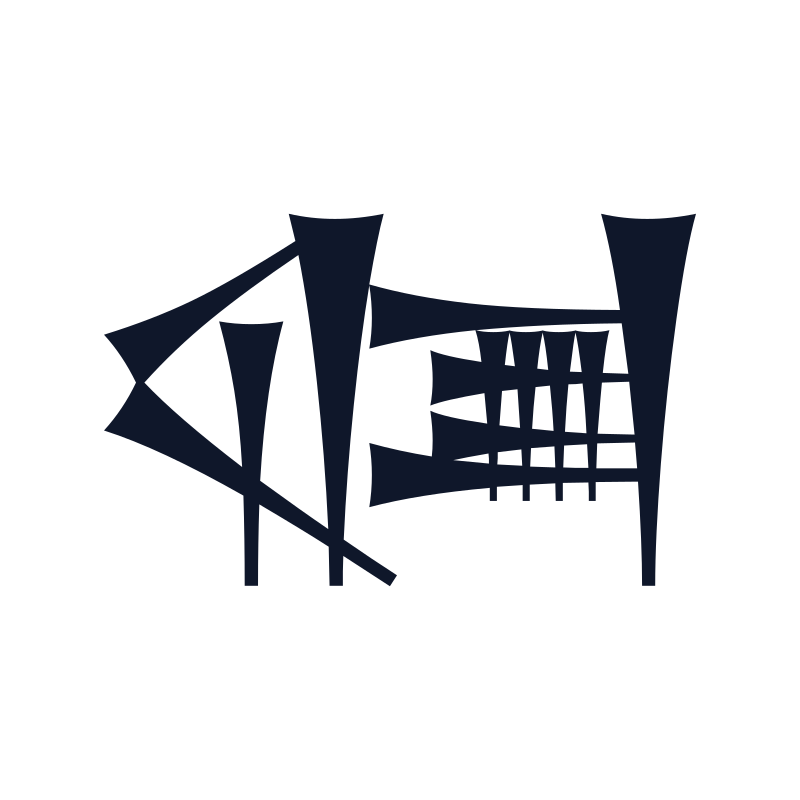 SAG×U2 · U+122A2
𒊢
foliage wreath, herbal poultice
SAG×U₂ (𒊢) combines SAG ('head') with an inscribed U₂ ('plant, herb, grass'). In Mesopotamian lexical and medical-ritual contexts, it denotes a head crowned with plant garlands or an herbal poultice bound to the head to relieve fever and headache.
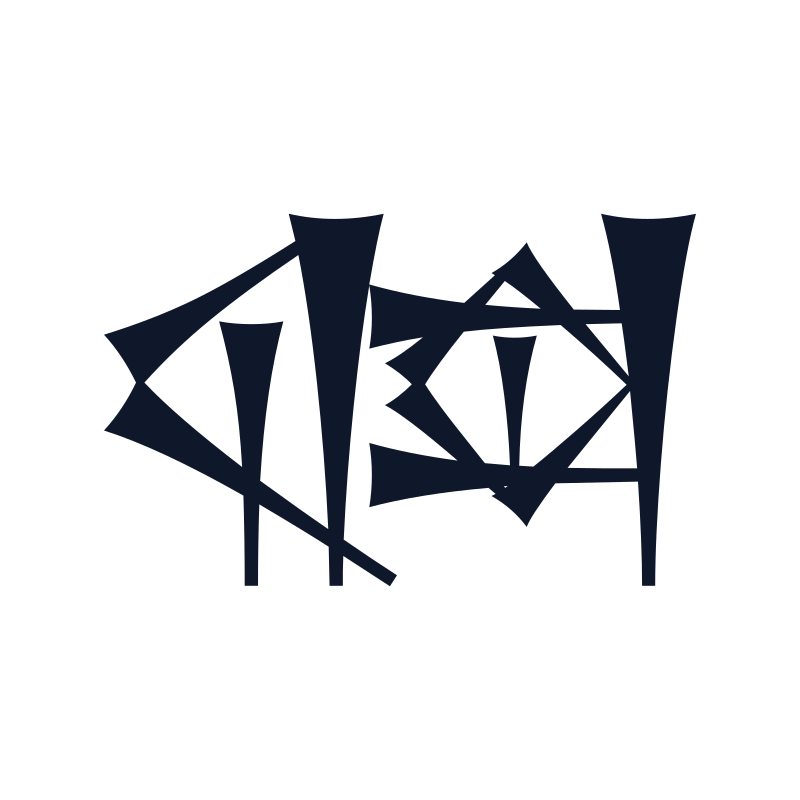 SAG×UB · U+122A3
𒊣
temple of head, cranial hollow
SAG×UB (𒊣) encloses UB ('corner, recess, cavity, region') within SAG ('head'). In Babylonian anatomical and diagnostic omen lists, it refers to the temple or lateral recess of the skull.
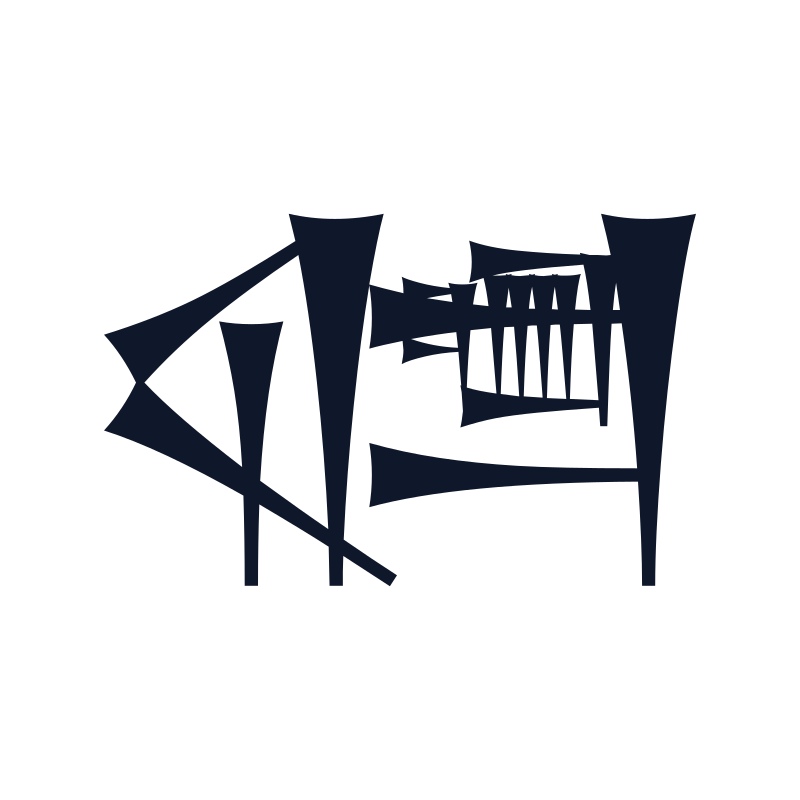 SAG×UM · U+122A4
𒊤
headband, cranial fillet
SAG×UM (𒊤) combines SAG ('head') with an inscribed UM ('reed cord, strap, membrane, tablet'). In Mesopotamian lexical compendia, it denotes a bound headband or fillet worn around the forehead, or the outer covering of the cranium.
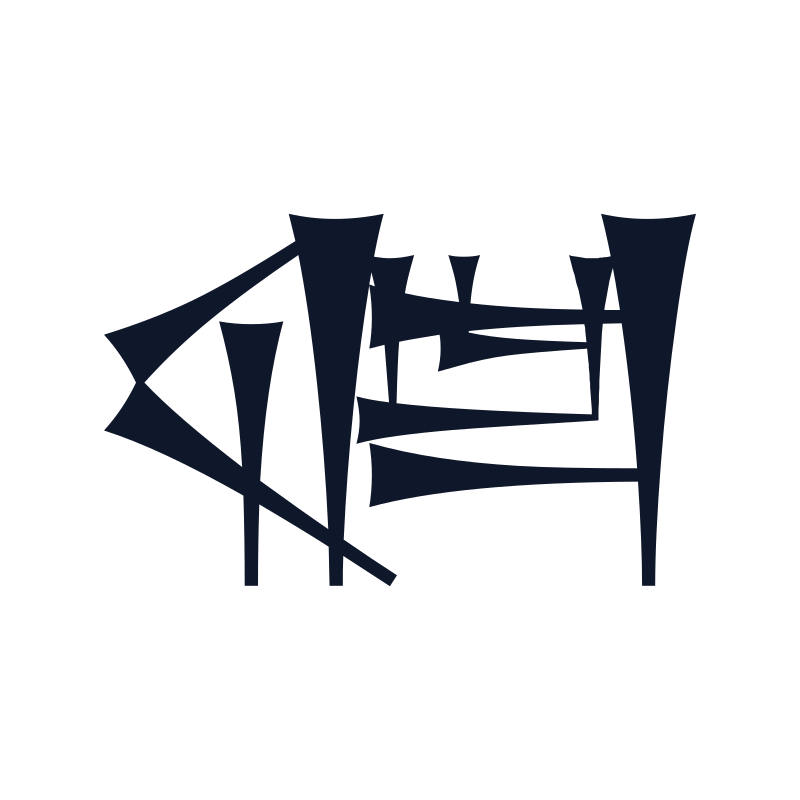 SAG×UR · U+122A5
𒊥
warrior's head, lion crest
SAG×UR (𒊥) combines SAG ('head') with an inscribed UR ('warrior, hero, lion/hound'). In Mesopotamian lexical lists, it refers to a warrior's head, a lion-headed mace or standard (`sag-ur`), or unified determination.
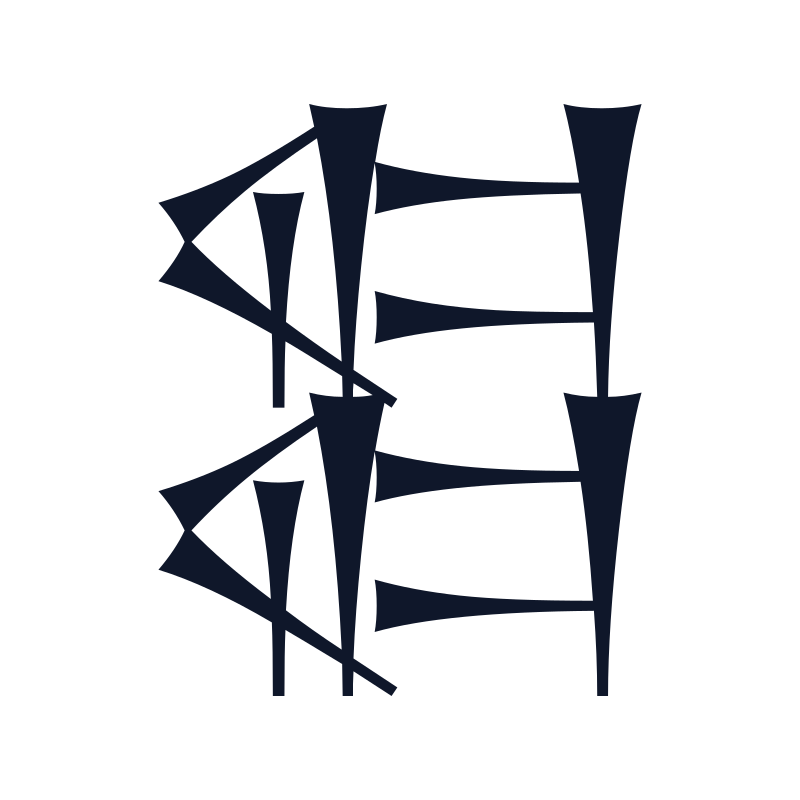 SAG/SAG · U+122A7
𒊧
foremost leaders, choicest
SAG OVER SAG (𒊧) is the vertically reduplicated form of SAG ('head, first, prime'). Expressing collective plurality and superlative degree (`sag-sag`), it denotes 'all heads', 'foremost chiefs', or 'the very finest, top-grade quality'.
 PESH4 · U+122AF
𒊯
pregnancy, conception, womb
PEŠ₄ (𒊯, structurally ŠA₃×A, 'womb/belly + water/seed') is the classic Sumerian logogram meaning 'to be pregnant, to conceive' (Akkadian `erû`). Its transparent graphic structure depicts vital fluid and seed (`a`) inside the mother's womb (`ša₃`).
 SHA3×BAD · U+122B0
𒊰
opened entrails, afflicted heart
ŠA₃×BAD (𒊰) combines ŠA₃ ('heart, belly, entrails') with an inscribed BAD ('to open; dead, afflicted'). In Babylonian lexical and divinatory traditions, it refers to opened viscera inspected in extispicy or a sorely afflicted heart.
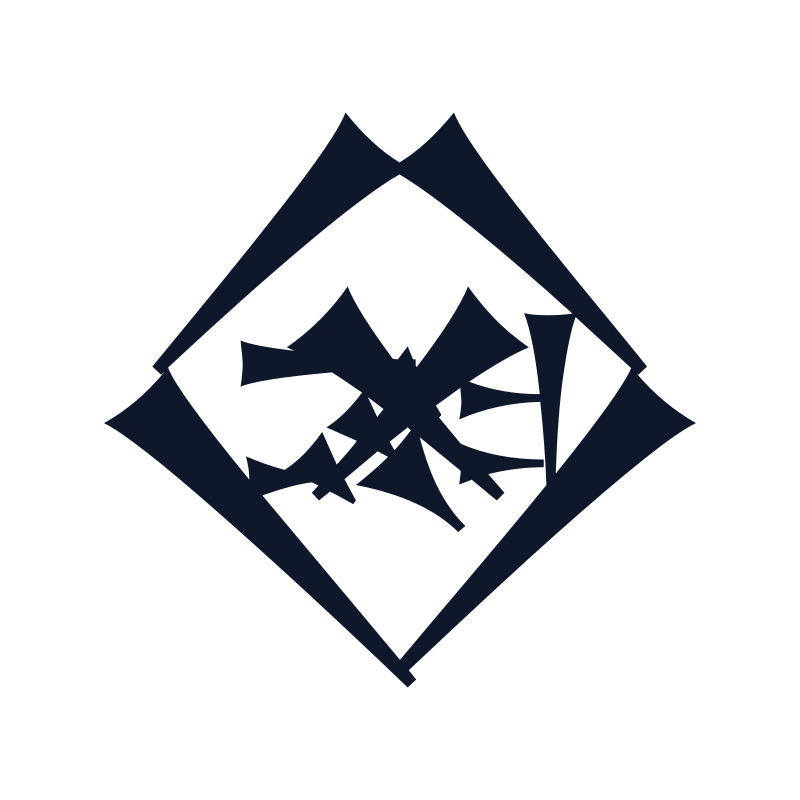 SHA3×NE · U+122B2
𒊲
burning heart, inner fever
ŠA₃×NE (𒊲) encloses NE ('fire, glowing embers, heat') within ŠA₃ ('heart, stomach, interior'). In Mesopotamian medical and literary texts, it vividly portrays internal fever and stomach inflammation (`ṣēret libbi`, `himṭu`) as well as fiery emotional wrath.
 SHA3×SHU2 · U+122B3
𒊳
darkened heart, heavy grief
ŠA₃׊U₂ (𒊳) combines ŠA₃ ('heart, mind') with an inscribed ŠU₂ ('to cover, darken, overwhelm'). In Babylonian lexical lists, it signifies a heart weighed down by gloom and grief, or a veiled, inscrutable intention.
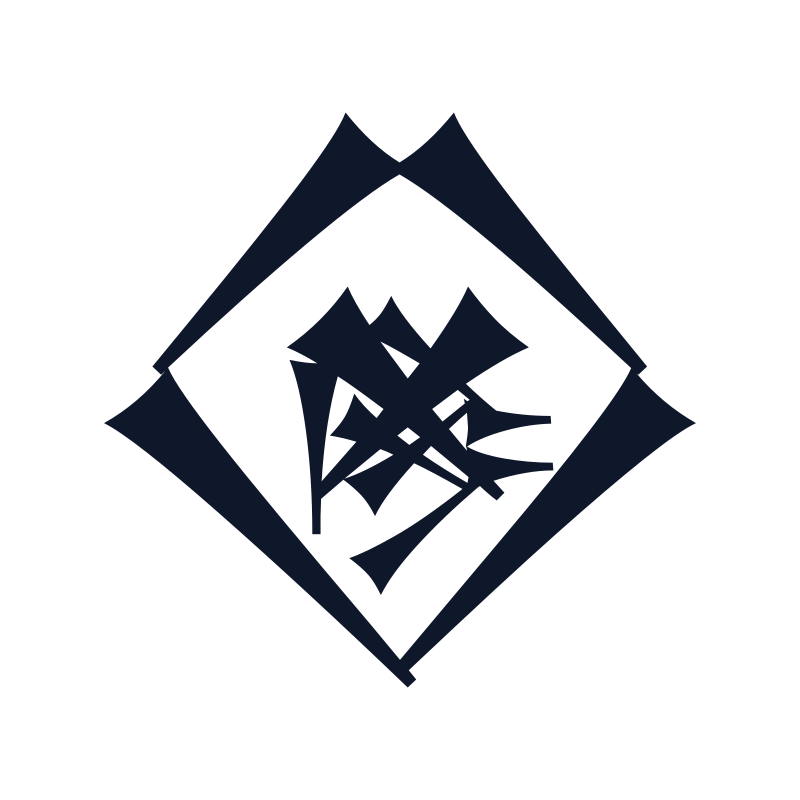 SHATUR · U+122B4
𒊴
womb, uterus, mother
ŠA₃×TUR (𒊴, Sumerian `ša₃-tur₃`, Akkadian `šassūru`, `rēmu`) is a classic compound logogram meaning 'womb, uterus', graphically formed by placing TUR ('small child, infant') inside ŠA₃ ('belly, interior'). It is also a sacred title of the Mesopotamian birth goddesses Ninhursag and Belet-ili (`ᵈŠassūru`).
 SHA3×U · U+122B5
𒊵
heart chamber, stomach cavity
ŠA₃×U (𒊵) encloses the depression wedge U inside ŠA₃ ('heart, belly, interior'). In Mesopotamian anatomical and lexical traditions, it denotes the hollow cavity of the stomach, a chamber of the heart, or a deep internal recess.
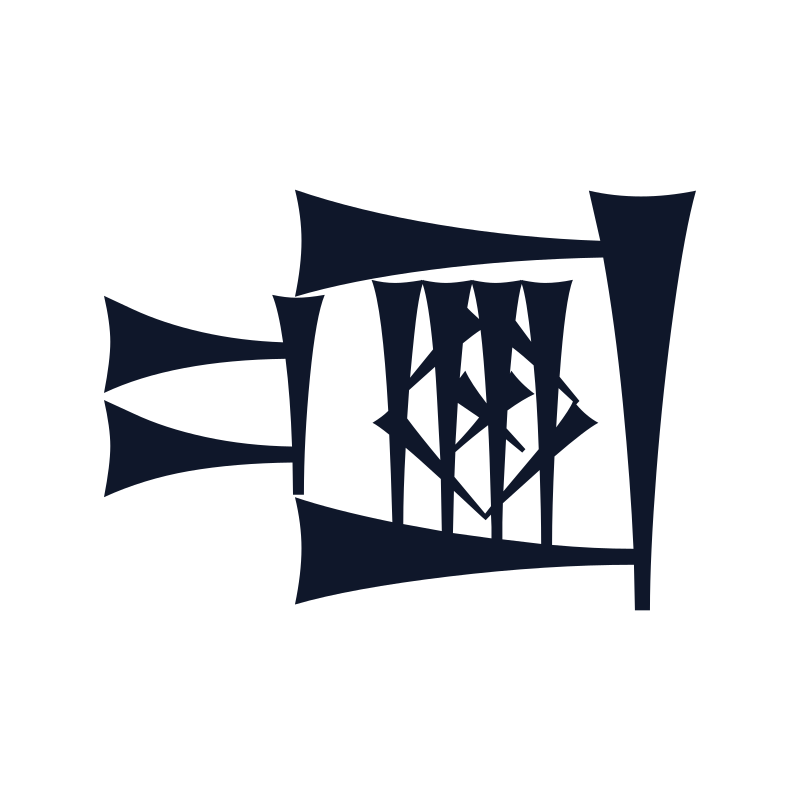 UM×SHA3 · U+12320
𒌠
inner membrane, pericardium
UM׊A₃ (𒌠) combines UM ('membrane, covering, tablet') with an inscribed ŠA₃ ('heart, interior'). In Mesopotamian anatomical and lexical lists, it refers to the membrane enclosing the heart or viscera, or the inner clay core of an enveloped tablet.
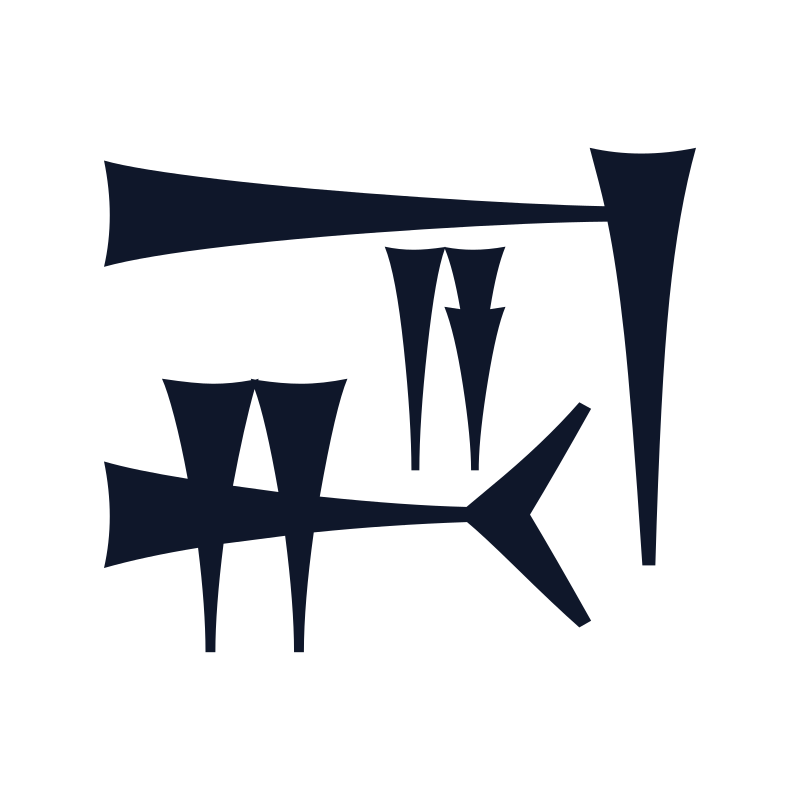 KASH3 · U+12352
𒍒
urine, urinary fluid
KAŠ₃ (𒍒, structurally UŠ×A, 'male organ/tract + water') is the standard Sumerian logogram for 'urine' (Akkadian `šinātu`). It is widely attested in Babylonian medical diagnostic tablets (`Sakikkû`) and renal stone treatments.
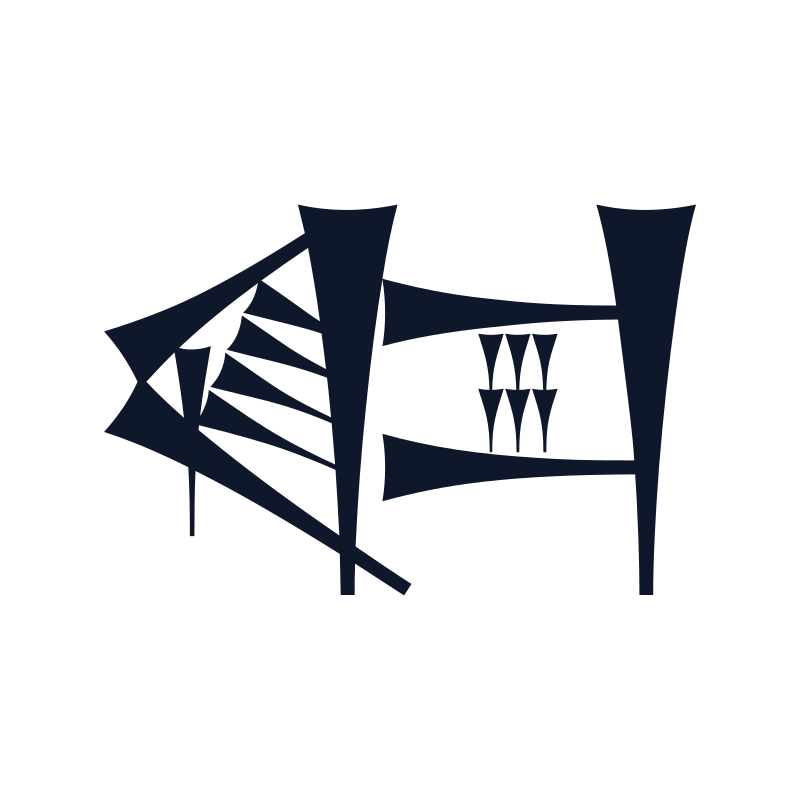 KA×ASH3 · U+1237F
𒍿
spoken curse, malediction
KA×AŠ₃ (𒍿) combines KA ('mouth, speech') with AŠ₃ / AŠ₂ ('curse, malediction'; Akkadian `arratu`, `iziru`). In Mesopotamian legal, monumental, and lexical traditions, it denotes uttering a solemn curse (`aš₂ bal`) against treaty-breakers or monument defacers.
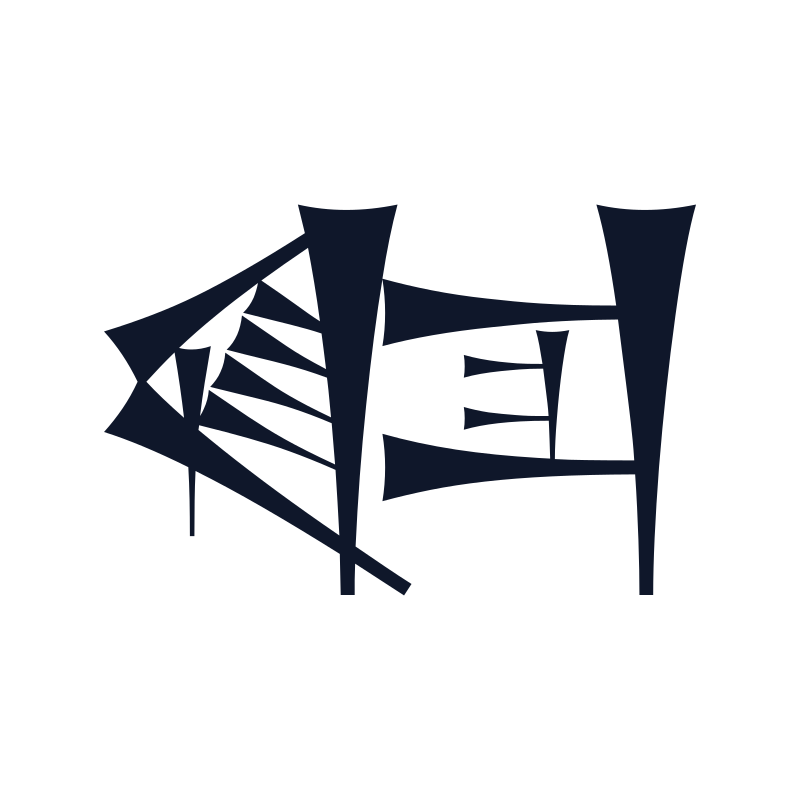 KA×GISH · U+12380
𒎀
wooden bit, bridle gag
KA×GIŠ (𒎀) combines KA ('mouth') with an inscribed GIŠ ('wood, wooden implement'). In Mesopotamian lexical lists and legal practices (such as driving a wooden peg into the mouth of a perjurer in Early Dynastic/Ur III law), it denotes a wooden bit, gag, or peg in the mouth.
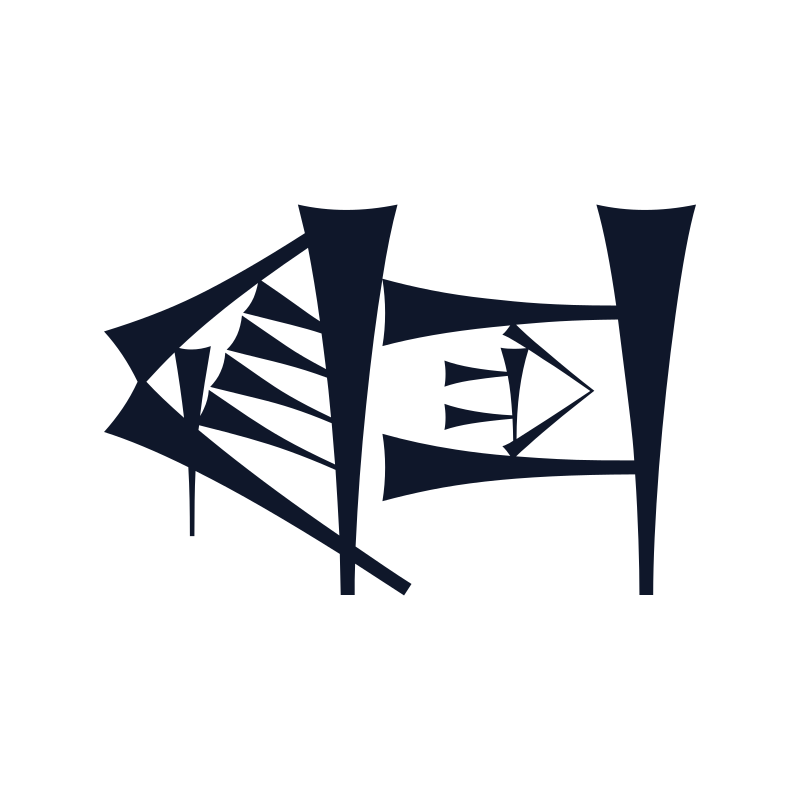 KA×GUD · U+12381
𒎁
bull's bellow, roaring voice
KA×GUD (𒎁) combines KA ('mouth, voice') with an inscribed GUD ('bull, ox'). In Sumerian hymns and Babylonian lexical lists, it represents the deep, thunderous bellowing of a wild bull (`gu₄-gim gù-dé`), a favorite metaphor for the voices of storm gods such as Iškur/Adad and Enlil.
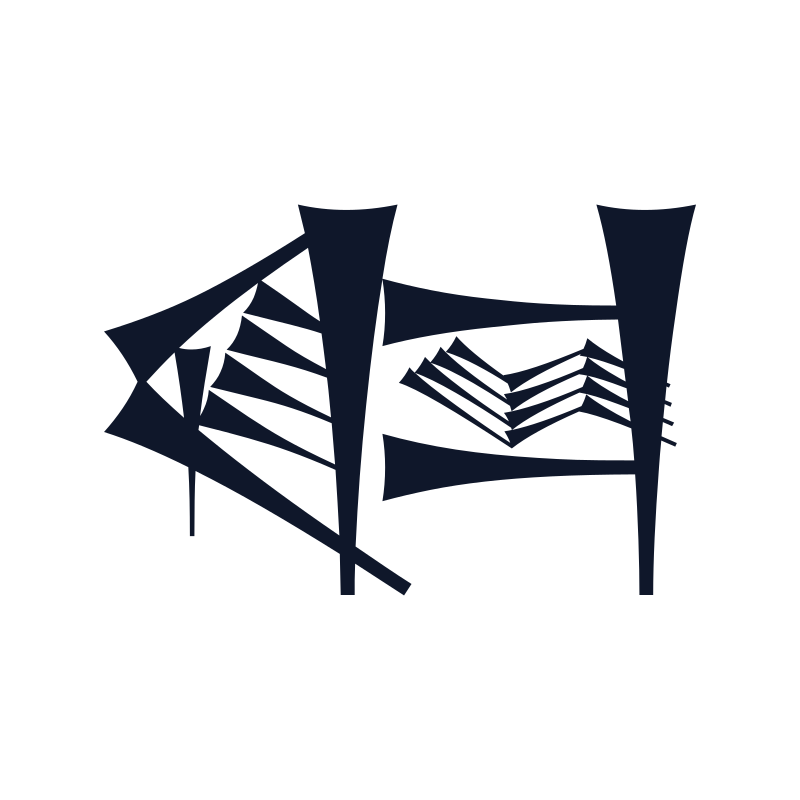 KA×LUM · U+12383
𒎃
abundant speech, full mouth
KA×LUM (𒎃) combines KA ('mouth, speech') with an inscribed LUM ('to be full, luxuriant, abundant'). In Babylonian lexical lists, it denotes a mouth full of food or rich, overflowing eloquence.
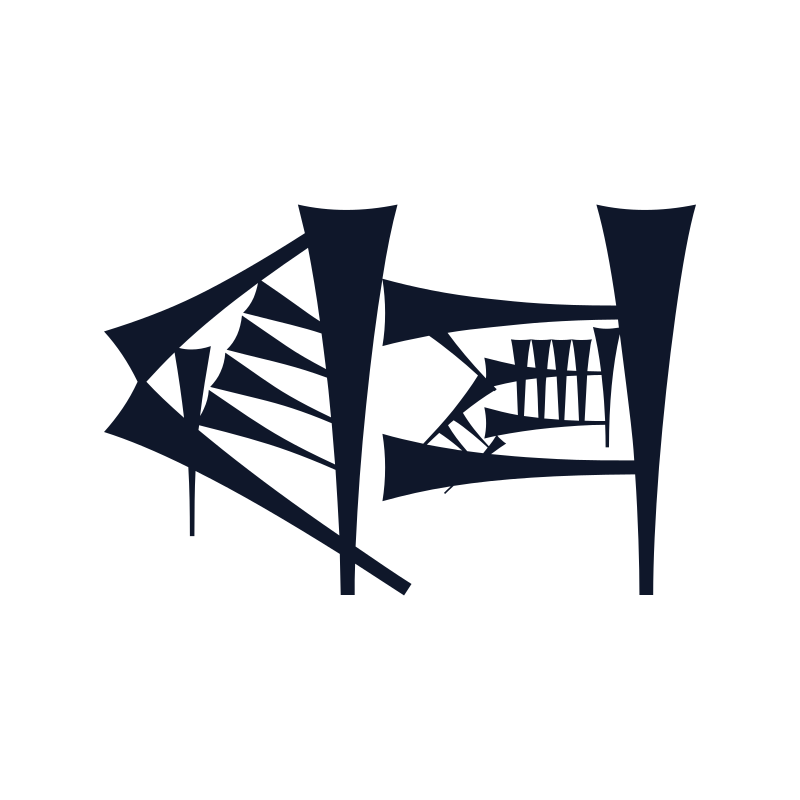 KA×SHUL · U+12385
𒎅
warrior's cry, youthful beard
KA׊UL (𒎅) combines KA ('mouth, face, voice') with ŠUL ('young man, noble warrior, hero'; Akkadian `eṭlu`). In Mesopotamian lexical and hymnic contexts, it denotes the vigorous battle cry of a young warrior or the full beard (`su₆`) of a man in his prime.
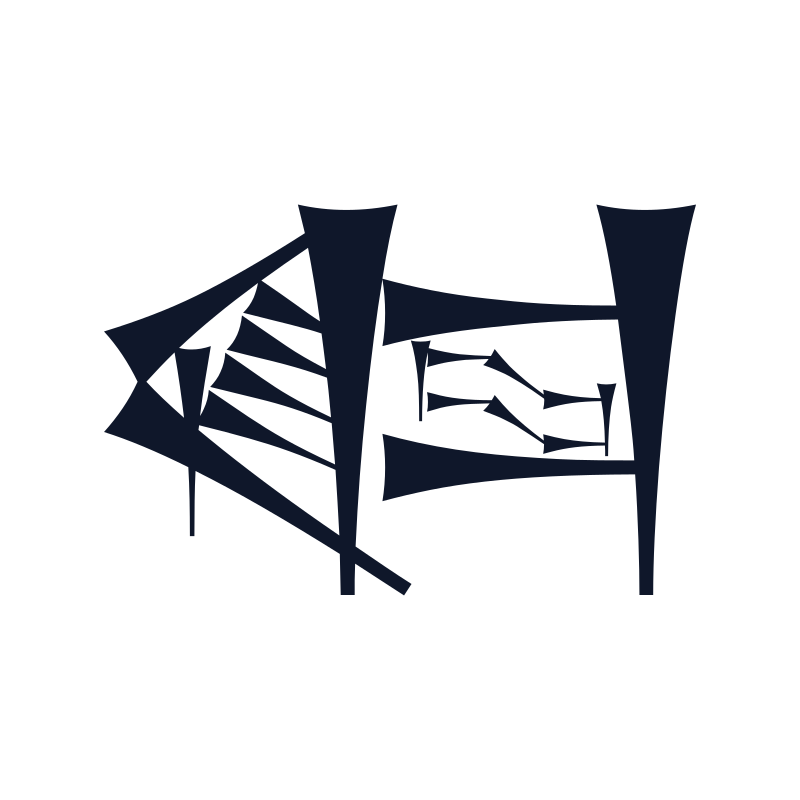 KA×UR2 · U+12387
𒎇
tongue root, throat base
KA×UR₂ (𒎇) combines KA ('mouth, speech') with an inscribed UR₂ ('root, base, trunk'; Akkadian `išdu`). In Babylonian anatomical and lexical lists, it denotes the root of the tongue or the base of the throat and palate.
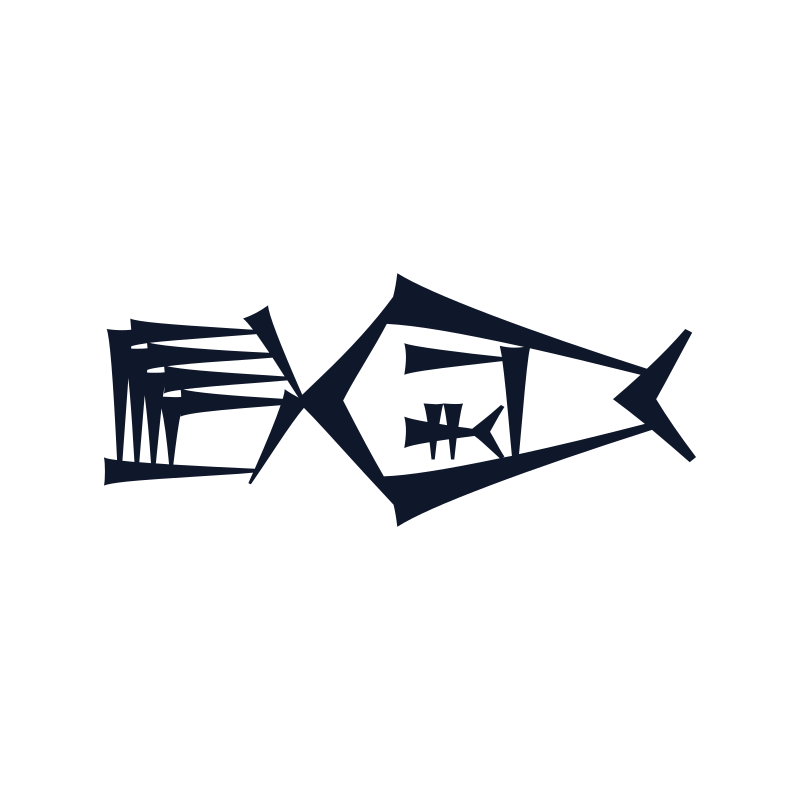
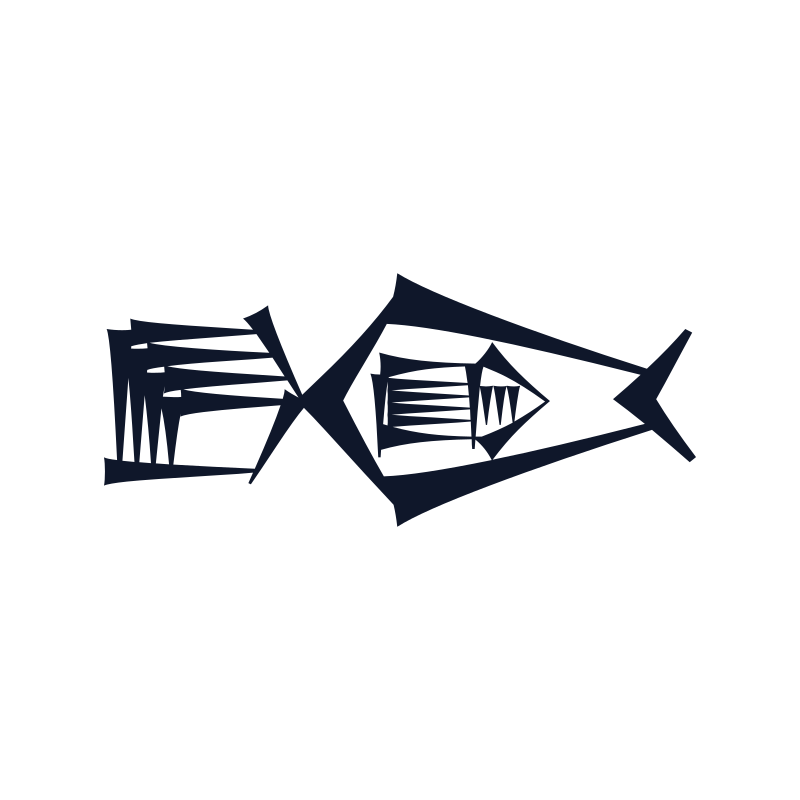 UBUR · U+1205B
𒁛
breast, udder, bosom
DAG KISIM₅×GA (𒁛), read logographically as UBUR or AGAN, combines the enclosure frame DAG.KISIM₅ (𒁙) with GA (𒂵, milk). It means 'breast', 'teat', or 'udder' (Akkadian tulû and ṣirtu), frequently appearing in royal hymns where goddesses nourish Mesopotamian kings with divine milk. It is a transparent semantic compound linking the anatomical organ directly to milk production.
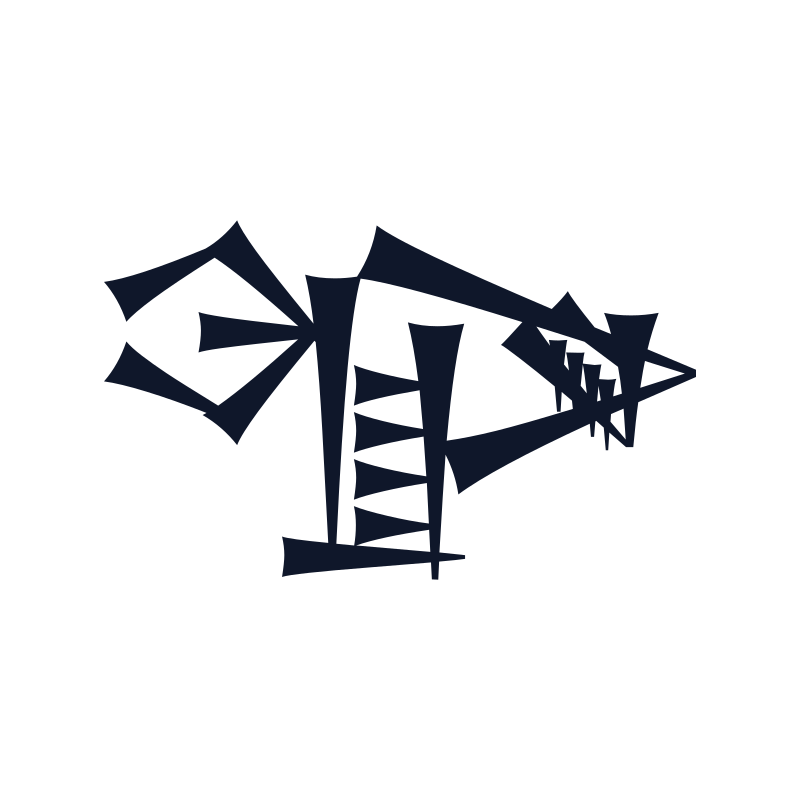
 AKAN · U+1206D
𒁭
nipple, teat, udder
DAG KISIM₅×UŠ (𒁭), read logographically as AKAN or UBUR₂, combines the DAG.KISIM₅ (𒁙) frame with UŠ (𒍑, projecting tip or male). Alongside DAG.KISIM₅×GA (𒁛), it signifies the 'nipple', 'teat', or 'udder' (Akkadian ṣirtu, tulû), and also lends its name to the akan-bird in Mesopotamian ornithological lists.
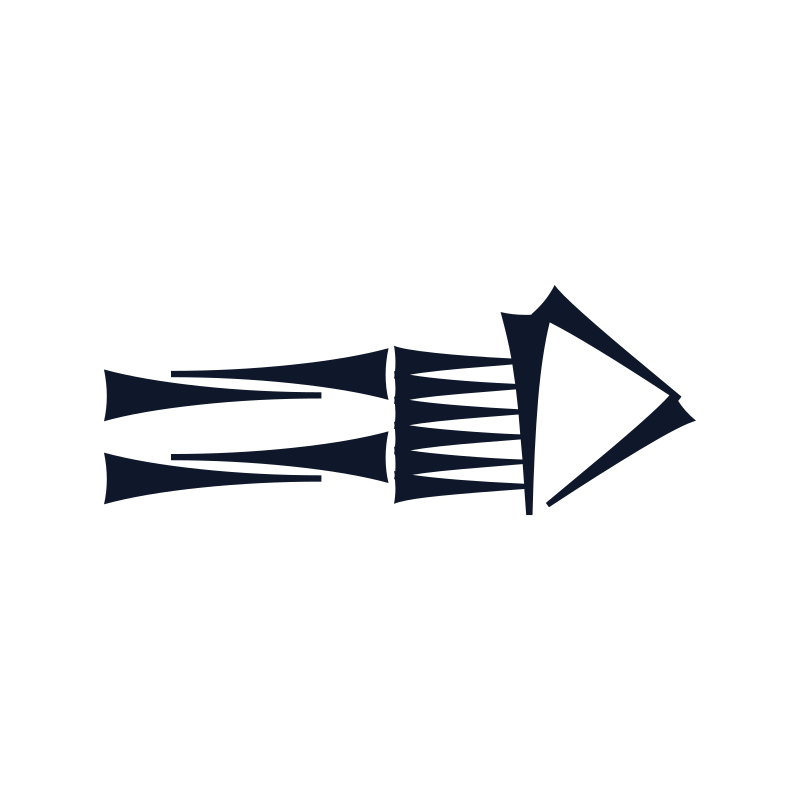
 GIR3xGAN2.TENU · U+1210C
𒄌
heavy stride, trampling hoof
GIR₃×GAN₂-tenû (𒄌) combines GIR₃ (𒄊, foot, stride, or animal leg) with the inscribed or attached GAN₂-tenû (𒃸, tilted field or fetter). In Mesopotamian lexical lists, it expresses a heavy, trampling stride across fields, a fettered foot, or an epithet of the netherworld god Nergal's forceful march.
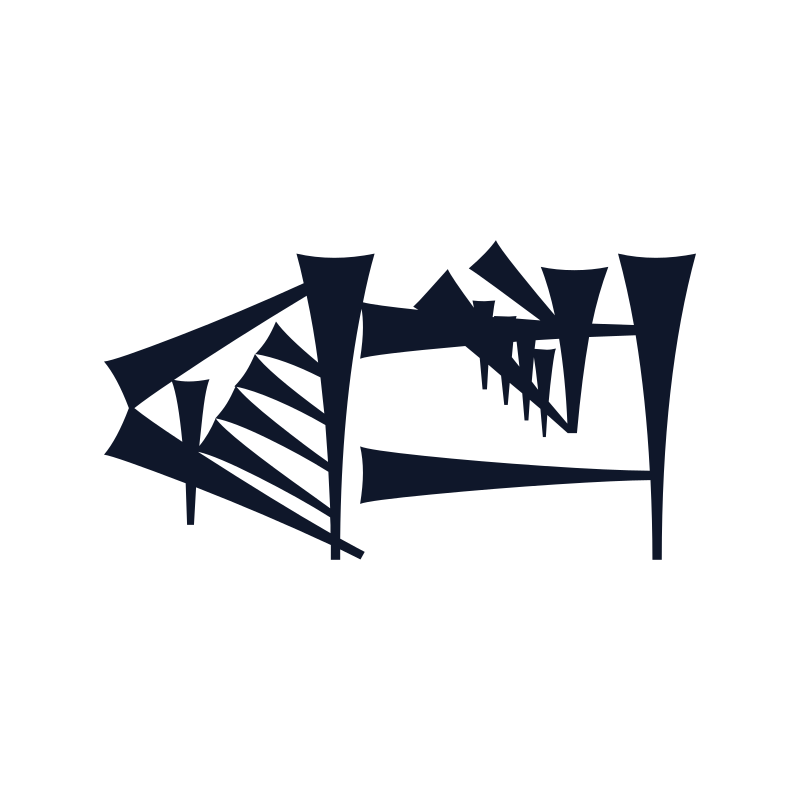
 SUN4 · U+12143
𒅃
beard, flowing whiskers, chin
IDIM/IDIM BUR (𒅃), read logographically as SUN₄ (or SU₆), combines a vertical pair of IDIM (𒅁, gushing spring) signs with BUR (𒁓, stone bowl). In Sumerian and Akkadian texts, it means 'beard' (Akkadian ziqnu), poetically regularly described in royal hymns as a beard of gleaming lapis lazuli cascading like flowing water.
 SHA4 · U+12164
𒅤
roar, lament, resonant cry
KA×GAN₂-tenû (𒅤), read logographically as ŠA₄ (SHA₄) or BU₃, places GAN₂-tenû (𒃸) inside KA (𒅗, mouth or voice). In Sumerian verbal compounds such as du₁₁-ga / ša₄, it denotes a resonant vocal sound: 'to roar', 'to groan', 'to lament', or 'to bray' (Akkadian ramāmu, nagāgu), capturing intense vocal expression.
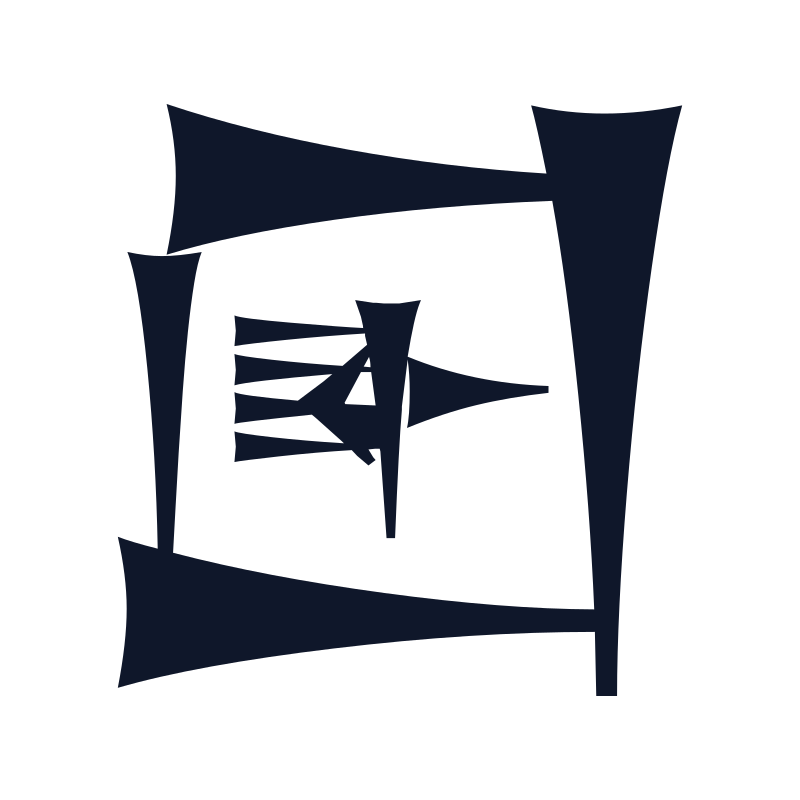 LAGABxIGI.GUNU · U+121CB
𒇋
eye socket, iris rim, pupil
LAGAB×IGI-gunû (𒇋) encloses IGI-gunû (𒅇, radiant eye) within the circular rim sign LAGAB (𒇉). In Mesopotamian lexical lists (Ea I), it denotes the circular rim of the eye, the iris or eye socket, as well as a clear, spring-fed pool gleaming like an eye in the landscape.
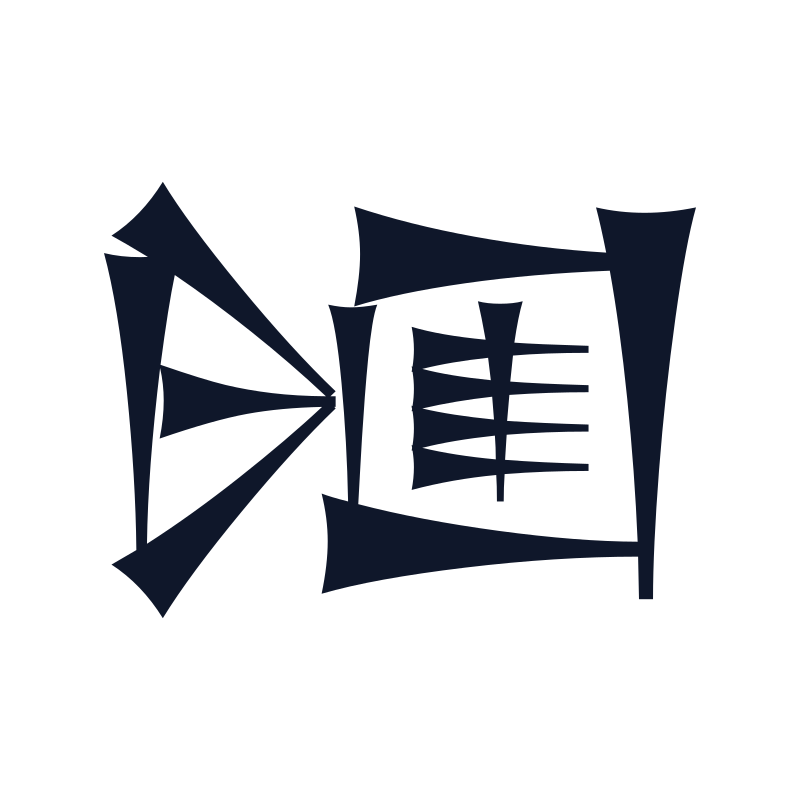 MURUB4 · U+122AA
𒊪
middle, pelvis, maternal womb
SAL LAGAB×AŠ₂ (𒊪), read logographically as MURUB₄, combines SAL (𒊩, female or vulva) with LAGAB×AŠ₂ (𒇉 enclosing 𒀾). In Sumerian and Akkadian texts, it means 'middle', 'center', 'hips/pelvis', or 'female generative organ' (Akkadian qablu, ūru, biṣṣūru), frequently used in anatomical, spatial, and mythological contexts.
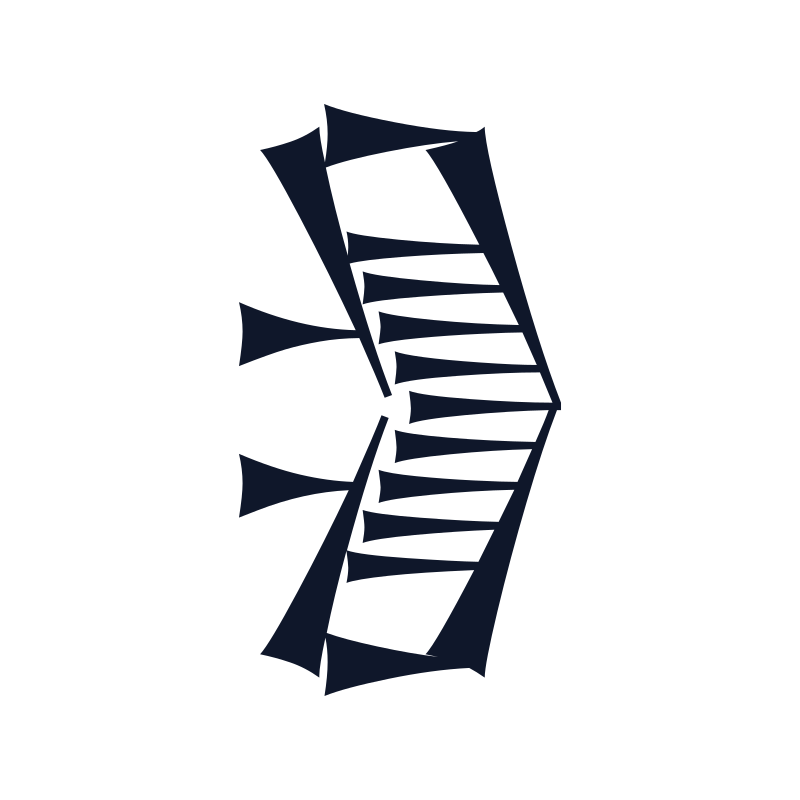 SHU.SHU · U+122D8
𒋘
opposing hands, reciprocity, clasp
ŠU/INVERTED ŠU (𒋘) pairs an upright ŠU (𒋗, hand) above an inverted ŠU sign. In Mesopotamian lexical lists, this symmetrical composition visually represents two hands working together or clasping from opposite sides, signifying mutual exchange, gathering into a whole, or kneading with both hands.
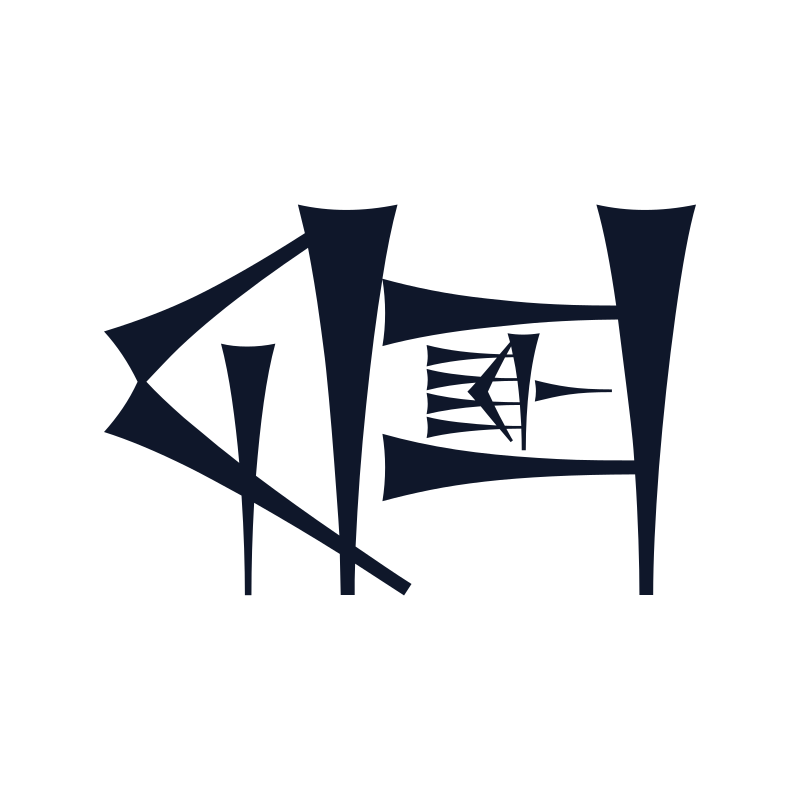 SAGxIGI.GUNU · U+12396
𒎖
radiant countenance, watchful face
SAG×IGI-gunû (𒎖) inscribes IGI-gunû / SIG₇ (𒅇, radiant eye or eyebrow) inside SAG (𒊕, head or front). In Mesopotamian physiognomic and lexical tablets, it denotes a bright, favorable countenance, a prominent brow, or a watchful royal aspect.
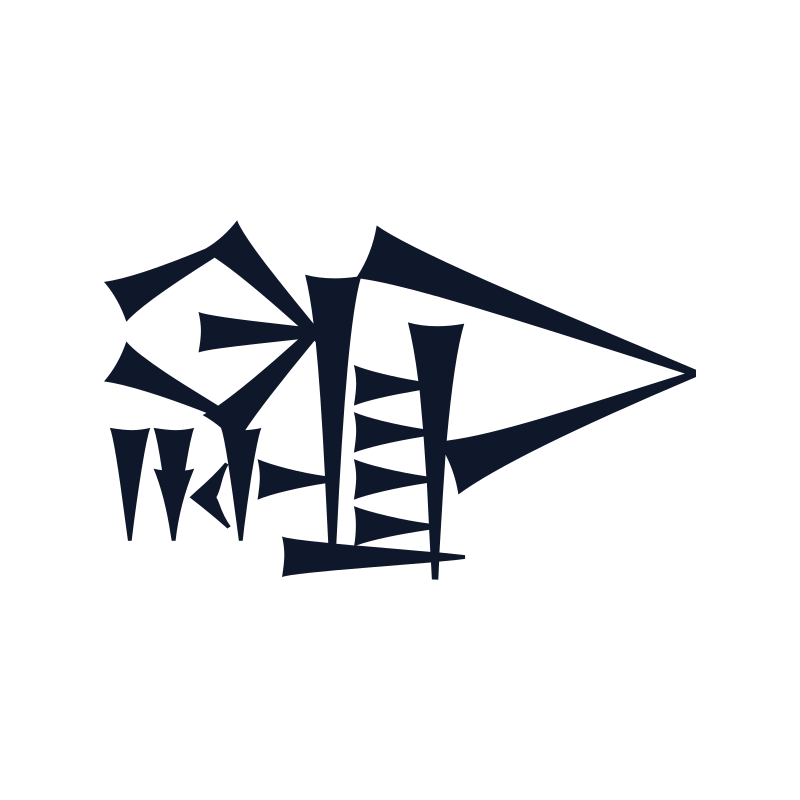 GIR3xA.IGI · U+1210B
𒄋
mournful stride, funerary march
GIR₃×A.IGI (𒄋) combines GIR₃ (𒄊, foot, path, or stride) with A.IGI (𒀀𒅆, er₂, tears or lamentation). Preserved in Babylonian lexical traditions, it signifies a weeping procession, a mournful step along a funerary path, or the arrival of lamentation singers.
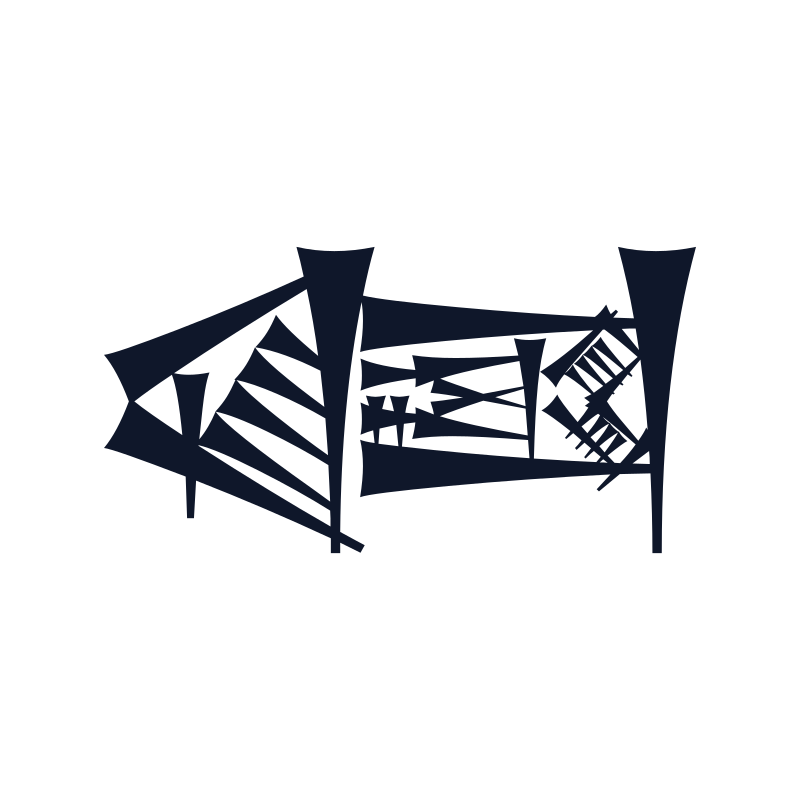 KAxAD.KU3 · U+1215A
𒅚
pure counsel, sacred utterance
KA×AD.KU₃ (𒅚) inscribes AD (𒀜, voice, cry, or counsel) and KU₃ (𒆬, pure, holy, or silver) inside the mouth sign KA (𒅗). Recorded in the Babylonian lexical series Ea III and Diri, it signifies pure, silver-bright speech, sacred counsel, or a ritually consecrated incantation voice.
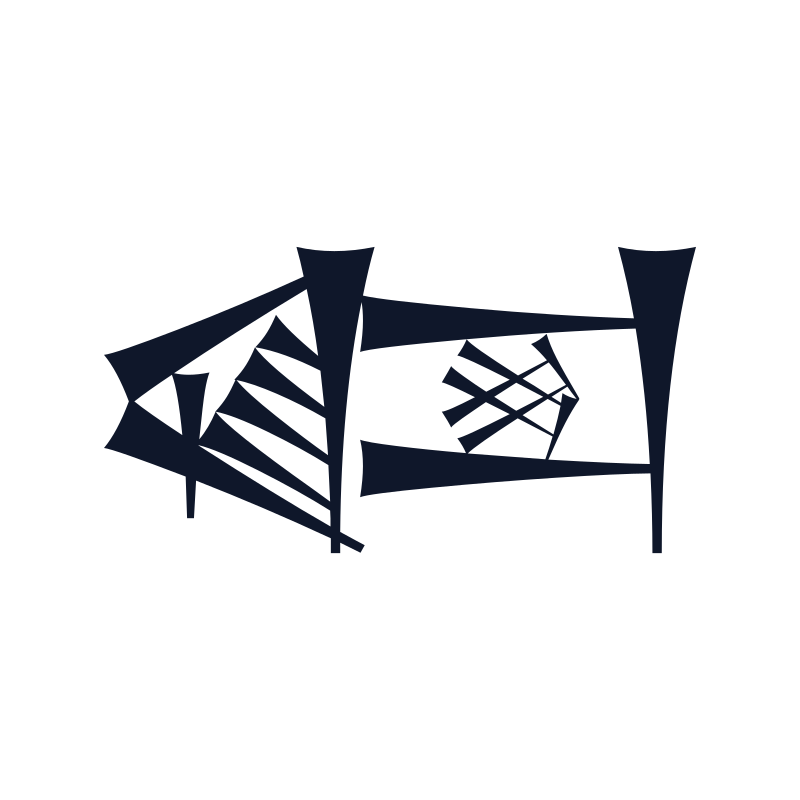 KAxGILIM · U+1216A
𒅪
twisted speech, contradiction
KA×GIŠ CROSSING GIŠ (𒅪) encloses two crossed GIŠ (𒄑) signs—forming GILIM (𒄃, to twist, entangle, or block)—inside KA (𒅗, mouth or speech). In Babylonian lexical series (Ea III), it vividly expresses 'twisted words', 'perverse or deceitful speech', and 'verbal obstruction' (Akkadian egēru).
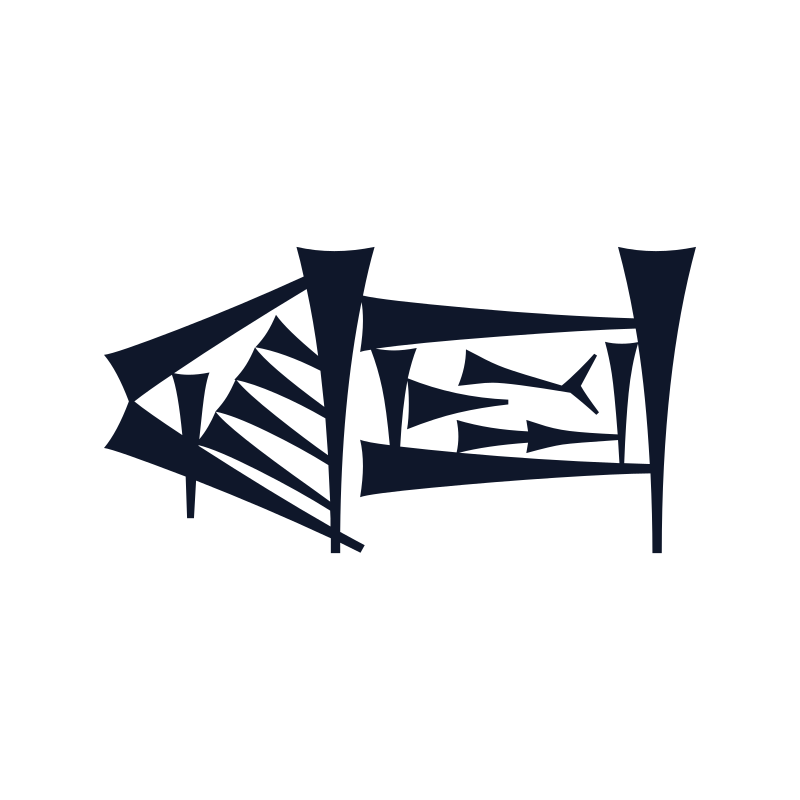 KAxME.DU · U+12175
𒅵
fluent speech, ritual recitation
KA×ME.DU (𒅵) places ME (𒈨, tongue or divine ordinance) and DU (𒁺, to walk or flow) inside KA (𒅗, mouth). Since KA×ME (𒅴) is the standard sign for EME ('tongue' or 'language'), adding DU ('moving') denotes a fluent tongue, eloquent speech, or the active recitation of sacred rites.
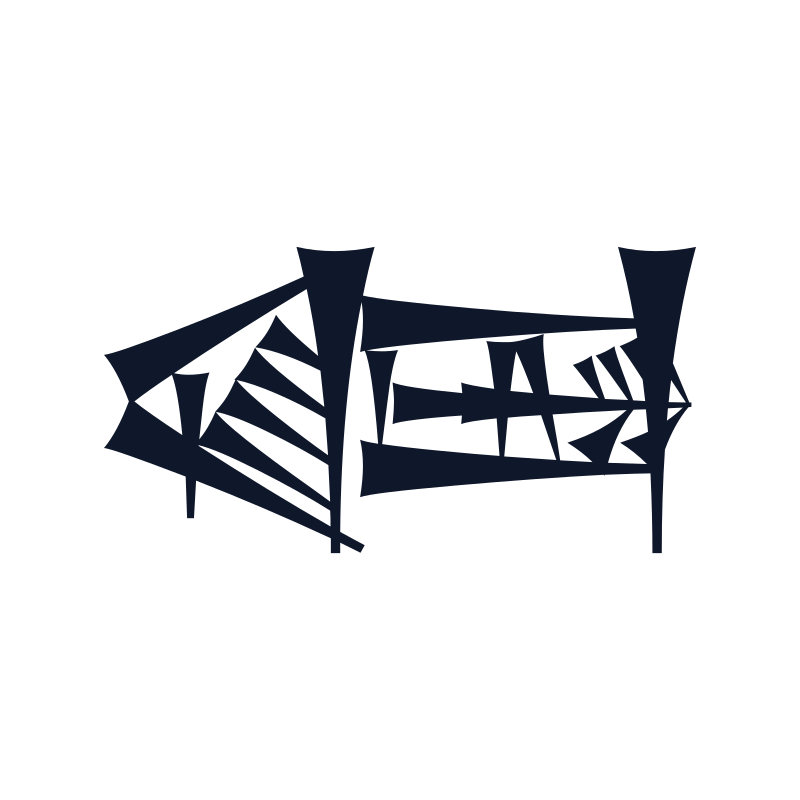 KAxME.GI · U+12176
𒅶
true speech, native tongue
KA×ME.GI (𒅶) combines KA×ME (𒅴, eme, tongue or language) with an inscribed GI (𒄀, firm, true, or native). In Sumerian-Akkadian lexical traditions, it represents 'reliable, truthful speech' (Akkadian kittu) as well as a compact monographic rendering of eme-gi₇, the native Sumerian language.
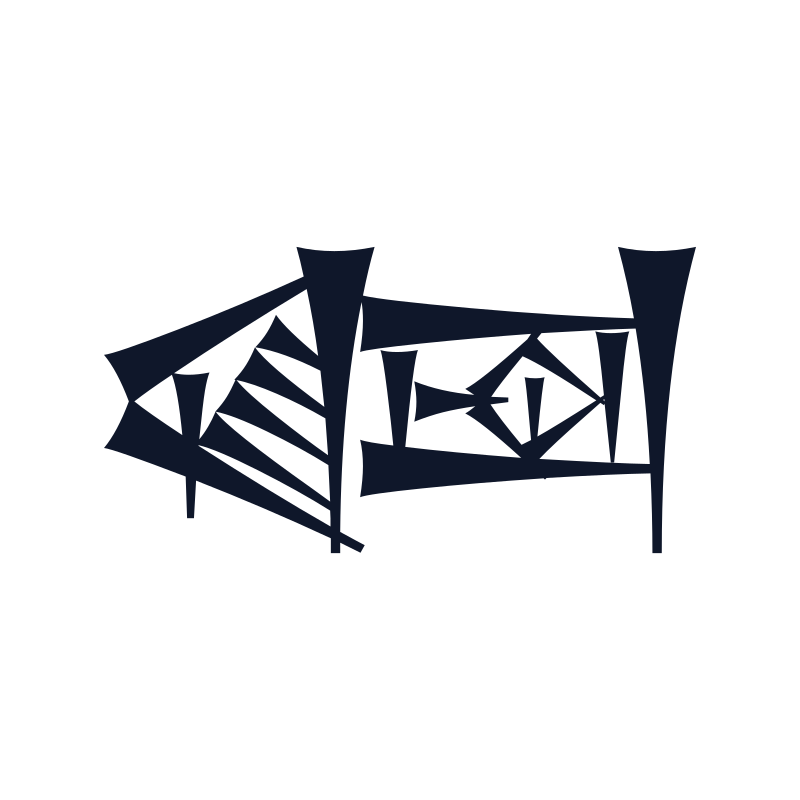 KAxME.TE · U+12177
𒅷
fitting speech, seemly eloquence
KA×ME.TE (𒅷) encloses the compound ME.TE (𒈨𒋼, mete, fitting ornament, proper attribute, or dignity; Akkadian simtu) inside KA (𒅗, mouth or speech). In Babylonian lexical lists, it signifies speech that is worthy, seemly, and befitting a royal court or temple liturgy.
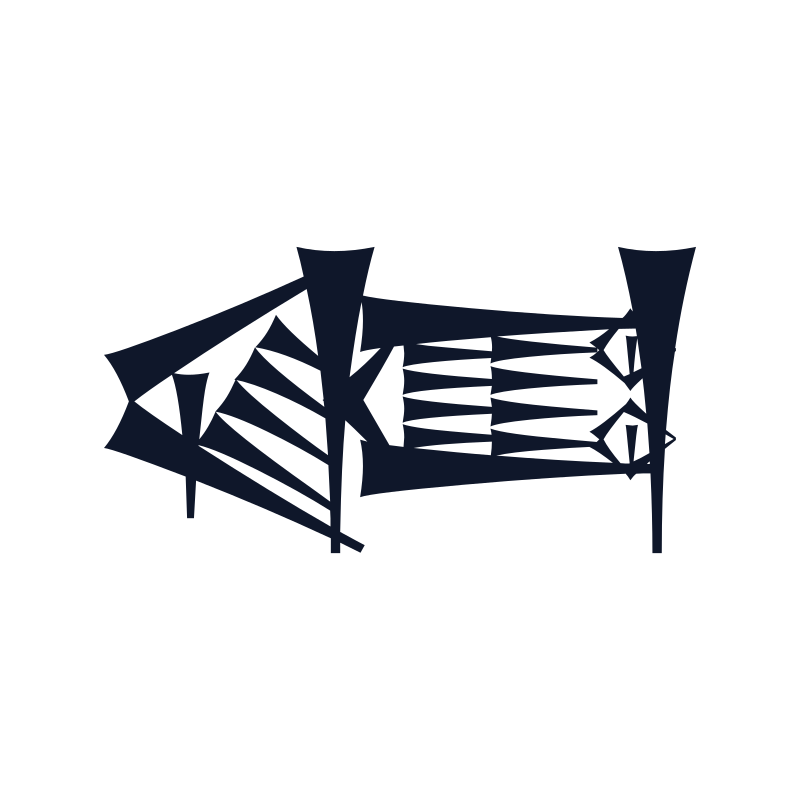 KAxMI.NUNUZ · U+12179
𒅹
nocturnal whisper, veiled utterance
KA×MI.NUNUZ (𒅹) places MI (𒈪, night, shadow, or black) and NUNUZ (𒉭, ovoid bead or egg) inside the mouth sign KA (𒅗). Preserved in Babylonian sign lists (Ea III), it denotes a hushed nocturnal incantation, a dark or enigmatic utterance, or a decorative dark stone held in the mouth during funerary rites.
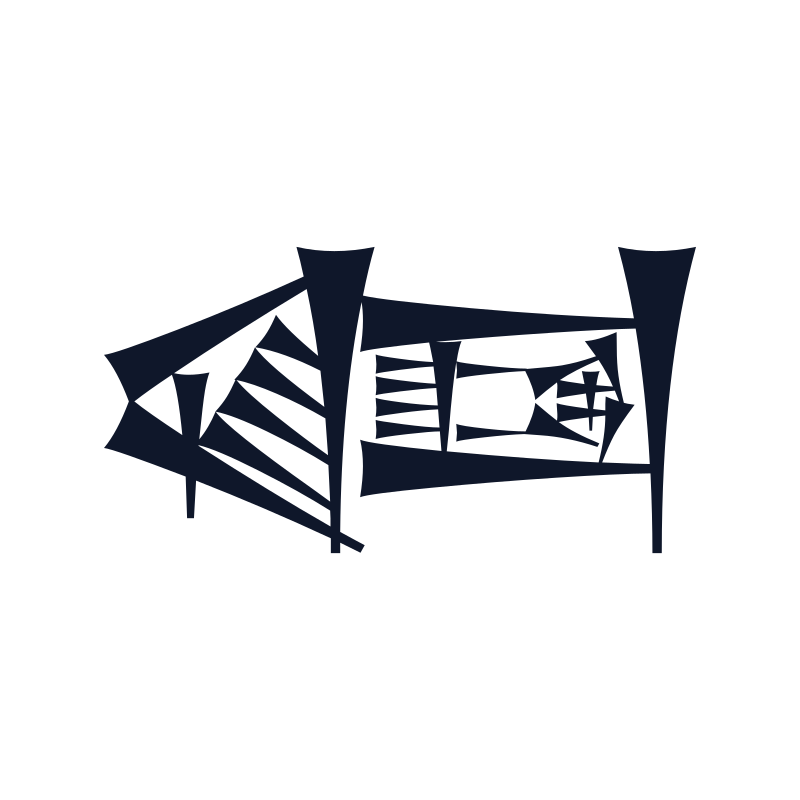 KAxUMUMxPA · U+1218A
𒆊
master's instruction, wise teaching
KA×UMUM×PA (𒆊) inscribes the compound sign UMUM×PA (𒌣 with 𒉺, master craftsman, scholar, or sage holding a staff; umun₂) inside KA (𒅗, mouth or speech). In Mesopotamian lexical traditions, it signifies authoritative oral instruction delivered by a master scribe or scholar in the tablet house (edubba).
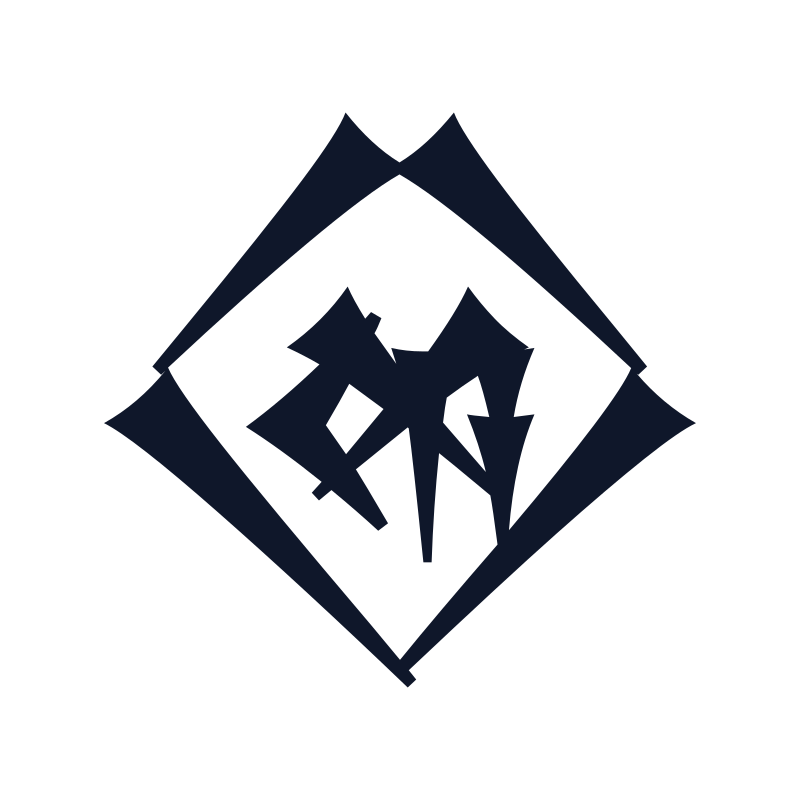 SHA3xU.A · U+122B6
𒊶
womb waters, inner heart
ŠA₃×U.A (𒊶) inscribes U (𒌋, hollow or ten) and A (𒀀, water, fluid, or seed) inside ŠA₃ (𒊮, heart, womb, or interior). In Mesopotamian anatomical and lexical traditions, it denotes the fertile waters of the womb, internal bodily fluids, or the flooded depths of the heart.
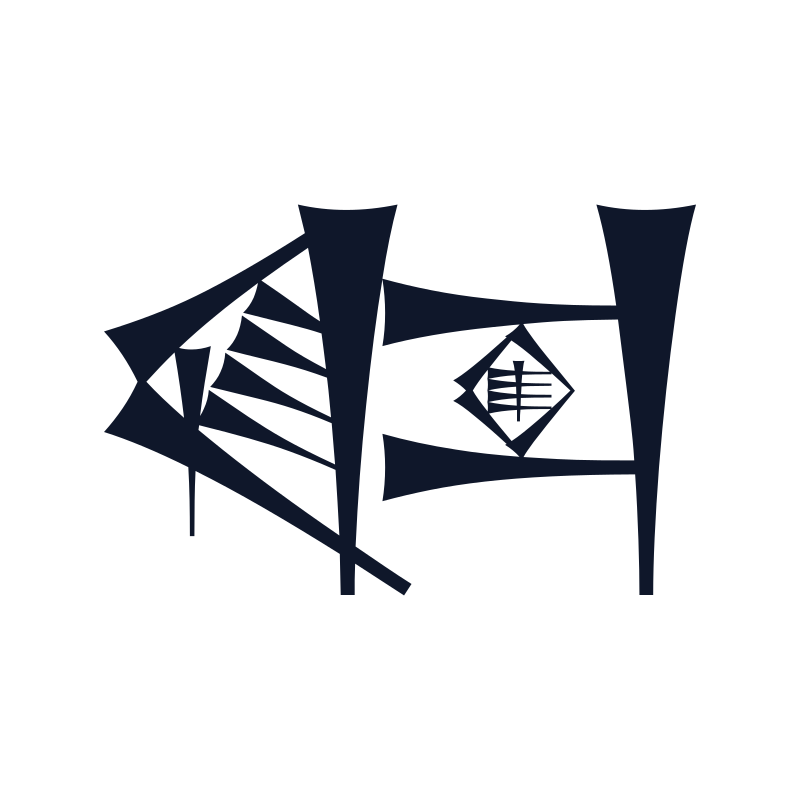 KAxHIxASH2 · U+12382
𒎂
binding imprecation, beard tuft
KA×HI×AŠ₂ (𒎂) inscribes the compound sign HI×AŠ₂ (𒄭×𒀾, suhur / dara₂, crown tuft, barb, or fetter) inside KA (𒅗, mouth or face). In Babylonian lexical series (Ea III), it denotes either a spoken curse and binding oath or a tufted beard around the mouth.
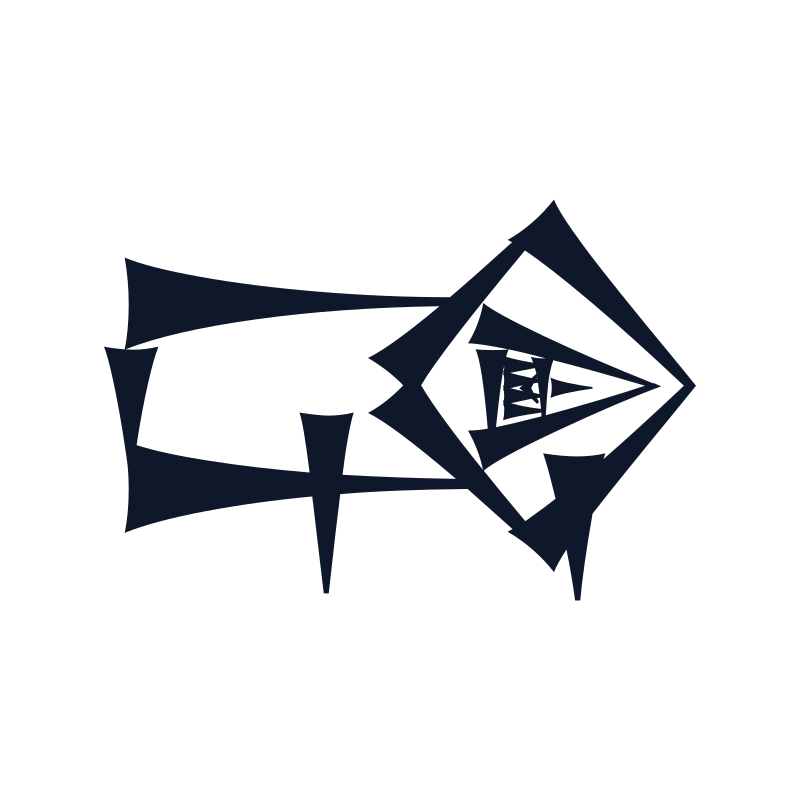 GU2 · U+1211A
𒄚
neck, riverbank, talent weight
GU₂×KAK×IGI GUNU (𒄚) is the full, ornate monumental form of GU₂ (𒄘, read gu₂ or gun), enclosing KAK×IGI-gunû (𒆖) within the neck-and-collar frame. In Sumerian and Akkadian, it means 'neck' (Akkadian kišādu), 'riverbank' (ahu), and 'load' or 'talent' (biltu, ~30 kg—the heaviest standard weight a man could carry on his neck and shoulders).
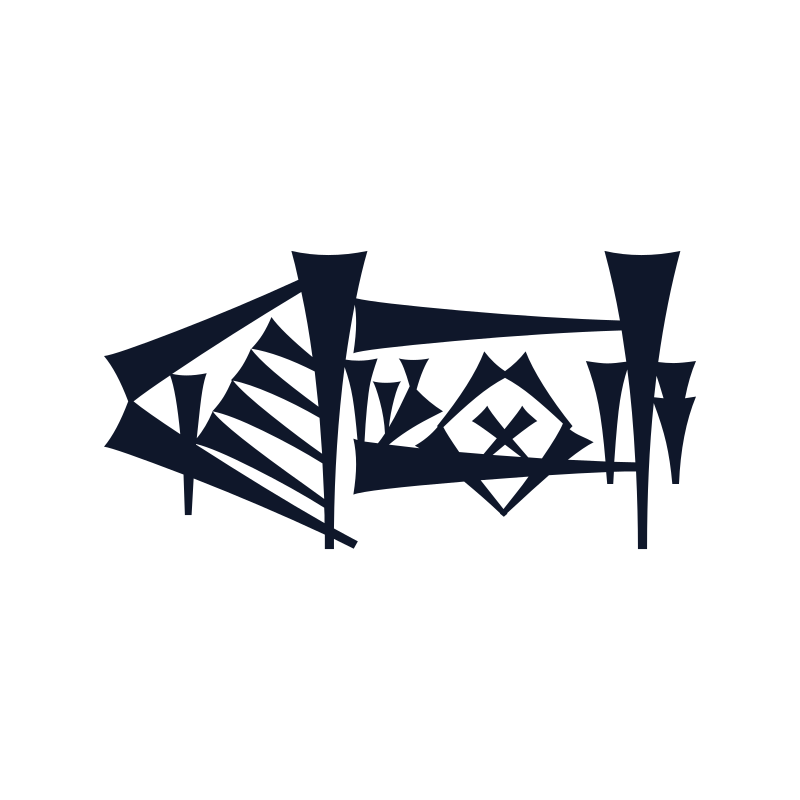 KAxGAR.SHA3.A · U+12166
𒅦
sustenance, food and drink
KA×GAR.ŠA₃.A (𒅦) inscribes GAR / NINDA (𒃻, bread), ŠA₃ (𒊮, heart or stomach), and A (𒀀, water) inside the mouth sign KA (𒅗). This remarkably expressive compound visually depicts bread and water entering the mouth to nourish the stomach and heart, signifying full sustenance or an earnest prayer from within the heart.
