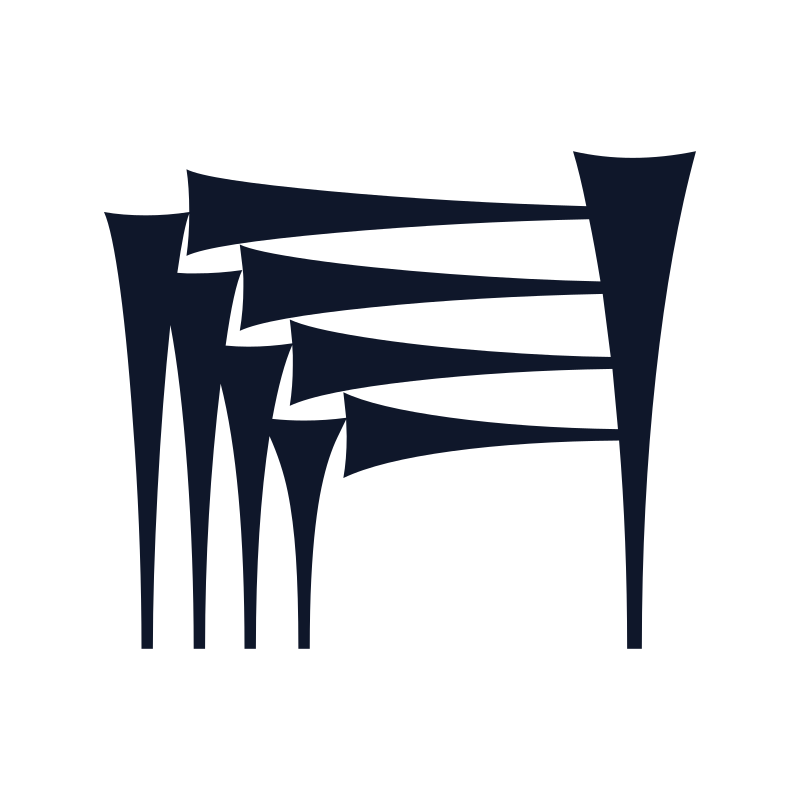
 E₂ · U+1208D
𒂍
house, temple
Evolved from an early architectural floor plan showing walls and an interior sanctuary room, E₂ (pronounced 'é' in Sumerian and 'bītu' in Akkadian) means house, estate, or temple. Because Mesopotamian temples were viewed as the literal earthly residences of the gods, every great ziggurat and sanctuary complex began with this sign—such as E-anna ('House of Heaven' in Uruk) and E-sagila in Babylon. Combined with GAL ('great'), it forms É.GAL ('Big House'), the origin of the word for a royal palace.
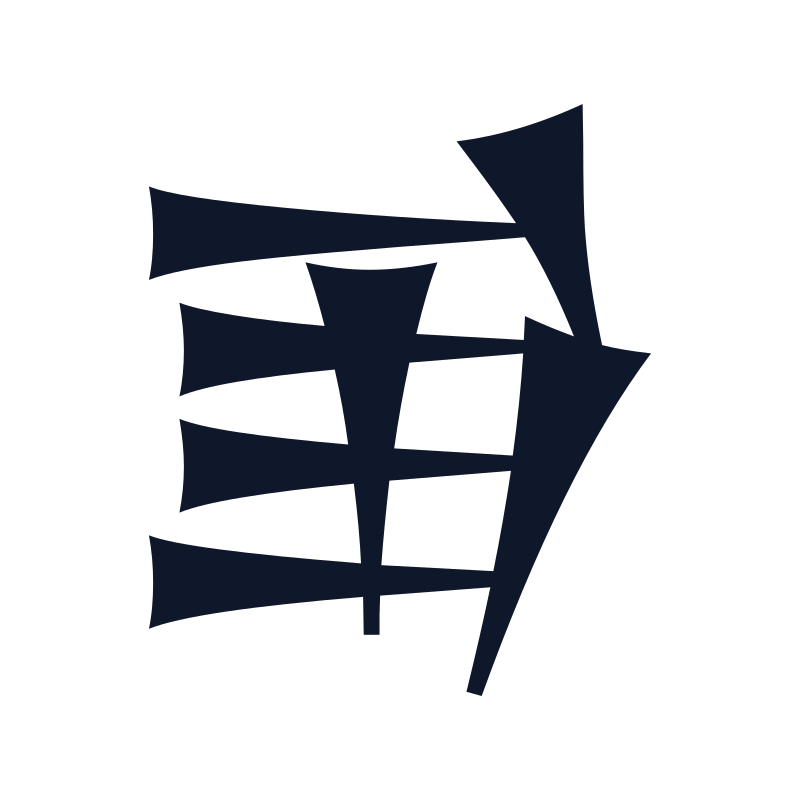 E · U+1208A
𒂊
irrigation canal, levee
Tracing its visual roots to a schematic drawing of an agricultural irrigation ditch with raised earth embankments, the sign E (Akkadian 'iku') reflects the hydraulic engineering that made civilization possible between the Tigris and Euphrates rivers. In Sumerian grammar and royal inscriptions, it also functioned as a verb meaning 'to speak' or 'to declare', as well as the ergative case suffix. In phonetic writing, it is the standard sign for the pure vowel 'e'.
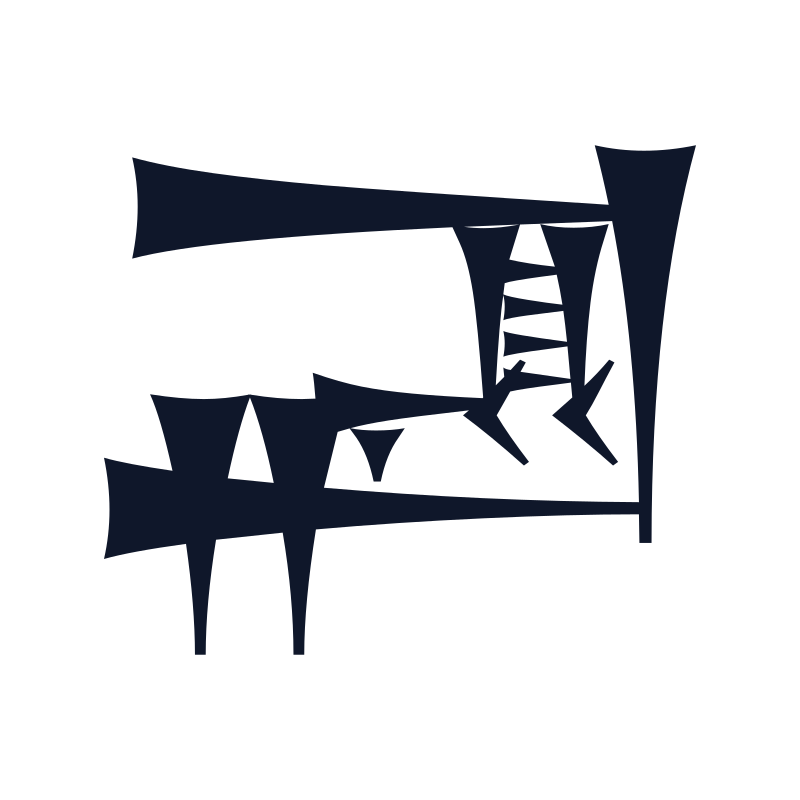 UR₃ · U+120C9
𒃉
roof, timber beam
In Mesopotamian mudbrick architecture, flat roofs ('ùr' in Sumerian, 'ūru' in Akkadian) were supported by heavy cedar and palm timber beams ('gušūru') and served as important living and ritual spaces where families slept on hot summer nights and offered incense to astral deities. In scribal texts, the sign UR₃ also meant 'to cover', 'to sweep', or 'to drag', and functioned phonetically as the syllable 'ur₃' in royal and administrative inscriptions.
 TE / TEMEN · U+122FC
𒋼
sacred temple foundation peg, cheek
Originating from a surveyor's ground plan of a pegged foundation perimeter, this sign read as TEMEN (Akkadian 'temennu') designates the sacred foundation deposit and consecrated precinct of a Mesopotamian temple or palace—and is the direct etymological ancestor of the ancient Greek word 'temenos' (τέμενος, 'sacred temple enclosure'). Read as TE, it means 'cheek' (Akkadian 'lētu') or the verb 'to approach / draw near' (Akkadian 'ṭehû'), and phonetically writes the syllable 'te' (and 'ṭe').
 BAD / TIL · U+12041
𒁁
to open, complete
One of the most polyvalent signs in the entire cuneiform script: read as BAD (Akkadian 'petû' and 'nesû'), it means 'to open' or 'be distant'; read as TIL (Akkadian 'gamāru'), it means 'to bring to an end' or 'complete'; read as UŠ₂ (Akkadian 'mûtu' and 'damu'), it means 'death', 'to die', or 'blood'; and read as SUMUN (Akkadian 'labīru'), it means 'ancient/old' (as in 'copied from an ancient tablet'). Phonetically, it frequently writes 'bad', 'bat', and 'be'.
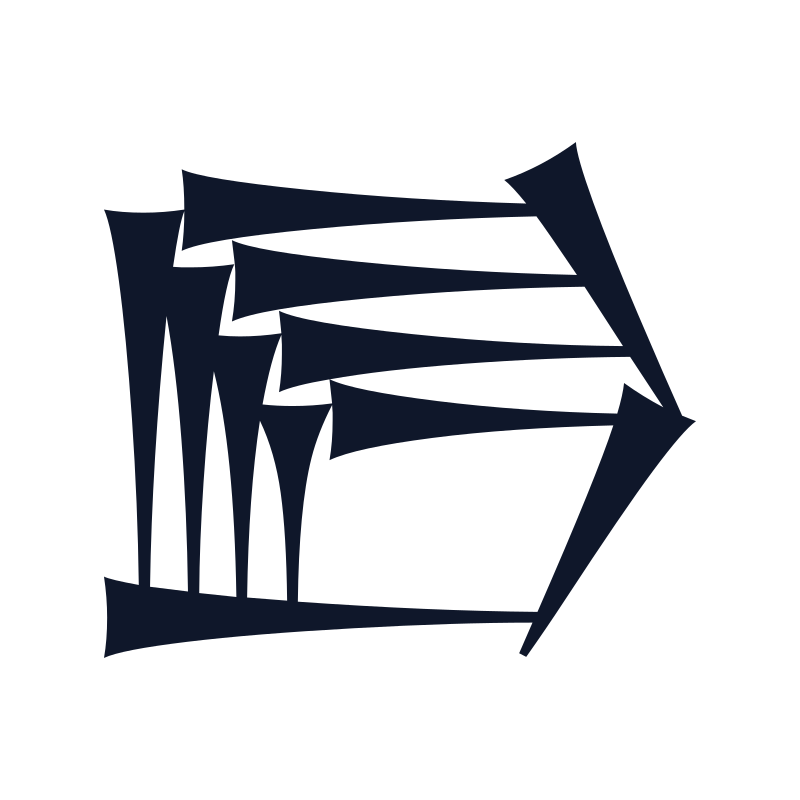 DAG · U+12056
𒁖
royal dwelling, sanctuary chamber
In Sumerian architectural and poetic texts, DAG (Akkadian 'šubtu') designates a peaceful dwelling place, inner sanctuary chamber, or royal residence ('ki-dag'), while as a verb it means 'to roam about' (Akkadian 'nagāšu') or 'to demolish'. Read as PAR₃, it means 'bright', 'shining', or 'spread out'. In syllabic writing across Babylonian and Assyrian tablets, it is the primary sign for the closed syllables 'dag', 'dak', and 'daq'.
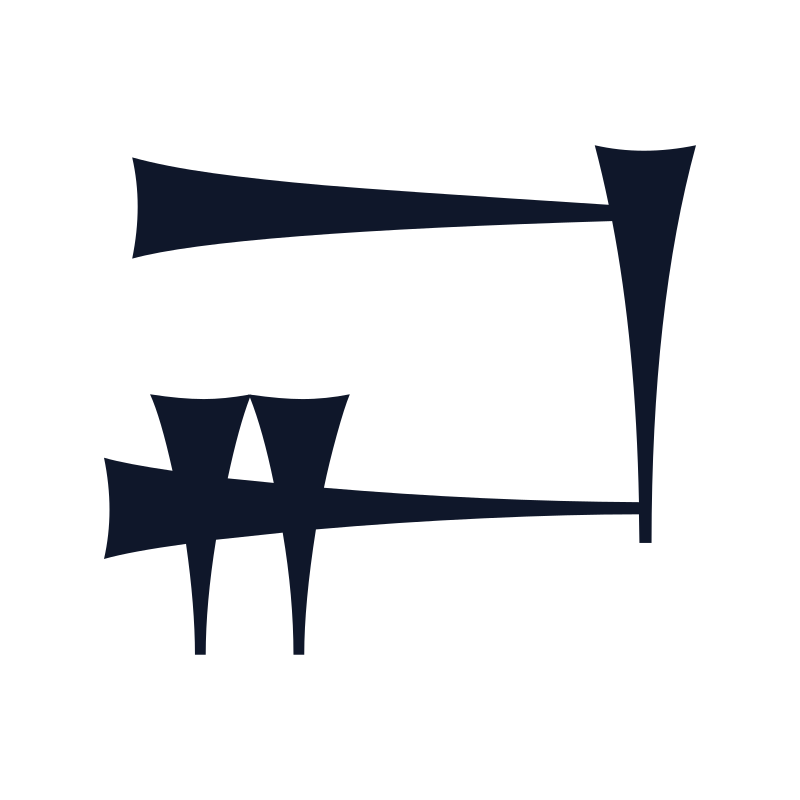 GA₂ / MAL · U+120B7
𒂷
storage box, tablet basket
Shaped like a square container or architectural room enclosure, this sign was read as PISAN (Akkadian 'pisannu') to designate a wooden chest or reed basket used in palace and temple archives to store clay tablets (labeled with clay tags called 'pisan-dub-ba', 'basket of tablets'). Read as GA₂ (or GÁ), it means 'house/enclosure', writes the verb 'ĝar / ĝá-ĝá' ('to place' or 'establish', Akkadian 'šakānu'), and serves as the outer frame for dozens of compound cuneiform signs (such as AMA, 'mother').
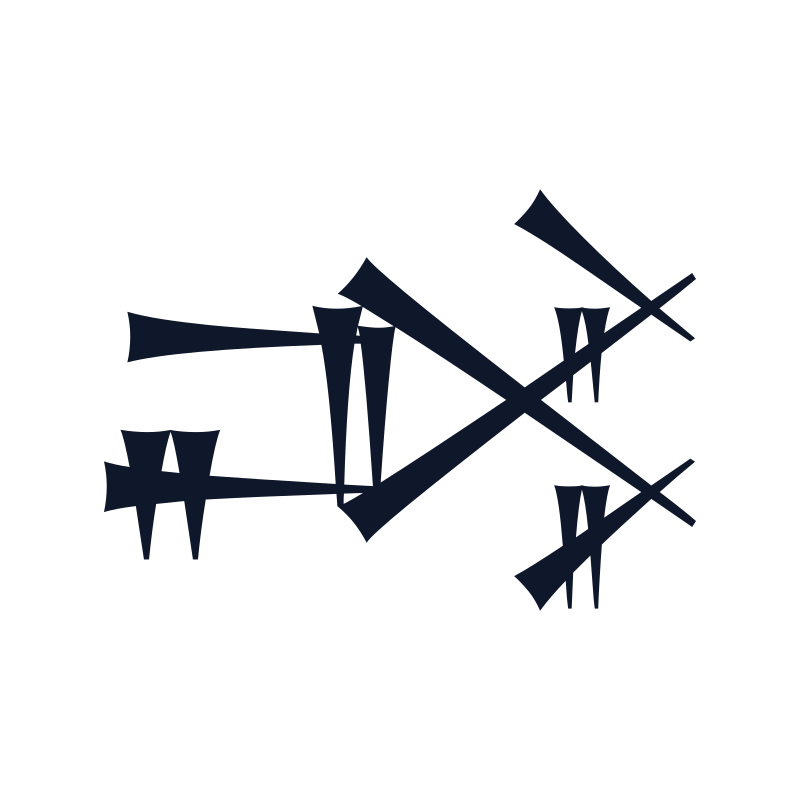 GAN / HE₂ · U+120F6
𒃶
overflowing abundance, blessing 'may it be!'
Derived from an archaic pictogram of a large jar resting on a wooden stand (GAN, Akkadian 'kannu'), this sign is the symbol of overflowing prosperity in Mesopotamia. Combined with GAL ('to be'), it forms HE₂.GAL₂ (Sumerian 'hé-ĝál', Akkadian 'hengallu')—'abundance', 'fertility of rivers and fields', and 'wealth' bestowed by the gods upon a righteous king's reign. In Sumerian grammar, 'hé-' is the precative prefix of royal blessings ('May he live long!'), and phonetically it writes 'he₂', 'gan', and 'kan'.
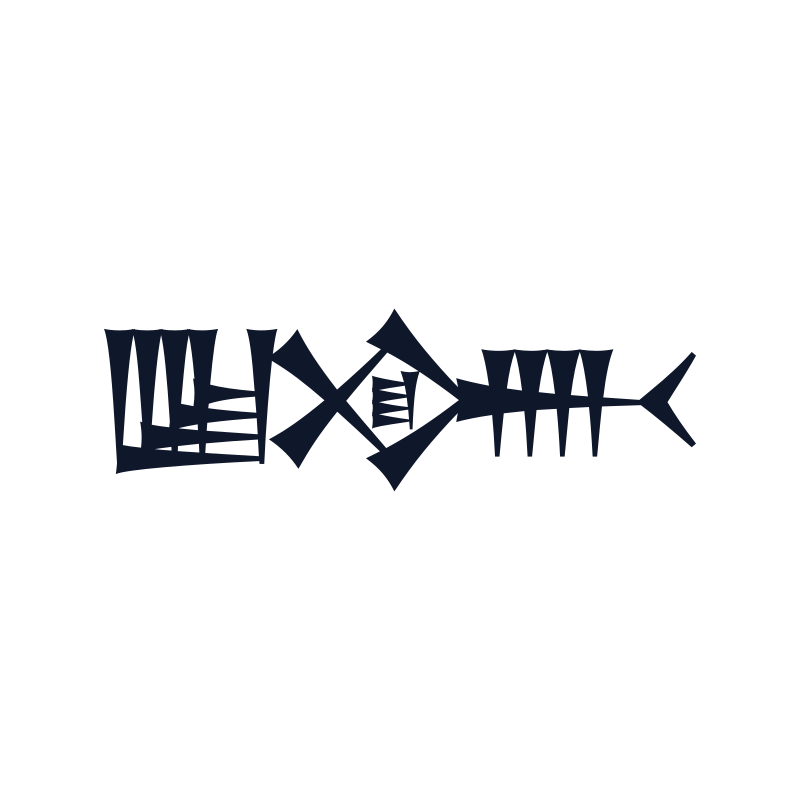 GUR₇ · U+12126
𒄦
royal granary, grain silo
Visually constructed from a monumental heaped grain mound, GUR₇ (Akkadian 'karû') designates a state or temple granary silo where tribute and harvest barley were stored against famine. In Sumerian metrology, 1 GUR₇ also represented a colossal metrological unit equal to 3,600 GUR of grain (~1.08 million liters!). Royal inscriptions boasted of piling up temple granaries ('gur₇-dub') like mountains across the land.
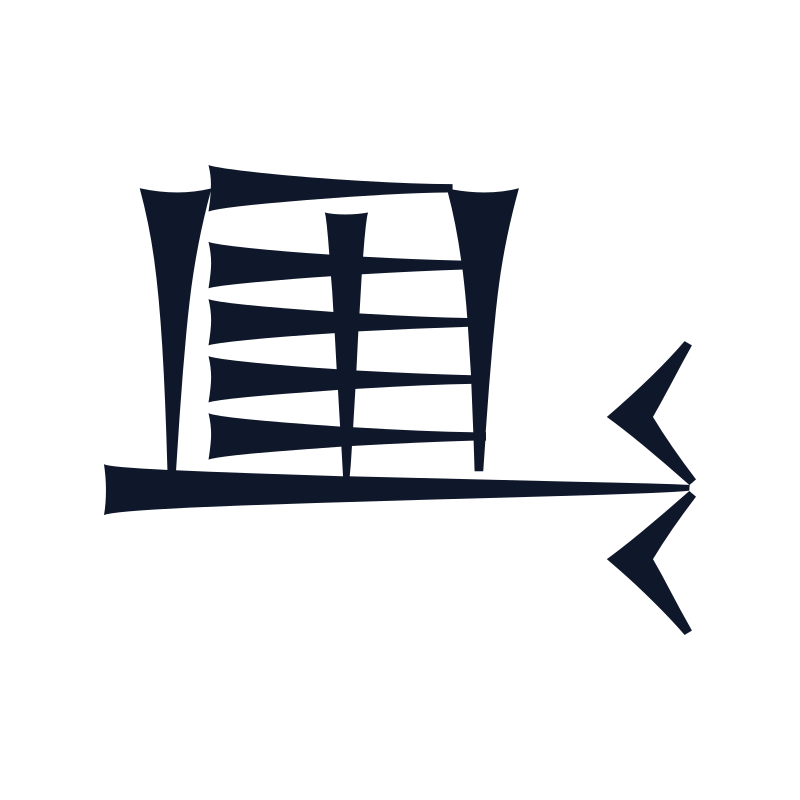 IG / GAL₂ · U+12145
𒅅
door, to exist
Depicting a wooden door panel pivoting on a vertical post, IG (Sumerian ig, Akkadian daltu) is the standard logogram for 'door' (often preceded by the wood determinative GIŠ). Read as GAL₂ (Akkadian bašû), it is the core Sumerian verb meaning 'to be, exist, or be present', while phonetically representing /ig/, /ik/, and /iq/.
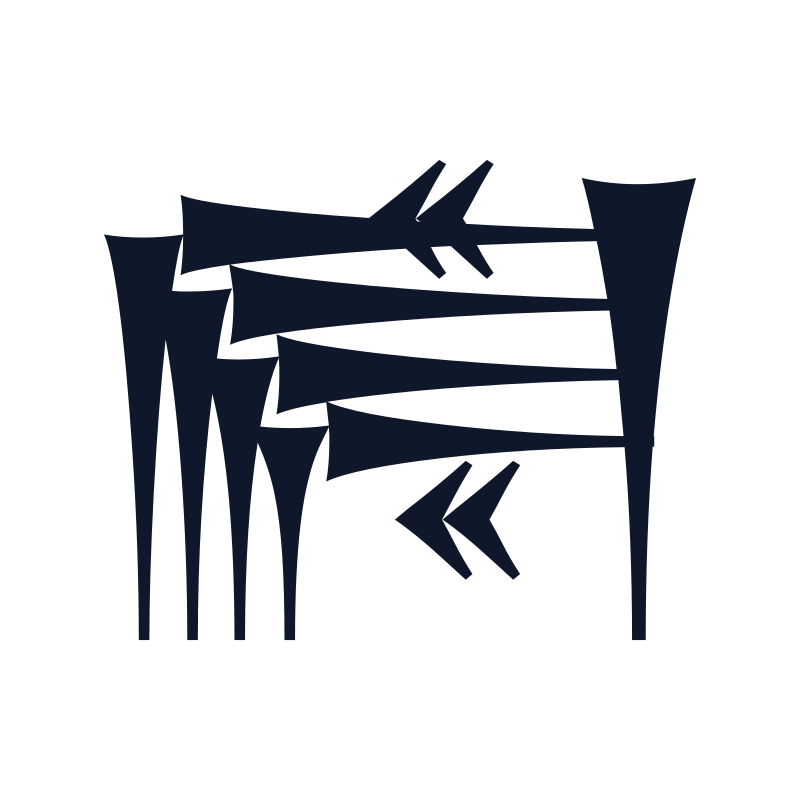 KA₂ (KÁ) · U+1218D
𒆍
monumental gate, root of Babylon
Originating from an architectural elevation of a monumental arched city or temple gateway, KA₂ (Akkadian bābu) denotes a city gate, temple portal, or cosmic threshold. It is world-famous as the first sign in the native logographic spelling of Babylon: KA₂.DINGIR.RA.KI (Akkadian Bāb-ilim, literally 'Gate of God').
 KAK / DU₃ · U+12195
𒆕
to build, foundation peg
Originally a sharp triangular pictograph of a wooden or copper peg driven into a wall, KAK (Sumerian gag, Akkadian sikkatu) denotes a nail, peg, or ceremonial foundation cone. Because Mesopotamian kings consecrated new temples by driving foundation pegs into the brickwork, the sign read as DU₃ (Akkadian banû, epēšu) became the standard verb for 'to build, erect, or fashion'.
 KASKAL · U+1219C
𒆜
road, crossroads
Depicting two intersecting roads forming a crossroads, KASKAL (Akkadian harrānu) signifies a highway, trade route, caravan expedition, or royal military campaign. Read as DANNA (Akkadian bēru), it also represents the Mesopotamian 'double-hour' unit of time and distance—approximately 10.8 kilometers or the distance a caravan marches in two hours (and 30° of the celestial arc).
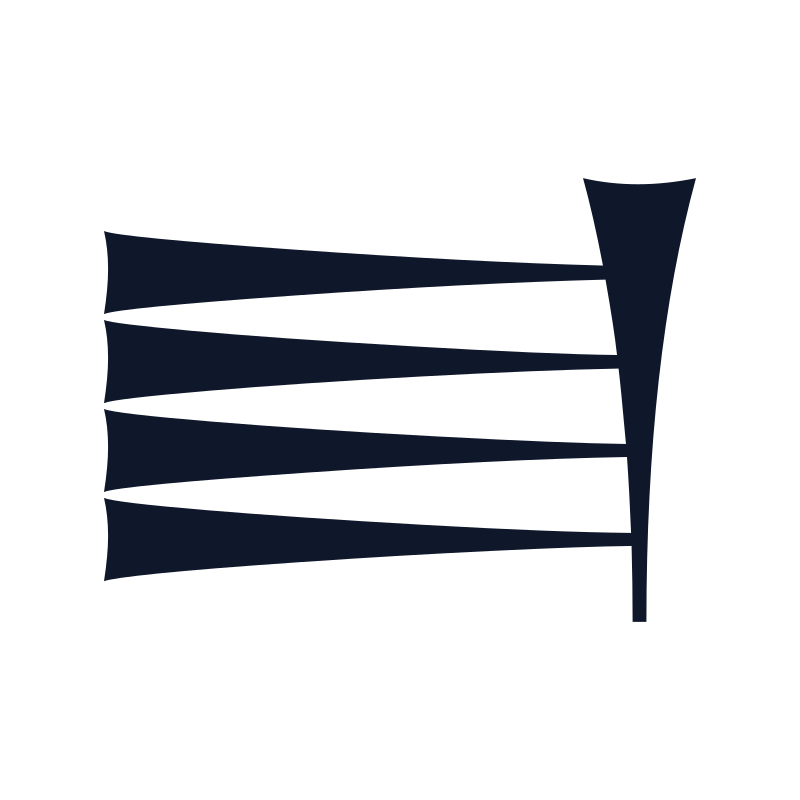 KISAL · U+121A6
𒆦
monumental temple courtyard, palace forecourt
Representing the ground plan of a paved ceremonial enclosure, KISAL (loaned into Akkadian as kisallu) denotes the great open courtyard of a Mesopotamian temple or royal palace. Here public festivals, royal offerings, and scribal assemblies took place under the supervision of the kisalluhhu (courtyard purifier).
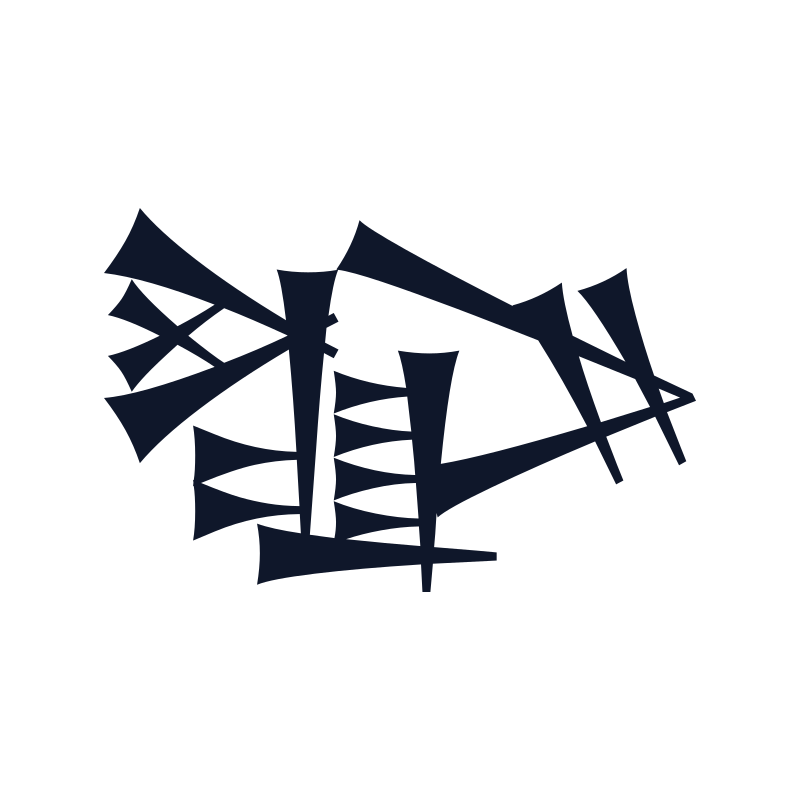 KIŠ · U+121A7
𒆧
universe, totality
Originally a pictograph of a donkey's head or a stylized cosmic mound, KIŠ names the prestigious northern Babylonian city of Kish, where kingship first descended from heaven after the Flood according to the Sumerian King List. Because ruling Kish symbolized universal hegemony, the sign also means 'totality, the entire universe' (Akkadian kiššatu) in the imperial title šar kiššati ('King of the Universe').
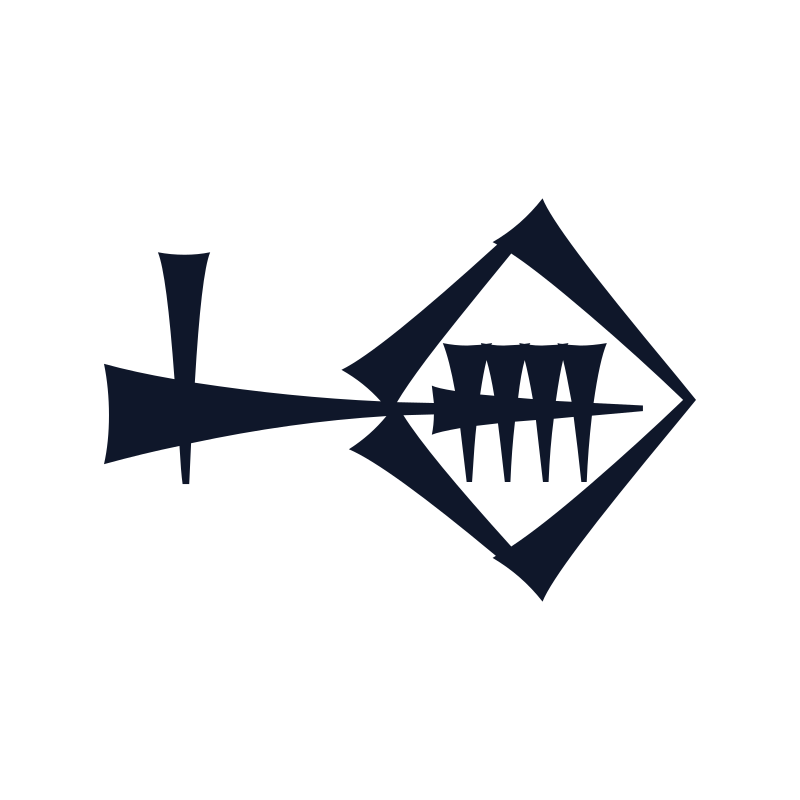 KUN · U+121B2
𒆲
animal tail, canal outlet
Originally a pictograph of an animal's tail, KUN (Akkadian zibbatu) denotes a tail, the rear of an army, or the lower outlet basin and storage reservoir of an irrigation canal (KUN.ZI.DA). In Babylonian astronomy, MUL.KUN.MEŠ ('The Tails', Akkadian Zibbātu) is the official name of the zodiacal constellation Pisces.
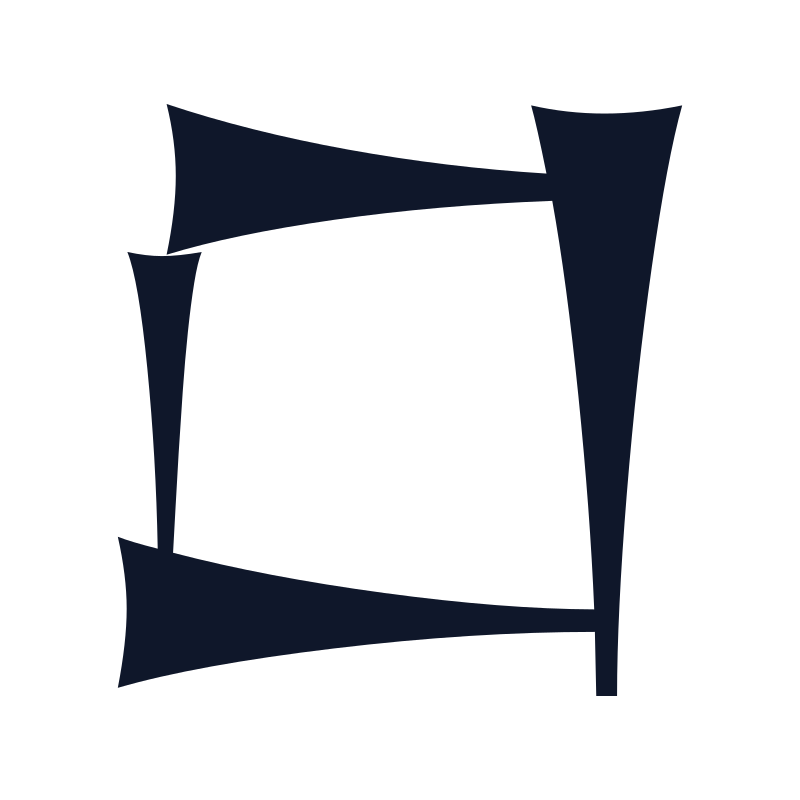 LAGAB / NIGIN₂ · U+121B8
𒆸
block, circle
Formed as a square four-wedge frame (originally a circle or massive block of stone/wood), LAGAB denotes a block, slab, stump, or circular rim (Akkadian pukku, upqu), and read as NIGIN₂ (Akkadian sahāru, pahāru) it means 'to surround, encircle, or gather'. In cuneiform paleography, LAGAB is the most prolific outer container sign, enclosing dozens of smaller signs inside its square frame (such as SUG, GIGIR, and ZIKUM).
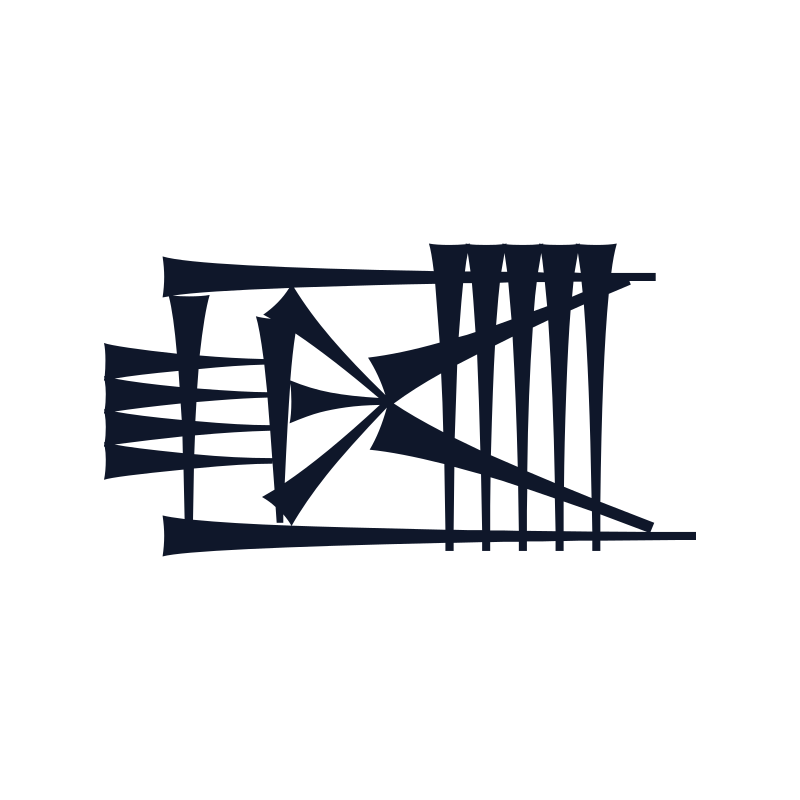 SANGA₂ · U+122AB
𒊫
chief temple administrator, high priest
Representing a variant of the administrative title SANGA (Akkadian šangû, mullilu), this sign designates the chief executive priest-administrator who directed the vast agricultural estates, granaries, workshops, and ritual calendar of a Mesopotamian temple household.
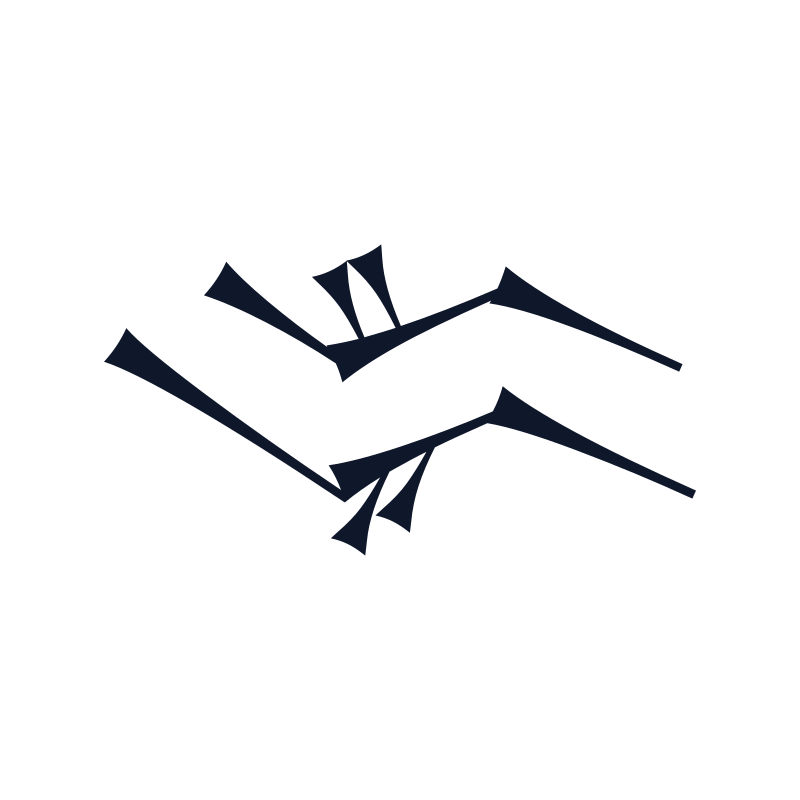 SIG₄ / MURGU · U+122DE
𒋞
sun-dried mudbrick, sacred brickwork
Depicting a rectangular brick mould or courses of laid masonry, SIG₄ (Akkadian libittu) is the logogram for the sun-dried mudbrick—the fundamental building block of every Mesopotamian house, city wall, palace, and towering ziggurat in the stone-poor alluvial plain. Preceded by the divine star (dSIG₄), it names Kulla, the brick-god invoked during temple foundation ceremonies.
 UB / AR₂ · U+12312
𒌒
cosmic quarter, corner of the world
Originally a five-angled pentagram or architectural corner recess, UB (Akkadian tubqu, kibratu) denotes an inner corner, niche, or cosmic region of the horizon. In the royal title LUGAL AN.UB.DA LIMMU₂.BA (Akkadian šar kibrāt erbetti), first adopted by Naram-Sin of Akkad, it proclaims the 'King of the Four Quarters of the World'. Read as AR₂ (Akkadian tanittu), it means 'praise or glory', and phonetically serves as /ub/ and /up/.
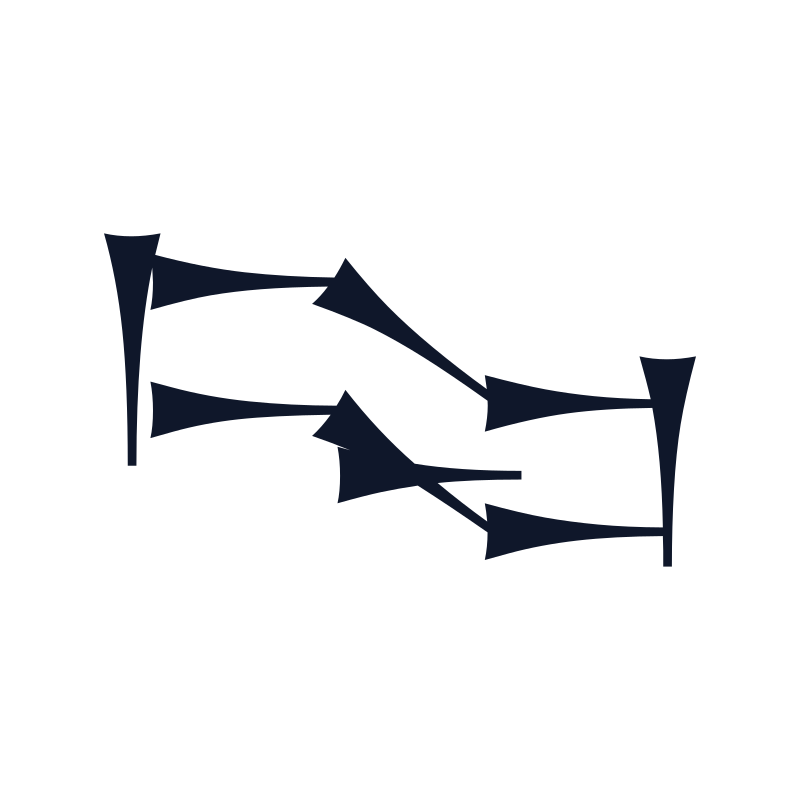 UR₂ (ÚR) · U+1232B
𒌫
root, foundation
Denoting both the human lap, thighs, or loins (Akkadian sūnu, pēmu—where a child is nurtured or a spouse is embraced) and the deep root of a tree or structural foundation of a temple, throne, or the horizon of heaven (AN.UR₂, Akkadian išdu). Royal prayers constantly ask the gods to 'make firm the foundation (UR₂ / išdu) of the king's throne'.
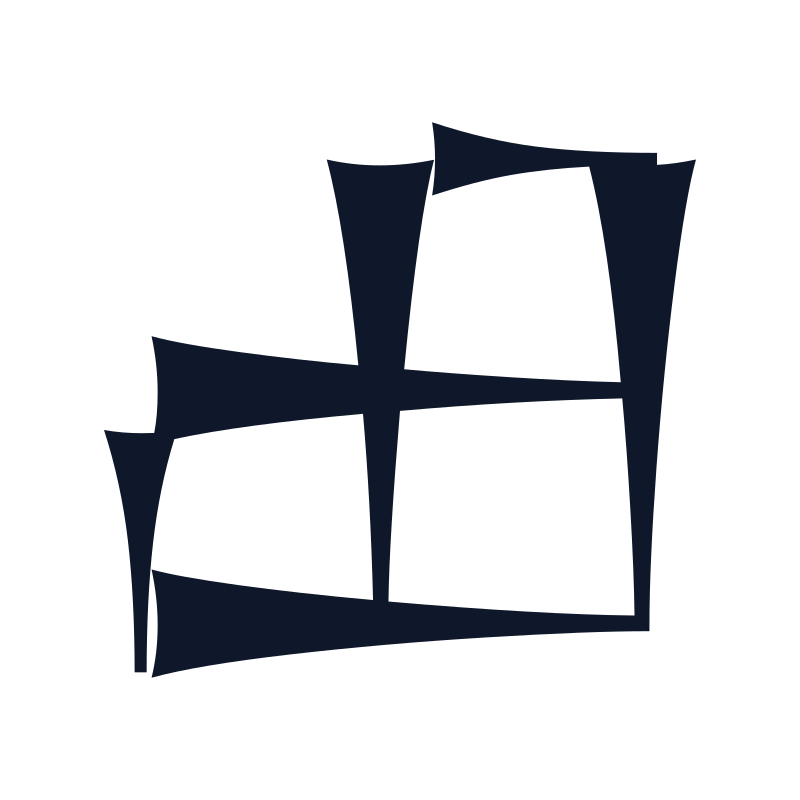 URU (IRI) · U+12337
𒌷
city, urban center
Originally a pictograph of a raised ceremonial seat or walled settlement platform, URU / IRI (Akkadian ālu) is the universal Sumerian word for 'city, town, or capital'—the focal unit of Mesopotamian civilization. Placed silently before geographical names (especially in 1st-millennium Assyrian and Babylonian texts), URU serves as the pre-posed determinative for cities and towns.
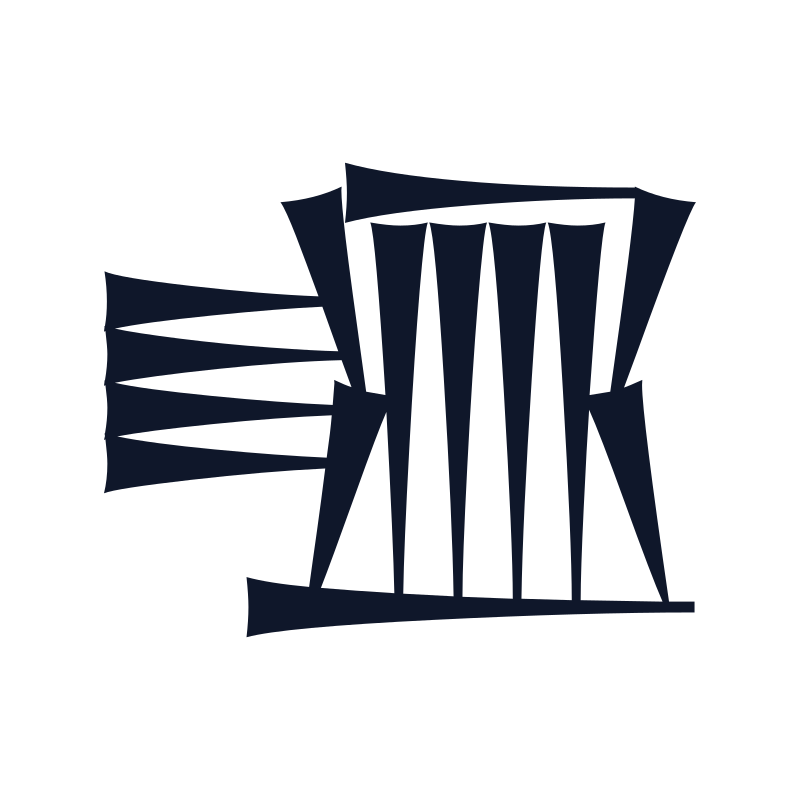 ZAG (ZA₃) · U+12360
𒍠
right side, boundary
One of the richest polysemous signs in Sumerian: ZAG denotes the 'shoulder or right side' (Akkadian imittu—the auspicious side in Mesopotamian omen texts, opposite GUB₃ 'left'), 'border, frontier, or limit' (Akkadian pāṭu, itû; ZAG.MU = New Year's threshold), 'shrine or sanctuary' (Akkadian eširtu), and the 'one-tenth temple tithe' (ZAG.10).
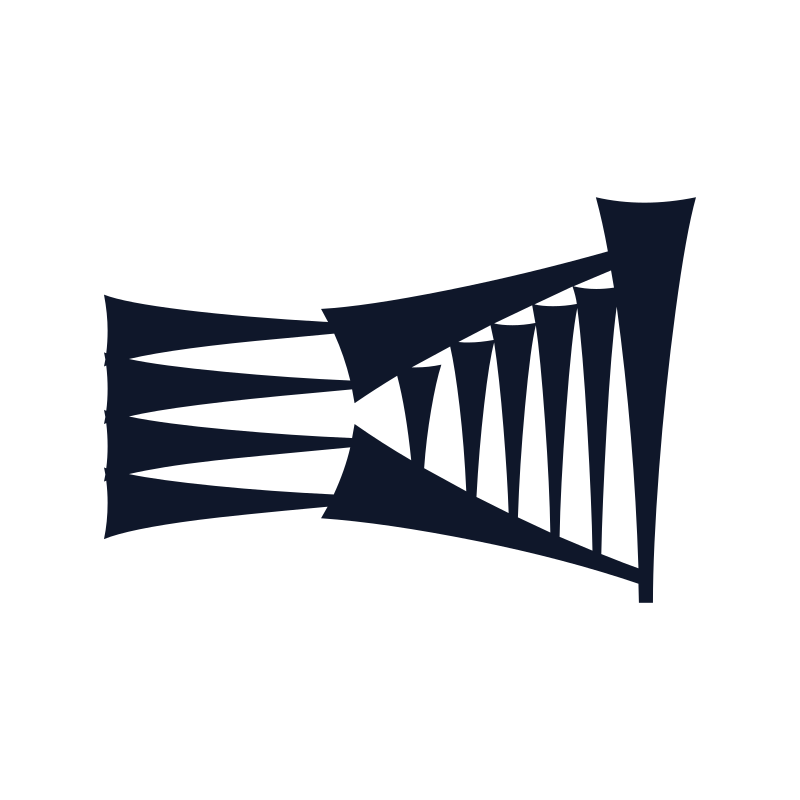 NISAG (MURUB₄) · U+12260
𒉠
firstfruits offering, first month of spring (nisannu)
Meaning 'firstfruits offering, prime libation, or foremost governor/priest' (Sumerian nisag, loaned into Akkadian as nisannu and nišakku), this sign gave its name to the 1st month of the Babylonian year at the spring equinox: ITI.BARA₂.ZAG.GAR / Nisannu—passed into Hebrew, Aramaic, Arabic, and Turkish as the month name Nisan.
 SHESHLAM · U+122C2
𒋂
sanctuary, marsh bird
Cuneiform sign ŠEŠLAM (Borger MZL 305, U+122C2), occurring in Sumerian sacred temple names such as E₂-šešlam and with the bird determinative MUŠEN to denote a type of Mesopotamian marsh bird in lexical lists.
 UNUG · U+12015
𒀕
city of Uruk, sanctuary
Cuneiform sign AB-gunû, read UNUG or UNU (Borger MZL 348, U+12015), formed by ornamenting the temple-shrine sign AB with gunû strokes. Written with the place determinative KI (Unug-ki), it is the logogram for Uruk (biblical Erech), the ancient city of Gilgamesh and the goddess Inanna.
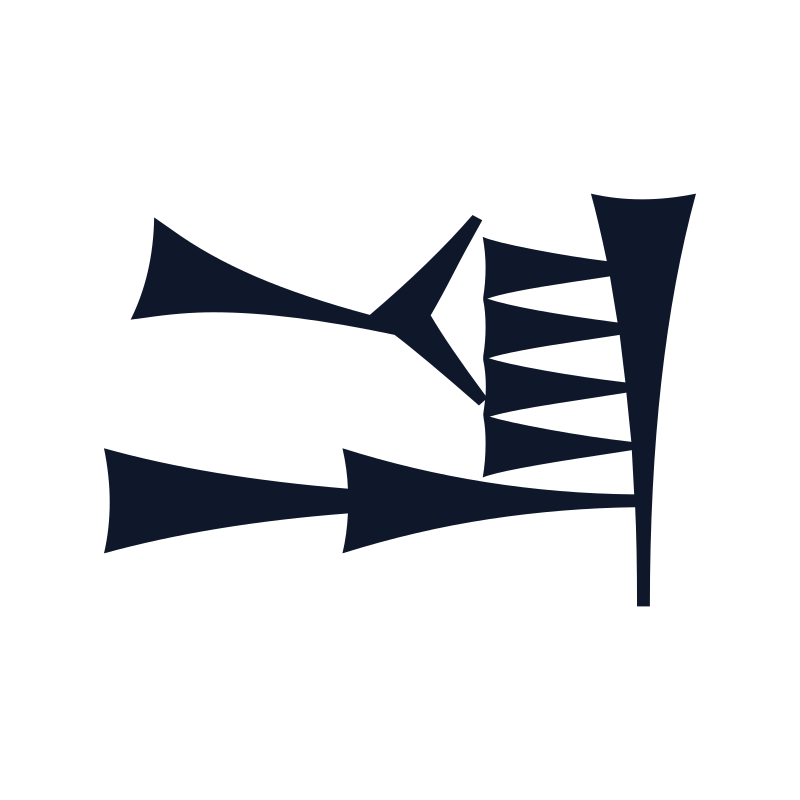 DU6 · U+1207C
𒁼
mound, hill, tell
Cuneiform sign DU-gunû, read DU₆ or LAḪ₄ (Borger MZL 351, U+1207C). As du₆ (Akkadian tillu) it denotes an ancient settlement mound ('tell'), ruin hill, or sacred cosmic mound (du₆-ku₃ 'Holy Mound'), while as laḫ₄ it serves as the plural stem of the verb 'to bring, drive'.
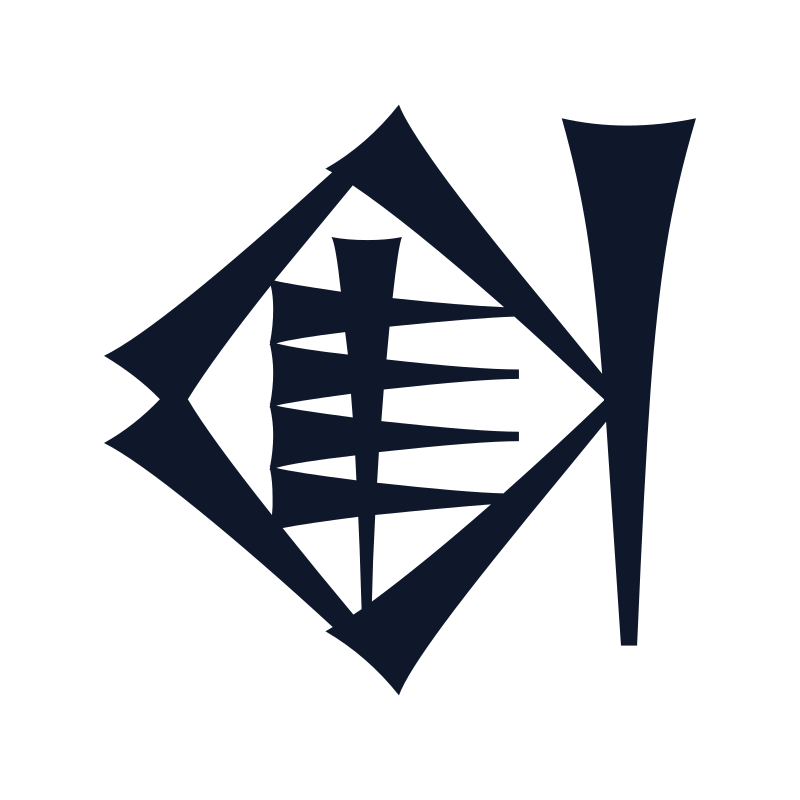 KAR · U+122FD
𒋽
harbor, market, save
Cuneiform sign TE-gunû, universally read KAR (Borger MZL 589, U+122FD). As a noun it denotes a canal 'quay, embankment, harbor, and trading colony/marketplace' (Sumerian kar; Akkadian kāru, as in Kārum Kanesh), while as a verb it means 'to save, rescue' (Akkadian eṭēru) or 'to take away' (ekēmu), and writes the syllable kar.
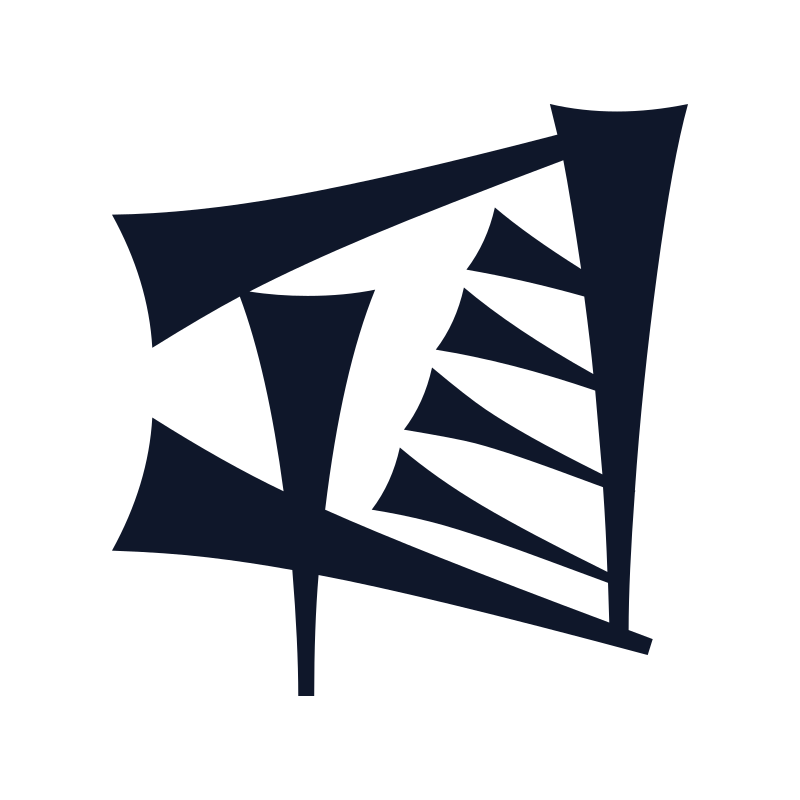 LAGAR_GUNU · U+121EF
𒇯
temple minister, shrine
Cuneiform sign LAGAR-gunû (Borger MZL 697, U+121EF), an ornamented gunû form of LAGAR (a high-ranking Sumerian cultic priest or vizier; Akkadian lagaru), also overlapping paleographically with DU₆ ('sacred mound') in Neo-Assyrian script.
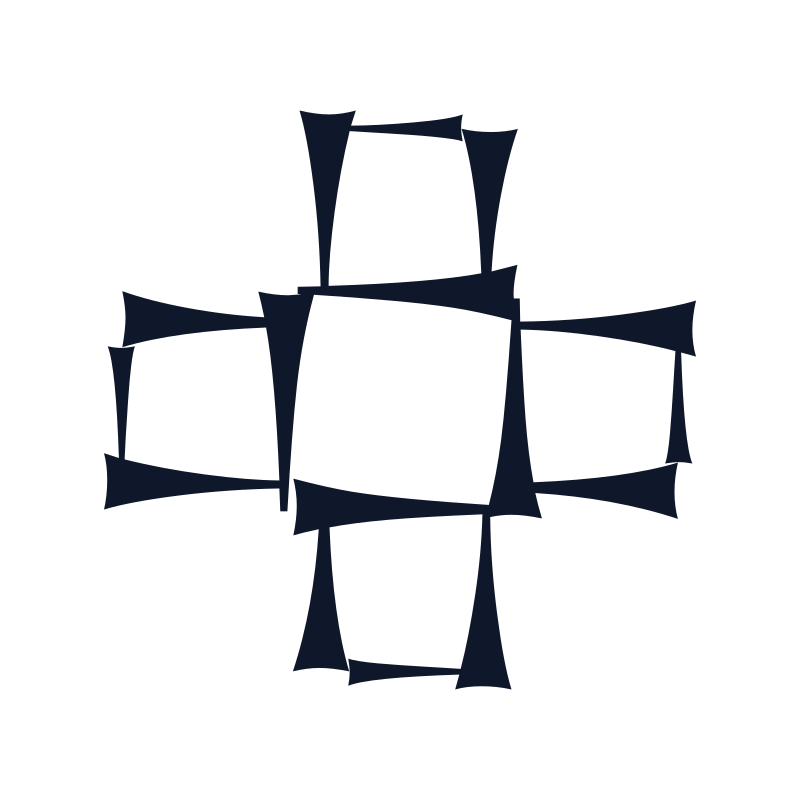 LAGAB_SQUARED · U+121EB
𒇫
totality, enclosure
Cuneiform sign LAGAB-squared (four LAGAB enclosures arranged in a square, Borger MZL 794, U+121EB), read NIGIN₅ or ŠU.NIGIN₂, symbolizing complete totality, encircling from all four sides, or a fourfold architectural court.
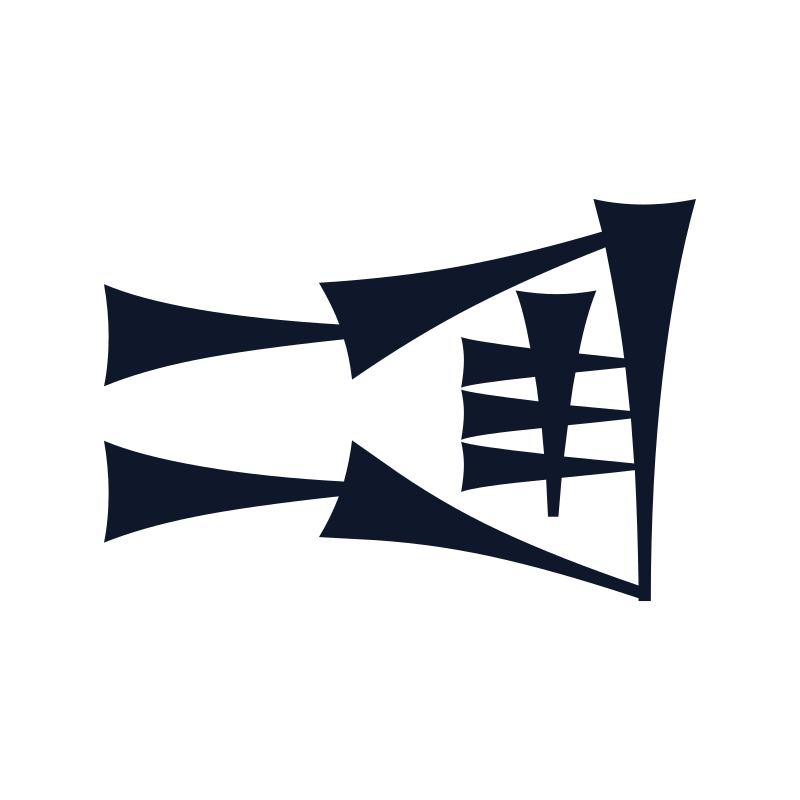 AB_ASH2 · U+1200B
𒀋
sacred shrine, dwelling
Cuneiform sign AB×AŠ₂ (Borger MZL 234, U+1200B), a compound sign formed by inscribing AŠ₂ inside the sanctuary sign AB, attested in Mesopotamian lexical lists for a sacred dwelling or city quarter.
 IRI11 · U+1200D
𒀍
great sanctuary, city
Cuneiform sign AB×GAL, read IRI₁₁ or URU₁₂ (Borger MZL 241, U+1200D), inscribing GAL ('great') within the shrine sign AB to denote a 'great sanctuary' or 'exalted city' in Sumerian liturgical and lexical texts.
 NINA · U+1200F
𒀏
Nineveh, goddess Nanshe
Famous cuneiform sign AB×ḪA, read NINA, NANŠE, or NINUA (Borger MZL 246, U+1200F), depicting a fish (ḪA) inside a shrine/enclosure (AB). With the divine determinative (d-Nanše) it writes the Sumerian goddess of social justice, dreams, and fishes Nanše; with the place determinative (Nina-ki / Ninua-ki) it writes both the Lagashite city Sirara/Nina and the Assyrian capital Nineveh.
 AB_IMIN · U+12011
𒀑
sevenfold shrine
Cuneiform sign AB×IMIN (Borger MZL 247, U+12011), inscribing the number seven (IMIN) inside the sanctuary sign AB, preserved in Babylonian lexical lists of sacred architectural and cultic terms.
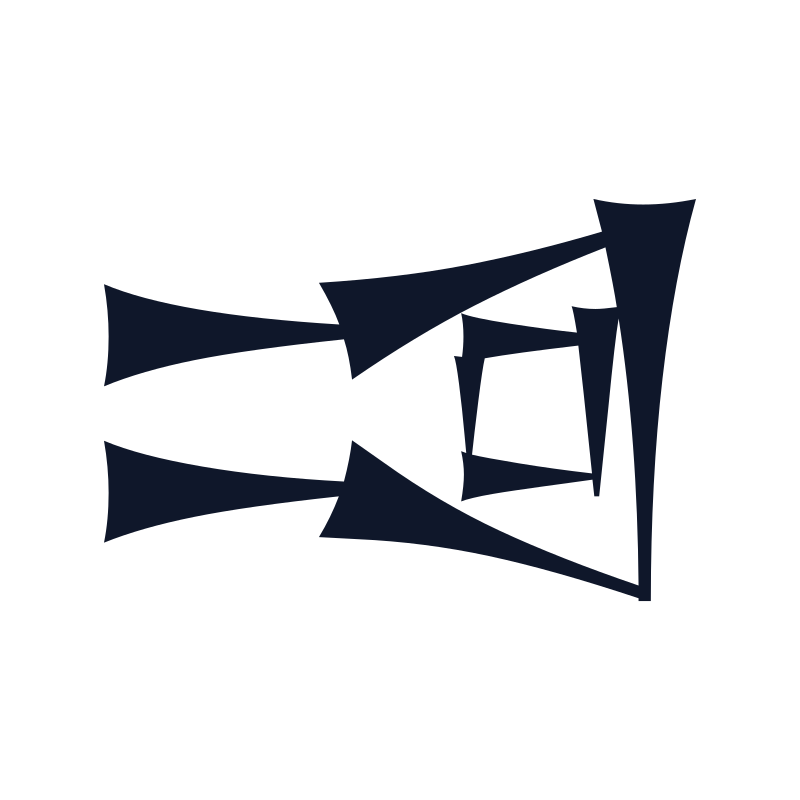 MURGU3 · U+12012
𒀒
inner sanctum, enclosure
Cuneiform sign AB×LAGAB, read MURGU₃ (Borger MZL 245, U+12012), combining the shrine sign AB with the enclosure sign LAGAB in Mesopotamian lexical traditions.
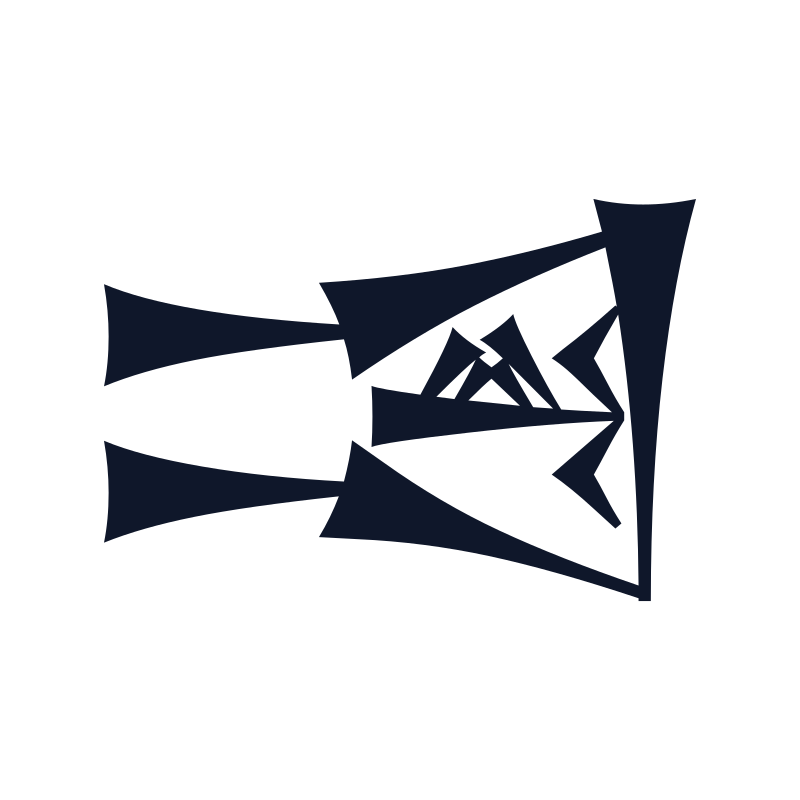 AB_SHESH · U+12013
𒀓
sacred shrine
Cuneiform sign AB׊EŠ (Borger MZL 242, U+12013), inscribing ŠEŠ inside the shrine sign AB, attested in Babylonian lexical lists of temple and sanctuary ideograms.
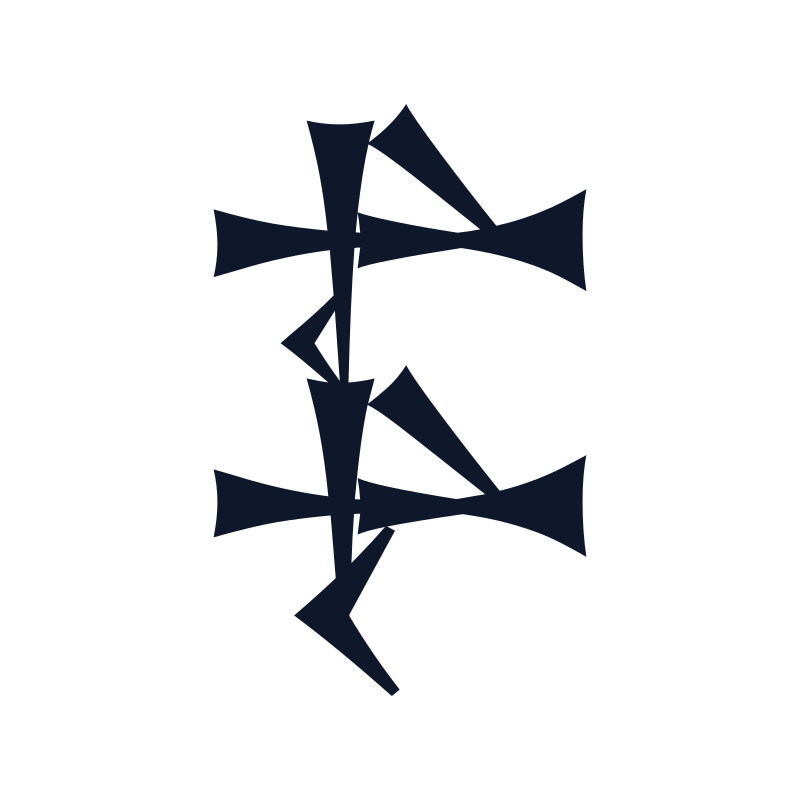 BULUG_BULUG · U+12052
𒁒
boundary stakes, borders
Cuneiform sign BULUG/BULUG (two boundary-peg signs BULUG stacked vertically, Borger MZL 163, U+12052), expressing plural or reduplicated boundary markers, borders, or dividing pins (Sumerian bulug-bulug; Akkadian pulukku).
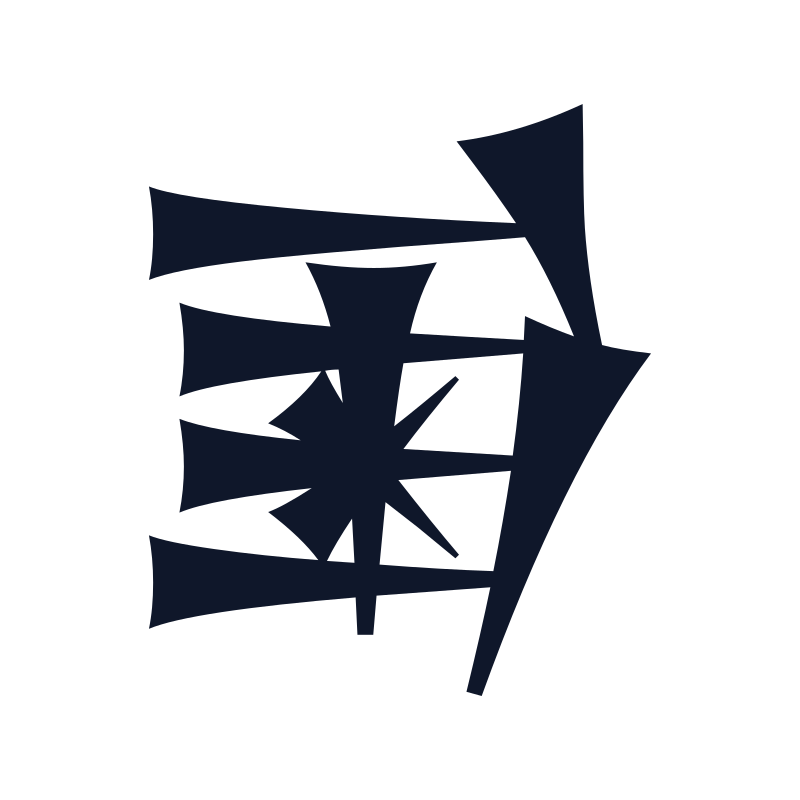 E_PAP · U+1208B
𒂋
libation pipe, conduit
Cuneiform sign E×PAP (Borger MZL 499, U+1208B), combining the canal/ditch sign E with PAP, denoting a clay libation pipe or water conduit (Akkadian arūtu) through which cool water and beer were poured to ancestral spirits in the netherworld.
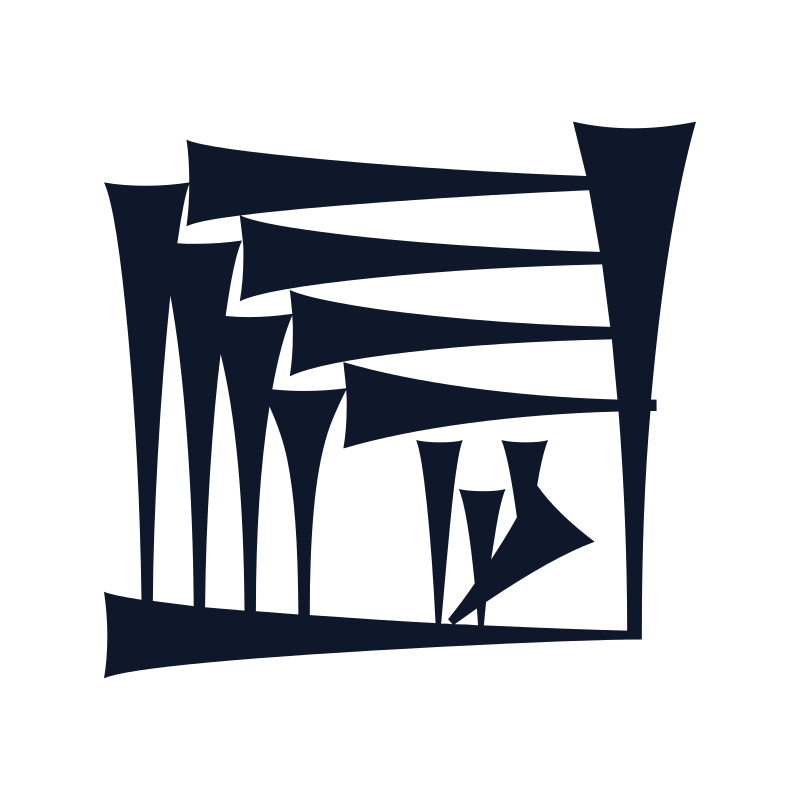 E2_GAR · U+1208F
𒂏
provision house, pantry
Cuneiform sign E₂×GAR (Borger MZL 500, U+1208F), inscribing GAR ('bread, food ration') inside E₂ ('house, temple') to denote a provision storehouse, pantry, or temple refectory.
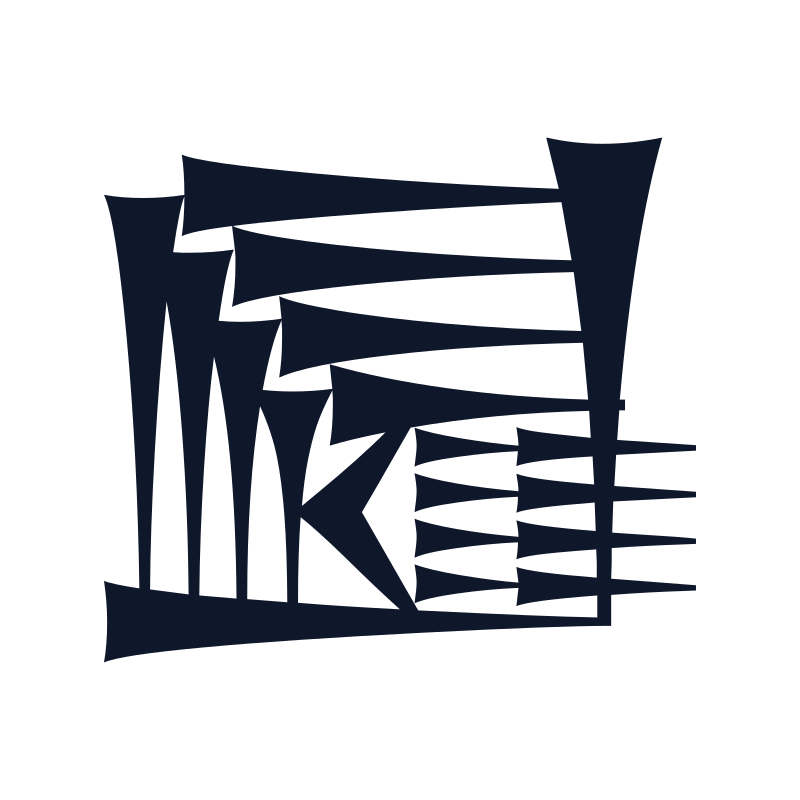 ITIMA · U+12090
𒂐
inner cella, dark chamber
Cuneiform sign E₂×MI, read ITIMA (Borger MZL 502, U+12090), a transparent compound ideogram combining E₂ ('house, temple') + MI ('dark, night'), literally 'darkened room'. It denotes the windowless inner sanctum (cella) of a temple or a private bedchamber (Sumerian itima; Akkadian kummu, kissu, bīt ikleti).
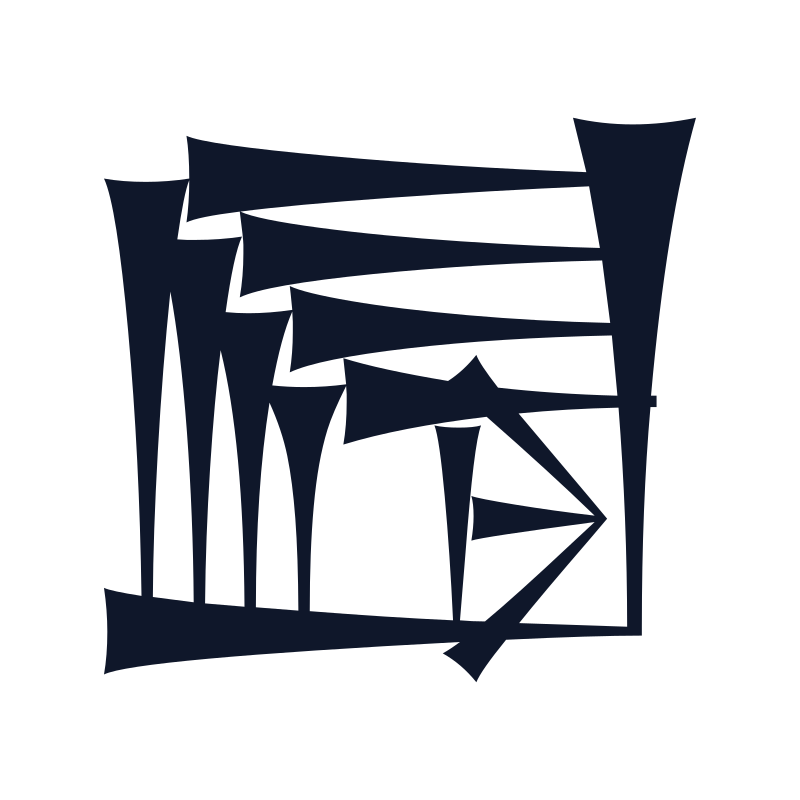 AMA5 · U+12091
𒂑
women's quarters, chamber
Cuneiform sign E₂×SAL, read AMA₅ (Borger MZL 504, U+12091), combining E₂ ('house') + SAL/MUNUS ('woman'). It is the Sumerian logogram for 'women's quarters, private domestic apartment, or living chamber' (Sumerian ama₅; Akkadian maštaku) and can also read arḫuš₂ ('womb, compassion').
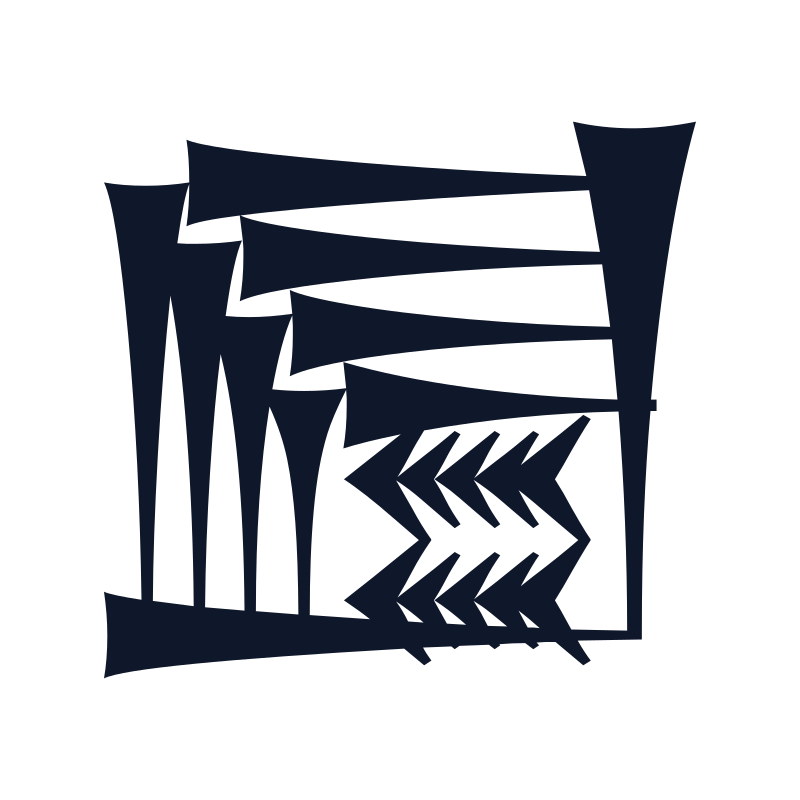 E2_SHE · U+12092
𒂒
granary, grain store
Cuneiform sign E₂׊E (Borger MZL 501, U+12092), inscribing ŠE ('barley, grain') inside E₂ ('house') to denote a 'granary, grain silo, or barley storehouse' (Akkadian našpaku, bīt še'i).
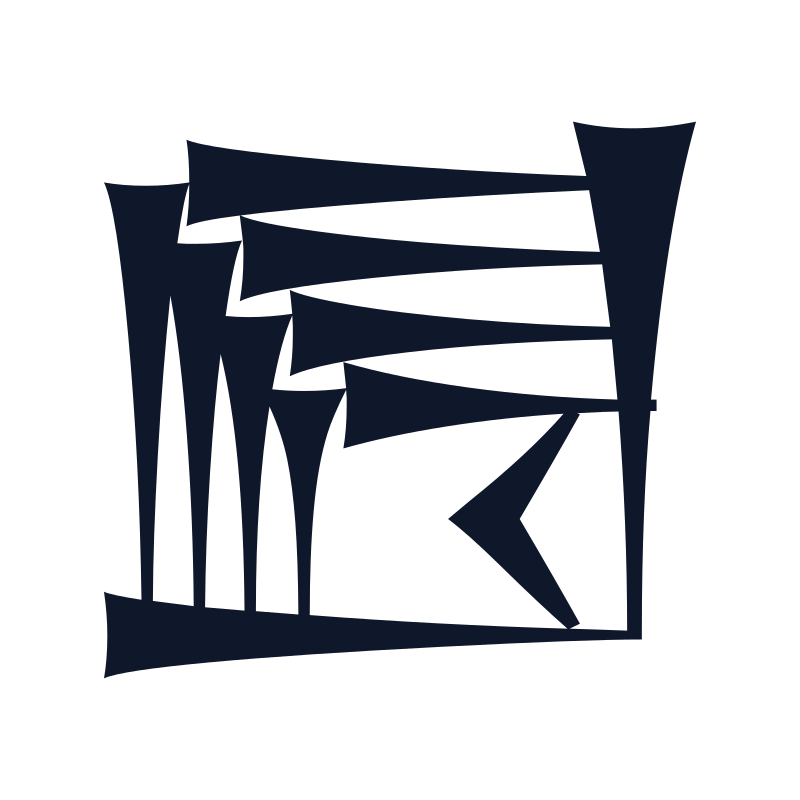 E2_U · U+12093
𒂓
enclosed fold, hall
Cuneiform sign E₂×U (Borger MZL 503, U+12093), inscribing U inside the house/temple sign E₂, preserved in Babylonian lexical lists of architectural and household ideograms.
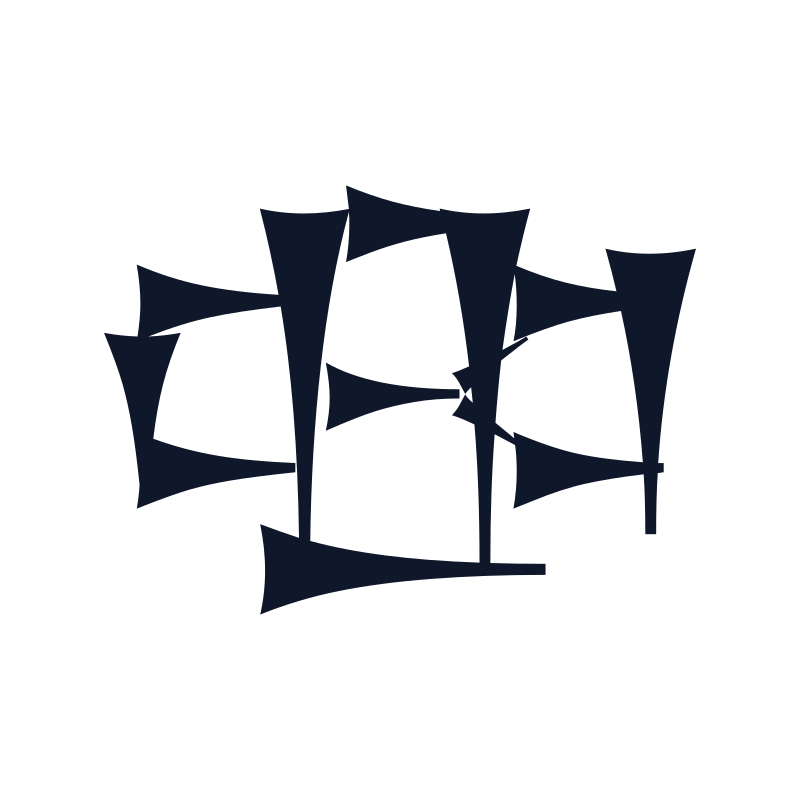 BAD3 · U+120A6
𒂦
city wall, fortress
Cuneiform sign EZEN×BAD, universally read BAD₃ (Borger MZL 263, U+120A6), originally depicting a fortified enclosure. It is the primary Sumerian logogram for 'city wall, fortification, fortress, rampart' (Sumerian bad₃; Akkadian dūru), famous in royal year-names ('Year the great wall was built') and city names like Bad-tibira and Dūr-Šarrukīn.
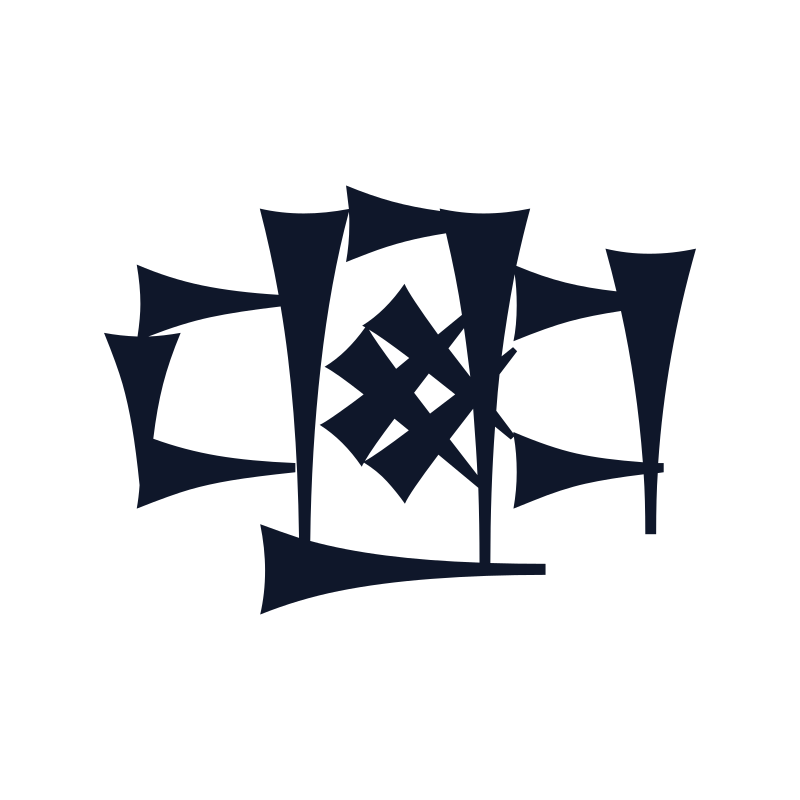 EZEN_KASKAL · U+120AC
𒂬
procession, festival
Cuneiform sign EZEN×KASKAL (Borger MZL 266, U+120AC), combining EZEN ('festival') with KASKAL ('road, journey'), used in lexical traditions for festival processions and jubilant celebration.
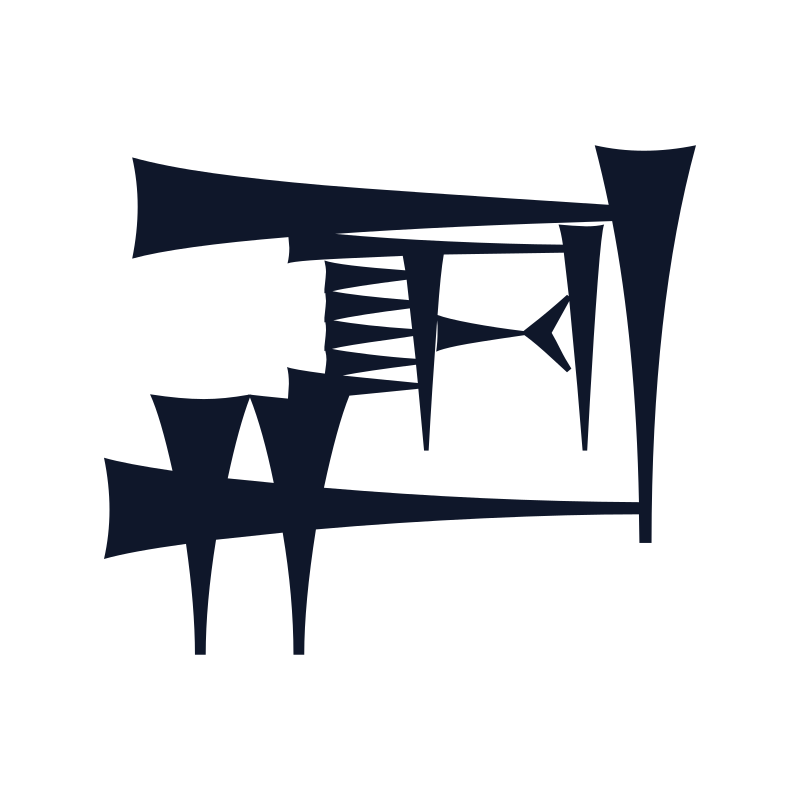 GA2_DA · U+120C3
𒃃
side chamber, wing
Cuneiform sign GA₂×DA (Borger MZL 419, U+120C3), inscribing DA ('side, arm') inside the house/container sign GA₂, preserved in Babylonian lexical lists of architectural compartments and containers.
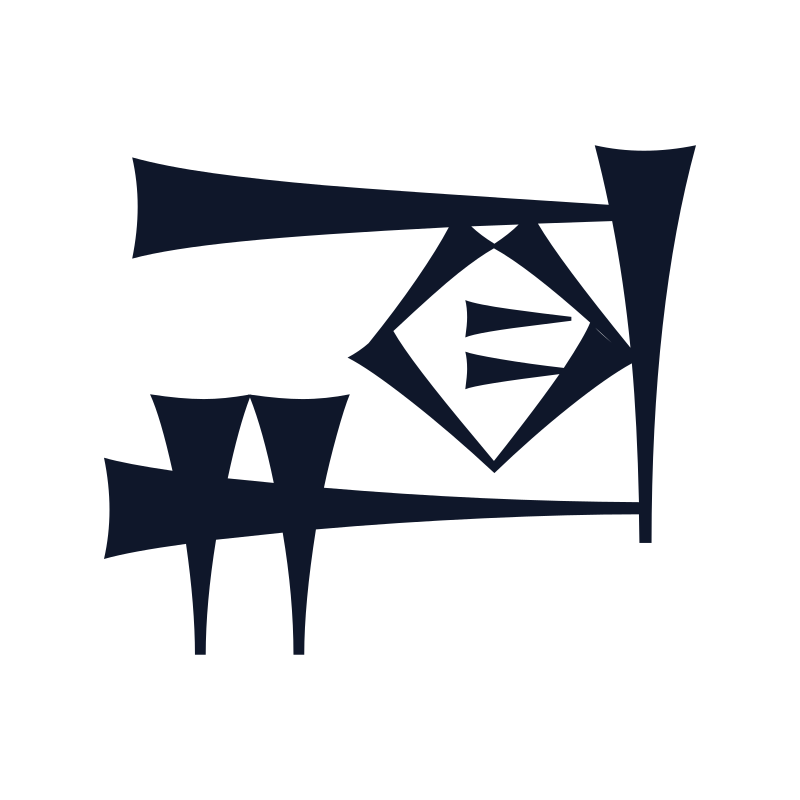 GA2_DI · U+120C4
𒃄
judgment hall, chamber
Cuneiform sign GA₂×DI (Borger MZL 432, U+120C4), combining the chamber/enclosure sign GA₂ with DI ('legal case, judgment') in Babylonian lexical traditions.
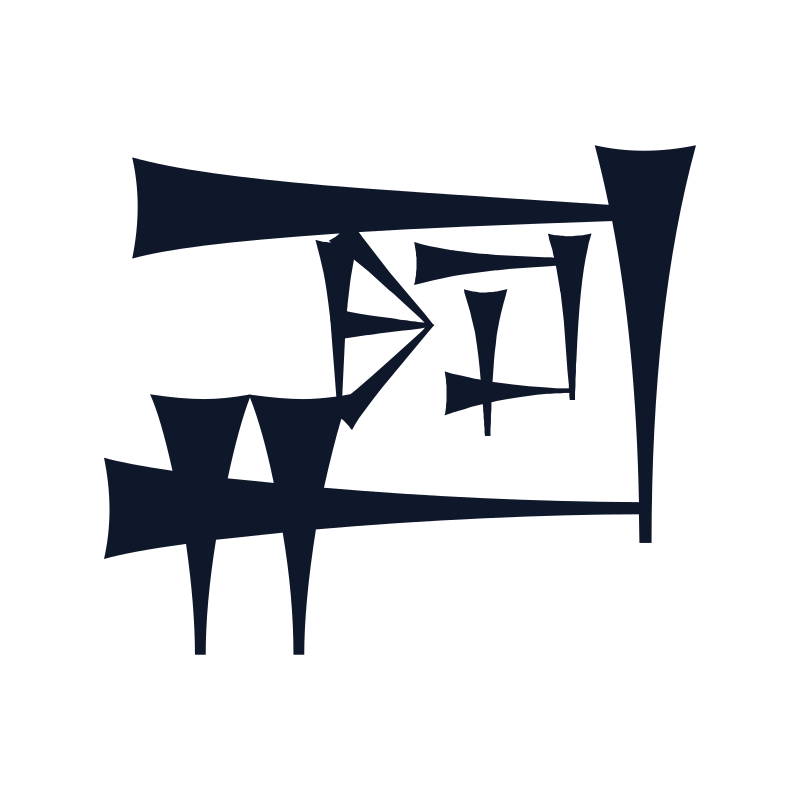 GA2_EL · U+120C7
𒃇
purification chamber
Cuneiform sign GA₂×EL (Borger MZL 435, U+120C7), inscribing the purity sign EL/SIKIL inside the chamber/container sign GA₂ in Babylonian lexical series.
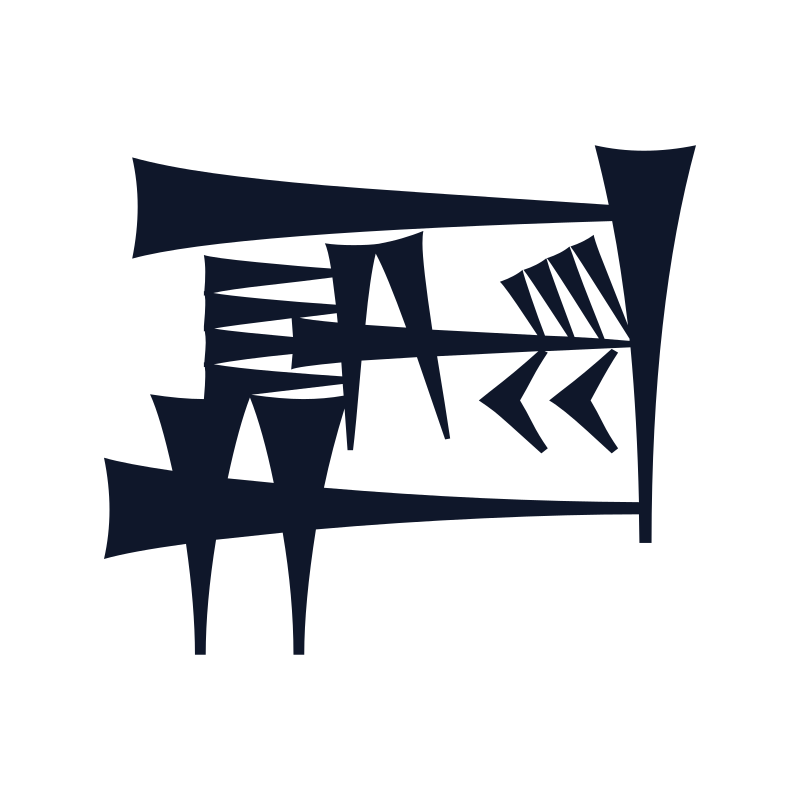 GA2_GI4 · U+120CE
𒃎
locked chamber, chest
Cuneiform sign GA₂×GI₄ (Borger MZL 420, U+120CE), combining GA₂ ('house, container') with GI₄ ('to turn, lock, close') in Babylonian lexical lists.
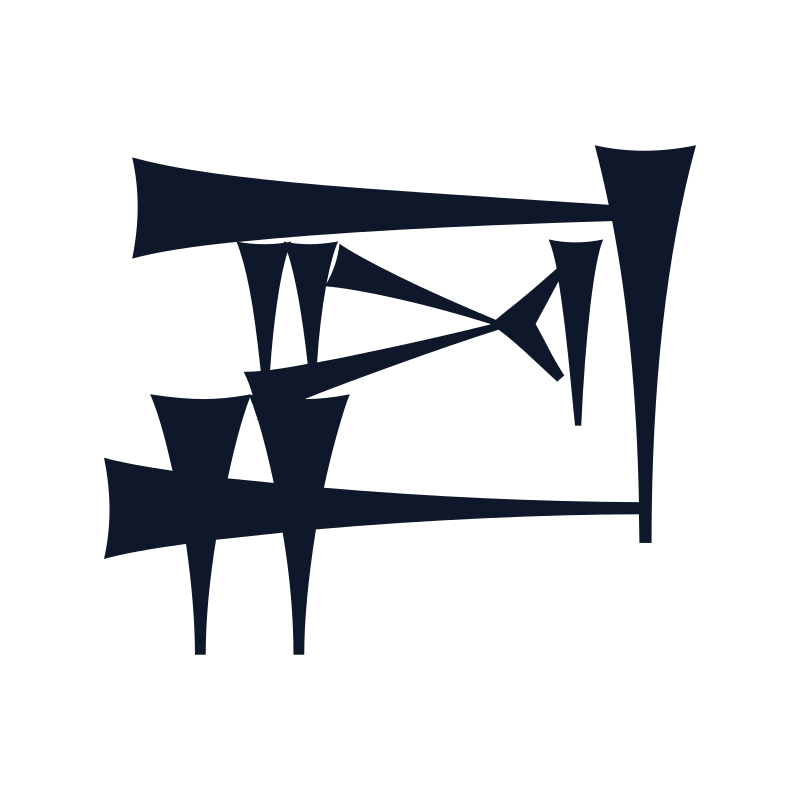 GA2_HUB2 · U+120D5
𒃕
enclosed court, chamber
Cuneiform sign GA₂×ḪUB₂ (Borger MZL 418, U+120D5), inscribing ḪUB₂ inside the enclosure sign GA₂, attested in Babylonian scholarly sign lists.
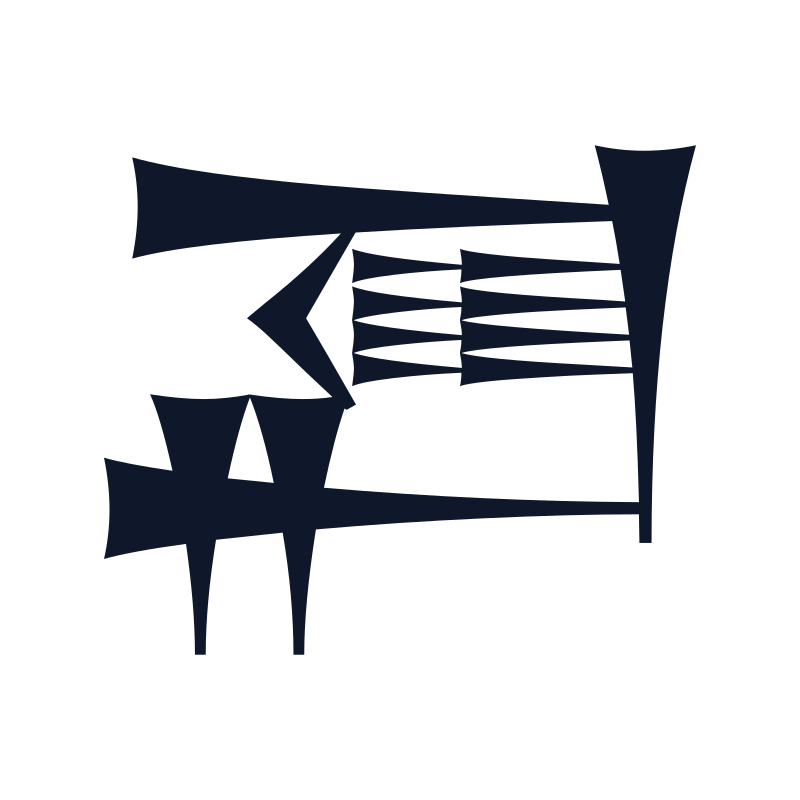 ITIMA2 · U+120DF
𒃟
dark cella, inner shrine
Cuneiform sign GA₂×MI, read ITIMA₂ (Borger MZL 436, U+120DF), inscribing MI ('darkness, night') inside the room/house sign GA₂. Like E₂×MI (itima), it denotes the dark, secluded inner cella of a temple or private sleeping chamber (Akkadian kummu, kissu).
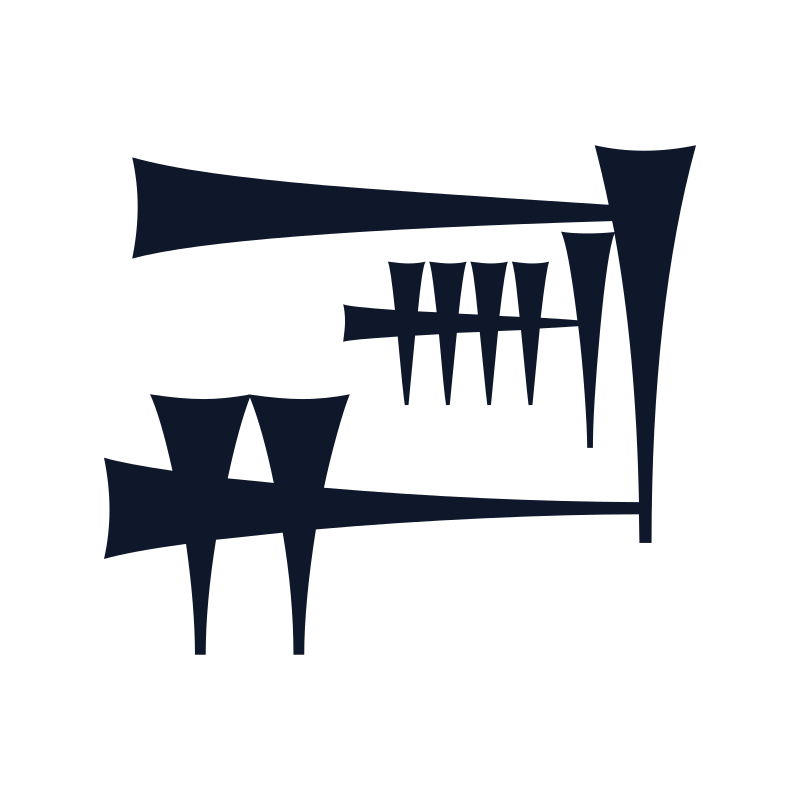 GANUN · U+120E0
𒃠
storehouse, treasury
Cuneiform sign GA₂×NUN, read GANUN (Borger MZL 416, U+120E0), combining GA₂ ('house, chamber') with NUN ('princely, great'). It is the standard Sumerian logogram for a 'storehouse, royal depot, granary, or treasury chamber' (Sumerian ga-nun, ganun; Akkadian ganūnu), ubiquitous in Ur III and Old Babylonian economic archives.
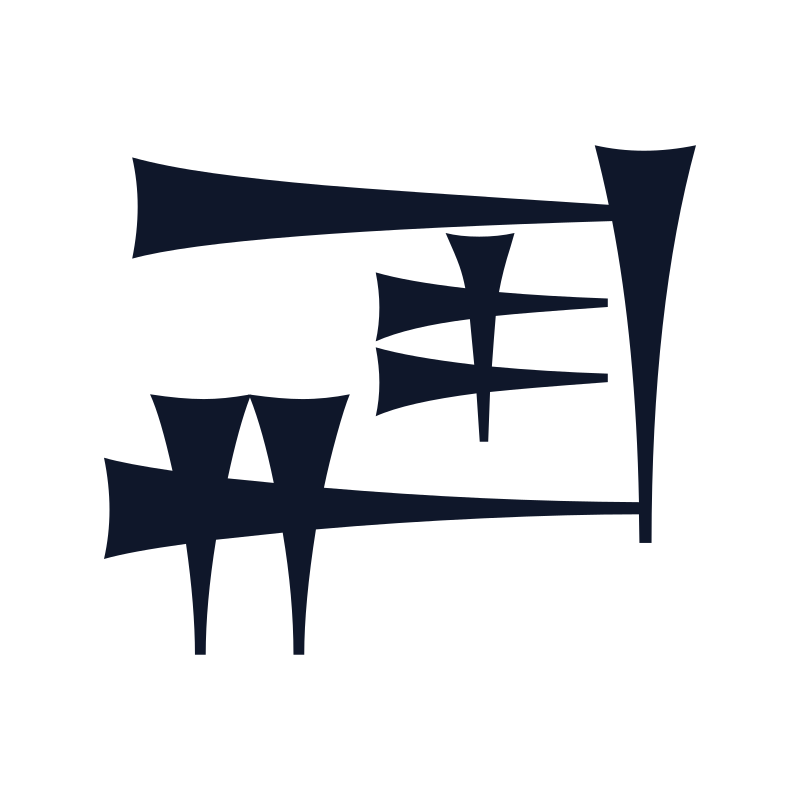 GA2_PA · U+120E2
𒃢
overseer's office, chest
Cuneiform sign GA₂×PA (Borger MZL 422, U+120E2), inscribing PA ('scepter, overseer ugula') inside the house/container sign GA₂ in Babylonian lexical lists.
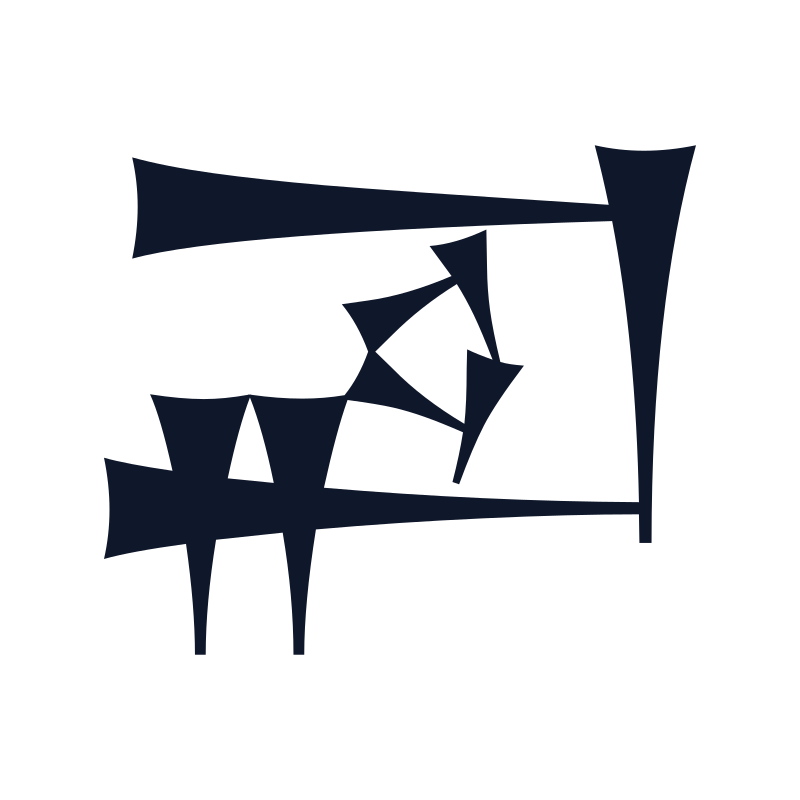 GA2_UD · U+120EB
𒃫
sunlit court, drying basket
Cuneiform sign GA₂×UD (Borger MZL 431, U+120EB), combining the enclosure/basket sign GA₂ with UD ('sun, day, dry') in Babylonian lexical lists.
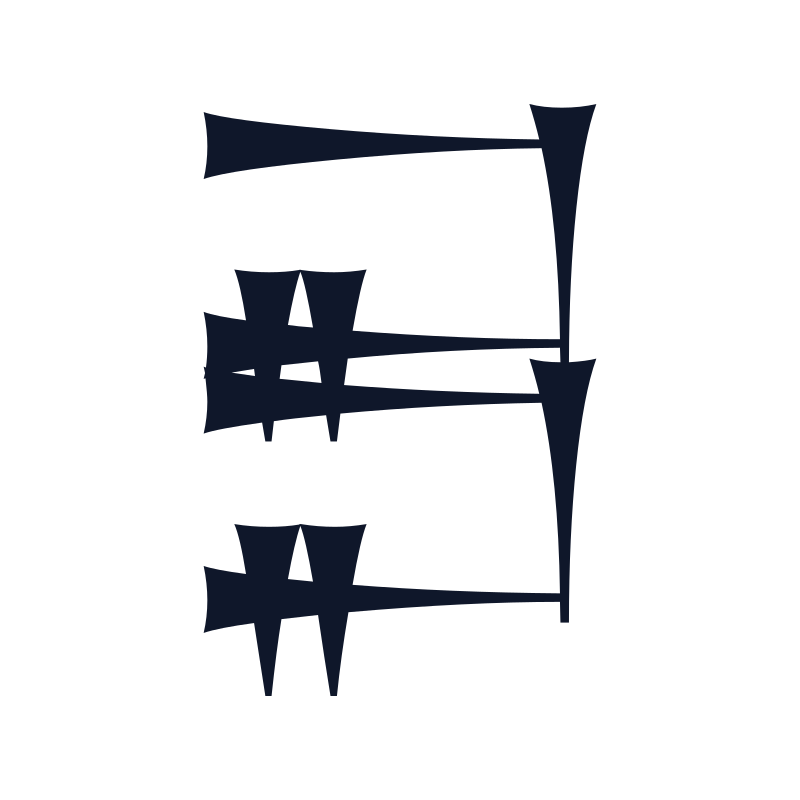 GA2_GA2 · U+120ED
𒃭
chambers, storehouses
Cuneiform sign GA₂/GA₂ (two GA₂ enclosure signs stacked vertically, Borger MZL 438, U+120ED), representing plural chambers, stacked storage containers, or the reduplicated verb ga₂-ga₂ ('to place, establish repeatedly').
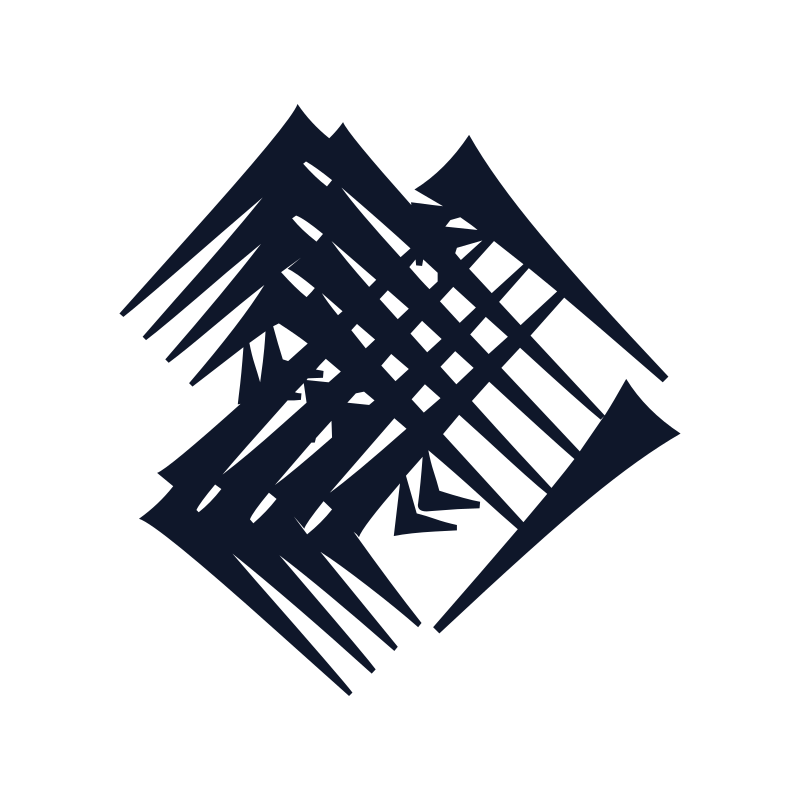 KA2×KA2 · U+1218E
𒆎
crossed gates, crossroads
KA₂ CROSSING KA₂ (𒆎) is a symmetric compound glyph formed by two intersecting KA₂ ('gate') signs. In Mesopotamian architectural and lexical traditions, it represents intersecting city gates, a grand double portal, or a major urban crossroads.
 LAGAB×SHU2 · U+121DF
𒇟
covered pit, domed chamber
LAGAB׊U₂ (𒇟) encloses ŠU₂ ('to cover, roof over, darken') within the circular ring LAGAB. In Babylonian lexical traditions, it denotes a roofed storage pit, a domed underground chamber, or a shaded enclosure.
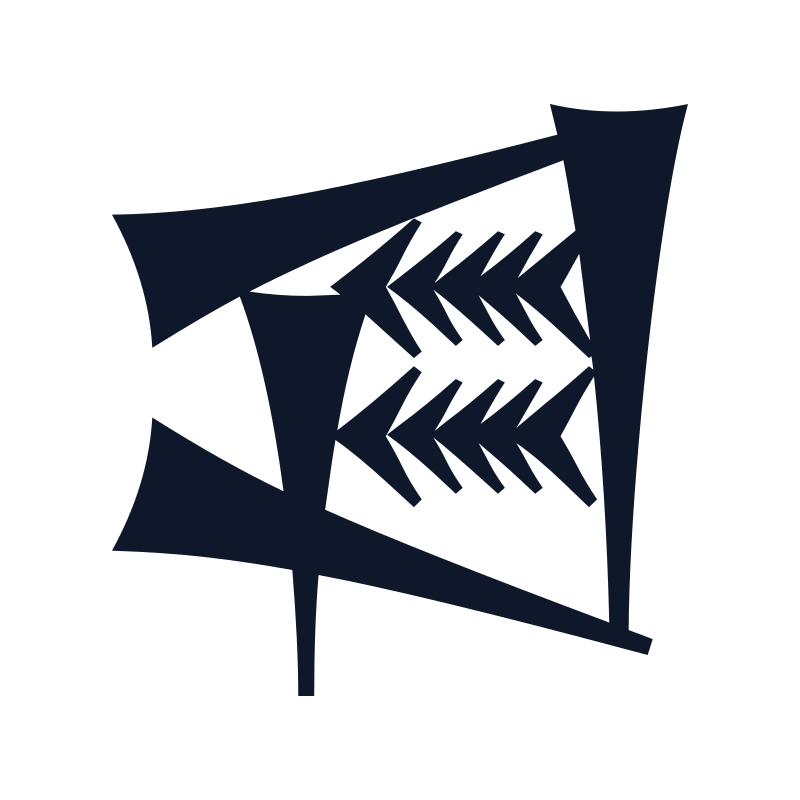 DU6 · U+121ED
𒇭
ruin mound, tell, hill
DU₆ (𒇭, structurally LAGAR׊E, originally a high heap of grain) is the standard Sumerian logogram for 'mound, ruin hill, or archaeological tell' (Akkadian `tīlu`). It also appears in `du₆-ku₃` ('Pure Mound'), the mythical cosmic mountain of the gods where destinies were decreed.
 URU×A · U+12338
𒌸
watered city, flood deluge
URU×A (𒌸) combines URU ('city; flood/deluge `uru₂`') with an inscribed A ('water, canal'). In Sumerian and Akkadian texts, it denotes either a settlement surrounded by water and canals or a sweeping flood (`abūbu`).
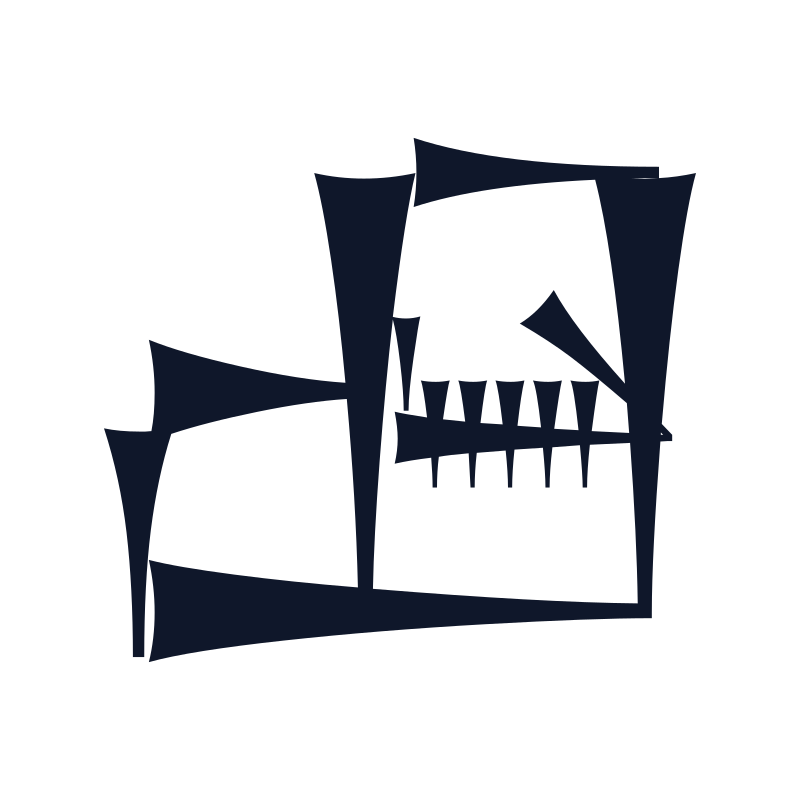 URU×ASHGAB · U+12339
𒌹
leatherworkers' quarter, town
URU×AŠGAB (𒌹) encloses AŠGAB ('leatherworker, tanner'; Akkadian `aškāpu`) within URU ('city, urban quarter'). In Early Dynastic and Ur III administrative geography (such as the specialized craft town of `Girsu` / `Garšana`), it designates the leatherworkers' district or settlement.
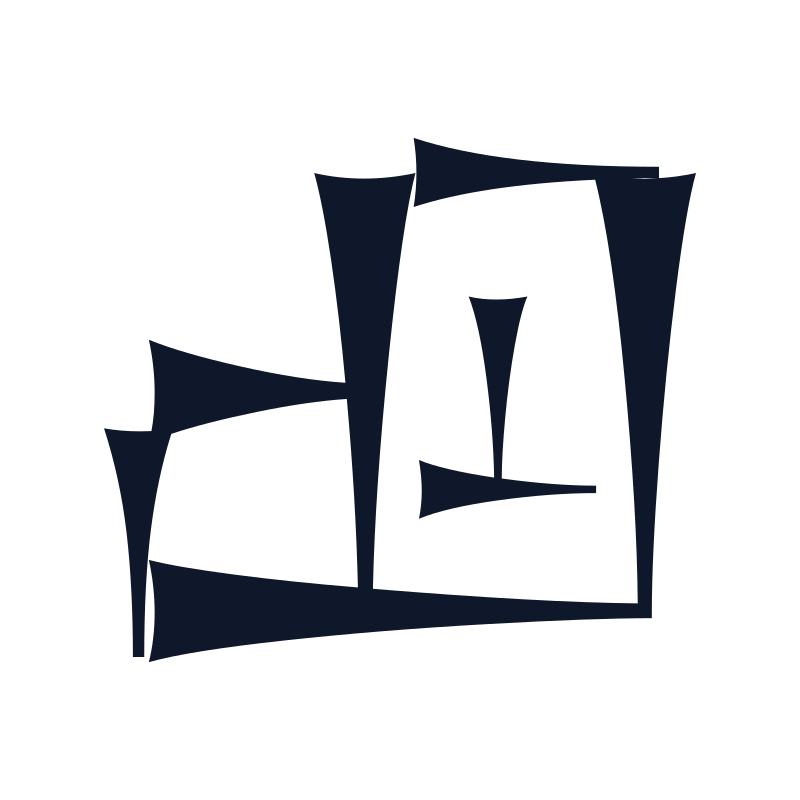 URU×BAR · U+1233A
𒌺
outer city, suburb, outskirts
URU×BAR (𒌺) combines URU ('city') with BAR ('outside, outer, side'). Corresponding to Sumerian `uru-bar` ('outer city, suburb, rural village'; Akkadian `uru-bar-ra`, `kapru`, `kamītu`), it designates the settlements and districts lying outside the main inner city wall (`uru-ša₃`).
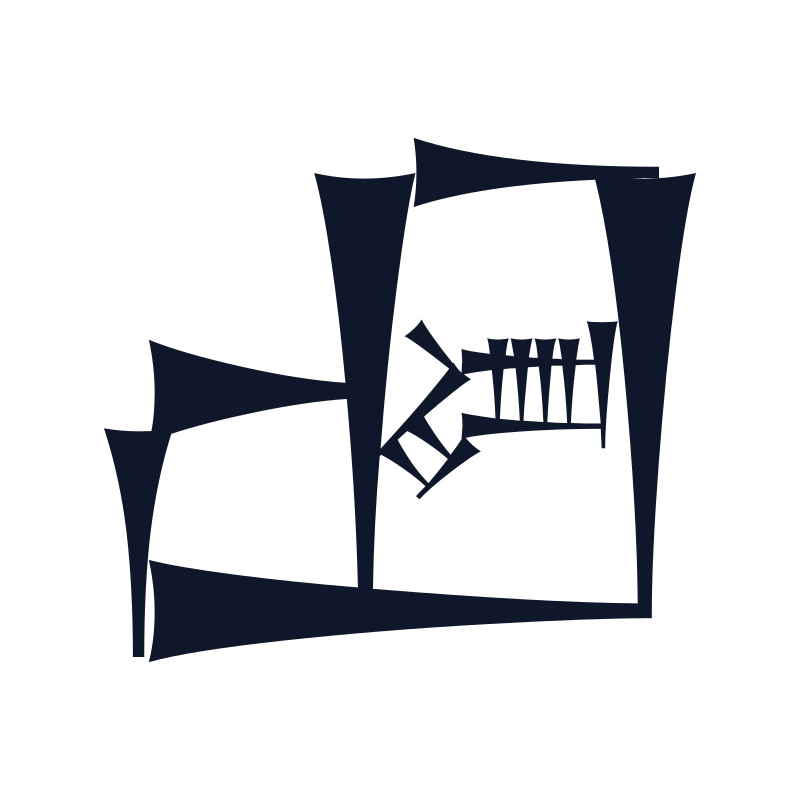 URU×DUN · U+1233B
𒌻
moated city, entrenched town
URU×DUN (𒌻) combines URU ('city') with an inscribed DUN ('to dig canals and trenches, excavate'; Akkadian `herû`). In Mesopotamian lexical and geographical lists, it denotes a city protected by excavated moats and irrigation canals.
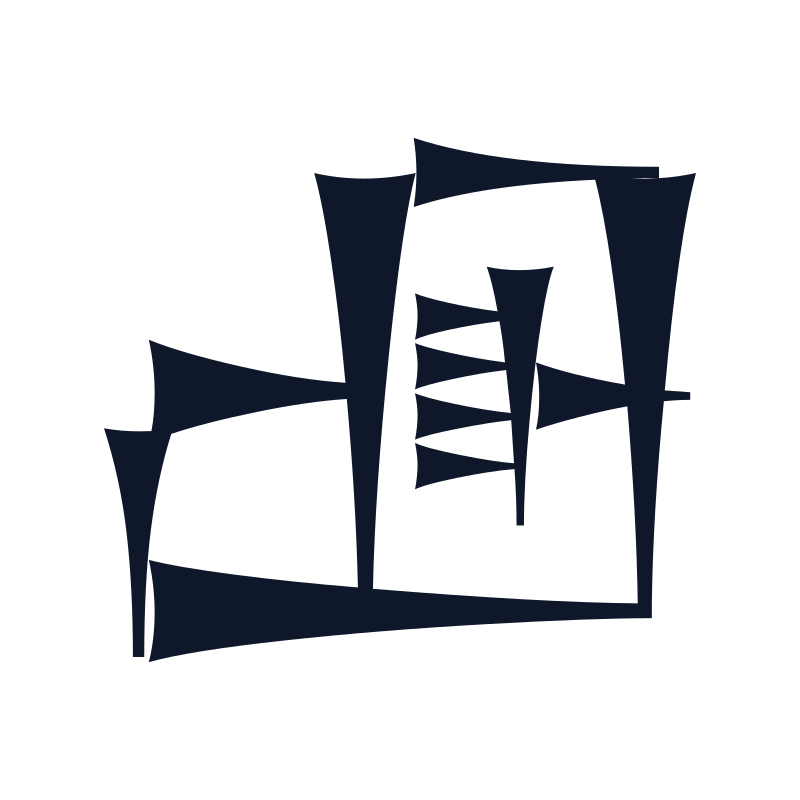 URU×GAL · U+1233D
𒌽
great city, metropolis
URU×GAL (𒌽) combines URU ('city') with an inscribed GAL ('great, large'). Corresponding to Sumerian `iri-gal` / `uru-gal` (Akkadian `ālu rabû`, `irigallu`), it means both a 'great city, capital metropolis' and the 'Great City' of the dead—the Mesopotamian underworld.
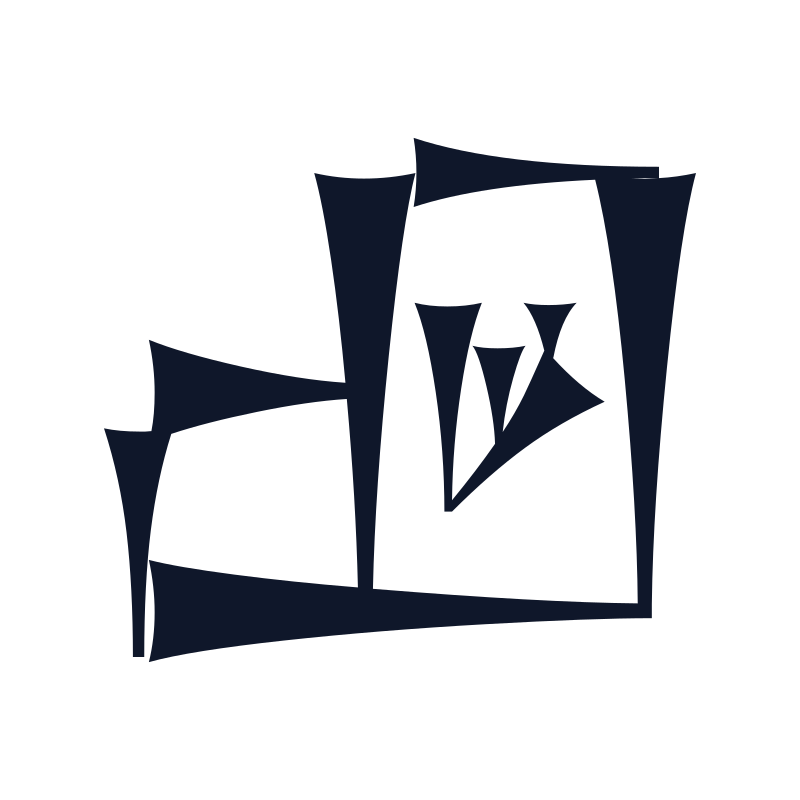 URU×GAR · U+1233F
𒌿
provisioned city, urban center
URU×GAR (𒌿) encloses GAR / NINDA ('bread, food ration; to place/store') within URU ('city'). In Mesopotamian lexical and administrative traditions, it denotes a well-provisioned city, a royal supply depot town, or the central heart of a settlement.
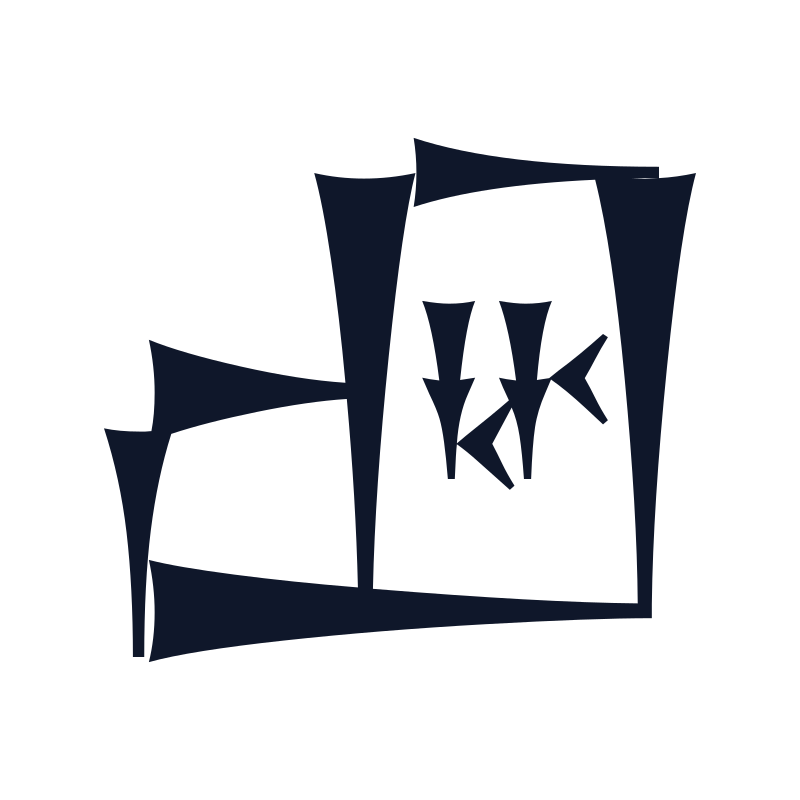 URU×HA · U+12341
𒍁
fishing town, lagoon city
URU×HA (𒍁) combines URU ('city, settlement') with an inscribed HA / KU₆ ('fish'). Closely related in structure to AB×HA (`NINA` / `Sirara`), it designates a fishing settlement, a lagoon harbor town, or an urban fish-landing district.
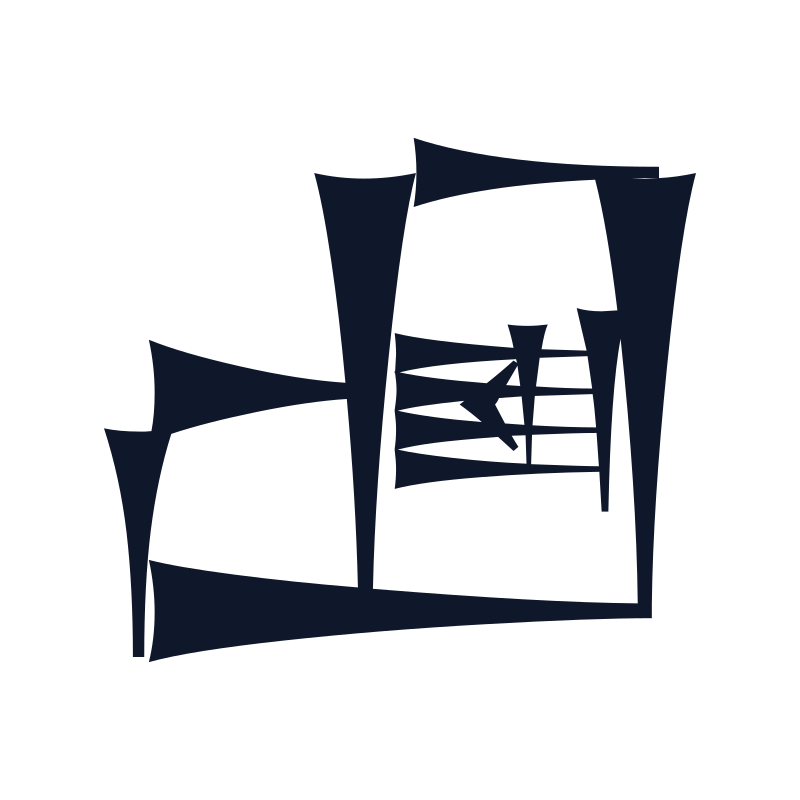 URU×ISH · U+12344
𒍄
mound city, hilltop town
URU×IŠ (𒍄) combines URU ('city, settlement') with an inscribed IŠ ('hill, mound, dust, earth'). In Mesopotamian lexical lists, it denotes a city built atop a high earthen mound (`tell`) or a dust-swept ruin settlement.
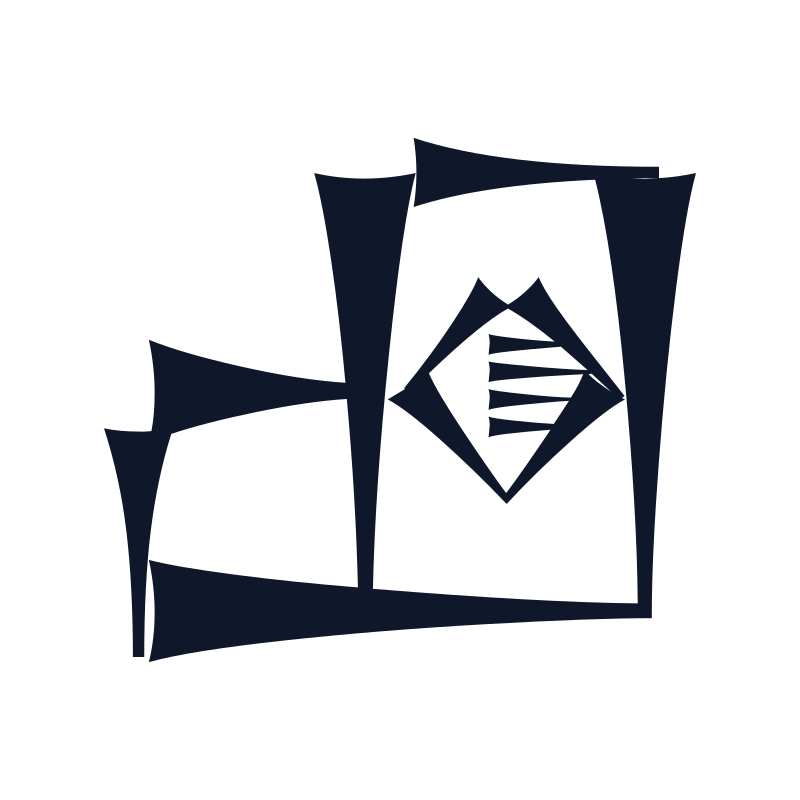 URU×KI · U+12345
𒍅
city-state, urban territory
URU×KI (𒍅) encloses the geographical determinative and noun KI ('place, land, earth') inside URU ('city'). It functions as a monographic writing for `uru-ki`—designating a city together with its surrounding territory, a city-state, or a native hometown.
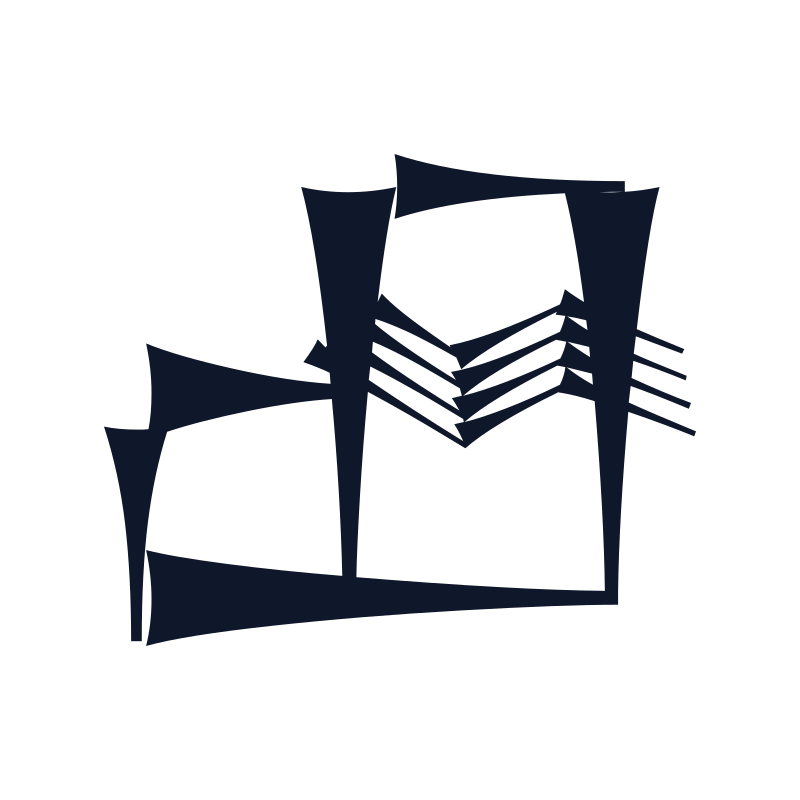 URU×LUM · U+12346
𒍆
flourishing city, thriving town
URU×LUM (𒍆) combines URU ('city') with an inscribed LUM ('to flourish, bear abundant fruit, thrive'). In Babylonian lexical lists, it denotes a prosperous, teeming city blessed with agricultural abundance.
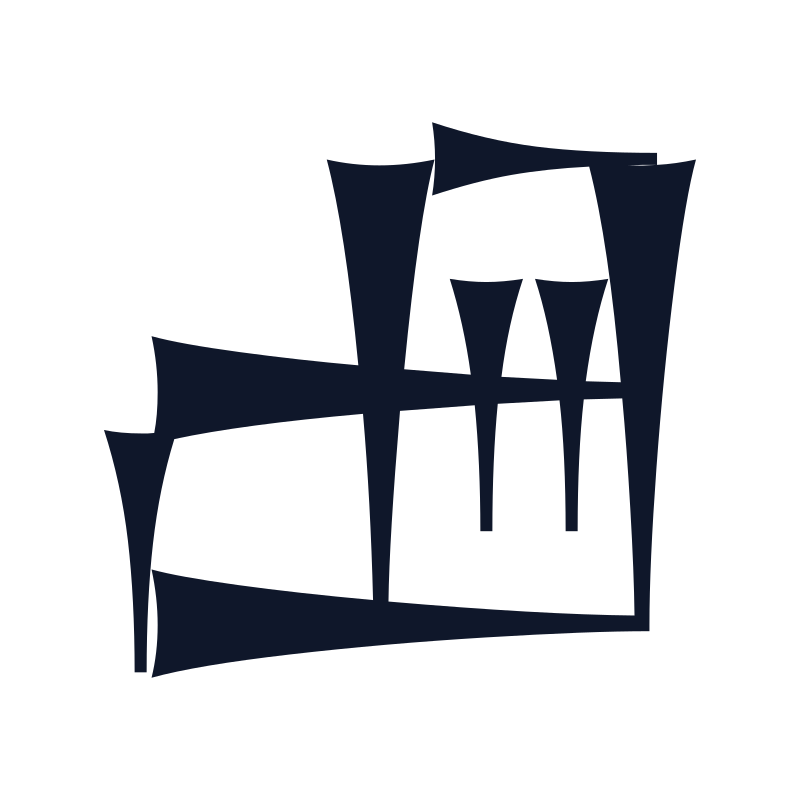 URU×MIN · U+12347
𒍇
twin city, dual settlement
URU×MIN (𒍇) encloses the numeral sign MIN ('two, twin, partner') inside URU ('city'). In Mesopotamian lexical traditions, it denotes a twin city, a settlement divided into two halves by a river or canal, or a dual urban district.
 URU×PA · U+12348
𒍈
governed city, administrative seat
URU×PA (𒍈) combines URU ('city') with an inscribed PA ('scepter, overseer, governor'). In Mesopotamian lexical and administrative lists, it denotes a city seat governed by an overseer (`ugula-uru`, Akkadian `šākin āli`).
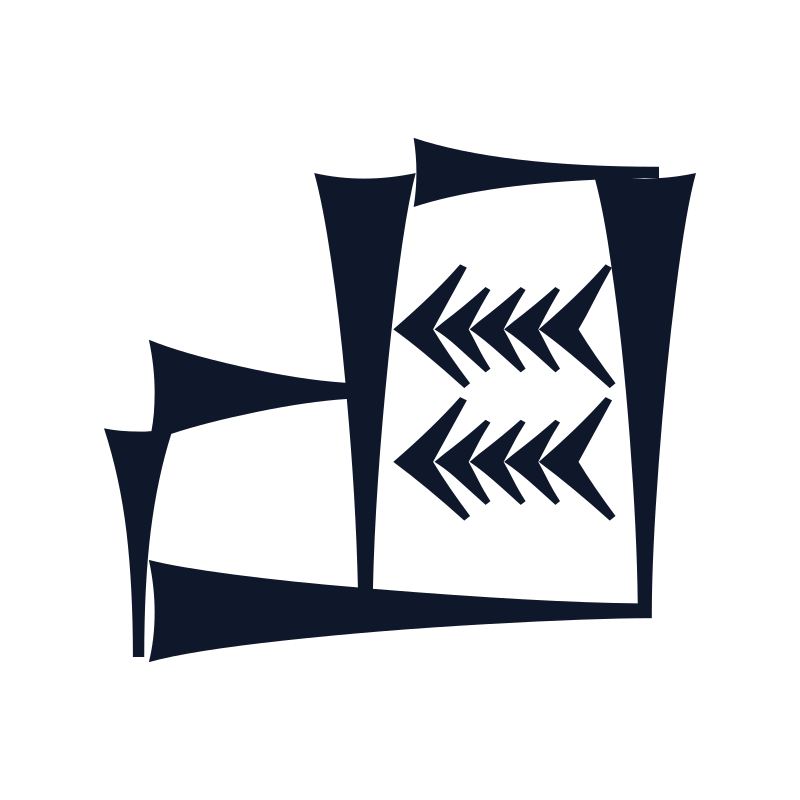 URU×SHE · U+12349
𒍉
grain town, barley depot
URU׊E (𒍉) encloses ŠE ('barley, grain') within URU ('city, village'). In Sumerian administrative geography (such as the famous village of `Āl-Šarrākī` / `Uru-Saĝ-rig₇`), it designates a rural grain-collecting settlement or municipal barley depot.
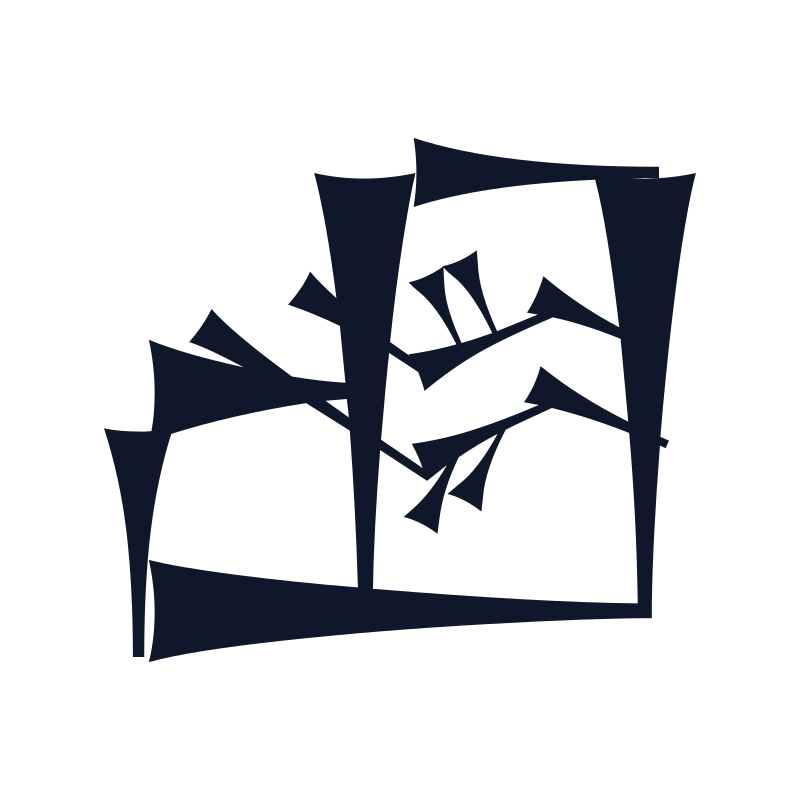 URU×SIG4 · U+1234A
𒍊
brick-built city, brickwork
URU×SIG₄ (𒍊) combines URU ('city') with an inscribed SIG₄ ('mudbrick, brickwork'; Akkadian `libittu`). In Sumerian city laments and temple hymns, a city's sacred brickwork (`sig₄-uru`) embodies its physical permanence and divine foundation.
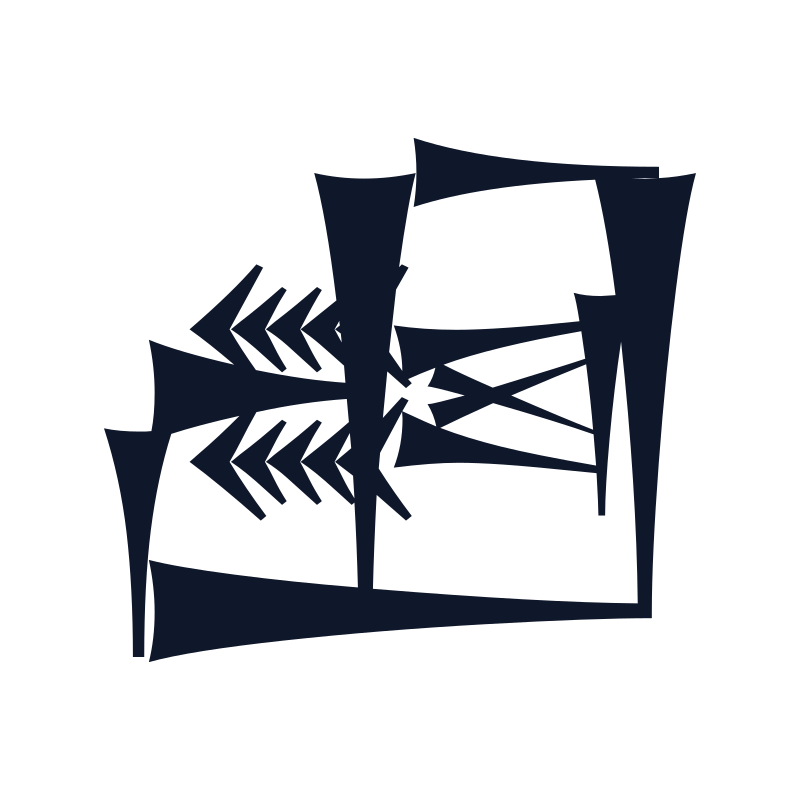 URU×TU · U+1234B
𒍋
sanctuary town, priestly city
URU×TU (𒍋) encloses TU ('priest, incantation `tu₆`; to enter `ku₄`') within URU ('city'). Attested in Babylonian lexical series, it denotes a priestly sanctuary town or a ritual reading in the URU compound series.
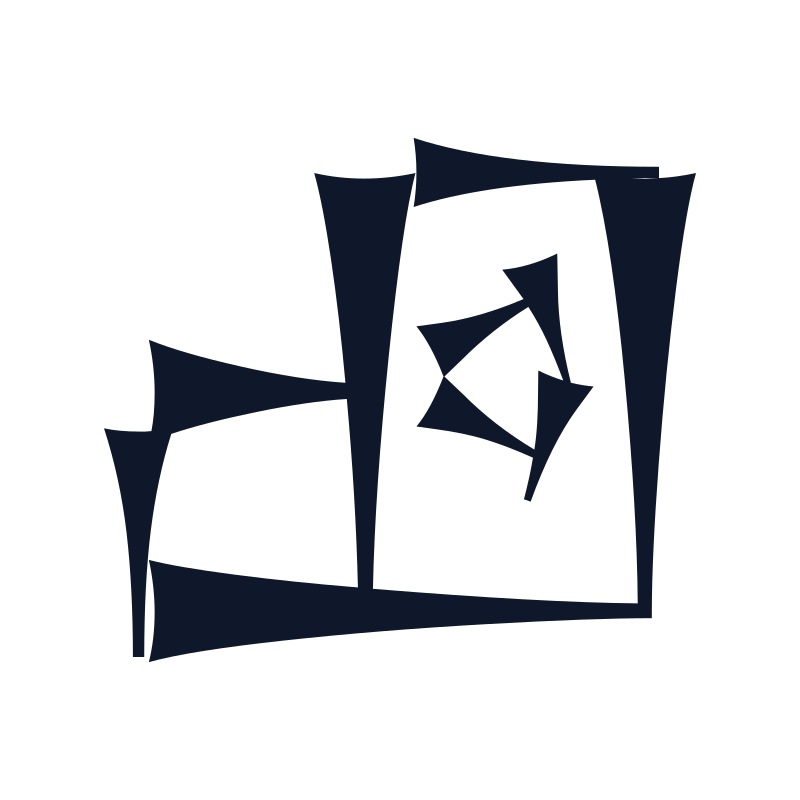 URU×UD · U+1234D
𒍍
shining city, sunlit town
URU×UD (𒍍) combines URU ('city; storm/flood `uru₂`') with an inscribed UD ('sun, day, bright, storm-demon'). In Mesopotamian lexical lists, it denotes either a gleaming, sunlit city or a flashing storm.
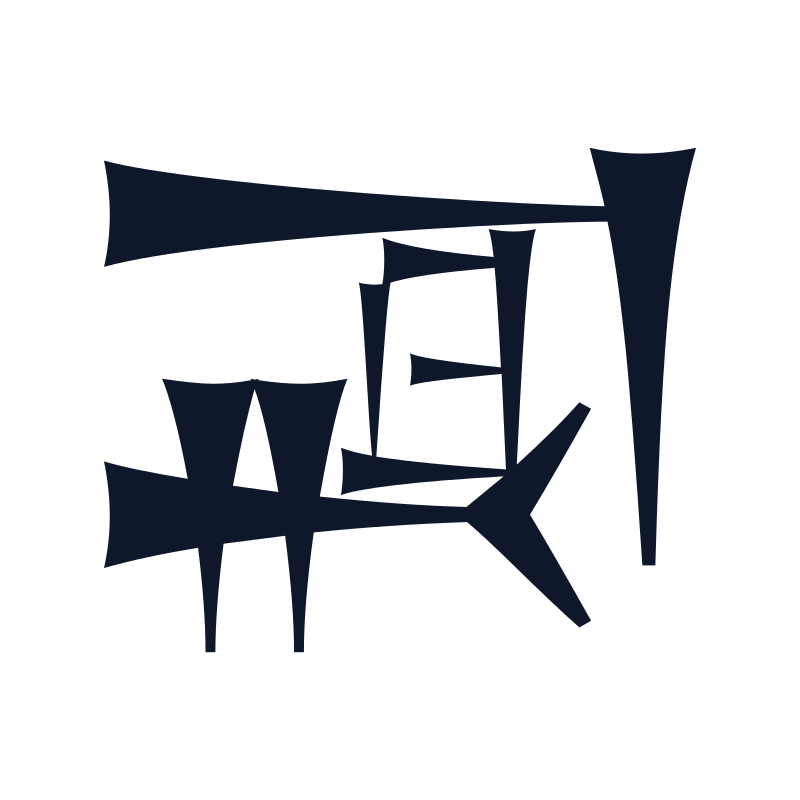 USH×KU · U+12353
𒍓
laid foundation, firm base
UŠ×KU (𒍓) combines UŠ ('foundation, length, to stand') with an inscribed KU ('to lay down, place firmly, base'). In Mesopotamian architectural and lexical traditions, it denotes a firmly laid building foundation (`uš ki-gar`).
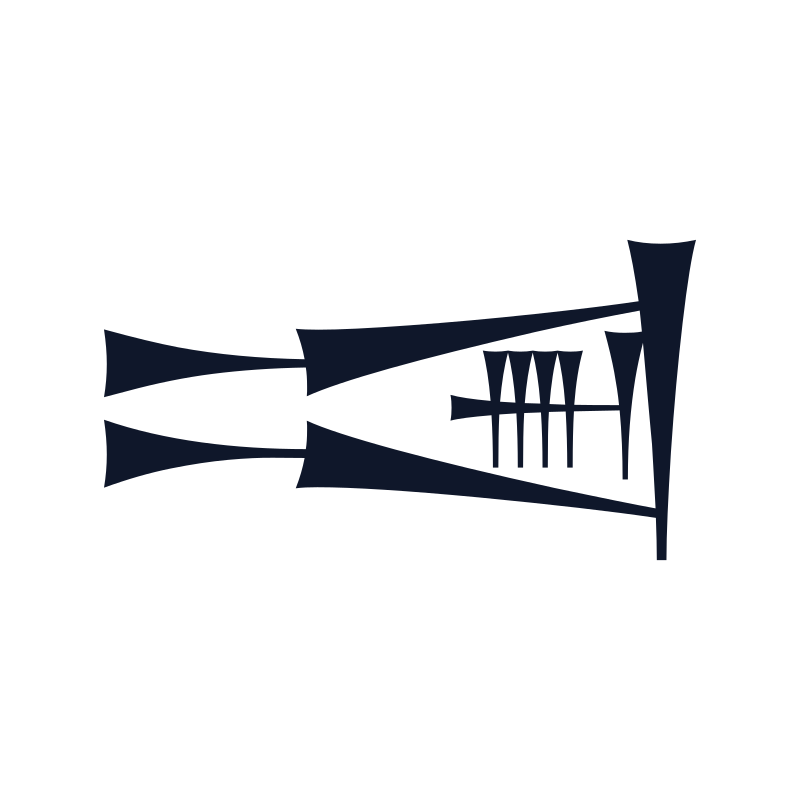 AB×NUN · U+12370
𒍰
princely shrine, sea sanctuary
AB×NUN (𒍰) combines AB ('sea; temple shrine `eš₃`') with an inscribed NUN ('prince; Eridu'). In archaic and lexical traditions, it connects the sacred shrine and cosmic sea (`ab`) with the princely god Enki of Eridu (`nun`).
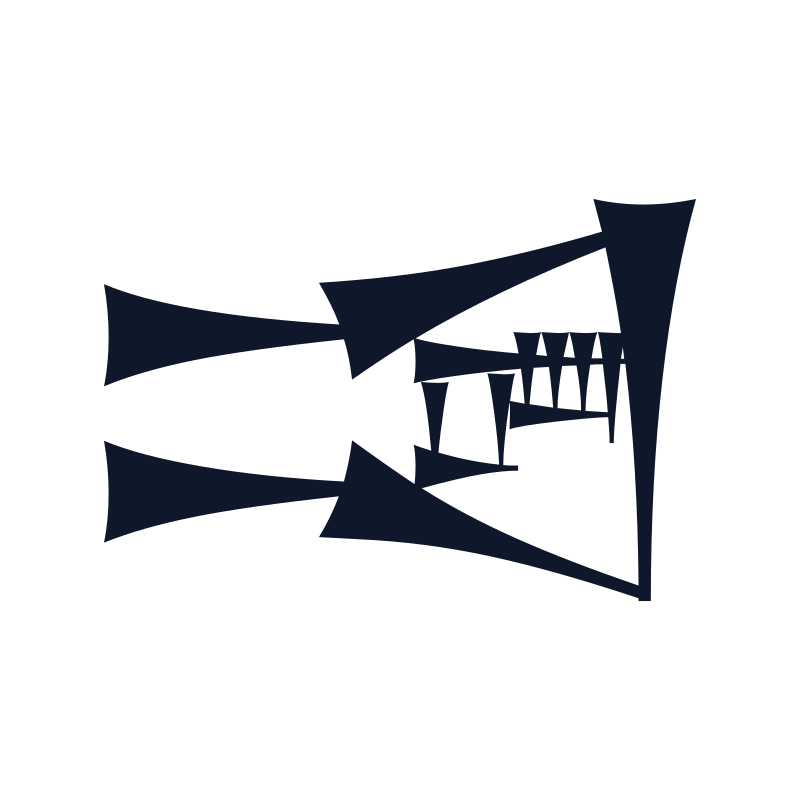 AB×DUN3-gunu · U+1200C
𒀌
noble sanctuary, heroic shrine
AB×DUN₃ GUNU (𒀌) combines AB ('shrine, sanctuary `eš₃`; sea') with an inscribed DUN₃-gunû (`šul`, 'noble youth, warrior, hero'). Recorded in Mesopotamian lexical lists, it denotes a sacred heroic shrine or chamber.
 KISHI16 · U+1200E
𒀎
temple estate, acacia shrub
AB×GAN₂ TENU (𒀎, read `kiši₁₆` in lexical lists) combines AB ('shrine, temple household') with the slanted field sign GAN₂-tenû. It designates both a temple agricultural estate and a thorny shrub or acacia (`ašāgu`) used in hedges and medicine.
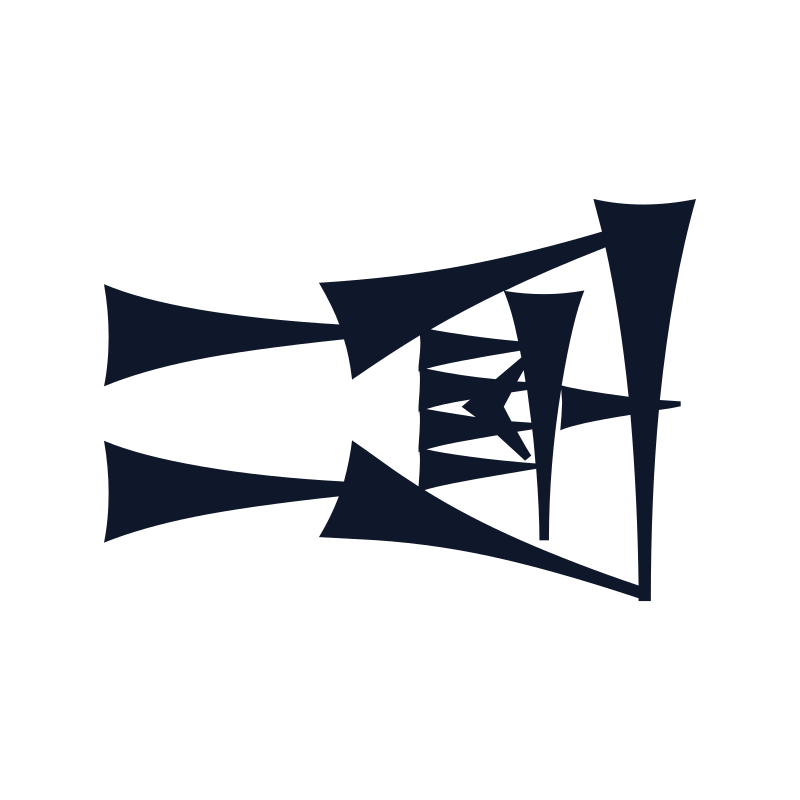 AB×IGI-gunu · U+12010
𒀐
temple window, lattice opening
AB×IGI GUNU (𒀐) combines AB ('temple shrine, window opening'; Akkadian `aptu`) with the hatched eye sign IGI-gunû. In Mesopotamian architectural and lexical traditions, it depicts a window opening through which one looks out (`ab-igi`).
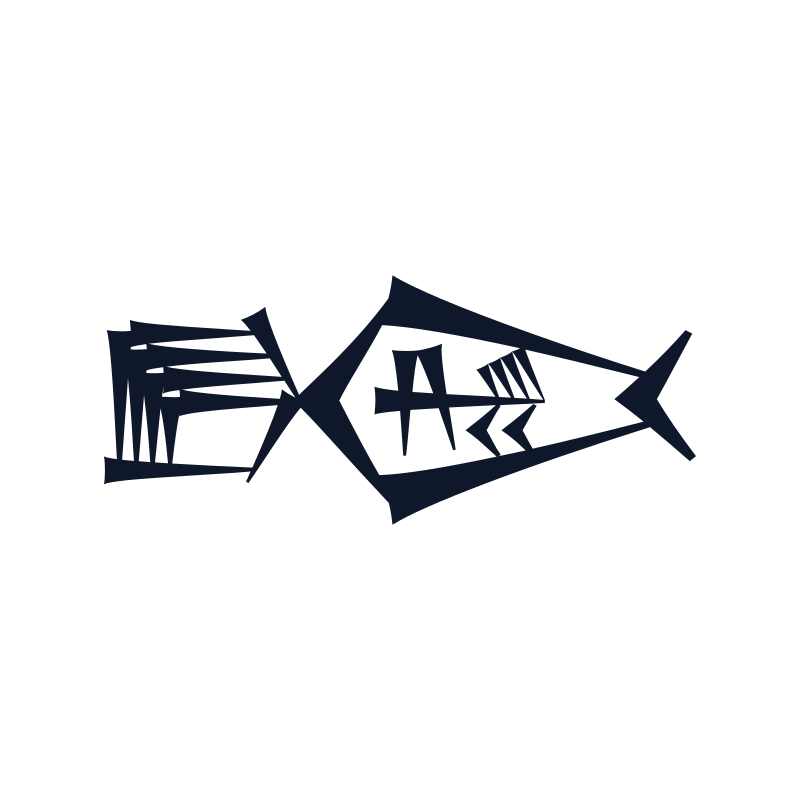 DAG.KISIM5xGI · U+1205D
𒁝
reed pen, stillness, fold
DAG KISIM₅×GI (𒁝) encloses GI (𒄀, reed) within the DAG.KISIM₅ (𒁙) pastoral frame. In Sumerian-Akkadian lexical traditions, it denotes a reed-fenced sheepfold or sheltered stall, as well as the stillness and quietude (Akkadian qūlu, šaqummatu) of an empty pen. It reflects the use of bundled marsh reeds to build rural enclosures across southern Babylonia.
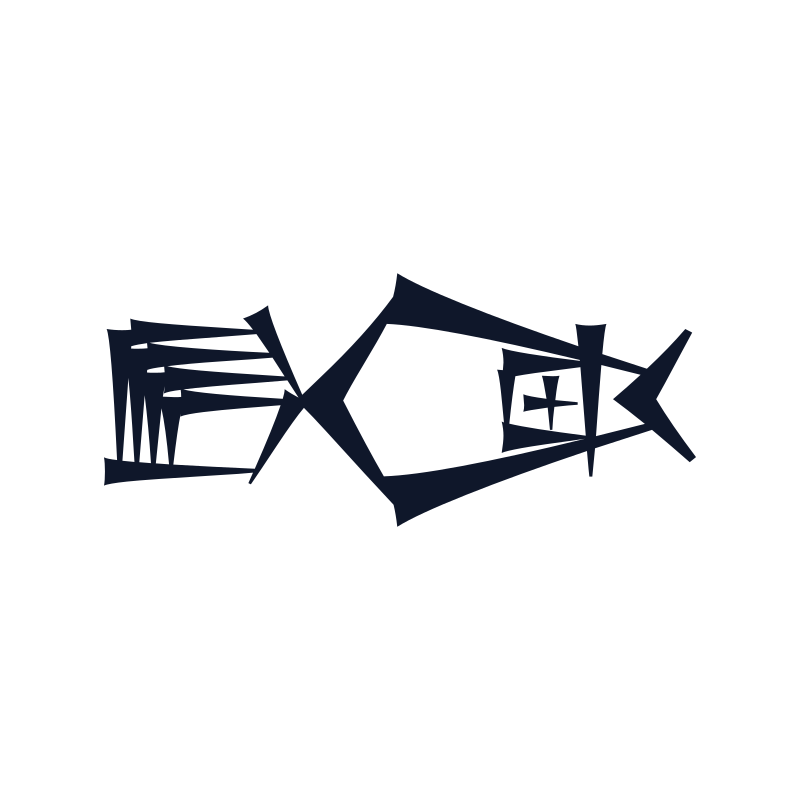 AMASH · U+12065
𒁥
sheepfold, pastoral pen, corral
DAG KISIM₅×LU (𒁥), read logographically as AMAŠ, is a classic compound ideogram placing LU / UDU (𒇻, sheep) inside the enclosure sign DAG.KISIM₅ (𒁙). It means 'sheepfold' or 'pastoral corral' (Akkadian supūru), a central institution of the Mesopotamian countryside and a frequent poetic metaphor in Sumerian laments over destroyed cities and scattered flocks.
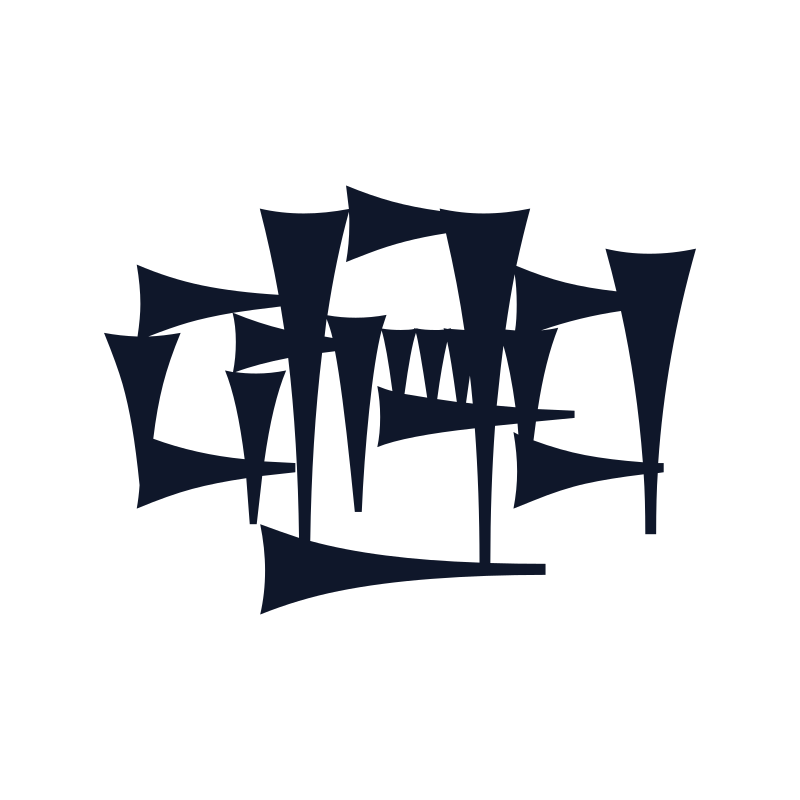 BAD3 · U+120A7
𒂧
fortified wall, stronghold, rampart
EZEN×DUN₃-gunû (𒂧) is the classic monumental form of BAD₃ (Akkadian dūru), meaning 'fortified city wall', 'rampart', or 'fortress'. By placing the battle-axe emblem DUN₃-gunû inside the EZEN (𒂦) enclosure frame, the sign visually depicts a defended perimeter. It appears constantly in royal building inscriptions and historical year-names celebrating wall construction.
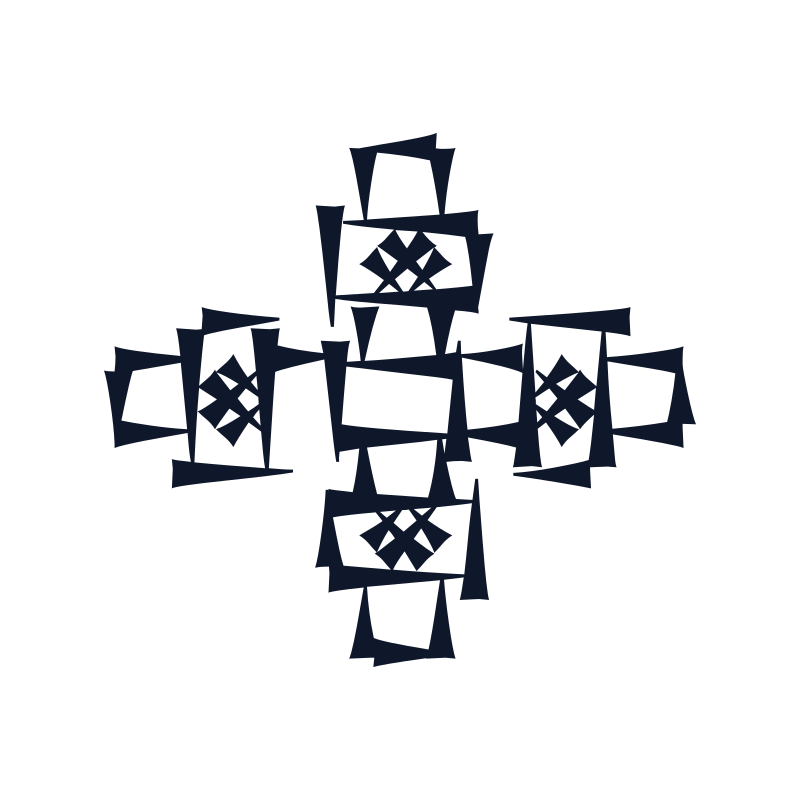 EZENx4KASKAL · U+120AD
𒂭
crossroads procession, grand hub
EZEN×KASKAL SQUARED (𒂭) is an intricate compound sign enclosing four KASKAL (askal, road or expedition) signs arranged in a two-by-two grid inside EZEN (𒂦, festival or city frame). Recorded in scholarly Babylonian sign lists, it represents a grand ceremonial convergence from the four directions or a fortified crossroads hub where major caravan routes met.
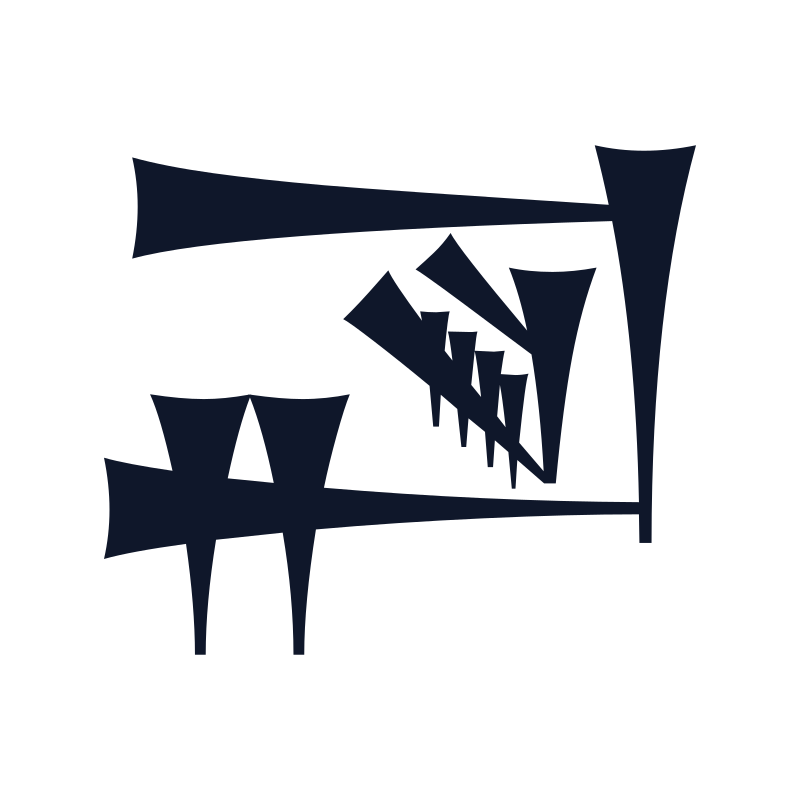 PES4 · U+120CB
𒃋
sealed granary, womb, fullness
GA₂×GAN₂-tenû (𒃋), read logographically as PES₄ (PESH₄), inscribes the tilted field or bundle sign GAN₂-tenû (𒃸) inside GA₂ (𒂷, house or reed basket). In Sumerian and Akkadian lexical texts, it signifies both a tightly bound storage container for field produce and the swelling womb in pregnancy (Akkadian erû, libbu).
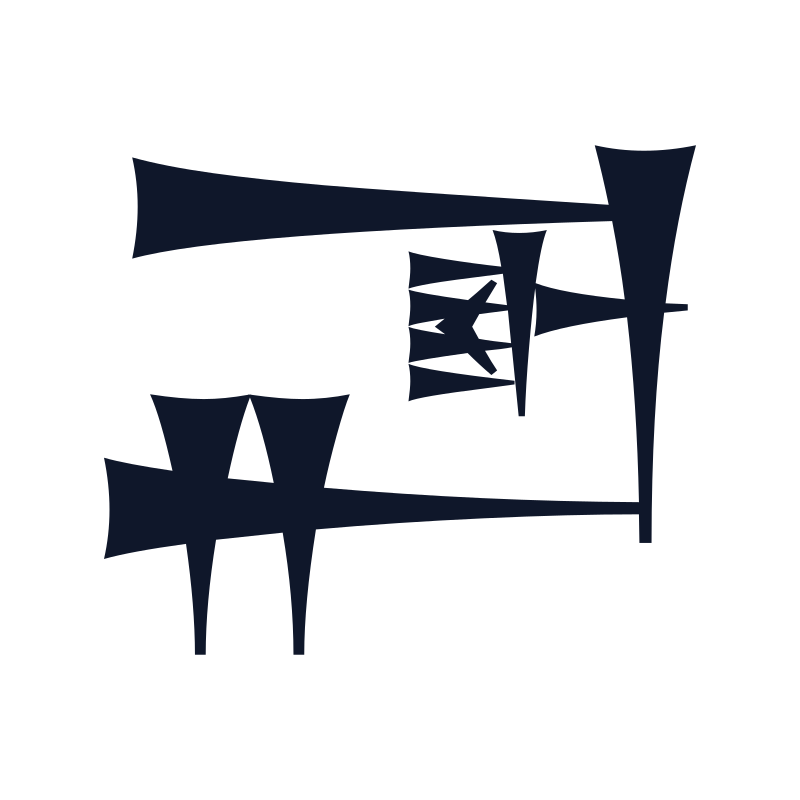 GA2xIGI.GUNU · U+120D6
𒃖
guarded chamber, treasury chest
GA₂×IGI-gunû (𒃖) places IGI-gunû (𒅇 / SIG₇, radiant watching eye or yellow-green sheen) inside the architectural frame GA₂ (𒂷, chamber or box). Attested in Babylonian sign compendia (Ea IV), it designates a watched temple chamber, an ornamented reliquary chest, or an enclosed garden plot within the sacred precinct.
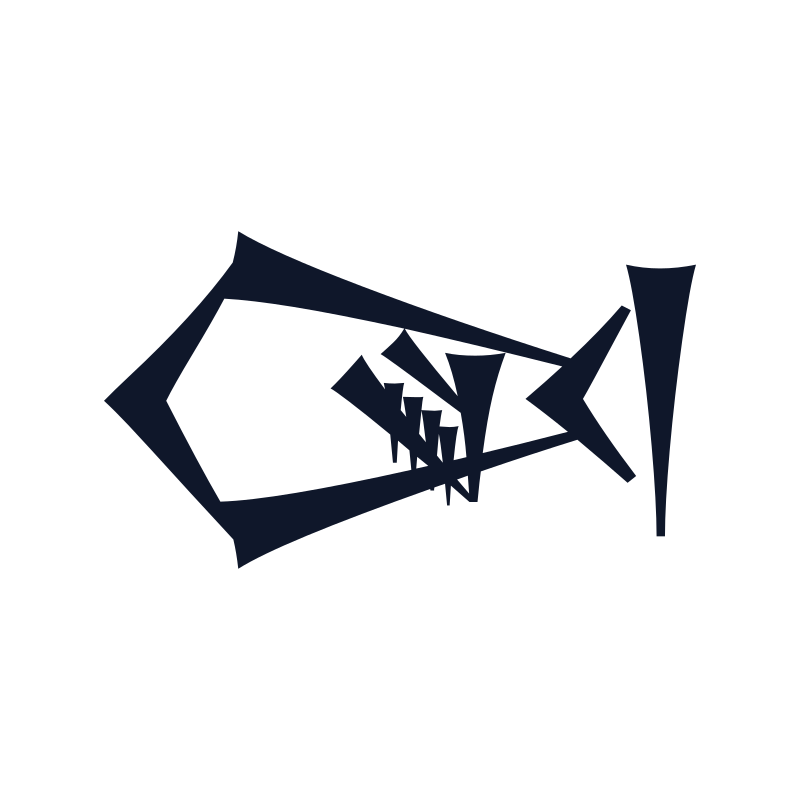 TUM3 · U+12250
𒉐
highland booty, carry off, spoil
NIM×GAN₂-tenû (𒉐), read logographically as TUM₃, joins NIM (𒉌, highlands or Elam) with GAN₂-tenû (𒃸, bound plot or tribute). Alongside TUM₂ (𒁺), it means 'to bring', 'to carry off', or 'to seize booty from the eastern highlands' (Akkadian tabālu, babālu), reflecting centuries of conflict and trade between Babylonia and Elam.
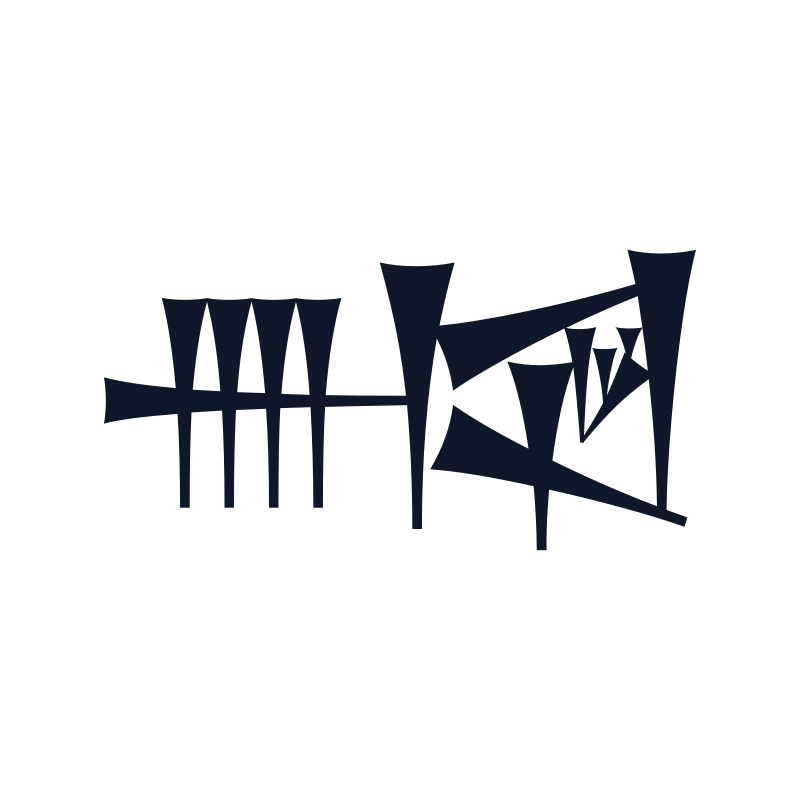 NUN.LAGARxGAR · U+12264
𒉤
provisioned stall, feeding byre
NUN LAGAR×GAR (𒉤) places GAR / NINDA (𒃻, bread, fodder, or ration) inside the compound cattle-pen sign NUN.LAGAR / TUR₃ (𒉣𒇬). In Babylonian lexical lists, it denotes a stall or birthing shelter stocked with grain fodder for dairy cows and calves, or the inner sanctuary of a pastoral deity.
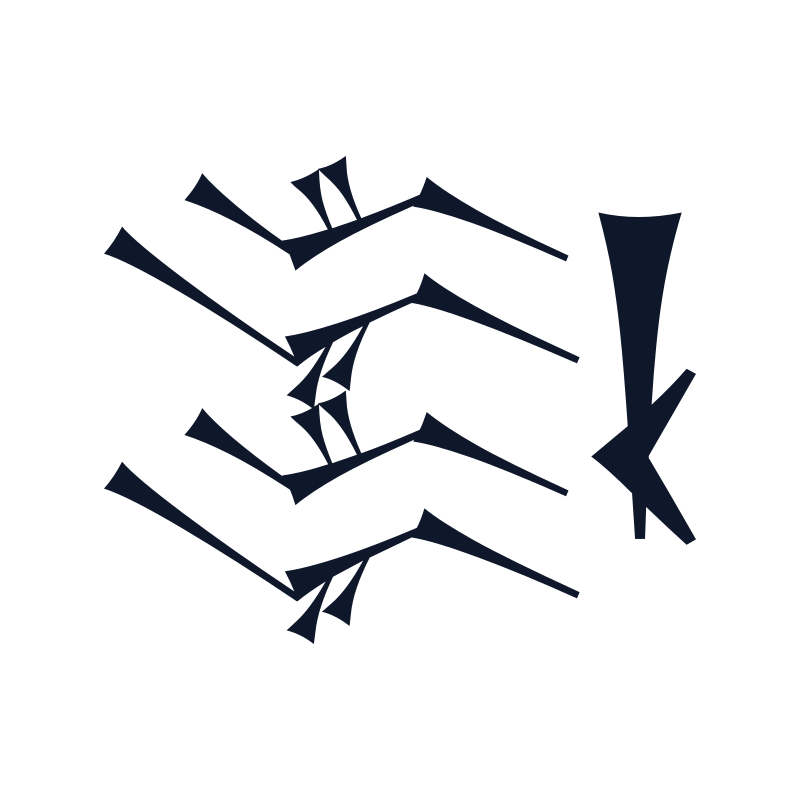 SIG4.SIG4.SHU2 · U+122DF
𒋟
covered brick stack, brick vault
SIG₄/SIG₄ ŠU₂ (𒋟) stacks two SIG₄ (𒋞, mudbrick) signs vertically alongside ŠU₂ (𒋙, to cover or arch over). In Babylonian architectural and lexical texts, it denotes a stacked pile of sun-dried bricks protected from rain, a vaulted brick structure, or a brick kiln.
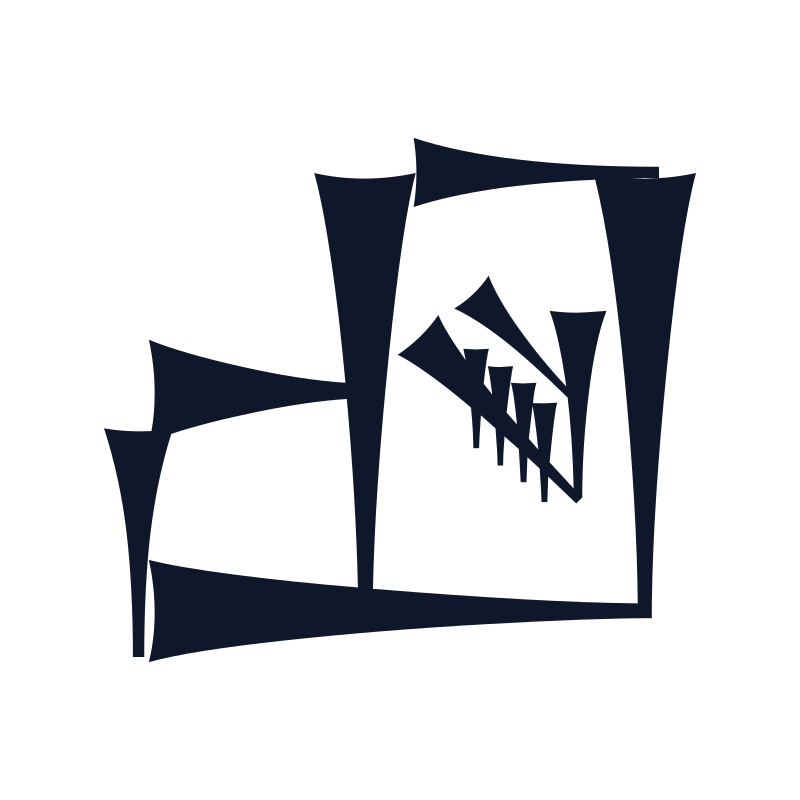 URUxGAN2.TENU · U+1233E
𒌾
agricultural town, besieged city
URU×GAN₂-tenû (𒌾) places the tilted field or net sign GAN₂-tenû (𒃸) inside the city ideogram URU (𒌷). In Babylonian lexical lists, it denotes either a walled settlement surrounded by surveyed arable plots or a city encircled and oppressed by siege works.
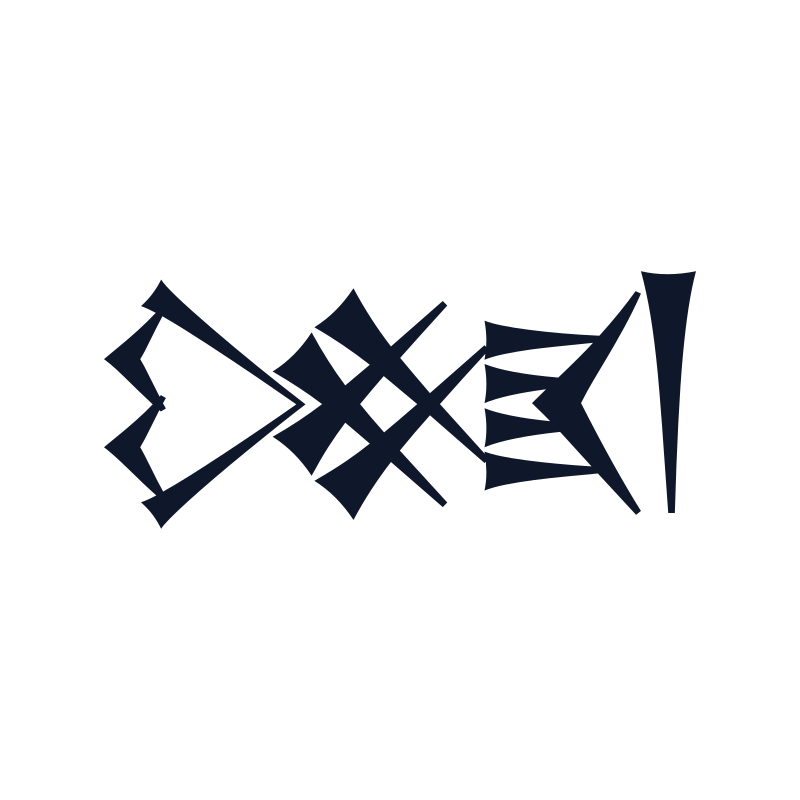 DIN.KASKAL · U+12078
𒁸
caravan tavern, wayside vintage
DIN KASKAL U GUNU DIŠ (𒁸) is an elaborate compound sign combining DIN (𒁷, wine or tavern-keeper) with KASKAL (askal, road or caravan station), U-gunû, and DIŠ. Preserved in scholarly Babylonian sign lists, it evokes a wayside tavern, a caravan provisioning post, or ceremonial beverage rations for travelers.
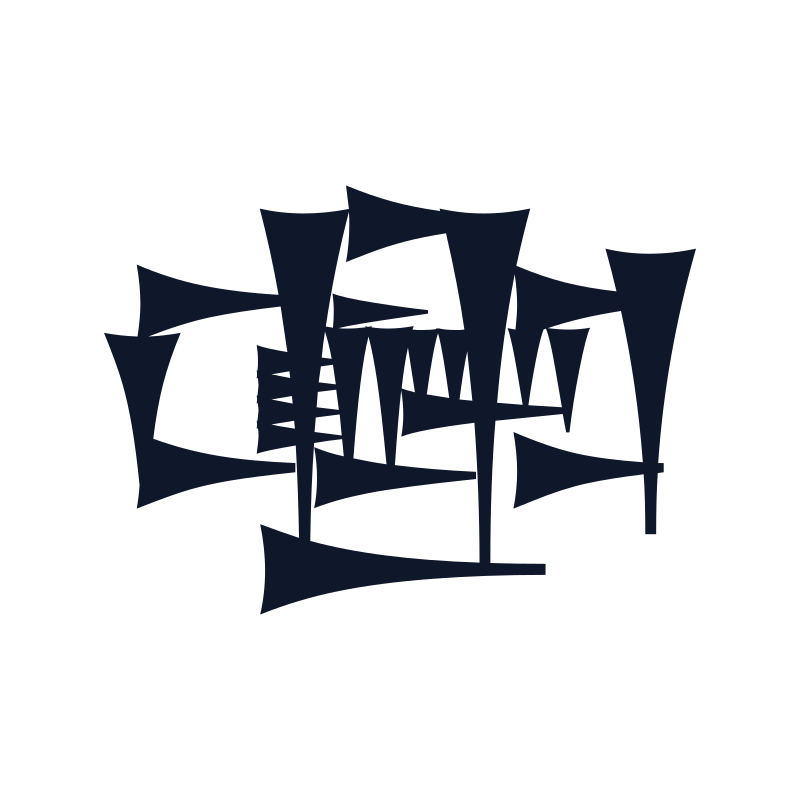 SHEN · U+120A8
𒂨
citadel bastion, gleaming cauldron
EZEN×DUN₃-gunû-gunû (𒂨) is an intensive graphic elaboration of EZEN×DUN₃-gunû (𒂧, bad₃, fortress wall), featuring double gunû hatching on the inner axe-emblem. In Sumerian-Akkadian sign lists, it represents either a heavily fortified citadel wall (bad₃) or a gleaming copper cauldron and battle standard (šen, Akkadian ruqqu).
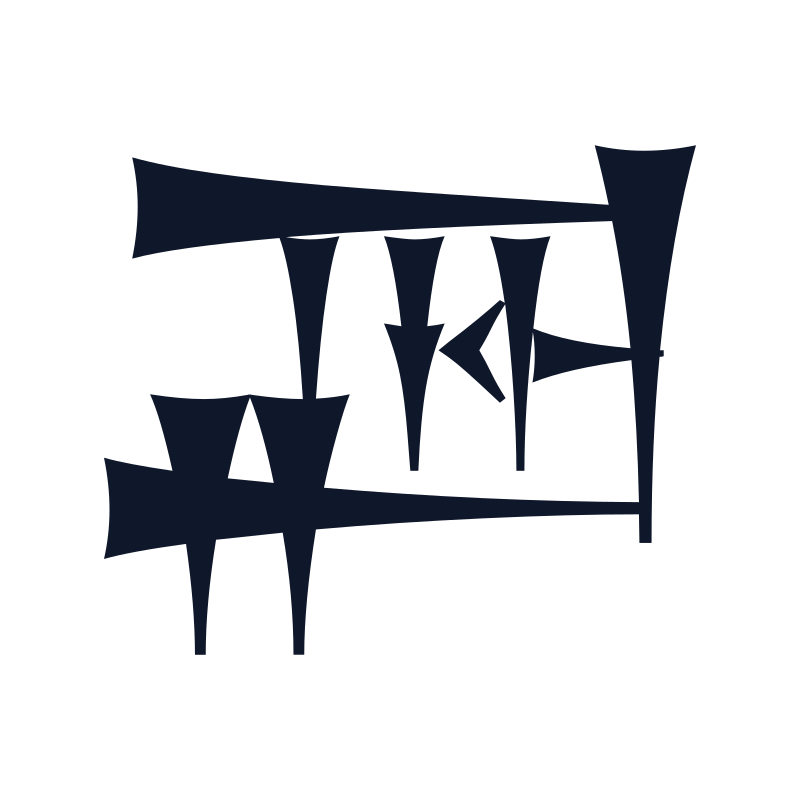 GA2xA.IGI · U+120BA
𒂺
lamentation chamber, mourning house
GA₂×A.IGI (𒂺) places the compound sign A.IGI (𒀀𒅆, er₂, literally 'water of the eye', meaning tears or weeping) inside GA₂ (𒂷, house or chamber). In Mesopotamian lexical and liturgical traditions, it designates a house of mourning, a funerary chapel, or a shrine where ritual laments were chanted by gala priests.
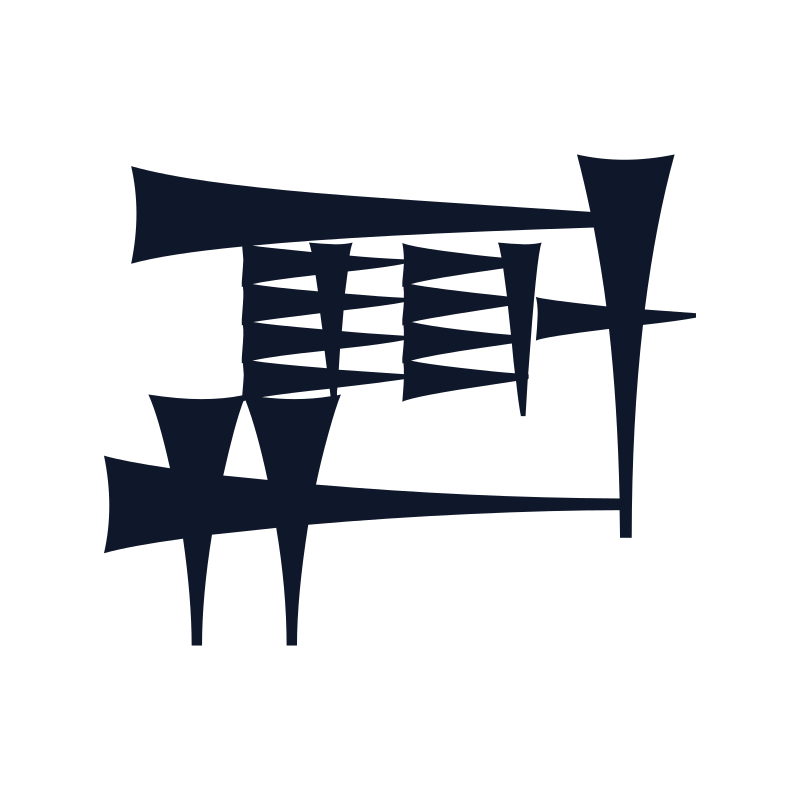 GA2xASH2.GAL · U+120BE
𒂾
emmer granary, chief storehouse
GA₂×AŠ₂.GAL (𒂾) inscribes AŠ₂ (𒀾, emmer wheat or provision) and GAL (𒃲, great) inside the storage-house frame GA₂ (𒂷). Preserved in Babylonian lexical lists (Ea IV), it denotes a large temple granary or major storage bin dedicated to emmer wheat and prime cereal offerings.
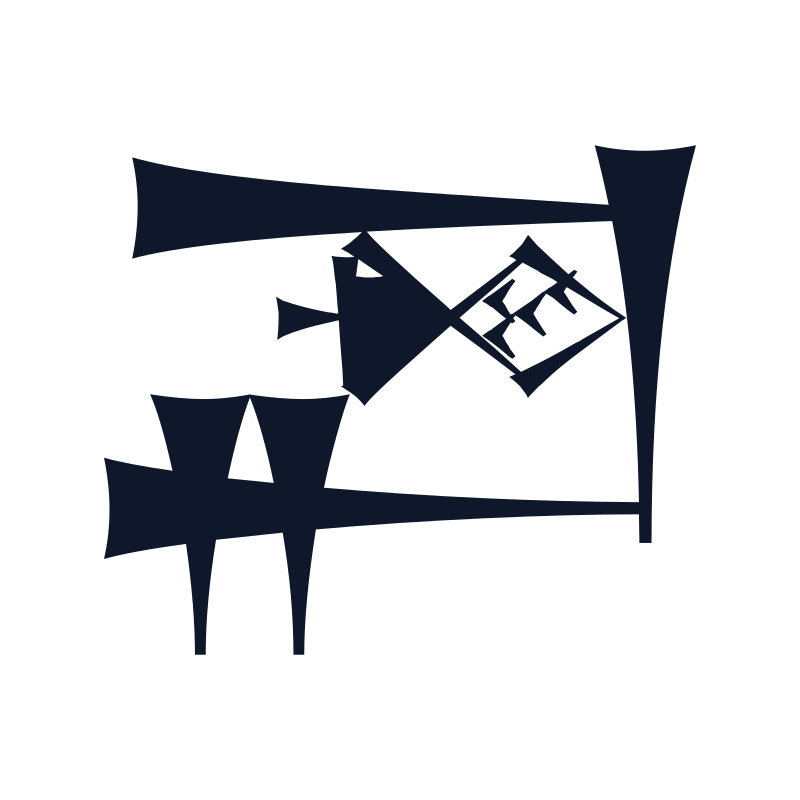 GA2xDIMxSHE · U+120C5
𒃅
barley granary, grain silo
GA₂×DIM׊E (𒃅) encloses the compound sign DIM׊E (𒁴 with 𒊺, bound reed post and barley) inside the architectural frame GA₂ (𒂷). In Babylonian lexical lists, it denotes a cylindrical reed-and-mud grain silo or a storehouse where tied sheaves of harvested barley were stacked.
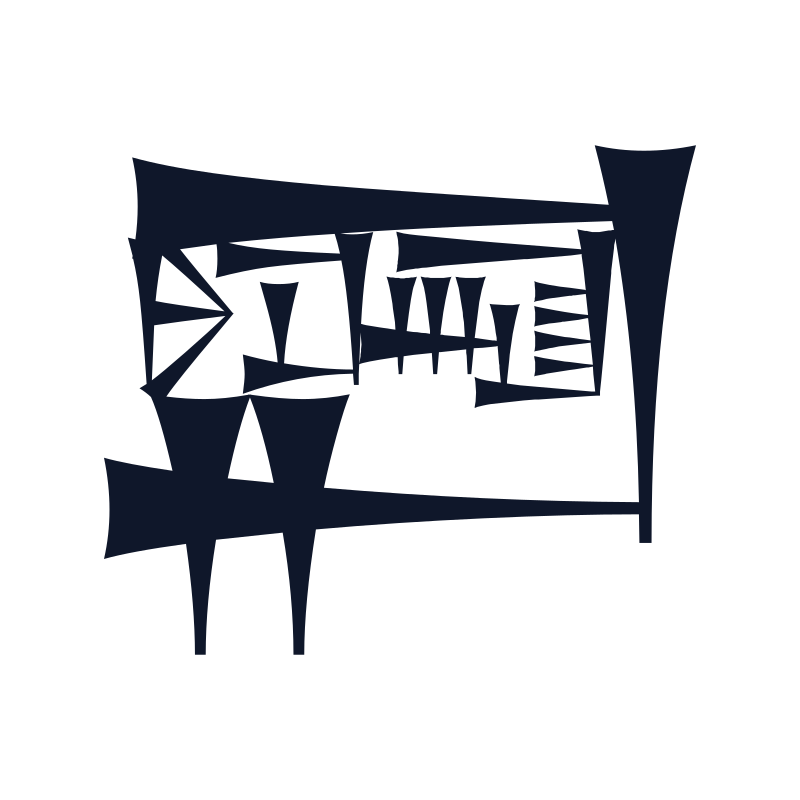 GA2xEL.LA · U+120C8
𒃈
consecrated chamber, pure shrine
GA₂×EL.LA (𒃈) places EL (𒂖, pure, bright, or consecrated) and its phonetic complement LA (𒆷, spelling el-la) inside the chamber sign GA₂ (𒂷). In Sumerian-Akkadian lexical traditions, it designates a ritually purified temple room, lustration chamber, or sacred reliquary box.
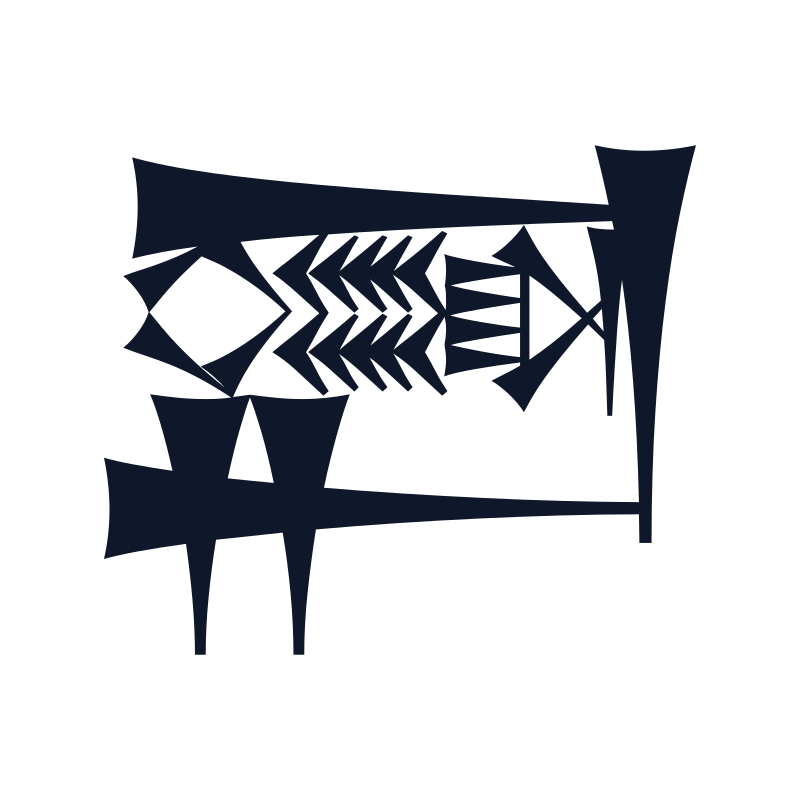 GA2xHI.LI · U+120D4
𒃔
chamber of allure, jewelry box
GA₂×HI.LI (𒃔) places the compound HI.LI (𒄭𒇷, hili, luxuriance, charm, sensual allure, or ceremonial wig; Akkadian kuzbu) inside GA₂ (𒂷, chamber or casket). In Sumerian-Akkadian texts, it evokes either a goddess's bedchamber filled with divine charm (é-hi-li) or an ornate box for storing wigs and ornaments.
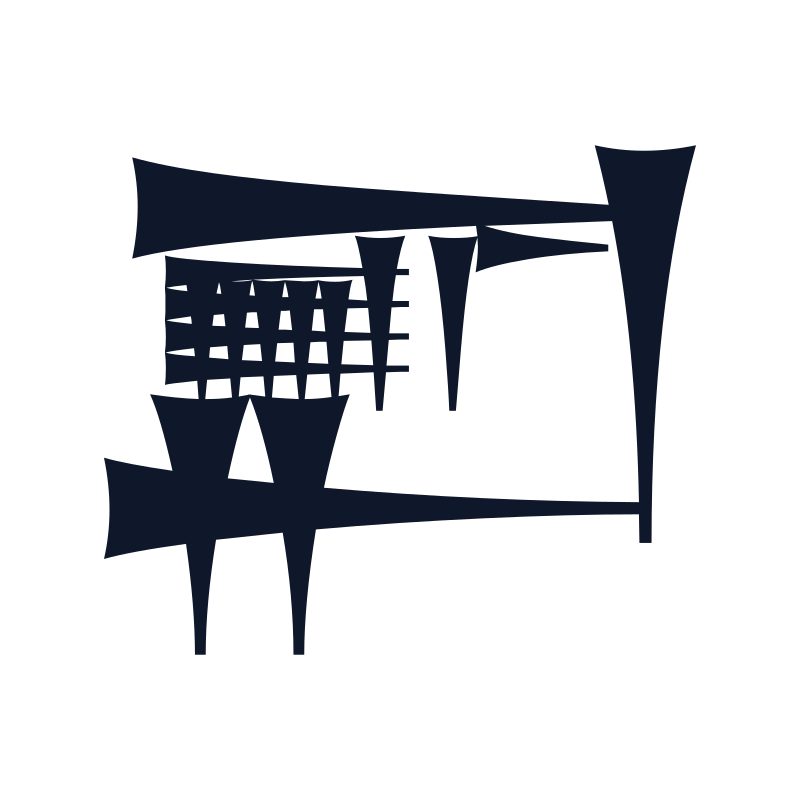 GA2xKID.LAL · U+120DB
𒃛
mat-curtained room, doorway screen
GA₂×KID.LAL (𒃛) encloses KID (𒆤, woven reed mat) and LAL (𒇲, to hang or suspend) within the building sign GA₂ (𒂷). In Mesopotamian architectural vocabulary, it depicts a room or doorway screened by a hanging reed mat (gi-kid-lal) to block desert glare and dust while allowing airflow.
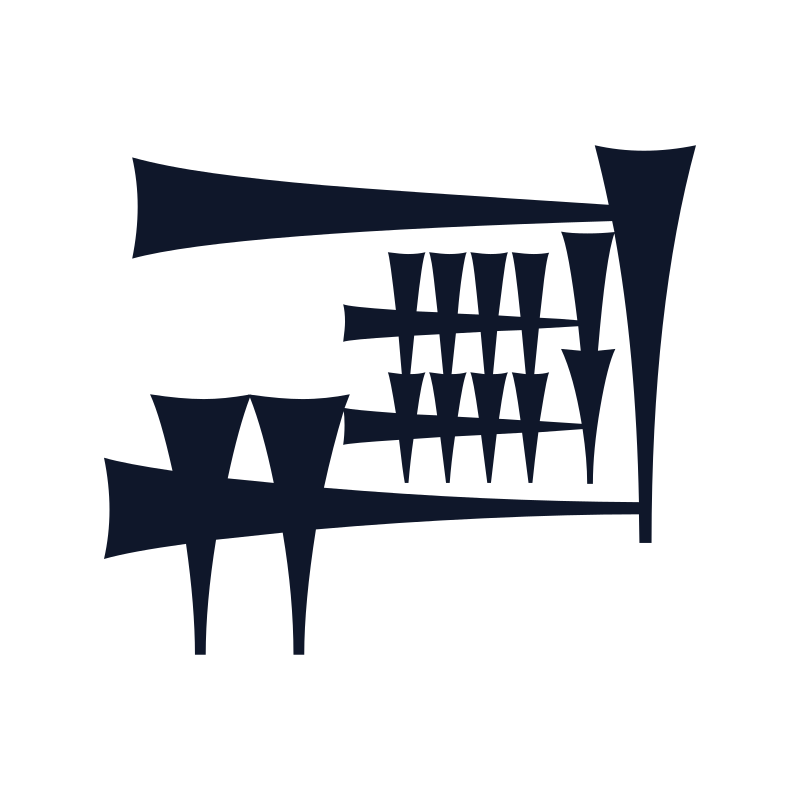 AGARIN · U+120E1
𒃡
princely sanctuary, mother-matrix
GA₂×NUN/NUN (𒃡) encloses a vertical pair of NUN (𒉣, prince or Eridu deity) signs within GA₂ (𒂷, house or womb). In Mesopotamian lexical lists, it serves as a graphic variant in the agarin / tur₃ group, signifying a princely inner sanctuary, a sacred cattle byre, or a generative mother-matrix (Akkadian agarinnu).
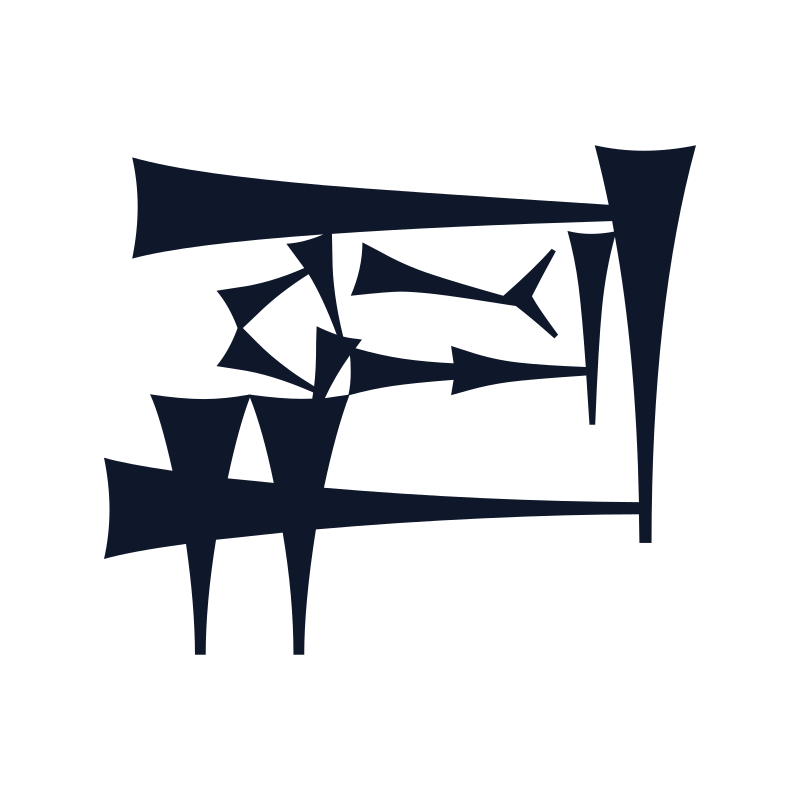 GA2xUD.DU · U+120EC
𒃬
house of sunrise, exit chamber
GA₂×UD.DU (𒃬) places the verbal compound UD.DU (𒌓𒁺, read e₃, 'to go out', 'to emerge', or 'sunrise'; Akkadian aṣû) inside the building sign GA₂ (𒂷). In Mesopotamian lexical lists, it denotes an eastern temple portal facing the rising sun or an administrative storehouse from which goods were issued.
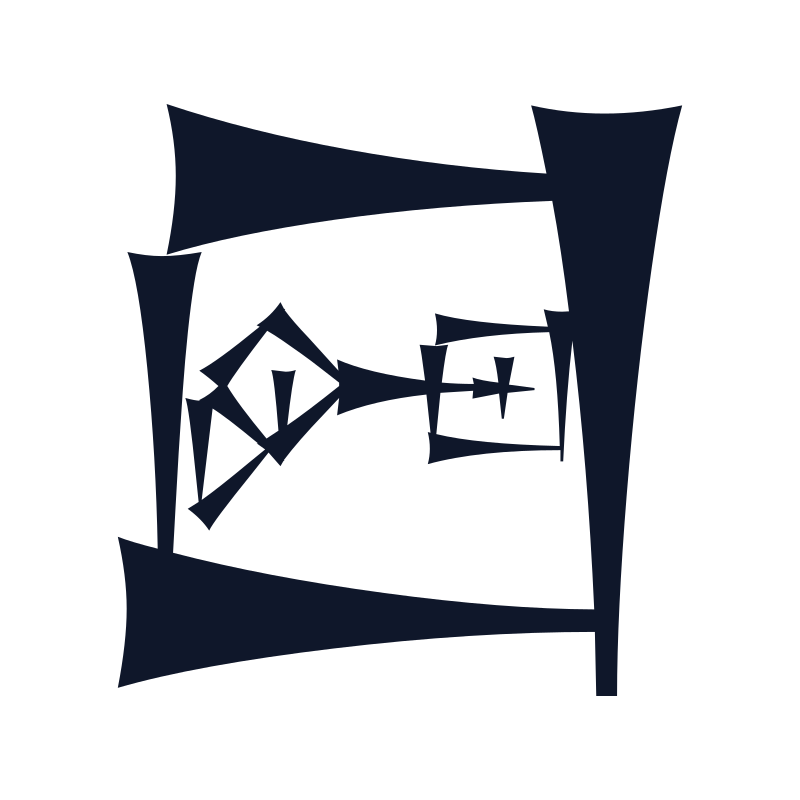 LAGABxIM.LU · U+121CE
𒇎
mud-walled sheepfold, pisé corral
LAGAB×IM.LU (𒇎) combines the circular enclosure sign LAGAB (𒇉) with IM (𒅎, packed mud or clay wall) and LU / UDU (𒇻, sheep). In Mesopotamian lexical lists, it specifies a rural sheepfold built of rammed earth (pisé) or mudbrick to shelter flocks from predators and cold winds.
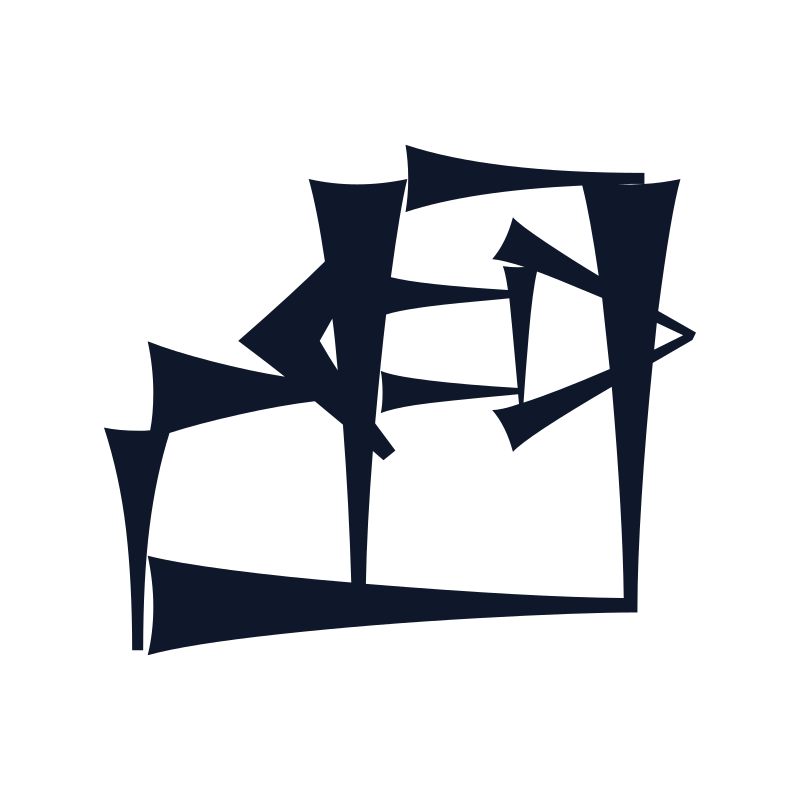 URUxU.GUD · U+1234C
𒍌
cattle town, stockyard city
URU×U.GUD (𒍌) places U (𒌋, ten or pasture) and GUD (𒄞, ox or cattle) inside the city ideogram URU (𒌷). In Mesopotamian geographical and lexical lists, it denotes a pastoral town or municipal stockyard where temple and state cattle herds were mustered.
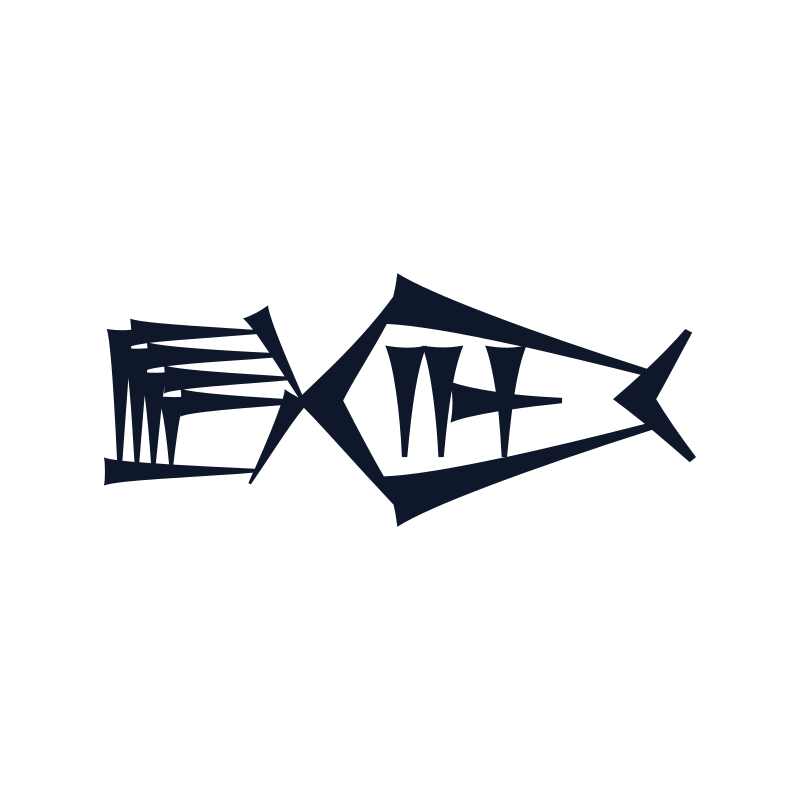 DAG.KISIM5xA.MASH · U+12057
𒁗
watered livestock pen, kid fold
DAG KISIM₅×A.MAŠ (𒁗) places A (𒀀, water or phonetic /a/) and MAŠ (𒈦, kid, goat, or livestock yield, /maš/) inside the pastoral enclosure sign DAG.KISIM₅ (𒁙). Both semantically ('watered pen for kids') and phonetically (/a-maš/), it spells Sumerian amaš (Akkadian supūru, 'sheepfold' or 'pastoral corral').
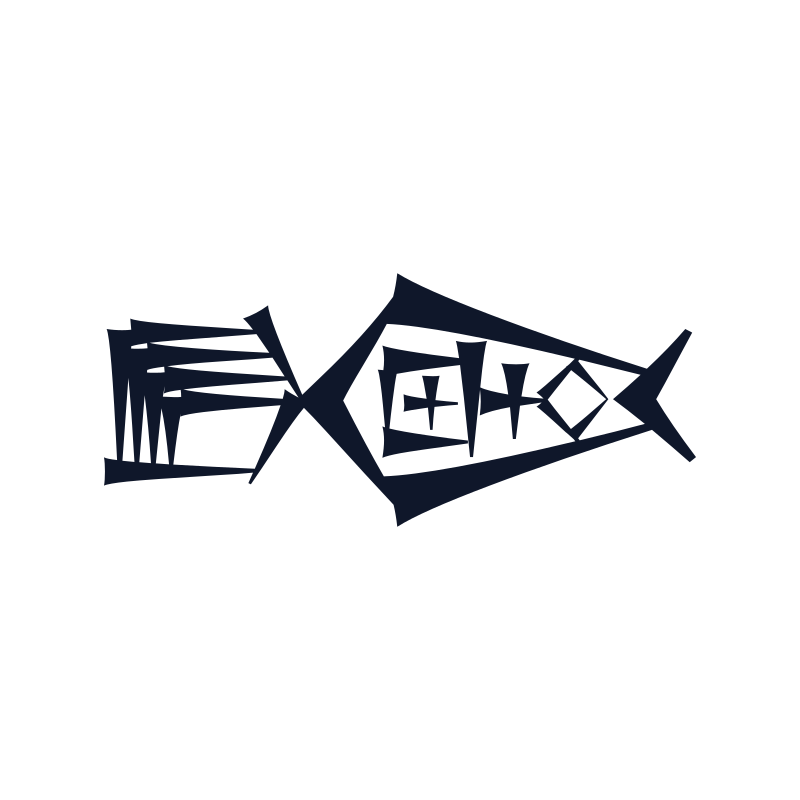 AMASH · U+12066
𒁦
sheep-and-goat fold, corral
DAG KISIM₅×LU.MAŠ₂ (𒁦) is the fullest classical form of AMAŠ (Akkadian supūru, 'sheepfold'), placing both LU / UDU (𒇻, sheep) and MAŠ₂ (𒈧, goat) inside the DAG.KISIM₅ (𒁙) enclosure. Because Mesopotamian shepherds herded sheep and goats together as 'small cattle' (udu maš₂-hi-a), this compound sign perfectly mirrors real pastoral practice.
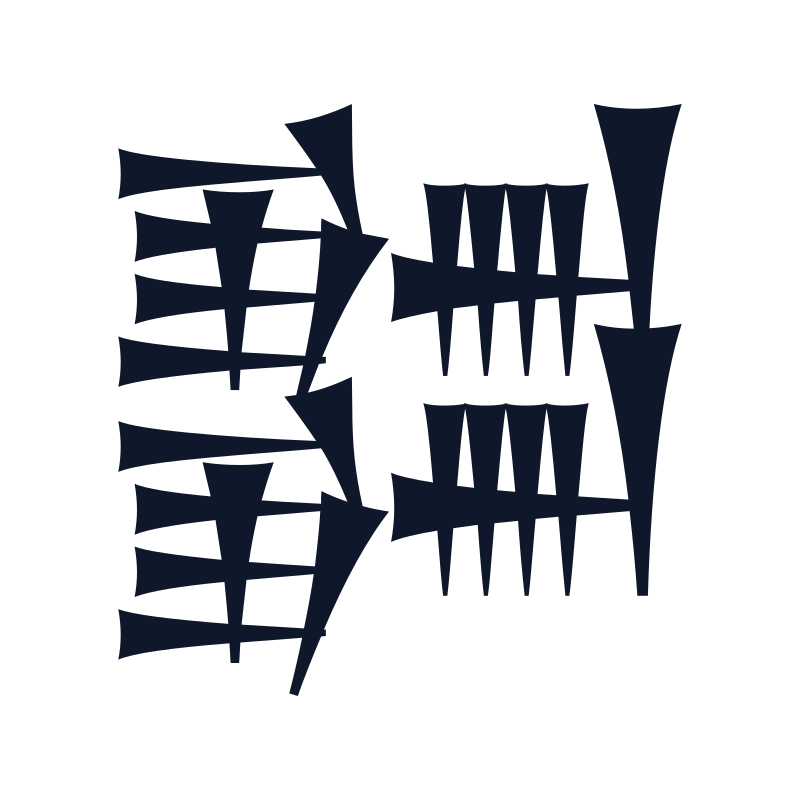 E.E.NUN.NUN · U+1208C
𒂌
princely canals, twin levees
E/E NUN/NUN (𒂌) pairs two stacked E (𒂊, irrigation ditch or dike) signs with two stacked NUN (𒉣, prince or Eridu deity) signs. Preserved in Early Dynastic and Babylonian lexical lists, this symmetrical fourfold grapheme signifies major royal or sacred irrigation canals bordered by twin levees.
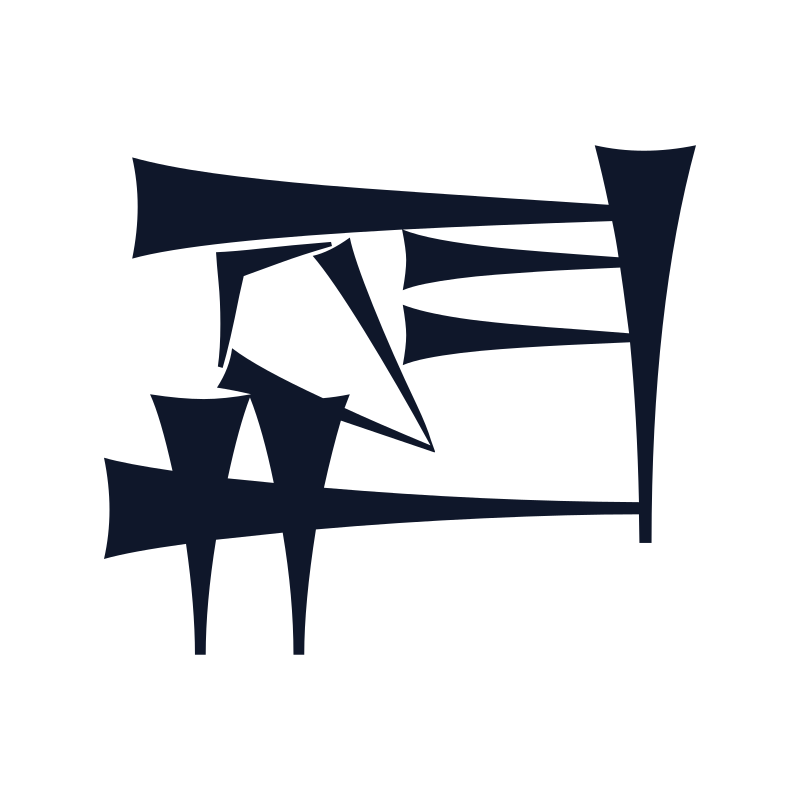 GA2xAB2.TENU.TAB · U+120BB
𒂻
double cattle byre, sanctuary
GA₂×AB₂ TENU.TAB (𒂻) encloses a tilted AB₂ (𒀖, cow or horned roof) and TAB (𒋰, double or pair) inside the architectural sign GA₂ (𒂷). Related to AB₂×TAB and EŠ₃ (𒂠 / 𒀊, sanctuary), it denotes a twin-aisled sacred cattle byre or a shrine crowned with paired horns.
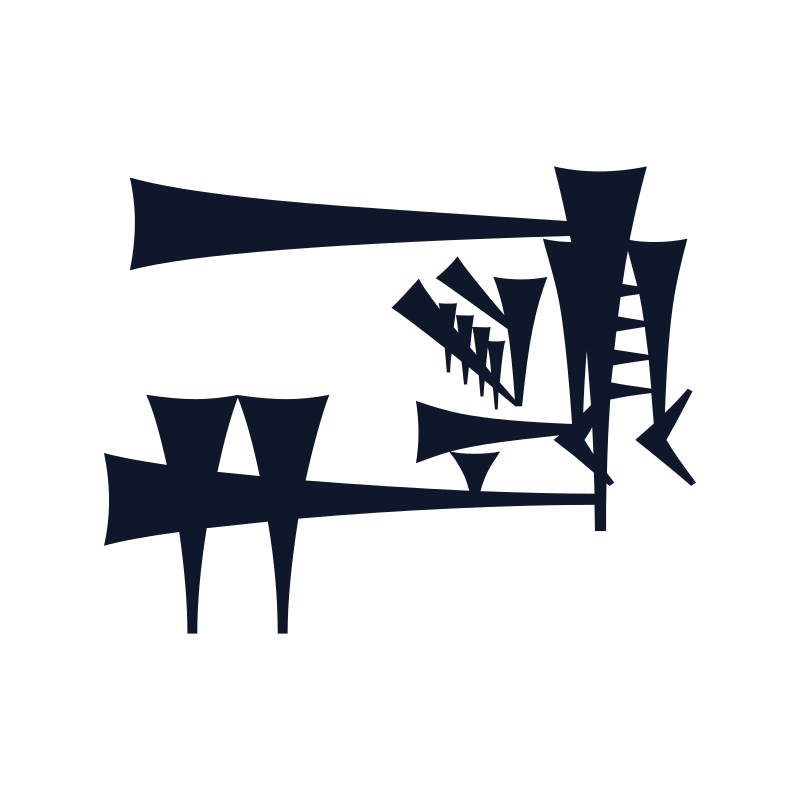 GA2xBURU14 · U+120CA
𒃊
harvest granary, crop storehouse
GA₂×EN×GAN₂ TENU (𒃊) places the compound harvest ideogram EN×GAN₂-tenû (𒂙, buru₁₄, harvest; Akkadian ebūru) inside the building sign GA₂ (𒂷). It literally signifies a 'harvest house' or 'crop granary' where the newly reaped summer grain was stored under seal.
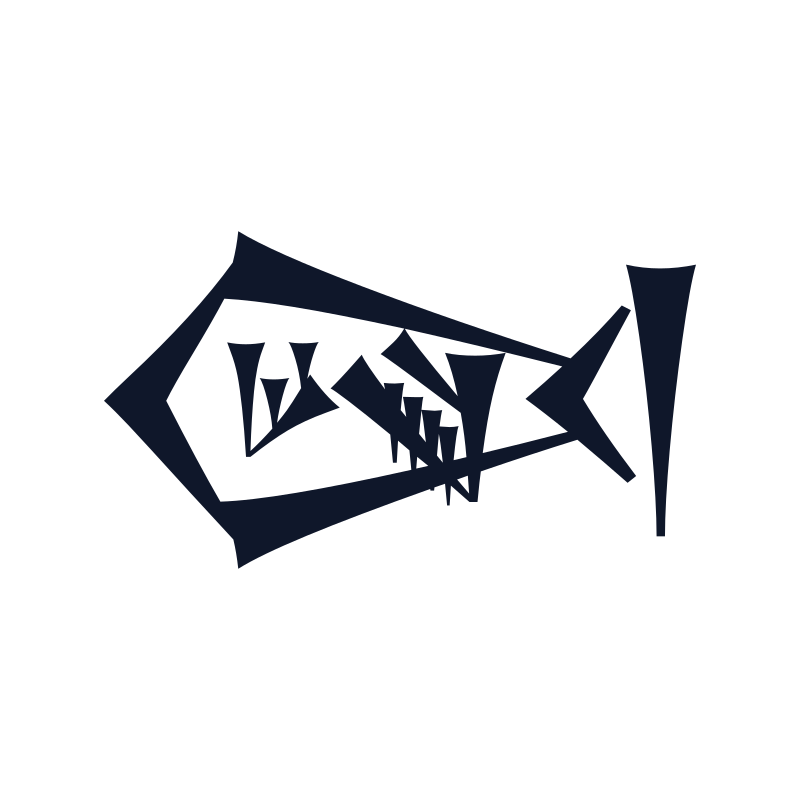 TUM3 · U+12251
𒉑
highland tribute, carry off
NIM×GAR.GAN₂ TENU (𒉑) is a fuller graphic elaboration of NIM×GAN₂-tenû (𒉐, tum₃ / kir₄), adding GAR (𒃻, goods, valuables, or provisions) to NIM (𒉌, highlands) and GAN₂-tenû (𒃸). In Sumerian and Akkadian texts, it means 'to carry off goods or booty' (Akkadian tabālu) and also serves to write kir₄ (hyena; Akkadian būṣu).
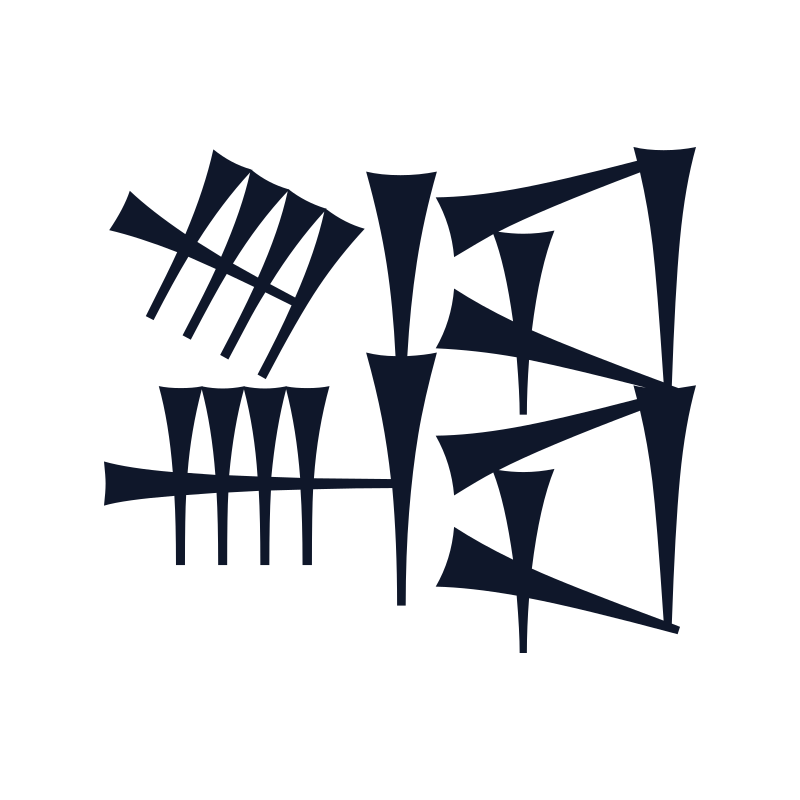 NUN.NUN.LAGAR.LAGAR · U+1226C
𒉬
cattle-byre complex, sacred stalls
NUN CROSSING NUN LAGAR/LAGAR (𒉬) is an elaborate reduplicated form of NUN.LAGAR / TUR₃ (𒉣𒇬, cattle stall), joining crossed NUN (𒉣) signs with vertically stacked LAGAR (𒇬) signs. In Babylonian lexical lists, it represents a large complex of interlocking cattle byres or sacred temple dairy stalls.
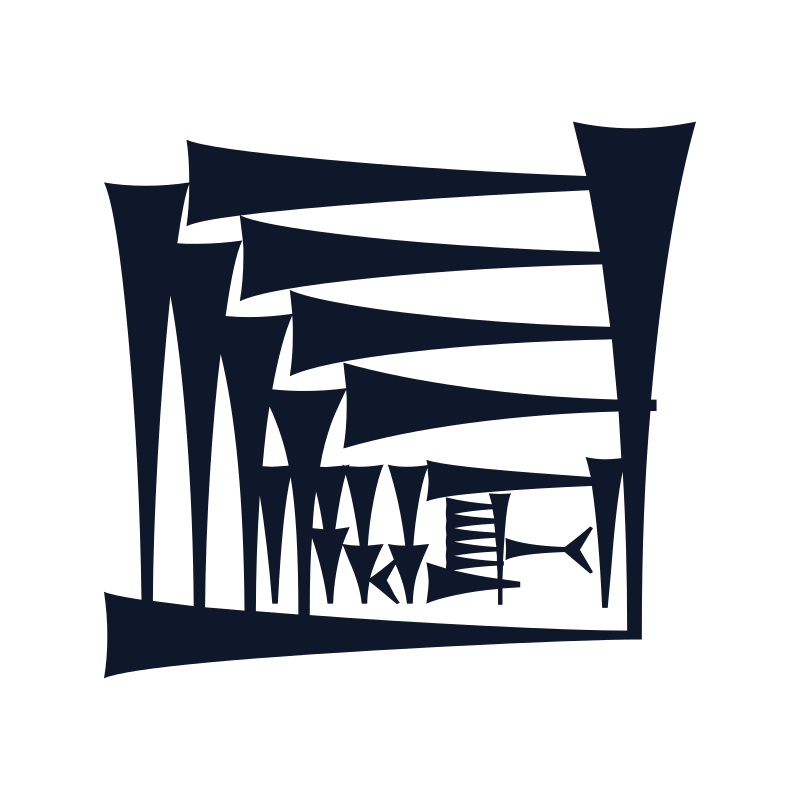 E2xA.HA.DA · U+1208E
𒂎
temple fishpond, fishery house
E₂×A.HA.DA (𒂎) encloses A (𒀀, water), HA / KU₆ (𒄩, fish), and DA (𒁕, side or embankment) inside the temple and house sign E₂ (𒂍). Alongside GA₂×A.DA.HA (𒂸) and LAGAB×A.DA.HA (𒆺), it denotes a walled temple fish-basin or sacred aquarium where live fish were kept for divine banquets.
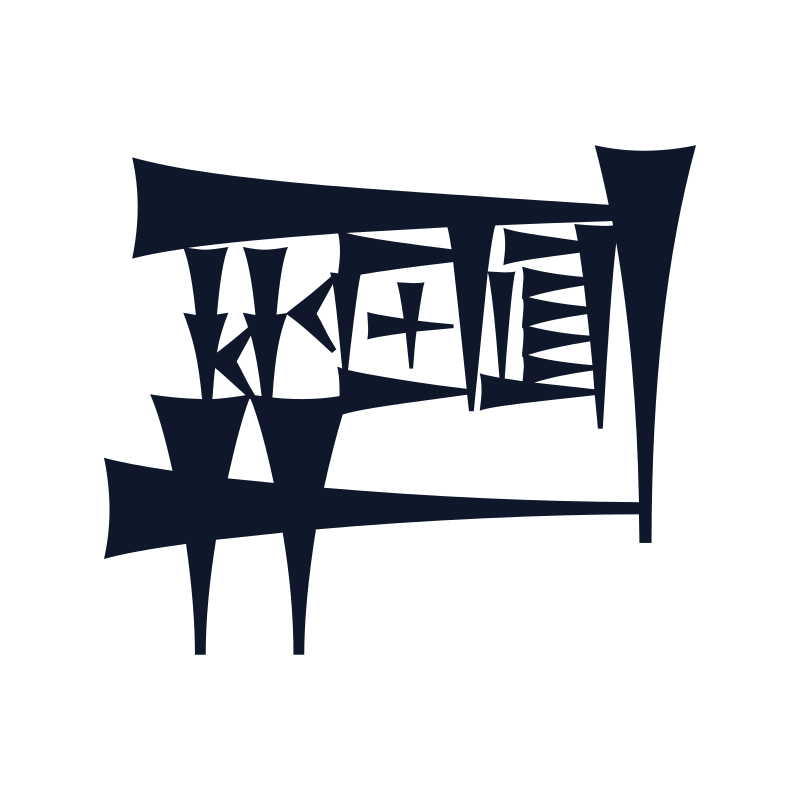 GA2xHA.LU.ESH2 · U+120D1
𒃑
provision pantry, food basket
GA₂×HA.LU.EŠ₂ (𒃑) encloses HA / KU₆ (𒄩, fish), LU / UDU (𒇻, sheep), and EŠ₂ (𒂠, cord or string) within the storage sign GA₂ (𒂷). In Mesopotamian administrative and lexical traditions, it represents a storehouse or woven basket holding strings of dried fish and cured mutton.
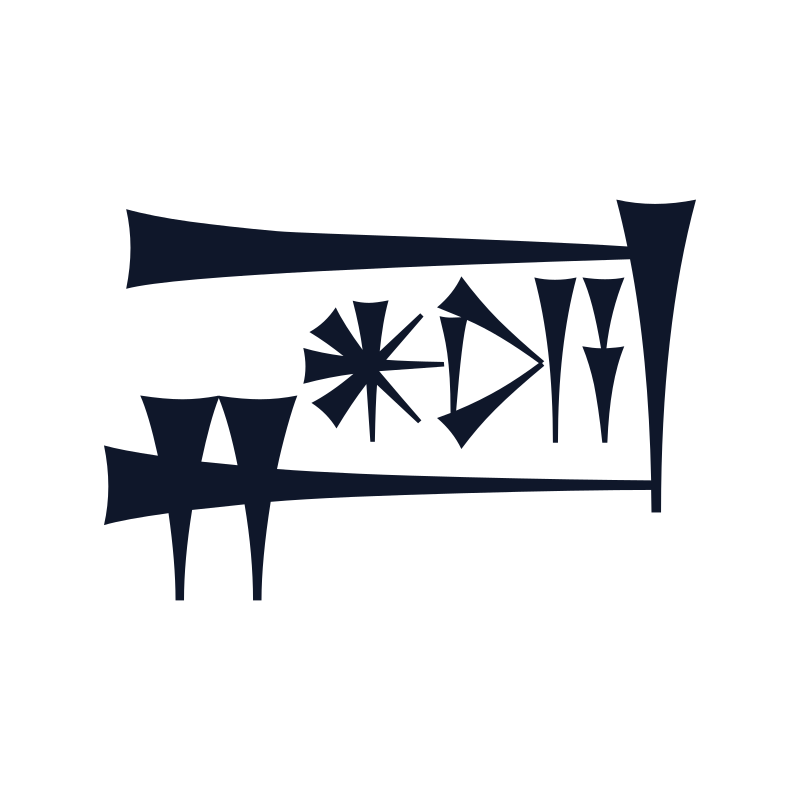 GA2xAN.KAK.A · U+12379
𒍹
sacred foundation room, shrine
GA₂×AN.KAK.A (𒍹) encloses AN (𒀭, god or heaven), KAK (𒆕, to build or foundation peg), and A (𒀀) within the architectural sign GA₂ (𒂷). Preserved in archaic and Babylonian lexical lists, it denotes a consecrated temple room built for a deity or a foundation chamber where votive pegs were deposited.
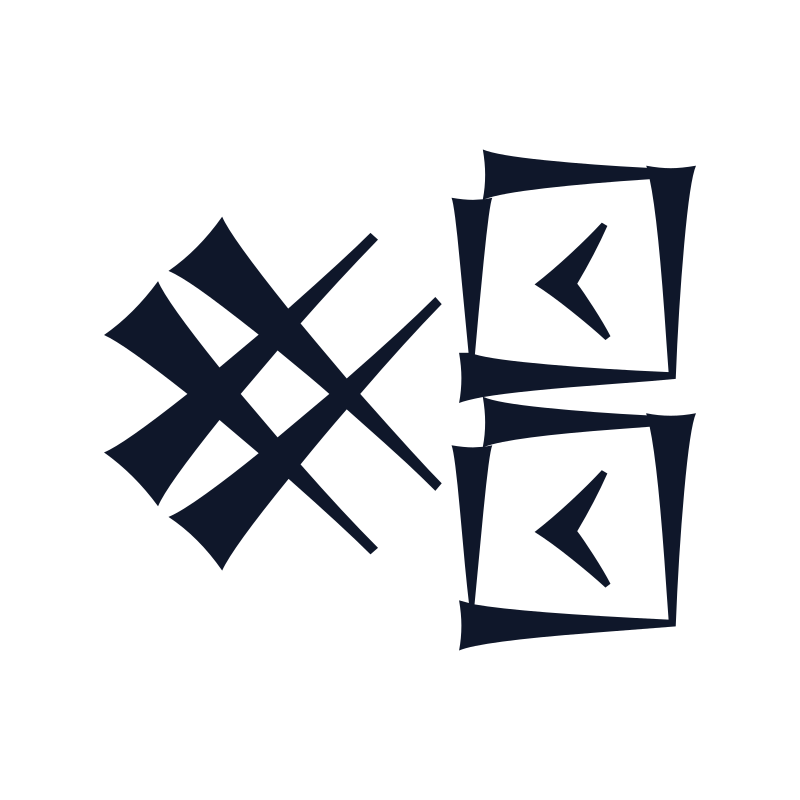 KASKAL.TUL2.TUL2 · U+1219D
𒆝
caravan wells, watering station
KASKAL LAGAB×U/LAGAB×U (𒆝) joins KASKAL (askal, road, expedition, or caravan route) with two vertically stacked LAGAB×U (𒇥, pu₂ / tul₂, well or cistern) signs. In Mesopotamian geographical and lexical texts, it vividly depicts a desert caravan station equipped with twin water wells along a trade highway.
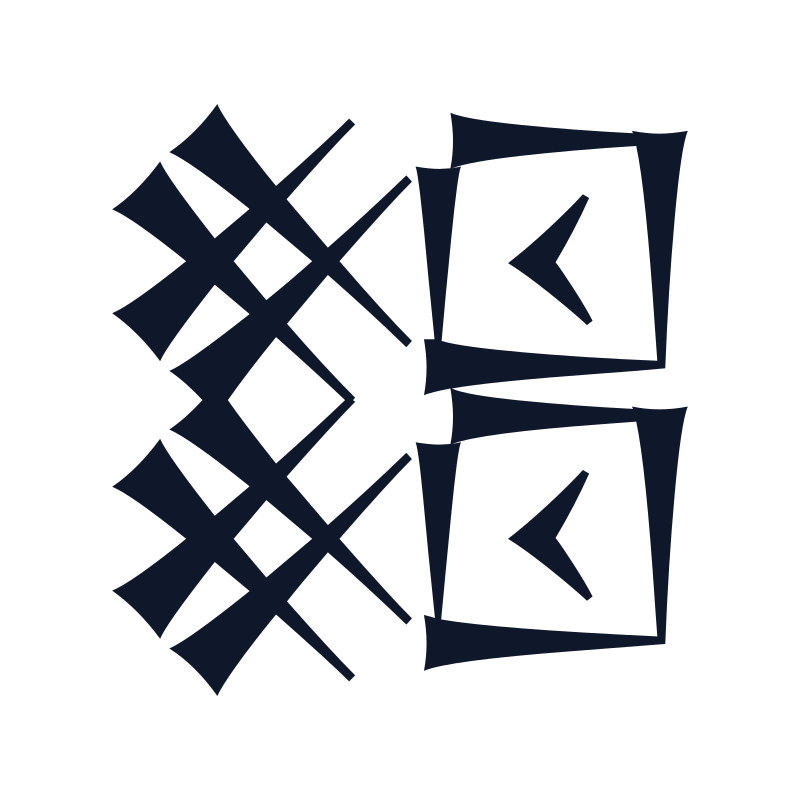 KASKAL.KASKAL.TUL2.TUL2 · U+1219E
𒆞
highway network, wayside wells
KASKAL/KASKAL LAGAB×U/LAGAB×U (𒆞) pairs two vertically stacked KASKAL (askal, road or caravan route) signs with two stacked LAGAB×U (𒇥, pu₂ / tul₂, well or cistern) signs. As the fully reduplicated counterpart of KASKAL LAGAB×U/LAGAB×U (𒆝), it signifies major intersecting caravan routes supplied with multiple watering stations.
