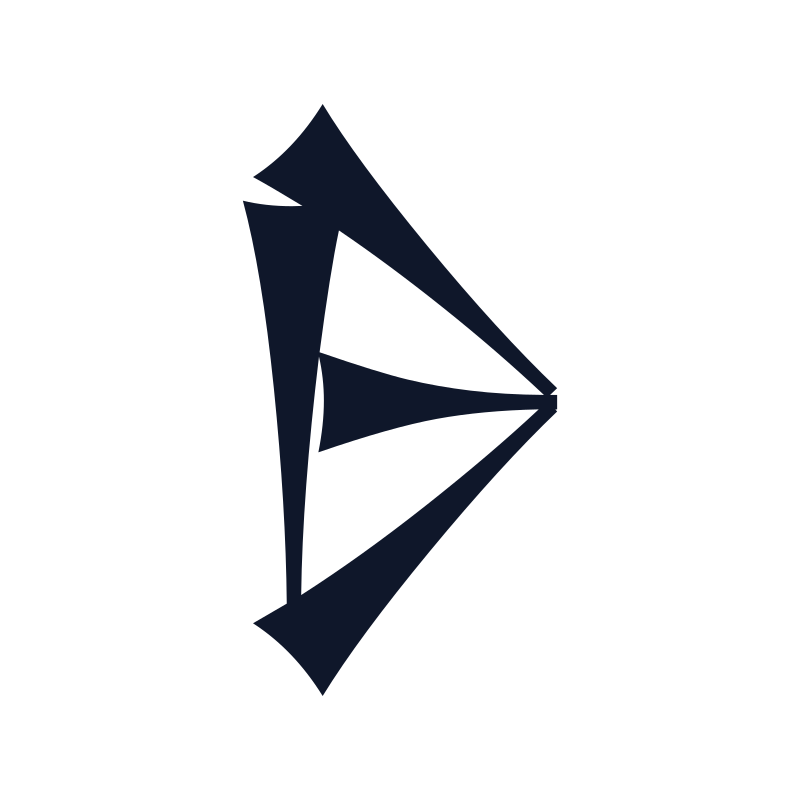
 MUNUS · U+122A9
𒊩
woman, lady
Derived from a simple geometric pubic triangle in earliest proto-cuneiform tablets from 3200 BCE, MUNUS (traditionally transliterated as SAL or MI₂, and read as 'sinništu' in Akkadian) represents a woman or female. Scribes used it both as a standalone word for woman and as an unpronounced classifier placed before female personal names, priestesses, queens, and female professions. When combined with KUR ('mountain/foreign land'), it formed GEME₂, meaning a female servant or captive.
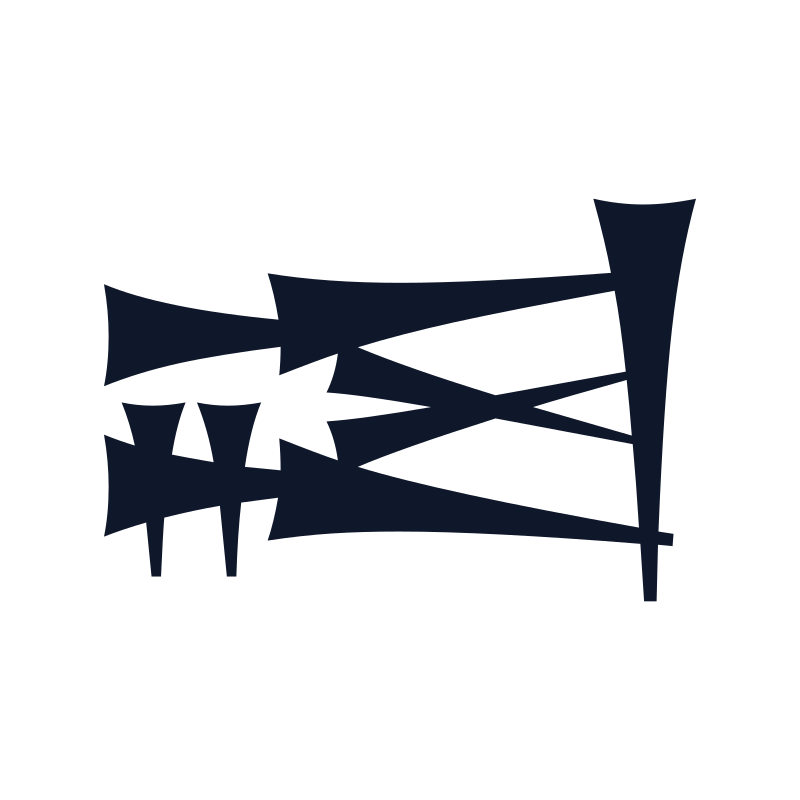 AD · U+1201C
𒀜
father, ancestor
In Sumerian family and social vocabulary, AD (often reduplicated as 'ad-da', Akkadian 'abu') is the primary word for 'father', 'forefather', and 'respected elder'. In the compound 'ad-gi₄-gi₄' (Akkadian 'māliku'), it designated a royal counselor or adviser who deliberated on affairs of state, while 'ad' alone (Akkadian 'rigmu') also meant a resounding cry, voice, or thunderclap. Phonetically, it is the universal sign for the closed syllables 'ad', 'at', and 'aṭ'.
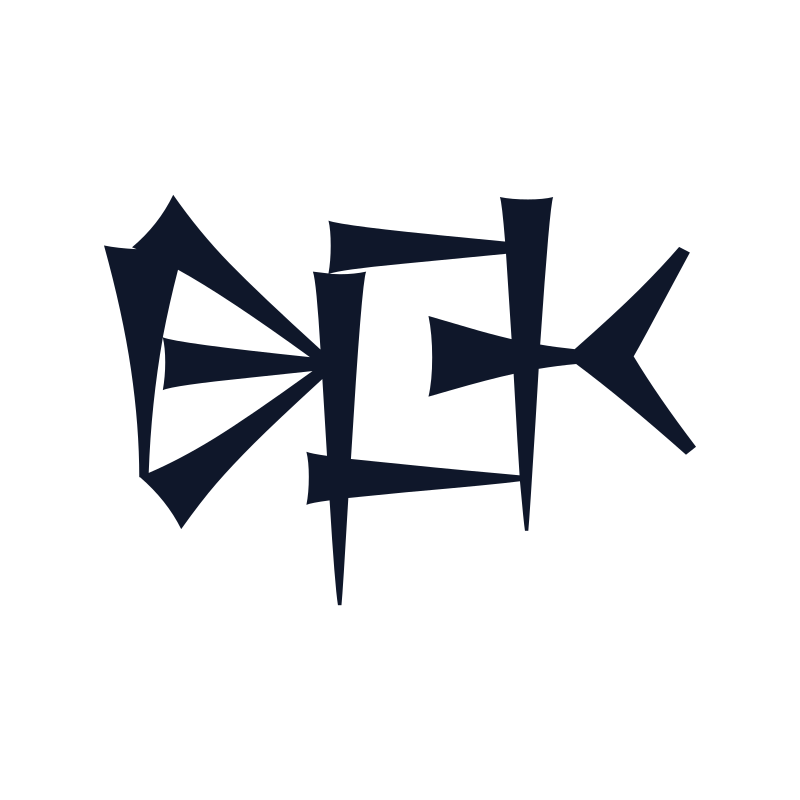 DAM · U+1206E
𒁮
wife, husband
In Sumerian kinship terminology, DAM is gender-neutral for a legal spouse, translating into Akkadian as both 'aššatu' ('wife') and 'mutu' ('husband'). It appears throughout Mesopotamian family law—including the Codes of Ur-Nammu and Hammurabi—regulating marriage contracts, dowries, and inheritance, as well as in divine titles ('dam-gal-nun-na', the great spouse of Enki). Combined with GAR, it forms DAM.GAR₃ (Akkadian 'tamkāru'), a long-distance trading merchant, and phonetically writes 'dam' and 'tam'.
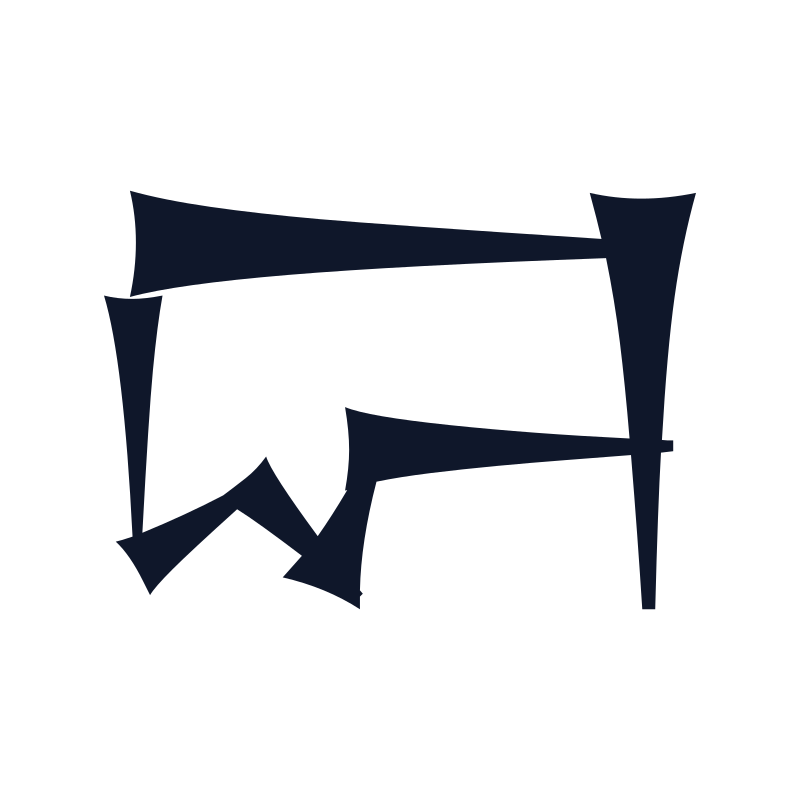 DIM₂ / GIM · U+12076
𒁶
to create, fashion from clay
Read as the verb DIM₂ (Akkadian 'banû' and 'epēšu'), this sign means 'to fashion', 'mold out of clay', 'build', or 'create'—used in myths where the gods Enki and Ninhursag pinch off sacred clay from the Apsû to fashion humankind, and in the title of the divine master-builder Nudimmud. Read as the grammatical equative suffix '-gim' (Akkadian 'kīma'), it means 'like' or 'as' in every Sumerian simile and proverb (e.g., 'shining like the sun', 'utu-gim').
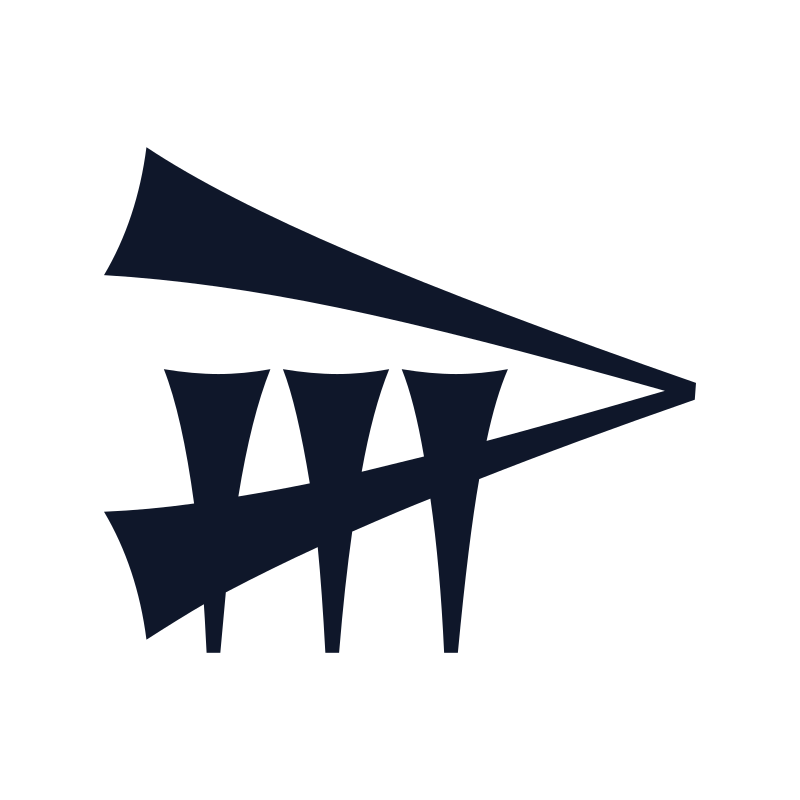 IR / ARAD · U+12155
𒅕
servant, scent
Functioning both as the standard VC phonetic sign for /ir/ and /er/ and as a logogram, IR denotes exudations such as sweat, exudate, or fragrance (Akkadian zu'tu, erīšu). In royal seal inscriptions and legal documents, it also interchanges with ARAD/URDU (Akkadian wardu) to designate a servant, official retainer, or vassal of a king or deity.
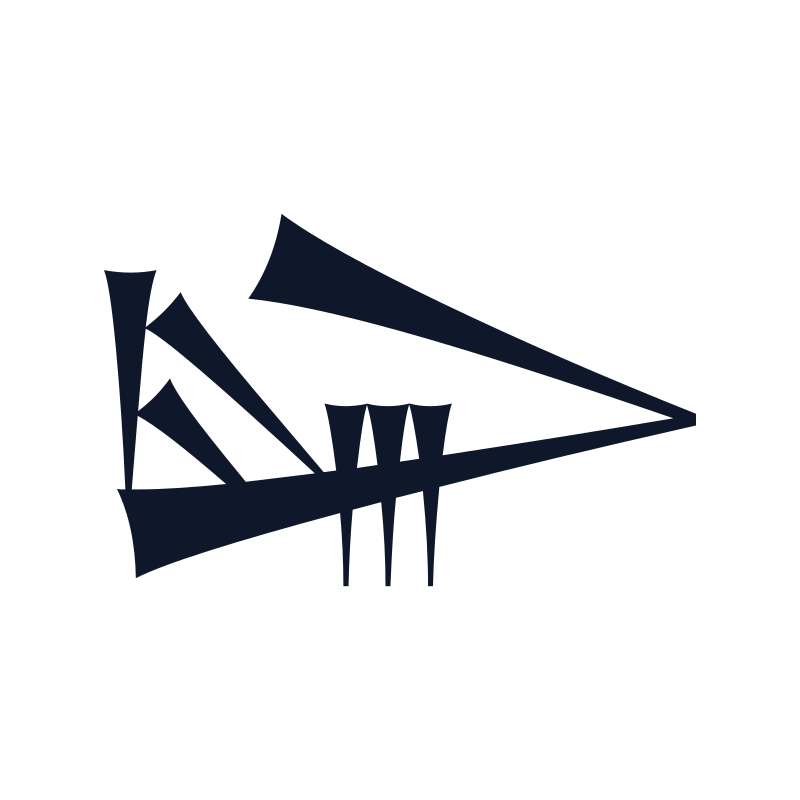 LU₂ (LÚ) · U+121FD
𒇽
man, person
Originally a full-body silhouette of a standing human figure with a hatched torso and head, LU₂ (Akkadian awīlu / amīlu) is the fundamental Sumerian word for 'man, person, human being, or free citizen' (famous from the Code of Hammurabi: šumma awīlum, 'If a citizen...'). Placed silently before nouns, it serves as the universal determinative for human professions, officials, and gentilic peoples.
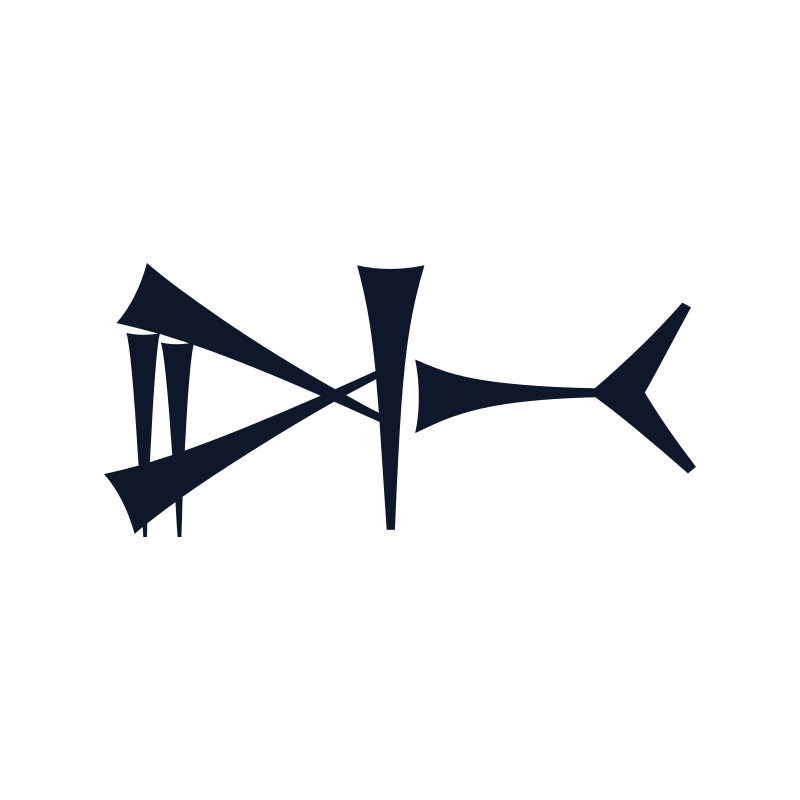 NAGAR · U+12244
𒉄
carpenter, joiner
Depicting a bronze chisel or bow-drill used in timber joinery, NAGAR (loaned into Akkadian as naggāru and thence into Aramaic and Arabic najjār) is one of humanity's oldest surviving occupational words, denoting a carpenter, chariot-wright, or master woodworker in temple workshops.
 PAP / KUR₂ · U+1227D
𒉽
older brother, to protect
Formed by two crossing oblique wedges, this minimal yet versatile sign has two opposite spheres of meaning: read as PAP or PA₄ (Akkadian ahu, naṣāru, napharu), it means 'older brother, leader, to protect' (famous in royal names like Nabû-kudurrī-uṣur / Nebuchadnezzar, written dAG-NÍG.DU-PAP) and 'grand total' in accounts. Read as KUR₂ (Akkadian nakru, šanû), it means 'different, altered, strange, or hostile enemy'.
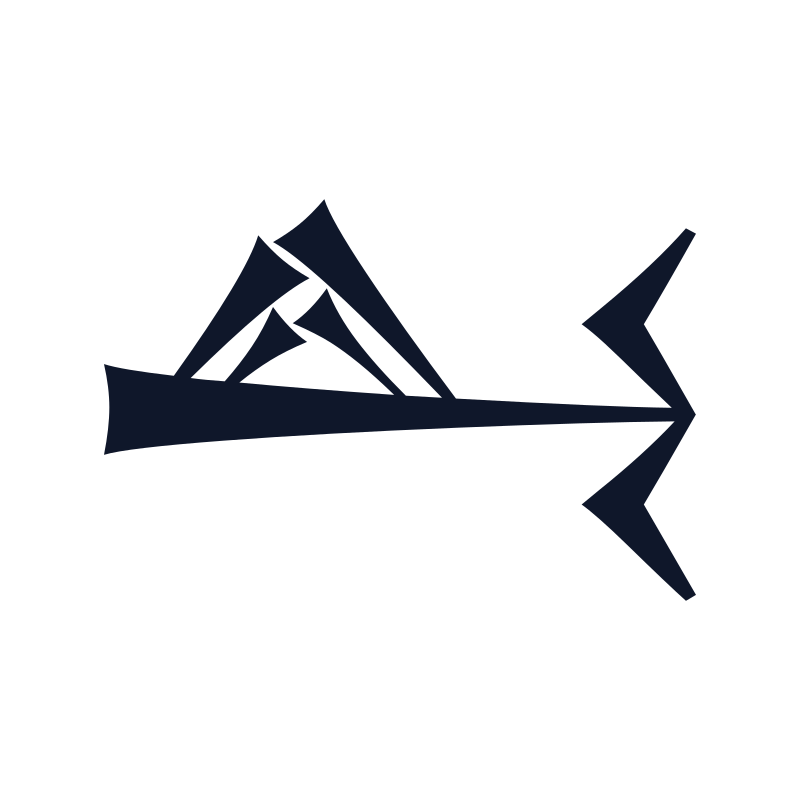 ŠEŠ / URI₃ · U+122C0
𒋀
brother, to protect
Originally a pictograph of a tall ceremonial standard or emblem pole (Sumerian uri₃, Akkadian urigallu) that guarded the entrance of the Moon god Nanna's temple—hence writing the name of the royal city of Ur (URI₃.UNUG.KI) and the verb 'to guard, protect' (Akkadian naṣāru). Read as ŠEŠ (Akkadian ahu), it is the universal Sumerian word for 'brother'.
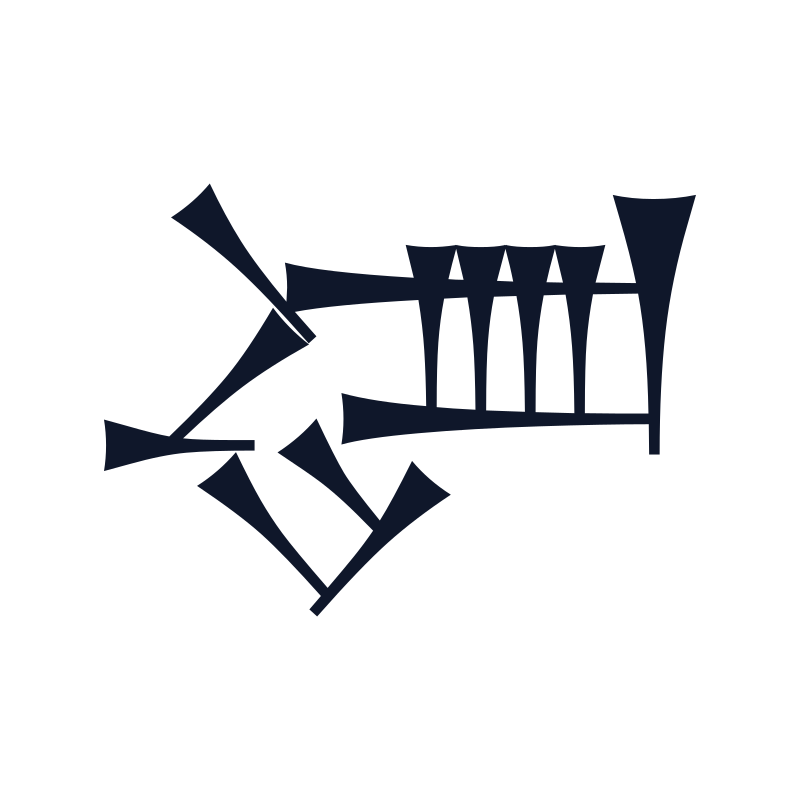 ŠUBUR / ŠAH₂ · U+122DA
𒋚
boar, pig
Originally a pictograph of a pig or wild marsh boar, this sign read as ŠAH₂ (Akkadian šahû) is the standard logogram for domestic pigs and wild boars. Read as ŠUBUR, it designates the northern Mesopotamian region of Subartu (SU.BIR₄.KI / ŠUBUR.KI), a class of household servants, and forms the name of Inanna's loyal divine vizier Ninshubur (dNIN.ŠUBUR).
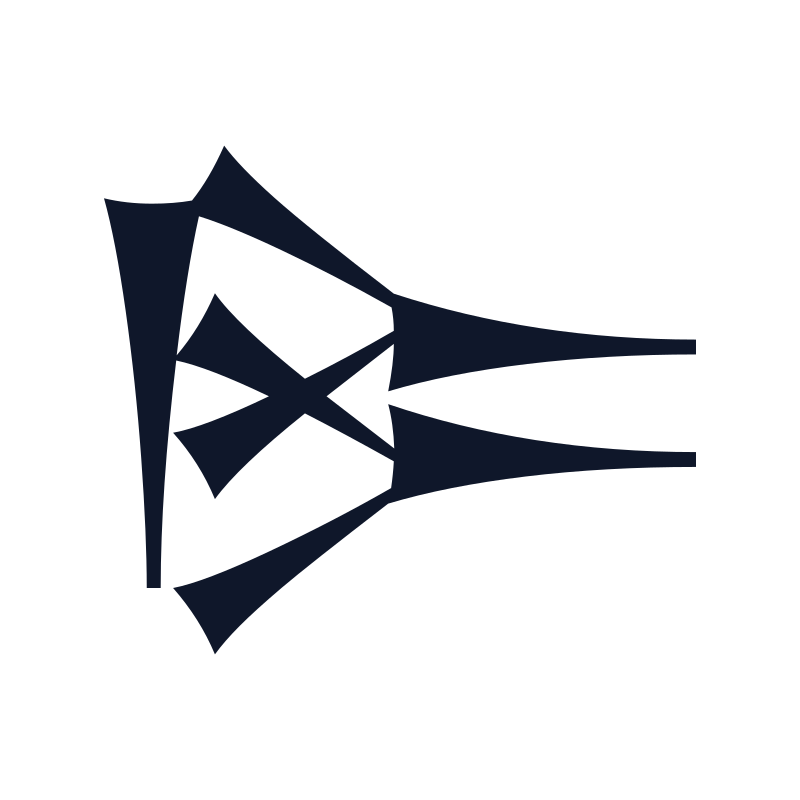 DUMU / TUR · U+12309
𒌉
son, child
Among the most essential signs in all cuneiform: read as DUMU (Akkadian māru), it means 'son, child, descendant, or member of a city/guild' (DUMU.MUNUS = mārtu, 'daughter'; DUMU.E₂.DUB.BA.A = 'son of the tablet-house', i.e. educated scribe). Read as TUR (Akkadian ṣehru), it is the standard adjective and verb for 'small, young, junior, or to diminish'.
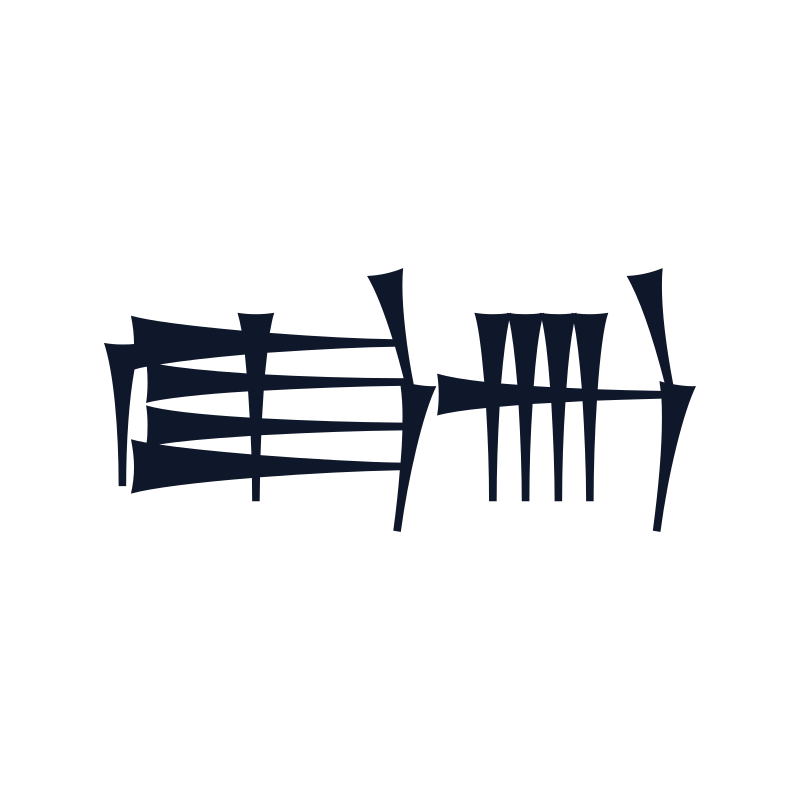 UN / KALAM · U+12326
𒌦
the homeland of Sumer, people
Read as KALAM (Akkadian mātu), this sign means 'the Land'—specifically the civilized heartland of Sumer itself, in direct contrast to KUR ('mountainous foreign lands'). Read as UN / UKU₃ / UG₃ (Akkadian nišū), it means 'people, population, folk, or all mankind' (as in LUGAL KALAM.MA = 'King of the Land of Sumer'), while phonetically serving as the VC syllable /un/.
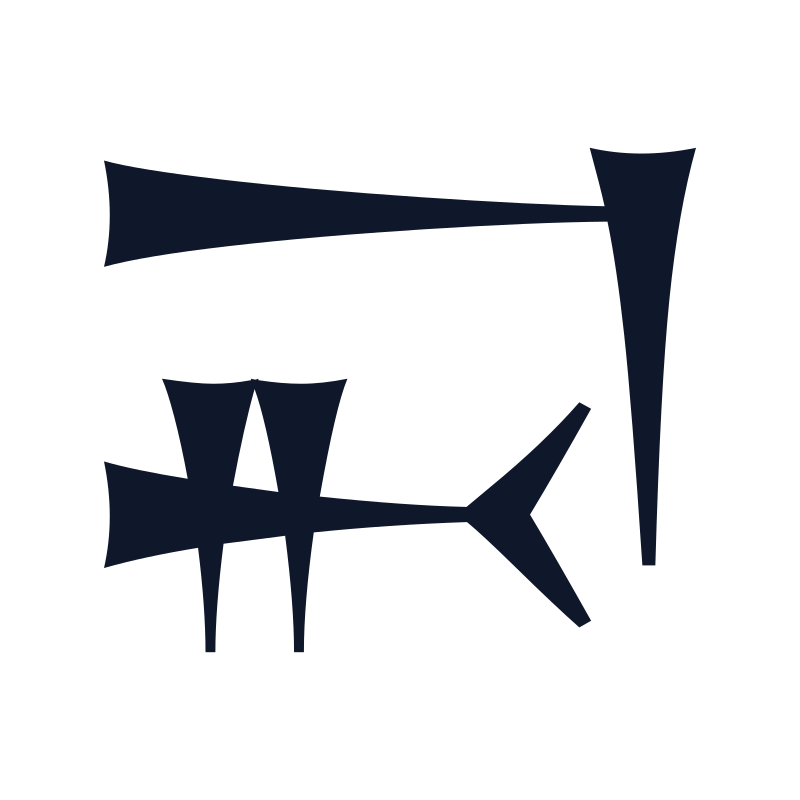 UŠ / NITA · U+12351
𒍑
male, man
Originally an anatomical pictograph of the male organ, this sign read as NITA / NITAH (Akkadian zikaru) means 'male, man, or virile' (and marks male animals in herd records). Read as UŠ (Akkadian emēdu, šiddu), it means 'to lean upon, border, or reach', and denotes the standard Mesopotamian surveying length unit of 1 UŠ = 60 nindan (approx. 360 meters, the long side of a field). Phonetically it is the primary VC sign for /uš/.
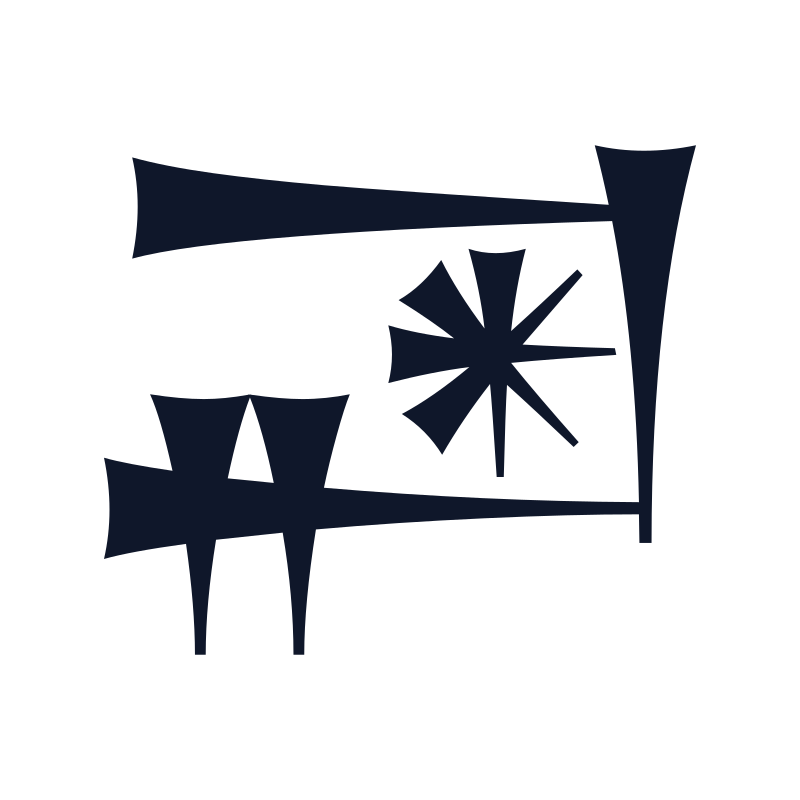 AMA (GA₂×AN) · U+120BC
𒂼
mother, root of humanity's first word for freedom (Amargi)
A profound compound ideogram formed by inscribing the divine star AN (𒀀/𒀭) inside the house/chamber sign GA₂ (mal), symbolizing 'the sacred star within the home'—the Mother (Sumerian ama, Akkadian ummu). Combined with GI₄ ('to return'), AMA.GI₄ (amargi, literally 'return to the mother') in the Reforms of King Urukagina of Lagash (c. 2380 BCE) is the oldest recorded word in human history for political and debt freedom.
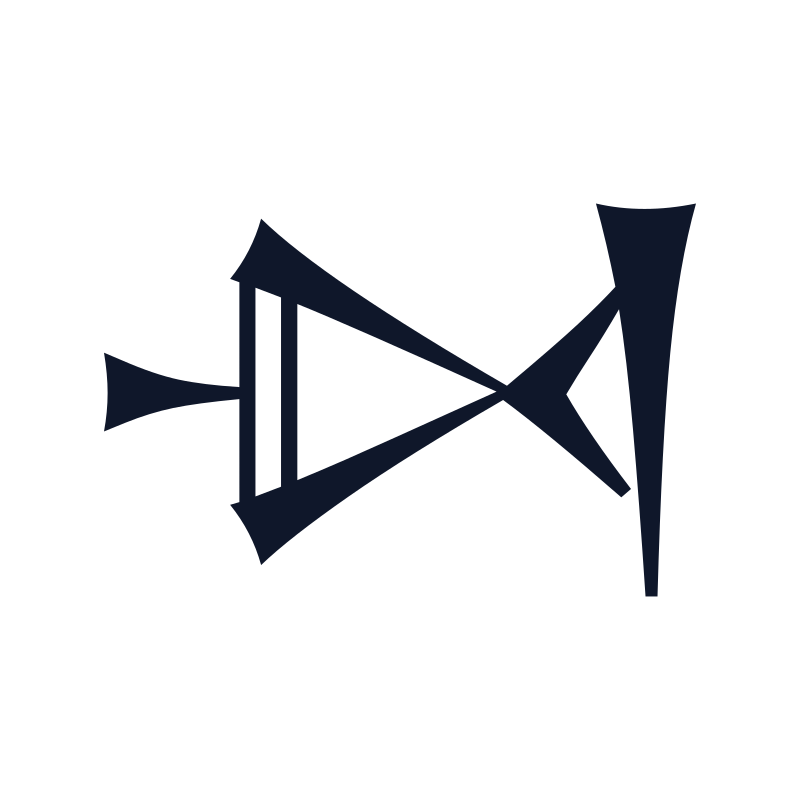 ARAD (ÌR / URDU) · U+12034
𒀴
servant, royal retainer
Read as ARAD, URDU, or IR₁₁ (Akkadian wardu / ardu), this sign designates both a household servant/slave in legal texts and, at the highest level of society, an official minister, general, or governor who proudly styles himself on his cylinder seal as '[Name], Servant (ARAD) of the King' or 'Servant of [Deity]' (as in royal and scribal names like Warad-Sin).
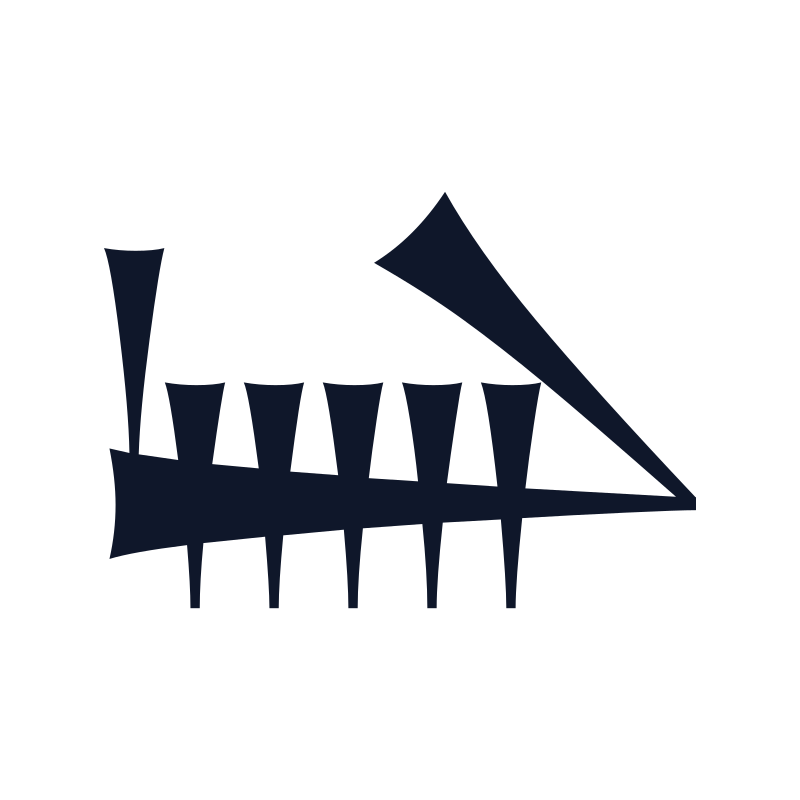 AŠGAB · U+1203F
𒀿
master leatherworker, tanner
Loaned directly from Sumerian ašgab into Akkadian as aškāpu (and later into Aramaic and Syriac), this sign denotes the professional leatherworker, tanner, and cobbler who crafted sandals, waterskins, chariot harnesses, shield coverings, and drumheads in royal and temple workshops.
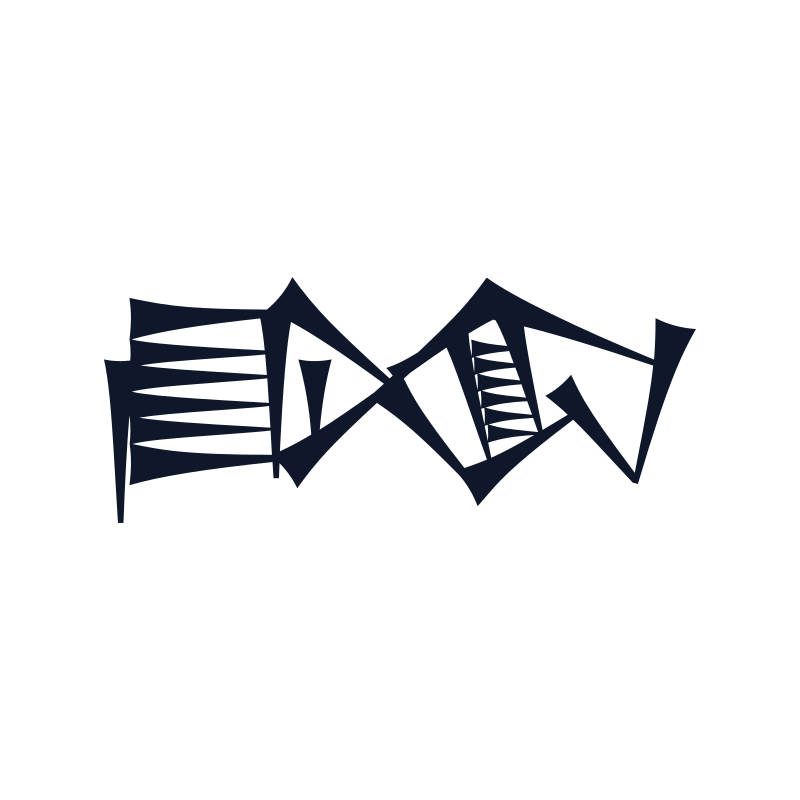 BAHAR₂ · U+12043
𒁃
master potter, shaper of clay
Designating the potter (Sumerian bahar₂, loaned into Akkadian as pahāru and into Arabic as fakhkhār), one of the foundational craftsmen of alluvial Mesopotamia where wheel-thrown clay vessels were invented. In creation myths, the wisdom god Enki and mother goddess Ninmah fashion the first humans from clay just like a divine potter (dBAHAR₂).
 ERIN₂ (ZAB) · U+1209F
𒂟
army troops, conscript workforce
Originally a pictograph of a double wooden yoke linking a pair of draft animals (Akkadian ṣimittu), ERIN₂ (Akkadian ṣābu) came to designate a 'yoked team' of men—both a state work-brigade conscripted for canal digging and harvesting, and the royal army or military troops on campaign (ERIN₂.MEŠ / ṣābū). Read as ZAB (in UD.KIB.NUN.KI = Zimbir), it also writes the name of the Sun-god's city Sippar.
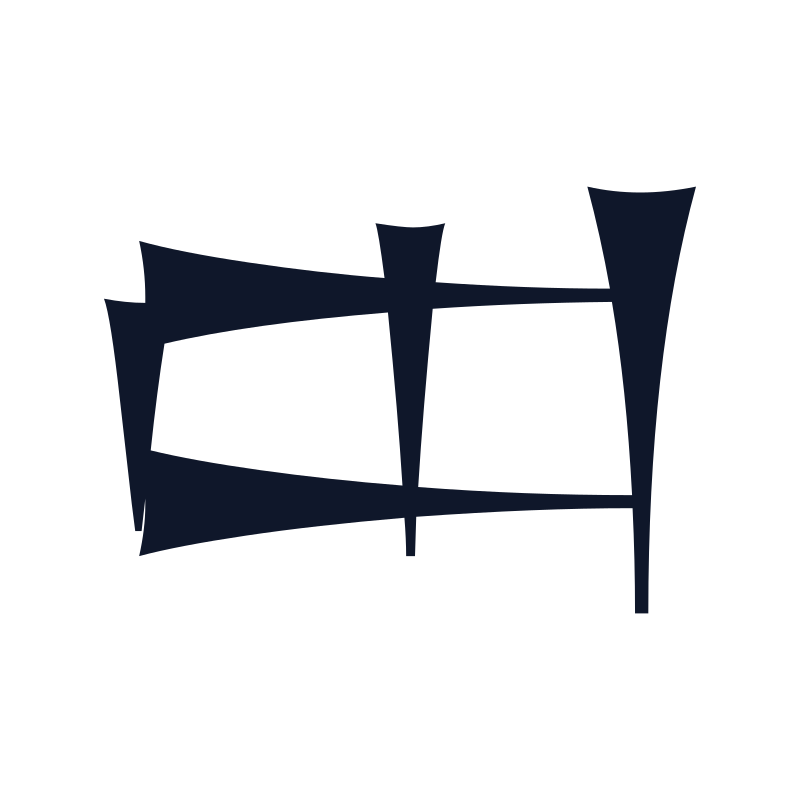 GURUŠ · U+12128
𒄨
able-bodied young man, worker
Originally a gunû-augmented variant showing a sled or torso with power strokes, GURUŠ (Akkadian eṭlu) designates an adult male in the prime of his physical strength. In Ur III economic archives, the 'guruš-day' was the standard unit of male labor (paired with GEME₂ for female workers), while in Sumerian epics GURUŠ celebrates the noble young warrior.
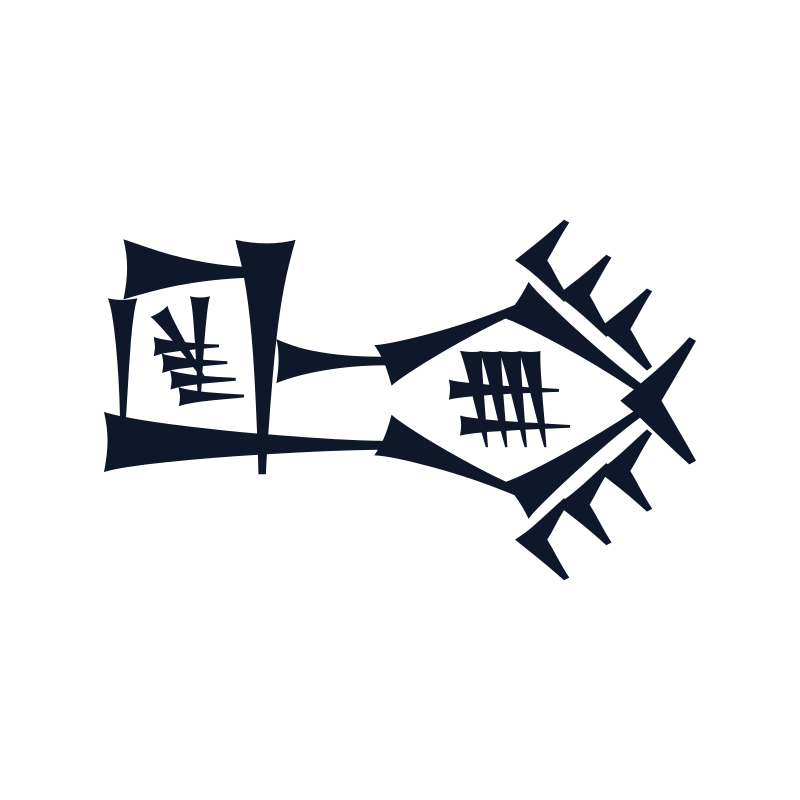 MUNSUB · U+12230
𒈰
flowing hair, royal locks
Recorded in Mesopotamian lexical traditions with the readings MUNSUB and SUHUR₂, this sign denotes hair of the head, flowing locks, or a priestly coiffure (Akkadian šārtu, qimmatu), as well as a poetic word for 'shepherd' (Akkadian rē'û).
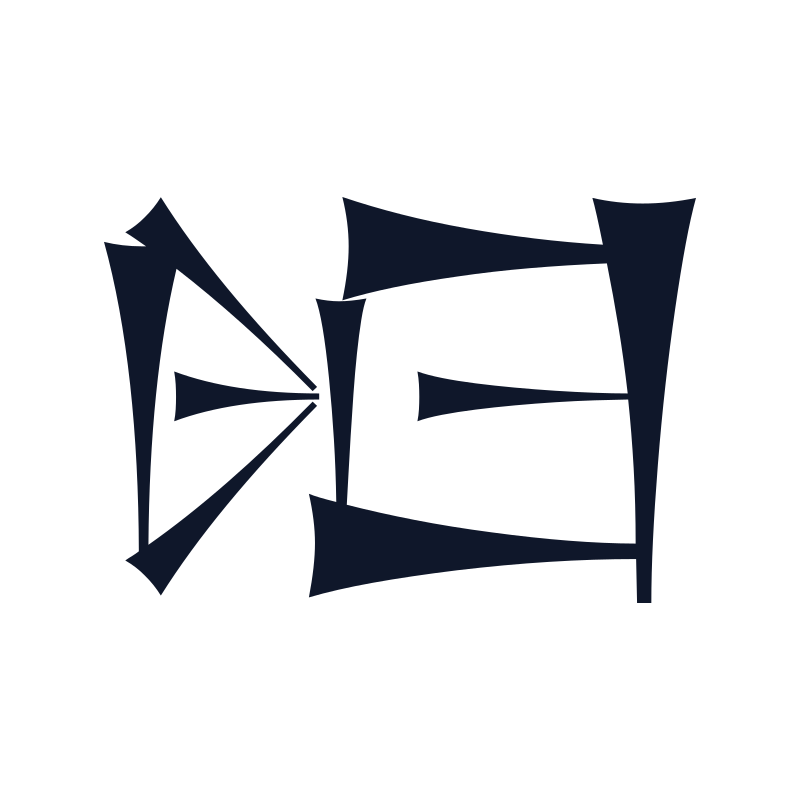 NIN₉ (MUNUS.KU) · U+12390
𒎐
sister, royal female relative
Formed by combining MUNUS ('woman', 𒊩) with KU (𒆪)—creating a subtle graphic distinction from NIN ('queen/lady', MUNUS.TUG₂)—NIN₉ (Akkadian ahātu) is the specific Sumerian logogram for 'sister' (such as Geshtinanna, the devoted sister of Dumuzi).
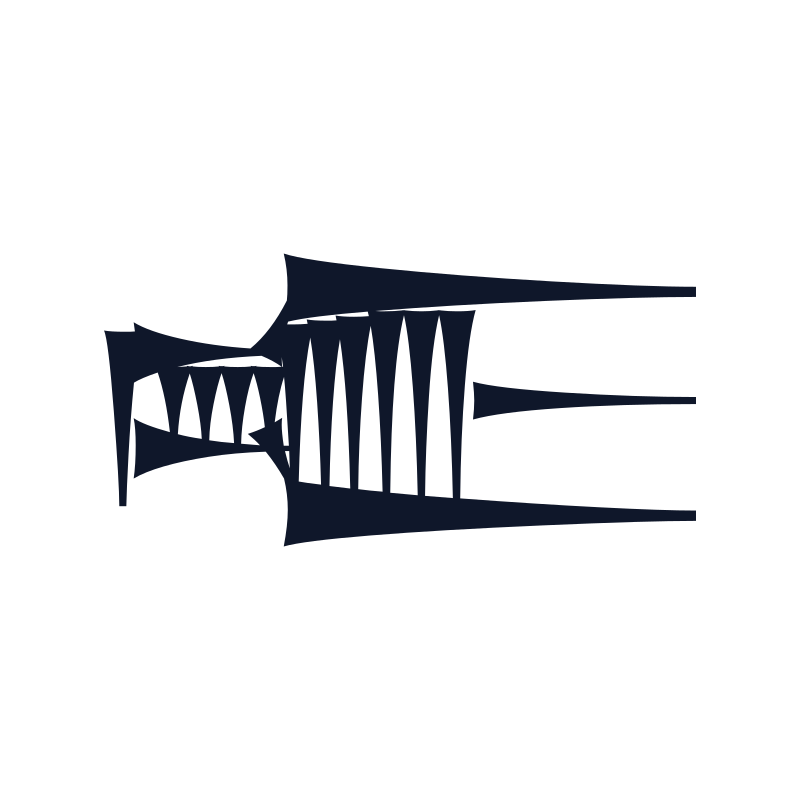 ZU5 · U+1236B
𒍫
physician, diviner
Cuneiform sign ZU₅ or AZU (Borger MZL 809, U+1236B), designating a Mesopotamian healer, physician, or extispicy diviner (Sumerian a-zu, uzu₂; Akkadian asû 'physician', bārû 'haruspex/diviner'). Also used phonetically as the syllable zu₅.
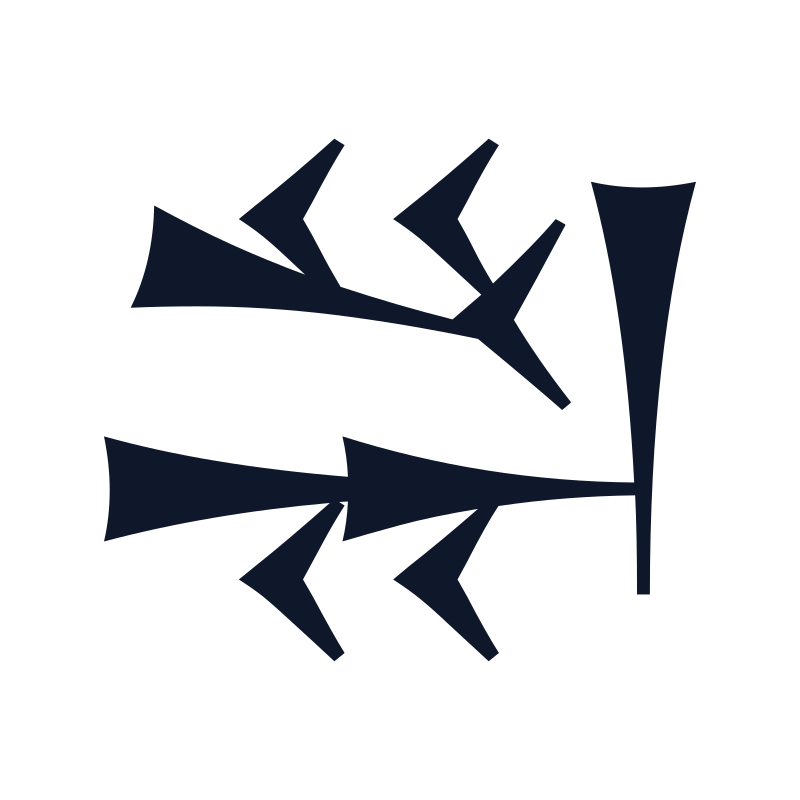 KASH4 · U+1207D
𒁽
runner, messenger
Cuneiform sign DU-šešig, read KAŠ₄ or KAS₄ (Borger MZL 352, U+1207D), augmenting the foot sign DU with extra wedges to indicate rapid motion. It means 'to run, trot, travel swiftly' (Sumerian kaš₄; Akkadian lasāmu) and 'royal courier, messenger' (lu₂-kaš₄; Akkadian lāsimu).
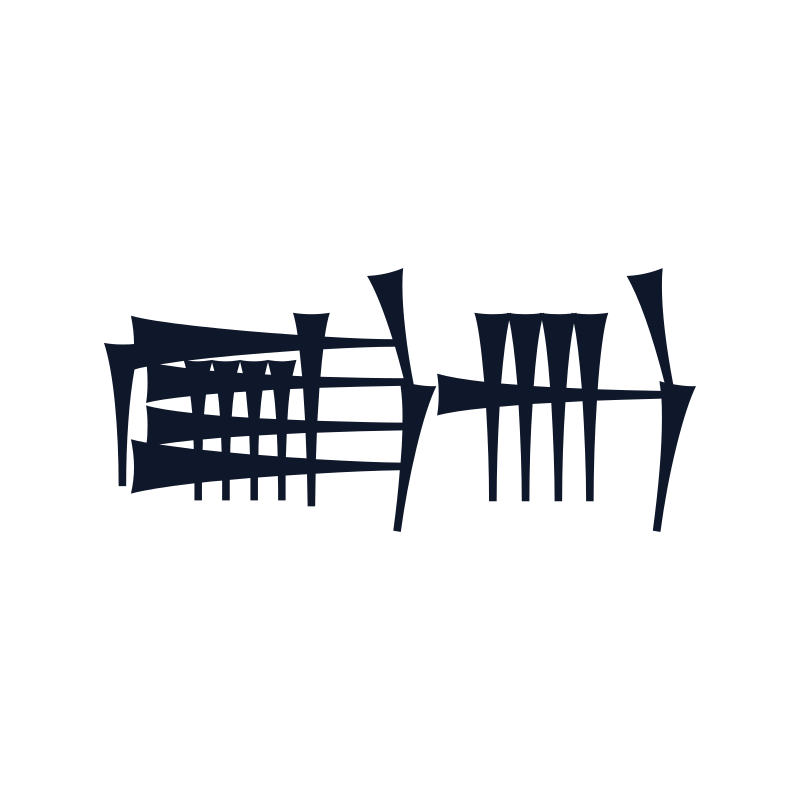 UN_GUNU · U+12327
𒌧
multitude, people
Cuneiform sign UN-gunû (U+12327), an ornamented gunû form of UN/UG₃ ('people, population'), preserved in Mesopotamian lexical lists to denote a dense multitude or assembled populace.
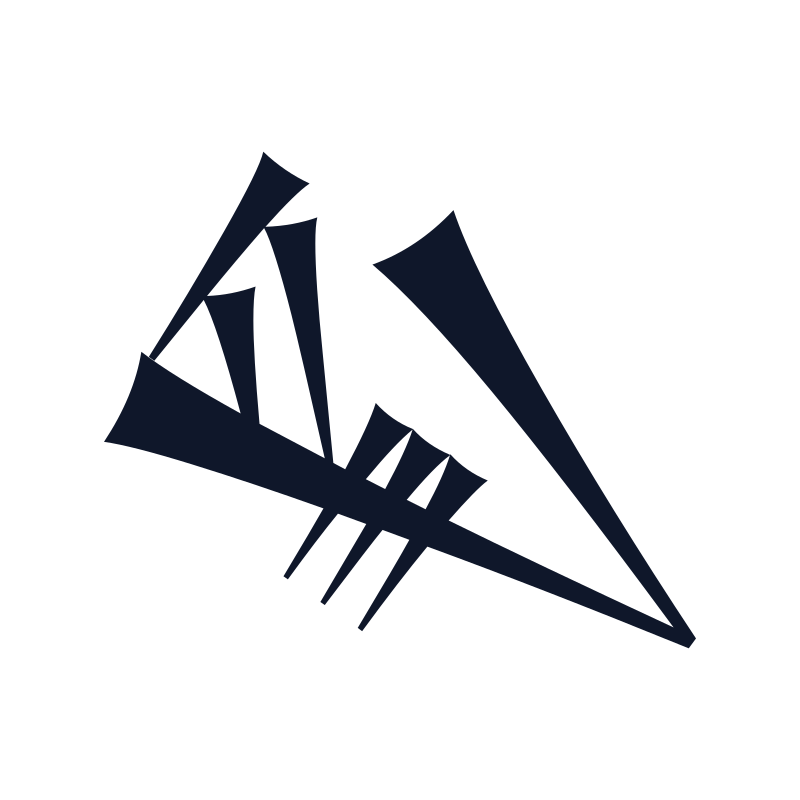 LU2_TENU · U+12211
𒈑
fallen man, captive
Cuneiform sign LU₂-tenû (Borger MZL 516, U+12211), the slanted (tenû) graphic form of LU₂ ('man'), visually depicting a prostrate or fallen human figure to signify a defeated enemy, captive, or corpse (Akkadian šalamtu, kamû).
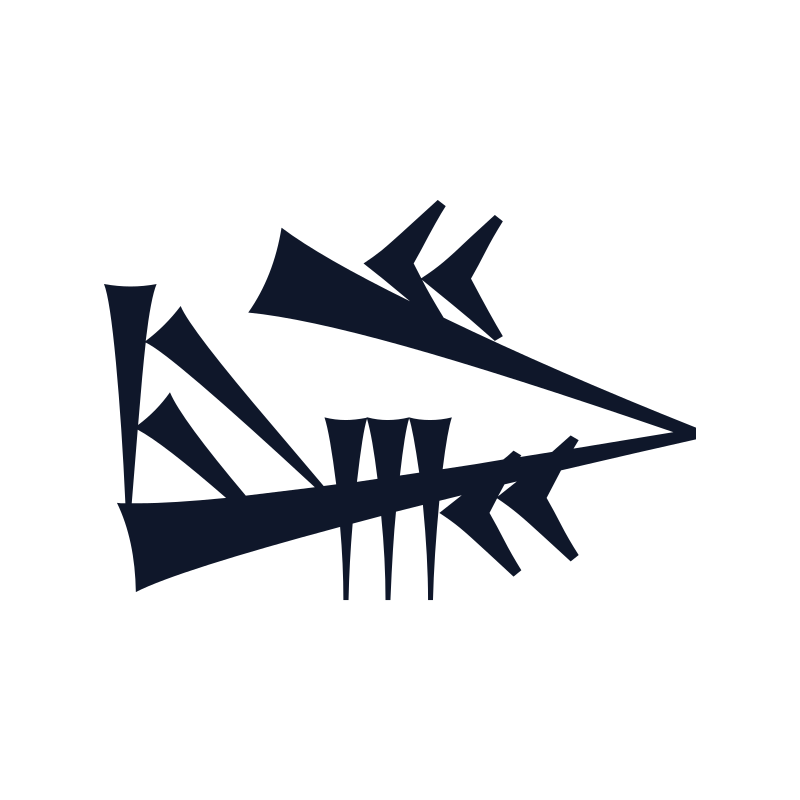 LU2_SHESHIG · U+12215
𒈕
bound captive, prisoner
Cuneiform sign LU₂-šešig (Borger MZL 515, U+12215), augmenting the human sign LU₂ with šešig strokes (neck-stock or bindings) in Early Dynastic and Old Akkadian royal triumphs to denote a bound prisoner of war (Akkadian kamû, asīru).
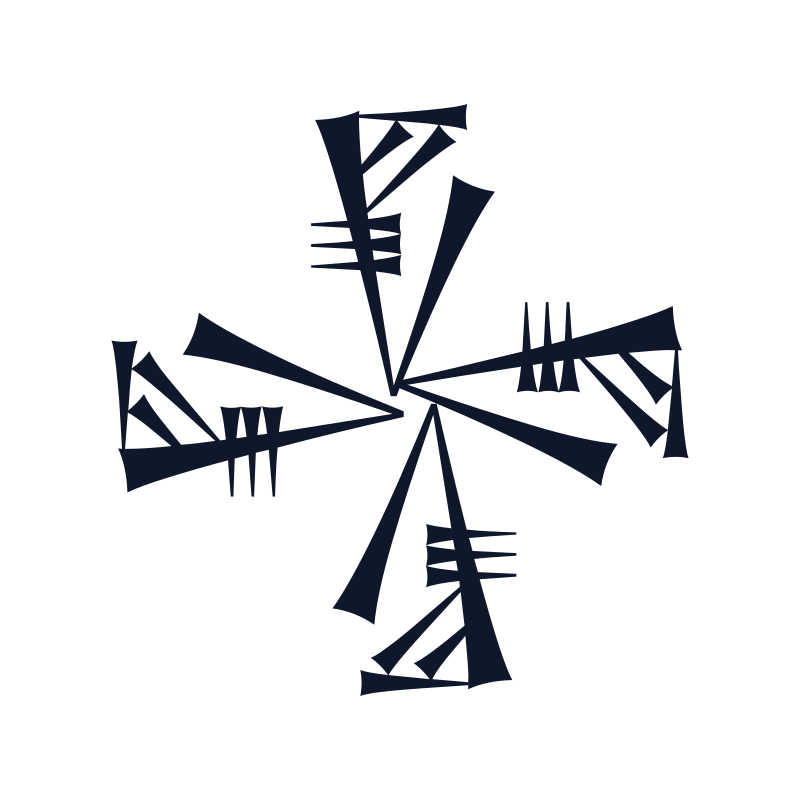 LU2_SQUARED · U+12214
𒈔
assembly, throng
Cuneiform sign LU₂-squared (four human signs LU₂ arranged symmetrically, Borger MZL 517, U+12214), a lexical ideogram denoting an assembled throng of people gathered from all directions.
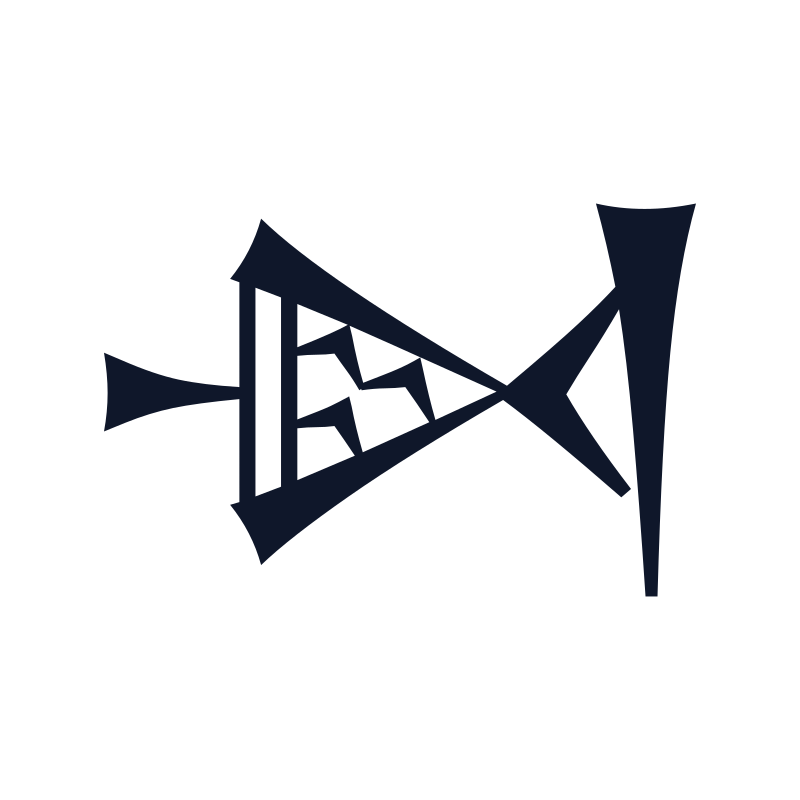 ARAD2 · U+12035
𒀵
servant, slave
Cuneiform sign ARAD×KUR, read ARAD₂ or IR₁₁ (Borger MZL 81, U+12035), combining ARAD ('man/male') with KUR ('mountain, foreign land'), reflecting the historical origin of war captives from the highlands. It is the standard Sumerian logogram for 'male servant, royal retainer, or slave' (Sumerian arad₂, ir₁₁; Akkadian wardu), used on cylinder seals in the devotion formula arad₂-zu ('your servant').
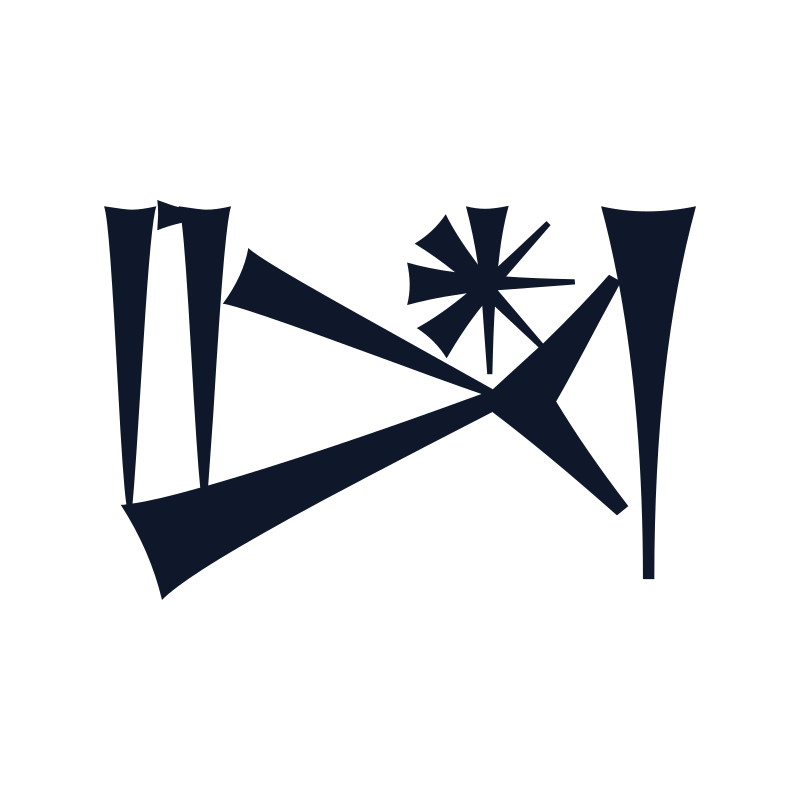 HUB2_AN · U+12139
𒄹
acrobat, ritual dancer
Cuneiform sign ḪUB₂×AN (Borger MZL 151, U+12139), combining the leaping-foot sign ḪUB₂ with the divine star AN to denote a cultic acrobat, leaper, or ritual dancer (Sumerian ḫub₂-dar; Akkadian ḫuppû) who performed in festivals of Inanna/Ištar.
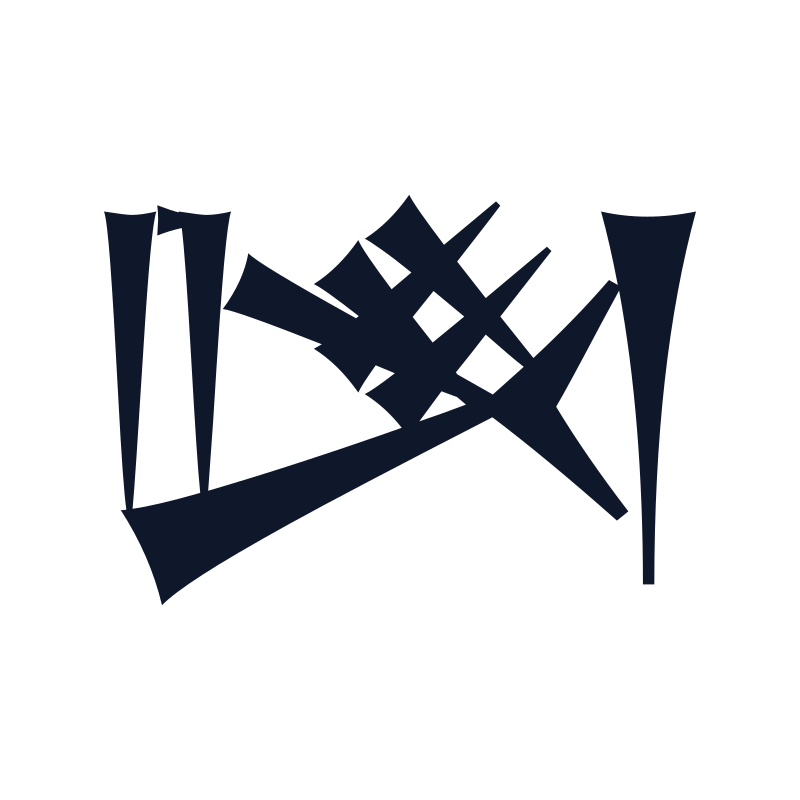 HUB2_KASKAL · U+1213B
𒄻
road runner, courier
Cuneiform sign ḪUB₂×KASKAL (Borger MZL 152, U+1213B), combining the running-leg sign ḪUB₂ with KASKAL ('road, highway') to denote a long-distance runner or overland courier.
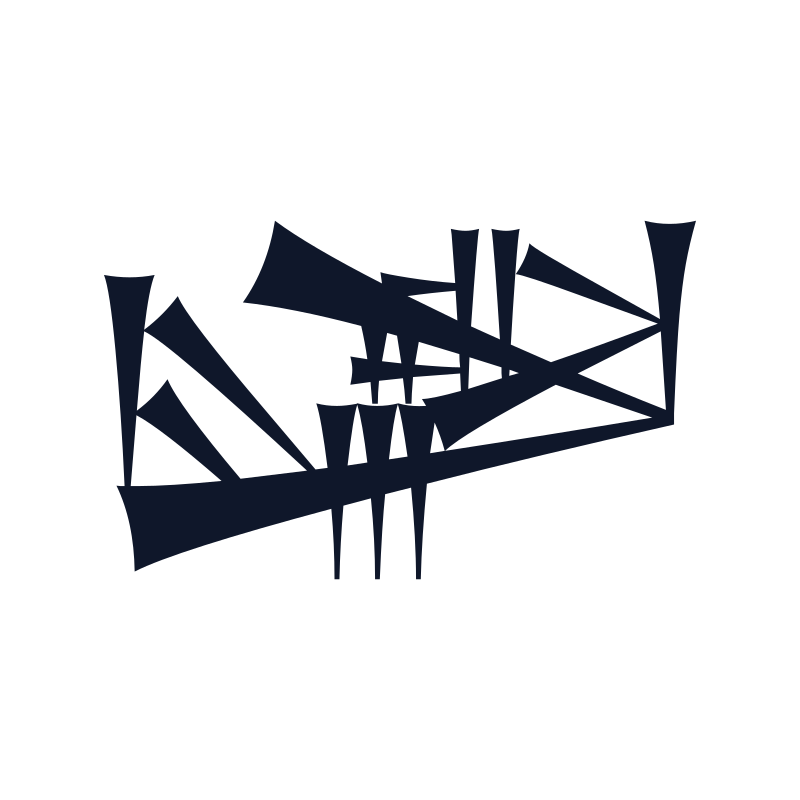 LU2×AL · U+121FE
𒇾
hoer, trench digger
LU₂×AL (𒇾) combines LU₂ ('man, person, worker') with AL ('hoe, pickaxe'). In Mesopotamian profession lists (`Lu`), it designates an agricultural laborer working with a hoe or a canal and trench digger.
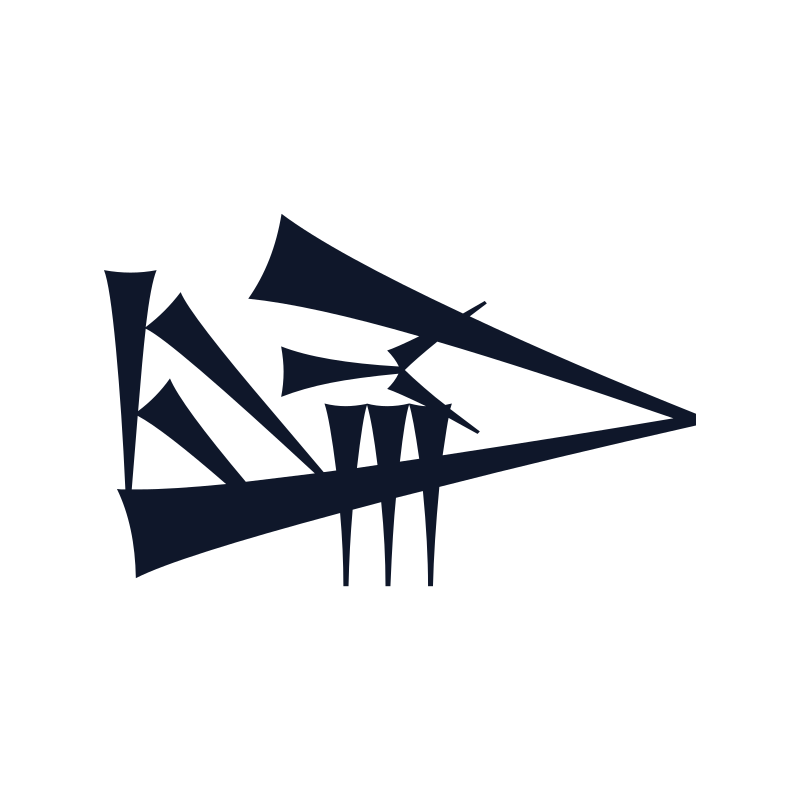 AD6 · U+121FF
𒇿
corpse, dead body
AD₆ (𒇿, structurally LU₂×BAD, 'person + dead') is the standard Sumerian logogram for 'corpse, cadaver, or dead body' (`ad₆`, `adda`; Akkadian `pagru`, `šalamtu`). It appears prominently in royal battle inscriptions, underworld myths such as Inanna's Descent, and medical-omen compendia.
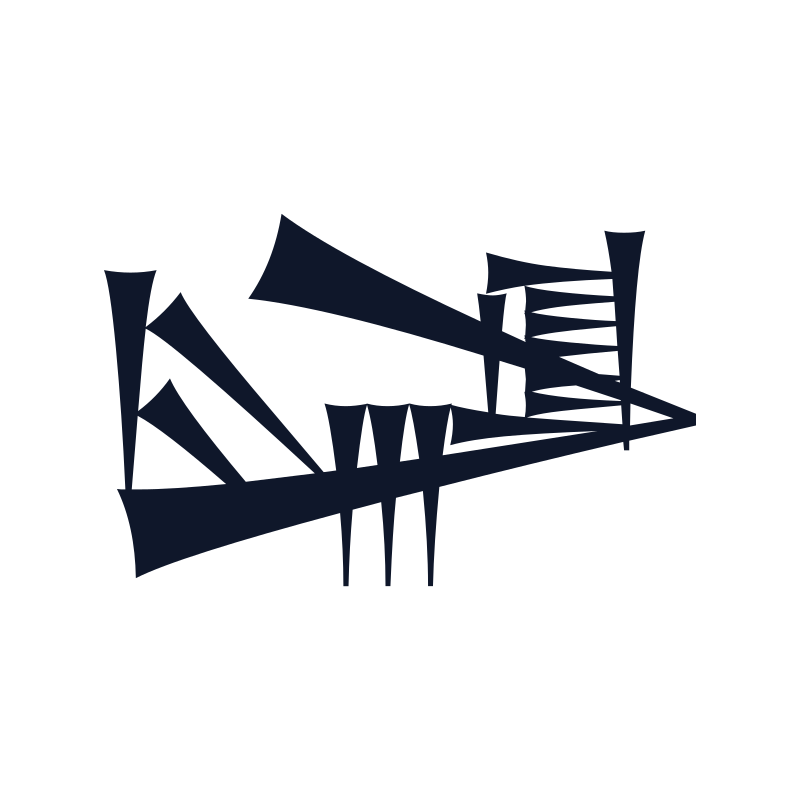 LU2×ESH2 · U+12200
𒈀
land surveyor, bound captive
LU₂×EŠ₂ (𒈀) combines LU₂ ('man, person') with EŠ₂ ('measuring rope, cord'). Depending on lexical context, it denotes either an official field surveyor who stretches the measuring cord (`lu₂-eš₂-gid₂`) or a prisoner bound with ropes.
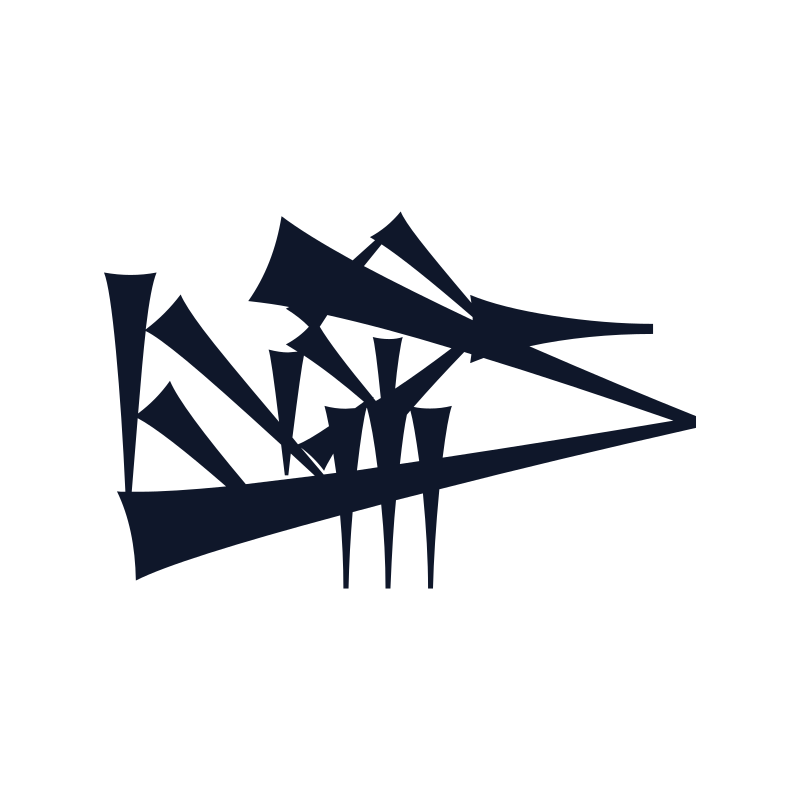 LU2×IM · U+12204
𒈄
clay worker, swift runner
LU₂×IM (𒈄) combines LU₂ ('man, worker') with IM ('clay, mud; wind'). In Mesopotamian profession lists (`Lu`), it relates both to workers handling clay and mudbrick and to swift couriers (`lu₂-im`, 'man of the wind/running', Akkadian `lāsimu`).
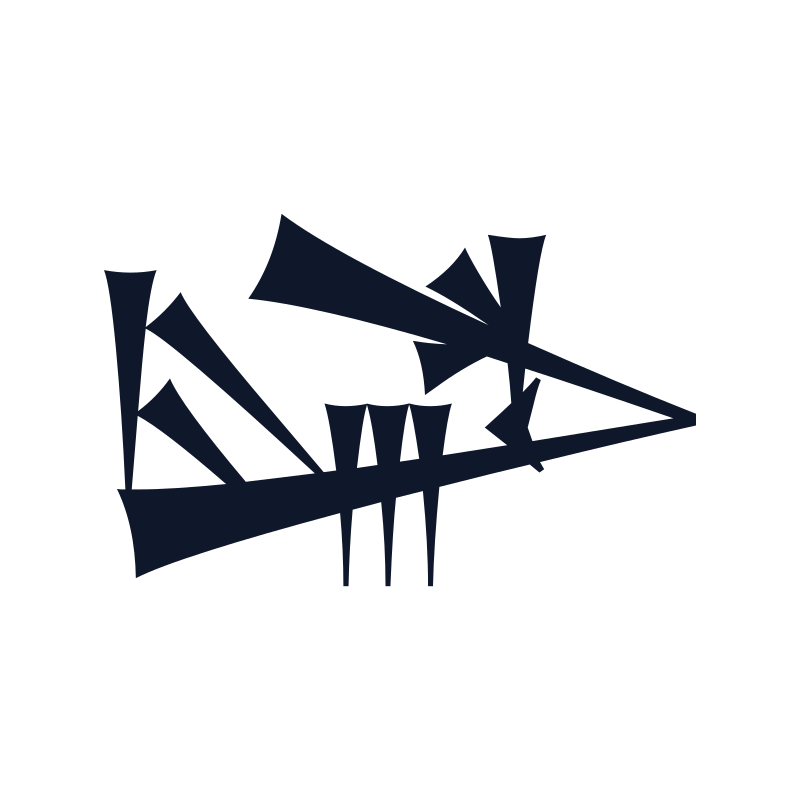 LU2×KAD2 · U+12205
𒈅
mat weaver, basket maker
LU₂×KAD₂ (𒈅) combines LU₂ ('person, craftsman') with KAD₂ ('to tie, weave, plait'). Recorded in the lexical series Lu, it designates a craftsman who weaves reed mats, plaits baskets, or binds bundles.
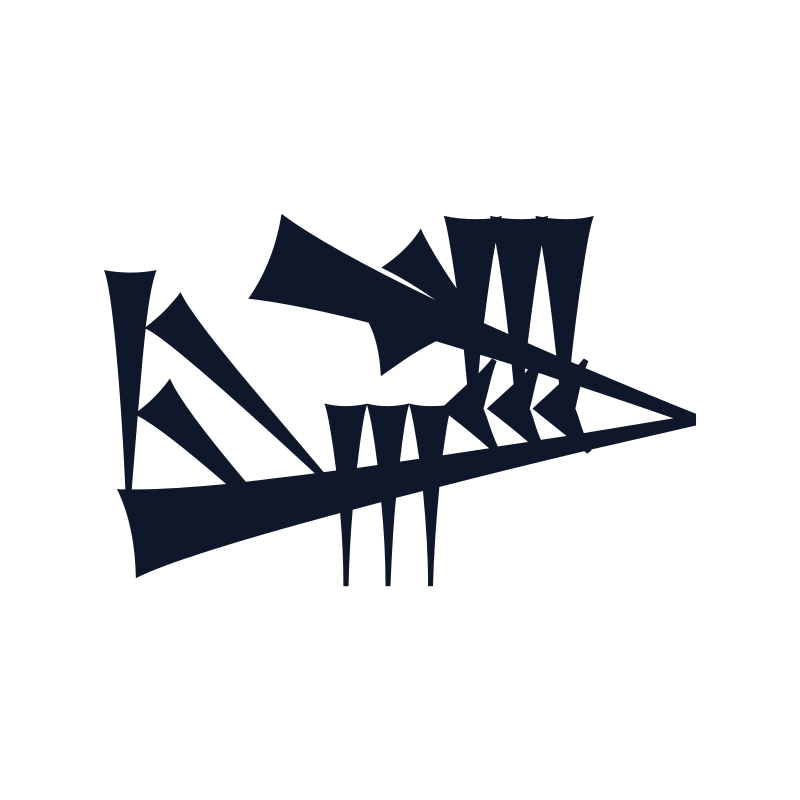 LU2×KAD3 · U+12206
𒈆
cord binder, weaver
LU₂×KAD₃ (𒈆) combines LU₂ ('person, worker') with KAD₃ ('to tie, bind, weave'). Like its companion sign LU₂×KAD₂ in the Mesopotamian Lu profession lists, it designates a worker who binds reed bundles or weaves mats and cordage.
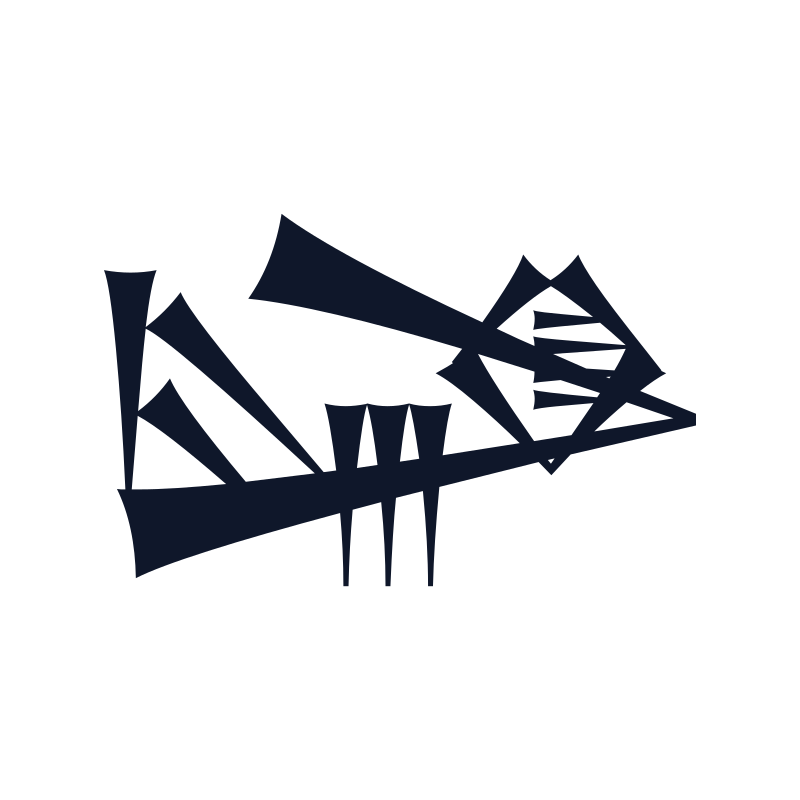 LU2×KI · U+12208
𒈈
native resident, local person
LU₂×KI (𒈈) combines LU₂ ('person, man') with an inscribed KI ('place, land, ground'). In lexical lists, it denotes a person belonging to a specific locality, a native inhabitant, or a worker stationed on a plot of land.
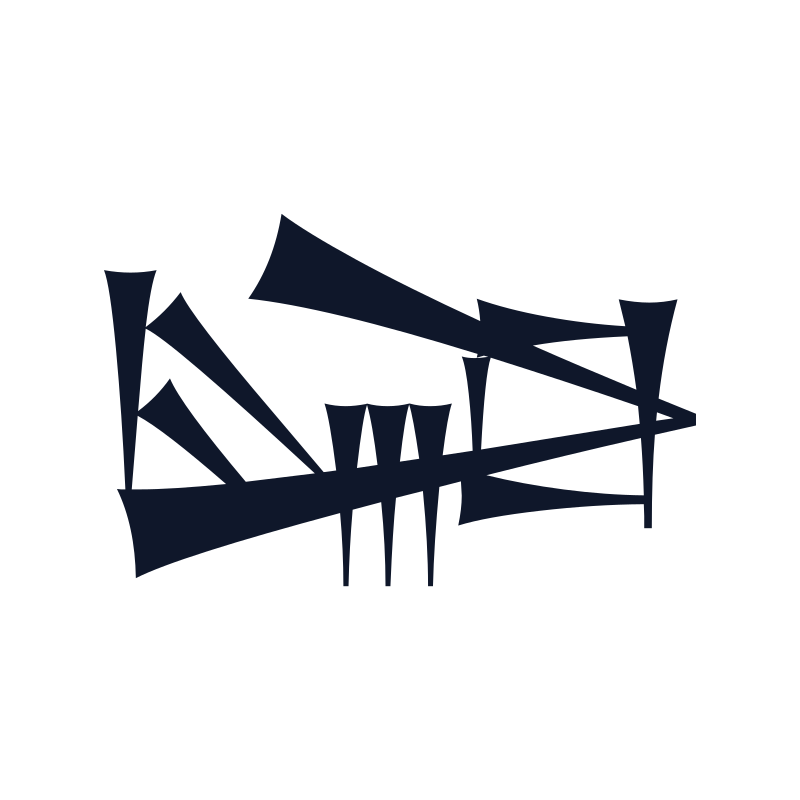 LU2×LAGAB · U+1220A
𒈊
confined person, prisoner
LU₂×LAGAB (𒈊) combines LU₂ ('person') with LAGAB ('enclosure, circle, block'). In Mesopotamian lexical lists, it signifies a person confined within an enclosure or prison, or a worker handling heavy blocks and containers.
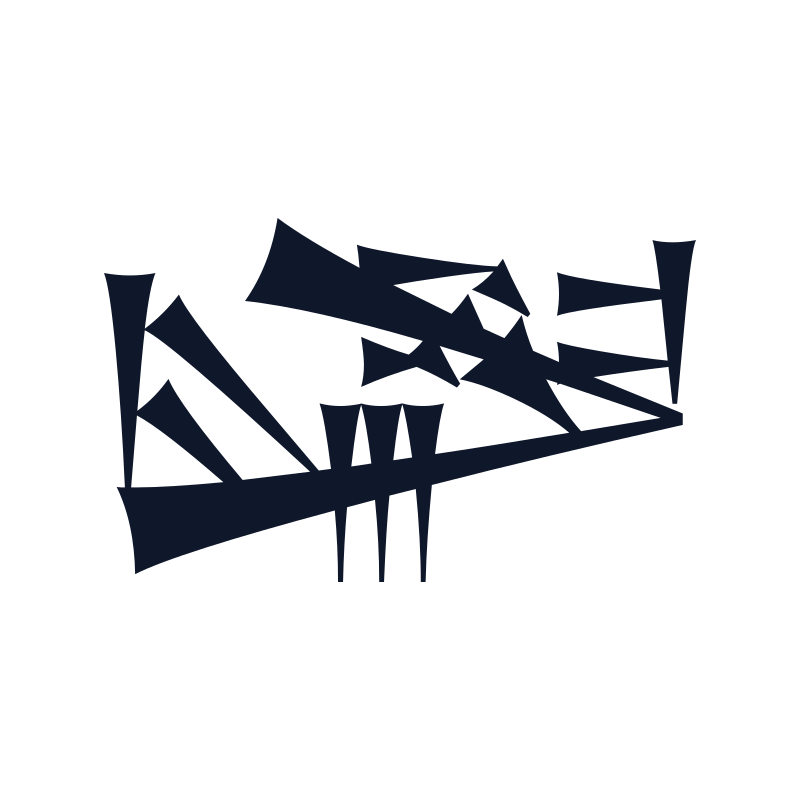 DU14 · U+1220C
𒈌
quarrel, strife, dispute
DU₁₄ (𒈌, structurally LU₂×NE, 'person + fire/heat') is the standard Sumerian logogram for 'quarrel, strife, fight, or heated dispute' (Akkadian `ṣāltu`, `puḫpuḫḫû`). In Sumerian proverbs and literary debates, `du₁₄ mu₂` ('to kindle a quarrel') vividly metaphors human conflict as igniting a fire.
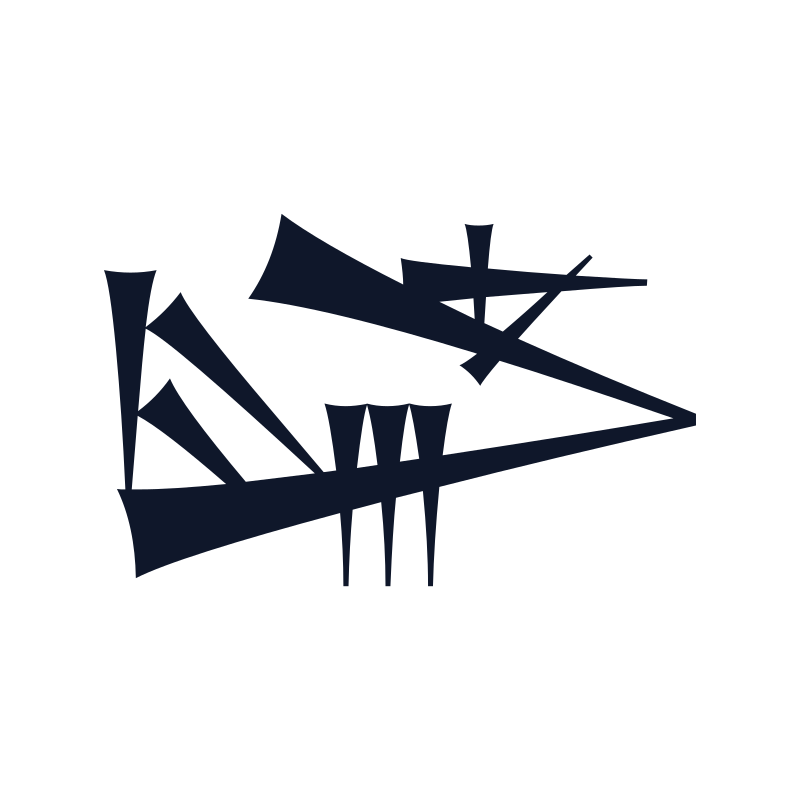 LU2×NU · U+1220D
𒈍
nobody, no one
LU₂×NU (𒈍) combines LU₂ ('person, someone') with the negation particle NU ('not, without'). In Mesopotamian lexical lists, it expresses 'nobody, no one' (`lu₂-nu`, Akkadian `mamman lā`) or a person without status or kin.
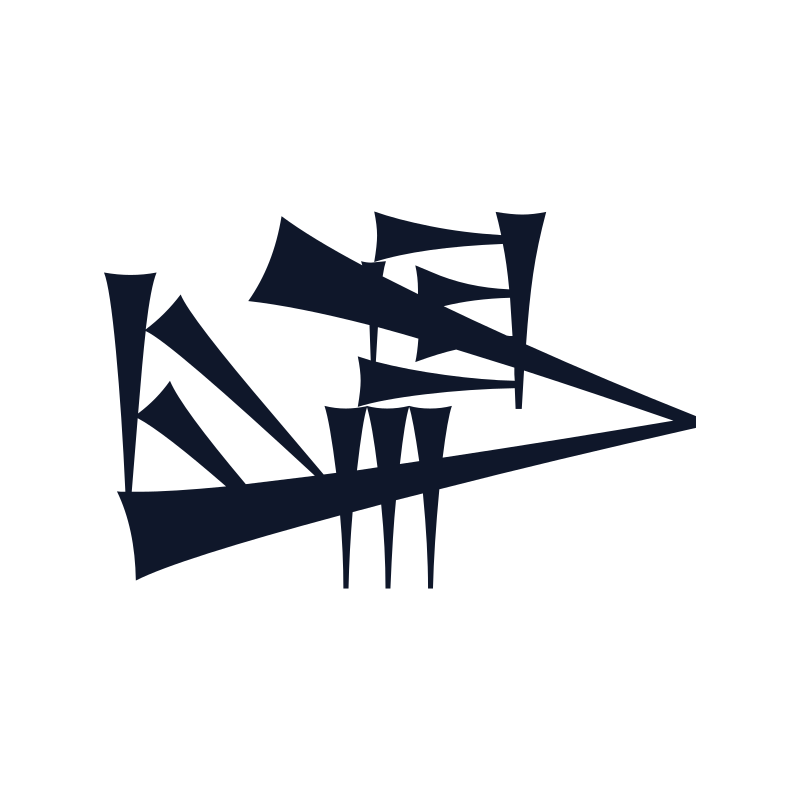 LU2×TUG2 · U+12210
𒈐
fuller, clothier, launderer
LU₂×TUG₂ (𒈐) combines LU₂ ('man, craftsman') with TUG₂ ('garment, cloth, textile'). Related to Sumerian `azlag` (`lu₂-tug₂`, Akkadian `ašlāku`), it designates a fuller, launderer, or textile finisher who washes, bleaches, and treats woven garments.
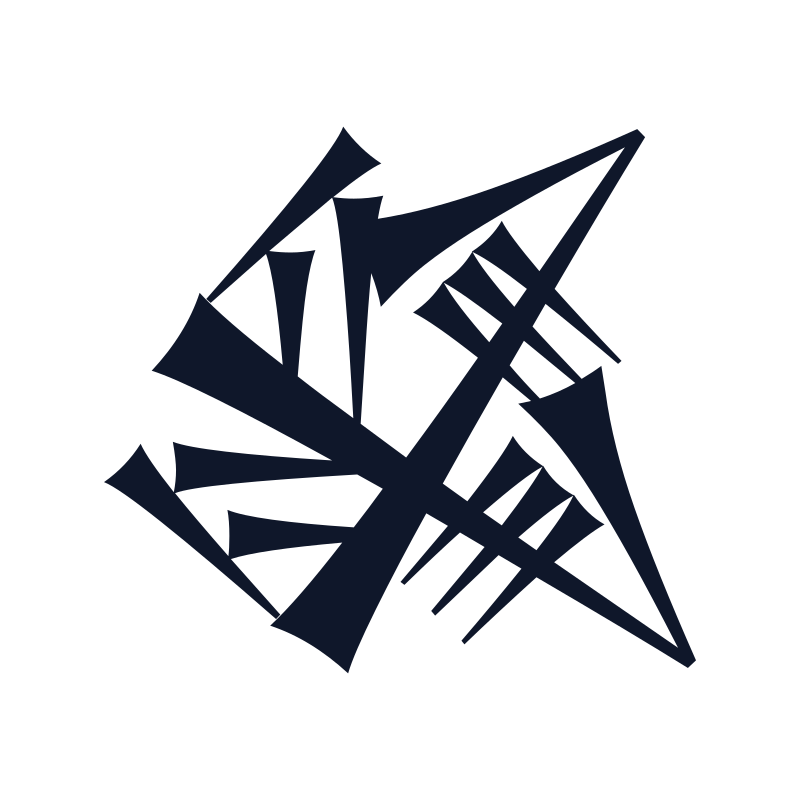 LU2×LU2 · U+12212
𒈒
grappling men, close combat
LU₂ CROSSING LU₂ (𒈒) is formed by two intersecting LU₂ ('man, person') signs. In Mesopotamian lexical lists, the crossed human figures represent two men locked in hand-to-hand combat, mutual struggle, or a thronging crowd of people.
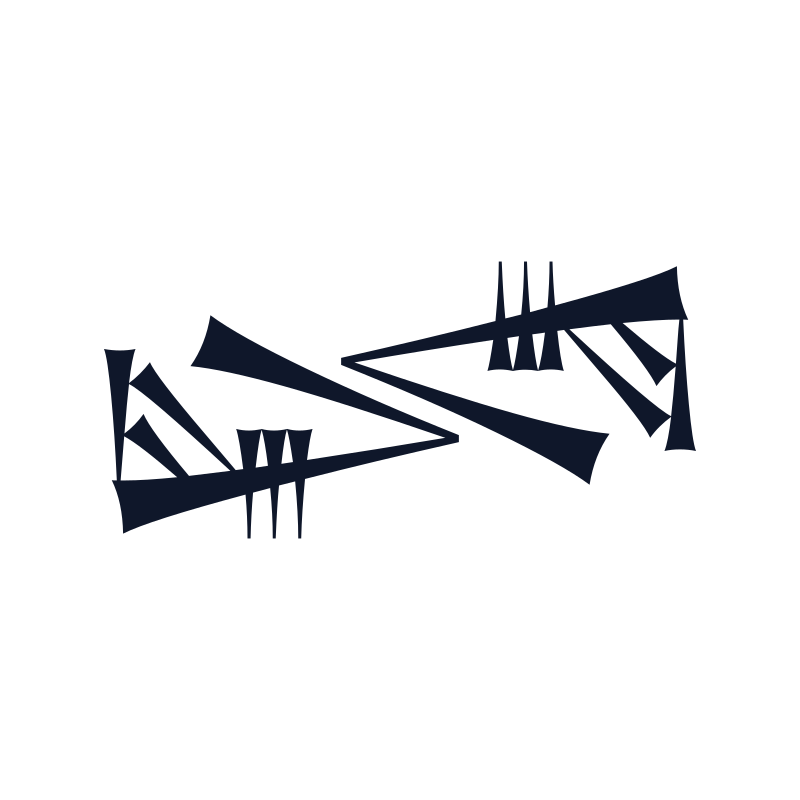 LU2.LU2 · U+12213
𒈓
adversary, rival, counterpart
LU₂ OPPOSING LU₂ (𒈓) places two LU₂ ('person') signs face-to-face. In Babylonian lexical traditions, this symmetric composition signifies two individuals confronting one another—denoting a rival, legal adversary (`bēl dabābi`), equal counterpart (`mehru`), or mutual dialogue.
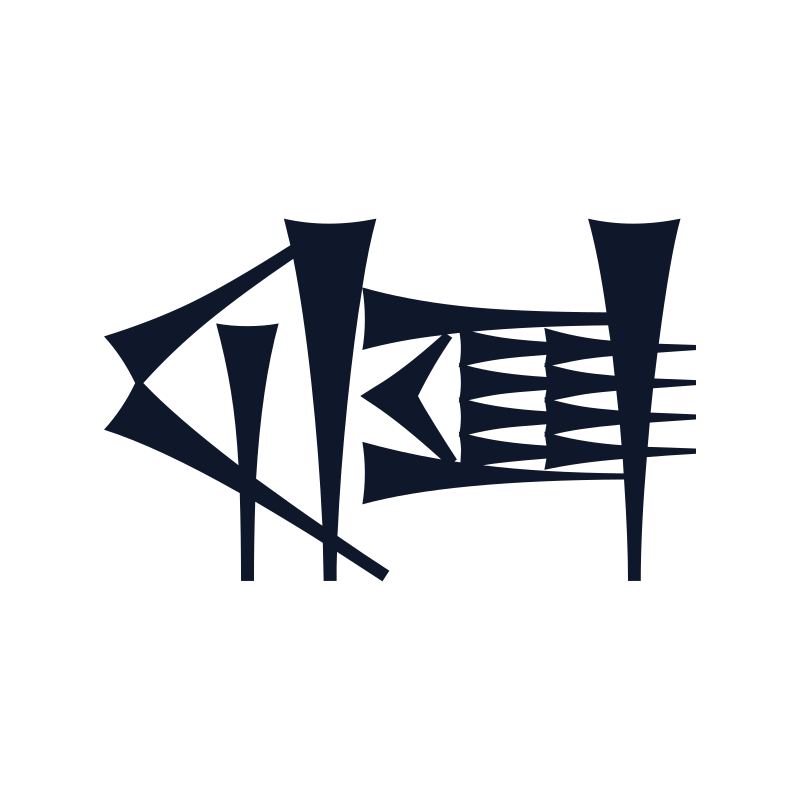 SAG×MI · U+1229D
𒊝
black-headed, dark hair
SAG×MI (𒊝) combines SAG ('head') with MI ('black, dark, night'). It relates to the famous Sumerian self-designation `ug₃ sag-gi₆-ga` ('the Black-Headed People', Akkadian `ṣalmāt qaqqadi`), as well as dark raven-black hair (`dilib₂`) or cranial darkening in medical omens.
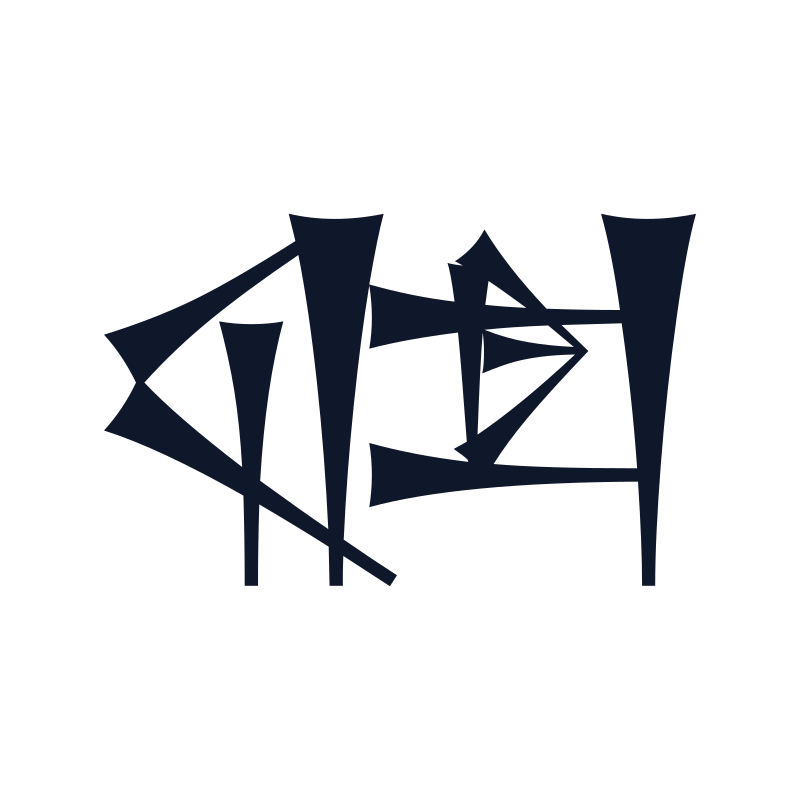 SAG×SAL · U+1229F
𒊟
maidservant, female slave
SAG×SAL (𒊟) combines SAG ('head, person/slave in accounting lists') with an inscribed SAL / MUNUS ('woman, female'). In Early Dynastic and Old Akkadian administrative tablets, `sag-sal` (`gemeₓ`, Akkadian `amtu`) designates a female slave or temple maidservant.
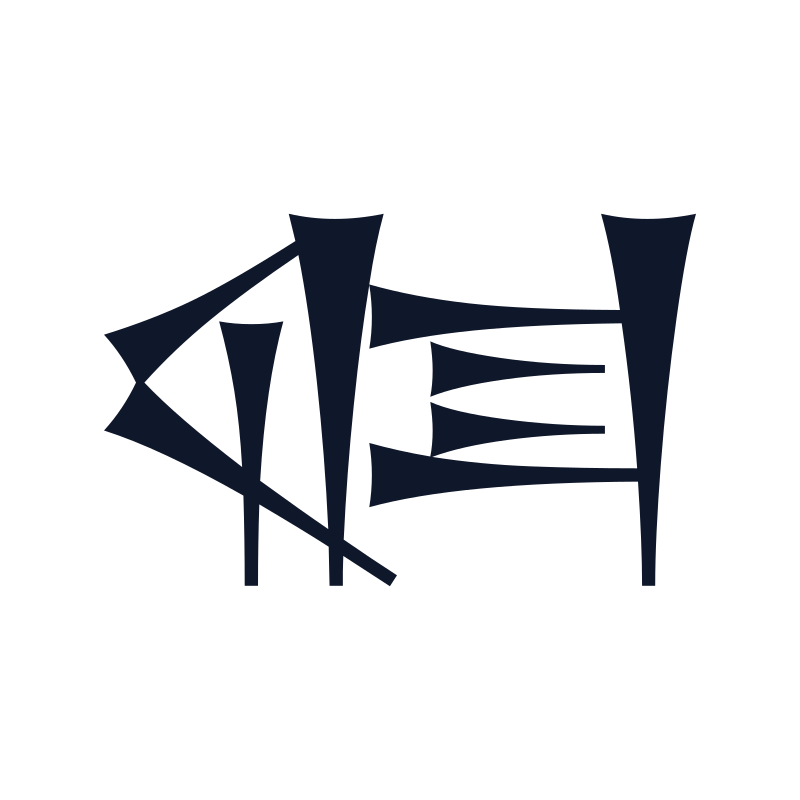 SAG×TAB · U+122A1
𒊡
helper, ally, companion
SAG×TAB (𒊡) combines SAG ('head, front') with TAB ('to double, pair, join'). Corresponding to the Sumerian compound `sag-tab` ('helper, ally, partner', Akkadian `rēṣu`), it denotes someone who stands side-by-side at another's head in work or battle.
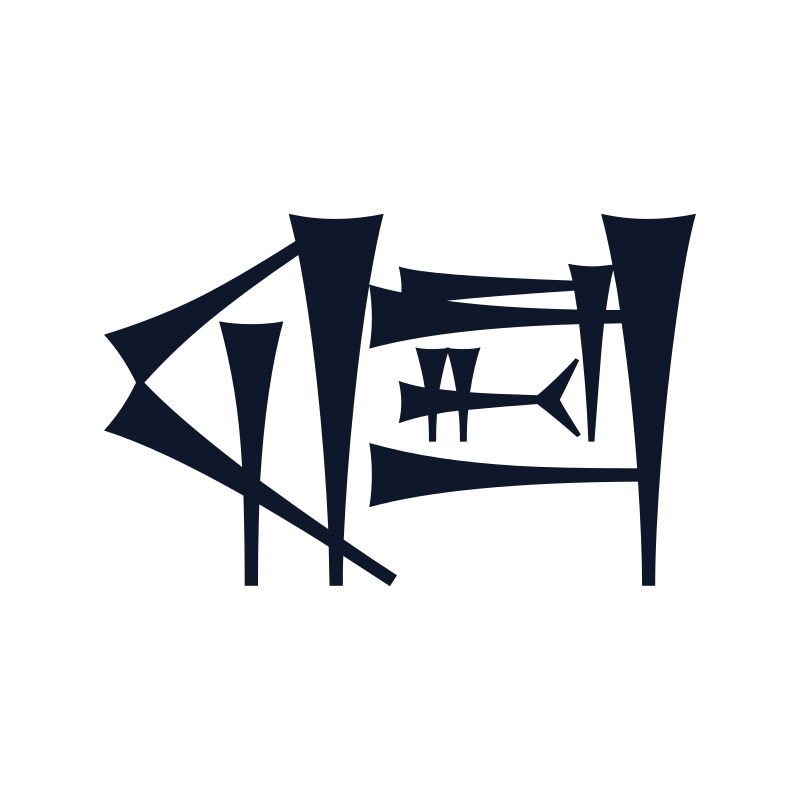 SAG×USH · U+122A6
𒊦
constant provider, male servant
SAG×UŠ (𒊦) combines SAG ('head, person') with UŠ ('male, foundation, to stand by'). It corresponds both to Early Dynastic `sag-nita` ('male worker/slave') and to the royal title `sag-uš` ('constant provider/supporter' of a temple, Akkadian `kayyānu`, also the Babylonian name for the planet Saturn).
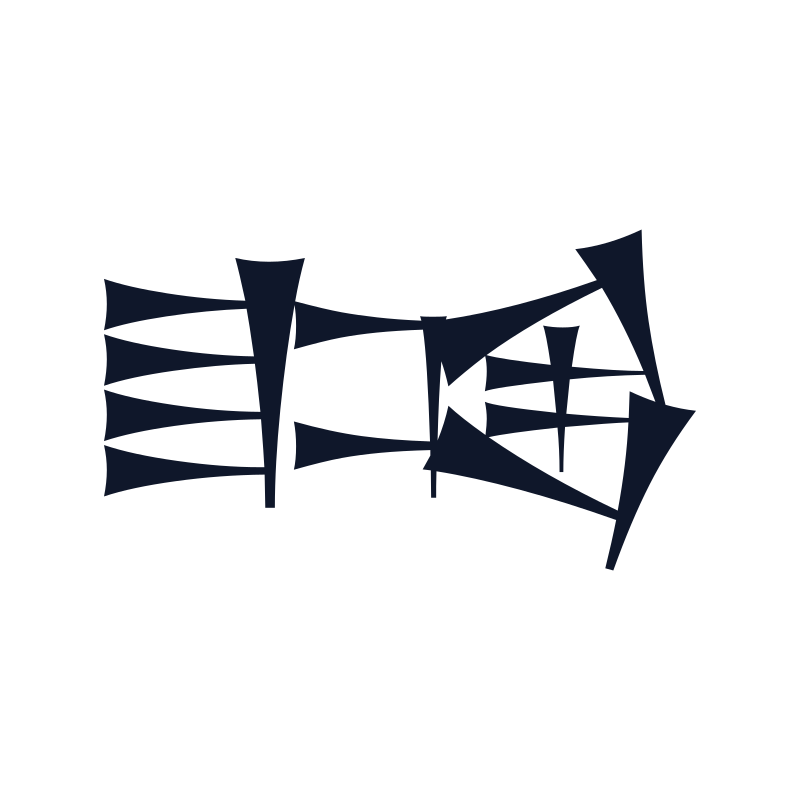 UMUM×PA · U+12325
𒌥
master scholar, chief craftsman
UMUM×PA (𒌥) combines UMUN₂ ('knowledge, craft, academy', Sumerian `um-mi-a`, Akkadian `ummânu`) with PA ('scepter, overseer'). It designates a master craftsman, royal scholar, or head of the scribal academy (`ummânu`).
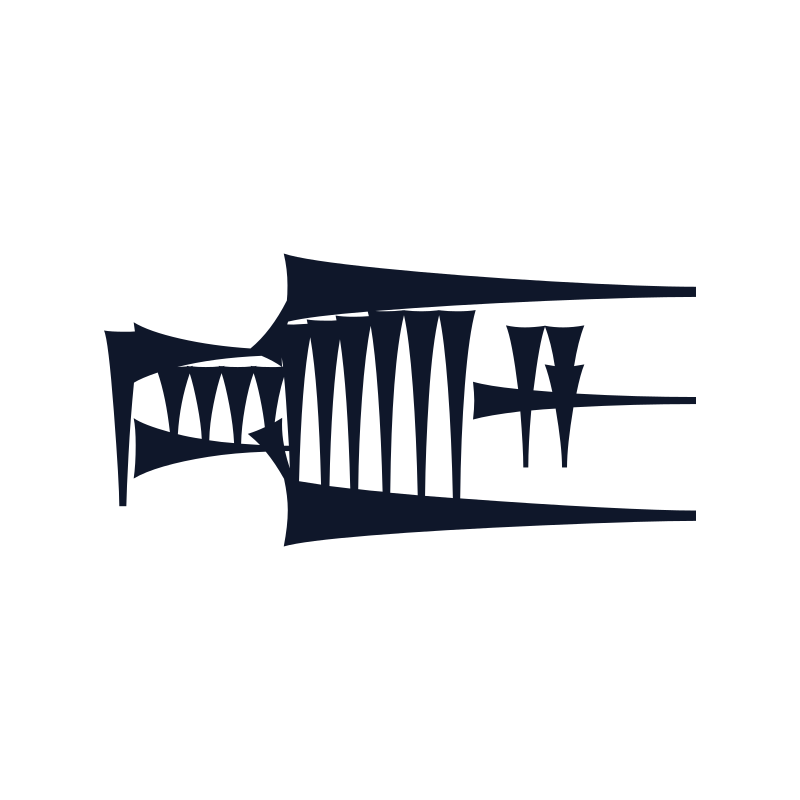 AZU · U+1236C
𒍬
diviner, seer, physician
AZU (𒍬, structurally ZU₅×A, literally 'knower of water/oil') is the classic Sumerian logogram for a 'diviner, seer' (`azu` / `uzu₂`, Akkadian `bārû`) and 'physician, healer' (`a-zu`, Akkadian `asû`). Originally referring to lecanomancy (divination by observing oil and water in a bowl), the `azu` was one of Mesopotamia's most learned ritual specialists.
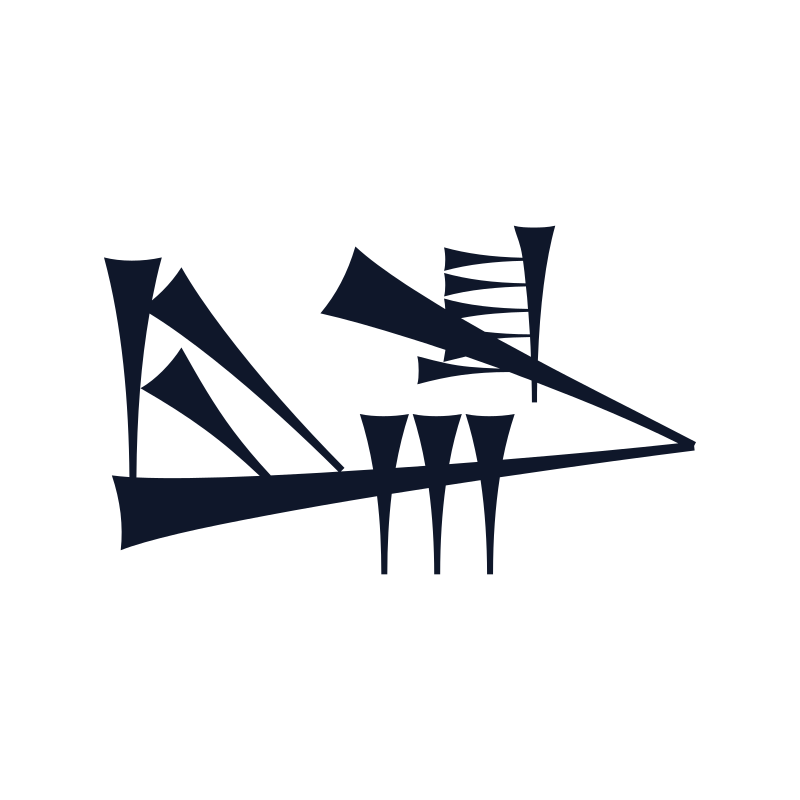 LU2×SHU · U+1238B
𒎋
supplicant, elder, guarantor
LU₂׊U (𒎋) combines LU₂ ('person, man') with ŠU ('hand, prayer, old age'). In Mesopotamian lexical lists, it denotes a supplicant praying with raised hand, a respected elder (`lu₂-šu-gi`, Akkadian `šību`), or a legal guarantor (`lu₂-šu-du₈-a`).
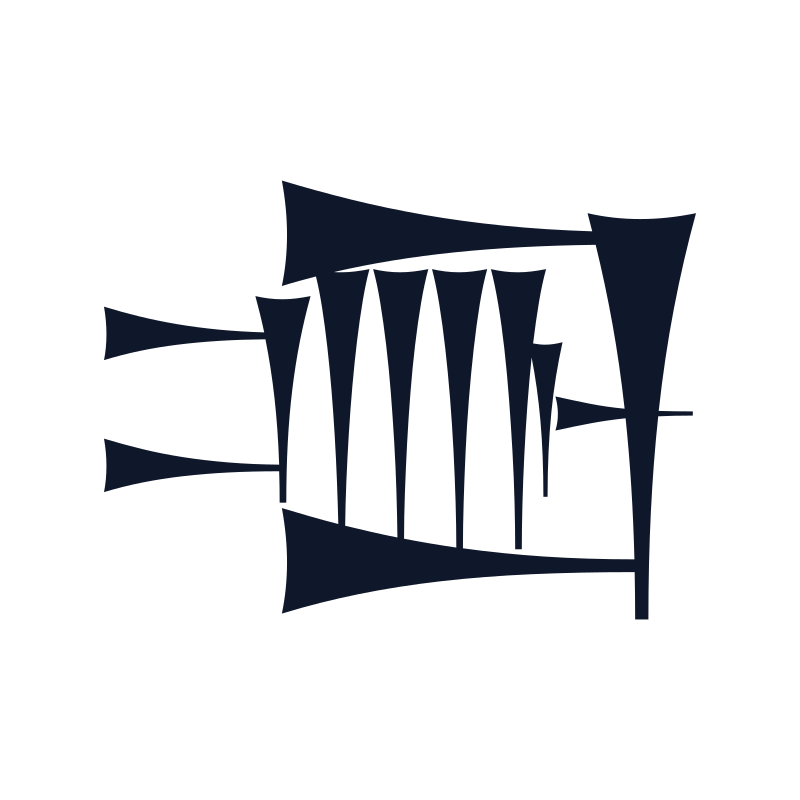 UMMEDA · U+12398
𒎘
wet-nurse, nanny, caregiver
UM×ME (𒎘) is the monographic logogram for Sumerian `ummeda` (`um-me-da` / `um-me-ga-la₂`, Akkadian `tārītu`, `mušēniqtu`), meaning 'wet-nurse, nanny, or child caregiver'. In royal hymns, goddesses such as Ninhursag and Ninsun are praised as the divine wet-nurses who suckled the king.
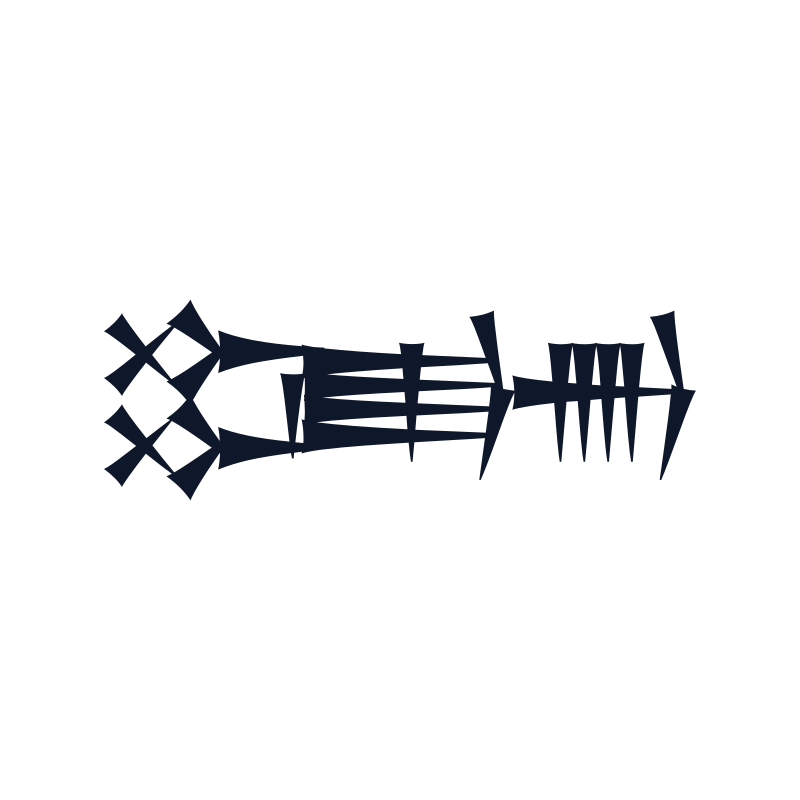 BU/BU+UN · U+1204F
𒁏
widespread populace, multitude
BU OVER BU UN (𒁏) combines the doubled sign BU/BU ('long, far-reaching, pull') with UN ('people, populace, land'). In Mesopotamian lexical lists, it denotes a far-flung populace, a gathered multitude, or a variant of BU/BU+AB.
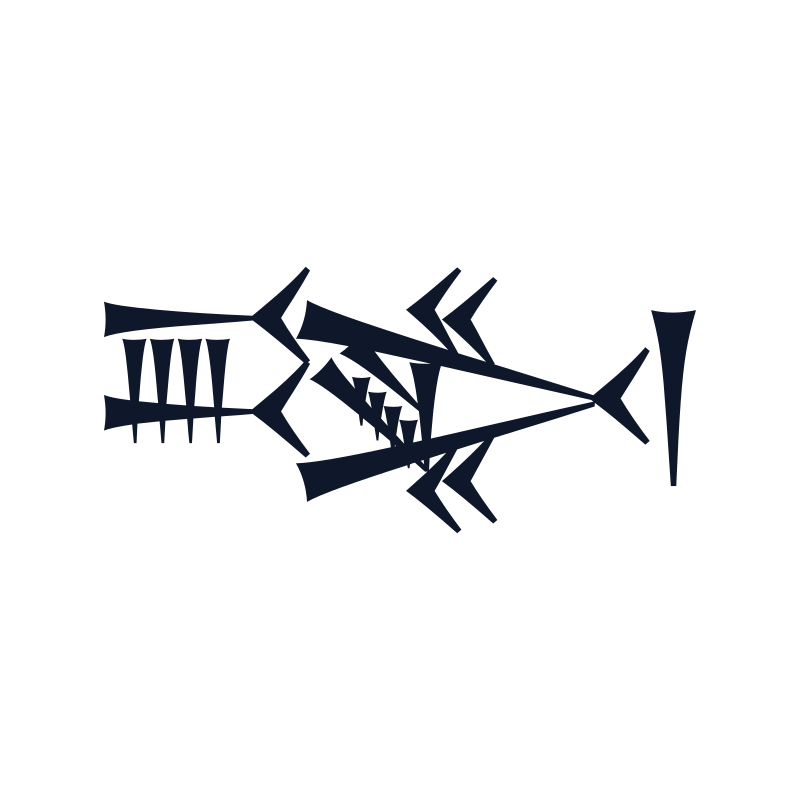 ILxGAN2.TENU · U+1214C
𒅌
bear heavy load, carry tribute
IL×GAN₂-tenû (𒅌) is a fuller graphic variant of IL (𒅋), combining the carrier frame with the tilted burden or field sign GAN₂-tenû (𒃸). In Sumerian and Akkadian texts, it means 'to lift', 'to carry a heavy load', or 'to deliver field tribute' (Akkadian našû, biltu), visually depicting a bearer supporting a woven basket on the head.
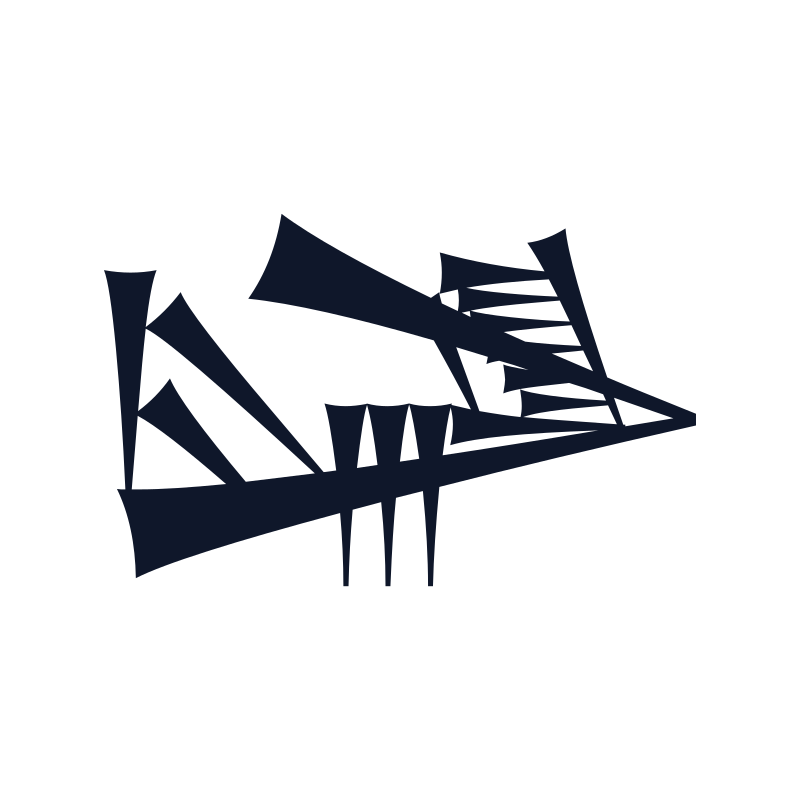 LU2xESH2.TENU · U+12201
𒈁
rope-bound captive, prisoner
LU₂×EŠ₂-tenû (𒈁) combines the anthropoid sign LU₂ (𒇽, person or man) with EŠ₂-tenû (𒂠, tilted rope or measuring cord). In Mesopotamian lexical lists of human statuses (Lu-series), it depicts a person bound with a cord—a prisoner of war, detained debtor, or rope-bearing field worker.
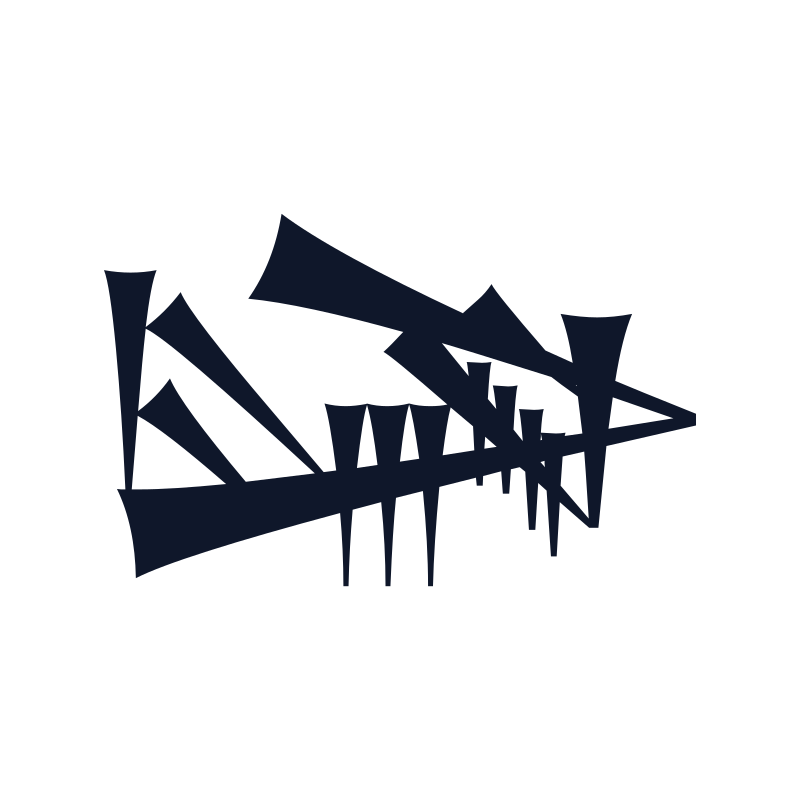 SHAGA · U+12202
𒈂
captive, oppressed person
LU₂×GAN₂-tenû (𒈂), read logographically as ŠAGA (SHAGA), modifies LU₂ (𒇽, person) with the tilted net or fetter sign GAN₂-tenû (𒃸). In Sumerian legal, historical, and lamentation texts, it means 'captive', 'plundered person', or 'wronged individual' (Akkadian habtu, šaggû), notably appearing in Urukagina's reforms protecting the weak.
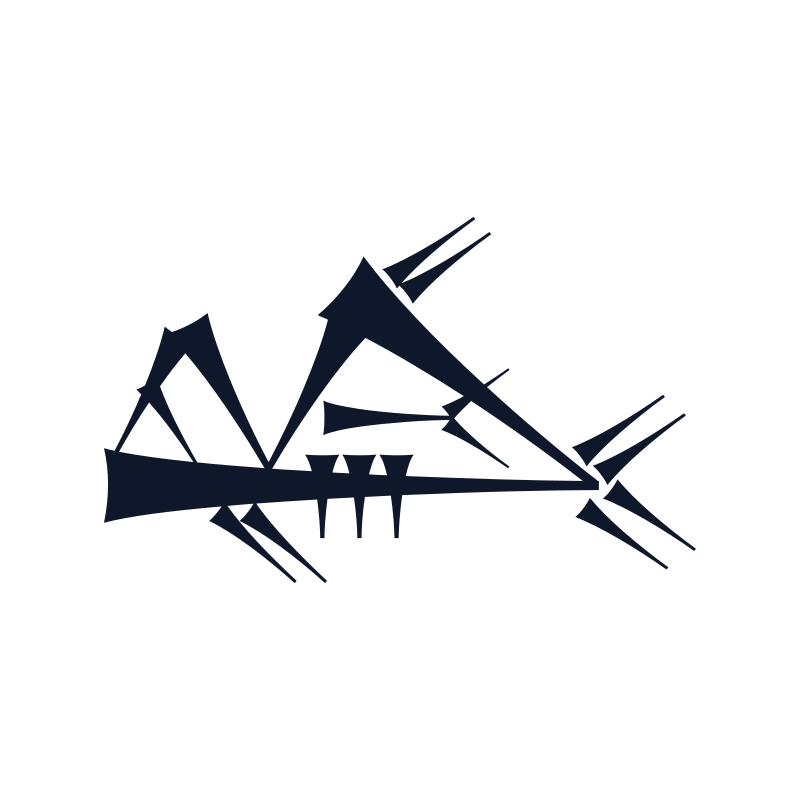 LU2.SHESHIGxBAD · U+12389
𒎉
corpse, slain warrior, deceased
LU₂ ŠEŠIG×BAD (𒎉) is an elaborate graphic variant of LU₂×BAD (𒇼, adda, corpse), combining LU₂ (𒇽, person) augmented by šešig wedges with BAD / UG₅ (𒁁, death). In Sumerian and Akkadian texts, it means 'corpse', 'dead body', or 'fallen soldier' (Akkadian pagru, šalamtu).
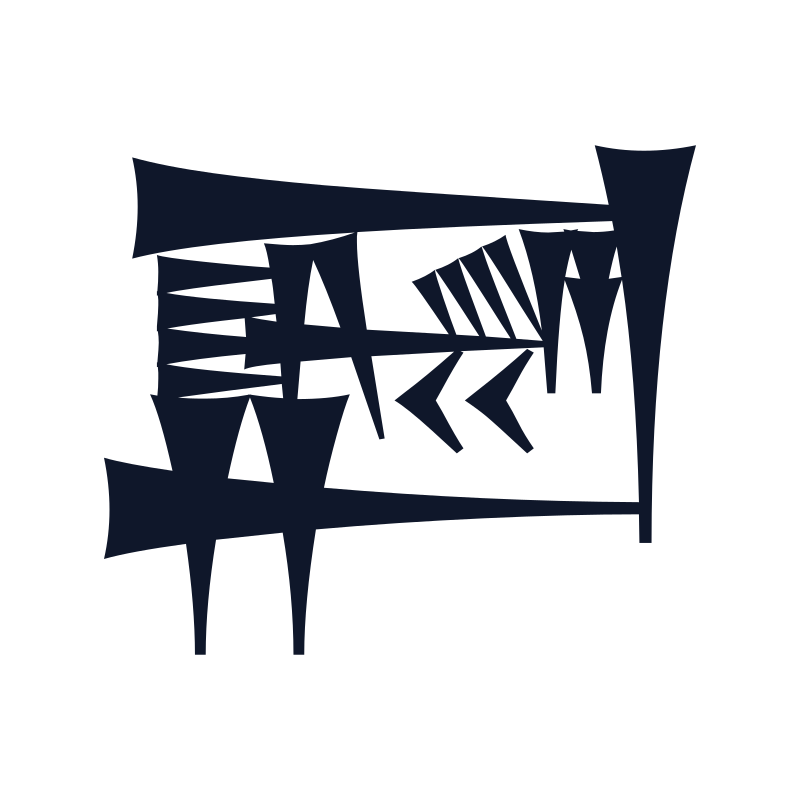 GA2xGI4.A · U+120CF
𒃏
bridal chamber, locked room, bride
GA₂×GI₄.A (𒃏) combines the house sign GA₂ (𒂷) with GI₄.A (𒄄𒀀, returned, locked, or cloistered). It is a monographic writing related to Sumerian é-gi₄-a (Akkadian kallatu, 'bride' or 'daughter-in-law' brought into the household) as well as a securely locked inner storeroom.
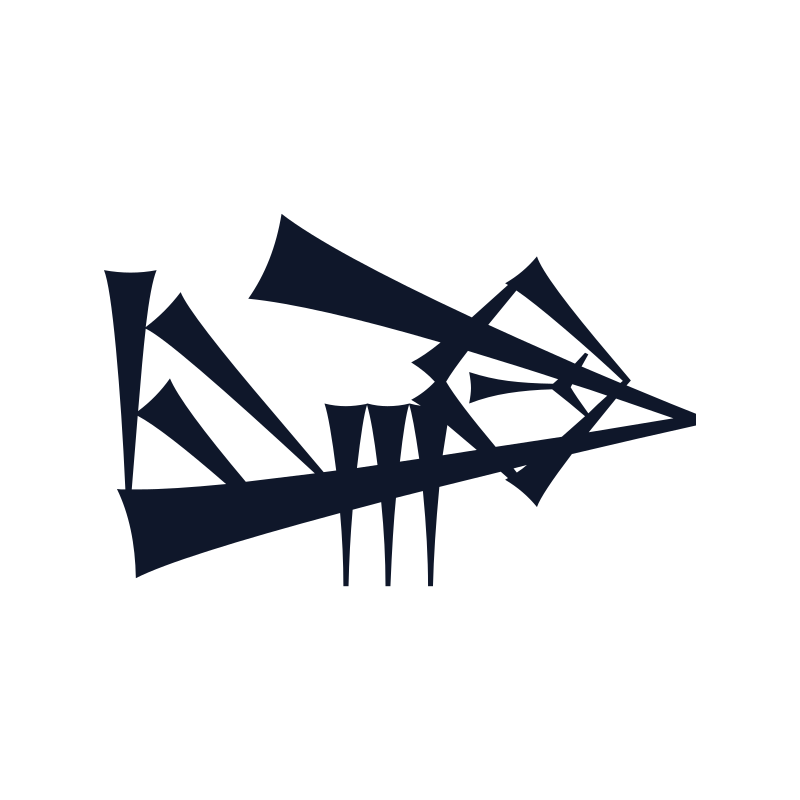 LU2xHIxBAD · U+12203
𒈃
afflicted person, invalid
LU₂×HI×BAD (𒈃) modifies the human determinative LU₂ (𒇽, person) with the compound sign HI×BAD (𒄭×𒁁, sour, spoiled, or diseased blood). Preserved in the Babylonian lexical series Lu, it designates a person suffering from physical affliction, chronic illness, or ritual impurity.
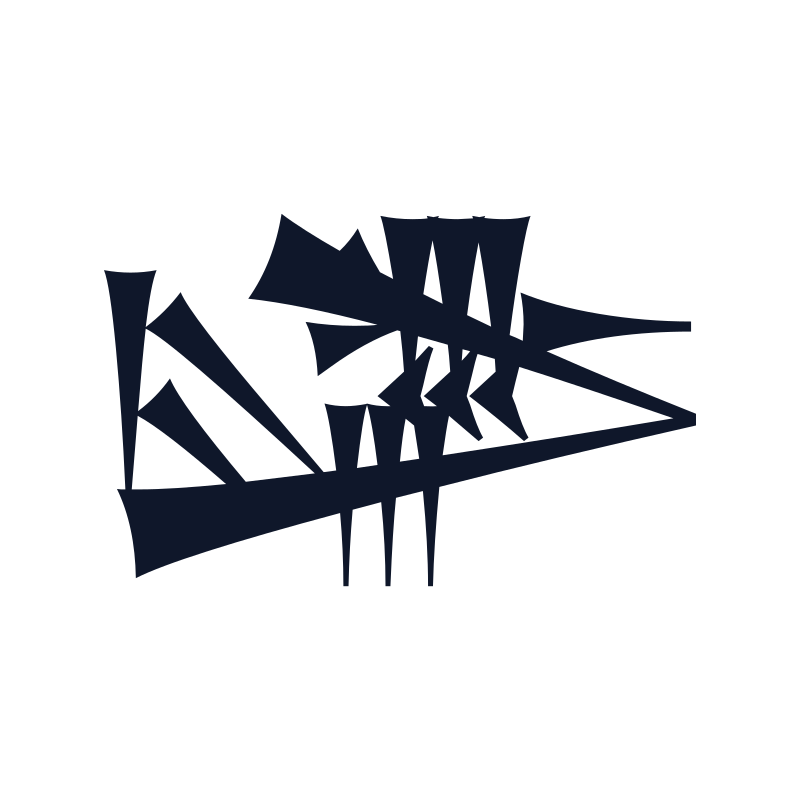 LU2xKAD3.ASH · U+12207
𒈇
mat weaver, bound worker
LU₂×KAD₃.AŠ (𒈇) combines LU₂ (𒇽, person) with KAD₃ (𒆐, to tie, plait, or weave mats) and AŠ (𒀸). Recorded in the Mesopotamian Lu profession and status lists alongside LU₂×KAD₂ (𒈅) and LU₂×KAD₃ (𒈆), it denotes a basketry or mat-weaving worker or a bound detainee.
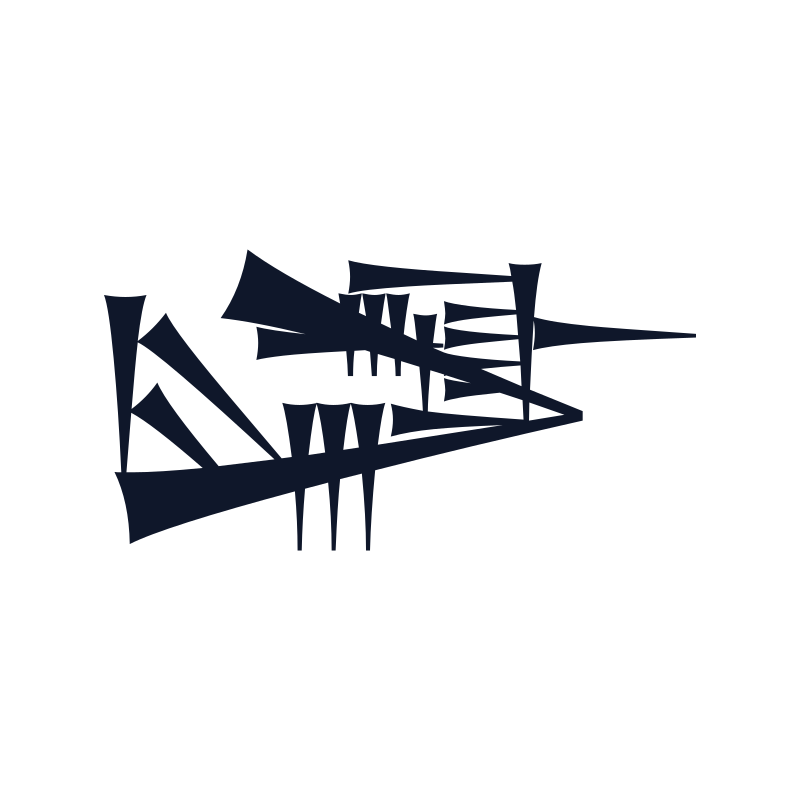 LU2xLA.ASH · U+12209
𒈉
weigher of goods, overseer
LU₂×LA.AŠ (𒈉) combines the anthropoid sign LU₂ (𒇽, person) with LA (𒆷, abundance, hanging, or weighing) and AŠ (𒀸). In Babylonian lexical lists of human occupations (Lu-series), it designates an official who weighs silver and wool, an attendant, or a work-gang supervisor.
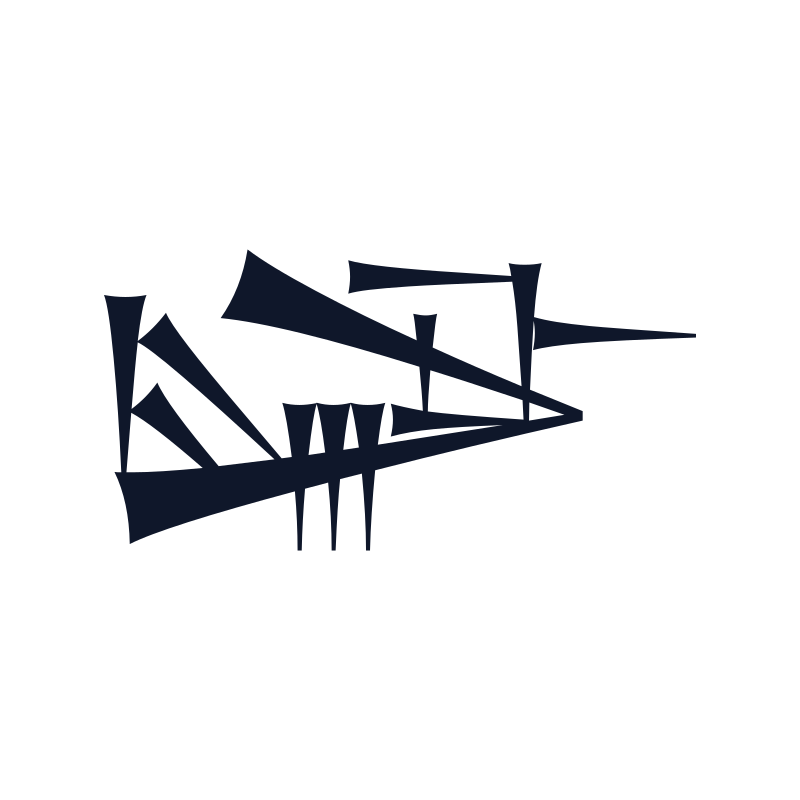 LU2xSI.ASH · U+1220E
𒈎
directing official, upright person
LU₂×SI.AŠ (𒈎) modifies LU₂ (𒇽, person) with SI (𒋛, horn, straight, or to direct) and AŠ (𒀸). Preserved in Babylonian profession lists (Lu), it denotes an official who keeps order and directs work, or a person of upright standing.
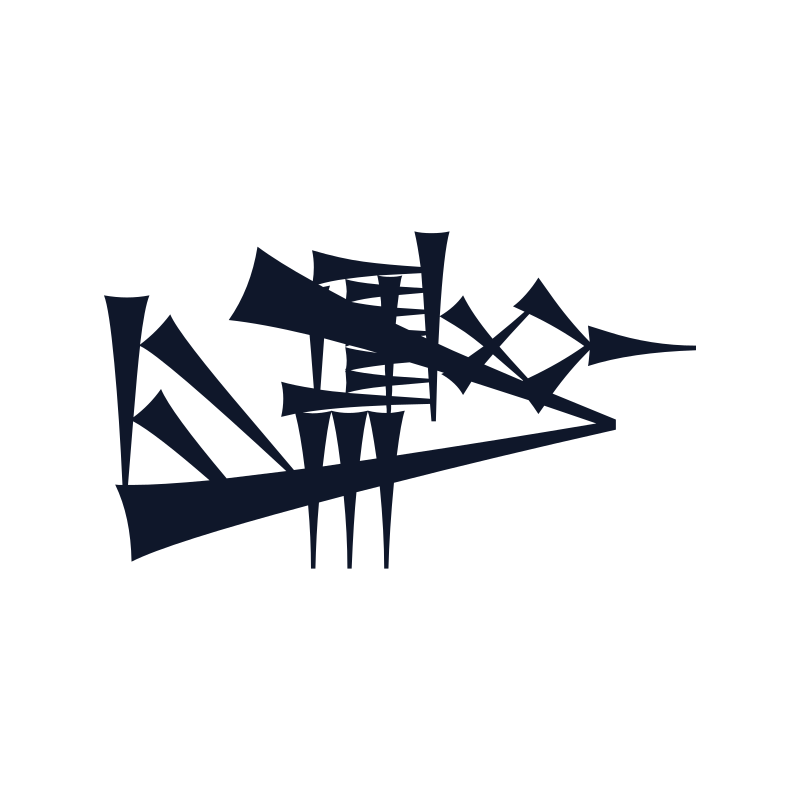 LU2xSIK2.BU · U+1220F
𒈏
wool-plucker, long-haired person
LU₂×SIK₂.BU (𒈏) combines LU₂ (𒇽, person) with SIK₂ (𒋠, hair or wool) and BU / GID₂ (𒁍, long, to pull, or to pluck). In Sumerian and Akkadian lexical lists, it denotes either a herdsman who plucks molting wool from sheep (before iron shears were common) or a person wearing long,flowing hair in cultic or mourning rites.
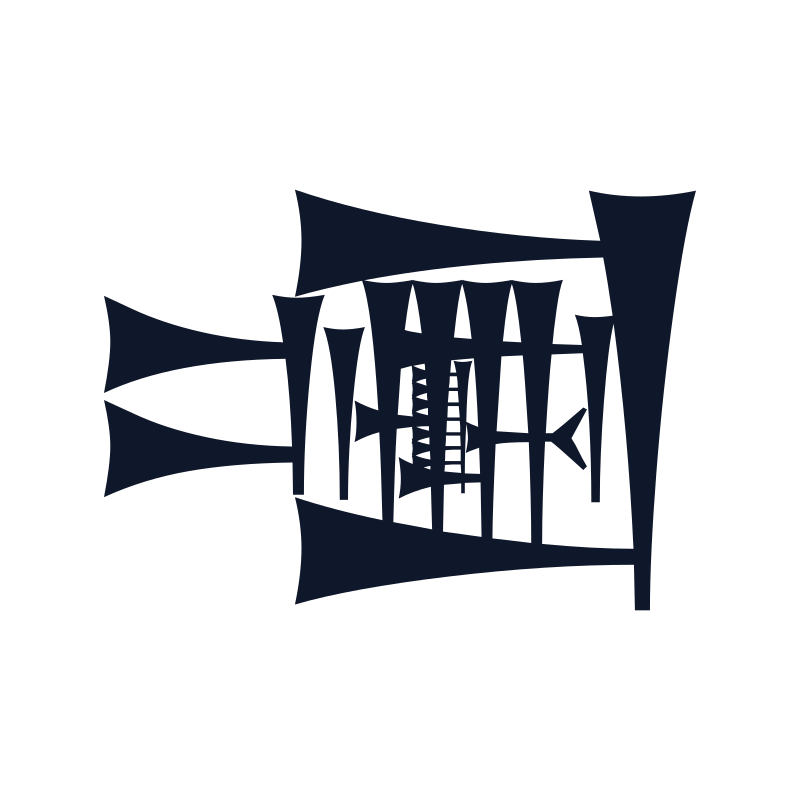 UMMEDA · U+1231F
𒌟
wet-nurse, nanny, caregiver
UM×ME.DA (𒌟), read logographically as UMMEDA (or EMEDA), encloses ME (𒈨) and DA (𒁕) inside UM (𒌝, experienced woman or matron). In Sumerian and Akkadian texts, it means 'wet-nurse', 'nanny', or 'child-rearer' (Akkadian tārītu, mušēniqtu), an esteemed household and palace role also attributed to mother goddesses.
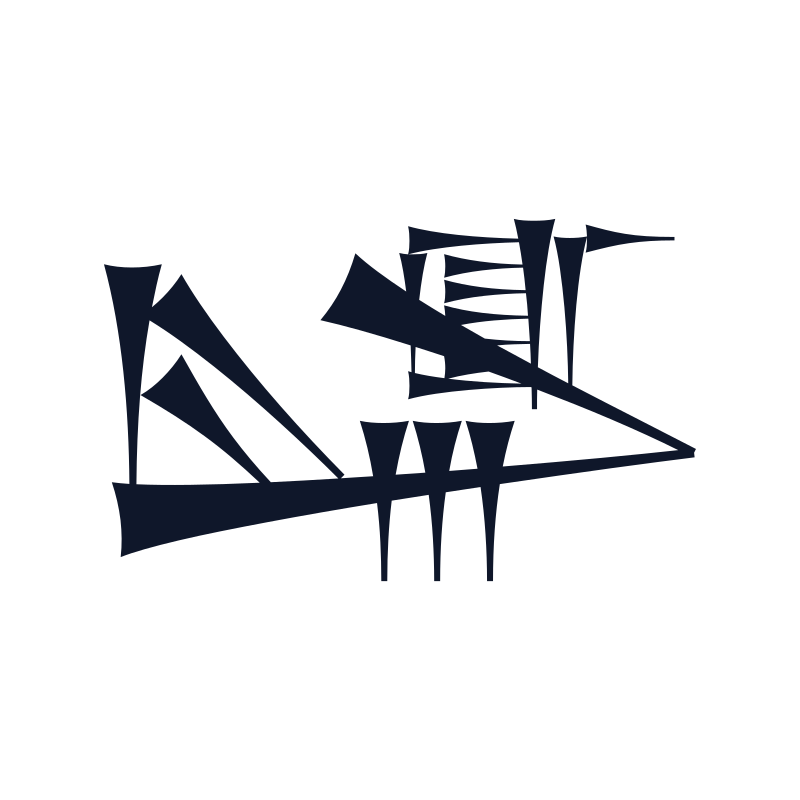 LU2xESH2.LAL · U+1238A
𒎊
rope-bound prisoner, captive
LU₂×EŠ₂.LAL (𒎊) combines LU₂ (𒇽, person) with EŠ₂ (𒂠, rope or cord) and LAL (𒇲, to bind or tie). It is a transparent monographic writing of the Sumerian phrase lu₂-eš₂-lal ('man bound with a rope'), attested in legal and historical texts for a pinioned prisoner or arrested offender.
