 DIŠ (1) · U+12079
𒁹
single vertical wedge, number 1
Pressed into soft clay with the vertical edge of a reed stylus, DIŠ is the fundamental building block of both cuneiform calligraphy and the Babylonian base-60 (sexagesimal) mathematical system. As a numeral, a single vertical wedge represents 1 (or 60, or 3,600 depending on its positional column), from which we still inherit our 60-minute hour and 360-degree circle today. In royal annals and legal contracts, a single DIŠ placed before a word served as the masculine personal name determinative, signaling that the following signs spell a person's name.
 U (10) · U+1230B
𒌋
Winkelhaken corner wedge, number 10
Known in Assyriology by the German term 'Winkelhaken' ('corner wedge' or 'angle hook'), the sign U is formed by pressing the corner tip of the reed stylus at an angle into the clay. In Babylonian mathematics, each corner wedge equals 10: two represent 20, three represent 30 (also the sacred number symbol of the Moon God Sîn), and five represent 50, combining with vertical DIŠ wedges to write every number from 1 to 59. Phonetically it represents the vowel 'u' and the Akkadian conjunction 'u' ('and').
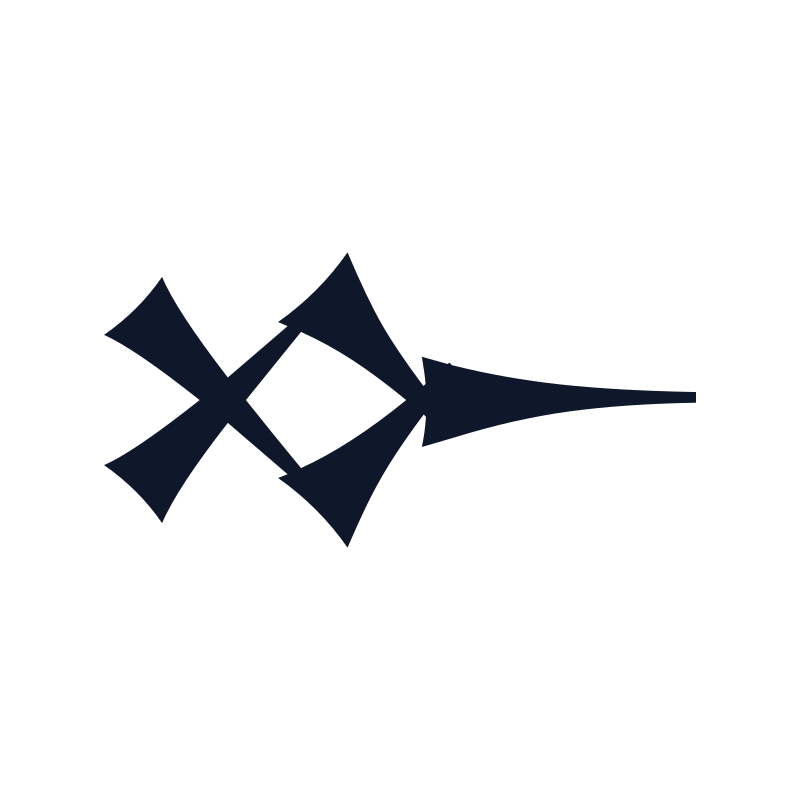 BU / GID₂ · U+1204D
𒁍
long, to stretch
Visually characterized by a long horizontal shaft with crossed diagonal wedges, this sign was read in Sumerian as GID₂ ('long', 'to lengthen', or 'to measure fields with a surveyor's cord'; Akkadian 'arāku' and 'šadādu'). When read as SIR₂, it meant a sacred song or serpent, and in compound signs ('lu₂-gid₂-da') designated a diviner or temple inspector. In syllabic writing across Akkadian, Babylonian, and Hittite, it is the primary sign for both 'bu' and 'pu'.
 AŠ · U+12038
𒀸
single horizontal wedge, unique
A single clean horizontal wedge impressed left-to-right into the clay: read as AŠ or DIL (Akkadian 'ēdu' and 'išten'), it means 'one', 'single', 'unique', or 'alone', and was used for '1' in capacity and area measurements (such as 1 'gur' of grain or 1 'iku' of land). In Assyrian royal texts, the divine name of the supreme national god Aššur and the city of Assur (𒀸𒋳) began with this exact single horizontal wedge, symbolizing that Aššur is the 'Unique One'. Phonetically it writes 'aš', 'rum', and 'dil'.
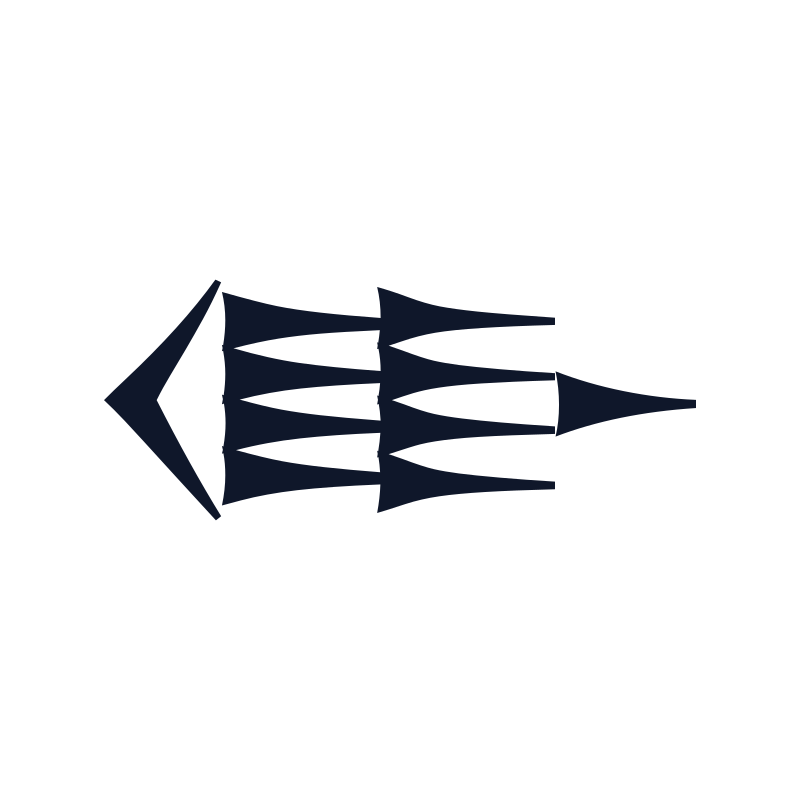 DUGUD · U+12082
𒂂
heavy, honored
In Sumerian and Akkadian thought, weight and social prestige were synonymous: DUGUD (Akkadian 'kabtu'—cognate with Hebrew 'kavod', 'glory/honor') means both physically 'heavy' or 'massive' and socially 'important', 'dignified', 'influential', or 'honored' (designating high state nobles and elders). In meteorological and mythological texts, 'im-dugud' designated a heavy rain-cloud and was the older Sumerian name of the giant lion-headed storm-bird Anzû.
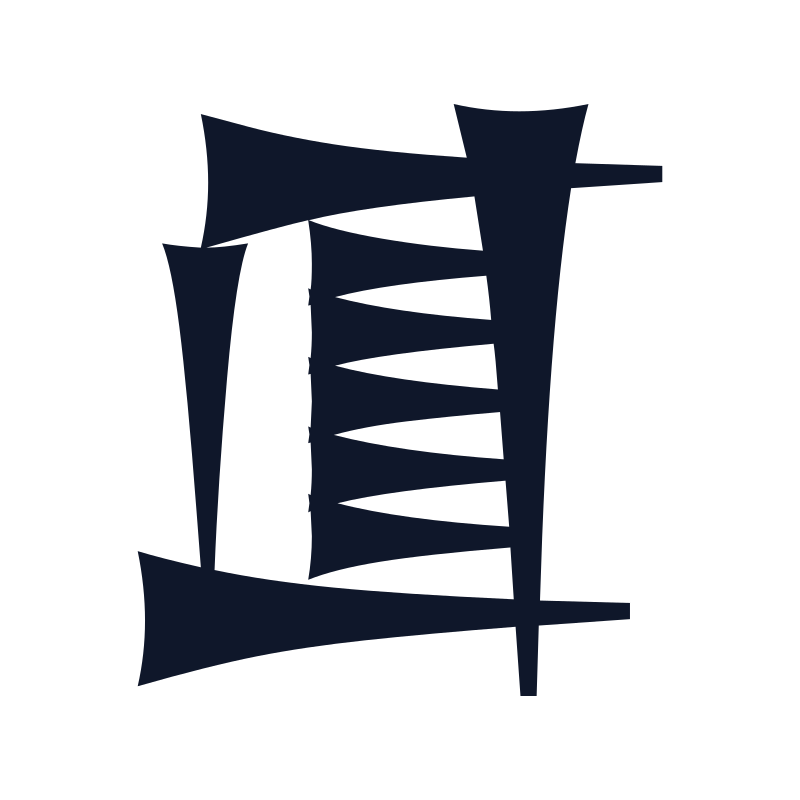 EŠ₂ / ŠE₃ · U+120A0
𒂠
surveyor's measuring rope, terminative suffix 'to'
Depicting a coiled flax or palm-fiber rope with a looped end, EŠ₂ (Akkadian 'eblu') designates a surveyor's measuring cord equal to 10 NINDAN (~60 meters). In Sumerian royal iconography (such as the Law Code of Ur-Nammu and Hammurabi), the reigning god hands the king the measuring rod and coiled rope ('gi-ninda₂ eš₂-gana₂') as emblems of just architectural and legal order. Read grammatically as '-še₃' (Akkadian 'ana'), it is the terminative case suffix ('to', 'unto', 'for'), appearing in thousands of texts.
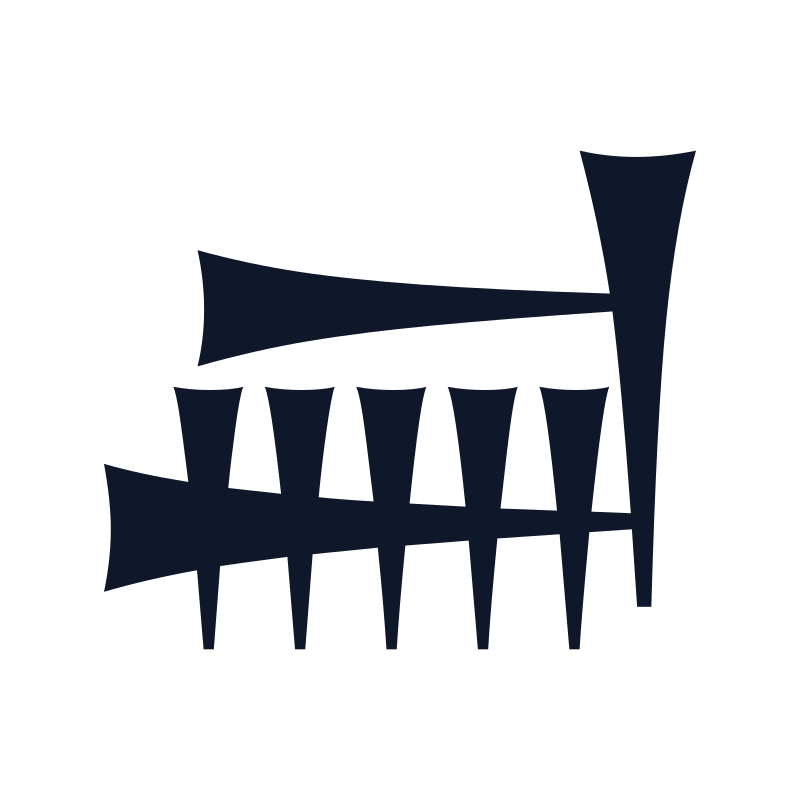 GAN₂ / IKU · U+120F7
𒃷
cultivated field, land parcel
Originating from an unmistakable prehistoric diagram of rectangular irrigated agricultural plots bordered by water channels, GAN₂ (pronounced 'gána' in Sumerian, 'eqlu' in Akkadian) means 'cultivated field' or 'arable land'. Read as IKU (Akkadian 'ikû'), it was the fundamental Mesopotamian unit of land area: a square measuring 100×100 cubits (100 SAR, or ~3,600 square meters / 0.36 hectares). Babylonian surveyor tablets ('ṭuppi eqli') used this sign on almost every line.
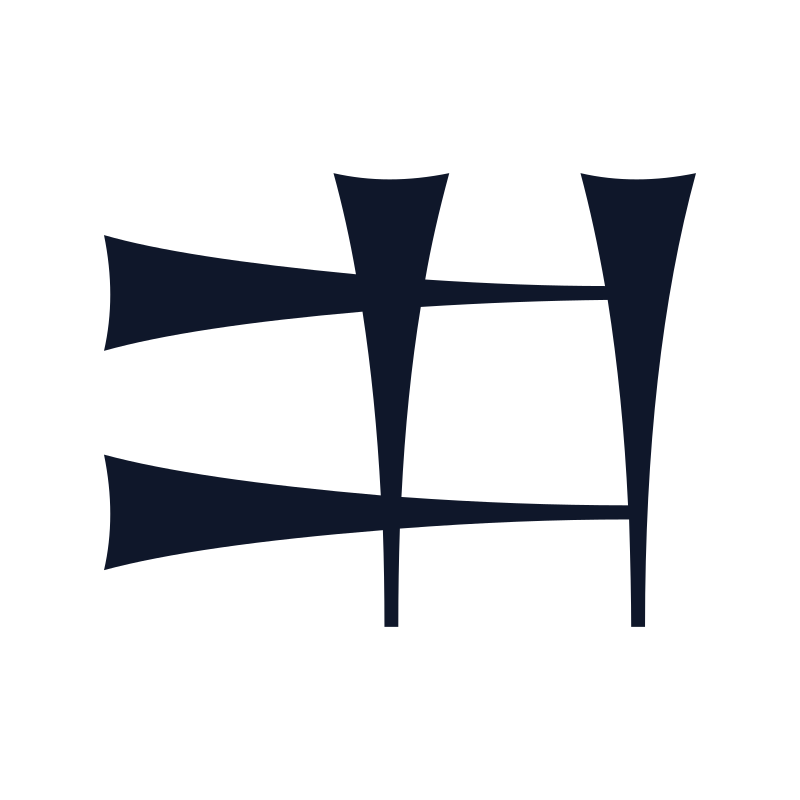 GUR · U+12125
𒄥
royal 'gur' grain measure (~300 liters), to return
The supreme dry capacity measure of ancient Mesopotamian commerce and agriculture: 1 Royal GUR (standardized by King Šulgi of Ur and Akkadian 'kurru'—ancestor of the Biblical Hebrew 'kor') equaled 300 SILA₃ (approximately 300 liters of barley or dates, the load of a river cargo boat or donkey caravan). As a verb, GUR (Akkadian 'târu') means 'to turn back', 'return', or 'roll over', and phonetically it is the primary sign for 'gur', 'kur₂', and 'qur'.
 LIŠ / DILIM₂ · U+121FA
𒇺
spoon, shallow dish
Originally a pictograph of a shallow scoop or ladle, this sign read logographically as DILIM₂ (Akkadian itqūru) denotes a spoon, ointment scoop, shallow cosmetic bowl, or the pan of a weighing scale. Phonetically, it is the standard CVC sign for the syllable /liš/ across Akkadian texts.
 ŠAR₂ (3600) · U+122B9
𒊹
great sexagesimal cycle 3, 600 (60²)
Originally a large circular impression of a round stylus representing the complete horizon of heaven and earth, ŠAR₂ (Akkadian šāru, loaned into Greek by Berossus as saros) is the sexagesimal numeral 3,600 (60²). Because 3,600 symbolized a complete cosmic circle, the sign also means 'all, totality, the entire universe, or countless multitude' (Akkadian kiššatu; AN.ŠAR₂ and KI.ŠAR₂ = the totality of Heaven and Earth).
 TAB · U+122F0
𒋰
double, pair
Written with two parallel horizontal wedges, TAB visually embodies twoness and symmetry: in Sumerian (Akkadian eṣēpu, hamāṭu) it means 'to double, pair up, flatten, or burn', and as a noun (loaned into Akkadian as tappû) it denotes a 'companion, equal, or commercial business partner' (NAM.TAB.BA = partnership). Phonetically it is the primary CVC sign for /tab/ and /tap/.
 BAG₃ · U+12042
𒁂
wicker cage, bird-coop
Attested in Mesopotamian lexical traditions and early administrative texts, BAG₃ denotes a woven reed cage, poultry coop, or enclosing container, and functions phonetically for the CVC syllable /bag₃/.
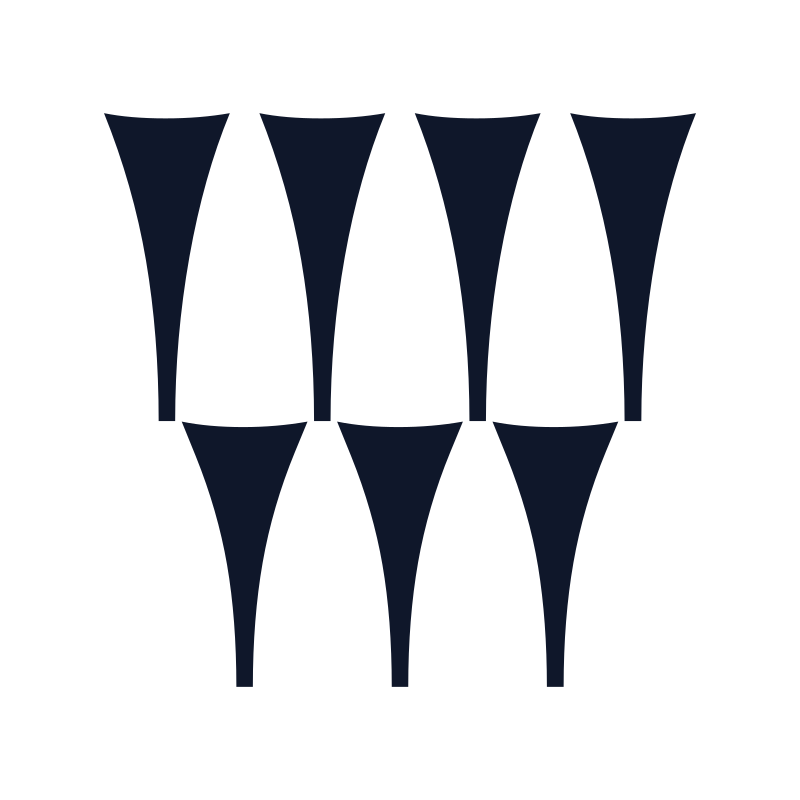 IMIN (7) · U+12153
𒅓
sacred number seven (5 + 2), the seven sages
Written with seven vertical wedges arranged in two tiers (and etymologically derived from Sumerian iia-min, 'five + two'), IMIN (Akkadian sebet, sebû) is the most mystical number in Mesopotamian cosmology: there were 7 visible celestial bodies (Sun, Moon, 5 planets), 7 stages of Babylon's ziggurat Etemenanki, 7 gates of the Underworld passed by Inanna, 7 antediluvian sages (Apkallu), and the 7 Pleiades stars (dIMIN.BI = Sebetti) leading to our 7-day week.
 LAL (LA₂) · U+121F2
𒇲
to weigh silver, hang
Originally a pictograph of a balance beam with a suspended pan (one horizontal and one vertical wedge), LAL / LA₂ (Akkadian šaqālu, alālu, kullumu, maṭû) means 'to hang, suspend, weigh out silver on scales (i.e. to pay), bind, or show'. Because a tipped scale also indicates a deficit or shortage, LA₂ functions in Sumerian and Babylonian mathematics and accounting as the subtractive 'minus' sign (e.g., 20 LA₂ 1 = 19, '20 minus 1').
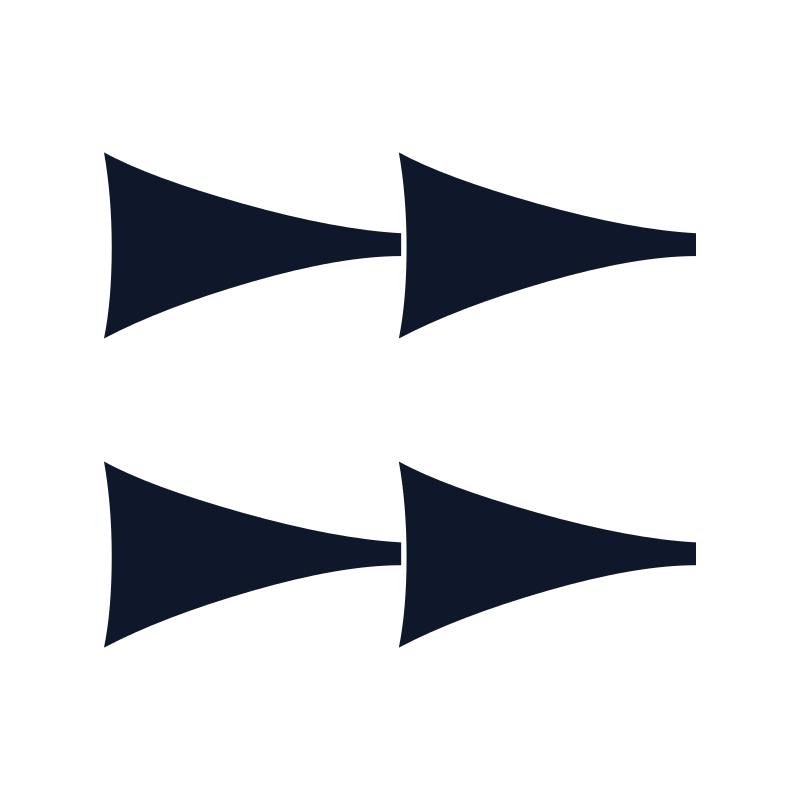 LIMMU₂ (4) · U+121F9
𒇹
number four, the four quarters of the universe
Representing the number 4 (Sumerian limmu₂, Akkadian erbet / erbetti), this sign is famous across royal monumental inscriptions in the imperial formula LUGAL AN.UB.DA LIMMU₂.BA (Akkadian šar kibrāt erbetti)—'King of the Four Quarters of the World' (North, South, East, and West).
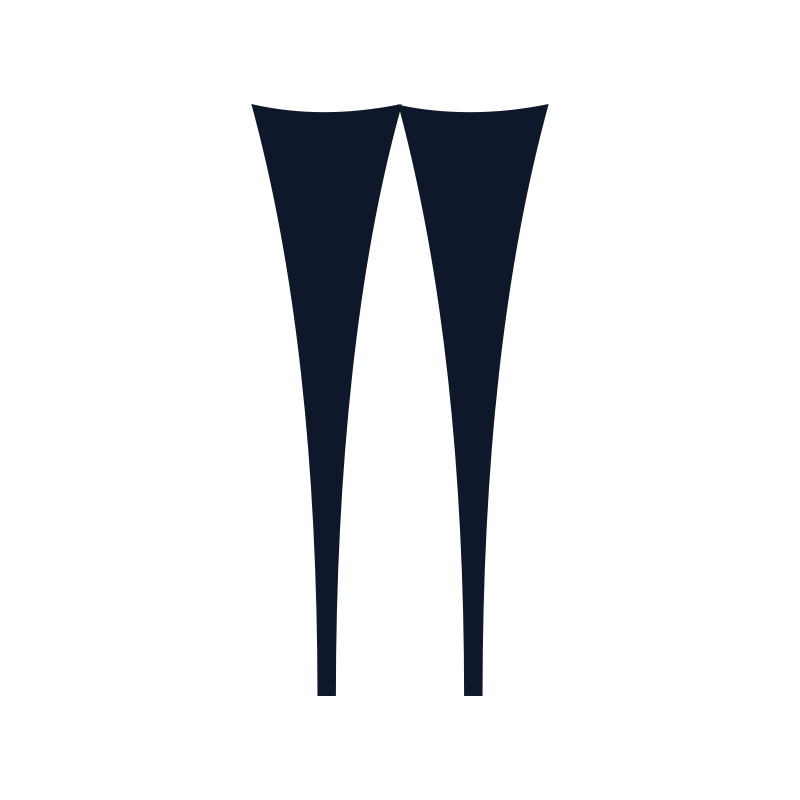 MIN (2) · U+1222B
𒈫
number two (2), scribal 'ditto' sign
Written with two crisp vertical wedges side by side, MIN (Akkadian šina, šanû) is the sexagesimal numeral 2 ('two, second'). In Babylonian lexical lists, omen series, and liturgical tablets, scribes also used MIN as a time-saving 'ditto' mark (just like modern quotation marks " or 'idem'), indicating that a word or phrase from the preceding line or column is to be repeated.
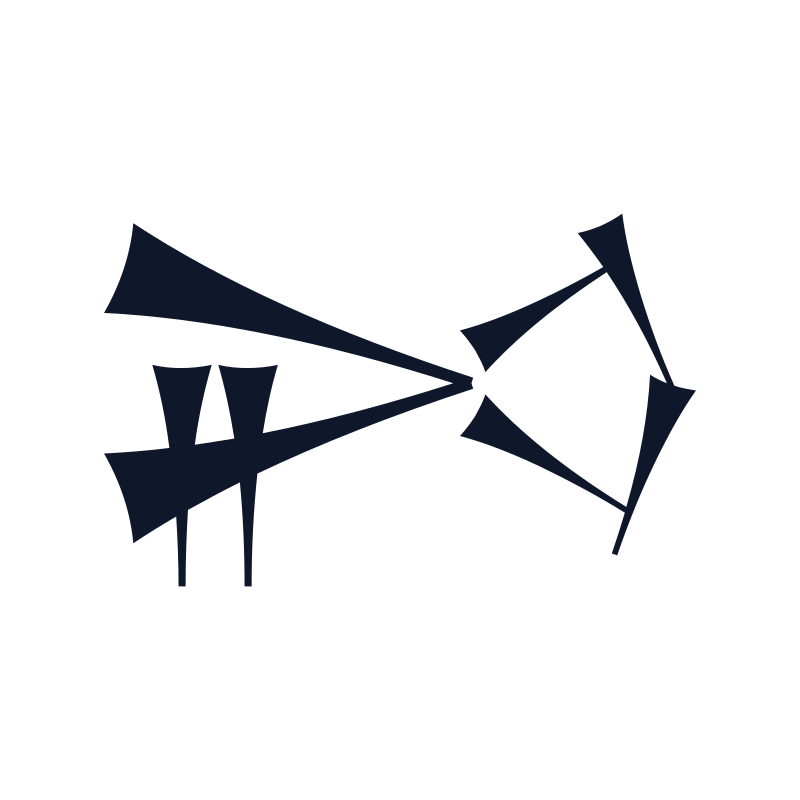 NA₄ (NI.UD) · U+1238E
𒎎
stone, weighing stone
Formed as the compound ligature NI + UD, NA₄ (Akkadian abnu) is the universal logogram for 'stone, rock, gemstone bead, or polished hematite balance weight'. Placed silently before mineral names, NA₄ serves as the determinative for all stones and gems—such as NA₄.ZA.GIN₃ (uqnû, 'lapis lazuli'), NA₄.GUG (sāmtu, 'carnelian'), and NA₄.KIŠIB (kunukku, 'cylinder seal').
 NIŠ / MAN (20) · U+12399
𒎙
number twenty (20), king
Written with two corner-wedges (10 + 10), NIŠ (Akkadian ešrā) is the sexagesimal numeral 20. In Babylonian mystic numerology, 20 is the sacred number of the Sun-god Utu/Shamash, allowing scribes to write his divine name concisely as d20 (dUTU). Because the Sun-god is the supreme judge and sovereign, the sign read as MAN (Akkadian šarru) also became a concise Neo-Assyrian royal logogram for 'King'.
 UŠU / SIN (30) · U+1230D
𒌍
number thirty (30), lunar month
Written with three corner-wedges (10 + 10 + 10), UŠU (Akkadian šalāšā) is the sexagesimal numeral 30 (and half of the base-60 unit). Because an ideal Babylonian lunar month comprises 30 days, 30 was revered as the sacred number of the Moon-god Nanna/Sîn—whose name is written thousands of times across Mesopotamian history as d30 (e.g. in the royal name Sennacherib: d30-PAP.MEŠ-SU = Sîn-ahhē-erība).
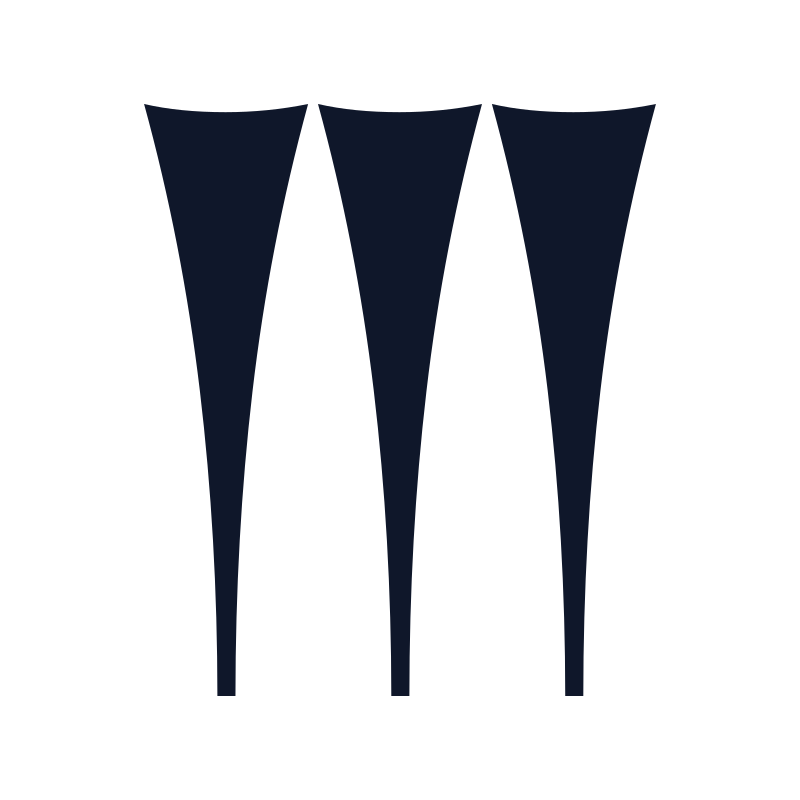 EŠ₅ (3) · U+12408
𒐈
sexagesimal number three (3)
Written with three parallel vertical wedges (DIŠ+DIŠ+DIŠ), EŠ₅ (Sumerian eš₅, Akkadian šalāš / šalāšat) is the numeral 3 (or 3×60 = 180 in sexagesimal place-value notation). In Sumerian grammar, threefold repetition of a noun (or appending EŠ₅) also originally expressed plurality before the generalized plural marker .MEŠ.
 LIMMU (4) · U+12409
𒐉
sexagesimal number four (4)
Written with four vertical wedges arranged in two neat tiers (3 above + 1 below, or 2 + 2) so the eye can recognize the quantity instantly without counting individual strokes, LIMMU (Akkadian erbe / erbettu) is the sexagesimal numeral 4 (or 4×60 = 240).
 IA₂ (5) · U+1240A
𒐊
sexagesimal number five (5)
Written with five vertical wedges grouped in two tiers (3 above + 2 below), IA₂ (Sumerian ia₂, Akkadian hamiš / hamšat) is the sexagesimal numeral 5 (or 5×60 = 300, and as a fraction 5/60 = 1/12). In Sumerian, 'five' (ia₂) served as the base for forming the numbers 6 through 9: āš (ia₂+aš = 5+1), imin (ia₂+min = 5+2), ussu (5+3), and ilimmu (5+4).
 AŠ₃ (6) · U+1240B
𒐋
sexagesimal number six (6)
Written with six vertical wedges arranged in two symmetrical rows of three (3 + 3), AŠ₃ (Sumerian āš from ia₂+aš '5+1', Akkadian šeššet) is the numeral 6—a key divisor of the Babylonian sexagesimal base 60 (where 6/60 = 1/10, and 6×60 = 360, the number of degrees in a circle and days in the ideal administrative year).
 IMIN (7 – DIŠ) · U+1240C
𒐌
mathematical numeral seven (three-tiered form)
The standard Babylonian mathematical and tabular glyph for the digit 7 (Sumerian imin, Akkadian sebet), arranged in three tiers of vertical wedges (3 + 3 + 1) used across astronomical ephemerides, multiplication tables, and administrative ledgers.
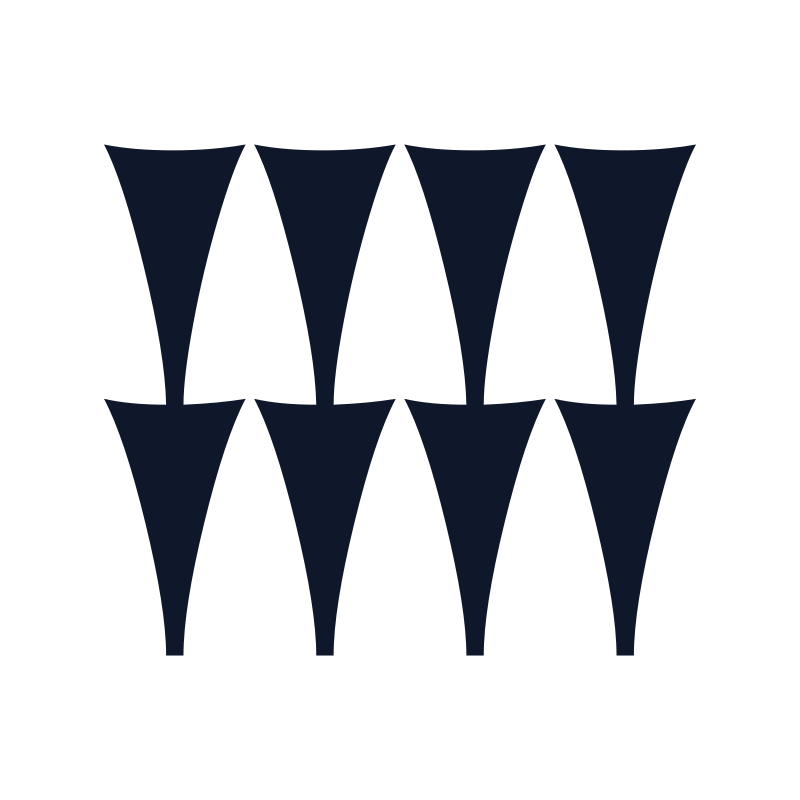 USSU (8) · U+1240D
𒐍
sexagesimal number eight (8)
Written with eight vertical wedges grouped in three tiers (3 + 3 + 2), USSU (Sumerian ussu from ia₂+eš₅ '5+3', Akkadian samānat / samāne) is the sexagesimal numeral 8—associated in Mesopotamian art with the eight-pointed star of the goddess Inanna/Ishtar (Venus).
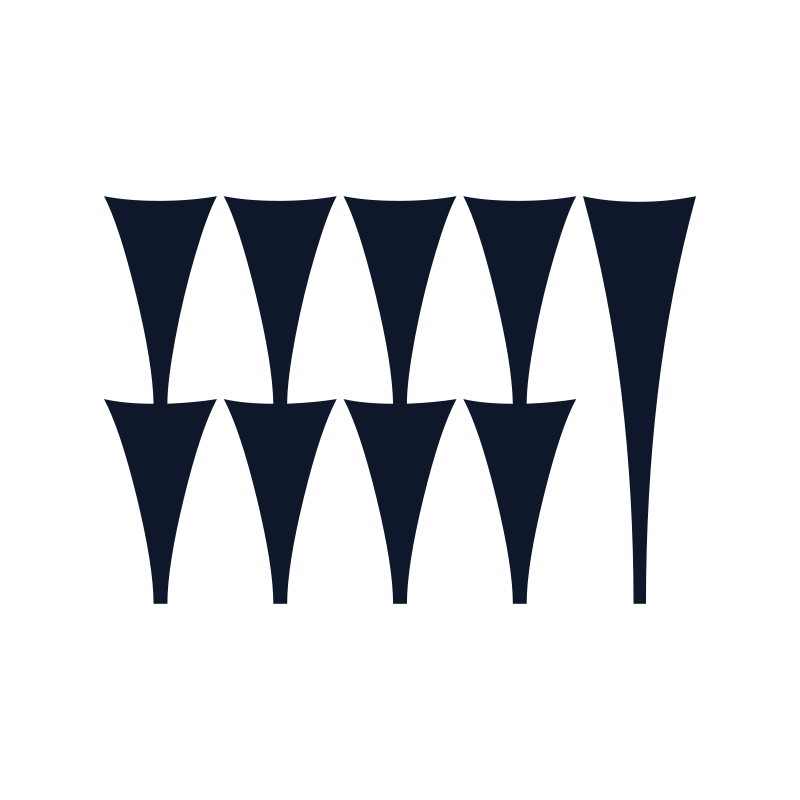 ILIMMU (9) · U+1240E
𒐎
sexagesimal number nine (9)
Written as a symmetrical 3×3 grid of nine vertical wedges (3 + 3 + 3), ILIMMU (Sumerian ilimmu from ia₂+limmu '5+4', Akkadian tišīt / tešû) is the highest single-unit digit (9) in the Babylonian sexagesimal system before transitioning to the corner-wedge 10 (U).
 NIMIN / EA (40) · U+1240F
𒐏
number forty (40), two-thirds (40/60)
Written with four corner-wedges (4×10 = 40, Sumerian nimin 'two twenties', Akkadian erbā), this numeral represents 40 (and as a sexagesimal fraction 40/60 = 2/3, read ŠANABI). In Babylonian mystic numerology, 40 is the sacred number of Enki/Ea, Lord of Wisdom and the Abzu, whose name is frequently written d40.
 NINNU / ENLIL (50) · U+12410
𒐐
number fifty (50), five-sixths
Written with five corner-wedges (3 above + 2 below = 50, Sumerian ninnu 'two twenties + ten', Akkadian hamšā), this sign represents 50 (and as a sexagesimal fraction 50/60 = 5/6). In Mesopotamian theology, 50 is the supreme sacred number of Enlil (written d50), King of the Lands, and later crowns the Epic of Creation (Enūma Eliš) when Marduk is proclaimed Lord of the 'Fifty Sacred Names', while Gudea's famous temple in Lagash was named E-ninnu ('House of Fifty').
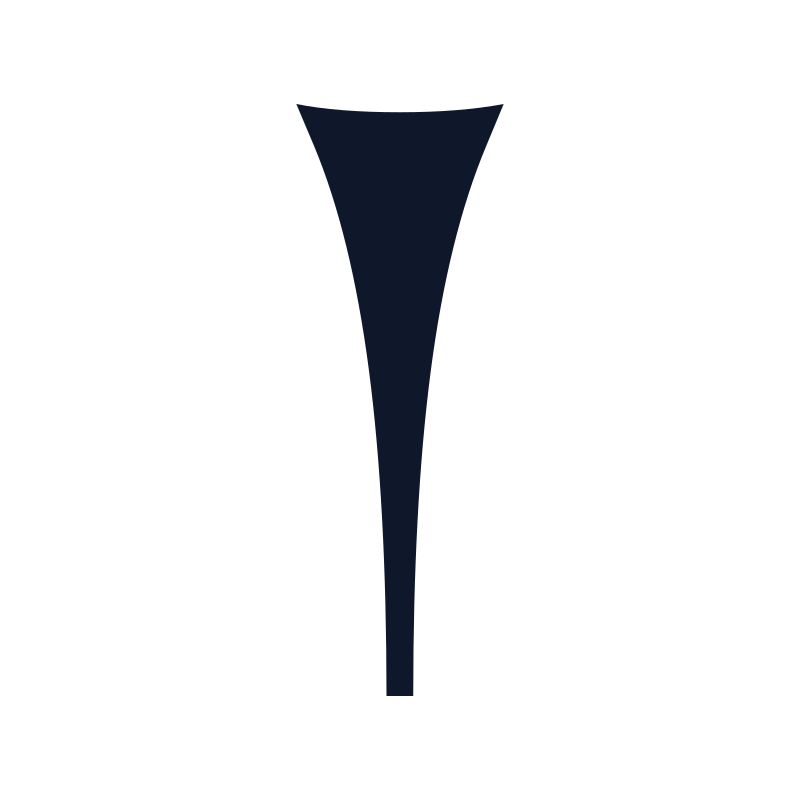 GEŠ₂ (60) · U+12415
𒐕
the sexagesimal base sixty (60 = 60¹), supreme number of anu
The foundation of Babylonian mathematics and modern timekeeping: GEŠ₂ (loaned into Akkadian as šūši and into Greek as sossos) is the sexagesimal base unit 60 (1×60¹). Chosen by Sumerians because 60 is the smallest number divisible by 1, 2, 3, 4, 5, 6, 10, 12, 15, 20, and 30, it lives on today in our 60 seconds per minute and 60 minutes per hour, and in Mesopotamian theology represented the sky-father Anu (d60).
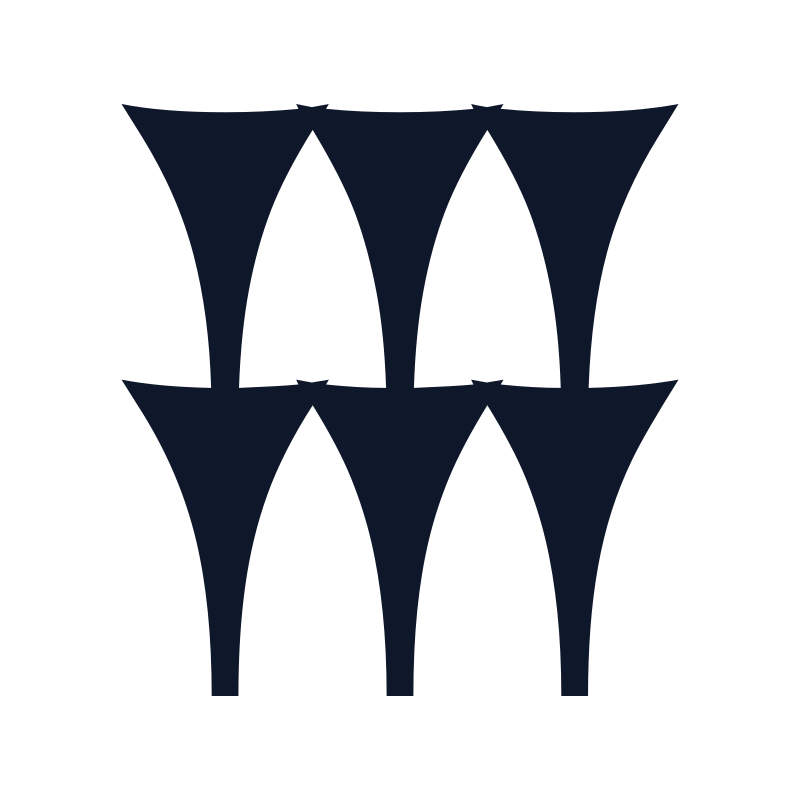 GEŠ₂.AŠ₃ (360) · U+1241A
𒐚
sexagesimal 360 (6×60): the 360° circle, ideal year
Representing 6×60 = 360, this sexagesimal numeral embodies one of ancient Mesopotamia's greatest scientific legacies to humanity: Babylonian administrators used an ideal year of 360 days (12 months × 30 days), and Babylonian astronomers divided the ecliptic sky circle into 360 degrees (12 zodiacal signs × 30°)—the direct origin of the 360-degree circle in geometry and navigation today.
 GEŠU (600) · U+1241E
𒐞
sexagesimal number 600 (10×60, nēru)
Formed by combining the vertical sixty-wedge GEŠ₂ (60) with the multiplicative corner-wedge U (10), GEŠU (10×60 = 600, Akkadian nēru, Greek nēros) is a major intermediate unit of the sexagesimal system. In Babylonian mythology (Enūma Eliš VI 40–44), Marduk stations 600 Anunnaki deities in heaven and the underworld (300 above, 300 below).
 ŠARʾU (36,000) · U+1242C
𒐬
cosmic sexagesimal number 36, 000 (10 × 60²)
Formed by placing the corner-wedge U (10) inside the four-wedge diamond frame of ŠAR₂ (3,600 = 60²), ŠARʾU represents 10 × 3,600 = 36,000. This monumental number was used in royal grain-storage accounts of the Ur III empire and in the Sumerian King List to record the vast reign lengths of the antediluvian kings (such as Dumuzi the Shepherd, who reigned 36,000 years in Bad-tibira).
 ŠANABI (2/3) · U+1245B
𒑛
sexagesimal fraction two-thirds (2/3 = 40/60)
A dedicated Mesopotamian fraction sign for 2/3 (= 40 shekels of a 60-shekel mina; Sumerian šanabi, loaned into Akkadian as šinipu), used constantly in silver weight accounts and famously in the Epic of Gilgamesh (Tablet I 48), where the hero-king of Uruk is proclaimed: 'Two-thirds (ŠANABI / šittaullātu) of him is god, and one-third of him is human.'
 WORD DIVIDER (:) · U+12470
𒑰
cuneiform word separator
Although classical Sumerian and Babylonian cuneiform was written in scriptio continua without spaces between words, Old Assyrian merchant scribes in Kanesh (Kültepe) regularly impressed this clean vertical divider wedge (𒑰) to separate phrases and clauses, while Babylonian scholars used separation wedges (Glossenkiel) to mark glosses, variant readings, and verse divisions.
 SILA3 · U+122E1
𒋡
liter measure, cup
Cuneiform sign SILA₃ or QA (Borger MZL 99, U+122E1), originating from the pictogram of a beveled-rim rationing bowl. It represents the fundamental Mesopotamian unit of volume (1 sila₃ / Akkadian qû ≈ 1 liter) used for daily barley, oil, and beer rations, and serves as the primary Akkadian syllable qa.
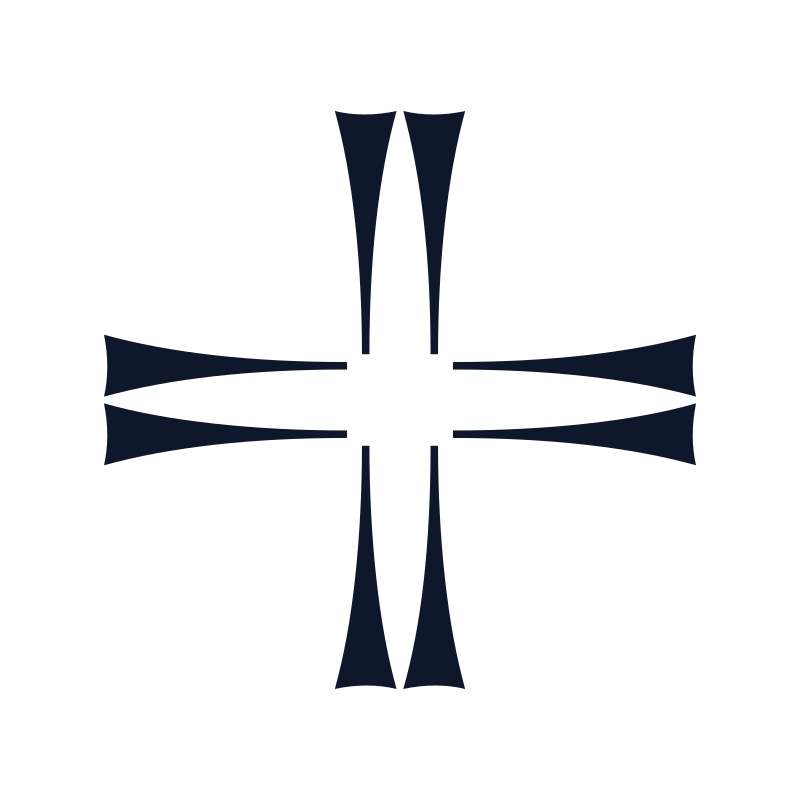 TAB_SQUARED · U+122F2
𒋲
fourfold, symmetry
Cuneiform sign TAB-squared (four double-wedge TAB signs arranged in a cross, Borger MZL 223, U+122F2), a symmetrical Babylonian lexical ideogram expressing fourfold pairing or totality.
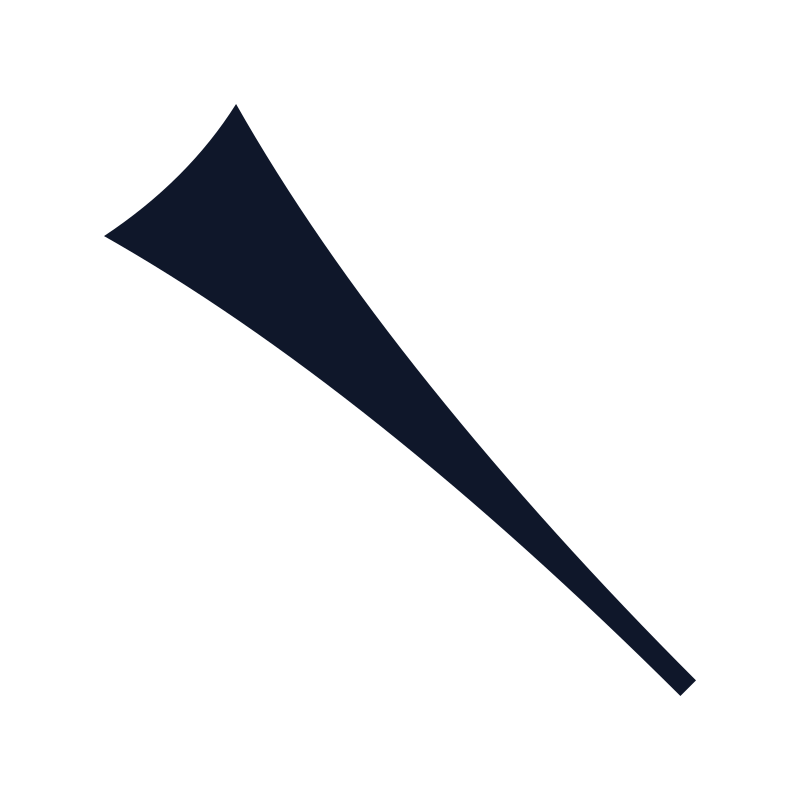 ASH_ZIDA_TENU · U+12039
𒀹
oblique wedge, marker
Cuneiform sign AŠ-zida-tenû (literally 'AŠ slanted to the right', Borger MZL 592, U+12039), a single diagonal wedge used in Mesopotamian tablets as a scribal gloss marker, check mark, or fractional notation.
 ASH_KABA_TENU · U+1203A
𒀺
left oblique wedge
Cuneiform sign AŠ-kaba-tenû (literally 'AŠ slanted to the left', Borger MZL 593, U+1203A), a diagonal wedge documented in Babylonian sign lists (Ea) as one of the fundamental elementary strokes of cuneiform writing.
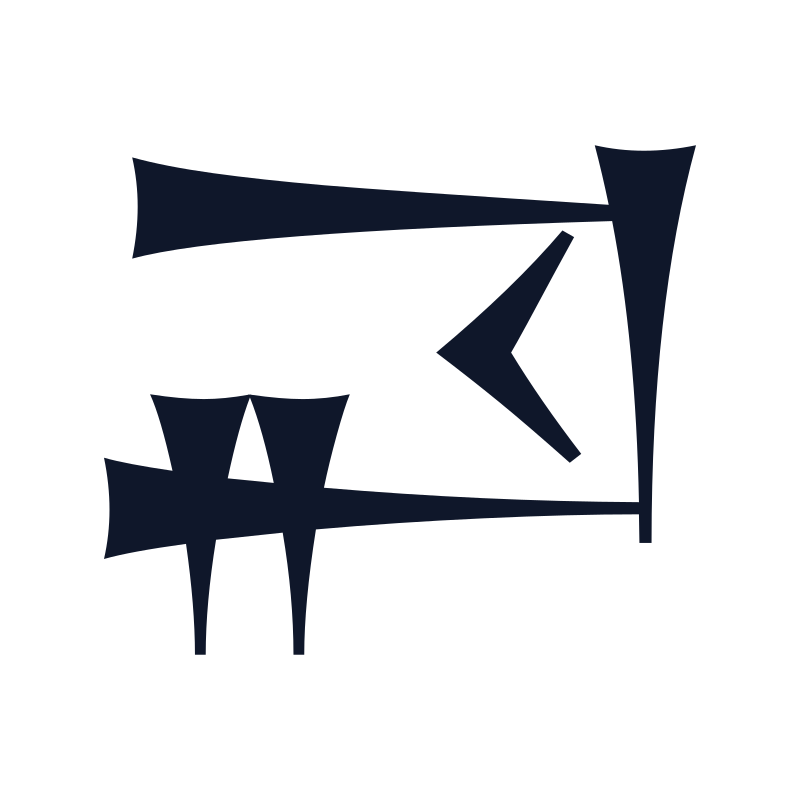 GA2_U · U+120EA
𒃪
ten-measure basket
Cuneiform sign GA₂×U (Borger MZL 433, U+120EA), inscribing the number ten (U) inside the container sign GA₂/PISAN to denote a standardized capacity basket or ten-unit storage container.
 KAM2 · U+12130
𒄰
ordinal, cauldron
Cuneiform sign ḪI×BAD, read KAM₂ (Borger MZL 640, U+12130), widely used in Ur III and Old Babylonian administrative tablets as the grammatical marker after numbers to form ordinals and genitive dates (e.g. u₄ 5-kam₂ 'the 5th day'), as well as the phonetic syllable kam₂ / qam₂.
 HI_DISH · U+12131
𒄱
unit measure, mix
Cuneiform sign ḪI×DIŠ (Borger MZL 637, U+12131), inscribing the vertical wedge DIŠ ('one') inside the circle/mixing sign ḪI/ŠAR₂ in Mesopotamian metrological and lexical traditions.
 SHAR2_U · U+12136
𒄶
number 36,000
Cuneiform sign ḪI×U or ŠAR₂×U, read ŠARU (Borger MZL 639, U+12136), formed by inscribing U (10) inside ŠAR₂ (3,600). In the Mesopotamian sexagesimal system it represents the large number 36,000 (60³ ÷ 6 = 10 × 3,600), notably used in the Sumerian King List for the reign lengths of antediluvian kings.
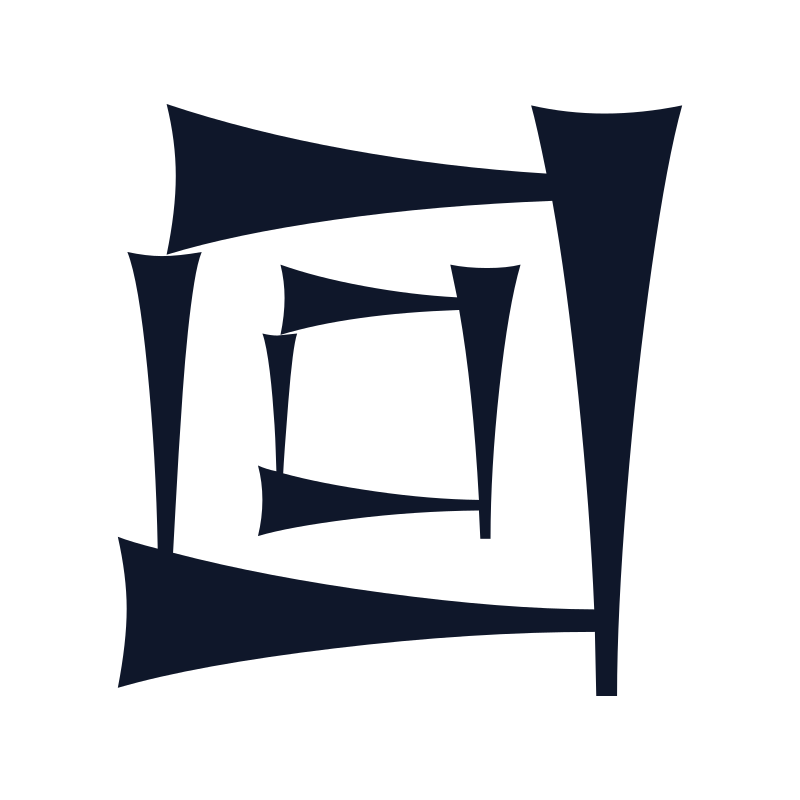 NIGIN2 · U+121D4
𒇔
encircle, assemble, total
NIGIN₂ (𒇔, structurally LAGAB×LAGAB, one ring inside another) is a primary Sumerian logogram meaning 'to surround, encircle, roam, or assemble' (Akkadian `lawû`, `sahāru`, `pahāru`) and 'total, entirety' (`šu-nigin₂`, Akkadian `napharu`) in accounting tablets.
 LAL2 · U+121F3
𒇳
weigh, balance, deficit
LAL×LAL (𒇳) is a compound form of LAL ('to weigh, hang, bind, be small/deficient'; Akkadian `šaqālu`, `kamû`, `maṭû`). Depicting balanced or crossed beams, it denotes weighing silver on scales, binding obligations, or recording an accounting deficit (`la₂-ia₃`).
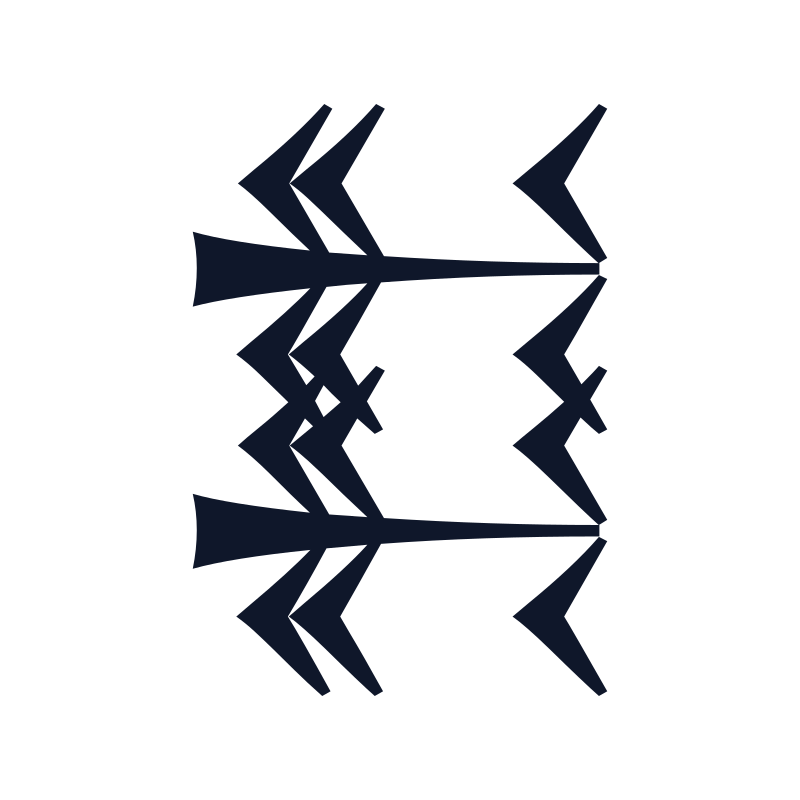 MU/MU · U+1222D
𒈭
all names, passing years
MU OVER MU (𒈭) is the vertically reduplicated form of MU ('name, year, line of text, incantation'; Akkadian `šumu`, `šattu`, `šiptu`). The doubled sign expresses collective plurality (`mu-mu`), signifying 'all names', 'successive years', or 'ritual incantations'.
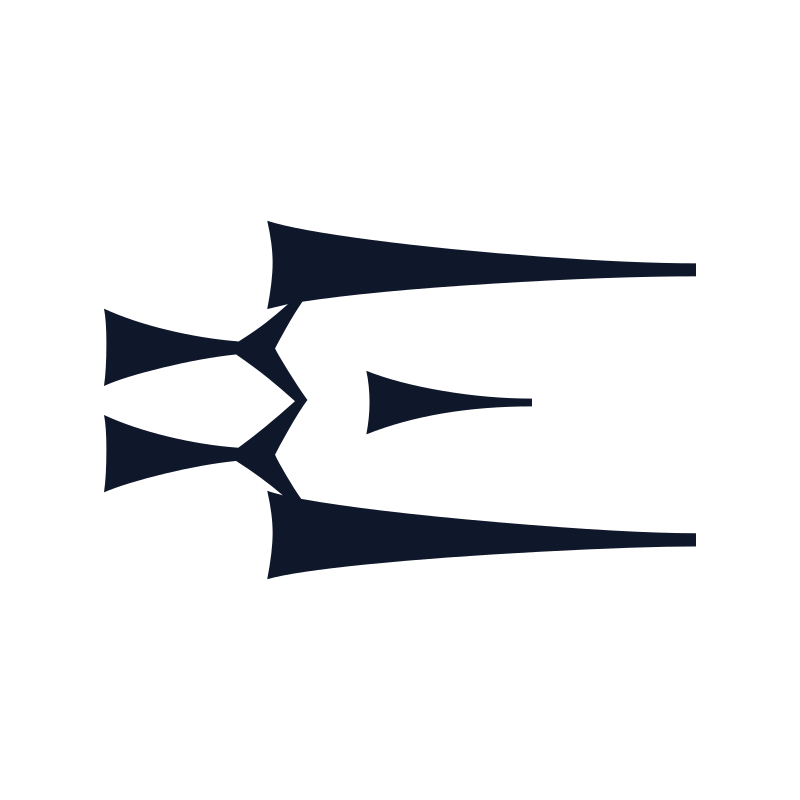 NINDA2×ASH · U+12254
𒉔
measuring vessel, single ration
NINDA₂×AŠ (𒉔) combines the measuring vessel and funnel sign NINDA₂ with the single horizontal numeral wedge AŠ ('one'). In archaic and lexical metrological traditions, it denotes a standard unit measuring vessel or a single grain ration.
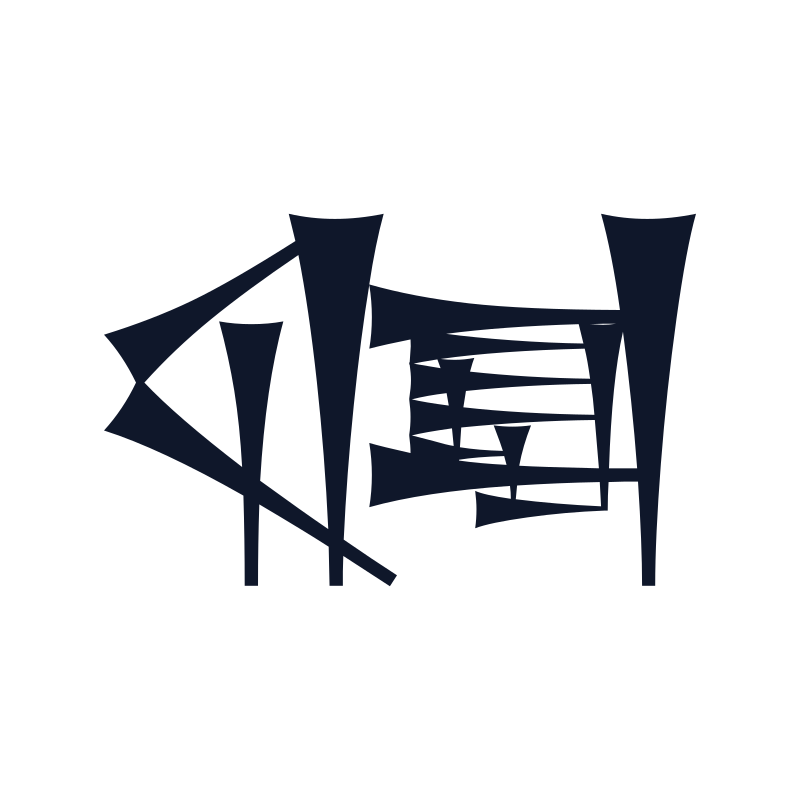 SAG×SHID · U+122A0
𒊠
headcount, census, reckoning
SAG׊ID (𒊠) combines SAG ('head, person, initial capital `sag-nig₂-gur₁₁-ra`') with ŠID ('to count, reckon, account'). In Mesopotamian administrative and lexical traditions, it signifies taking a headcount of personnel or auditing the opening balance of an account.
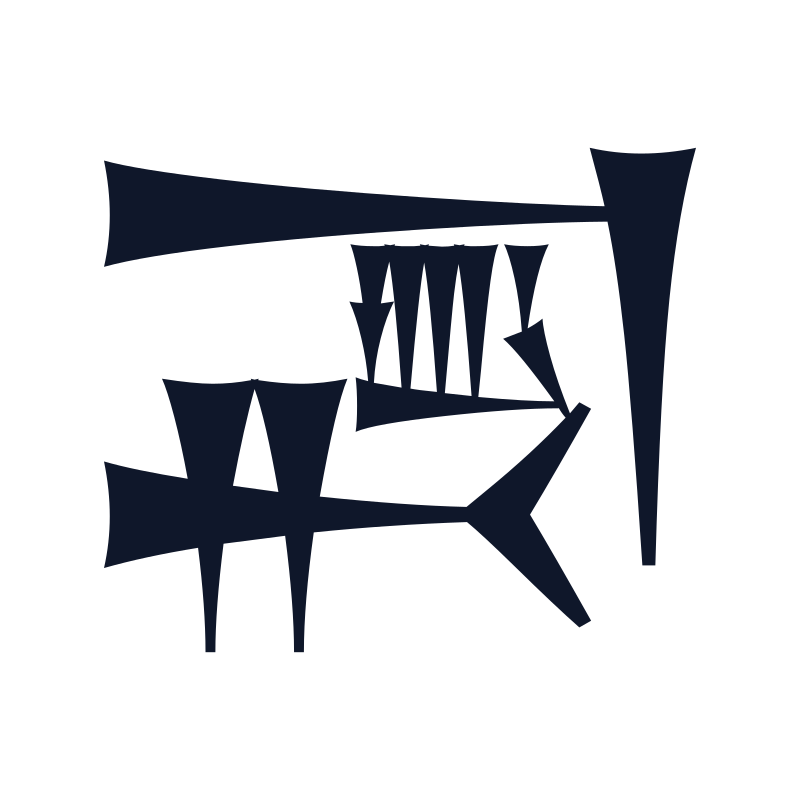 USH×TAK4 · U+12355
𒍕
remaining length, border
UŠ×TAK₄ (𒍕) combines UŠ ('length, long side of a field, 60-ninda measure, border') with TAK₄ ('to leave behind, remain, set aside'). In Mesopotamian land-survey and lexical traditions, it denotes a remaining length measurement or reserved boundary strip.
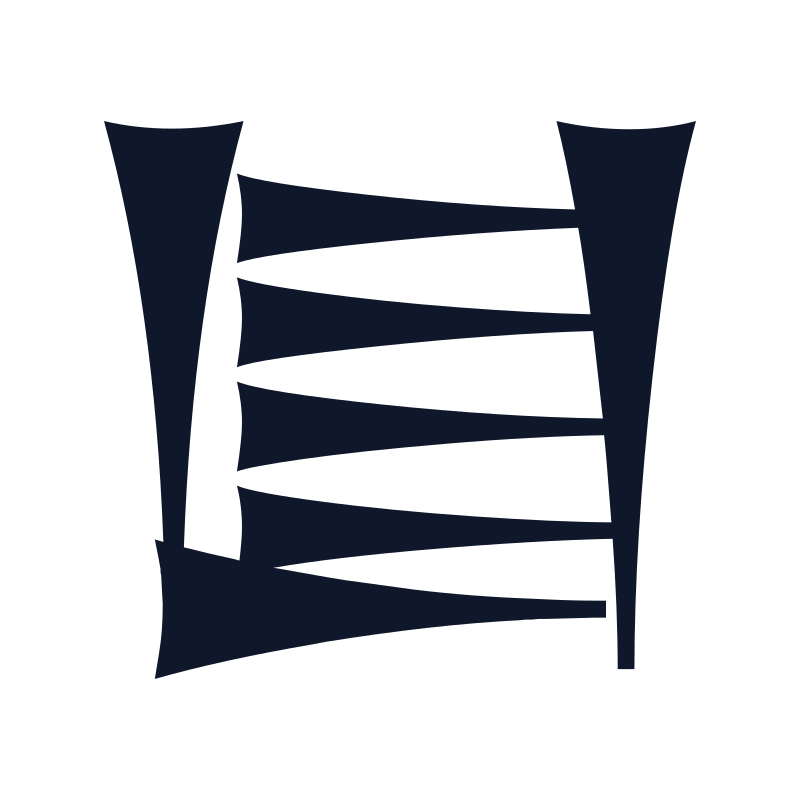 SHUSHI · U+12375
𒍵
sixty, one soss (60)
CUNEIFORM SIGN DISH PLUS SHU (𒍵) is a specialized sexagesimal numeric ligature combining the vertical wedge DIŠ ('1 / 60') with ŠU (abbreviation of Akkadian `šūši`, 'sixty'). Scribes used `1-šu` (`1 šūši`) to explicitly write the number 60 without positional ambiguity.
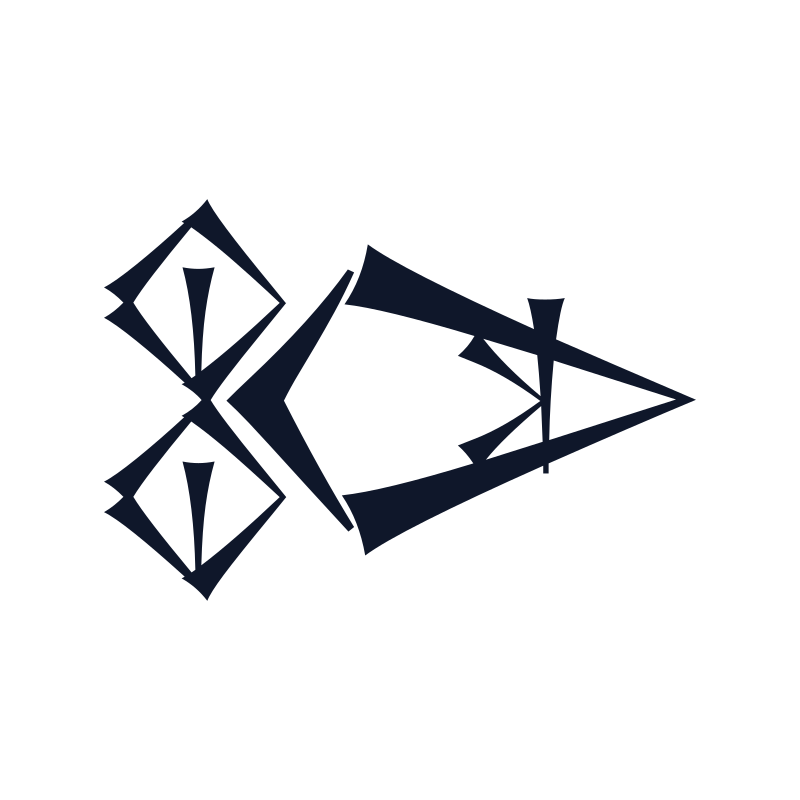 NUNUZ.AB2xSILA3 · U+12276
𒉶
calibrated vat, capacity jar
NUNUZ AB₂×SILA₃ (𒉶) combines the NUNUZ.AB₂ (𒉭𒀖) vat frame with SILA₃ (𒋡, standard liter-like capacity measure and cup). In Mesopotamian administrative and lexical traditions, it designates a standardized collector vat whose liquid volume was measured in sila₃ units for temple ration distribution.
 ESH16 · U+1203C
𒀼
number three, triple unit
AŠ/AŠ/AŠ (𒀼), read logographically as EŠ₁₆ (ESH₁₆), consists of three horizontal AŠ (𒀸) wedges stacked vertically. In Sumerian and Akkadian metrological and administrative tablets, it represents the number three (Akkadian šalāšat) in horizontal-wedge counting systems used for land area, volume, and worker rations.
 NINDA2xASH.ASH · U+12255
𒉕
double measure, ration hopper
NINDA₂×AŠ.AŠ (𒉕) places two horizontal AŠ (𒀸, unit measure) wedges inside the NINDA₂ (𒉒, measuring vessel or seeder-plow funnel) frame. In Mesopotamian metrological and lexical traditions, it denotes a standardized two-unit measuring container used for grain rations and seed distribution.
 NINDA2xSHE.ASH · U+1225C
𒉜
seed-barley hopper, grain measure
NINDA₂׊E.AŠ (𒉜) inscribes ŠE (𒊺, barley) and a single AŠ (𒀸, one-unit measure) wedge inside NINDA₂ (𒉒, seed funnel or measuring vat). In Sumerian agricultural and administrative tablets, it depicts the seed-hopper of a Mesopotamian seeder plow calibrated for a single unit of barley.
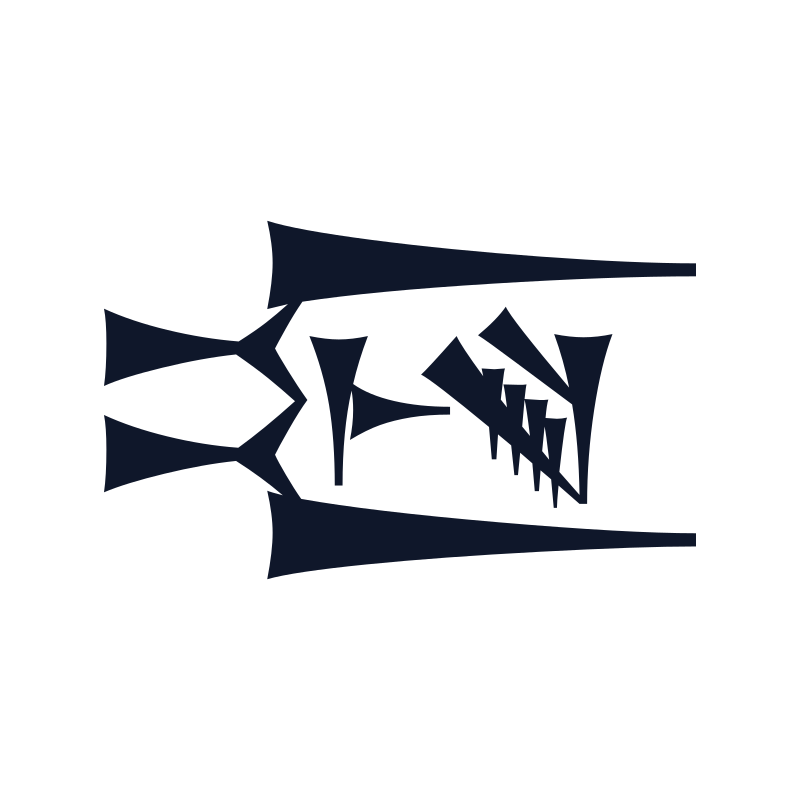 NINDA2xME.GAN2.TENU · U+12257
𒉗
ritual field measure, hopper
NINDA₂×ME.GAN₂ TENU (𒉗) encloses ME (𒈨, divine rite or ordinance) and GAN₂-tenû (𒃸, tilted field plot) within the NINDA₂ (𒉒, measuring vessel or seeder-plow funnel) frame. Preserved in Babylonian lexical lists, it denotes a standardized seed-measure allocated for sacred temple fields.
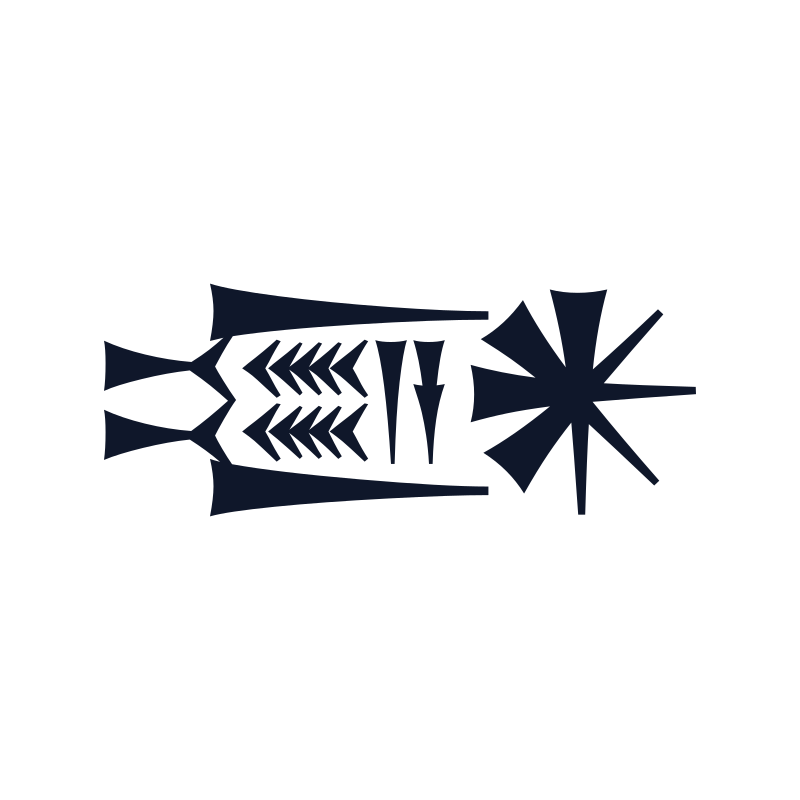 NINDA2xSHE.A.AN · U+1225B
𒉛
barley ration rate, unit measure
NINDA₂׊E.A AN (𒉛) combines the measuring-vessel sign NINDA₂ (𒉒) containing ŠE (𒊺, barley) with the distributive sequence A.AN (𒀀𒀭, read am₃ or a-an, meaning 'each'). Attested in Early Dynastic and Old Babylonian administrative traditions, it expresses a fixed per-unit rate of barley distribution.
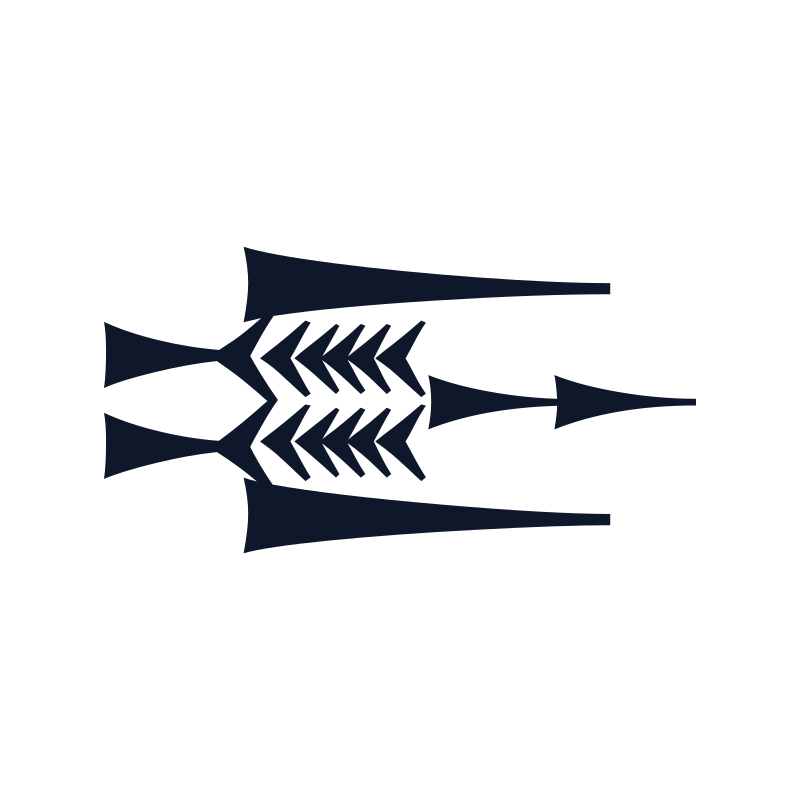 NINDA2xSHE.ASH.ASH · U+1225D
𒉝
two-unit barley measure, hopper
NINDA₂׊E.AŠ.AŠ (𒉝) places ŠE (𒊺, barley) and two AŠ (𒀸, unit measure) wedges inside the NINDA₂ (𒉒, measuring vessel or seeder funnel) sign. Paired with NINDA₂׊E.AŠ (𒉜, one unit), it records a two-unit barley ration or double seeding rate in Mesopotamian agricultural accounts.
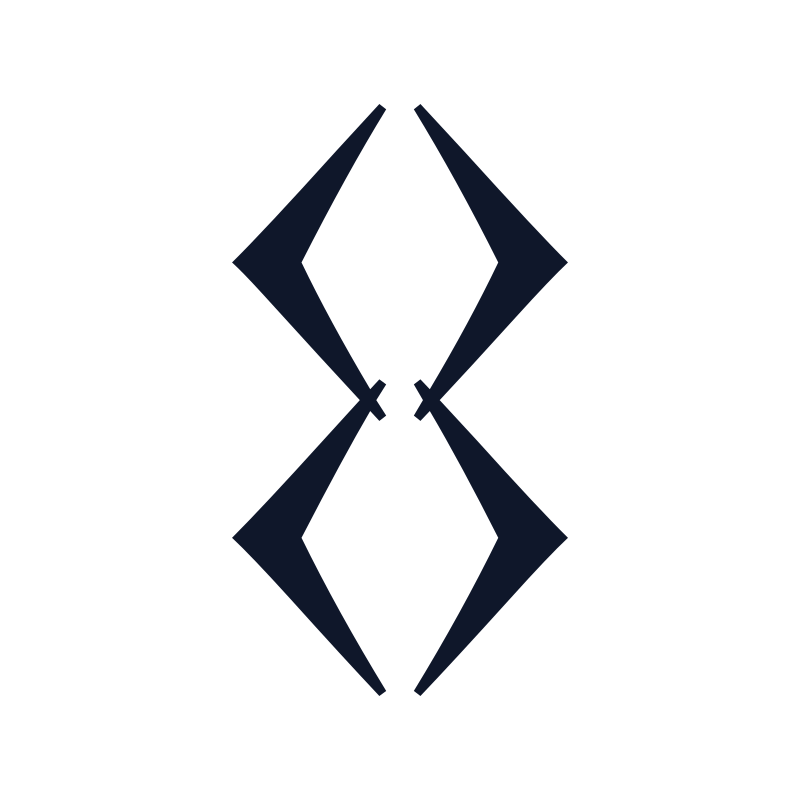 U.U.U.U · U+12310
𒌐
opposing crescents, fourfold mark
U/U U REVERSED/U REVERSED (𒌐) arranges two normal U (𒌋) Winkelhaken wedges on the left facing two reversed U wedges on the right. Preserved in Babylonian sign lists and colophon traditions, this symmetrical fourfold impression represents opposing lunar crescents or a decorative scribal divider.
 MIN3 · U+12400
𒐀
number two, two units
CUNEIFORM NUMERIC SIGN TWO ASH (𒐀), transliterated as 2(AŠ) or MIN₃, represents the number 2 in the AŠ counting system (Sumerian min, Akkadian šina). It was widely used in administrative tablets to record two gur of grain, two iku of land area, or two worker rations.
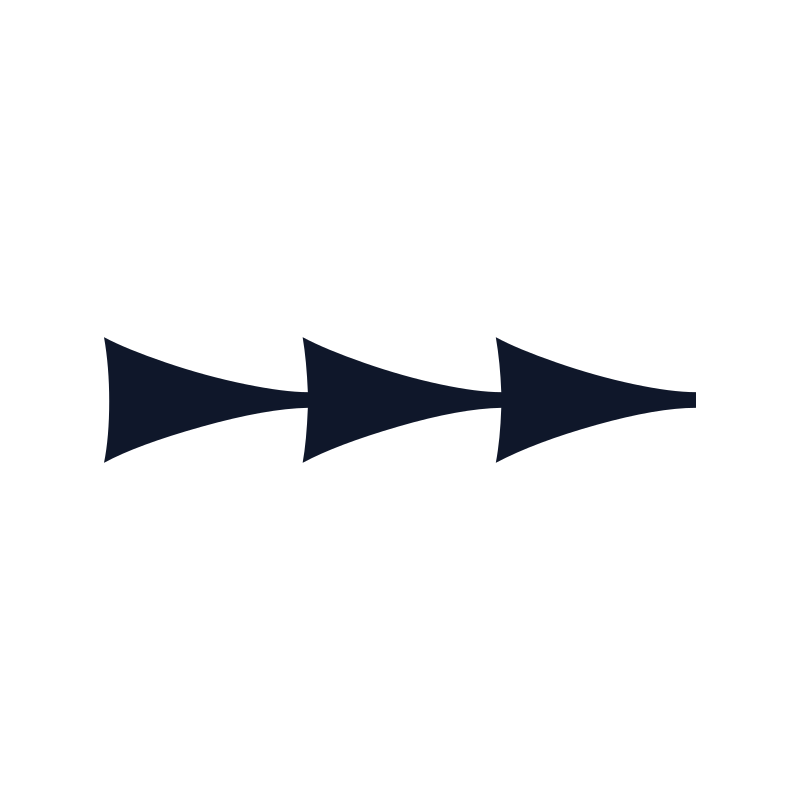 ESH5 · U+12401
𒐁
number three, three units
CUNEIFORM NUMERIC SIGN THREE ASH (𒐁), transliterated as 3(AŠ) or EŠ₅ (ESH₅), represents the number 3 in the AŠ metrological system (Sumerian eš₅, Akkadian šalāšat). Formed of three aligned AŠ wedges, it recorded three units of grain capacity (gur), land area (iku), or livestock.
 LIMMU2 · U+12402
𒐂
number four, four units
CUNEIFORM NUMERIC SIGN FOUR ASH (𒐂), transliterated as 4(AŠ) or LIMMU₂, represents the number 4 in the AŠ counting system (Sumerian limmu, Akkadian erbet). Scribes impressed four AŠ wedges in a compact two-by-two or tiered arrangement for rapid visual recognition on accounting tablets.
 IA2 · U+12403
𒐃
number five, five units
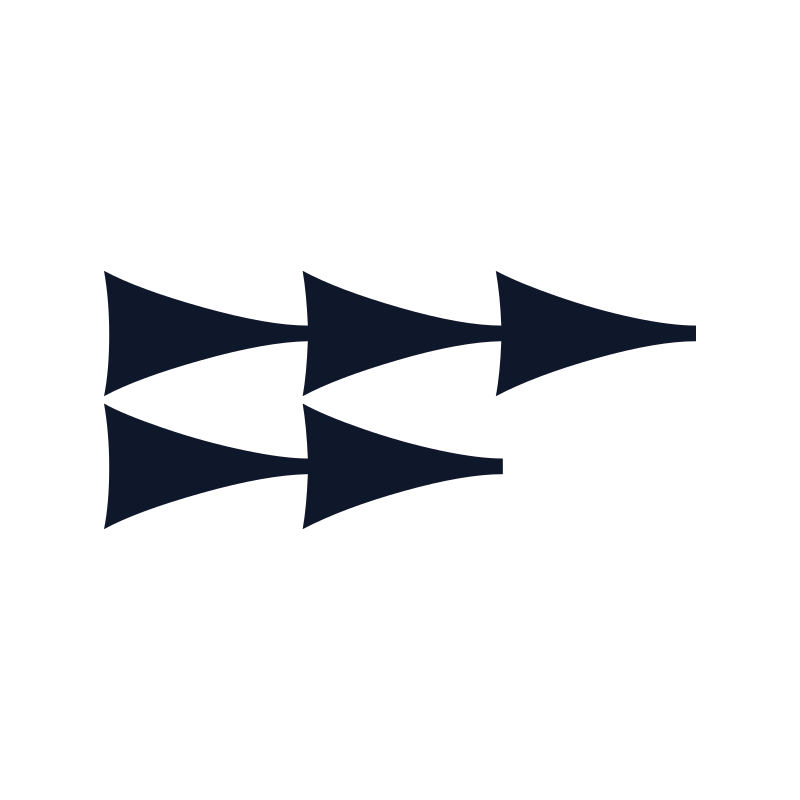
CUNEIFORM NUMERIC SIGN FIVE ASH (𒐃), transliterated as 5(AŠ) or IA₂, represents the number 5 in the AŠ metrological system (Sumerian ia₂, Akkadian hamšat). Arranged in groups of three and two AŠ wedges, it recorded five gur of barley or five iku of surveyed farmland.
 ASH3 · U+12404
𒐄
number six, six units
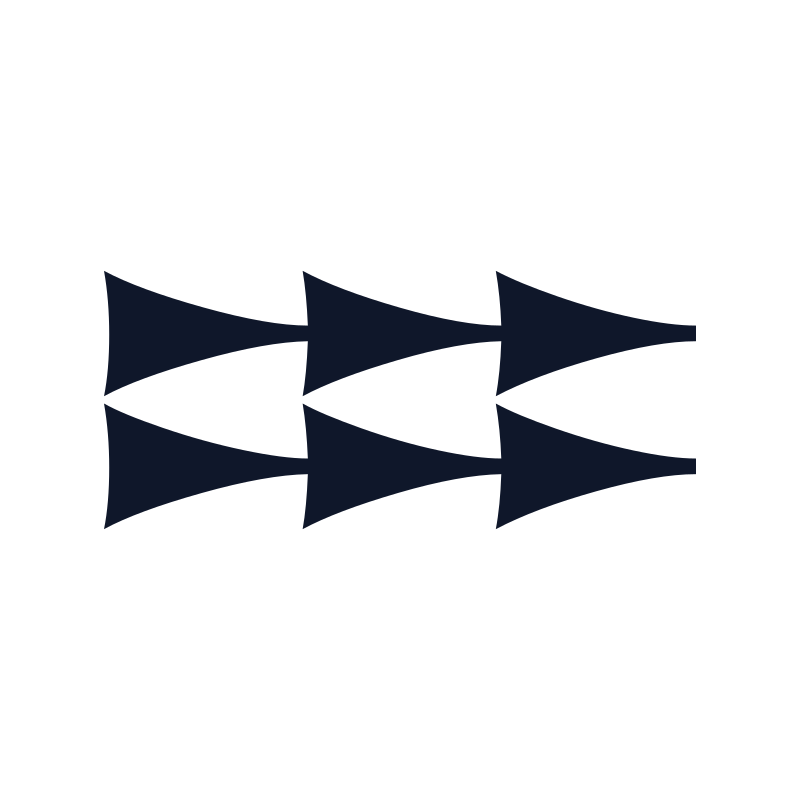
CUNEIFORM NUMERIC SIGN SIX ASH (𒐄), transliterated as 6(AŠ) or AŠ₃ (ASH₃), represents the number 6 in the AŠ counting system (Sumerian aš₃, literally 'five plus one', Akkadian šeššet). It is composed of two balanced rows of three AŠ wedges.
 IMIN2 · U+12405
𒐅
number seven, seven units
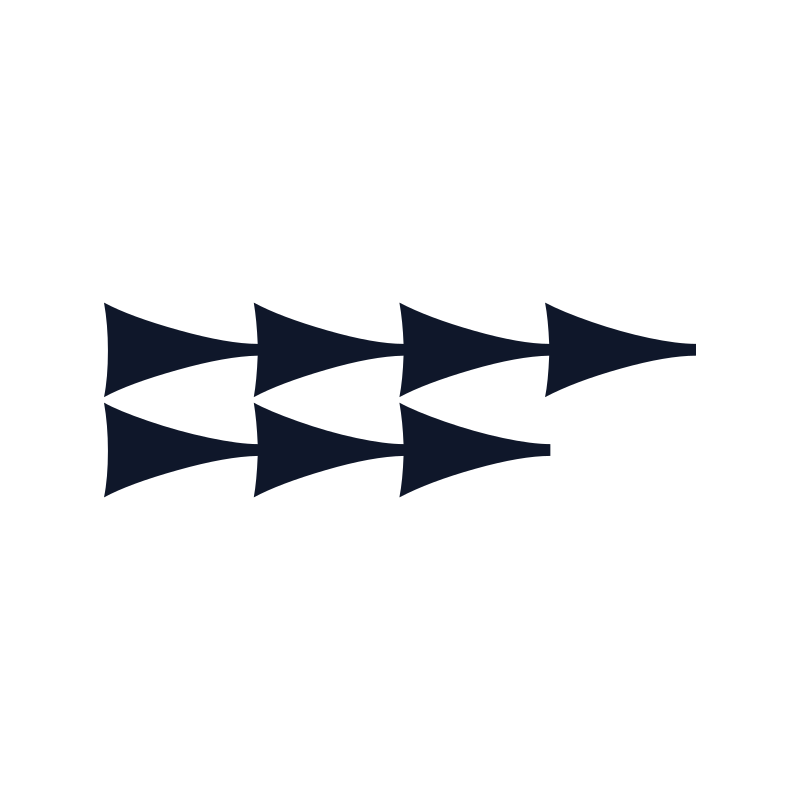
CUNEIFORM NUMERIC SIGN SEVEN ASH (𒐅), transliterated as 7(AŠ) or IMIN₂, represents the number 7 in the AŠ metrological system (Sumerian imin, literally 'five plus two', Akkadian sebet). In Mesopotamian cosmology and metrology, seven was a number of completeness and sacred power.
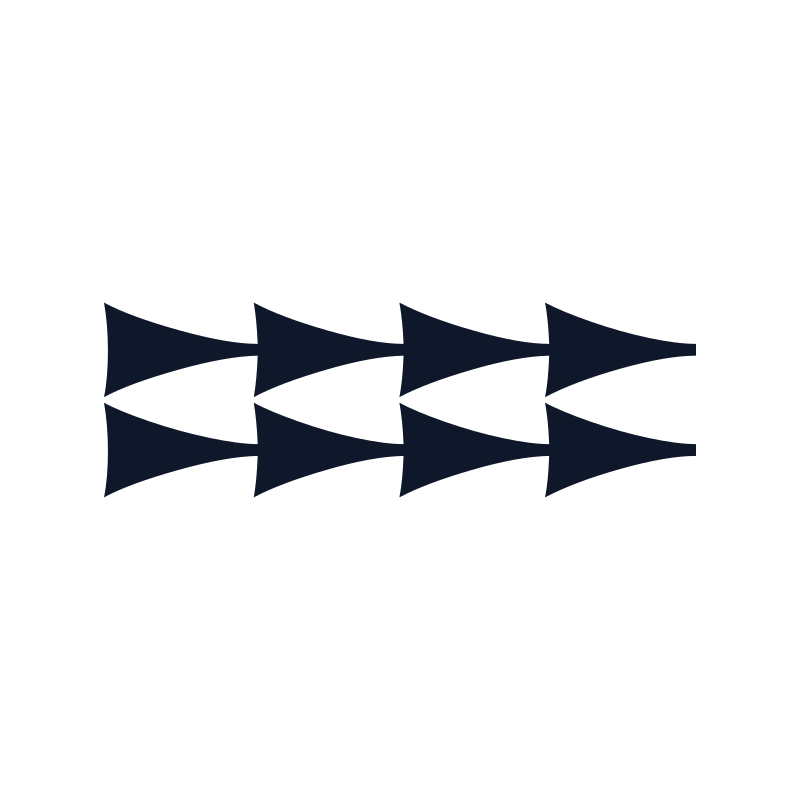 USSU2 · U+12406
𒐆
number eight, eight units
CUNEIFORM NUMERIC SIGN EIGHT ASH (𒐆), transliterated as 8(AŠ) or USSU₂, represents the number 8 in the AŠ counting system (Sumerian ussu, literally 'five plus three', Akkadian samānat). It was used in economic tablets to record eight gur of grain or eight iku of land.
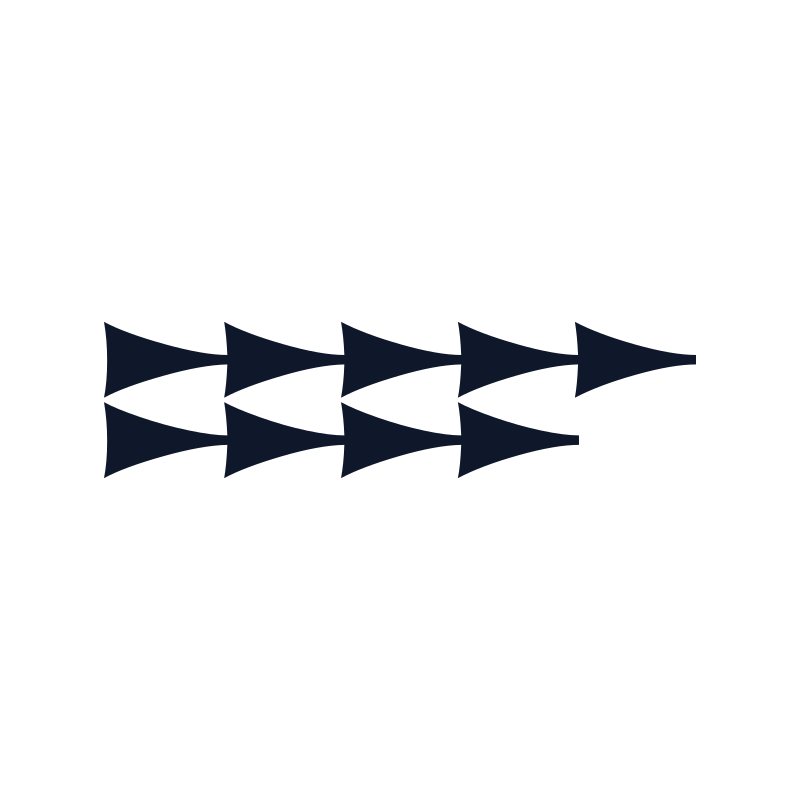 ILIMMU2 · U+12407
𒐇
number nine, nine units
CUNEIFORM NUMERIC SIGN NINE ASH (𒐇), transliterated as 9(AŠ) or ILIMMU₂, represents the number 9 in the AŠ metrological system (Sumerian ilimmu, literally 'five plus four', Akkadian tišīt). Composed of three rows of three AŠ wedges, it is the highest single-digit unit before the ten-sign U (𒌋).
 6U · U+12411
𒐑
six tens, sixty, six bur
CUNEIFORM NUMERIC SIGN SIX U (𒐑), transliterated as 6(U) or 6(BUR₃), consists of six U (𒌋) Winkelhaken wedges arranged in two rows of three. While standard sexagesimal counting uses a vertical wedge (GEŠ₂) for 60, six U wedges were used in land-area metrology for 6 bur₃ (~38.8 hectares) and in decimal counting systems for 60.
 7U · U+12412
𒐒
seven tens, seventy, seven bur
CUNEIFORM NUMERIC SIGN SEVEN U (𒐒), transliterated as 7(U) or 7(BUR₃), consists of seven U (𒌋) Winkelhaken wedges. It was used in Mesopotamian land surveys to record 7 bur₃ of field area and in Old Assyrian, peripheral, and late decimal notations to represent the number 70.
 8U · U+12413
𒐓
eight tens, eighty, eight bur
CUNEIFORM NUMERIC SIGN EIGHT U (𒐓), transliterated as 8(U) or 8(BUR₃), groups eight U (𒌋) Winkelhaken wedges in tiered rows. In Sumerian and Babylonian cadastral texts, it records 8 bur₃ of estate land, while in decimal accounting traditions it stands for 80.
 9U · U+12414
𒐔
nine tens, ninety, nine bur
CUNEIFORM NUMERIC SIGN NINE U (𒐔), transliterated as 9(U) or 9(BUR₃), arranges nine U (𒌋) Winkelhaken wedges in a three-by-three block. It denotes 9 bur₃ of agricultural land (just below one šar₂ of 10 bur₃) or the number 90 in decimal counting systems.
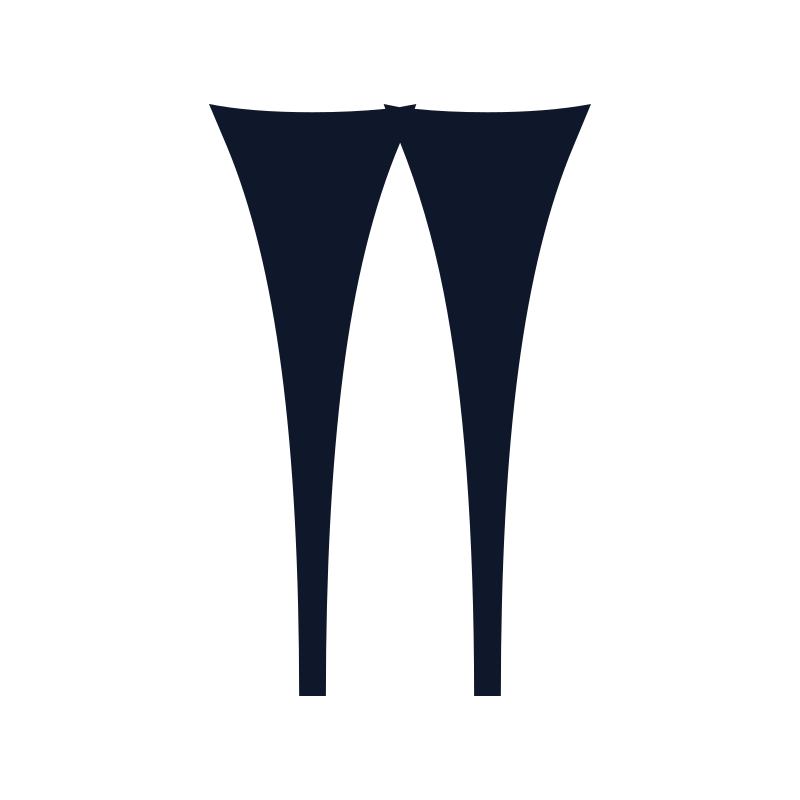 2GESH2 · U+12416
𒐖
two sixties, one hundred twenty
CUNEIFORM NUMERIC SIGN TWO GESH2 (𒐖), transliterated as 2(GEŠ₂) or 2(DIŠ), consists of two vertical wedges placed side by side. Because Mesopotamian sexagesimal notation is positional, this sign represents both the integer 2 (Sumerian min) and 2 × 60 = 120 (two sixties, Sumerian geš₂-min).
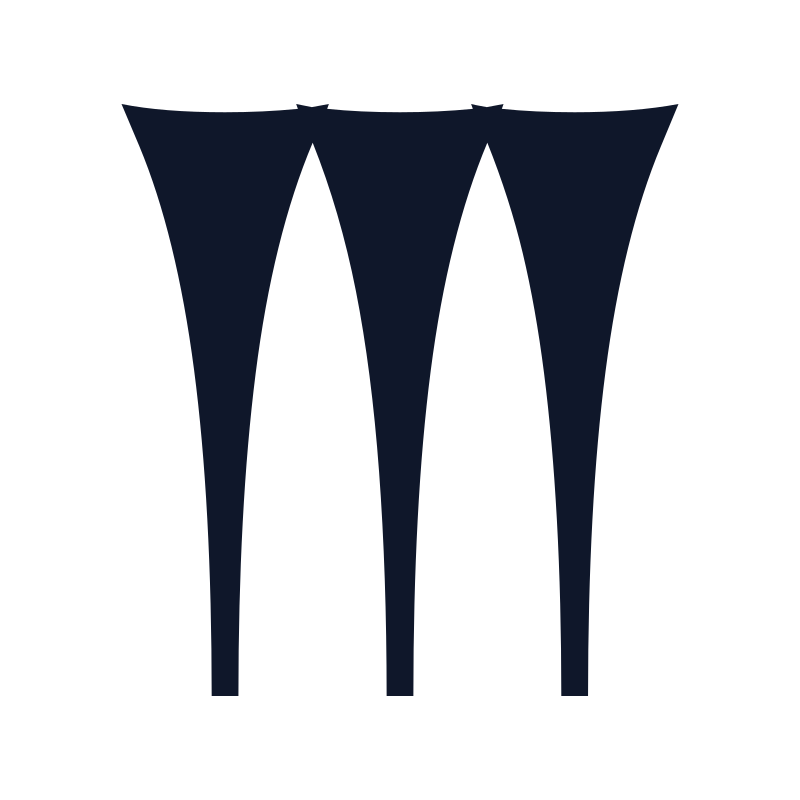 3GESH2 · U+12417
𒐗
three sixties, three units
CUNEIFORM NUMERIC SIGN THREE GESH2 (𒐗), transliterated as 3(GEŠ₂) or 3(DIŠ), consists of three parallel vertical wedges. In sexagesimal positional mathematics and administrative counts, it stands for the number 3 (Sumerian eš₅) as well as 3 × 60 = 180 (three sixties, geš₂-eš₅).
 4GESH2 · U+12418
𒐘
four sixties, four units
CUNEIFORM NUMERIC SIGN FOUR GESH2 (𒐘), transliterated as 4(GEŠ₂) or 4(DIŠ), arranges four vertical wedges in a tiered or aligned group. In the Mesopotamian sexagesimal system, it denotes the number 4 (Sumerian limmu) and 4 × 60 = 240 (four sixties, geš₂-limmu).
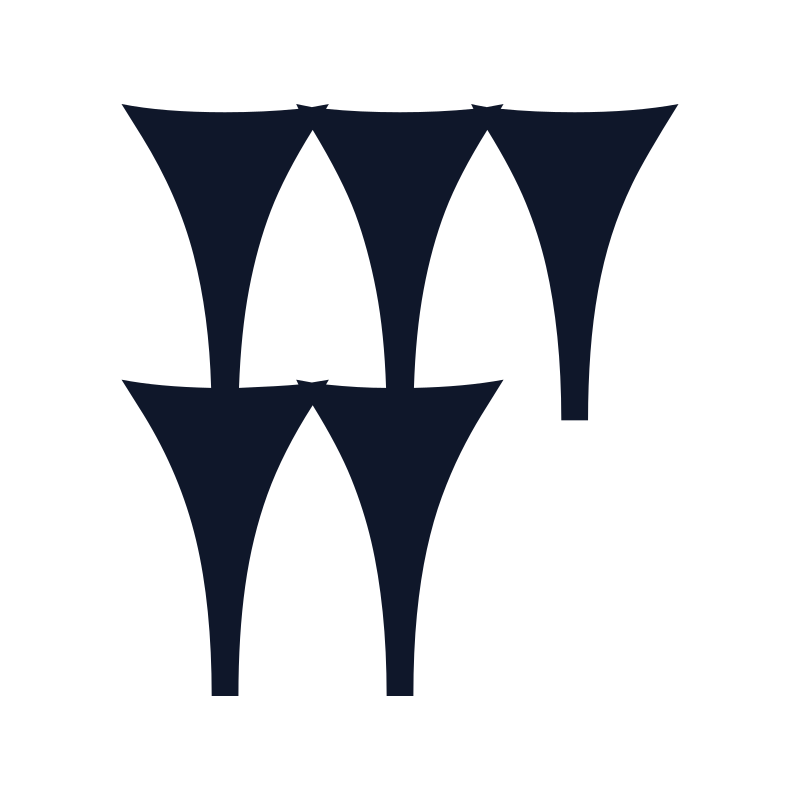 5GESH2 · U+12419
𒐙
five sixties, three hundred
CUNEIFORM NUMERIC SIGN FIVE GESH2 (𒐙), transliterated as 5(GEŠ₂) or 5(DIŠ), groups five vertical wedges (three above two). In Babylonian sexagesimal calculation and administrative ledgers, it represents both 5 (Sumerian ia₂) and 5 × 60 = 300 (five sixties, geš₂-ia₂).
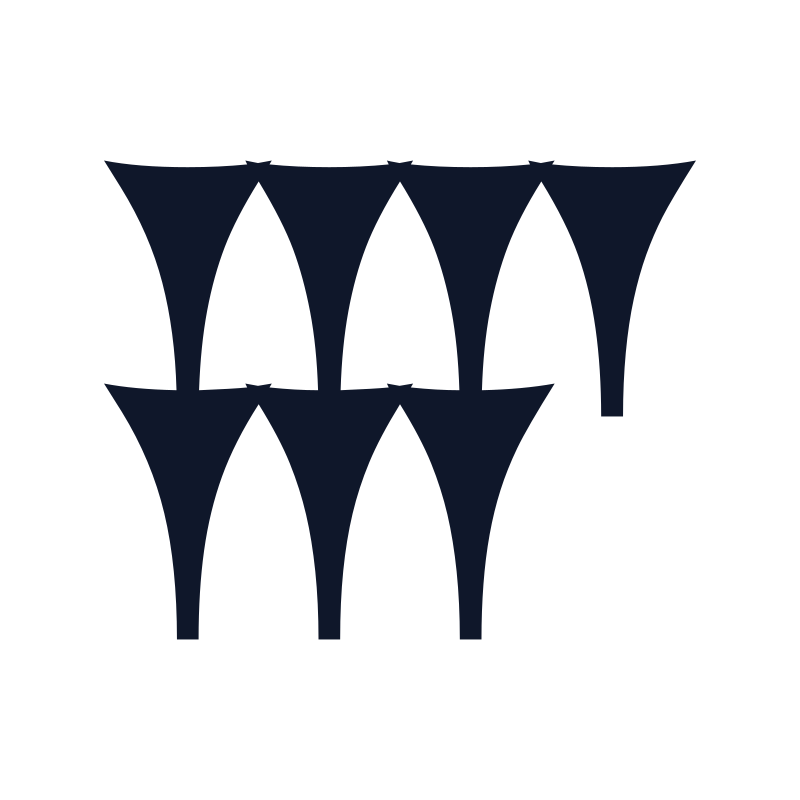 7GESH2 · U+1241B
𒐛
seven sixties, four hundred twenty
CUNEIFORM NUMERIC SIGN SEVEN GESH2 (𒐛), transliterated as 7(GEŠ₂) or 7(DIŠ), arranges seven vertical wedges in tiered rows. In Mesopotamian sexagesimal notation, it represents both the integer 7 (Sumerian imin) and 7 × 60 = 420 (seven sixties, geš₂-imin).
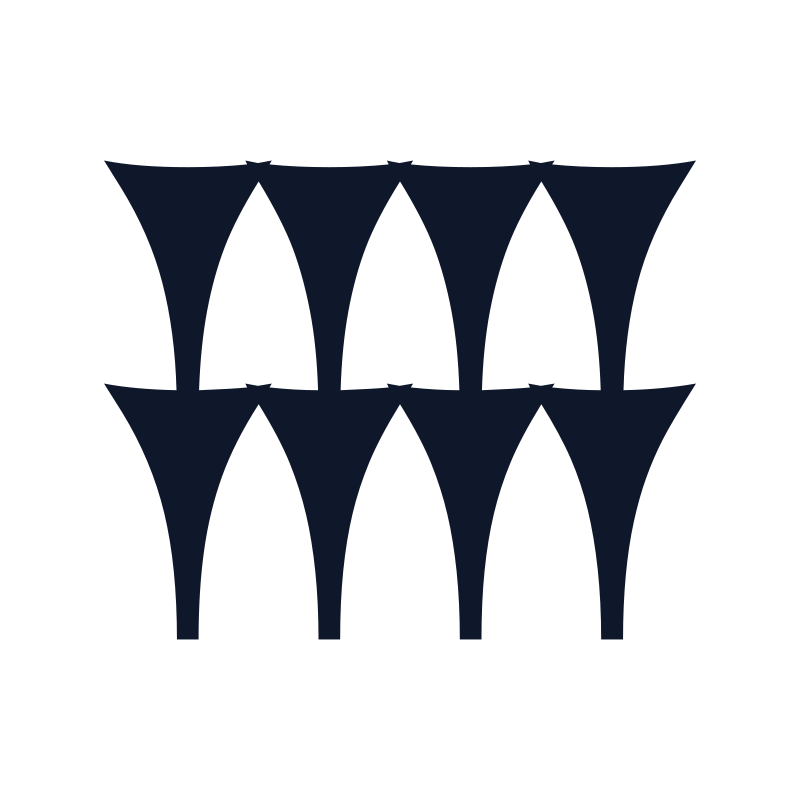 8GESH2 · U+1241C
𒐜
eight sixties, four hundred eighty
CUNEIFORM NUMERIC SIGN EIGHT GESH2 (𒐜), transliterated as 8(GEŠ₂) or 8(DIŠ), groups eight vertical wedges in tiered rows. In sexagesimal mathematics and accounting, it stands for the number 8 (Sumerian ussu) as well as 8 × 60 = 480 (eight sixties, geš₂-ussu).
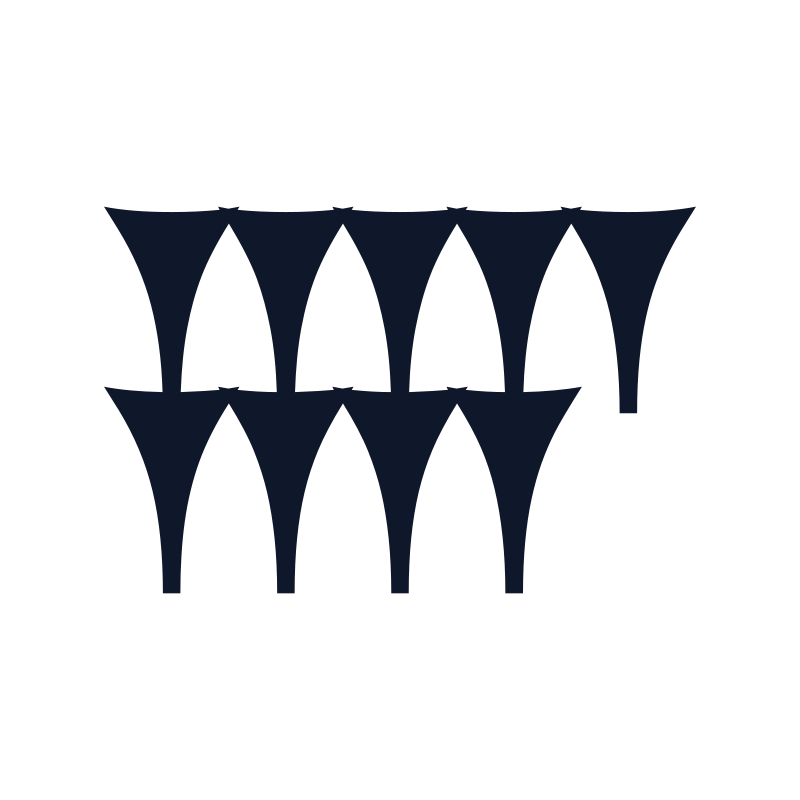 9GESH2 · U+1241D
𒐝
nine sixties, five hundred forty
CUNEIFORM NUMERIC SIGN NINE GESH2 (𒐝), transliterated as 9(GEŠ₂) or 9(DIŠ), arranges nine vertical wedges in a symmetrical three-by-three grid. In sexagesimal positional notation, it represents both the integer 9 (Sumerian ilimmu) and 9 × 60 = 540 (nine sixties, geš₂-ilimmu).
 2GESHU · U+1241F
𒐟
twelve hundred, two six-hundreds
CUNEIFORM NUMERIC SIGN TWO GESHU (𒐟), transliterated as 2(GEŠʾU), doubles the GEŠʾU (𒐞, 60 × 10 = 600) unit to represent 1,200 (Sumerian gešʾu-min, Akkadian šina nēru). It was used in large-scale Ur III and Old Babylonian administrative accounts to record flocks, bricks, and grain.
 3GESHU · U+12420
𒐠
eighteen hundred, half shar
CUNEIFORM NUMERIC SIGN THREE GESHU (𒐠), transliterated as 3(GEŠʾU), triples the GEŠʾU (600) unit to represent 1,800 (Sumerian gešʾu-eš₅)—exact half of a ŠAR₂ (3,600). It frequently appears in institutional tallies of reed bundles, bricks, and troop levies.
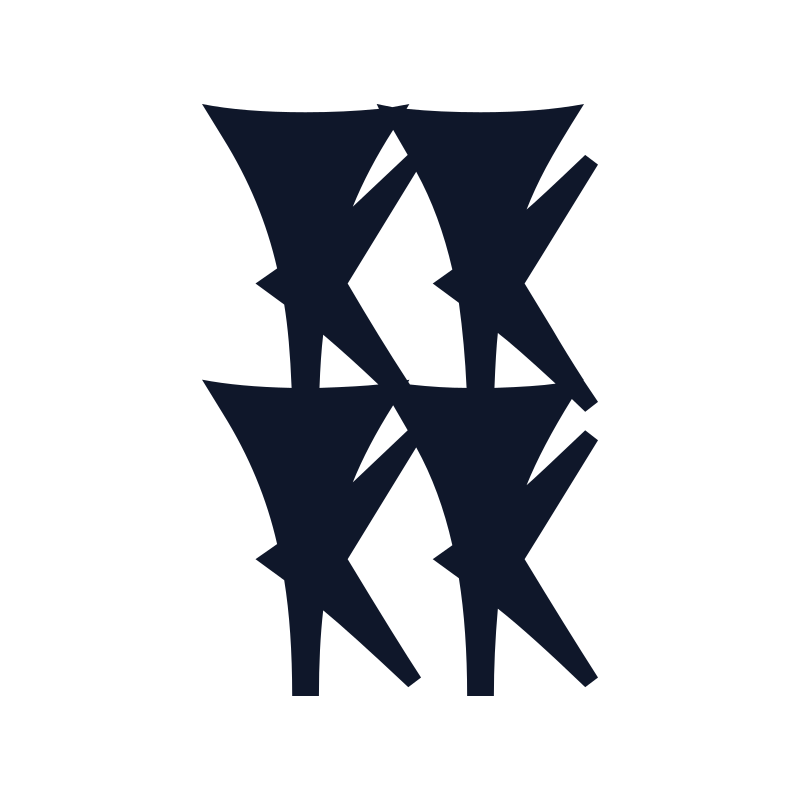 4GESHU · U+12421
𒐡
two thousand four hundred, 2400
CUNEIFORM NUMERIC SIGN FOUR GESHU (𒐡), transliterated as 4(GEŠʾU), combines four GEŠʾU (600) units to represent 2,400 (Sumerian gešʾu-limmu), or two-thirds of a ŠAR₂ (3,600). It was used in Mesopotamian state archives to record large quantities of grain, wool, and livestock.
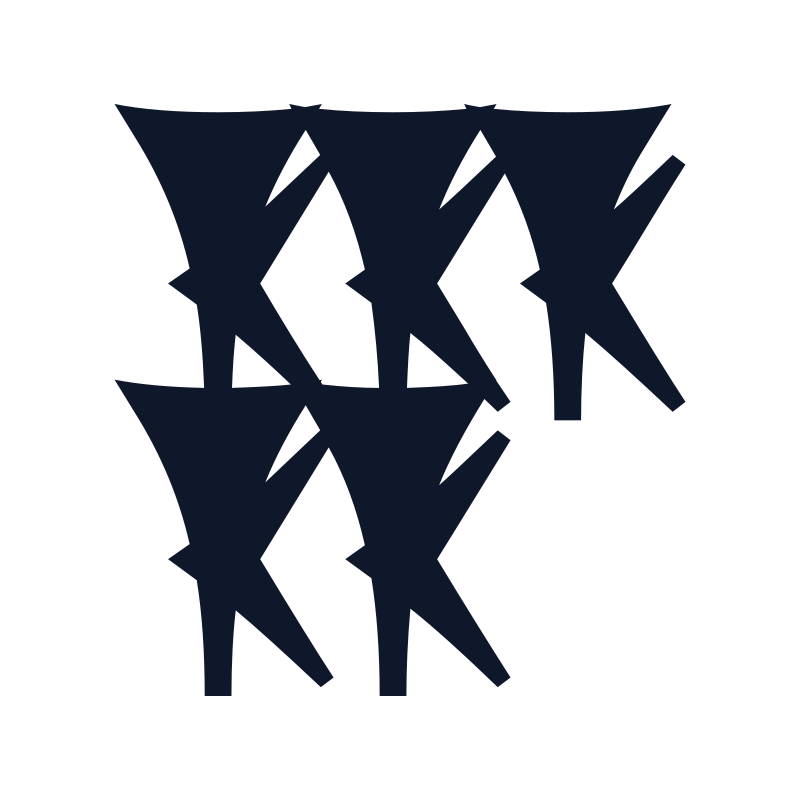 5GESHU · U+12422
𒐢
three thousand, five six-hundreds
CUNEIFORM NUMERIC SIGN FIVE GESHU (𒐢), transliterated as 5(GEŠʾU), groups five GEŠʾU (600) units to represent 3,000 (Sumerian gešʾu-ia₂). It is the highest multiple of 600 before six GEŠʾU coalesce into a single ŠAR₂ (𒊹, 3,600) in the sexagesimal hierarchy.
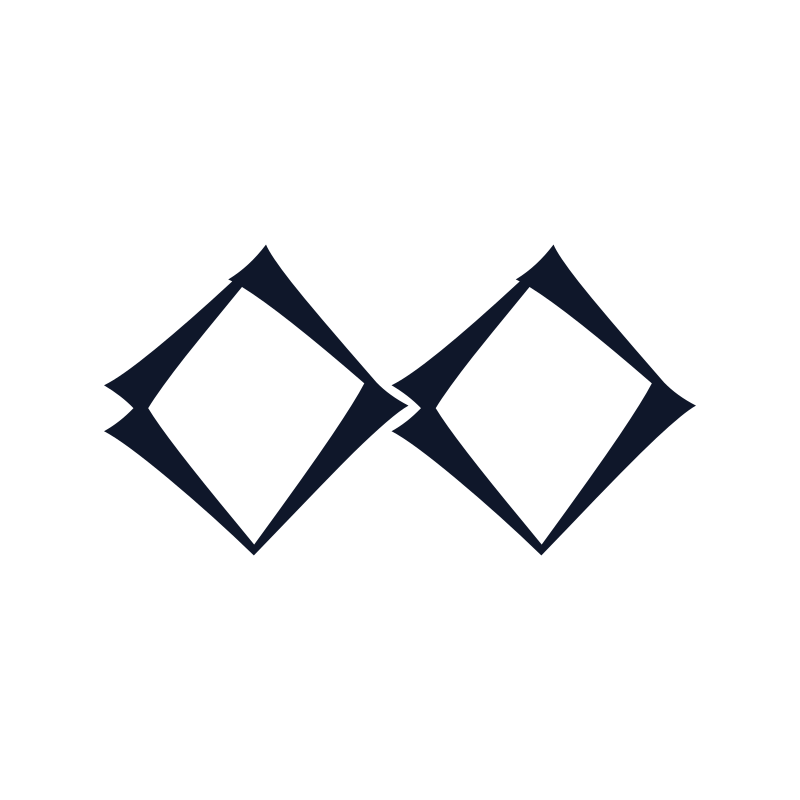 2SHAR2 · U+12423
𒐣
seven thousand two hundred, 7200
CUNEIFORM NUMERIC SIGN TWO SHAR2 (𒐣), transliterated as 2(ŠAR₂), pairs two ŠAR₂ (𒊹, 60² = 3,600) lozenges to represent 7,200 (Sumerian šar₂-min, Akkadian šina šār). In land-area metrology, where 1(šar₂) equals 10 bur₃ (~64.8 hectares), 2(šar₂) records 20 bur₃ (~129.6 hectares) of temple estate land.
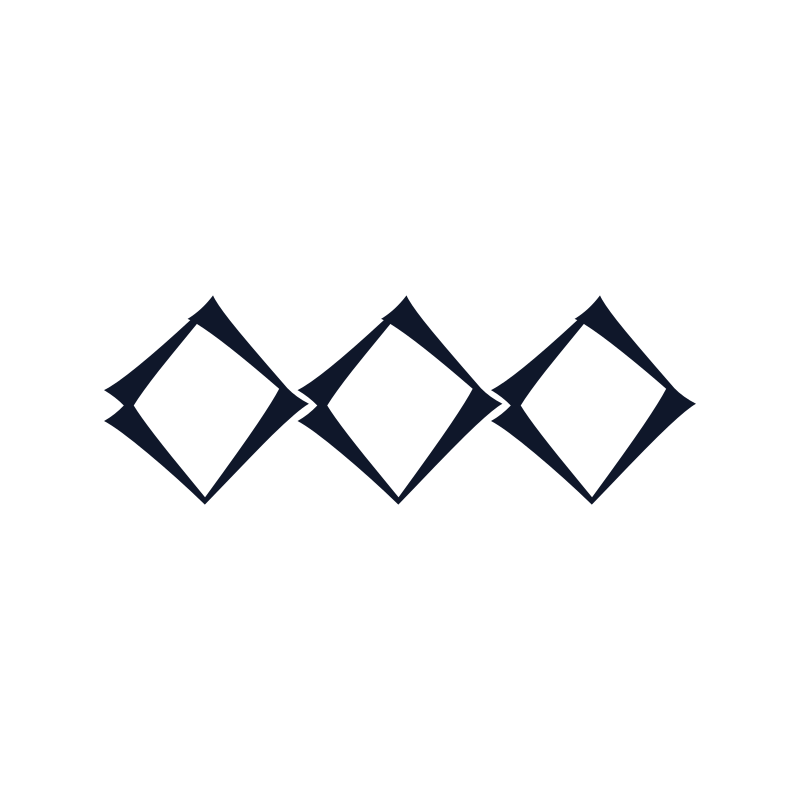 3SHAR2 · U+12424
𒐤
ten thousand eight hundred, 10800
CUNEIFORM NUMERIC SIGN THREE SHAR2 (𒐤), transliterated as 3(ŠAR₂), aligns three ŠAR₂ (𒊹, 3,600) units to represent 10,800 (3 × 3,600, Sumerian šar₂-eš₅). In agricultural cadastral surveys, it also denotes 30 bur₃ (~194.4 hectares) of cultivated land.
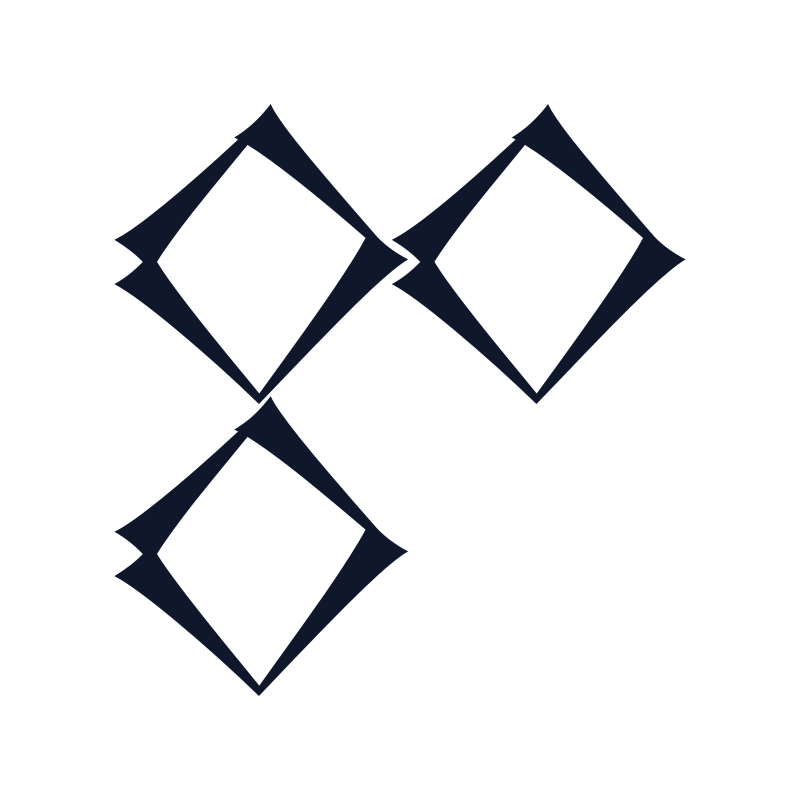 3SHAR2 · U+12425
𒐥
ten thousand eight hundred, 10800
CUNEIFORM NUMERIC SIGN THREE SHAR2 VARIANT FORM (𒐥) is a compact clustered paleographic variant of 3(ŠAR₂) (𒐤), arranging three ŠAR₂ (3,600) lozenges to save horizontal column space on narrow accounting columns while still representing 10,800 (or 30 bur₃ of land).
 4SHAR2 · U+12426
𒐦
fourteen thousand four hundred
CUNEIFORM NUMERIC SIGN FOUR SHAR2 (𒐦), transliterated as 4(ŠAR₂), groups four ŠAR₂ (𒊹, 3,600) units to represent 14,400 (4 × 3,600, Sumerian šar₂-limmu). In Mesopotamian land records, it also records 40 bur₃ (~259.2 hectares) of agricultural territory.
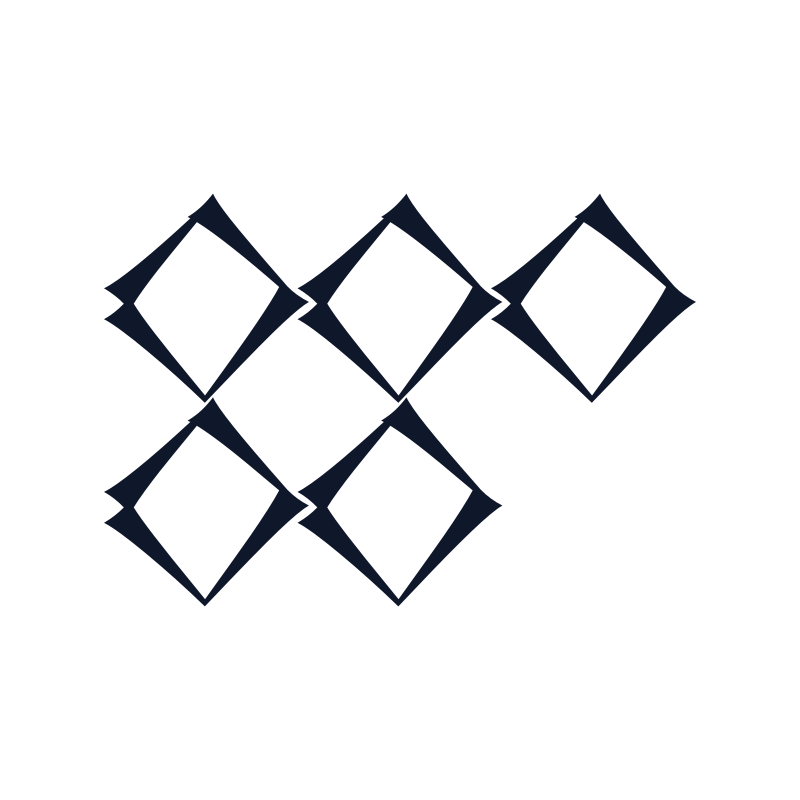 5SHAR2 · U+12427
𒐧
eighteen thousand, five shar
CUNEIFORM NUMERIC SIGN FIVE SHAR2 (𒐧), transliterated as 5(ŠAR₂), combines five ŠAR₂ (𒊹, 3,600) units to represent 18,000 (5 × 3,600, Sumerian šar₂-ia₂)—half of a ŠARʾU (36,000). In cadastral tablets, it denotes 50 bur₃ (~324 hectares) of estate land.
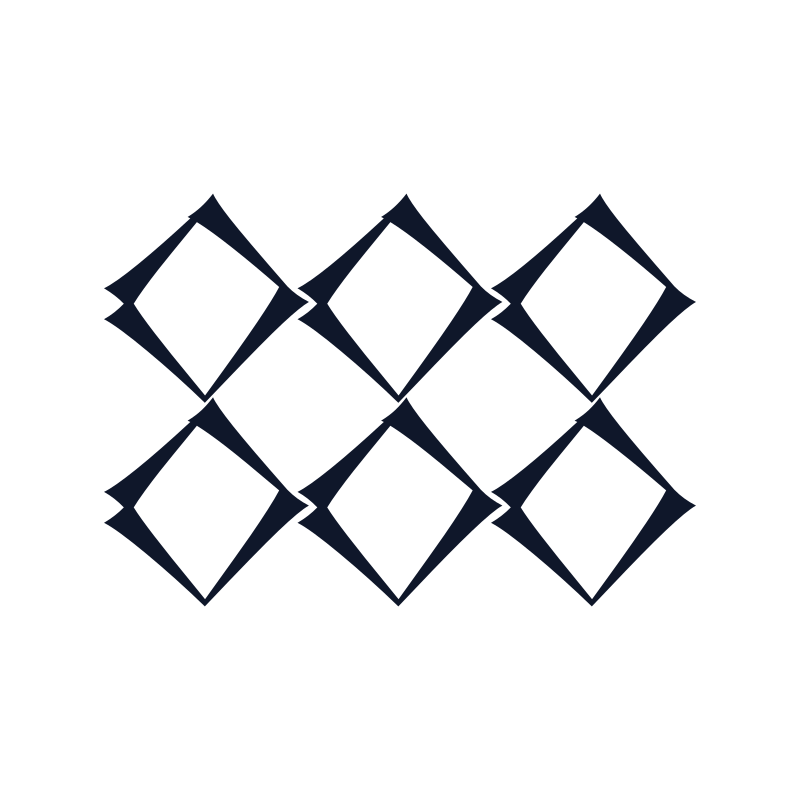 NUM SIX SHAR2 · U+12428
𒐨
number 21,600
Cuneiform numeric ligature 6(ŠAR₂) representing six times 3,600, equal to 21,600 in the Sumerian sexagesimal counting system. It was used in Ur III state grain ledgers, vast textile workshops, and brick-counting summaries. In mathematical tables it marked high-order multiples of šār.
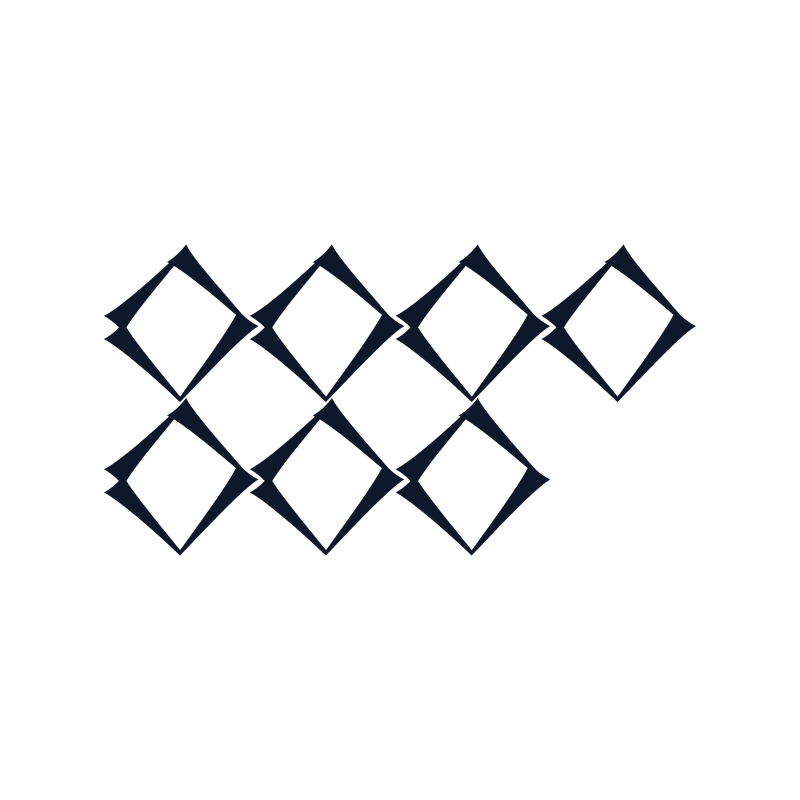 NUM SEVEN SHAR2 · U+12429
𒐩
number 25,200
Cuneiform numeric ligature 7(ŠAR₂) representing seven times 3,600, equal to 25,200 in the Mesopotamian sexagesimal system. It occurs in provincial harvest totals, large labor-day calculations, and livestock censuses. Scribes formed it by grouping seven ŠAR₂ impressions or wedges.
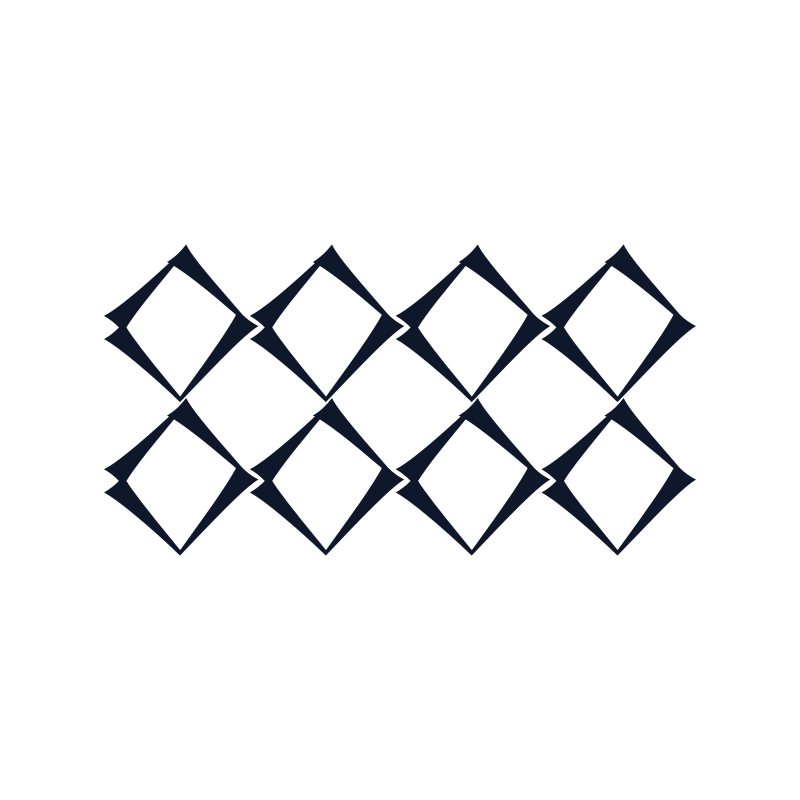 NUM EIGHT SHAR2 · U+1242A
𒐪
number 28,800
Cuneiform numeric ligature 8(ŠAR₂) representing eight times 3,600, equal to 28,800 in Sumerian sexagesimal notation. It is attested in royal reign lengths of the Sumerian King List (such as Dumuzid's 8 šār years) and in monumental state accounting tablets. It combines eight large circular or rhomboid ŠAR₂ units.
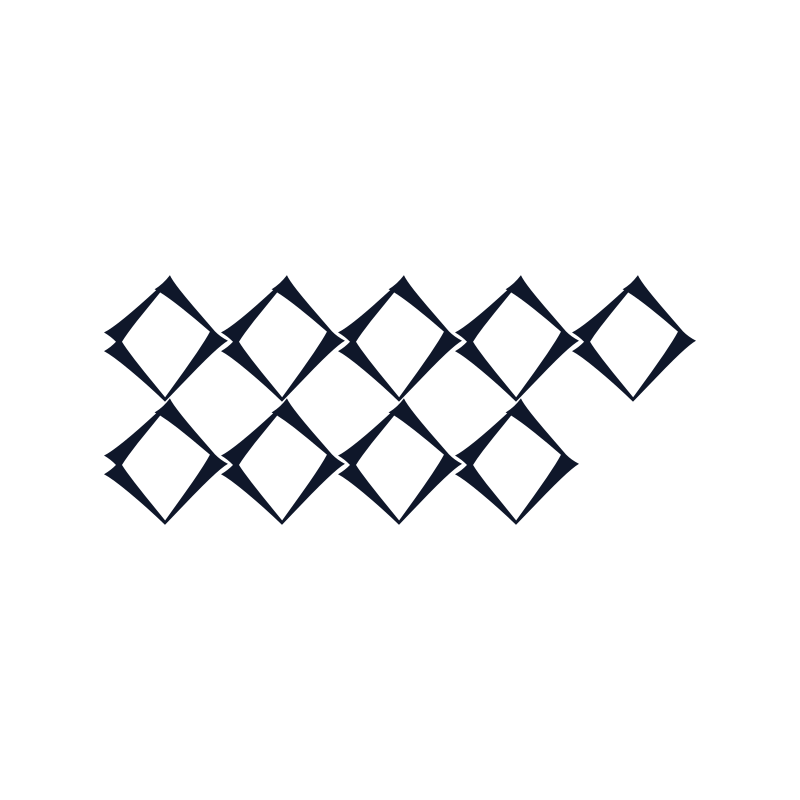 NUM NINE SHAR2 · U+1242B
𒐫
number 32,400
Cuneiform numeric ligature 9(ŠAR₂) representing nine times 3,600, equal to 32,400, the highest single multiple of ŠAR₂ before reaching ŠAR'U (36,000). It was used in imperial grain storage summaries, reed bundle counts, and metrological conversion tables. Nine ŠAR₂ elements are arranged in three balanced tiers.
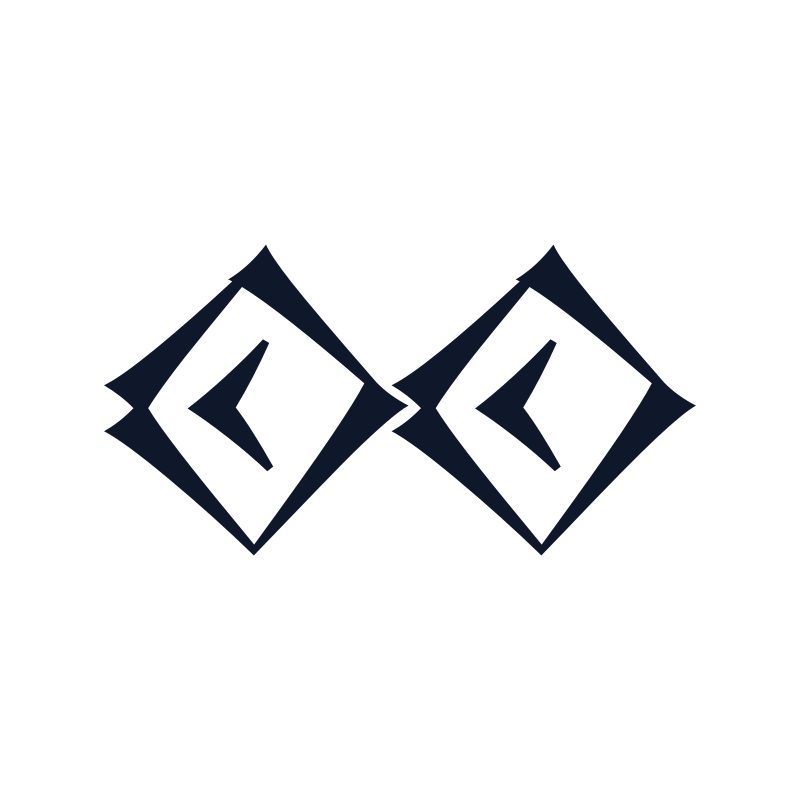 NUM TWO SHARU · U+1242D
𒐭
number 72,000
Cuneiform numeric ligature 2(ŠARʾU) representing two times 36,000, equal to 72,000 in the Sumerian sexagesimal system. It appears in the antediluvian sections of the Sumerian King List and in massive multi-year state barley and bitumen accounts. Graphically it combines ŠAR₂ motifs with internal ten-markers (U).
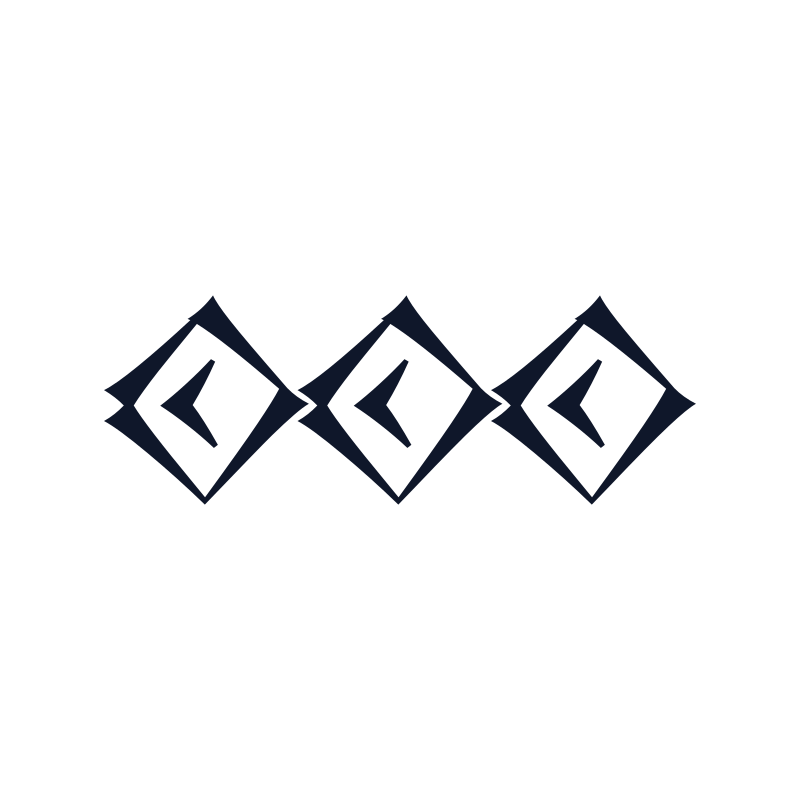 NUM THREE SHARU · U+1242E
𒐮
number 108,000
Cuneiform numeric ligature 3(ŠARʾU) representing three times 36,000, equal to 108,000 in the Mesopotamian sexagesimal system. It was used to record extraordinary quantities of bricks for ziggurat construction, vast reed harvests, and mythical royal reigns. It represents half of a ŠARGAL (216,000).
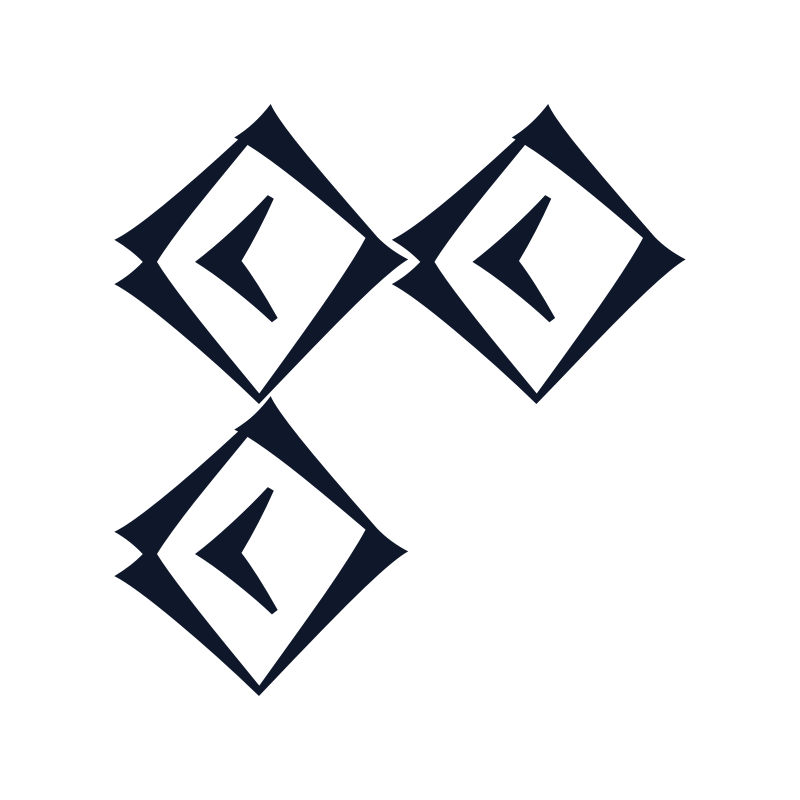 NUM THREE SHARU VARIANT FORM · U+1242F
𒐯
number 108,000 variant
Alternative palaeographic variant of the cuneiform numeric sign 3(ŠARʾU), denoting 108,000 (3 × 36,000). Instead of three separate ŠARʾU frames, this scribal form encloses three ten-wedges (30) inside or alongside the ŠAR₂ frame (30 × 3,600). It is attested in Old Babylonian mathematical and metrological school texts.
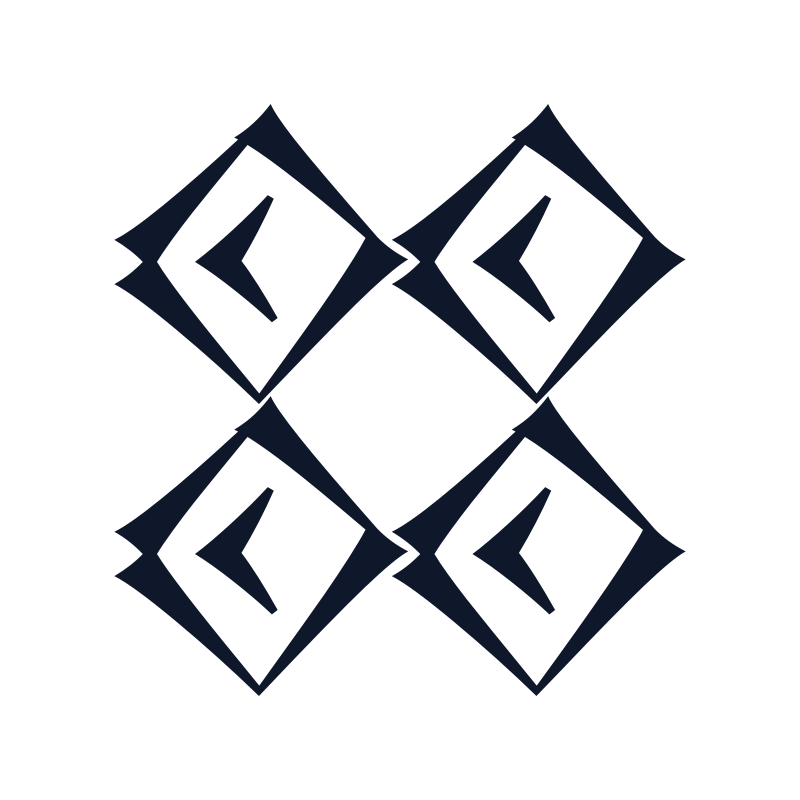 NUM FOUR SHARU · U+12430
𒐰
number 144,000
Cuneiform numeric ligature 4(ŠARʾU) representing four times 36,000, equal to 144,000 in the Sumerian sexagesimal counting system (40 × 3,600). It was employed in high-level administrative summaries of royal estates, large-scale earthworks, and higher sexagesimal multiplication tables. It reflects the power of base-60 arithmetic to express vast magnitudes concisely.
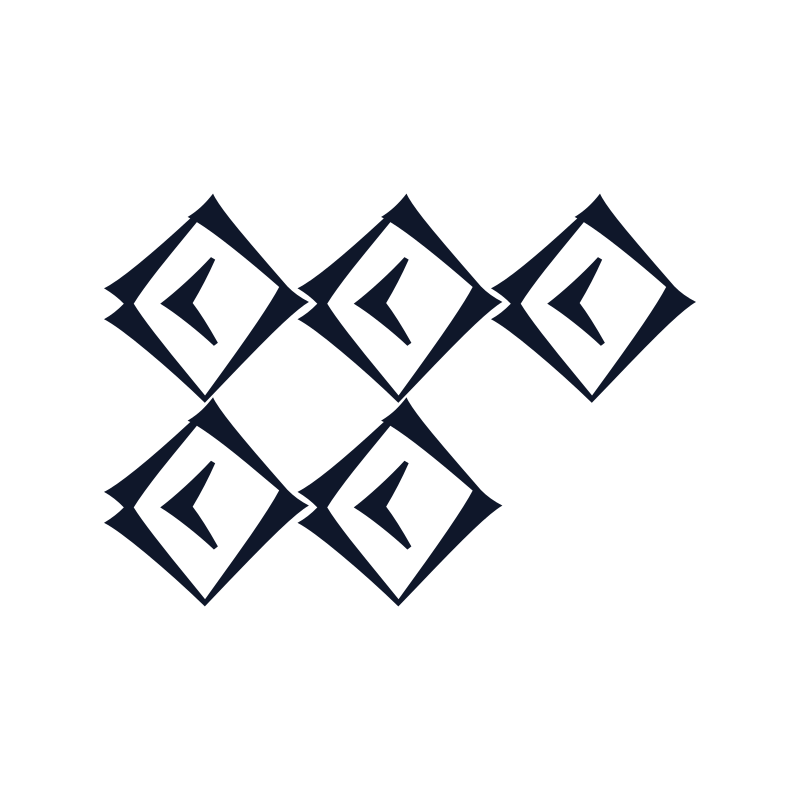 NUM FIVE SHARU · U+12431
𒐱
number 180,000
Cuneiform numeric ligature 5(ŠARʾU) representing five times 36,000, equal to 180,000 (50 × 3,600), the final multiple of ŠARʾU before the mega-unit ŠARGAL (216,000). It appears in metrological series and colossal state grain or brick tallies from the Ur III and Old Babylonian periods. Five ten-units are integrated with the ŠAR₂ sign.
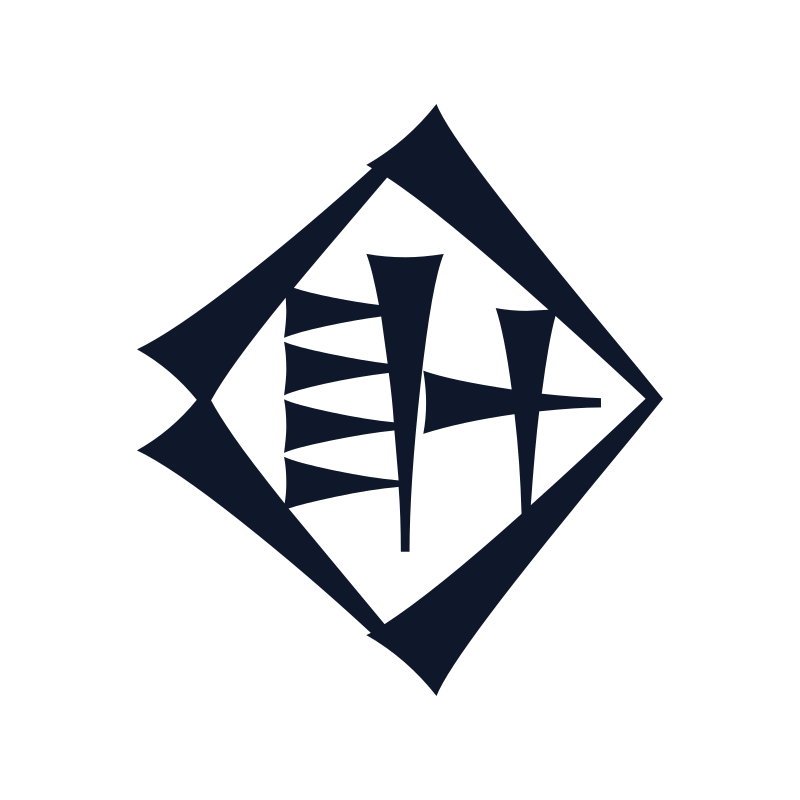 NUM SHAR2 TIMES GAL PLUS DISH · U+12432
𒐲
number 216,000
Compound cuneiform numeric sign ŠAR₂×GAL+DIŠ (Sumerian šār-gal, 'great šār'), representing 60 cubed (60³ = 216,000) in the sexagesimal system. By inscribing GAL ('great') inside ŠAR₂ (3,600) and adding a unit wedge DIŠ, scribes denoted one unit of 216,000. It was used in supreme imperial accounts and mathematical exponent tables.
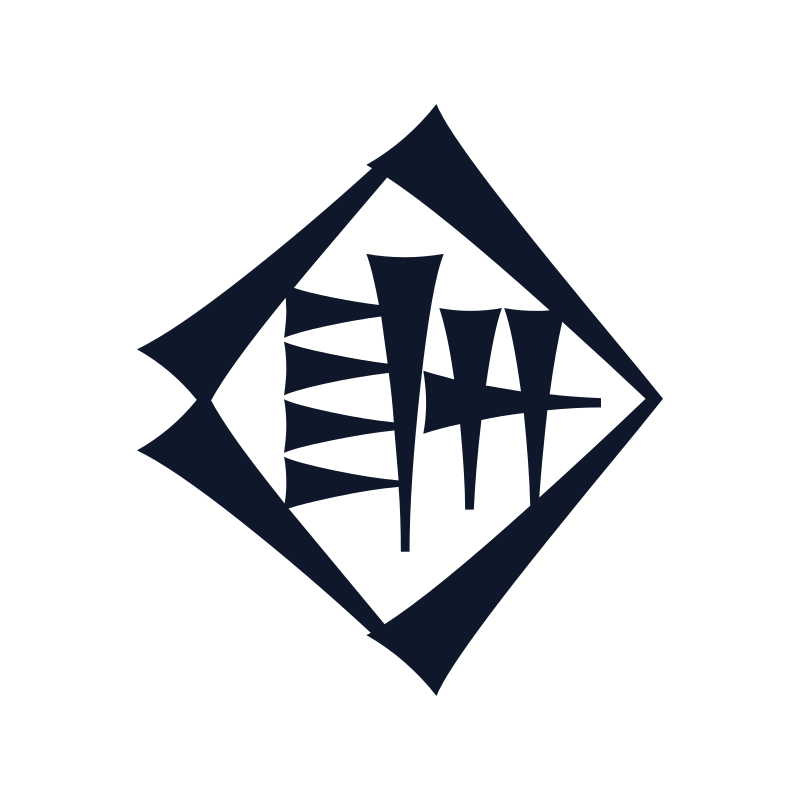 NUM SHAR2 TIMES GAL PLUS MIN · U+12433
𒐳
number 432,000
Compound cuneiform numeric sign ŠAR₂×GAL+MIN representing two units of šār-gal (2 × 216,000), equal to 432,000 in the Sumerian sexagesimal system. It combines ŠAR₂ inscribed with GAL ('great') and the numeral MIN ('two'). In Mesopotamian chronology and metrological lists, 432,000 is famous as a cosmic and royal cycle total.
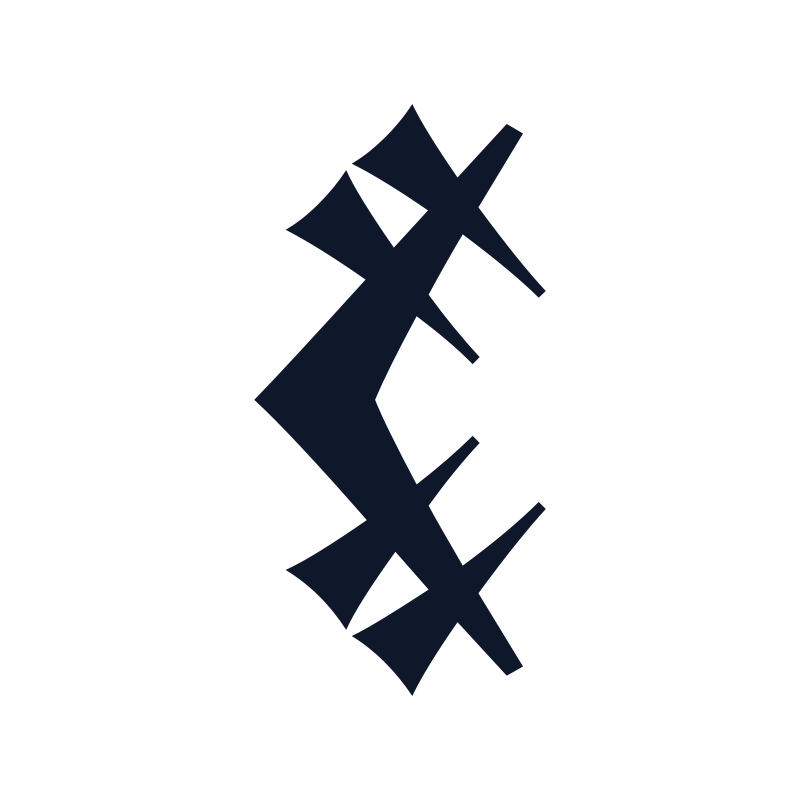 NUM ONE BURU · U+12434
𒐴
one bur'u area
Cuneiform metrological sign 1(BURʾU) (Sumerian bur'u), representing ten bùr of agricultural land, equivalent to 180 iku or approximately 64.8 hectares. It was a primary unit in Sumerian and Babylonian cadastral surveys for measuring temple estates and royal domain fields. Graphically it is formed by an oblique or circular impression distinguishing ten bùr from standard sexagesimal tens.
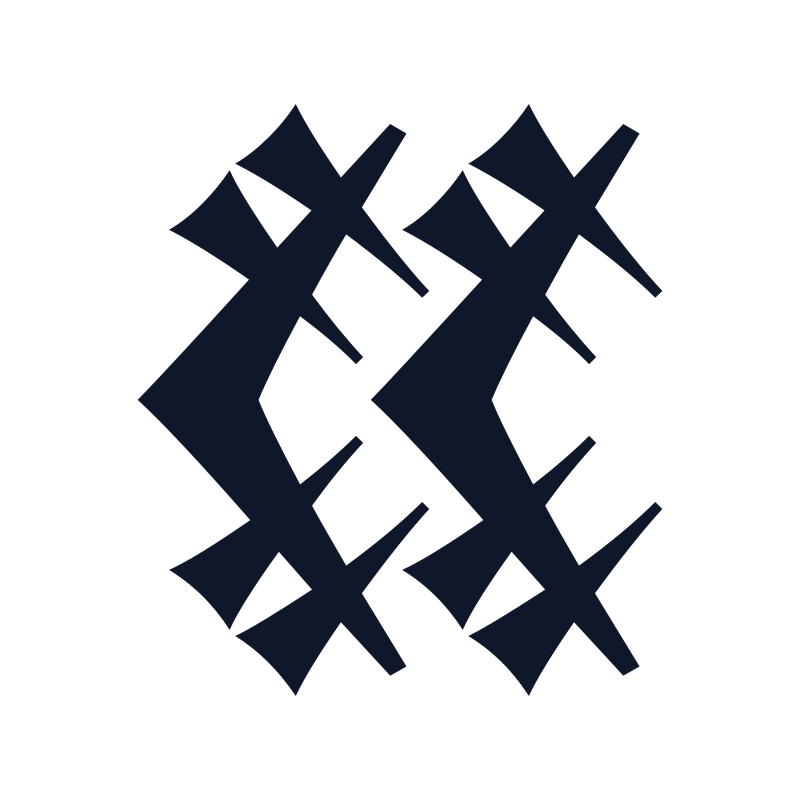 NUM TWO BURU · U+12435
𒐵
two bur'u area
Cuneiform metrological sign 2(BURʾU) representing two bur'u (20 bùr or 360 iku, roughly 129.6 hectares) of land area. It appears frequently in Ur III field plans, seed-grain allocation tablets, and kudurru boundary stones. Scribes wrote it by pairing two BURʾU impressions.
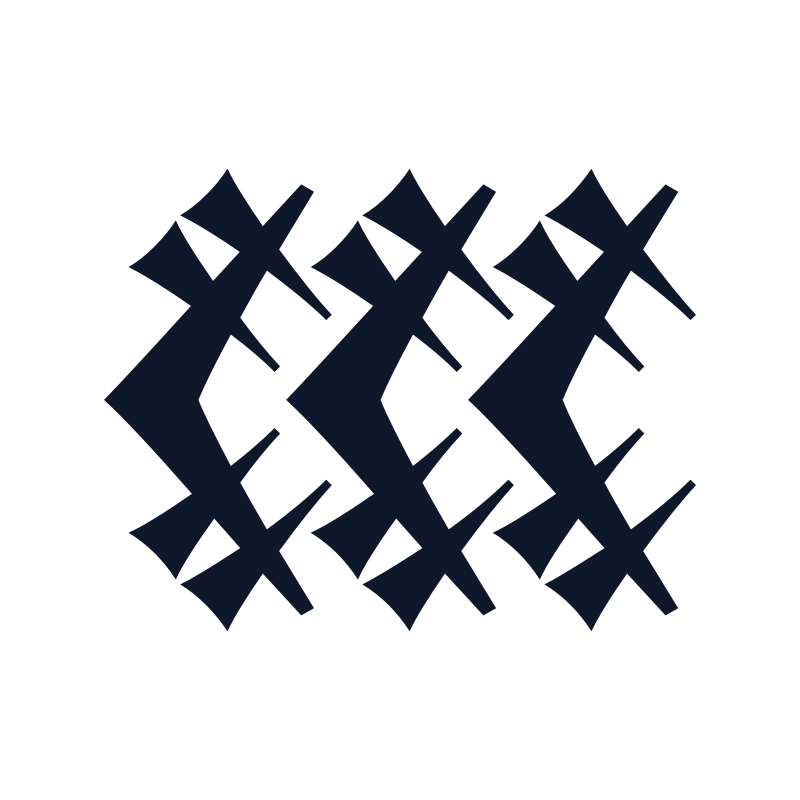 NUM THREE BURU · U+12436
𒐶
three bur'u area
Cuneiform metrological sign 3(BURʾU) representing three bur'u (30 bùr or half a šār of land, roughly 194.4 hectares). In the Sumerian land-measurement system, 30 bùr was half of the higher unit šār (60 bùr). It was used in provincial agricultural ledgers and irrigation district surveys.
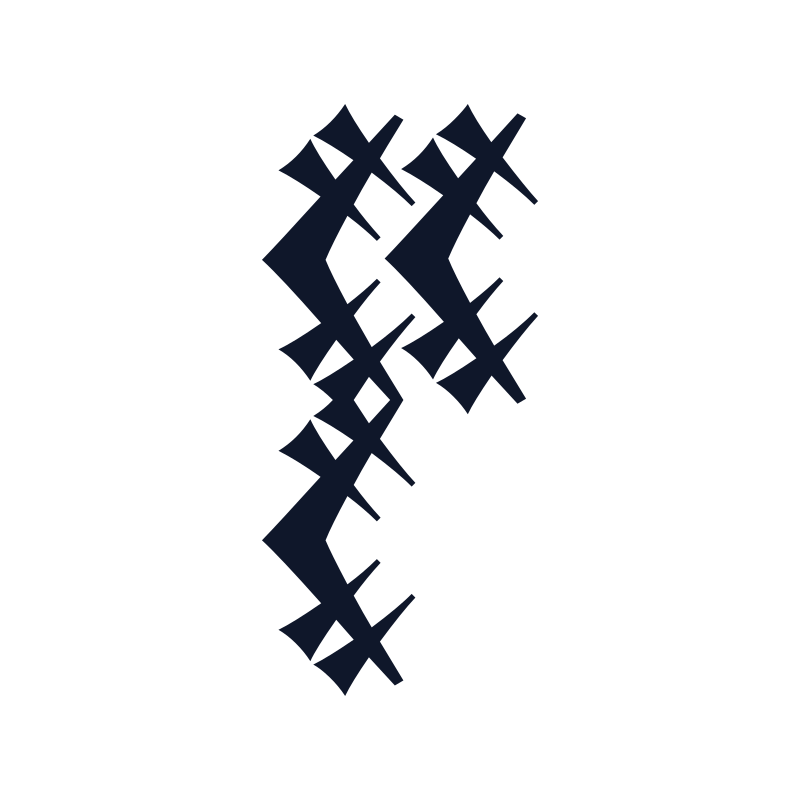 NUM THREE BURU VARIANT FORM · U+12437
𒐷
three bur'u variant
Palaeographic variant of the cuneiform land-area numeral 3(BURʾU), denoting 30 bùr (approximately 194.4 hectares). Instead of a linear row, the three oblique BURʾU impressions are arranged in a compact cluster. It occurs in regional cadastral tablets and metrological school exercises.
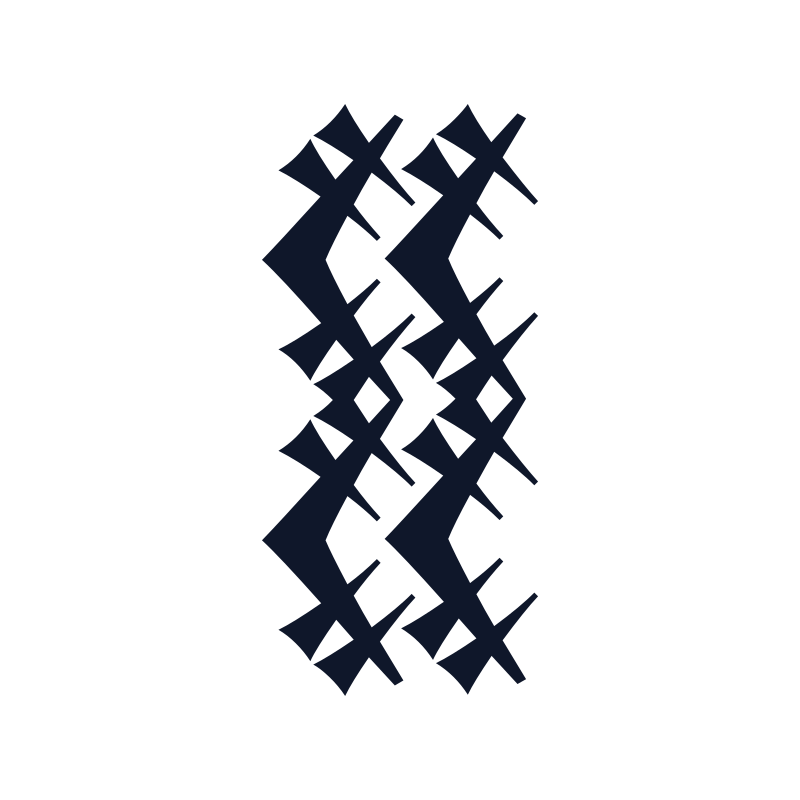 NUM FOUR BURU · U+12438
𒐸
four bur'u area
Cuneiform metrological sign 4(BURʾU) representing four bur'u (40 bùr or 720 iku, roughly 259.2 hectares) of agricultural land. It was used in institutional land registries to record the total surface of large temple demesnes and governor estates. Four oblique BURʾU wedges are arranged in two tiers.
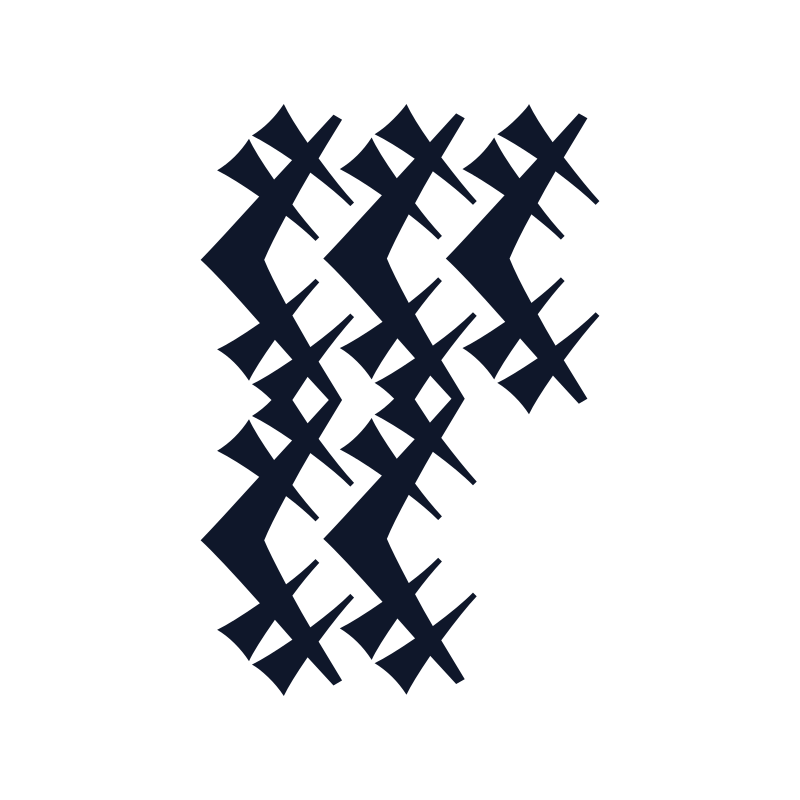 NUM FIVE BURU · U+12439
𒐹
five bur'u area
Cuneiform metrological sign 5(BURʾU) representing five bur'u (50 bùr or 900 iku, approximately 324 hectares), the highest multiple of bur'u before one šār of land (60 bùr). It appears in comprehensive cadastral summaries of Lagash and Umma and in Old Babylonian metrological tables. Five oblique BURʾU wedges are grouped in two rows.
 NUM THREE VARIANT FORM ESH16 · U+1243A
𒐺
number 3 variant
Cuneiform numeric variant sign EŠ₁₆ representing the number 3 (Sumerian eš₅). Unlike the standard row of three parallel vertical wedges (𒐈), this form stacks or groups three wedges vertically/compactly, often used in compound signs, capacity measures, or early dynastic orthography.
 NUM THREE VARIANT FORM ESH21 · U+1243B
𒐻
number 3 variant
Cuneiform numeric variant sign EŠ₂₁ representing the number 3 in specialized metrological and lexical contexts. It arranges three wedges in a stepped or triangular cluster rather than a single horizontal line. Scribes used it in regional administrative traditions and syllabaries.
 NUM FOUR VARIANT FORM LIMMU · U+1243C
𒐼
number 4 variant
Cuneiform numeric variant sign LIMMU representing the number 4 (Sumerian limmu; Akkadian erbettu). Instead of the standard two-tier arrangement of three wedges over one, this variant aligns four parallel vertical wedges in a single row or specialized grouping. It is attested in monumental inscriptions and lexical lists.
 NUM FOUR VARIANT FORM LIMMU4 · U+1243D
𒐽
number 4 variant
Cuneiform numeric variant sign LIMMU₄ representing the number 4 (Sumerian limmu₄). This palaeographic form arranges four wedges in two balanced pairs (2+2) rather than 3+1. It was widely used in Old Babylonian and Neo-Assyrian tablets for rapid visual recognition of the numeral four.
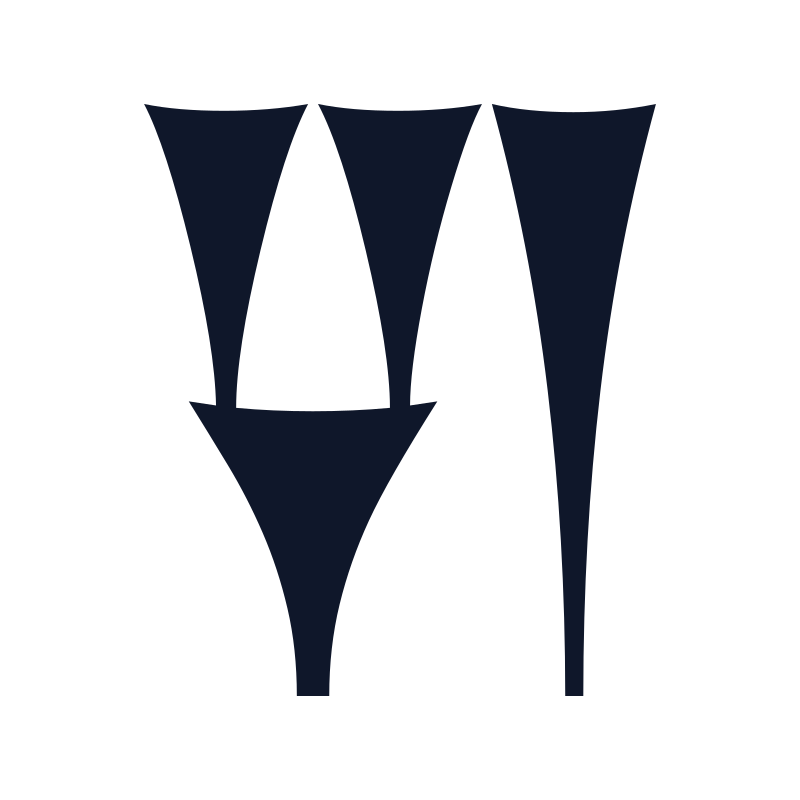 NUM FOUR VARIANT FORM LIMMU A · U+1243E
𒐾
number 4 form A
Cuneiform numeric variant LIMMU (Form A) representing the number 4 in specialized archaic and lexical traditions. It groups four strokes in a stepped or asymmetrical configuration distinct from standard administrative numerals. It is attested in early dynastic sign lists and metrological texts.
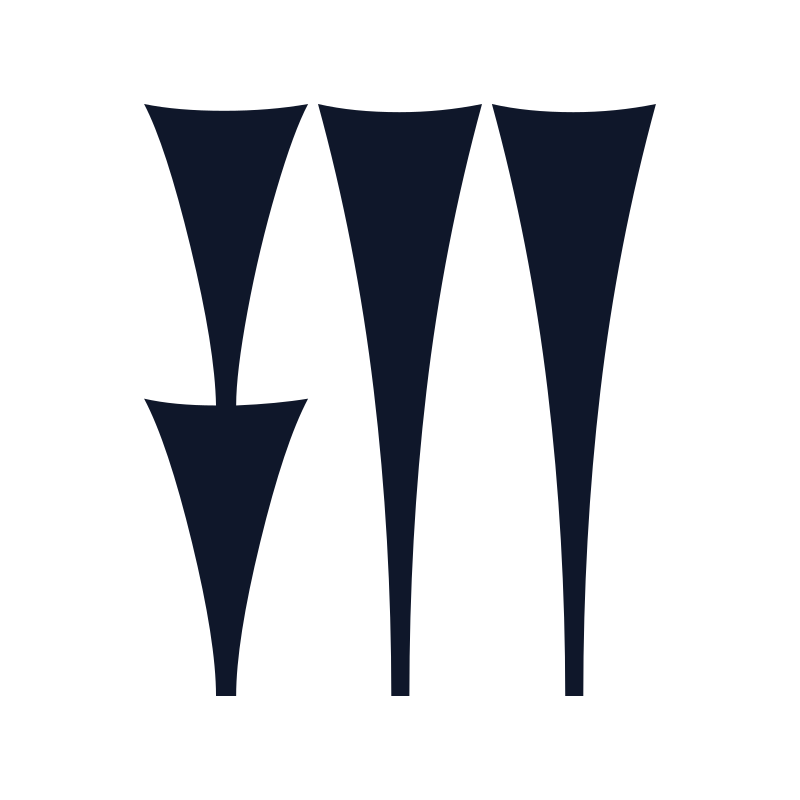 NUM FOUR VARIANT FORM LIMMU B · U+1243F
𒐿
number 4 form B
Cuneiform numeric variant LIMMU (Form B) representing the number 4 in cuneiform paleography. It features four wedges arranged with one upper wedge over three lower wedges (1+3) or in a compact vertical stack. It occurs in regional scribal schools and monumental inscriptions.
 NUM SIX VARIANT FORM ASH9 · U+12440
𒑀
number 6 variant
Cuneiform numeric variant sign AŠ₉ representing the number 6 (Sumerian āš; Akkadian šeššet). Instead of two horizontal tiers of three vertical wedges (3+3), this form arranges the six wedges vertically or in three pairs (2+2+2). It appears in capacity notations, lexical lists, and monumental texts.
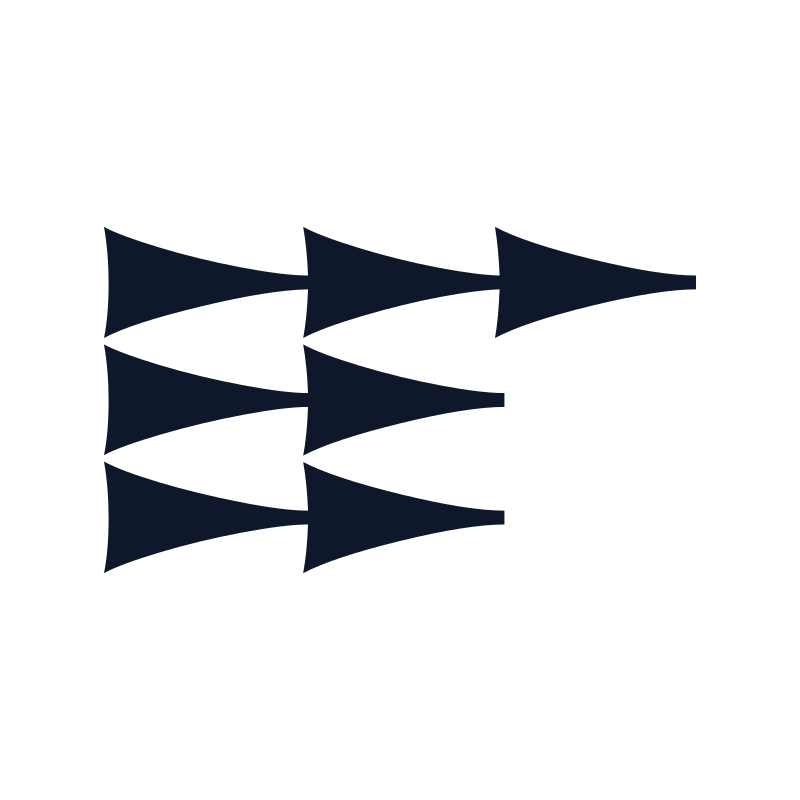 NUM SEVEN VARIANT FORM IMIN3 · U+12441
𒑁
number 7 variant
Cuneiform numeric variant sign IMIN₃ representing the sacred Mesopotamian number 7 (Sumerian imin; Akkadian sebet). It arranges seven wedges in a specialized vertical or paired pattern distinct from the standard 3+3+1 three-tier layout. It is attested in omen compendia, lexical lists, and astrological tablets.
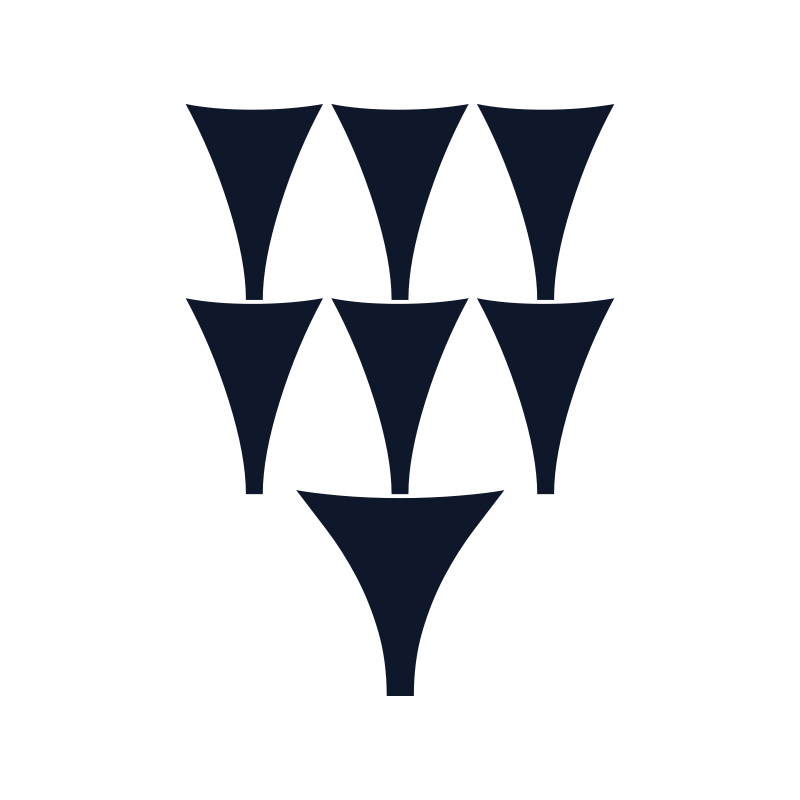 NUM SEVEN VARIANT FORM IMIN A · U+12442
𒑂
number 7 form A
Cuneiform numeric variant IMIN (Form A) representing the number 7 in palaeographic and metrological texts. It groups seven wedges into two rows (4 over 3) instead of three rows (3+3+1), saving vertical line space on densely inscribed clay tablets.
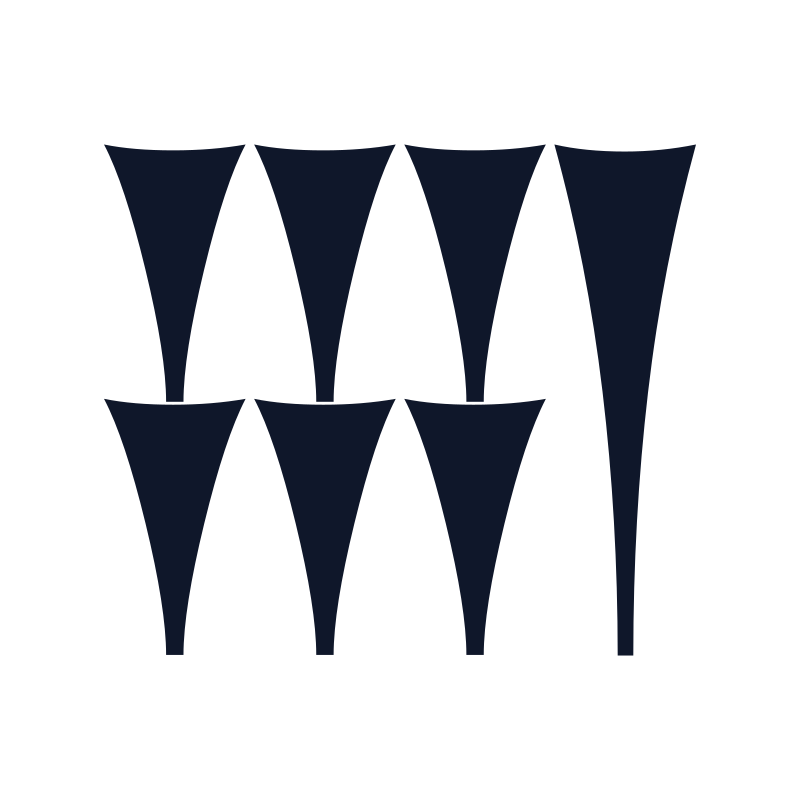 NUM SEVEN VARIANT FORM IMIN B · U+12443
𒑃
number 7 form B
Cuneiform numeric variant IMIN (Form B) representing the number 7 in cuneiform script. This variant arranges the seven wedges in an inverted or alternative two-row/stepped grouping (such as 3 over 4). It occurs in royal inscriptions, lexical syllabaries, and regional archives.
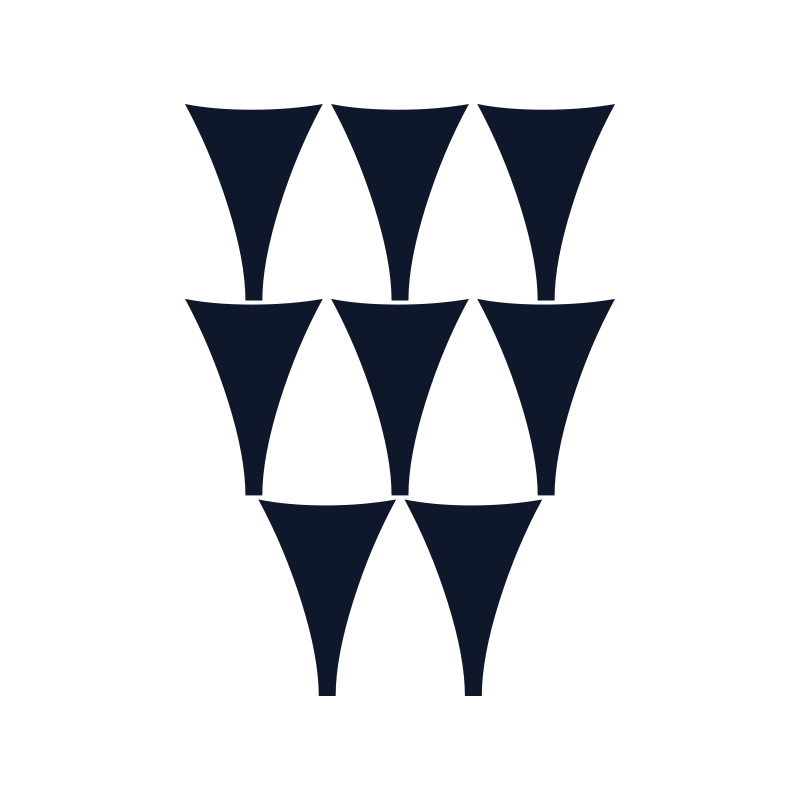 NUM EIGHT VARIANT FORM USSU · U+12444
𒑄
number 8 variant
Cuneiform numeric variant sign USSU representing the number 8 (Sumerian ussu; Akkadian samāne). Instead of the three-tier 3+3+2 arrangement, this two-tier form aligns four wedges over four wedges (4+4) for compact symmetry. It was widely used in Babylonian and Assyrian administrative and astronomical tablets.
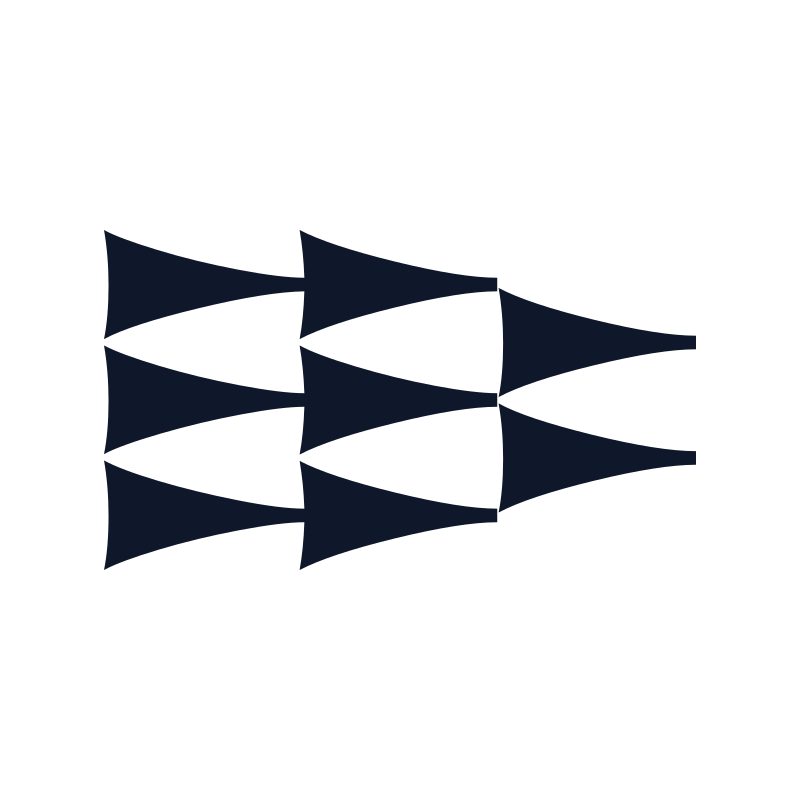 NUM EIGHT VARIANT FORM USSU3 · U+12445
𒑅
number 8 variant
Cuneiform numeric variant sign USSU₃ representing the number 8 (Sumerian ussu₃). This specialized palaeographic form stacks eight wedges in paired tiers (2+2+2+2) or elongated rows, occurring in lexical sign lists, metrological notations, and archaic inscriptions.
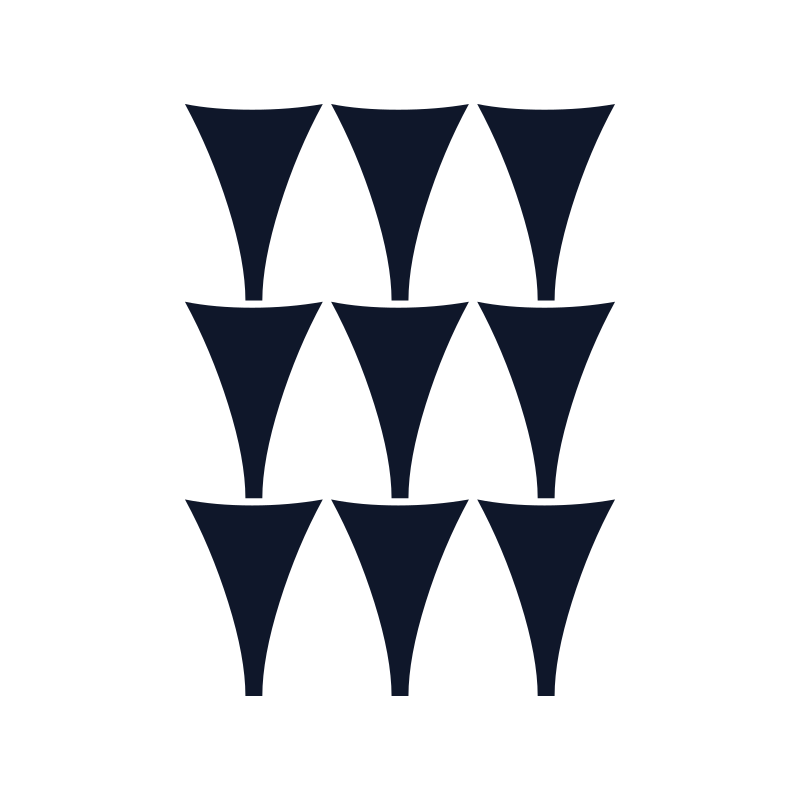 NUM NINE VARIANT FORM ILIMMU · U+12446
𒑆
number 9 variant
Cuneiform numeric variant sign ILIMMU representing the number 9 (Sumerian ilimmu; Akkadian tišīt). Instead of three horizontal rows of three vertical wedges (3+3+3), this variant arranges nine wedges in specialized columns or uneven rows. It is attested in Babylonian and Assyrian mathematical, astrological, and lexical tablets.
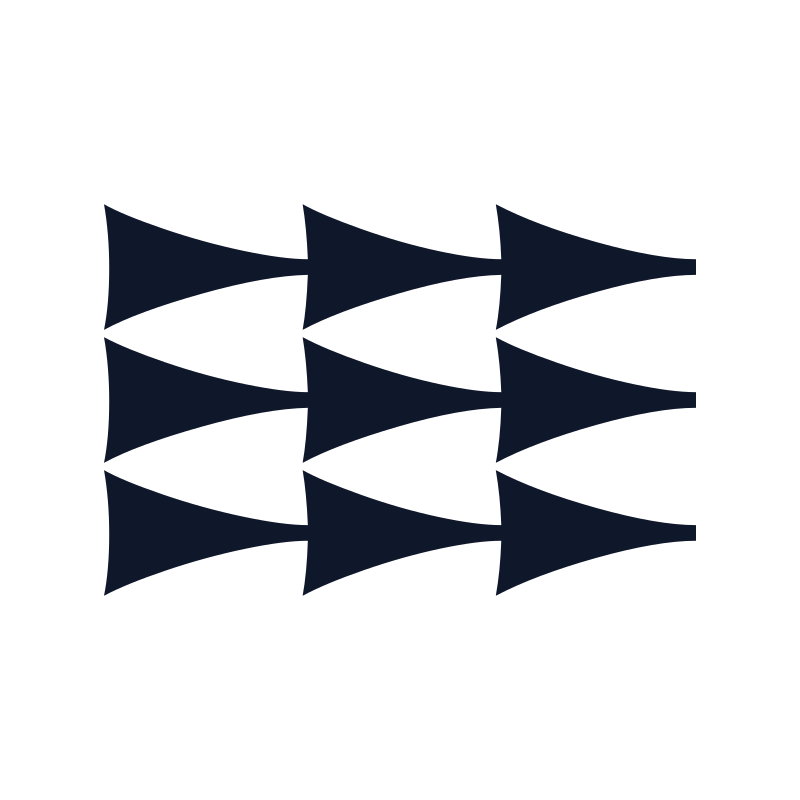 NUM NINE VARIANT FORM ILIMMU3 · U+12447
𒑇
number 9 variant
Cuneiform numeric variant sign ILIMMU₃ representing the number 9 (Sumerian ilimmu₃). This palaeographic form arranges nine wedges in specialized rows or stacked pairs rather than the standard 3×3 grid. It appears in lexical sign lists, metrological tables, and monumental inscriptions.
 NUM NINE VARIANT FORM ILIMMU4 · U+12448
𒑈
number 9 variant
Cuneiform numeric variant sign ILIMMU₄ representing the number 9 (Sumerian ilimmu₄). It groups nine wedges into two compact tiers (such as 5 over 4 or 4 over 5) to fit narrow tablet lines. It is attested in Old Babylonian and Neo-Assyrian administrative, astronomical, and lexical texts.
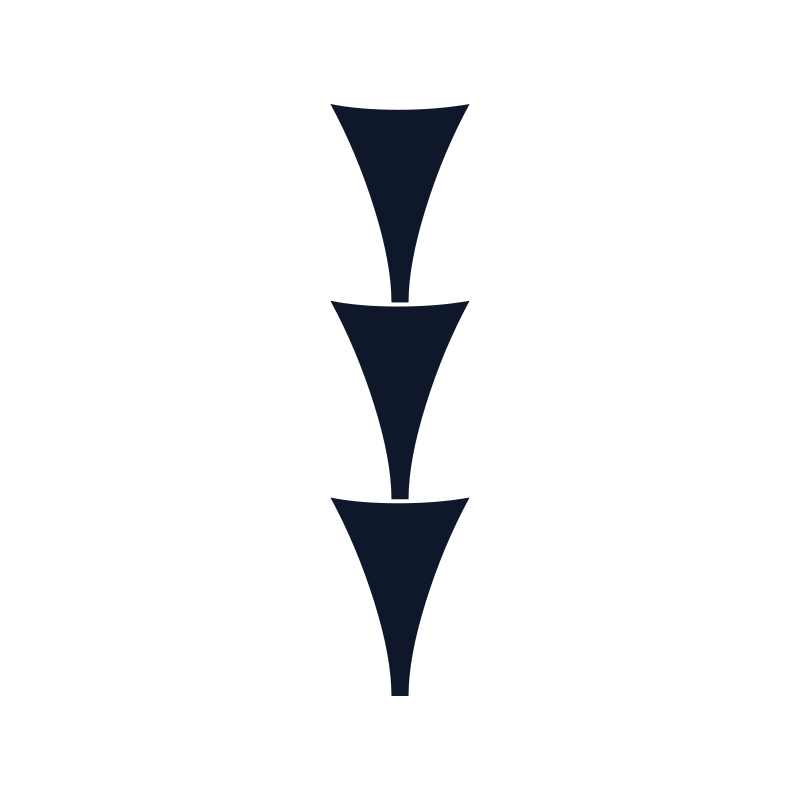 NUM NINE VARIANT FORM ILIMMU A · U+12449
𒑉
number 9 form A
Cuneiform numeric variant ILIMMU (Form A) representing the number 9 in specialized palaeographic and metrological contexts. It arranges the nine wedges in an asymmetrical stepped pattern recorded in ancient Mesopotamian sign lists and regional archives.
 NUM TWO ASH TENU · U+1244A
𒑊
oblique number 2
Cuneiform numeric sign 2(AŠ-tenû) consisting of two oblique (slanted) wedges. In Sumerian and Babylonian metrology, oblique AŠ-tenû numerals were used to distinguish specific capacity, area, or weight subdivisions (such as bùr or specialized rations) from ordinary vertical counting wedges.
 NUM THREE ASH TENU · U+1244B
𒑋
oblique number 3
Cuneiform numeric sign 3(AŠ-tenû) consisting of three oblique (slanted) wedges. It was used in Mesopotamian metrological and administrative tablets to record three units of land measure, fractional capacity, or specialized commodities without confusion with standard vertical or horizontal numerals.
 NUM FOUR ASH TENU · U+1244C
𒑌
oblique number 4
Cuneiform numeric sign 4(AŠ-tenû) consisting of four oblique (slanted) wedges. Scribes employed it in cadastral surveys, metrological tables, and ration lists to denote four oblique metrological units (such as 4 bur'u or specialized sub-units).
 NUM FIVE ASH TENU · U+1244D
𒑍
oblique number 5
Cuneiform numeric sign 5(AŠ-tenû) consisting of five oblique (slanted) wedges grouped in two rows. It served in Sumerian and Babylonian metrology to represent five units of an oblique measurement series, particularly in agricultural land surveys and school metrological lists.
 NUM SIX ASH TENU · U+1244E
𒑎
oblique number 6
Cuneiform numeric sign 6(AŠ-tenû) consisting of six oblique (slanted) wedges arranged in two tiers of three. In sexagesimal and metrological systems where six subunits formed the next higher unit, this sign marked the complete six-part step in the oblique notation series.
 NUM ONE BAN2 · U+1244F
𒑏
one ban₂ measure
Cuneiform metrological sign 1(BAN₂) (Sumerian bán; Akkadian sūtu, Hebrew se'ah), representing a dry or liquid capacity measure of 10 sila₃ (approximately 10 liters), or one-sixth of a bariga. Written as a single horizontal wedge crossed by a vertical or oblique stroke, it was one of the most common units in Mesopotamian barley rations, beer brewing, and seed calculations.
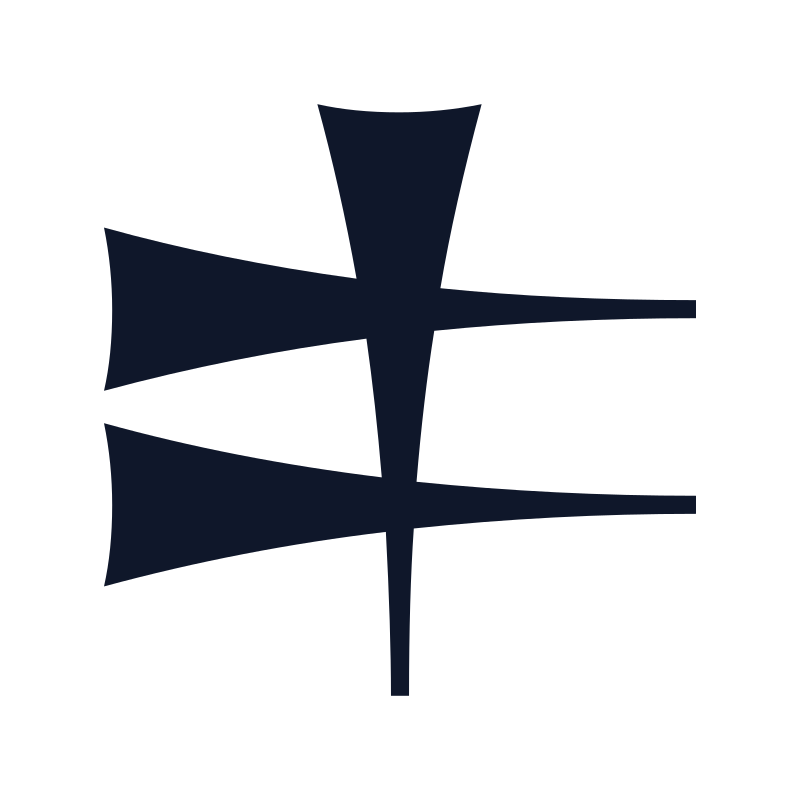 NUM TWO BAN2 · U+12450
𒑐
two ban₂ measure
Cuneiform metrological sign 2(BAN₂) representing two bán (20 sila₃, approximately 20 liters, or one-third of a bariga). In Ur III ration lists, 20 sila₃ of barley per month was a standard subsistence ration for children or junior temple dependents. Graphically it consists of two horizontal wedges crossed by a central vertical stroke.
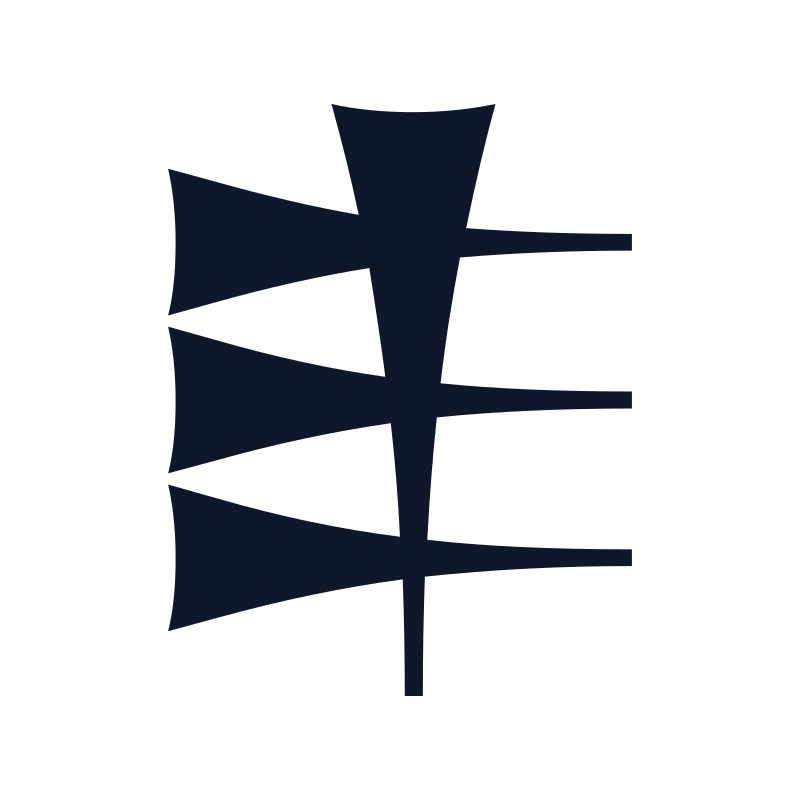 NUM THREE BAN2 · U+12451
𒑑
three ban₂ measure
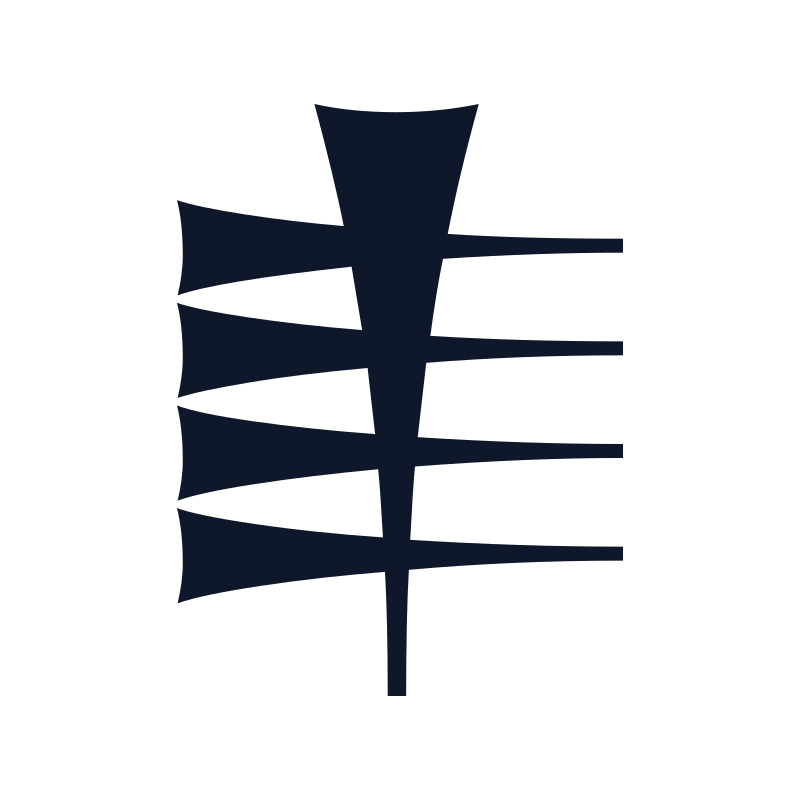
Cuneiform metrological sign 3(BAN₂) representing three bán (30 sila₃, approximately 30 liters, or exactly half a bariga). In Ur III economic tablets, 30 sila₃ of barley per month was the standard adult female worker ration (1 sila₃ per day). Graphically it consists of three horizontal wedges crossed by a vertical stroke.
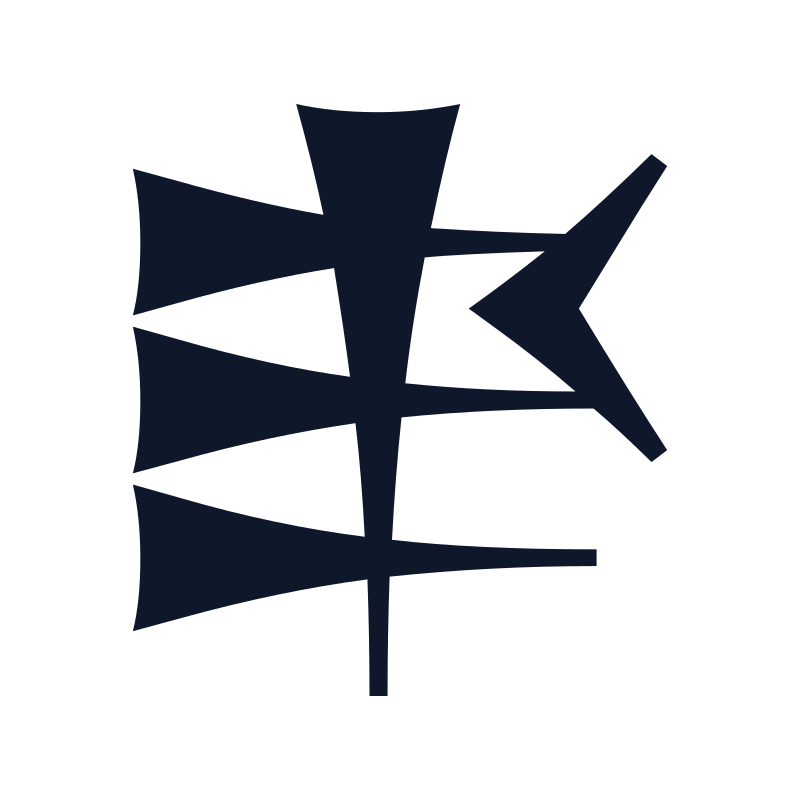 NUM FOUR BAN2 · U+12452
𒑒
four ban₂ measure
Cuneiform metrological sign 4(BAN₂) representing four bán (40 sila₃, approximately 40 liters, or two-thirds of a bariga). It was used in Mesopotamian grain distribution lists, flour milling accounts, and temple offering records. Four horizontal wedges are intersected by a vertical marker.
 NUM FOUR BAN2 VARIANT FORM · U+12453
𒑓
four ban₂ variant
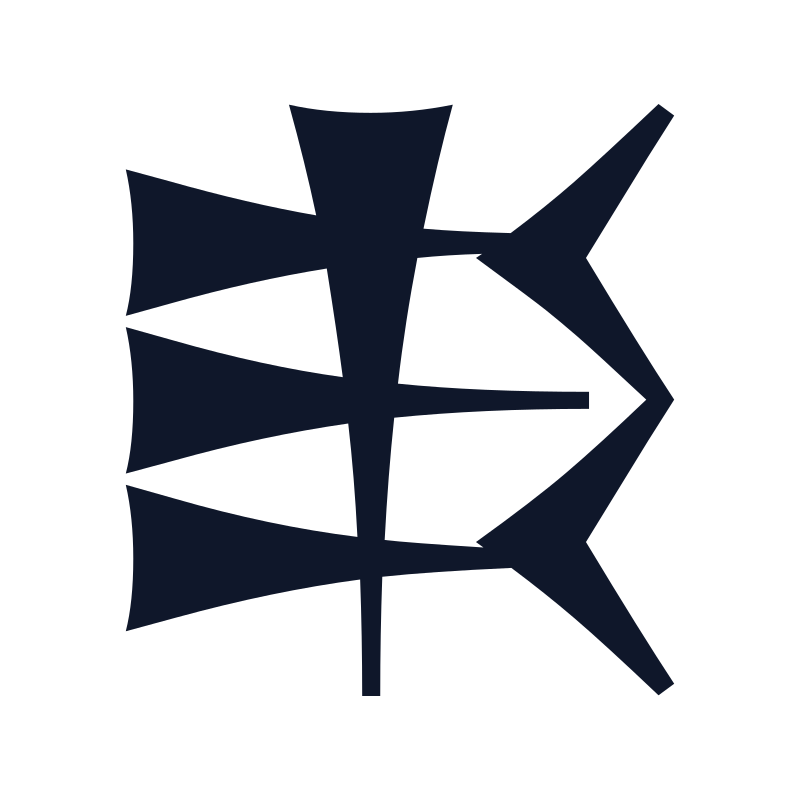
Palaeographic variant of the cuneiform capacity sign 4(BAN₂), denoting 40 sila₃ (approximately 40 liters). Instead of a single stack of four horizontal wedges, this scribal variant arranges them in two pairs (3+1 or 2+2) crossed by the vertical stroke. It appears in regional Ur III and Old Babylonian accounting tablets.
 NUM FIVE BAN2 · U+12454
𒑔
five ban₂ measure
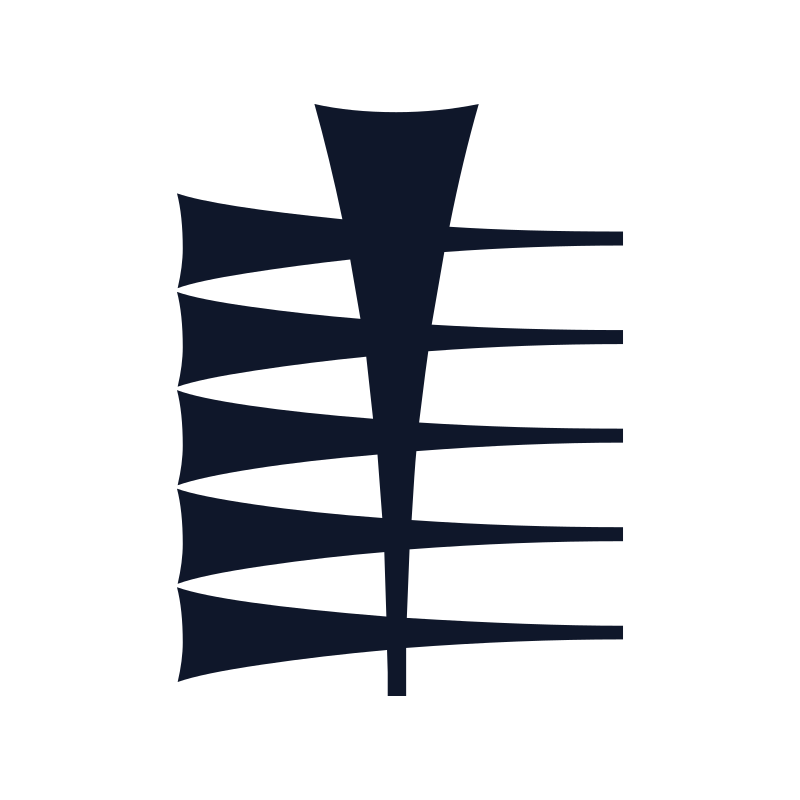
Cuneiform metrological sign 5(BAN₂) representing five bán (50 sila₃, approximately 50 liters), the highest multiple of bán before reaching one bariga (60 sila₃). It was used in barley loan contracts, ration ledgers, and metrological conversion tables across southern Mesopotamia.
 NUM FIVE BAN2 VARIANT FORM · U+12455
𒑕
five ban₂ variant
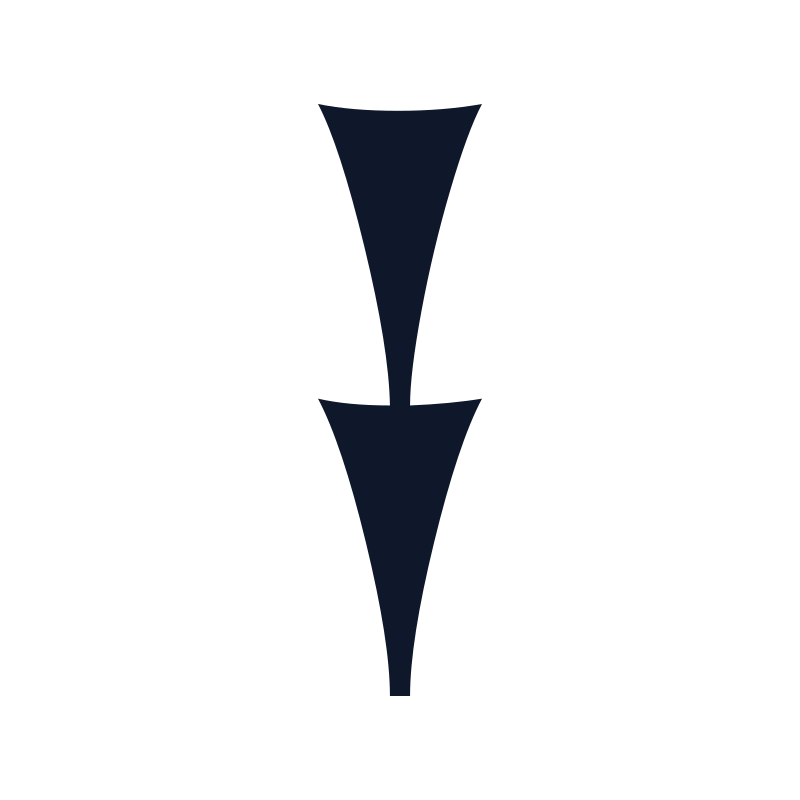
Palaeographic variant of the cuneiform capacity sign 5(BAN₂), denoting 50 sila₃ (approximately 50 liters). It arranges the five horizontal wedges in two columns (3+2) intersected by the vertical ban₂ stroke, providing a cleaner and more compact sign on administrative tablets.
 NUM NIGIDAMIN · U+12456
𒑖
two bariga measure
Cuneiform metrological sign NIGIDAMIN (2 NIGIDA / 2 bariga), representing a dry capacity measure of 120 sila₃ (approximately 120 liters), or two-fifths of a royal gur (300 sila₃). In Sumerian and Babylonian grain accounting, bariga units were written with specialized vertical/horizontal wedges to distinguish them from ordinary numbers.
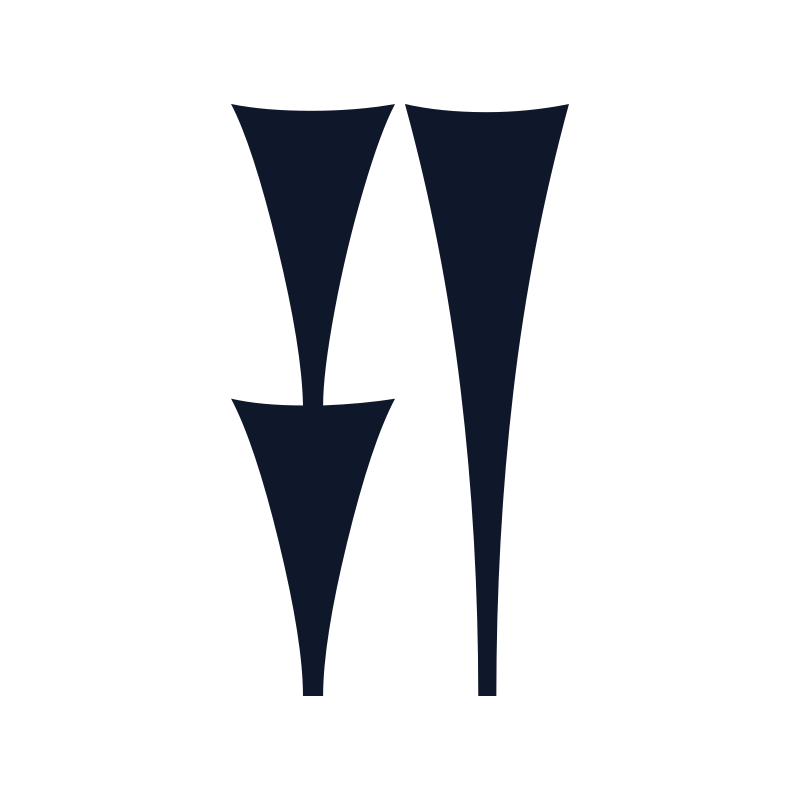 NUM NIGIDAESH · U+12457
𒑗
three bariga measure
Cuneiform metrological sign NIGIDAESH (3 NIGIDA / 3 bariga), representing a dry capacity measure of 180 sila₃ (approximately 180 liters), or three-fifths of a royal gur (300 sila₃). It was heavily used in Ur III and Old Babylonian granary ledgers, tax deliveries, and metrological school tables.
 NUM ONE ESHE3 · U+12458
𒑘
one eše₃ area
Cuneiform metrological sign 1(EŠE₃) (Sumerian eše₃, 'measuring rope'; Akkadian eblu), representing one-third of a bùr of land, equal to 6 iku (600 sar, approximately 2.16 hectares), or a linear surveyor's rope of 10 nindan (about 60 meters). It was a fundamental unit in Mesopotamian field surveying and real estate deeds.
 NUM TWO ESHE3 · U+12459
𒑙
two eše₃ area
Cuneiform metrological sign 2(EŠE₃) representing two eše₃ of agricultural land (12 iku or two-thirds of a bùr, approximately 4.32 hectares). Since three eše₃ equaled one bùr (18 iku), 2(EŠE₃) was the highest eše₃ numeral used in Sumerian and Babylonian cadastral texts.
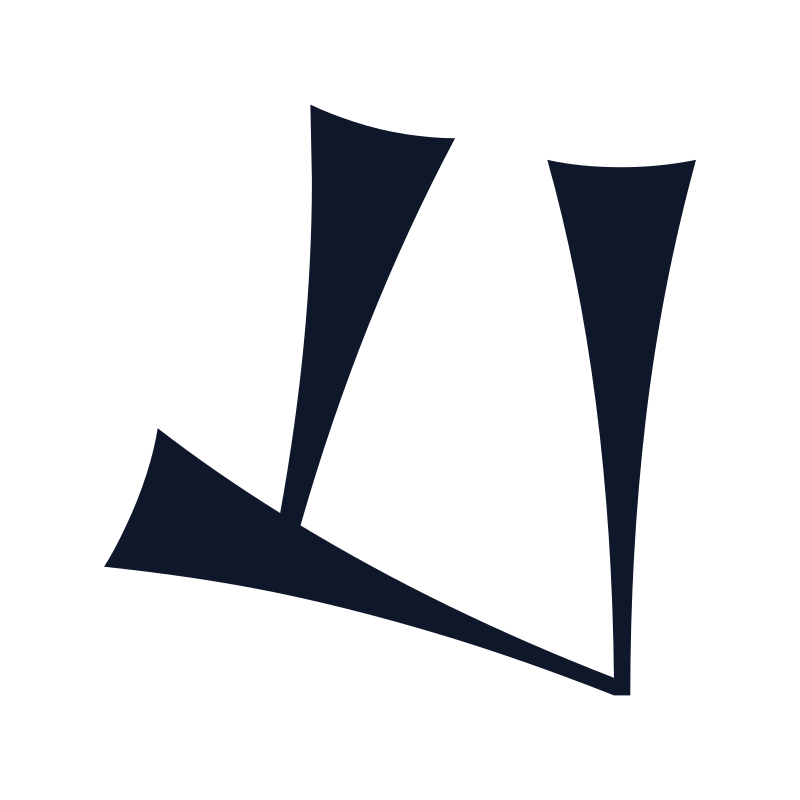 NUM ONE THIRD DISH · U+1245A
𒑚
fraction one-third
Cuneiform fractional numeral 1/3(DIŠ) (Sumerian šušana; Akkadian šuššān), representing the fraction one-third (20/60 in sexagesimal notation). It was widely used in silver weight calculations (1/3 mina = 20 shekels, or 1/3 shekel = 60 barleycorns), capacity measures, and mathematical tables.
 NUM FIVE SIXTHS DISH · U+1245C
𒑜
fraction five-sixths
Cuneiform fractional numeral 5/6(DIŠ) (Sumerian kingusila; Akkadian parab), representing the fraction five-sixths (50/60 in sexagesimal notation). Together with 1/3, 1/2, and 2/3, it formed one of the four primary unit fractions of Mesopotamian metrology, equivalent to 50 shekels of a mina.
 NUM ONE THIRD VARIANT FORM A · U+1245D
𒑝
one-third variant
Palaeographic variant (Form A) of the cuneiform fraction one-third (Sumerian šušana). It was used in specialized metrological systems, regional accounting archives, and lexical lists to denote one-third of a capacity or weight unit.
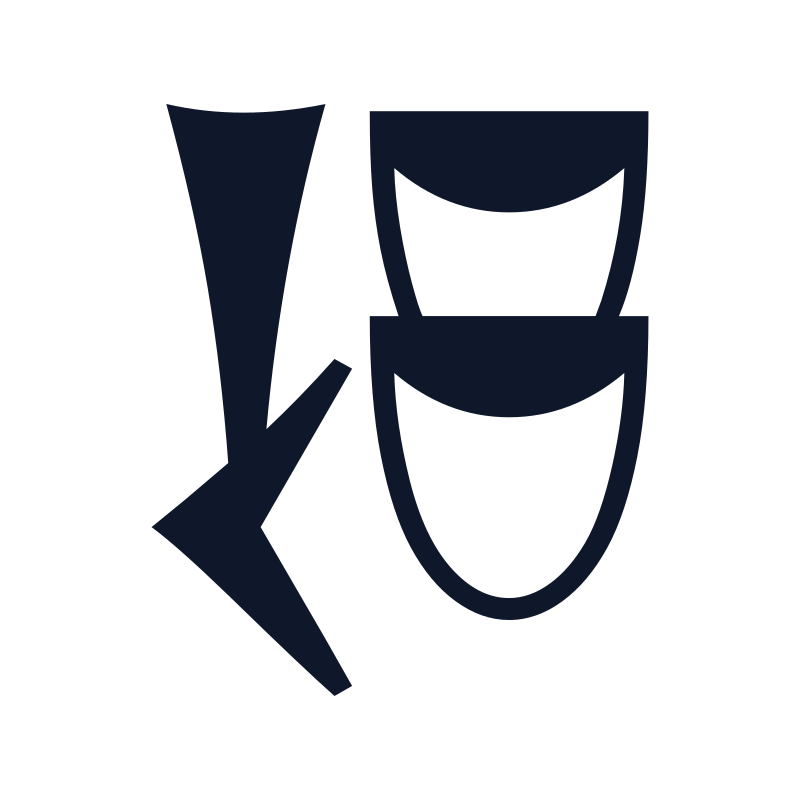 NUM TWO THIRDS VARIANT FORM A · U+1245E
𒑞
two-thirds variant
Palaeographic variant (Form A) of the cuneiform fraction two-thirds (Sumerian šanabi; Akkadian šinipu, equal to 40/60). Famous in Mesopotamian literature from the Epic of Gilgamesh ('two-thirds of him is god, one-third of him is man'), it was also a standard metrological fraction for 40 shekels of a mina.
 NUM ONE EIGHTH ASH · U+1245F
𒑟
fraction one-eighth
Cuneiform metrological sign 1/8(AŠ) representing the fraction one-eighth in specialized land-area, brick, or capacity measurement systems. In sexagesimal reciprocal tables, one-eighth corresponds to 7;30 (7.5/60).
 NUM ONE QUARTER ASH · U+12460
𒑠
fraction one-quarter
Cuneiform metrological sign 1/4(AŠ) representing the fraction one-quarter (Sumerian igi-4-gál; Akkadian rebītu, equal to 15/60). It was used to record quarter-units in agricultural area surveys (such as 1/4 iku = 25 sar), weight subdivisions (15 barleycorns or 15 shekels), and capacity rations.
 NUM OLD ASSYRIAN ONE SIXTH · U+12461
𒑡
Old Assyrian one-sixth
Specialized Old Assyrian cuneiform numeral representing the fraction one-sixth (Akkadian šuduš / šuššum). It appears frequently in the 19th–18th century BCE merchant tablets from Kültepe (ancient Kanesh in Anatolia) for calculating silver and gold shekel fractions, caravan taxes, and interest rates.
 NUM OLD ASSYRIAN ONE QUARTER · U+12462
𒑢
Old Assyrian one-quarter
Specialized Old Assyrian cuneiform numeral representing the fraction one-quarter. Attested in the commercial archives of Assur and Kanesh (Kültepe), it allowed Assyrian traders to record quarter-shekels of refined silver and tin with a distinct, unmistakable ligature.
 NUM ONE QUARTER GUR · U+12463
𒑣
one-quarter gur
Cuneiform metrological sign 1/4(GUR) representing one-quarter of a gur capacity measure. In Pre-Sargonic (Early Dynastic) Lagash, where the standard gur-sag-gál contained 4 bariga (240 sila₃ or 144 sila₃), one-quarter of a gur equaled exactly one bariga (ul). It was used in early barley and emmer harvest accounts.
 NUM ONE HALF GUR · U+12464
𒑤
one-half gur
Cuneiform metrological sign 1/2(GUR) representing one-half of a gur capacity unit. In Early Dynastic and Old Akkadian metrological systems where a gur was divided into 2 or 4 main subunits, this sign denoted half a gur (2 bariga) of grain or dates in temple granary records.
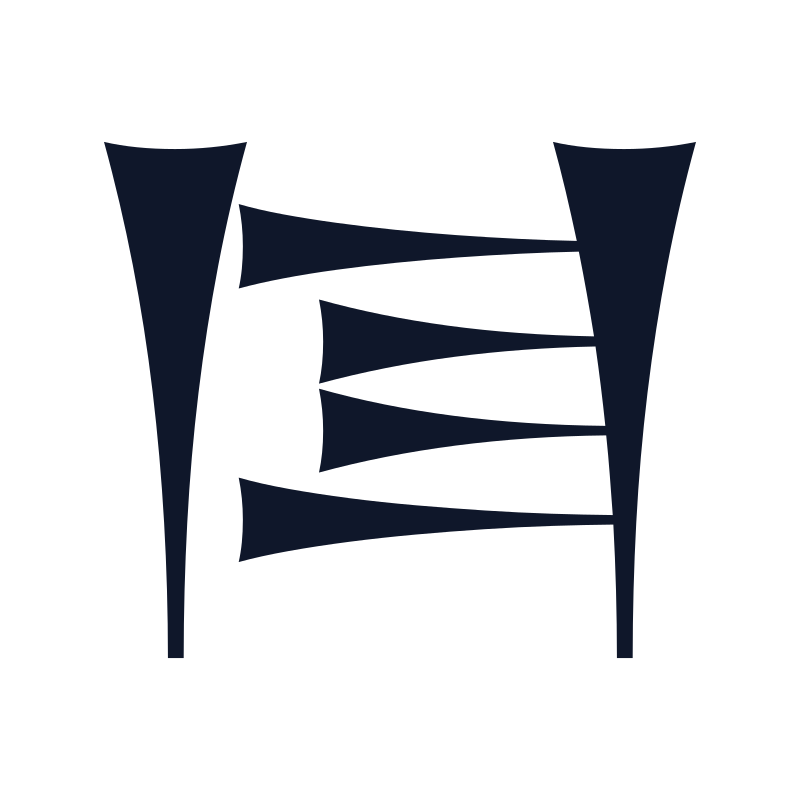 NUM ELAMITE ONE THIRD · U+12465
𒑥
Elamite one-third
Specialized Elamite cuneiform fractional sign representing one-third. Used in administrative and economic tablets from Susa and Anshan (southwestern Iran), it reflects regional Elamite scribal adaptations of Mesopotamian metrological and fractional notation.
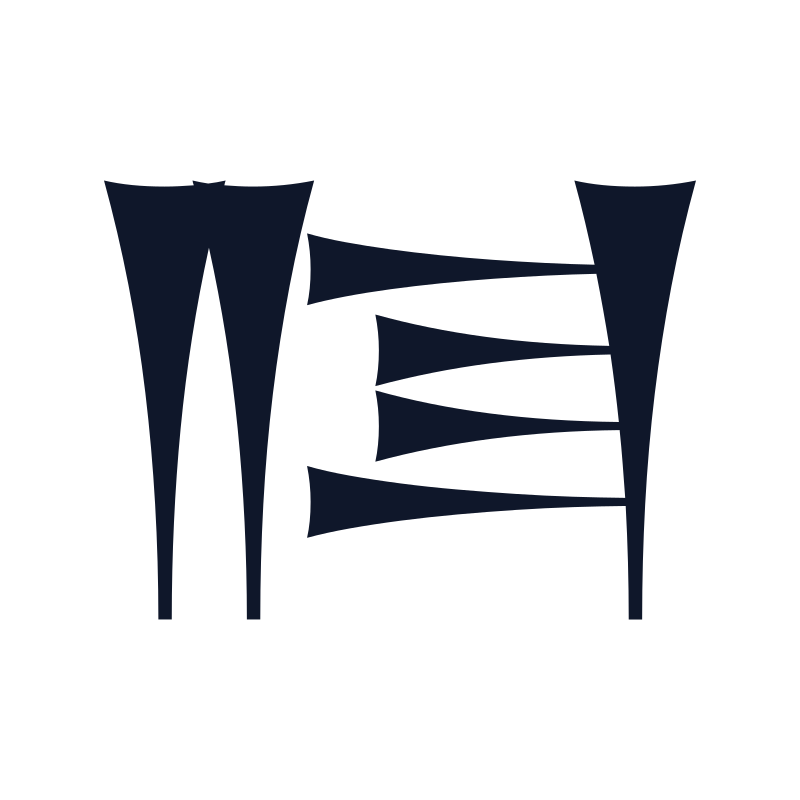 NUM ELAMITE TWO THIRDS · U+12466
𒑦
Elamite two-thirds
Specialized Elamite cuneiform fractional numeral representing two-thirds. Attested in administrative, ration, and bullion tablets from Susa, it served alongside Elamite one-third to record fractional weights and capacities in the Elamite accounting system.
 NUM ELAMITE FORTY · U+12467
𒑧
Elamite number 40
Specialized Elamite cuneiform numeric sign representing 40 (four tens). In the Susa scribal tradition, the four Winkelhaken (ten-impressions) were arranged in a distinctive regional pattern differing from standard Babylonian NIMIN.
 NUM ELAMITE FIFTY · U+12468
𒑨
Elamite number 50
Specialized Elamite cuneiform numeric sign representing 50 (five tens). Used in economic and administrative tablets from Susa and southwestern Iran, it arranges five Winkelhaken wedges in an Elamite-specific layout distinct from Mesopotamian NINNU.
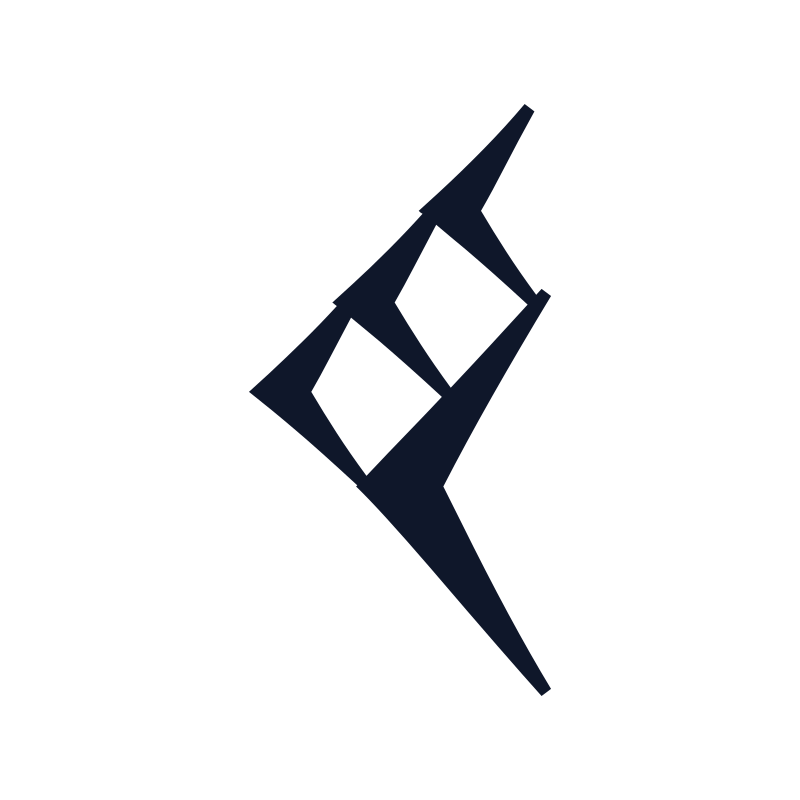 NUM FOUR U VARIANT FORM · U+12469
𒑩
number 40 variant
Palaeographic variant of the cuneiform numeral 4(U) (40, Sumerian nimin). Instead of the standard overlapping row of three Winkelhaken with one below, this variant arranges four ten-wedges in two vertical pairs (2+2) or a single line. It occurs in lexical, mathematical, and peripheral cuneiform tablets.
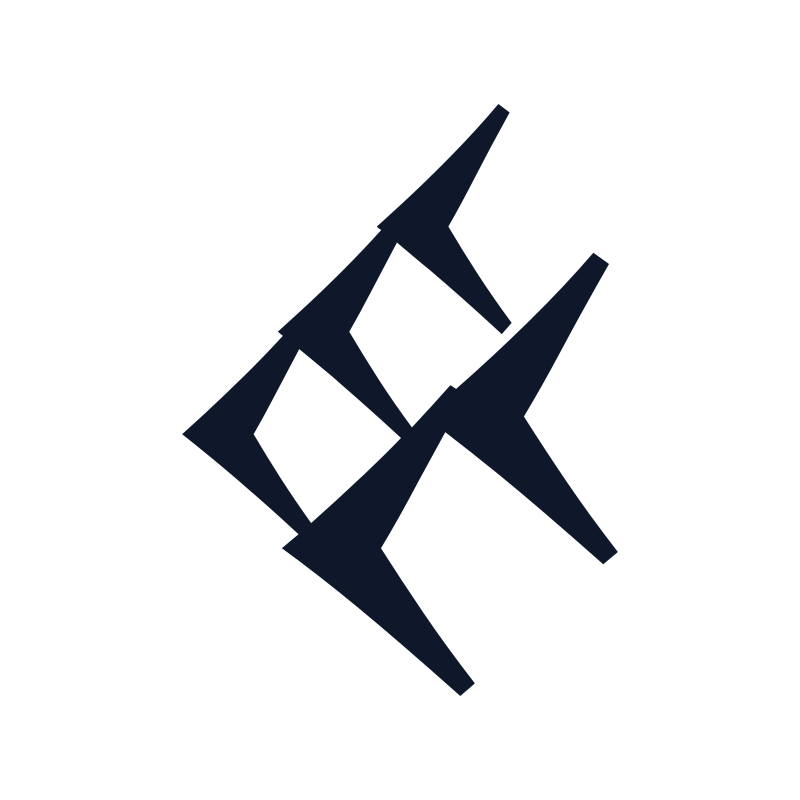 NUM FIVE U VARIANT FORM · U+1246A
𒑪
number 50 variant
Palaeographic variant of the cuneiform numeral 5(U) (50, Sumerian ninnu). Rather than the standard 3+2 arrangement of Winkelhaken wedges, this variant stacks or aligns five ten-wedges in an alternative configuration used in regional archives and sign lists.
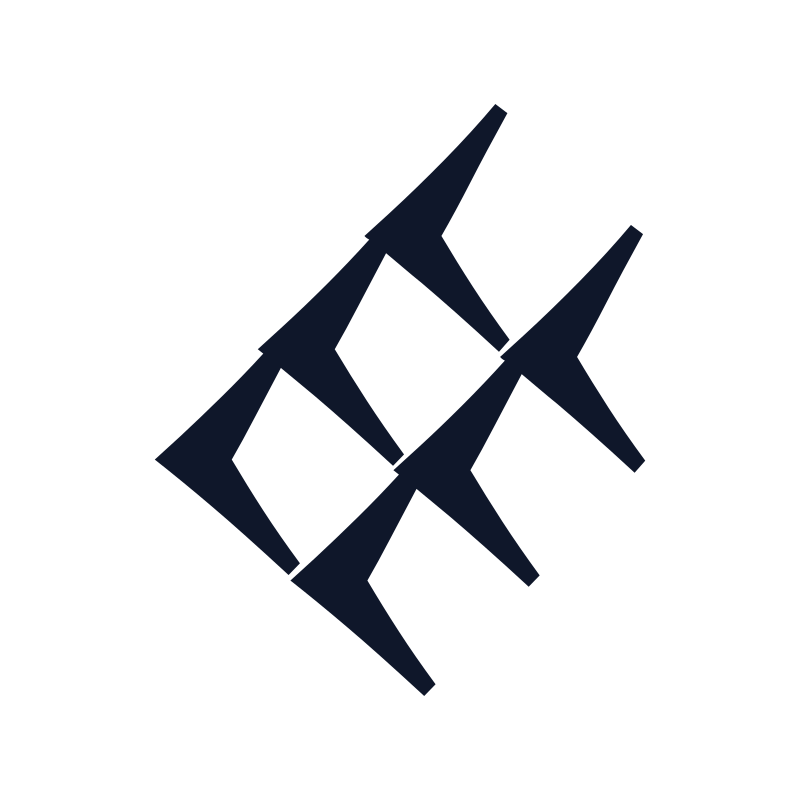 NUM SIX U VARIANT FORM · U+1246B
𒑫
six tens variant
Cuneiform numeric sign 6(U) (variant form) consisting of six Winkelhaken (ten-wedges) to represent 60 in decimalized or metrological contexts. While classical Sumerian sexagesimal notation wrote 60 with a single vertical wedge (DIŠ / geš₂), peripheral and second/first-millennium decimal accounting (such as in Assyria, Nuzi, or Elam) wrote 60 as six tens.
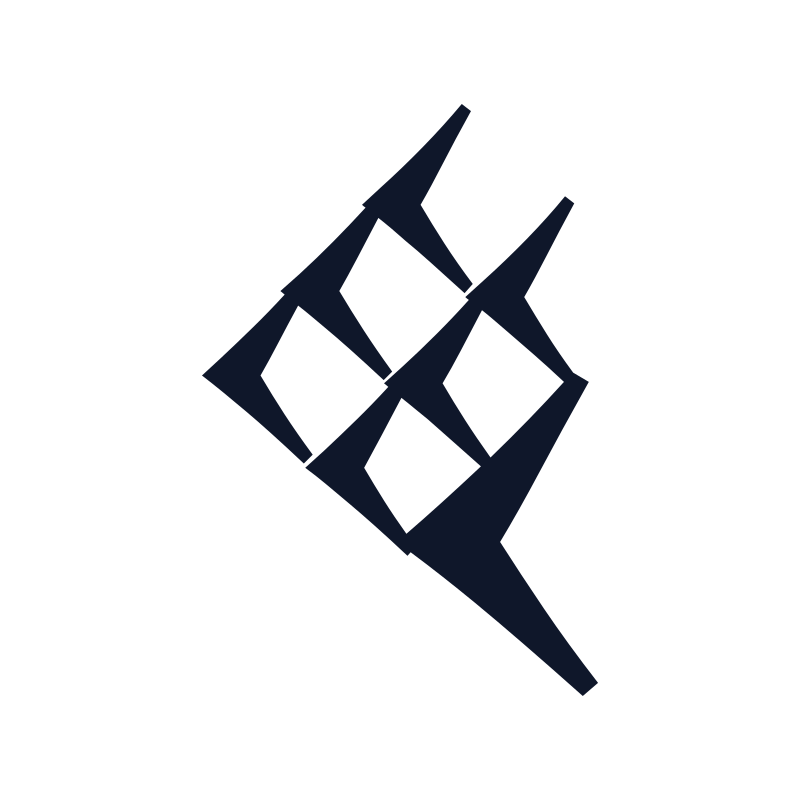 NUM SEVEN U VARIANT FORM · U+1246C
𒑬
seven tens variant
Cuneiform numeric sign 7(U) (variant form) consisting of seven Winkelhaken (ten-wedges) representing 70 in decimalized cuneiform traditions. Used in Middle/Neo-Assyrian, Hurrian (Nuzi), and Elamite administrative tablets where tens were counted up to 90 rather than resetting at 60.
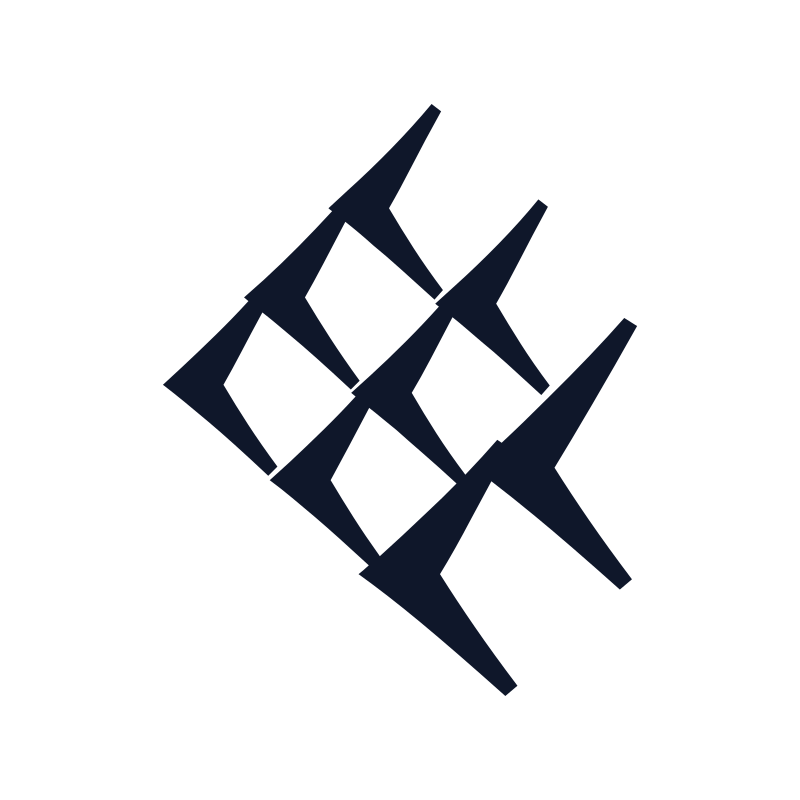 NUM EIGHT U VARIANT FORM · U+1246D
𒑭
eight tens variant
Cuneiform numeric sign 8(U) (variant form) consisting of eight Winkelhaken (ten-wedges) representing 80 in decimalized cuneiform accounting. Attested in Assyrian, Hurrian, and Elamite tablets, it arranges the eight ten-impressions in symmetrical tiers.
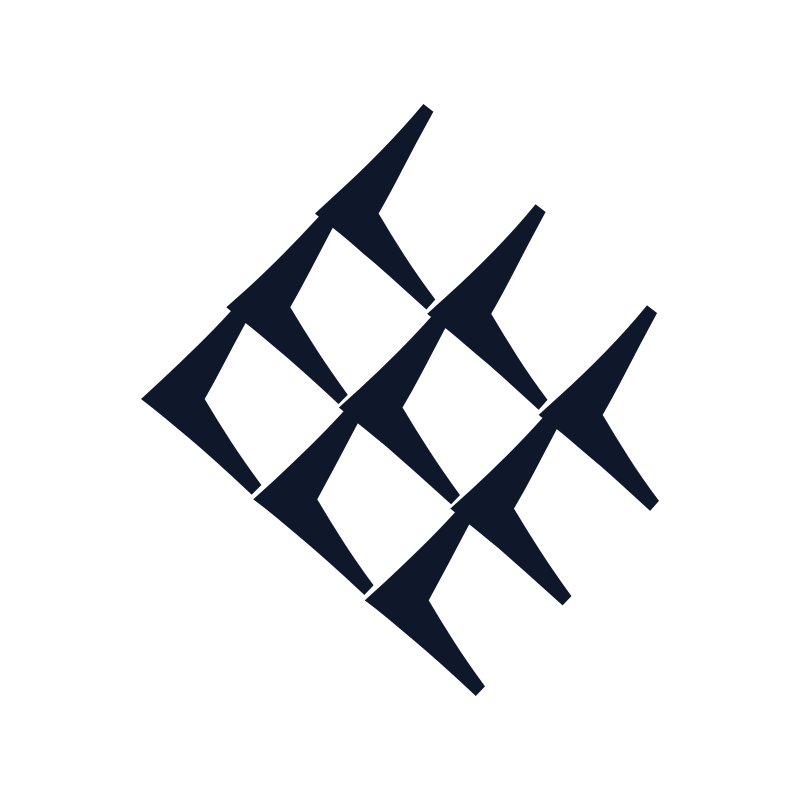 NUM NINE U VARIANT FORM · U+1246E
𒑮
nine tens variant
Cuneiform numeric sign 9(U) (variant form) consisting of nine Winkelhaken (ten-wedges) representing 90, the highest multiple of ten before 100 (ME) in decimalized cuneiform traditions. It was used in Middle and Neo-Assyrian, Nuzi, and Susa administrative records.
 PUNCT VERTICAL COLON · U+12471
𒑱
vertical colon
Cuneiform punctuation sign consisting of two vertically stacked wedges (vertical colon). Scribes used it as a word or clause separator, a column divider in lexical and omen lists, or a marker indicating a scribal gloss or line continuation.
 PUNCT DIAGONAL COLON · U+12472
𒑲
diagonal colon
Cuneiform punctuation sign consisting of two diagonal wedges (known in Assyriology as a Glossenkeil). In the Amarna letters, Hittite tablets, and Babylonian commentaries, it marked foreign glosses (such as West Semitic or Luwian words), variant readings, or clause boundaries.
 PUNCT DIAGONAL TRICOLON · U+12473
𒑳
diagonal tricolon
Cuneiform punctuation sign consisting of three diagonal wedges aligned in a slanted row (diagonal tricolon). It was used in scholarly commentaries, lexical compilations, and administrative lists to separate distinct sections, entries, or alternative interpretations.
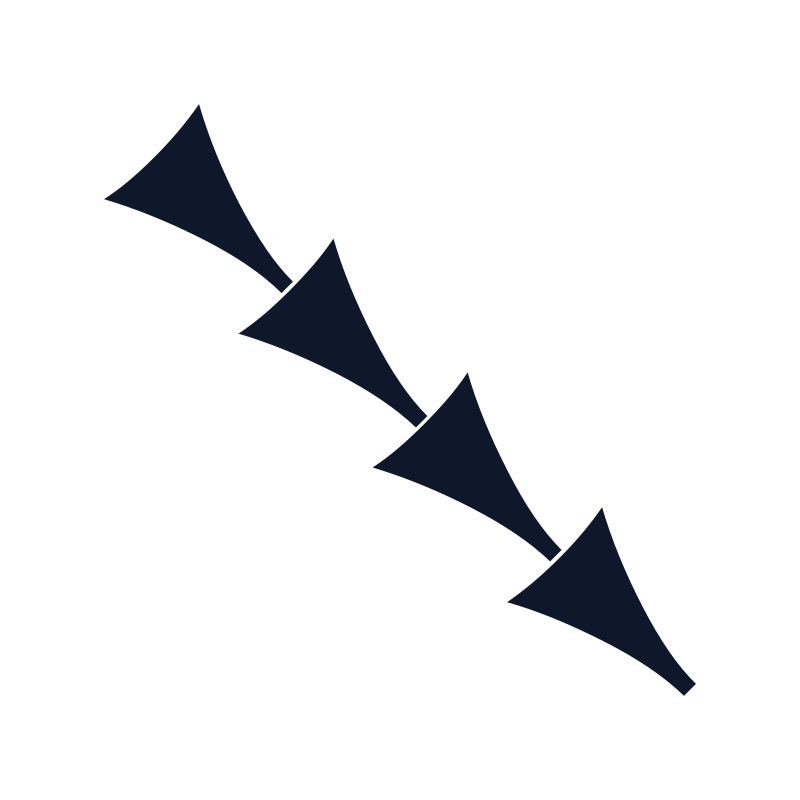 PUNCT DIAGONAL QUADCOLON · U+12474
𒑴
diagonal quadcolon
Cuneiform punctuation sign consisting of four diagonal wedges (diagonal quadcolon), the final character of the Unicode Cuneiform Numbers and Punctuation block (U+12474). Scribes employed it as an emphatic section break or structural divider in specialized lexical and literary tablets.
