 AN / DINGIR · U+1202D
𒀭
sky, heaven
Originating from an archaic Uruk pictogram of an eight-pointed star, this is the most sacred sign in Mesopotamian cuneiform. In Sumerian it was read as 'An' (the supreme sky god and heaven itself) or 'Dingir' (deity, Akkadian 'ilu'), and was also used phonetically for the syllable 'an'. Scribes placed it silently before the names of all gods—such as Inanna, Enlil, and Marduk—as a divine determinative indicating an immortal being.
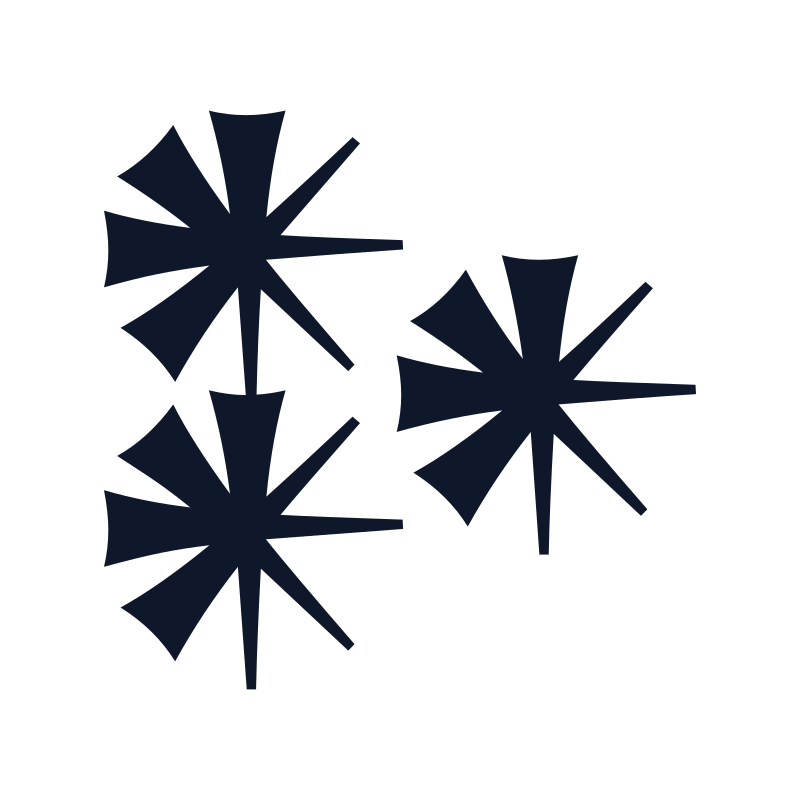 MUL · U+1202F
𒀯
star, constellation
Visually constructed by repeating the sacred star sign AN (𒀭) three times in a triangular cluster, MUL (Akkadian 'kakkabu') means 'star', 'constellation', 'meteor', or 'to shine brightly'. Babylonian astronomers—who mapped the zodiac and tracked planetary orbits across centuries—placed MUL as a determinative before the name of every star and constellation. The most famous astronomical compendium of antiquity, the two-tablet 'MUL.APIN' ('The Plow Star'), takes its name directly from this sign.
 ME · U+12228
𒈨
divine cosmic decrees, essence of being
One of the most profound philosophical concepts in Sumerian religion: the 'me' (Akkadian 'parṣu') were the sacred cosmic decrees, divine powers, and blueprints of civilization—governing kingship, priesthood, music, law, truth, and craftsmanship—guarded by the god Enki in Eridu and famously carried off to Uruk by the goddess Inanna. In Sumerian grammar, ME is also the verb 'to be' ('me-en' = 'I am') and the plural marker '-me-eš', while in Neo-Assyrian numerals it stands for 100 ('me'atu') and phonetically writes the syllable 'me'.
 DIN / TIN · U+12077
𒁷
grape wine, vitality
Pointed like a leaf or arrowhead, this sign read as TIN (Akkadian 'balāṭu') means 'life', 'vitality', and 'to heal or recover from illness'. When combined with GEŠTIN ('giš-tin', literally 'Tree of Life', Akkadian 'karānu'), it designates the grapevine and grape wine—imported in jars down the Euphrates for royal palaces and temples—and the goddess Geštinanna, celestial scribe of the underworld. Phonetically, it is the primary sign for the syllables 'din' and 'tin'.
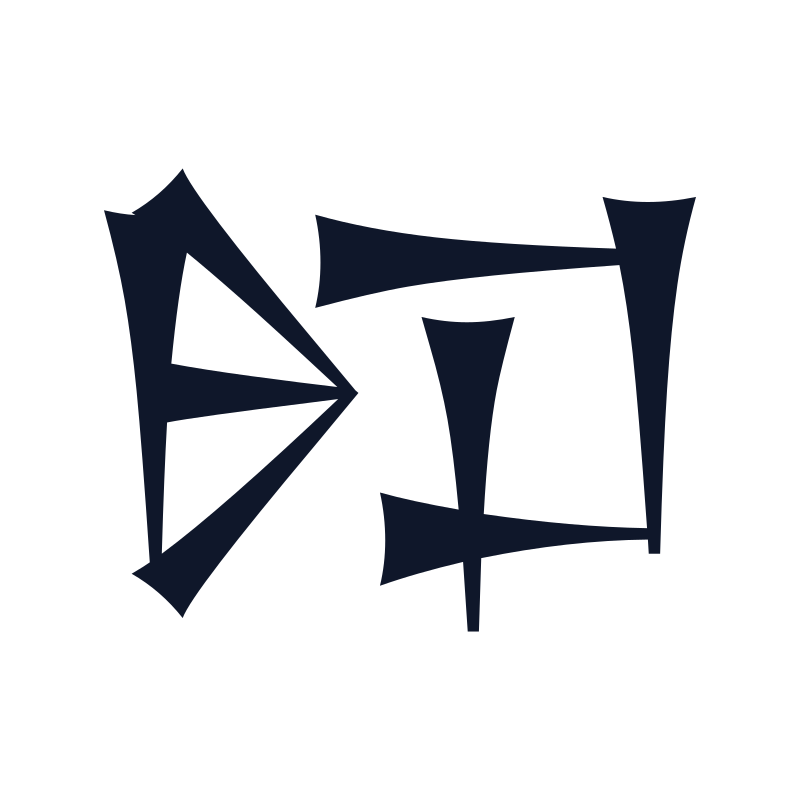 EL / SIKIL · U+12096
𒂖
pure, holy
Read logographically in Sumerian as SIKIL (Akkadian 'ellu'), this sign expresses ritual purity, spotlessness, and sacredness—frequently paired with KUG ('kù-sikil', 'pure and bright') to describe temple precincts, Lustral water, virgin priestesses ('ki-sikil'), and the mythological land of Dilmun, where neither sickness nor old age existed. Phonetically, derived from Akkadian 'ellu', it is the standard sign for the closed syllable 'el' (and 'il₅').
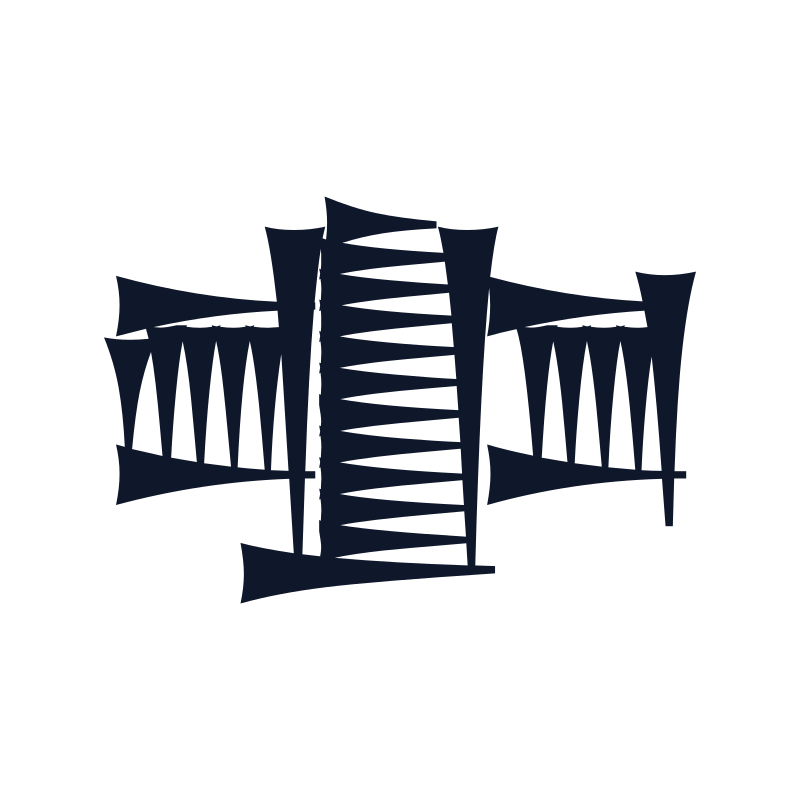 KEŠ₂ (KEŠDA) · U+1219F
𒆟
to bind, knot
Representing a tied knot or bundled cords, KEŠ₂ (Sumerian kešda, Akkadian rakāsu and riksu) means 'to bind, tie together, harness, or construct'. In Mesopotamian law and diplomacy, a 'binding' (riksu) is the technical term for a formal legal contract, marriage bond, international treaty, or ritual structure.
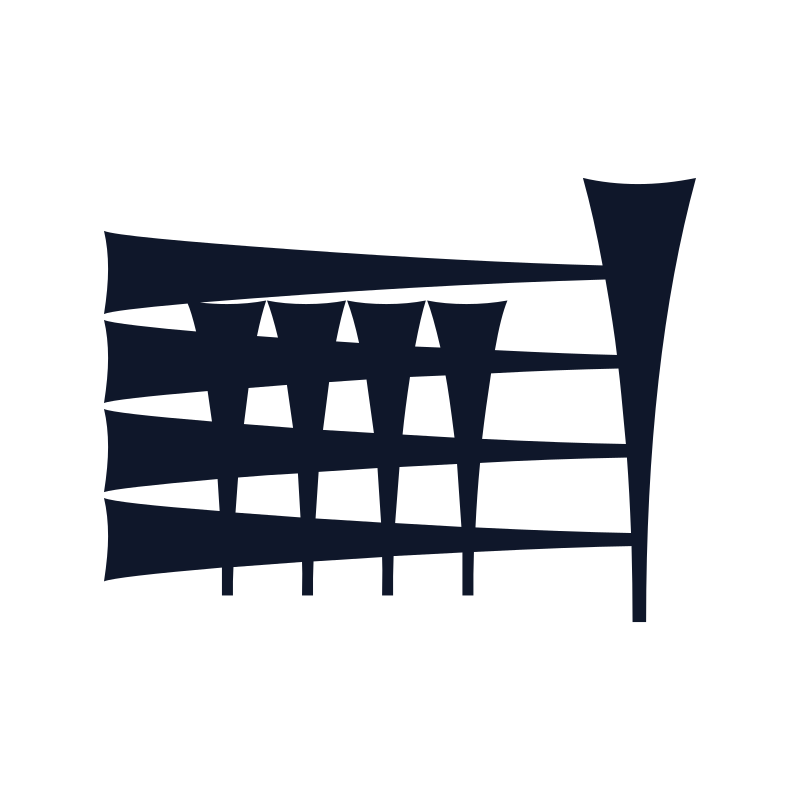 KID / LIL₂ · U+121A4
𒆤
wind, spirit
Originally a cross-hatched pictograph of a woven reed mat (Sumerian kid, Akkadian kītu), this sign also carries the fundamental reading LIL₂ (Akkadian zaqīqu, šāru), meaning 'wind, breeze, breath, phantom, or open air'. It is immortalized in the name of the chief Sumerian deity Enlil (dEN.LIL₂, 'Lord Wind / Lord of the Atmosphere') and the city of Nippur (EN.LIL₂.KI).
 LUH / SUKKAL · U+1221B
𒈛
grand vizier, divine envoy
Read logographically as SUKKAL (loaned into Akkadian as sukkallu), this sign designates a royal chancellor, grand vizier (SUKKAL.MAH), or divine plenipotentiary envoy—such as Ninshubur, the faithful vizier of Inanna, or Nuska, vizier of Enlil. Read as LUH (Akkadian mesû), it means 'to wash, ritually cleanse, or purify' (as in KA.LUH.U₃.DA, the ritual 'washing of the mouth' of divine statues).
 MUŠ₃ / INANNA · U+12239
𒈹
goddess Inanna (Ishtar), sacred reed emblem
One of the most recognizable icons of prehistoric Uruk art: originally a pictograph of a ritual gatepost made of bundled reeds with a looped ring and flowing streamer at the top. Preceded by the divine star (dINANNA / dMUŠ₃), it writes the name of Inanna (Akkadian Ištar), Queen of Heaven, patron goddess of Uruk, goddess of love, warfare, and the morning/evening star Venus.
 ŠINIG · U+122D2
𒋒
sacred tamarisk tree of purification
With or without the wood determinative (GIŠ.ŠINIG, Akkadian bīnu), this sign names the desert tamarisk tree. Revered in Mesopotamian religion as the 'bone of the gods' (eṣemti ilī), tamarisk wood and foliage were indispensable in exorcistic purification rites (Maqlû and Šurpu) and featured in the famous Babylonian wisdom debate between the Tamarisk and the Date Palm.
 ŠITA · U+122D6
𒋖
ceremonial mace, sacred weapon
Designating a ceremonial mace or divine weapon (Sumerian šita, Akkadian kakku), a ritual binding/equipment, and a category of purification priests (šita-priests), this sign is also used in royal titles and liturgical invocations to express pure supplication and sacred order.
 UD / UTU / BABBAR · U+12313
𒌓
the sun, day
Originally a pictograph of the bright sun rising between two eastern mountain peaks, UD is one of the most polyvalent signs in cuneiform: read as U₄ / UD (Akkadian ūmu), it means 'day, weather, or storm-spirit'; read as dUTU (Akkadian Šamaš), it names the all-seeing Sun god of justice; read as BABBAR (Akkadian peṣû, namru), it means 'white, shining, radiant' (as in KU₃.BABBAR = silver). Phonetically it reads /ud/, /ut/, /tam/, /par/, /pir/, and /lah/.
 ENGUR / ZIKUM (LAGAB×HAL) · U+121C9
𒇉
the cosmic subterranean ocean (Abzu / apsû), goddess nammu
Formed by inscribing HAL ('secret/spring') inside the enclosure frame LAGAB, ENGUR (synonymous with ABZU, Akkadian apsû) represents the sacred subterranean ocean of life-giving sweet water beneath the earth, the cosmic realm of the wisdom god Enki/Ea. Preceded by the divine determinative (dENGUR = dNAMMU), it names the primeval mother goddess Nammu who gave birth to Heaven, Earth, and mankind.
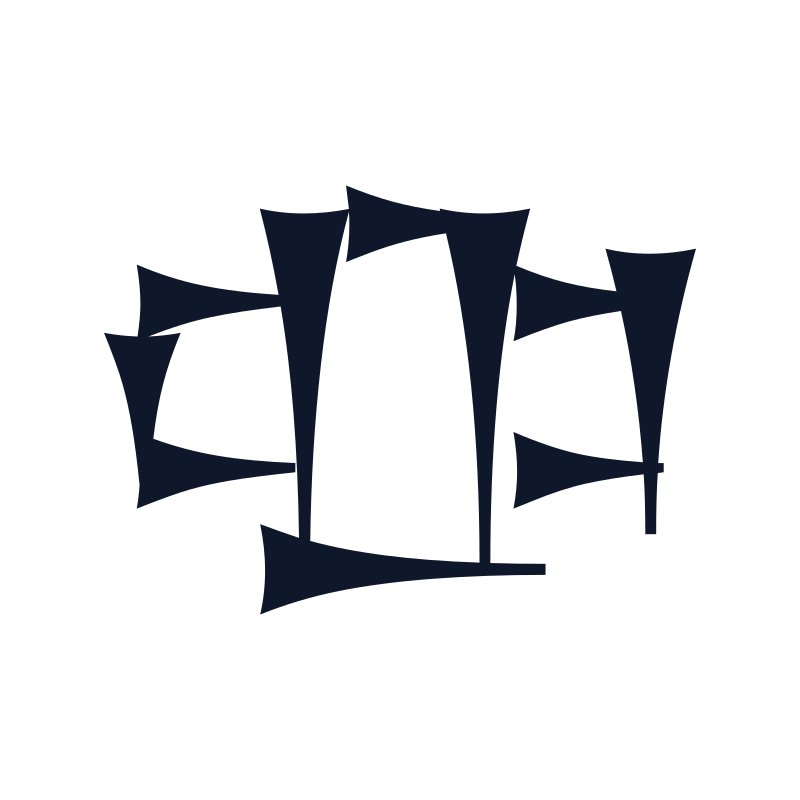 EZEN / KEŠ₃ · U+120A1
𒂡
sacred religious festival, public feast
Read as EZEN (loaned into Akkadian as isinnu), this sign designates the great public religious festivals and New Year celebrations (such as the Akitu festival) that structured the Mesopotamian liturgical calendar; almost every Sumerian month name began with ITI EZEN-... ('Month of the Festival of...'). Combined with AN ('sky/high'), SIR₃ / EZEN×AN (Akkadian zamāru) means 'to sing a hymn', and KEŠ₃.KI names the ancient sanctuary city of Kesh.
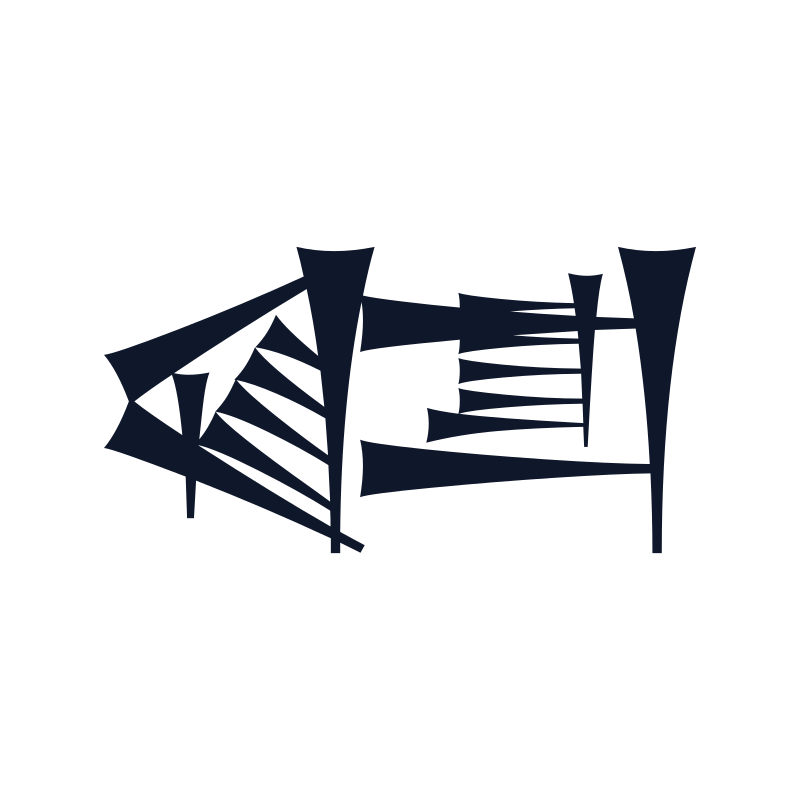 ŠUD₃ (KA׊U) · U+12183
𒆃
prayer, blessing
A vivid visual record of ancient Near Eastern worship: formed by combining KA ('head/mouth', 𒅗) with ŠU ('hand', 𒋗), ŠUD₃ (Akkadian ikribu and karābu) depicts a worshipper raising their hand to their lips before a deity—the exact gesture seen on Hammurabi's famous law stele and countless cylinder seals—and means 'to pray, bless, or pronounce a devotional invocation'.
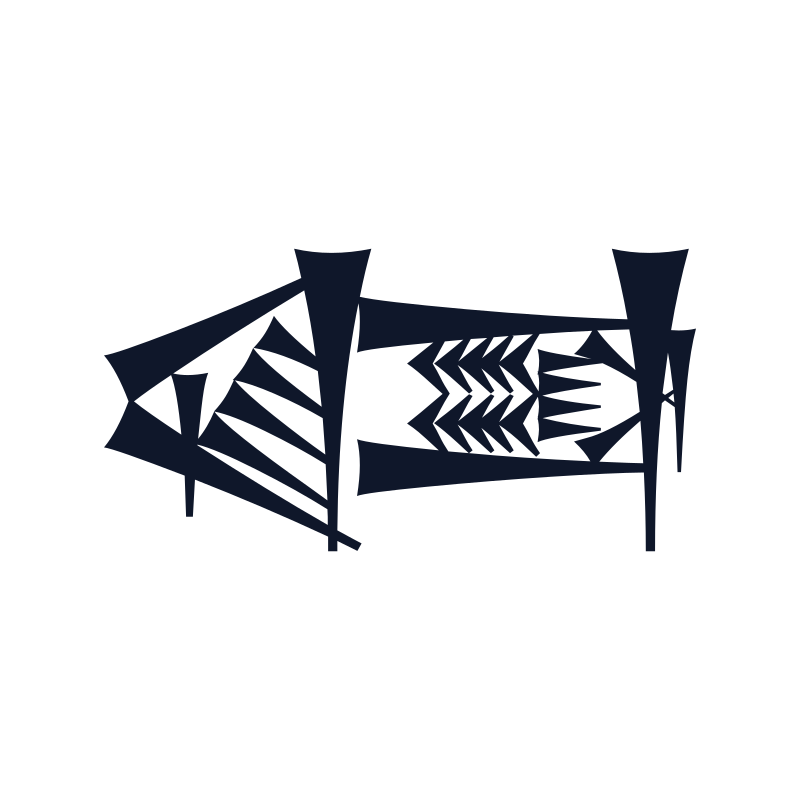 TU₆ (KA×LI) · U+12172
𒅲
magical healing incantation, exorcistic spell
Formed by placing the aromatic juniper sign LI (𒇻/𒇷) inside the mouth sign KA (𒅗), TU₆ (Akkadian šiptu, têrtu) represents a sacred healing incantation or exorcistic spell breathed over a patient by the āšipu (exorcist-healer) under the patronage of Enki and Asalluhi. Thousands of Mesopotamian medical-magical tablets open with the rubric EN₂ ('Incantation') and close with TU₆.EN₂ ('Incantation formula').
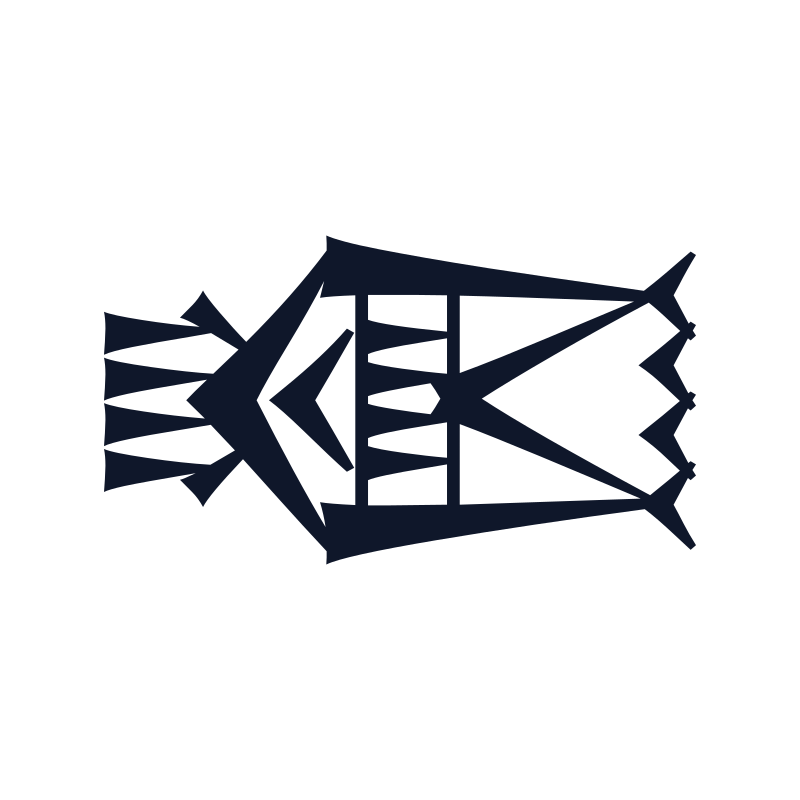 ALAN (ALAM) · U+12029
𒀩
votive statue, royal sculpture
Read as ALAN / ALAM (Akkadian ṣalmu, lanu), this sign designates a sculpted three-dimensional statue, relief image, or bodily form—such as the famous polished black diorite statues of Gudea of Lagash. In Mesopotamian theology, once a statue's mouth was ritually opened (KA.DUH.U₃.DA / pīt pî), the ALAN was no longer mere stone or wood, but a living vessel standing in perpetual prayer before the gods.
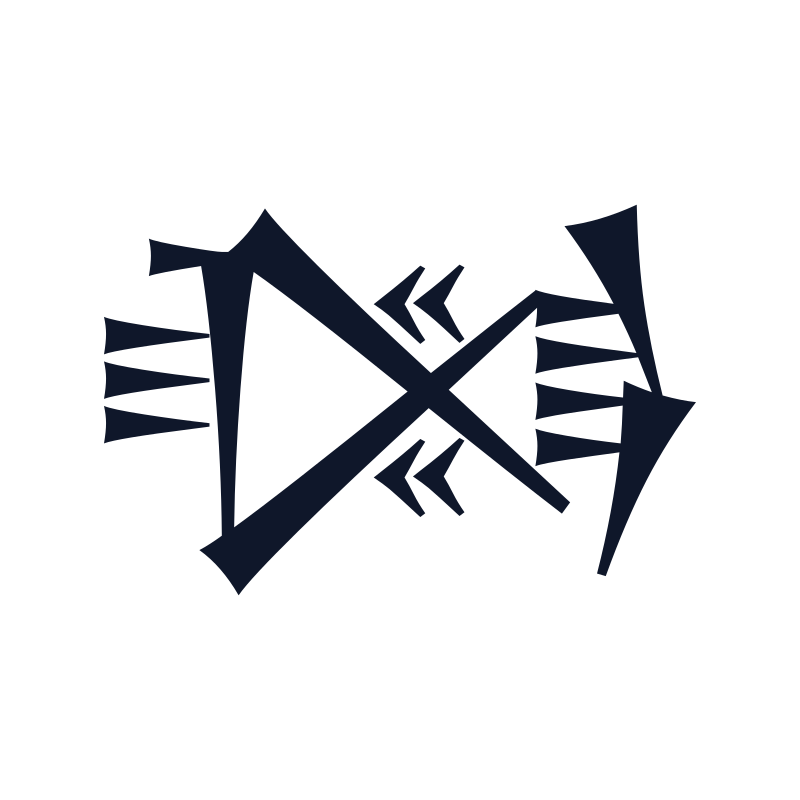 BALAG · U+12046
𒁆
sacred temple harp/drum, liturgical lamentation
Originally a pictograph of a bull-headed resonator harp or lyre (and in later periods a giant sacred kettledrum), BALAG (loaned into Akkadian as balaggu) was the premier ritual instrument played by the gala / kalû lamentation priests to soothe the angry hearts of the gods. By extension, BALAG names an entire genre of multi-tablet Sumerian congregational laments.
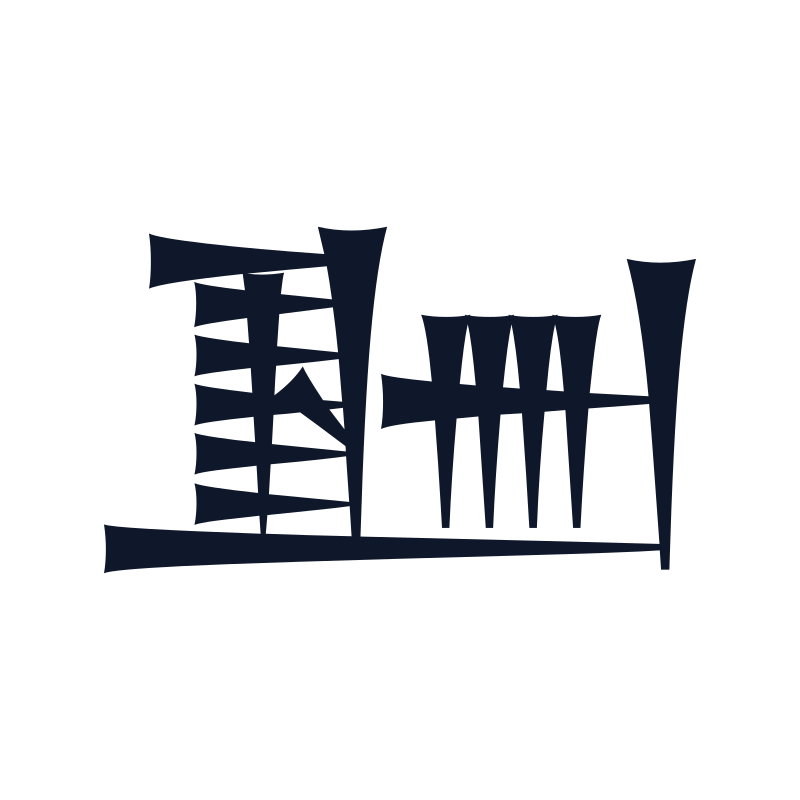 EREN (ERIN) · U+1209E
𒂞
fragrant cedar of lebanon, sacred timber
With the wood or aromatic determinative (GIŠ.EREN / ŠIM.EREN, loaned into Akkadian as erēnu), this sign names the majestic cedar tree of the Lebanon and Amanus mountains. Prized above all other timber for its rot-resistant, fragrant, straight-grained beams capable of spanning vast temple halls and palace roofs, the quest to fell the sacred cedars is the central adventure of Gilgamesh and Enkidu.
 IDIM · U+12142
𒅂
subterranean spring (nagbu), abyss
Read as IDIM, this sign signifies 'subterranean spring, fountainhead, or cosmic deep' (Akkadian nagbu—famous from the very first line of the Epic of Gilgamesh: ša nagba īmuru, 'He who saw the Deep') as well as 'heavy, honored, or important noble' (Akkadian kabtu). In paleography, IDIM shares its Neo-Assyrian glyph lineage with BAD / TIL.
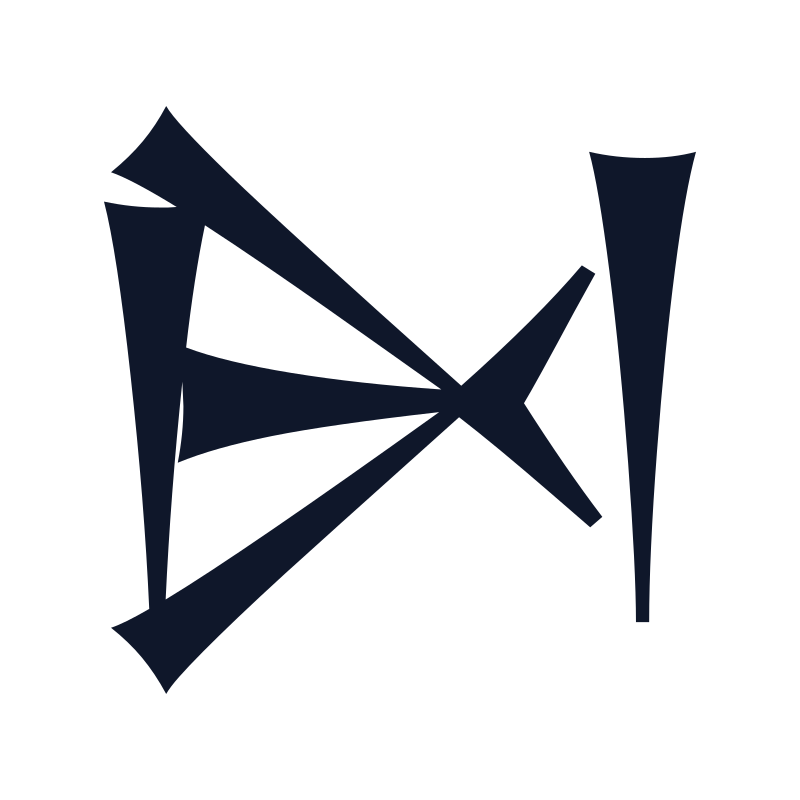 KUŠU₂ · U+121B5
𒆵
crab, snapping turtle
Designating an aquatic predator such as the Euphrates softshell turtle or freshwater crab (Sumerian kušu₂, Akkadian kušû and alluttu). In Babylonian astronomy (MUL.AL.LUL / MUL.KUŠU₂), this sign names the zodiacal constellation Cancer ('The Crab'), passed down directly from Mesopotamian star catalogs to Greek and modern astronomy.
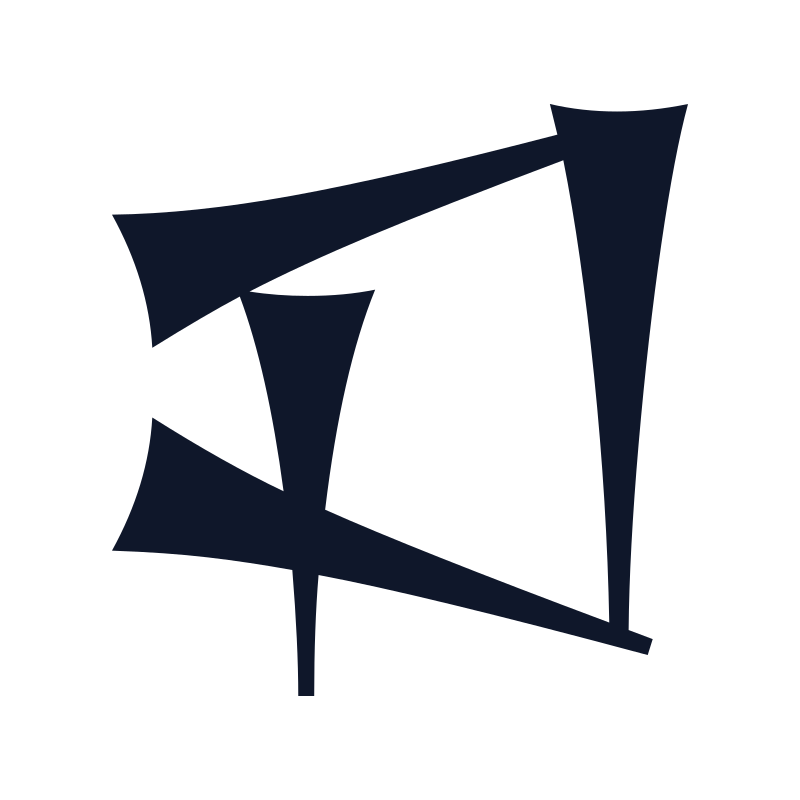 LAGAR · U+121EC
𒇬
high-ranking cultic priest, sacred minister
Denoting one of the oldest high-ranking priestly offices in Sumer (loaned into Akkadian as lagaru and paired in sacred lists with the EN-priest), the LAGAR served as ritual speaker and chief minister to the deity; in the Myth of Inanna and Enki, nam-lagar ('the office of the lagar-priest') is listed among the supreme cosmic ME-powers of civilization.
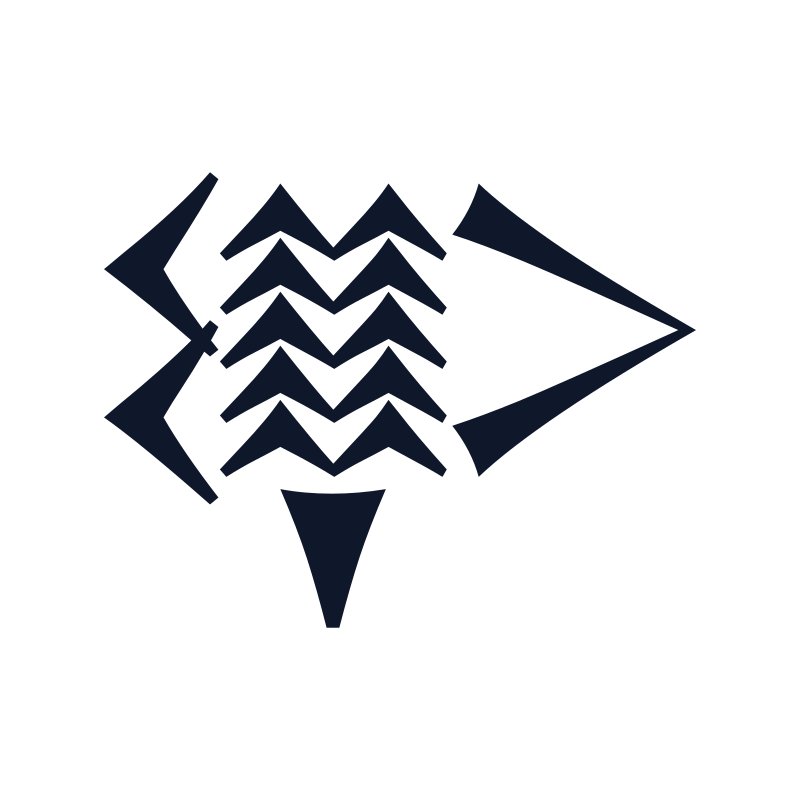 NAGA / NISABA · U+12240
𒉀
goddess Nisaba (patron of scribes), soap-plant alkali
Read as NAGA (Akkadian uhūlu), this sign designates the saltwort/soap-plant burned to produce alkaline potash—mixed with sesame oil by Sumerians to make the world's oldest soap and used in ritual washings. Preceded by the divine star (dNAGA = dNISABA), it writes the name of Nisaba, the beloved Sumerian goddess of grain, accounting, mathematics, and cuneiform writing; scribes ended their tablets with the doxology dNISABA ZAG.MI₂ ('Praise be to Nisaba!').
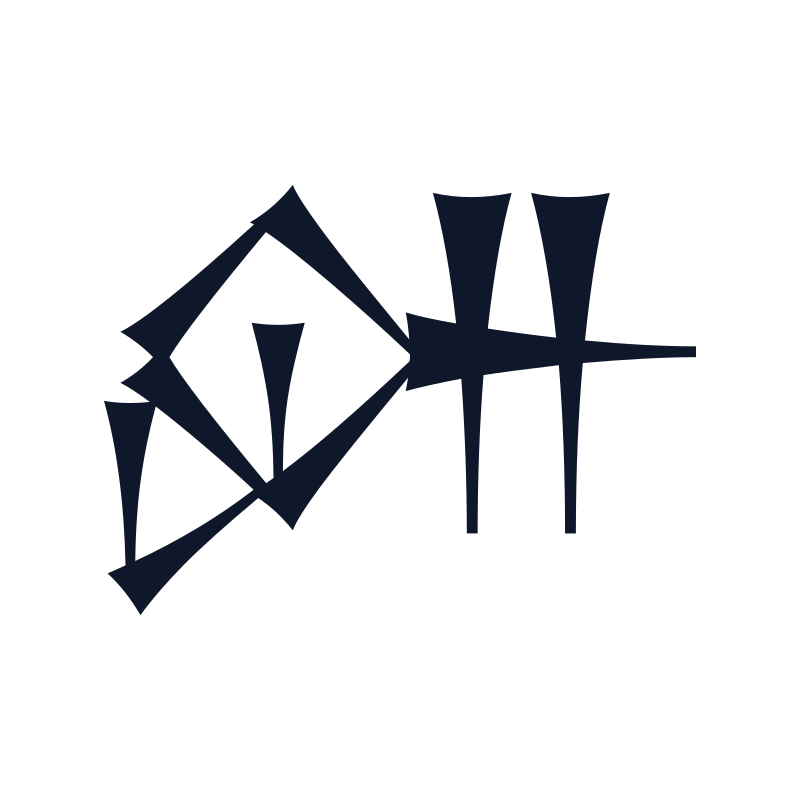 NI₂ · U+1224E
𒉎
self (oneself), divine awe
A foundational concept of Mesopotamian psychology and religion: NI₂ functions both as the reflexive pronoun 'self, oneself, one's own body' (Akkadian ramānu, pagru; e.g., NI₂.BI = 'by itself') and as 'awesome radiance, reverent fear, or terror inspired by a deity or king' (Akkadian puluhtu; paired in NI₂.ME.LAM₂ = puluhti melammi, 'terrifying divine splendor').
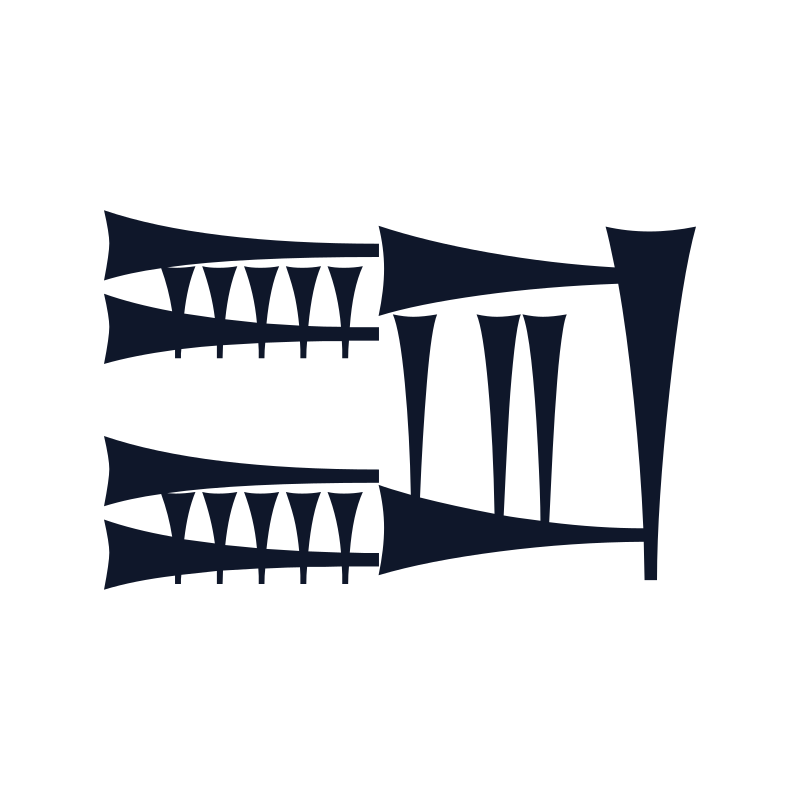 ŠEN · U+122BF
𒊿
burnished copper cauldron, shining pure
Originally a pictograph of a large round-bottomed metal vessel, ŠEN (often with the copper determinative URUDU.ŠEN, Akkadian ruqqu) denotes a burnished copper cauldron or kettle used in temples and royal kitchens. Because polished copper gleams like a mirror, ŠEN (Akkadian ellu, ebbu) also means 'shining, pure, spotless', while reduplicated ŠEN.ŠEN (Akkadian qablu) means 'clash of arms, battle'.
 SHIR · U+122D3
𒋓
light, alabaster
Cuneiform sign ŠIR or NU₁₁ (Borger MZL 115, U+122D3). Read as nu₁₁ (Sumerian 'light, fire, lamp'; Akkadian nūru) and in stone names such as na₄-giš-nu₁₁-gal ('alabaster'), while as šir it denotes 'bulb, testicle' (Akkadian išku) and serves as the phonetic syllable šir/sir.
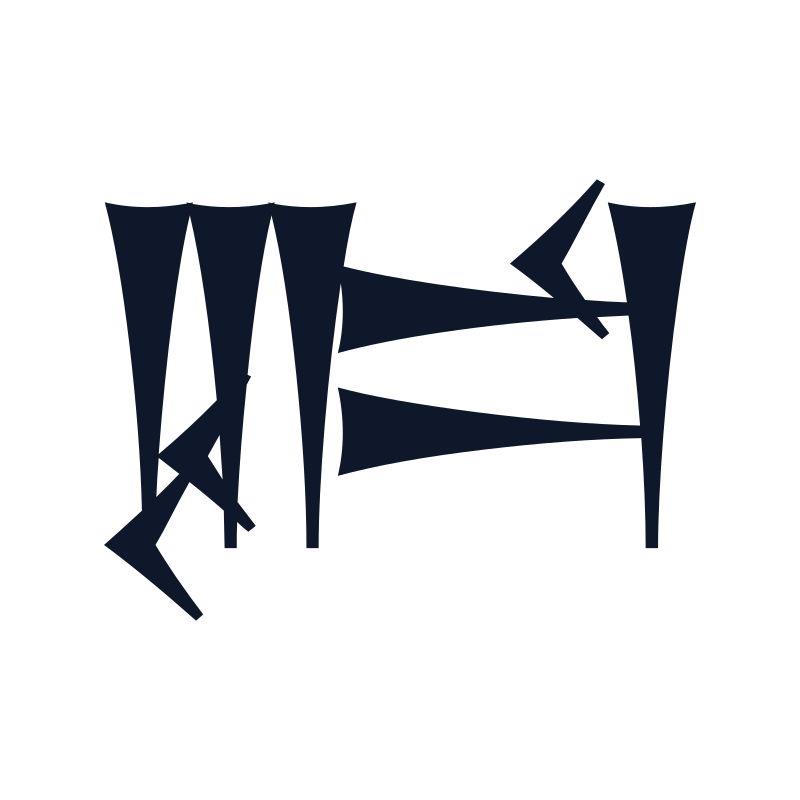 UDUG · U+1231C
𒌜
spirit, demon
Cuneiform sign UDUG (Borger MZL 858, U+1231C), the primary logogram for the Sumerian udug and Akkadian utukku—a class of powerful spirits or demons that could be eitherprotective (udug-ša₆-ga) or malevolent (udug-hul). Prominent in Mesopotamian exorcistic incantation series such as Udug-hul.
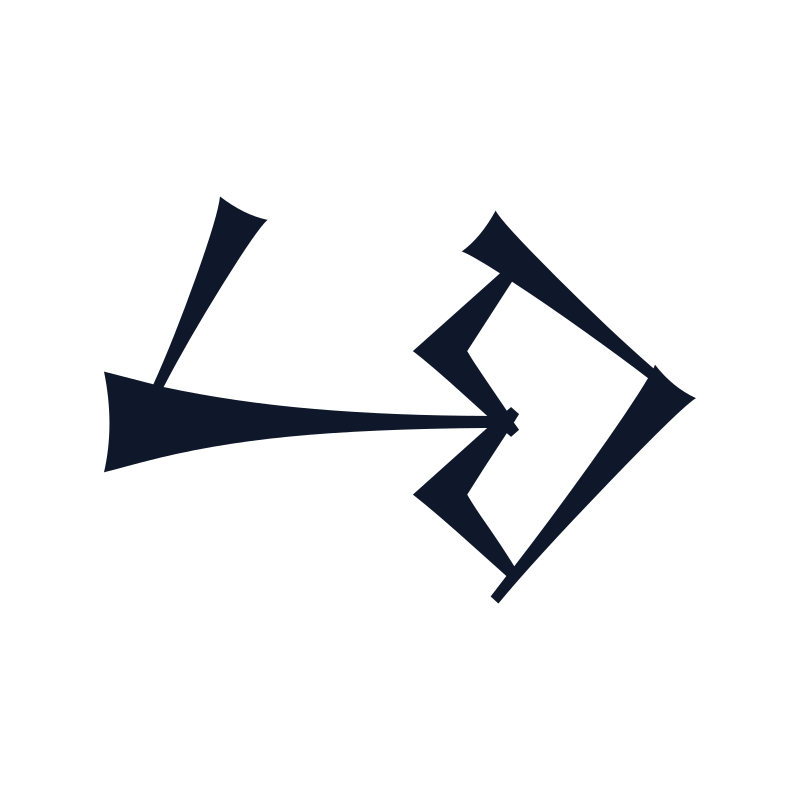 ZAMX · U+12361
𒍡
praise, hymn
Cuneiform sign ZAMₓ (U+12361), an Early Dynastic and lexical variant closely related to ZAG/ZAMI, used in the sacred doxology formula za₃-mi₂ ('praise be to...', Akkadian tanittu) at the conclusion of Sumerian temple hymns and literary compositions.
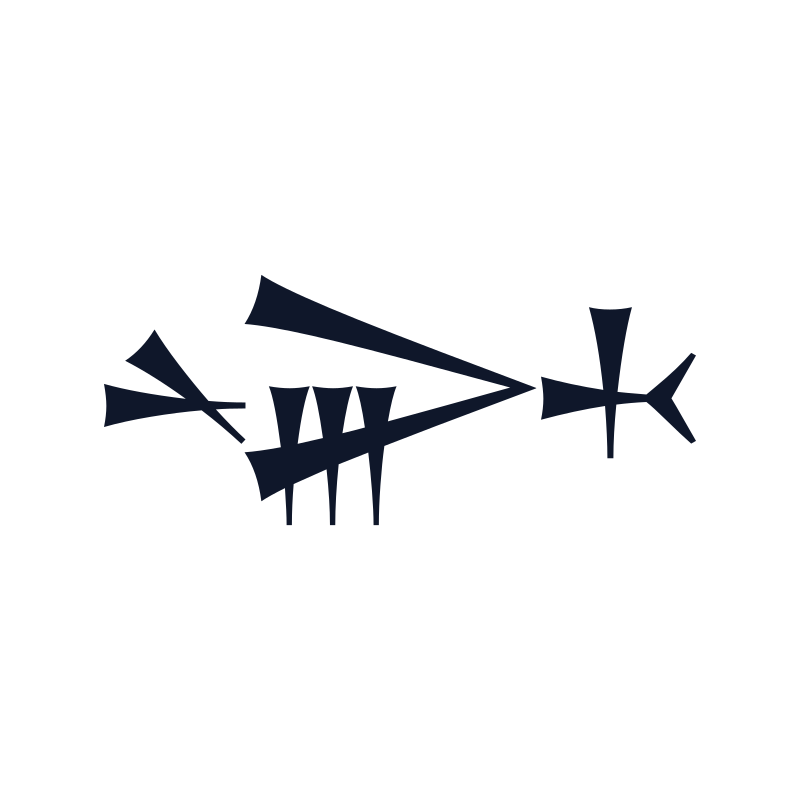 UTUKI · U+12359
𒍙
phantom, spirit
Cuneiform sign UTUKI (U+12359), a specialized complex logogram attested in Babylonian lexical and exorcistic traditions for netherworld spirits or phantoms (Akkadian utukku), related to underworld incantations and astral omens.
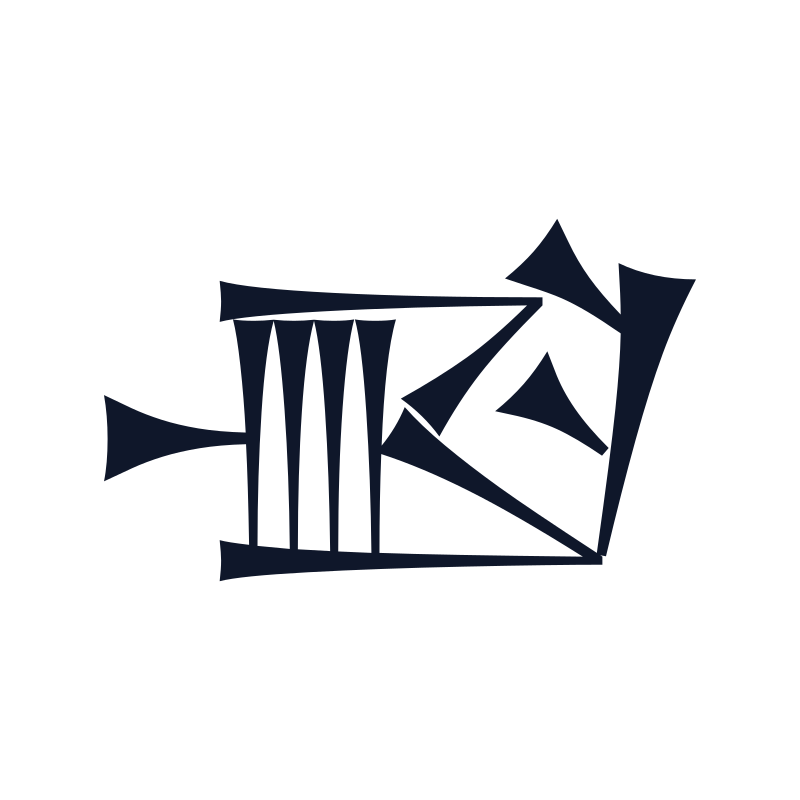 SUR9 · U+122EA
𒋪
lamentation priest
Cuneiform sign SUR₉ (Borger MZL 453, U+122EA), an archaic and lexical logogram designating a liturgical lamentation priest or temple chanter (Akkadian kalû, ṣurru) who performed soothing hymns to appease the hearts of the gods.
 PIR2 · U+12395
𒎕
radiance, bright light
Cuneiform sign PIR₂ (U+12395), related to UD/BABBAR, denoting dazzling solar radiance or brightness (Akkadian namāru, nūru) and used in Old Akkadian and Babylonian texts for the phonetic syllables pir₂, bir₂, and laḫ₃.
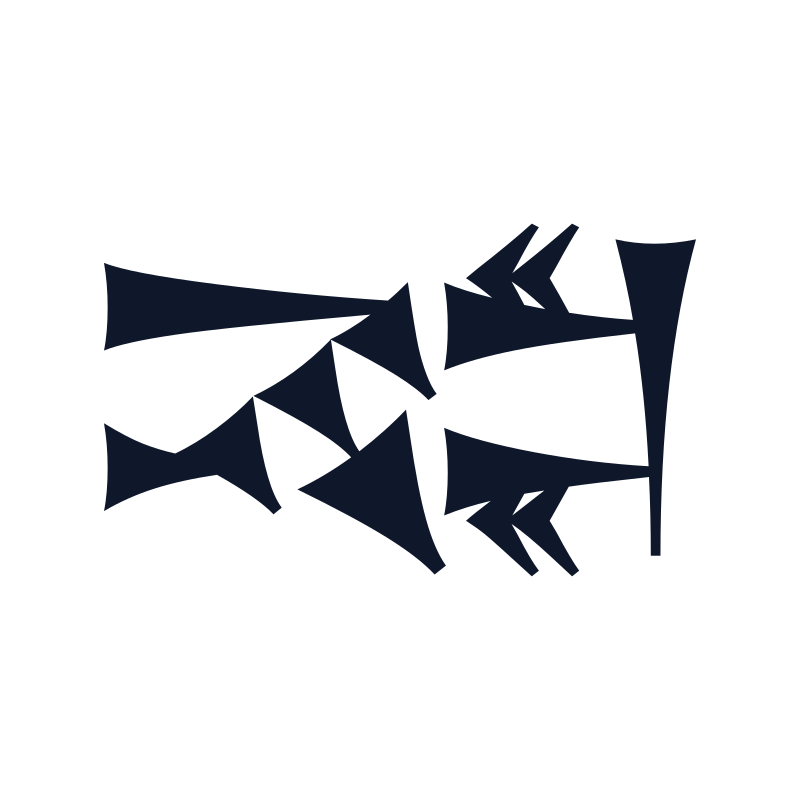 GIBIL · U+1224B
𒉋
new, renew, fire
Cuneiform sign NE-šešig, read GIBIL or BIL₂ (Borger MZL 314, U+1224B), augmenting the brazier/fire sign NE. It is the primary logogram for 'new, fresh' and 'to renew, restore' (Sumerian gibil, bil₂; Akkadian eššu, edēšu), writes the name of the fire god Gibil (Girra), and serves as the phonetic syllable bil₂ / pil₂.
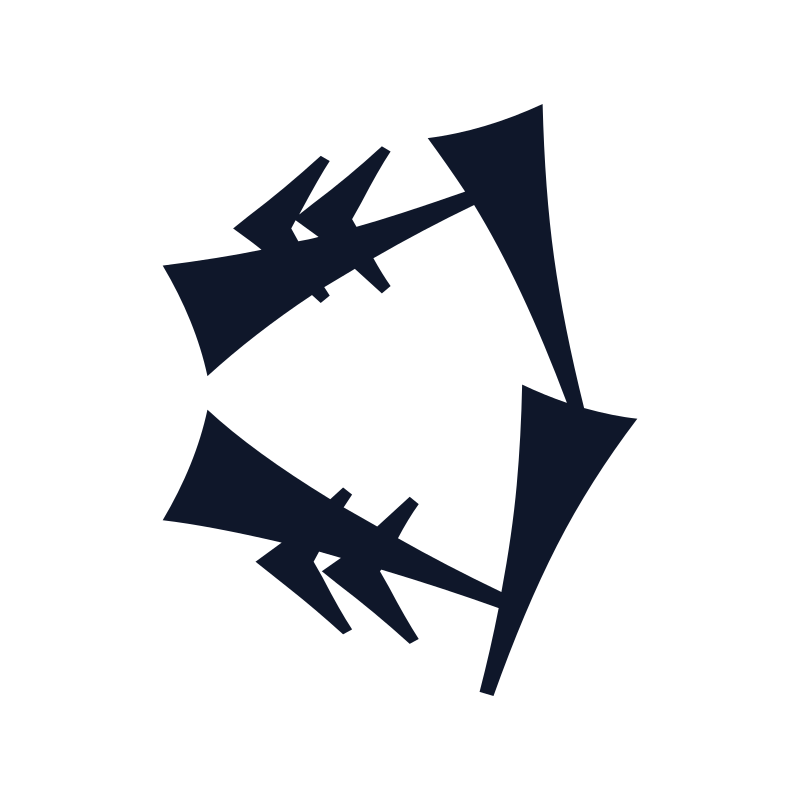 ITI · U+1231A
𒌚
month, lunar cycle
Cuneiform sign UD-šešig, read ITI or ITU (Borger MZL 87, U+1231A), originally depicting the sun/day sign enclosing thirty (30 days). It is the universal Mesopotamian logogram and determinative for 'month' and 'moonlight' (Sumerian iti, itud; Akkadian warḫu, arḫu), preceding every month name in administrative dates.
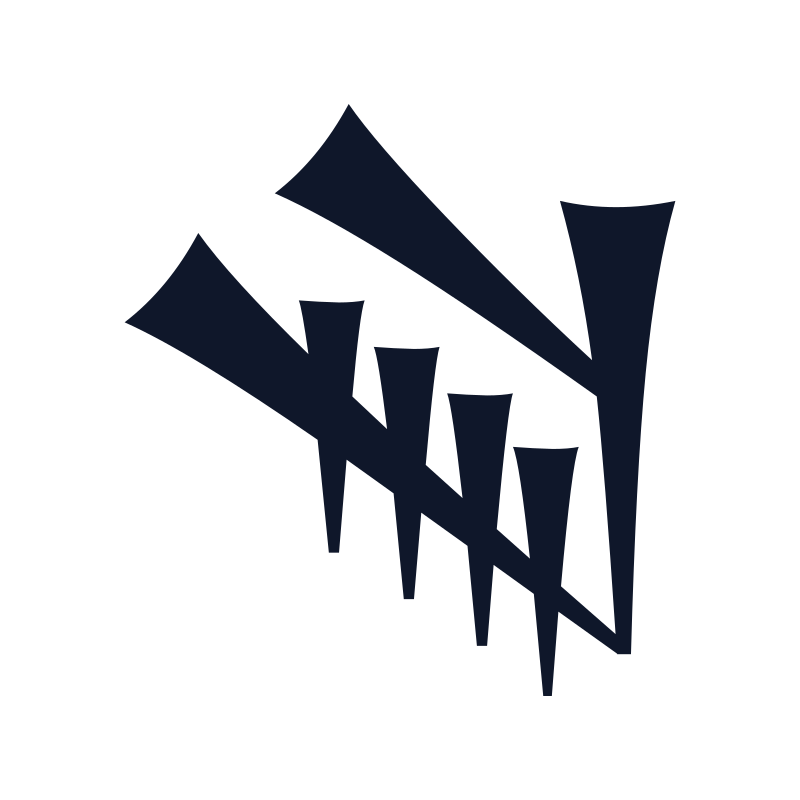 KAR2 · U+120F8
𒃸
to shine, illuminate
Cuneiform sign GAN₂-tenû, read KAR₂ or KARA₂ (Borger MZL 196, U+120F8), the slanted form of the field sign GAN₂. In Sumerian hymns it means 'to shine brightly, beam, illuminate' (Sumerian kar₂; Akkadian nabāṭu, ittancipḫu) like the sun god Utu or the stars, and also writes the syllable kar₂.
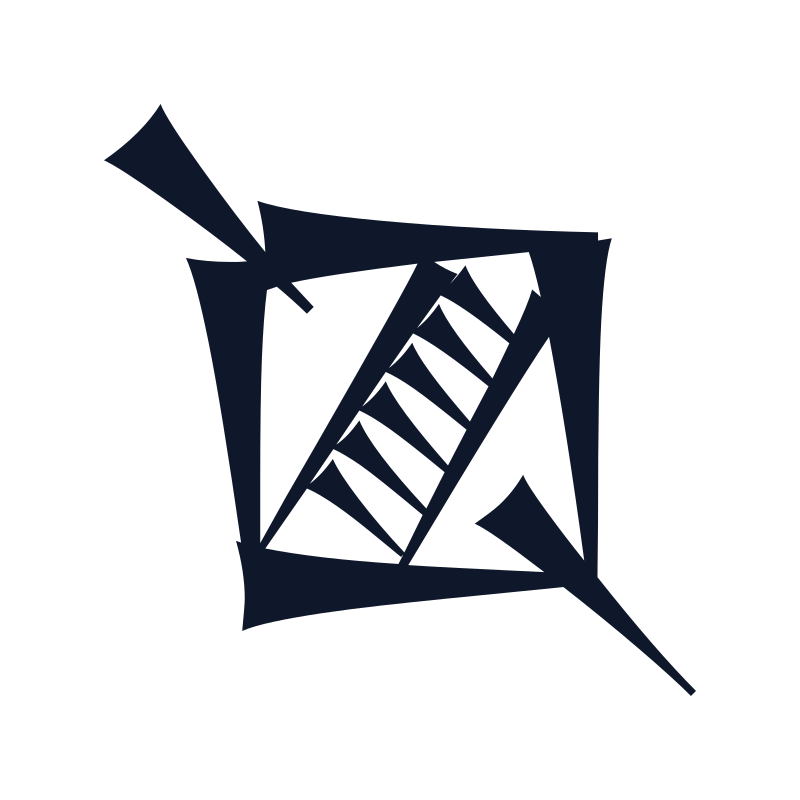 SHIR_TENU · U+122D4
𒋔
gleam, alabaster
Cuneiform sign ŠIR-tenû (U+122D4), the slanted (tenû) graphic variant of ŠIR / NU₁₁ ('light, alabaster'), preserved in Mesopotamian lexical traditions.
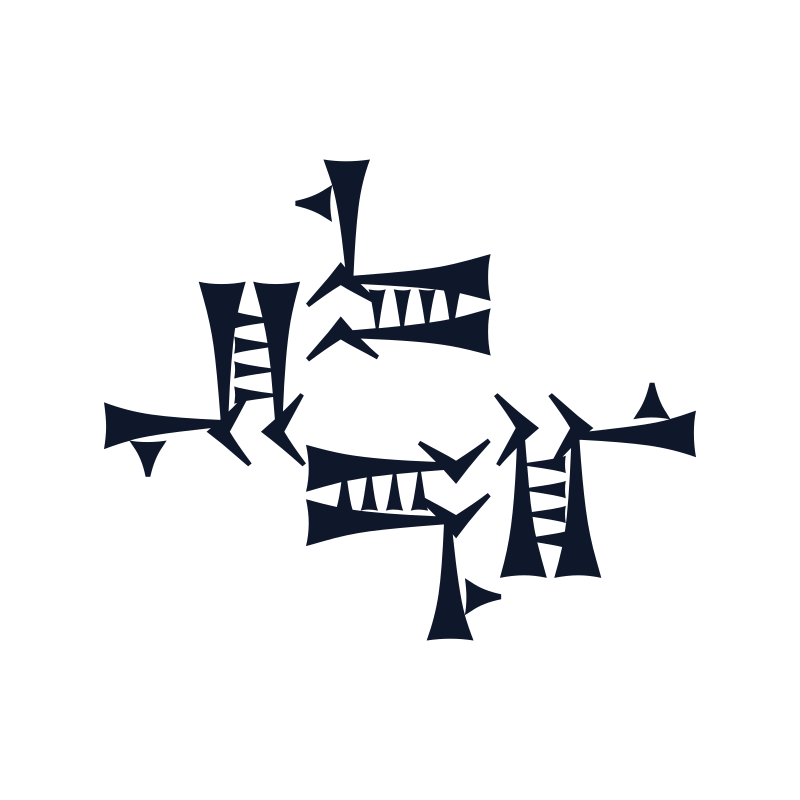 EN_SQUARED · U+1209D
𒂝
four quarters, cosmos
Cuneiform sign EN-squared (four EN signs arranged in a cross/square, U+1209D), a symmetrical cosmological ideogram preserved in Babylonian lexical lists to symbolize universal dominion over the four quarters.
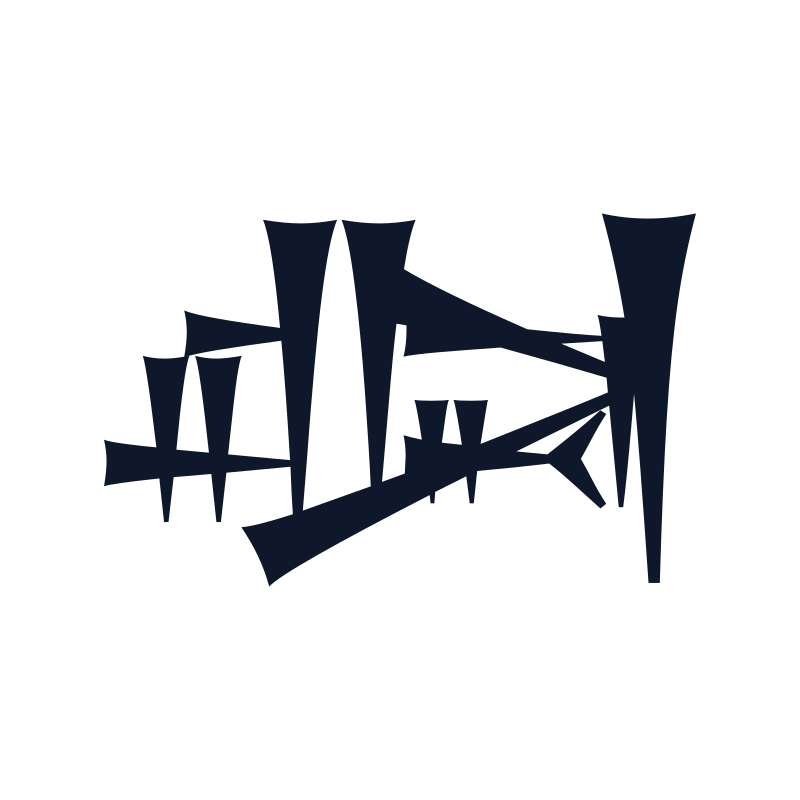 ALAD2 · U+12028
𒀨
protective spirit, guardian
Cuneiform sign AL×UŠ, read ALAD₂ (Borger MZL 479, U+12028), a logogram for the male protective spirit or human-headed winged bull colossus (Sumerian alad₂; Akkadian šēdu) that guarded temple and palace gateways alongside the female lamassu.
 SISKUR · U+1202C
𒀬
sacrifice, prayer, offering
Cuneiform sign AMAR׊E, read SISKUR or SIZKUR₂ (Borger MZL 692, U+1202C), combining AMAR ('calf') with ŠE ('barley') to depict a grain-fed sacrificial calf. It is the universal Sumerian logogram for 'sacrificial offering, libation, and prayer' (Sumerian siskur; Akkadian niqû, ikribu, karābu).
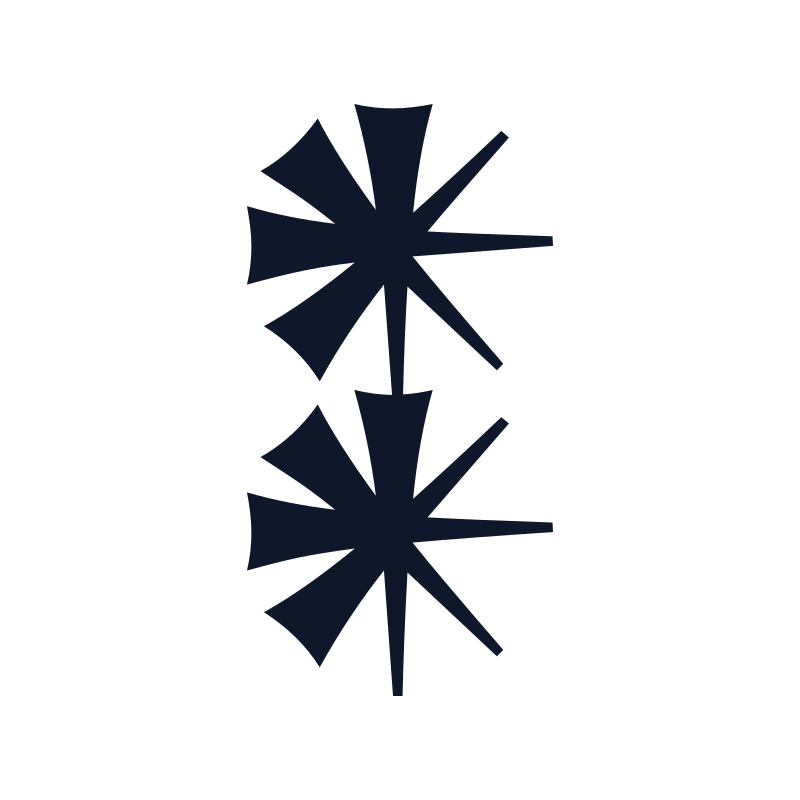 NAB · U+1202E
𒀮
ocean, deity
Cuneiform sign AN/AN (one star-sign AN stacked over another AN), read NAB or NAP (Borger MZL 226, U+1202E). It is the standard syllabic sign for closed syllables nab and nap in Akkadian, represents the Elamite word nap ('god'), and in lexical lists denotes the cosmic ocean (Akkadian tâmtu).
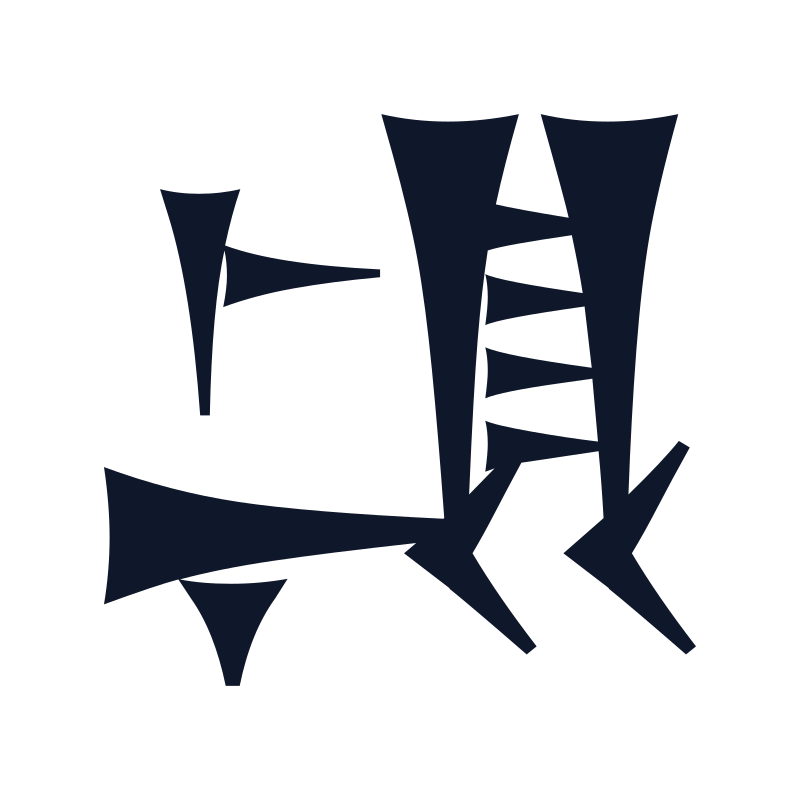 ENSI · U+1209A
𒂚
dream interpreter, seer
Cuneiform sign EN×ME, read ENSI (Borger MZL 167, U+1209A), inscribing ME ('divine ordinances') inside EN ('high priest/lord'). It designates a 'dream interpreter, necromancer, or diviner' (Sumerian ensi; Akkadian šā'ilu, šā'iltu), famous from Gudea's consultation with the goddess Nanše to interpret his temple-building dream.
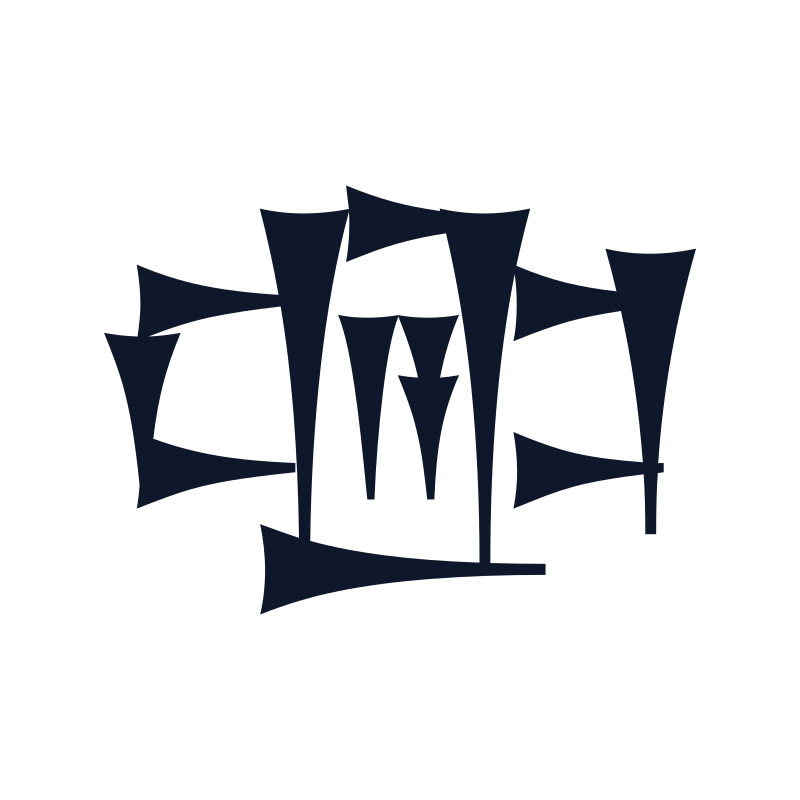 EZEN_A · U+120A2
𒂢
water festival, feast
Cuneiform sign EZEN×A (Borger MZL 272, U+120A2), inscribing A ('water') inside the festival sign EZEN, attested in Mesopotamian lexical lists and calendar notations.
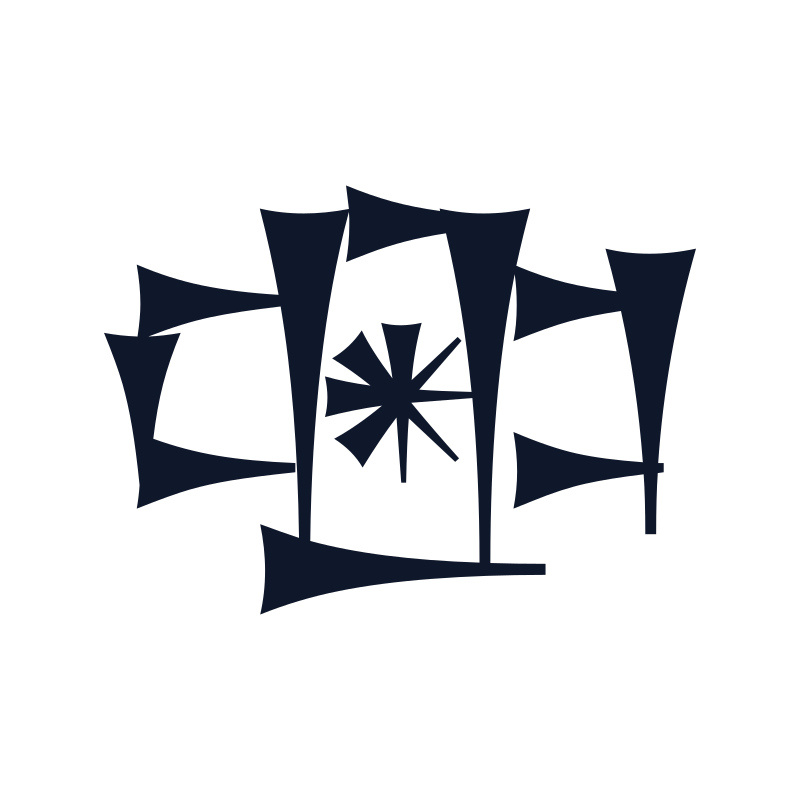 ASHLUG · U+120A5
𒂥
sacred festival, storeroom
Cuneiform sign EZEN×AN, read AŠLUG (Borger MZL 261, U+120A5), inscribing the divine star AN inside EZEN. In lexical traditions it denotes a temple storehouse or sacred festival chamber.
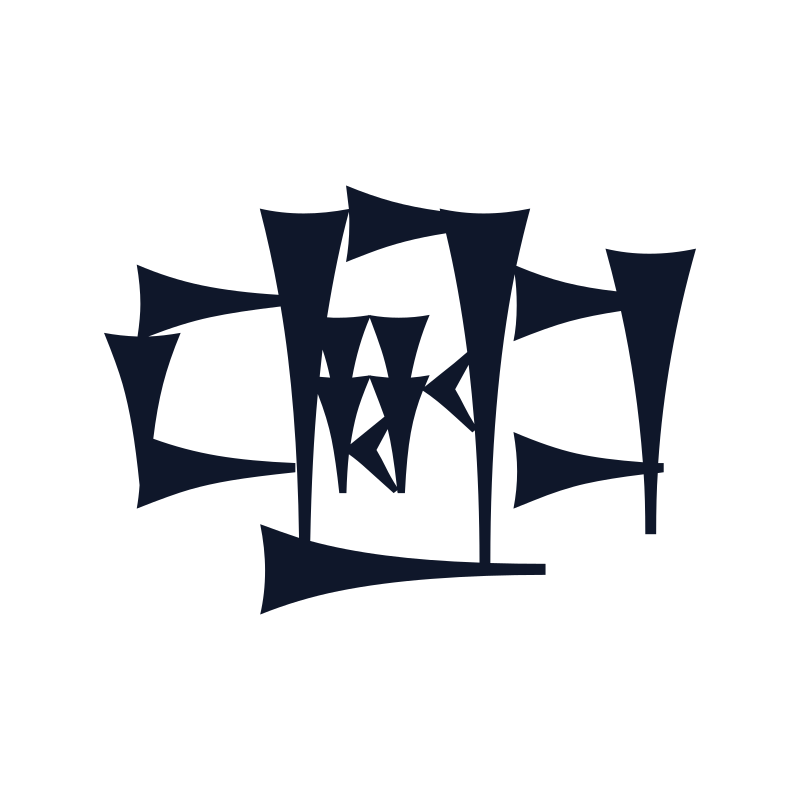 EZEN_HA · U+120A9
𒂩
fish festival, feast
Cuneiform sign EZEN×ḪA (Borger MZL 273, U+120A9), inscribing the fish sign ḪA inside the festival sign EZEN, attested in Early Dynastic ritual calendars (such as the cult of Nanše in Lagash) and Babylonian lexical lists.
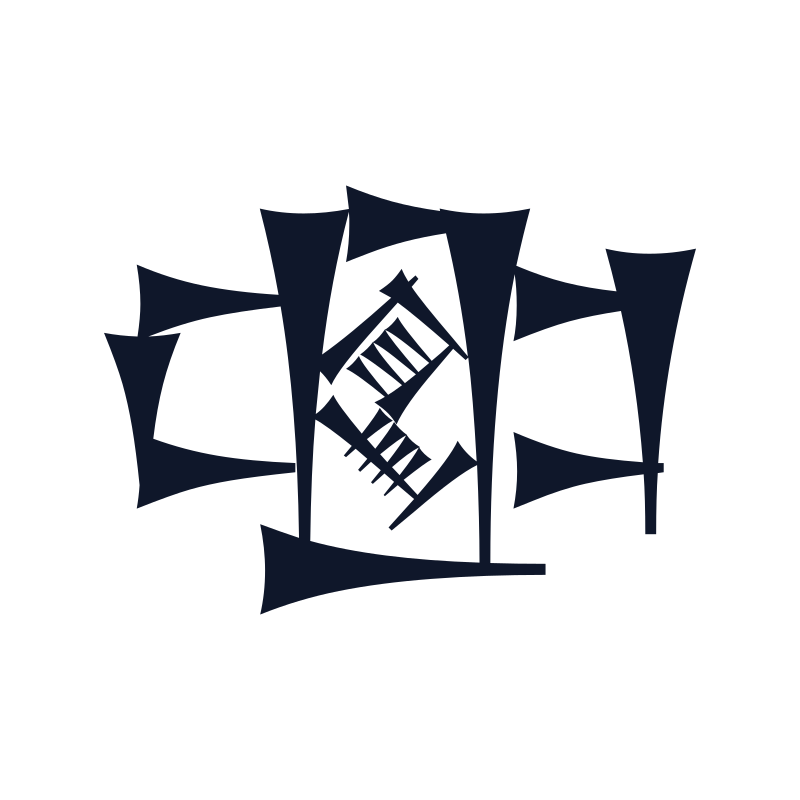 ASILAL3 · U+120AE
𒂮
jubilation, rejoicing
Cuneiform sign EZEN×KU₃, read ASILAL₃ (Borger MZL 274, U+120AE), inscribing KU₃ ('pure, sacred, silver') inside EZEN ('festival'). It denotes 'joyous celebration, jubilation, and sacred rejoicing' (Sumerian asilal₃; Akkadian rīštu).
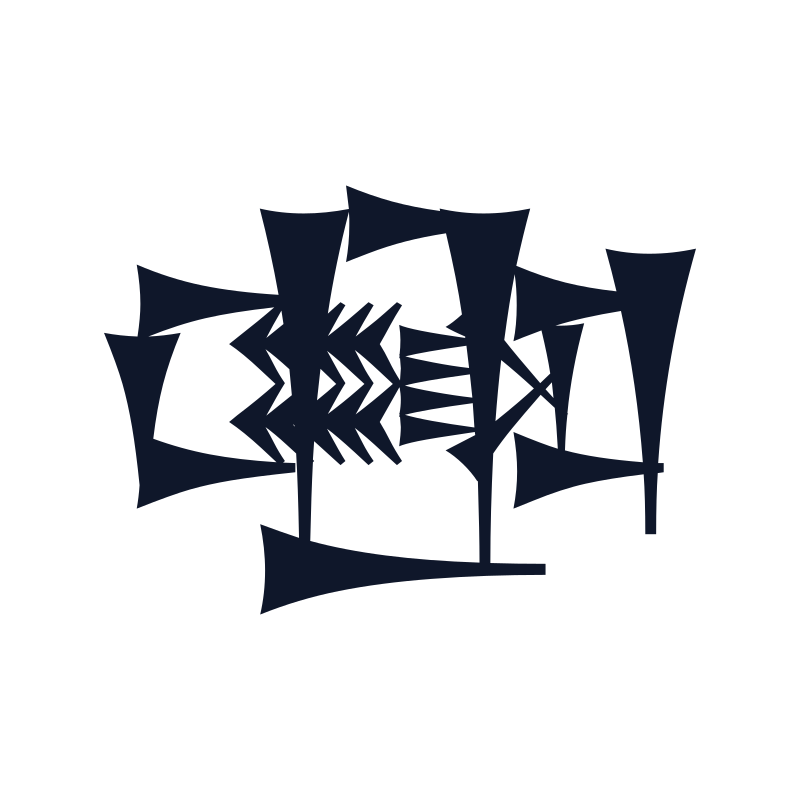 EZEN_LI · U+120B1
𒂱
incense festival, joy
Cuneiform sign EZEN×LI (Borger MZL 264, U+120B1), inscribing LI ('juniper aromatic, joy') inside the festival sign EZEN, used in lexical lists as an orthographic variant for festive rejoicing and aromatic temple rites.
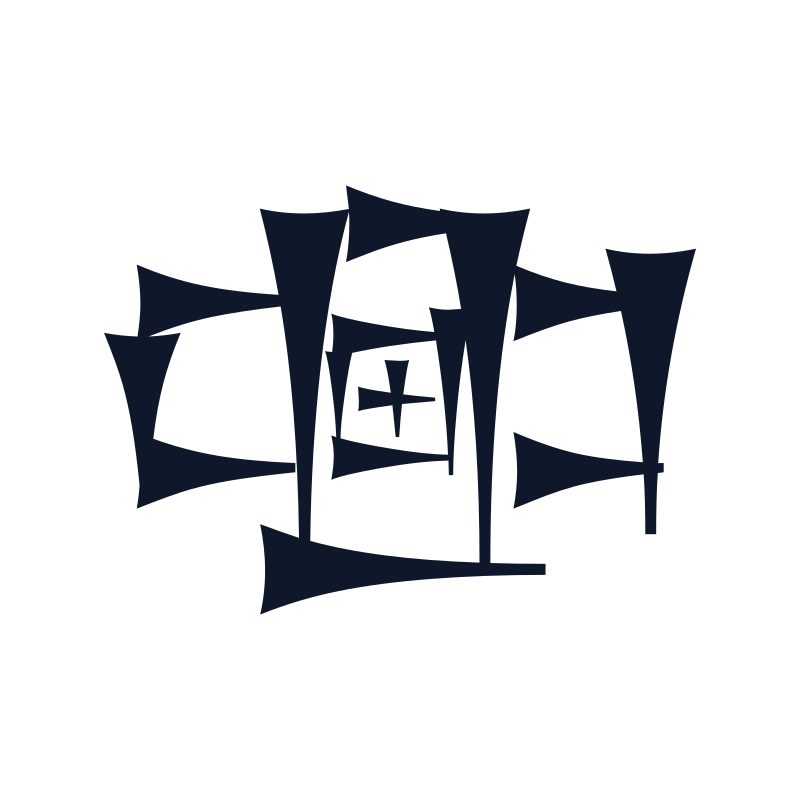 ASILAL2 · U+120B2
𒂲
festive rejoicing, feast
Cuneiform sign EZEN×LU, read ASILAL₂ (Borger MZL 275, U+120B2), inscribing the sheep sign LU/UDU inside the festival sign EZEN to denote a sacrificial banquet and joyful celebration (Akkadian rīštu).
 EZEN_U2 · U+120B3
𒂳
herb festival, feast
Cuneiform sign EZEN×U₂ (Borger MZL 267, U+120B3), inscribing the plant/herb sign U₂ inside the festival sign EZEN, preserved in Babylonian lexical lists of cultic festivals.
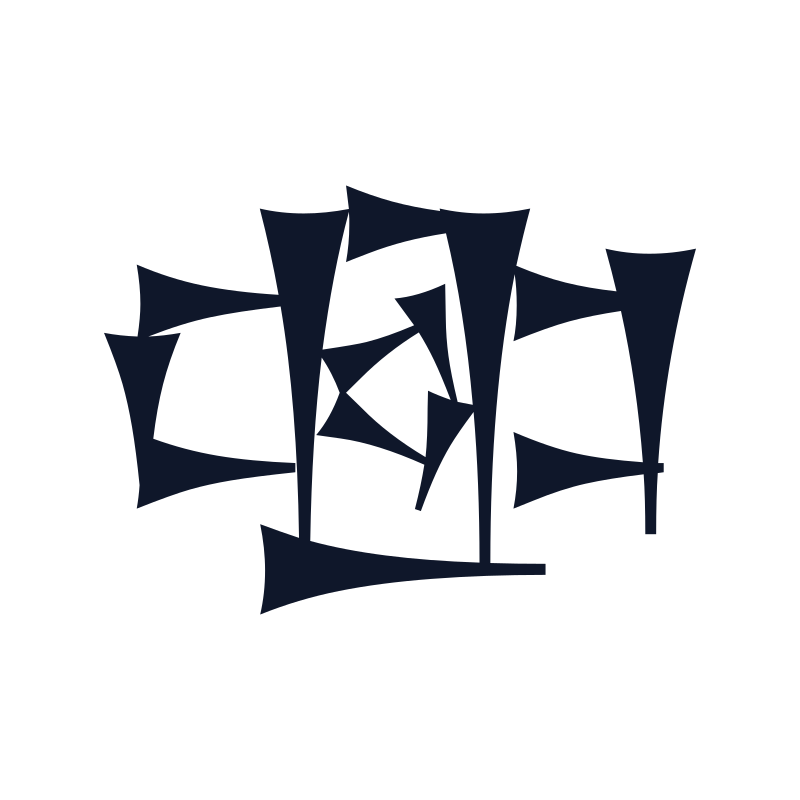 EZEN_UD · U+120B4
𒂴
festival day, celebration
Cuneiform sign EZEN×UD (Borger MZL 270, U+120B4), combining EZEN ('festival') with UD ('day, sun'), attested in Mesopotamian lexical series for a bright festival day or solar feast.
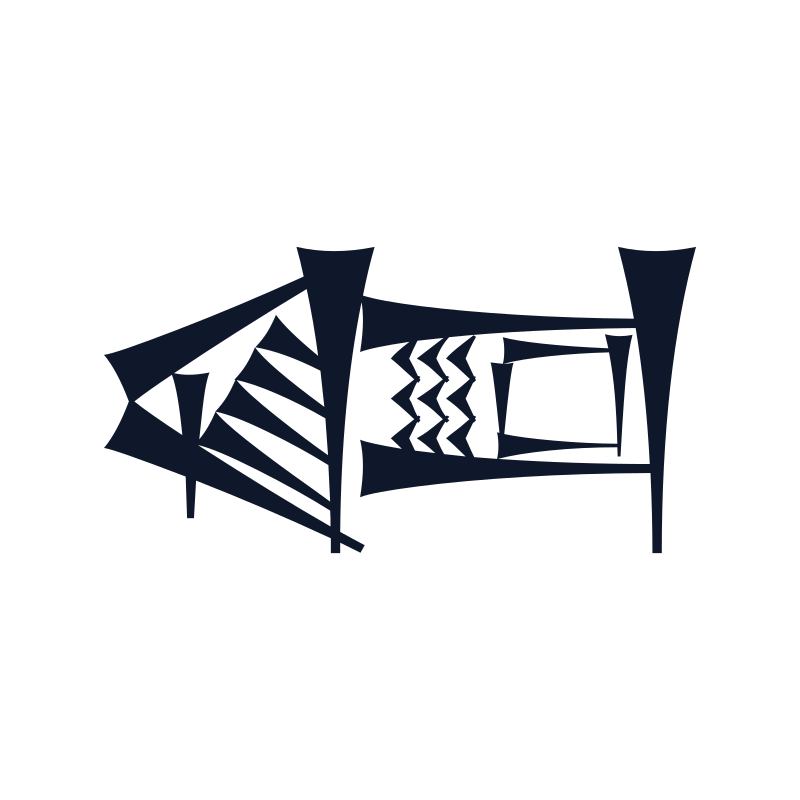 MU7 · U+1217F
𒅿
incantation, roar, spell
MU₇ (𒅿, structurally KA×SAR) is a Sumerian logogram meaning 'incantation, spell' or 'roar, thunderous voice' (Akkadian `šiptu`, `ramīmu`). It frequently appears in the divine epithet `mu₇-mu₇` for exorcistic priests (`āšipu`) and deities of magic such as Enki and Asalluhi.
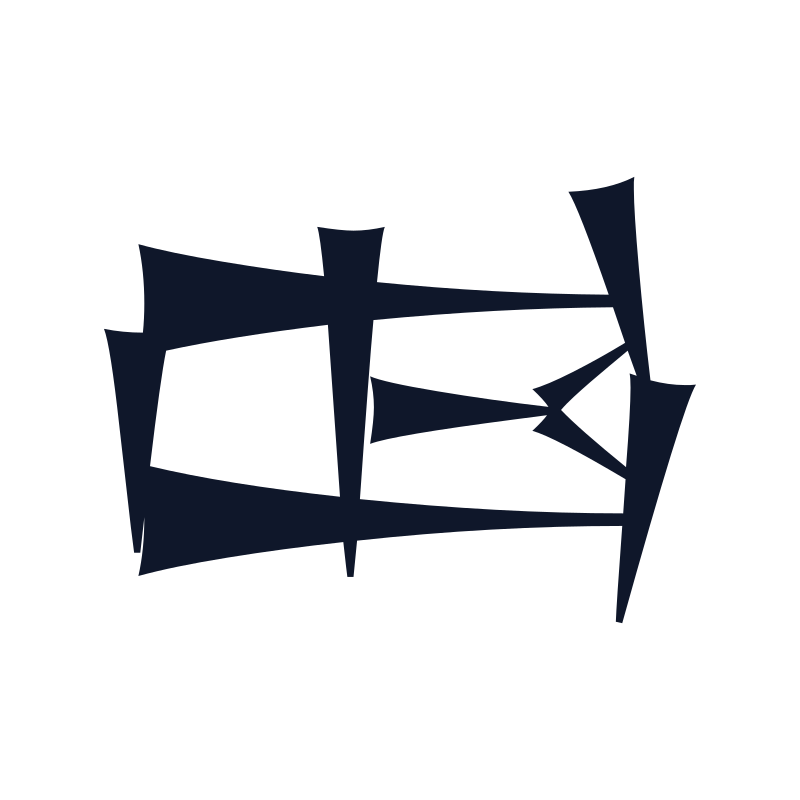 ALAD2 · U+12198
𒆘
protective spirit, guardian
ALAD₂ (𒆘, structurally KAL×BAD) is a logogram for the Sumerian `alad` and Akkadian `šēdu`—the male protective spirit and human-headed winged bull colossus guarding temple and palace gateways alongside the female `lama` (`lamassu`).
 LAGAB×AN · U+121BE
𒆾
celestial circle, sacred precinct
LAGAB×AN (𒆾) encloses the star and divinity sign AN/DINGIR within the circular ring LAGAB. In Mesopotamian lexical lists, it denotes a sacred divine enclosure, a boundary marker, or the circular disk of the heavens.
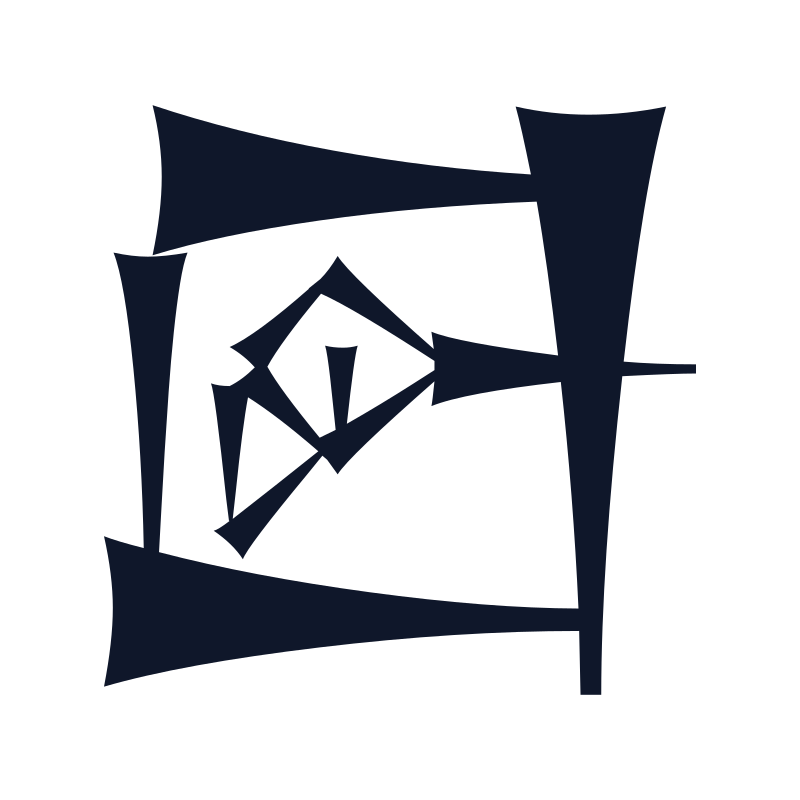 ENGUR · U+121CC
𒇌
cosmic abyss, primordial waters
ENGUR (𒇌, structurally LAGAB×IM or LAGAB×HAL) is a major Sumerian logogram for the subterranean fresh-water ocean (`engur`, Akkadian `apsû`, `engurru`), the cosmic realm of the wisdom god Enki (Ea) beneath the earth, as well as a clay pit or kiln.
 LAGAB×ME · U+121D8
𒇘
sacred sphere, divine basin
LAGAB×ME (𒇘) combines the circular ring LAGAB with an inscribed ME ('divine ordinances, cosmic powers, ritual office'). It also serves as the base frame for LAGAB×ME+EN (`esir₂`, 'bitumen') and denotes a ritual basin or sacred sphere in lexical traditions.
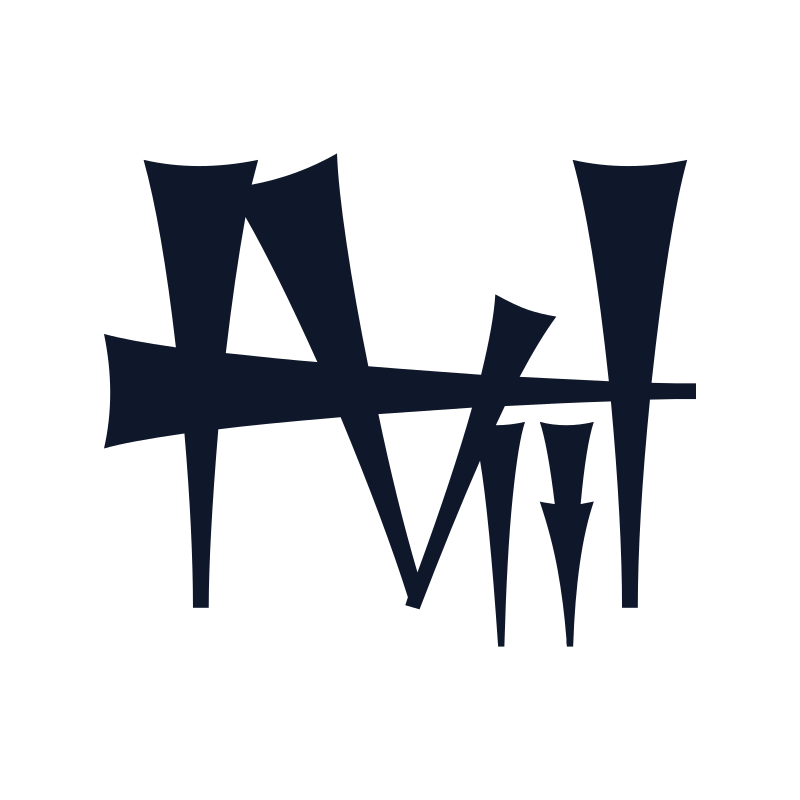 MUSH3×A · U+1223A
𒈺
sacred cooling, refreshment
MUŠ₃×A (𒈺) combines MUŠ₃ (the sacred emblem of Inanna; also 'appearance, radiance') with A ('water'). Related to Sumerian `sed` ('to cool, soothe, rest'; Akkadian `kaṣû`, `nāhu`), it denotes cooling water, soothing a deity's heart, or ritual libation.
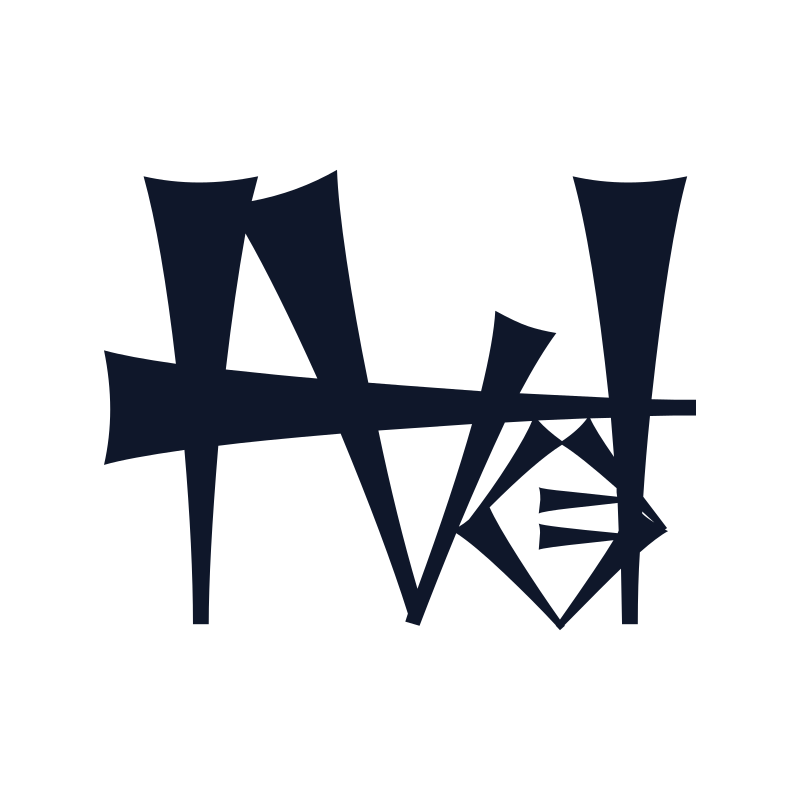 MUSH3×DI · U+1223C
𒈼
radiant countenance, splendor
MUŠ₃×DI (𒈼) combines MUŠ₃ ('sacred diadem, divine aspect/features', Akkadian `zīmū`) with DI ('to shine, judge, decision'). In Mesopotamian lexical and hymnic traditions, it denotes a radiant divine countenance, a jeweled headband (`suh`), or Inanna's shining judgment.
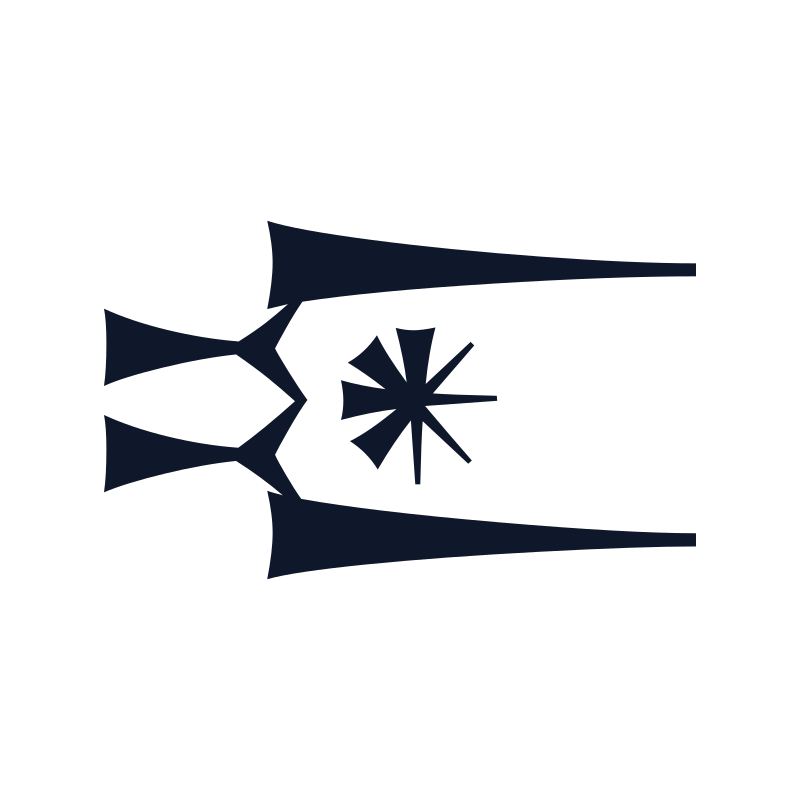 SHITA4 · U+12253
𒉓
sacred vessel, divine emblem
NINDA₂×AN (𒉓, read `šita₄` or as a component of `agarin`, 'mother-womb, crucible') combines the vessel sign NINDA₂ with the divine star AN. In Sumerian religious and lexical texts, it designates a sacred temple vessel, divine emblem, or generative matrix.
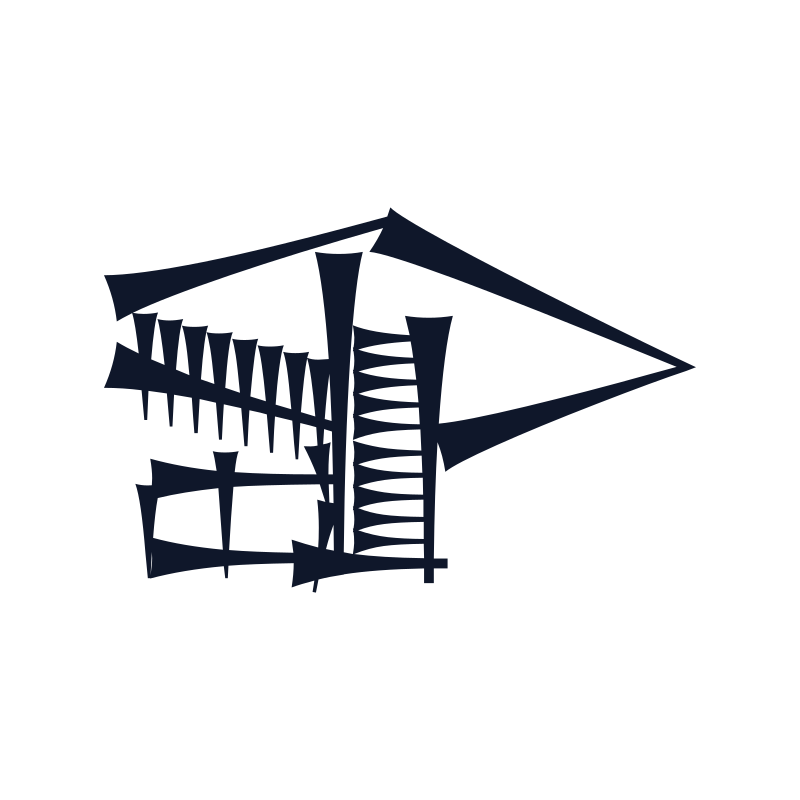 ALAD · U+1228B
𒊋
protective spirit, winged bull
ALAD (𒊋, structurally PIRIG×KAL, 'lion + strong/noble') is the primary logogram for the Sumerian `alad` and Akkadian `šēdu` (usually written `ᵈalad`), the benevolent male protective spirit and monumental human-headed winged bull or lion guarding Assyrian and Babylonian palace gates.
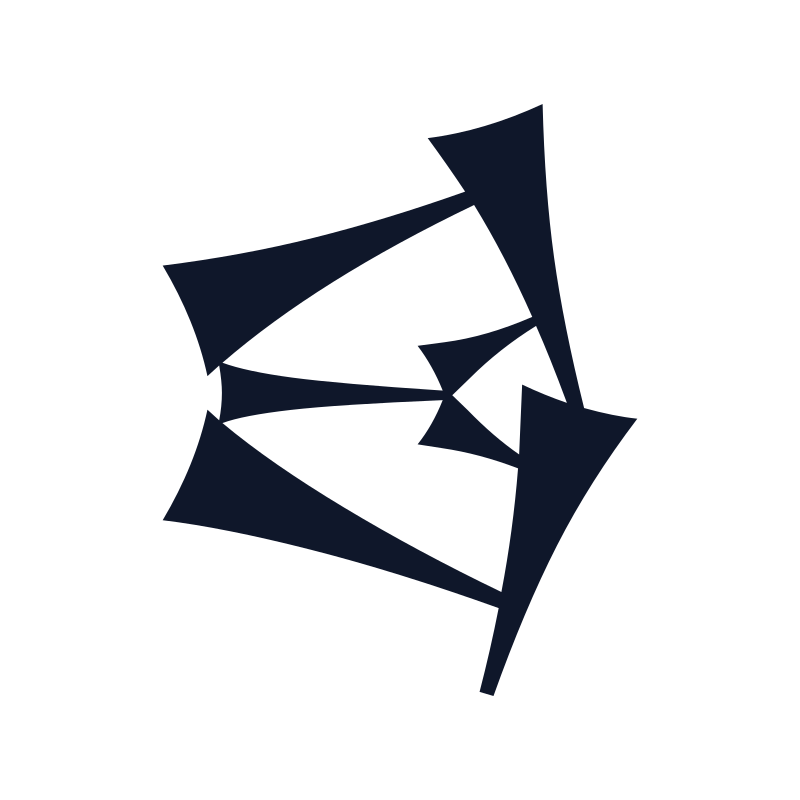 UD×BAD · U+12315
𒌕
fateful day, solar omen
UD×BAD (𒌕) combines UD ('sun, day, storm') with an inscribed BAD ('open, distant, dead, blood'). In Babylonian celestial omen series (Enūma Anu Enlil) and lexical lists, it denotes an ominous or blood-red solar disk, a fateful day, or a destructive storm.
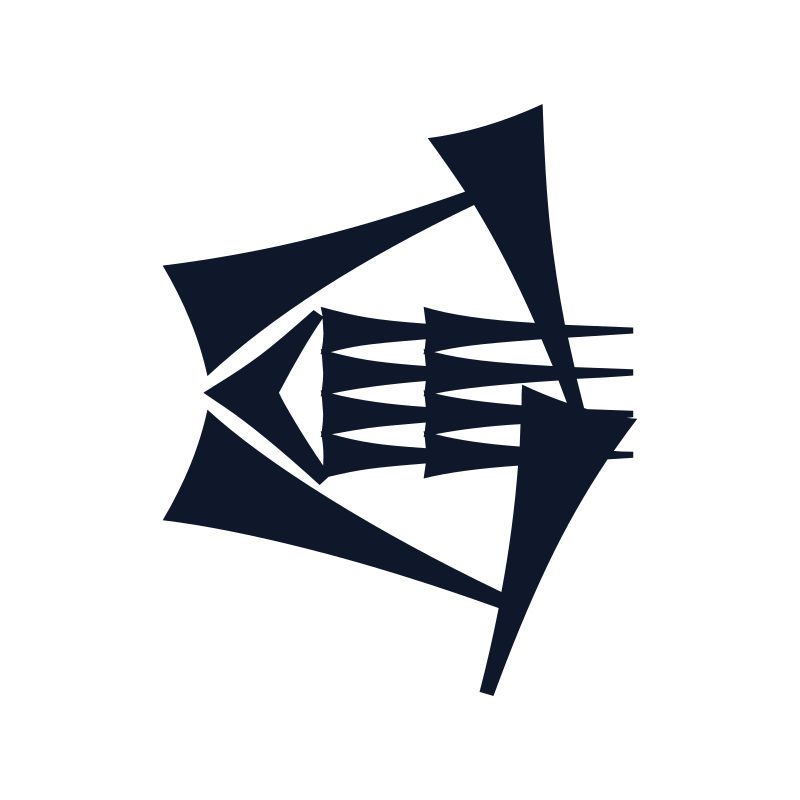 UD×MI · U+12316
𒌖
solar eclipse, darkened day
UD×MI (𒌖) unites UD ('sun, day, light') with an inscribed MI ('night, darkness, black shadow'). Graphically depicting darkness inside the sun, it signifies a darkened day (`u₄-mud`), a solar eclipse (`attalû`), or the cycle of day and night (`u₄-mi`).
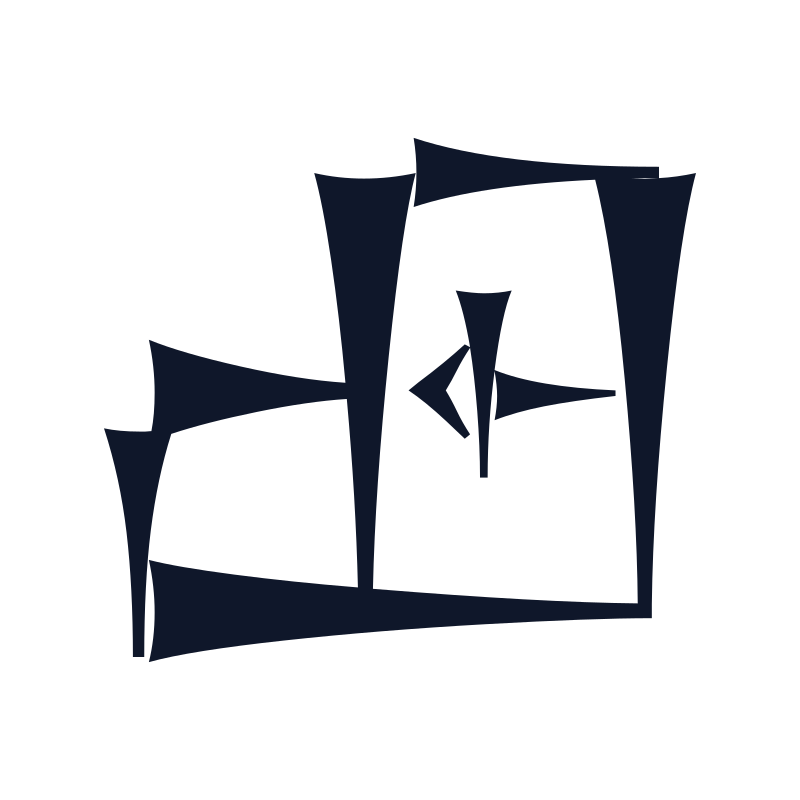 ASARI · U+12342
𒍂
god Asalluhi, Marduk
ASARI (𒍂, structurally URU×IGI) is the sacred logogram for the Sumerian god Asalluhi (`ᵈAsar-lu₂-hi`, son of Enki and patron deity of Kuara and exorcistic magic), who was syncretized with Marduk of Babylon. In Enūma Eliš VII, the sign is exegetically analyzed through its components URU ('city/deluge') and IGI ('eye/vision').
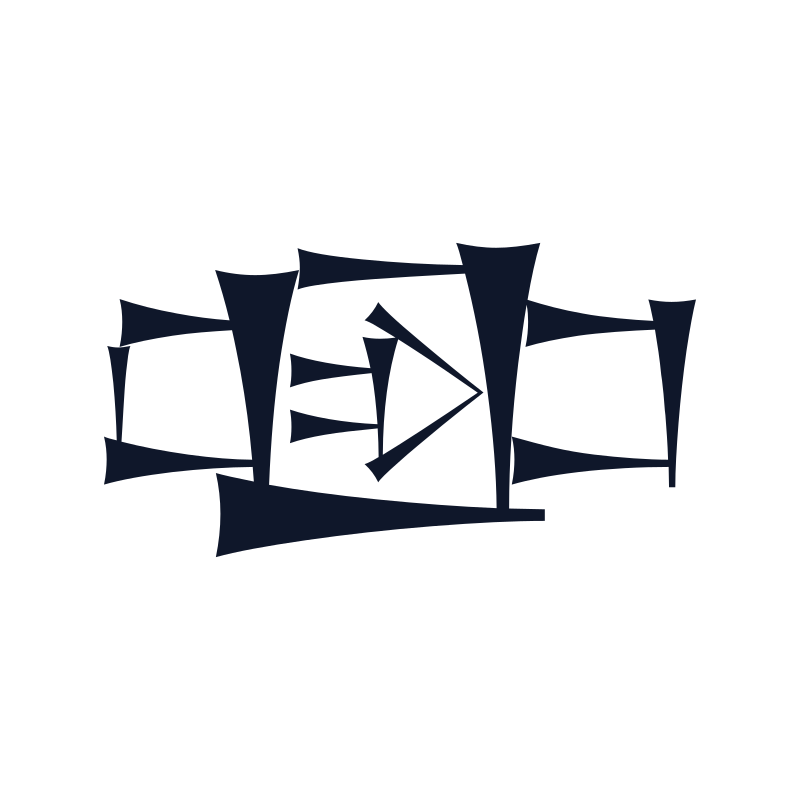 EZEN×GUD · U+12377
𒍷
ox festival, plowing feast
EZEN×GUD (𒍷) combines EZEN ('festival, religious feast') with an inscribed GUD ('ox, bull'). It relates to the famous Sumerian festival and second month of the Nippur calendar `gud-si-su` ('Directing the Oxen to the Plow'), celebrating the god Ninurta and the preparation of draft oxen for spring agricultural work.
 EZEN×SHE · U+12378
𒍸
barley festival, harvest feast
EZEN׊E (𒍸) encloses ŠE ('barley, grain') within EZEN ('festival'). In Early Dynastic and Ur III liturgical calendars (such as at Lagash, Girsu, and Ur), it designates the great Barley-Eating Festival (`ezen-še-gu₇-ᵈNanše` / `ᵈNanna`) celebrating the new grain harvest.
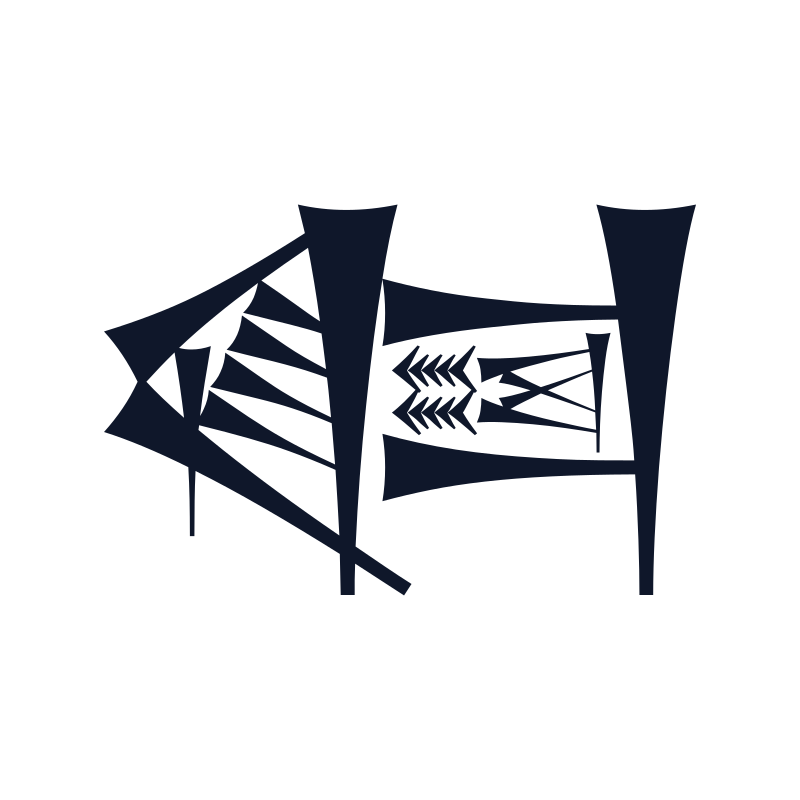 TU6 · U+12386
𒎆
incantation, magic spell
TU₆ (𒎆, structurally KA×TU or KA×LI, 'mouth + ritual formula') is the primary Sumerian logogram for 'incantation, magical spell, or healing formula' (Akkadian `tû`, `šiptu`). Paired with `en₂` (`tu₆-en₂`), it opens and closes thousands of Mesopotamian exorcistic and medical incantations.
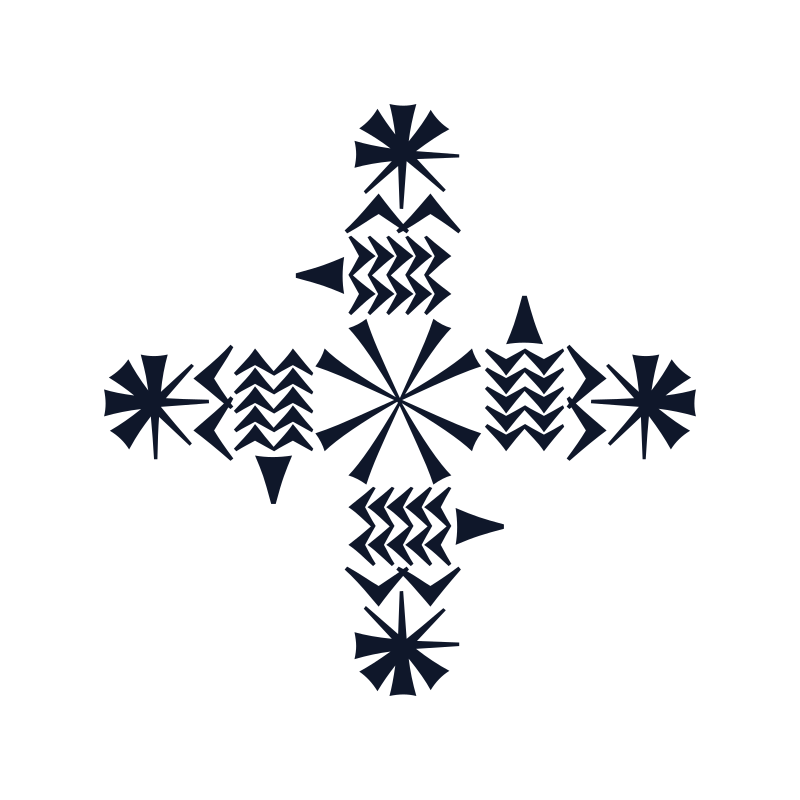 DALHAMUN4 · U+12031
𒀱
cosmic whirlwind, four winds
CUNEIFORM SIGN AN PLUS NAGA SQUARED (𒀱) is an intricate fourfold radially symmetric glyph arranging four AN+NAGA (`ᵈNisaba`) groups around a central axis. In Babylonian lexical lists, this cruciform/swirling geometry represents a violent whirlwind, dust storm, or vortex of the four winds (`dalhamun`, Akkadian `ašamšūtu`).
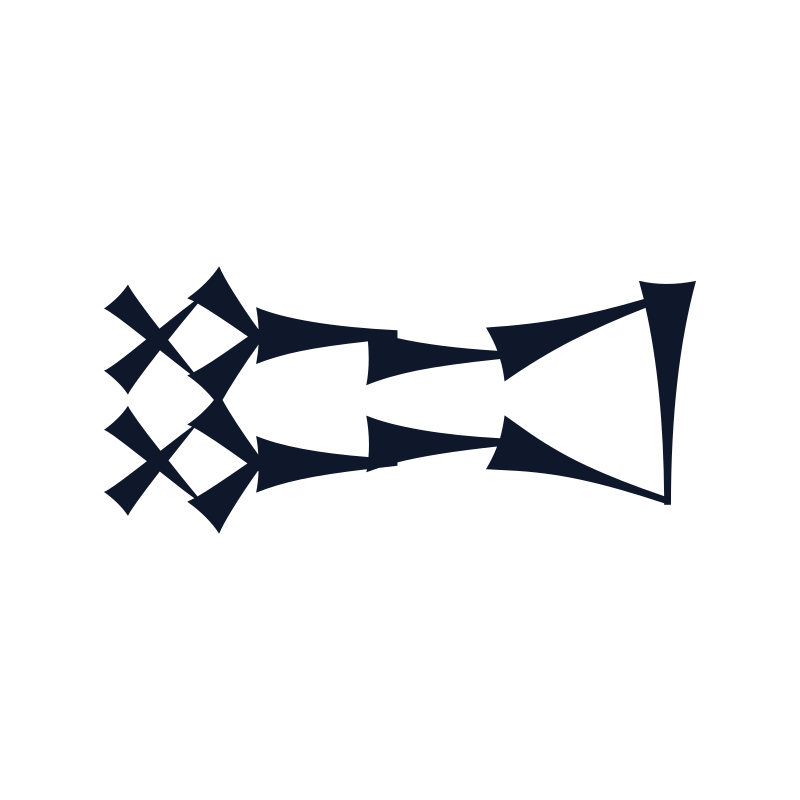 SIR3 · U+1204E
𒁎
sacred song, hymn, chant
SIR₃ (𒁎, structurally BU OVER BU PLUS AB, Sumerian `šir₃` / `sir₃`, Akkadian `zamāru`, `ṣerhu`) is a classic Sumerian logogram meaning 'song, hymn, sacred chant, or to sing'. It appears in literary colophons classifying genres of Sumerian poetry such as `šir₃-gida` ('long hymn') and `šir₃-namšub` ('incantation song').
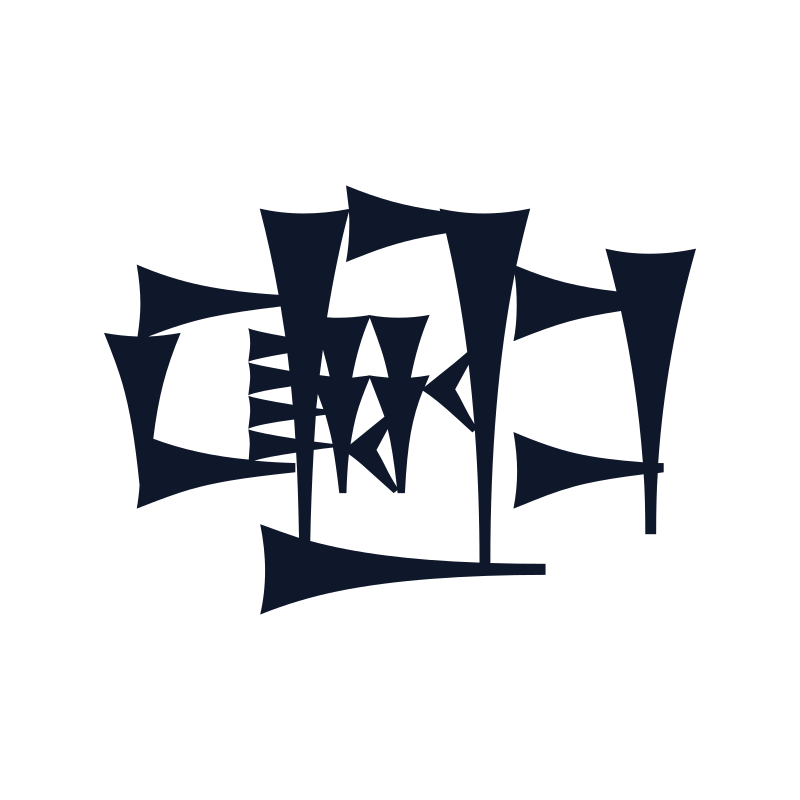 EZENxHA.GUNU · U+120AA
𒂪
festival offering, ritual banquet
EZEN×HA-gunû (𒂪) is a compound cuneiform sign inscribing HA-gunû (𒄪, hatched fish or abundance) inside EZEN (𒂦, religious festival). In Early Dynastic and Old Babylonian lexical lists, it denotes a sacred festival offering or ceremonial banquet richly supplied with fish for the temple gods. It highlights the central role of marsh and marine offerings in Sumerian cultic feasts.
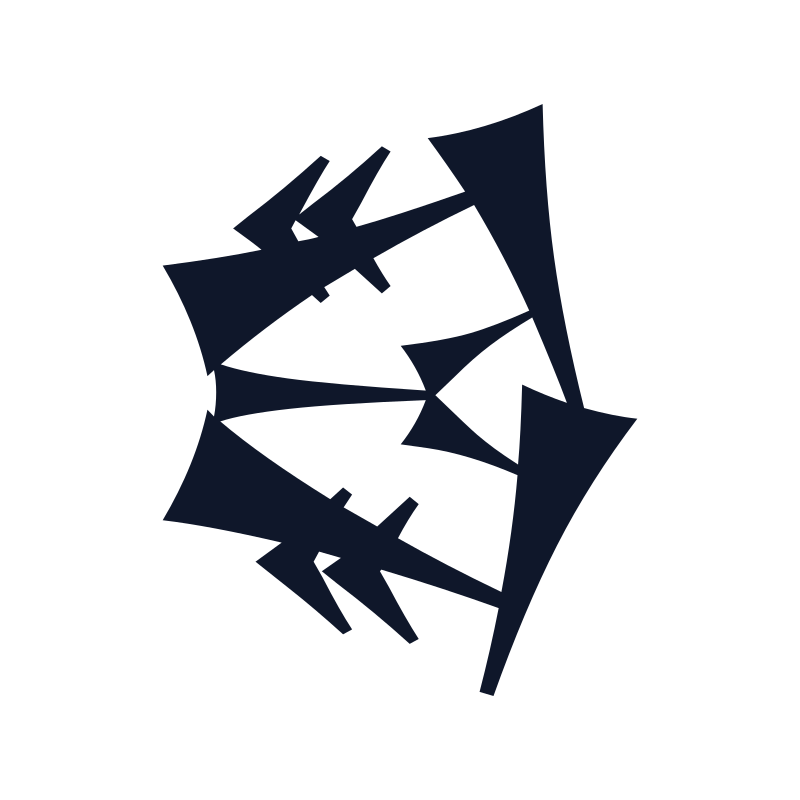 UD.SHESHIGxBAD · U+1231B
𒌛
darkened day, omen storm
UD ŠEŠIG×BAD (𒌛) combines UD (𒌓, sun, day, or storm) embellished with šešig wedges and an inscribed BAD (𒁁, open, remote, or death). In Mesopotamian calendar and astrological omen traditions, it designates a darkened or ominous day, an eclipse event, or a festival day dedicated to ancestral spirits.
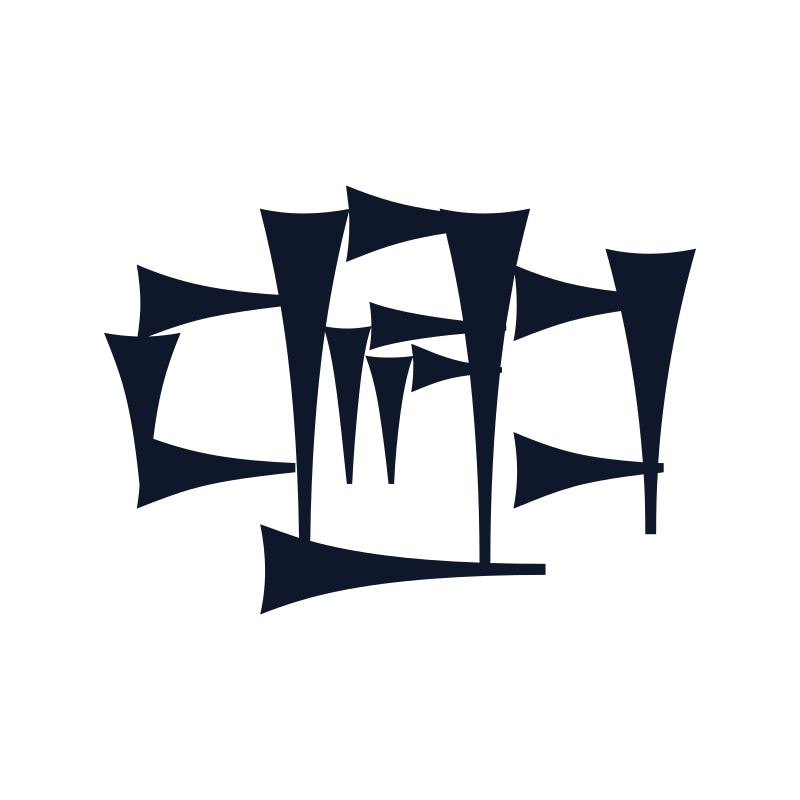 EZENxLALxLAL · U+120B0
𒂰
honey feast, trellised shrine
EZEN×LAL×LAL (𒂰) places the reduplicated sign LAL×LAL (𒇲, to bind, hang, or honey/syrup) inside EZEN (𒂦, religious festival). In Babylonian lexical lists, it denotes a festival offering of honey and date syrup or a ceremonial booth draped with hanging garlands.
 LAGABxENGUR · U+121CA
𒇊
primordial abyss, sacred pool
LAGAB×HI×NUN (𒇊) encloses the compound sign HI×NUN (𒄭×𒉣, ENGUR, subterranean fresh waters) within the circular basin sign LAGAB (𒇉). In Mesopotamian cosmological and lexical traditions, it represents the bounded sacred pool of the Apsu in Enki's temple at Eridu or the primordial subterranean deep (Akkadian engurru, apsû).
 ABxESH · U+12014
𒀔
lunar month, thirty-day cycle
AB×U.U.U (𒀔) places three U (𒌋, ten) wedges—totalling thirty—inside the shrine sign AB (𒀊). Paralleling UD×U.U.U (𒌚, iti, lunar month of thirty days), this Early Dynastic and Babylonian variant signifies a thirty-day cultic month or a monthly sanctuary festival.
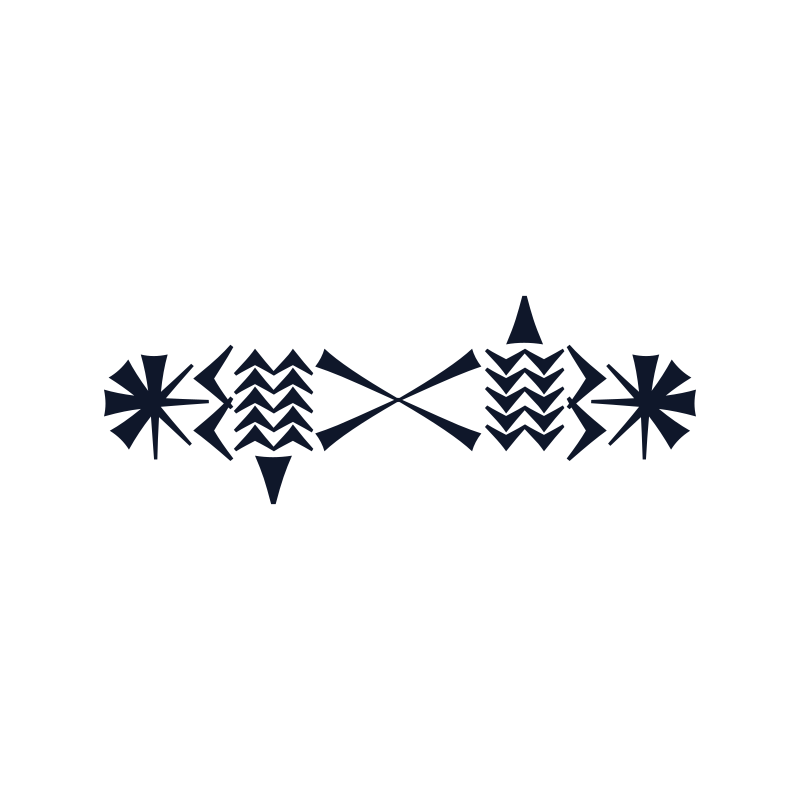 AN.NAGA.AN.NAGA · U+12030
𒀰
Nisaba emblem, ritual purity
AN.NAGA OPPOSING AN.NAGA (𒀰) arranges two AN.NAGA (𒀭𒉀, the logogram for Nisaba, goddess of writing and grain, as well as alkaline purity) groups in mirror-image opposition. Preserved in scholarly Babylonian sign lists, it symbolizes supreme cultic purity and the patronage of the scribal goddess Nisaba.
 ITI · U+12317
𒌗
lunar month, moonlight, calendar
UD×U.U.U (𒌗), read logographically as ITI or ITU (Akkadian warhu / arhu), is the standard cuneiform sign for 'month' and 'moonlight'. Formed by inscribing three U (𒌋, ten) wedges—equalling thirty—inside UD (𒌓, day), it literally means 'thirty days', the length of an ideal Mesopotamian lunar month, and precedes every month name in administrative dates.
 ITI.GUNU · U+12318
𒌘
full-moon month, festive cycle
UD×U.U.U GUNU (𒌘) is the gunû-hatched monumental variant of UD×U.U.U (𒌗, iti, lunar month). In Early Dynastic, Old Babylonian, and lexical texts, the added gunû strokes highlight radiance or fullness, denoting the lunar month, the bright full-moon festival at mid-month, or an intercalary month.
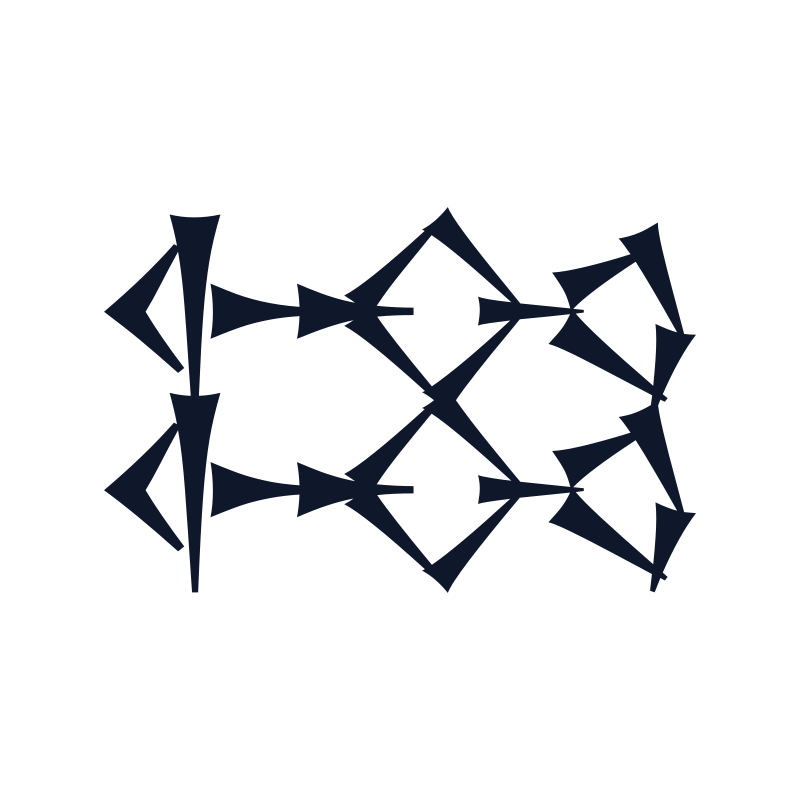 IGI.SHIR.UD · U+12149
𒅉
dazzling radiance, shining eyes
IGI/IGI ŠIR/ŠIR UD/UD (𒅉) is a six-part reduplicated compound stacking pairs of IGI (𒅆, eye), ŠIR / NU₁₁ (𒋓, light or alabaster), and UD (𒌓, sun or day). Preserved in Babylonian lexical lists, this intensive composition unites three core symbols of vision and light to express dazzling divine brilliance.
