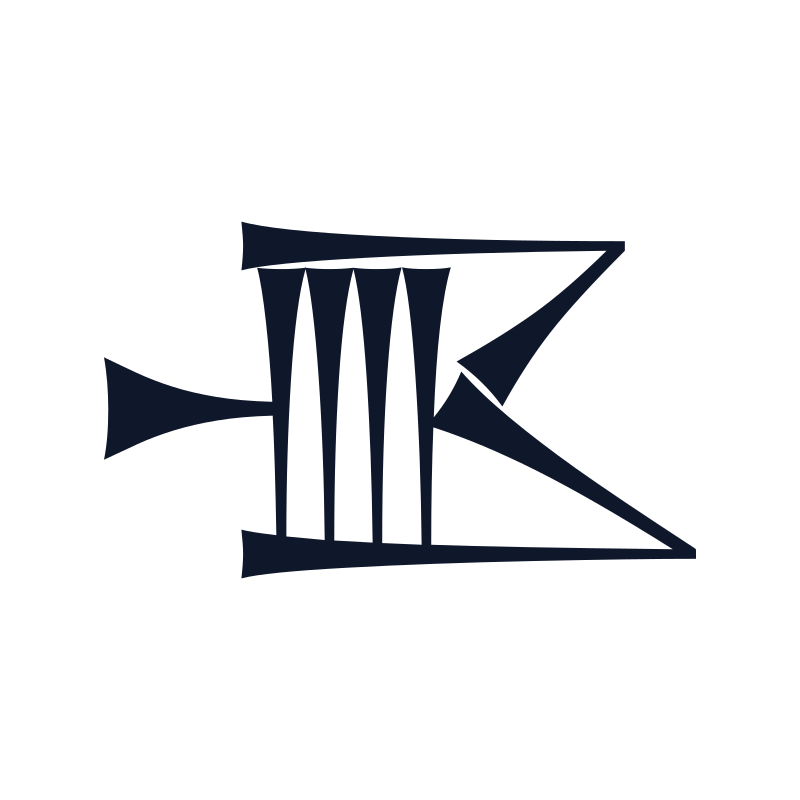
 UZ₃ · U+1235A
𒍚
she-goat, flock
Cuneiform writing was originally invented to track temple agricultural wealth, grain harvests, and livestock herds in ancient Sumerian cities like Uruk, Ur, and Lagash. The sign UZ₃ (related to UD₅ in Sumerian and 'enzu' in Akkadian) represents a domesticated she-goat or waterfowl in economic accounting tablets, and also provides the phonetic syllable 'uz'. Goats were vital to Mesopotamian life, providing milk, ghee, meat, leather, and woven hair for garments and temple offerings.
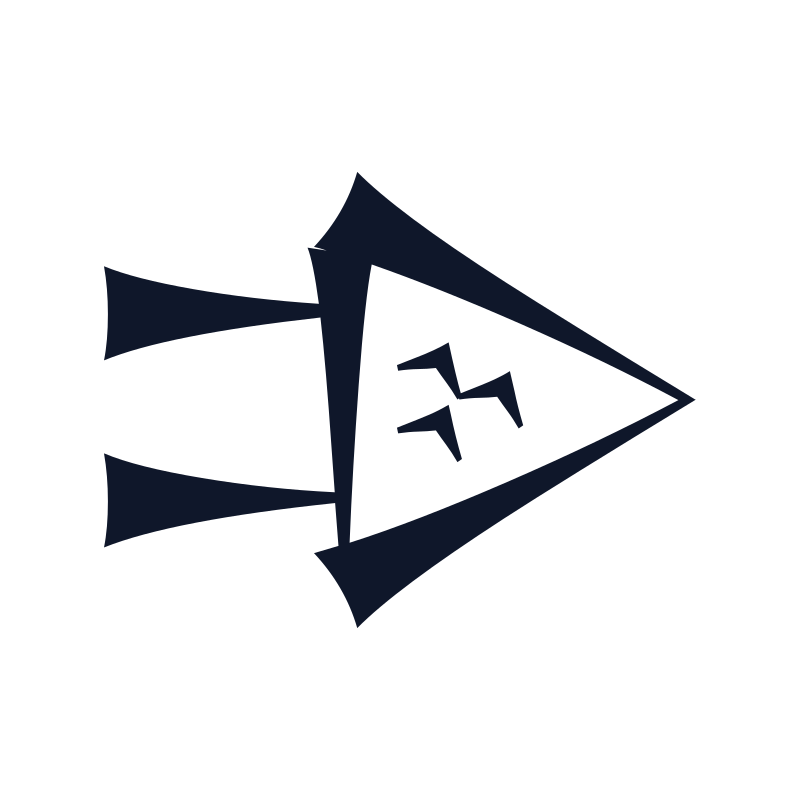 AM · U+12120
𒄠
wild mountain bull (aurochs)
An expressive graphic compound formed by inscribing KUR ('mountains' or 'wilderness') inside the horned head of GU₄ ('ox/bull'), literally meaning 'Bull of the Mountains'. Read as 'am' in Sumerian and 'rīmu' in Akkadian, it designated the formidable extinct Eurasian wild bull (aurochs, Bos primigenius), the ultimate Mesopotamian emblem of untamed royal power and courage. Glazed brick reliefs of the 'rīmu' still guard Nebuchadnezzar's famous blue Ishtar Gate of Babylon, while phonetically the sign writes the syllable 'am'.
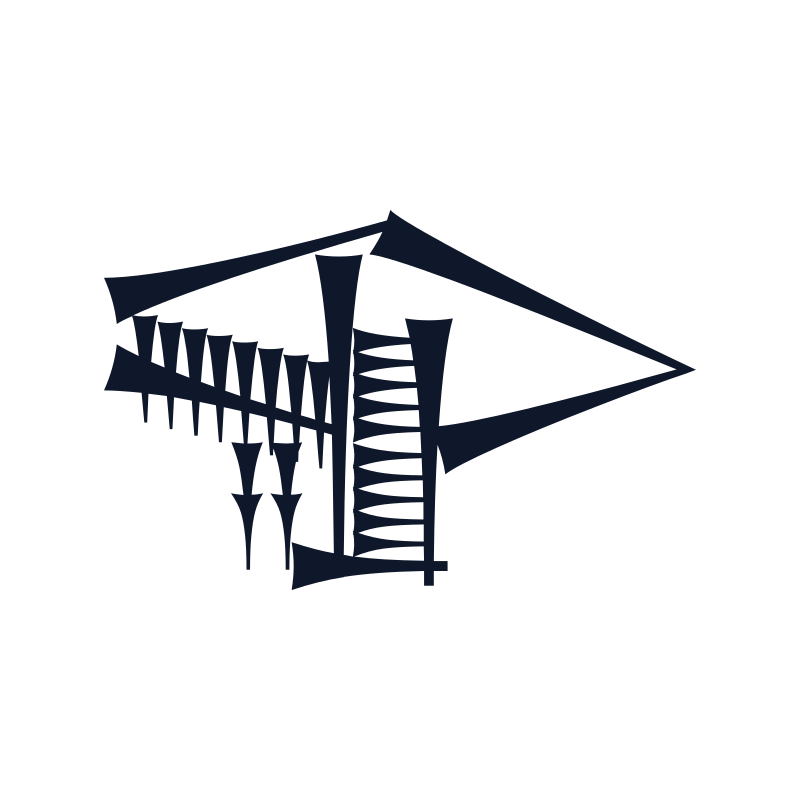 AZ · U+1228D
𒊍
bear, wild predator
Constructed from the roaring predator frame PIRIG ('lion' or 'fierce beast') combined with the interior sign ZA, the sign AZ (Akkadian 'asu') means 'bear' (specifically the Syrian brown bear native to the Zagros and Taurus mountains). Assyrian kings prized bears captured in mountain expeditions and recorded them in royal zoological parks alongside lions and elephants. In everyday cuneiform writing, AZ was indispensable as the standard phonetic sign for the syllables 'az', 'as', and 'aṣ'.
 HA / KU₆ · U+12129
𒄩
fish
Originally a vivid pictogram of a swimming carp with dorsal and pectoral fins from the Euphrates marshes, this sign was read logographically as KU₆ ('fish' in Sumerian, 'nūnu' in Akkadian) and placed after the names of all fish, turtles, and aquatic creatures as a semantic determinative. Fish offerings were central to the cult of Enki (Ea), the god of wisdom and subterranean freshwater oceans at Eridu. Phonetically, it is the primary sign for the syllable 'ha' (and the Sumerian optative prefix 'ha-', meaning 'may it be!').
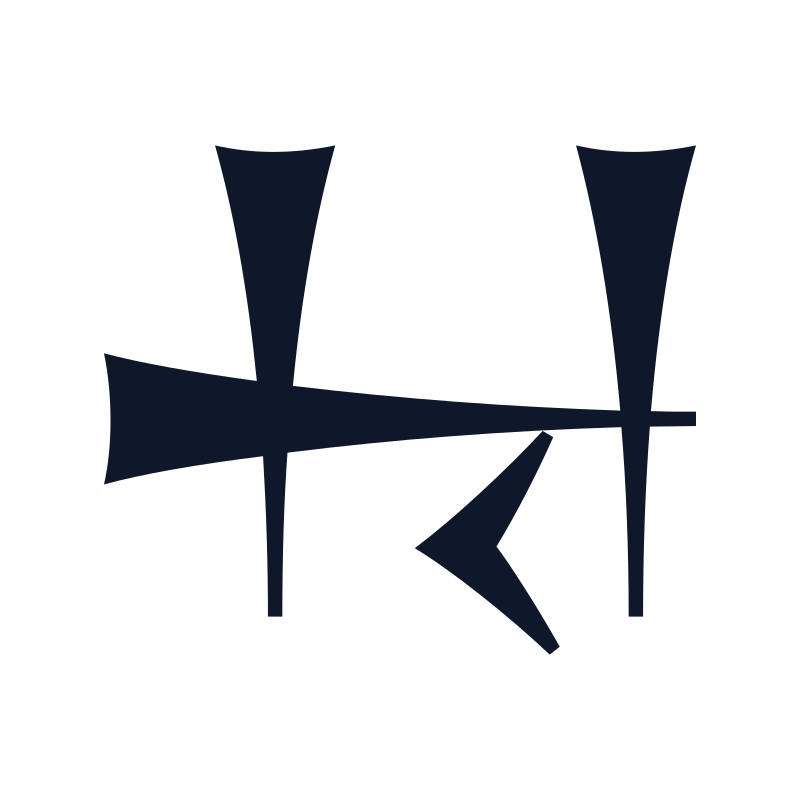 HU / MUŠEN · U+12137
𒄷
bird
Derived from an early pictogram of a standing bird in profile with outstretched tail and wings, this sign was read in Sumerian as MUŠEN ('bird', Akkadian 'iṣṣūru'). Unlike most determinatives that precede a word, MUŠEN was placed as a post-determinative at the end of every bird species name—such as TI₈.MUŠEN ('eagle'), UGA.MUŠEN ('raven'), and TU.MUŠEN ('dove')—including the mythological storm-bird Anzû. Phonetically, it is the primary sign for the syllable 'hu'.
 LU / UDU · U+121FB
𒇻
sheep, sacrificial ram
Originating from an archaic circular enclosure divided into four quarters representing a sheepfold pen, this sign was read logographically as UDU ('sheep' or 'ram' in Sumerian, 'immeru' in Akkadian). Because sheep wool was the backbone of Mesopotamian textile wealth and rams were the primary animal for temple sacrifices and liver divination ('bārûtu'), UDU appears tens of thousands of times in Drehem and Ur III accounting tablets. Read as LU, it means 'to be abundant' or 'to graze', and serves as the primary sign for the syllable 'lu'.
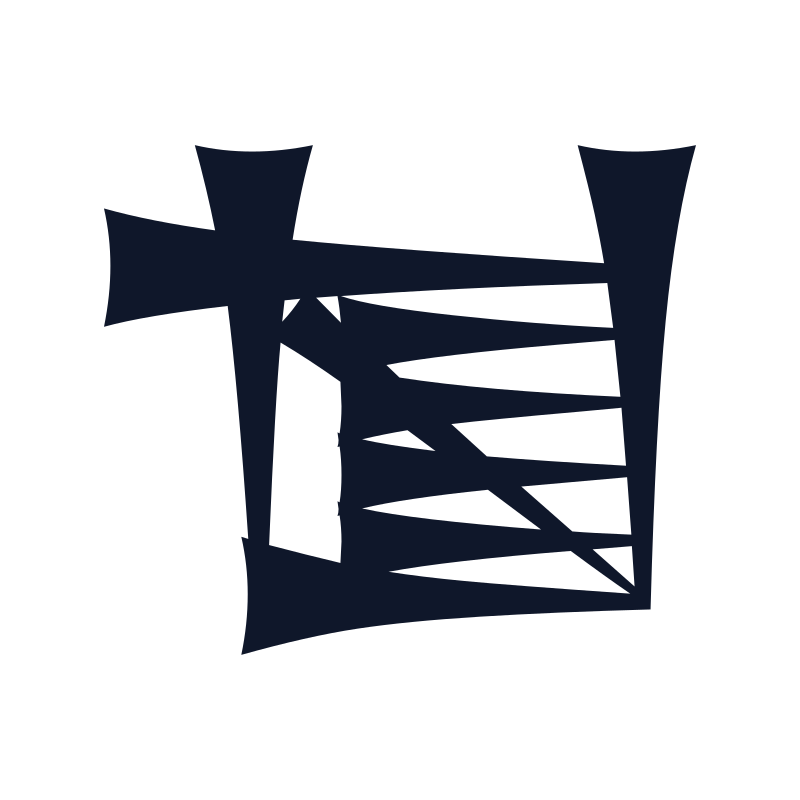 DAR · U+1206F
𒁯
multicolored, speckled
Inspired by the richly speckled plumage of the black francolin partridge native to the Tigris and Euphrates riverbanks ('dar-mušen', Akkadian 'ittidû'), this sign read as GUN₃ (Akkadian 'burrumu') means 'multicolored', 'dappled', 'variegated', or 'inlaid with colorful stones'. Read as DAR (Akkadian 'letû'), it means 'to split' or 'cleave', and in syllabic writing it is the standard sign for the closed syllables 'dar' and 'tar₂'.
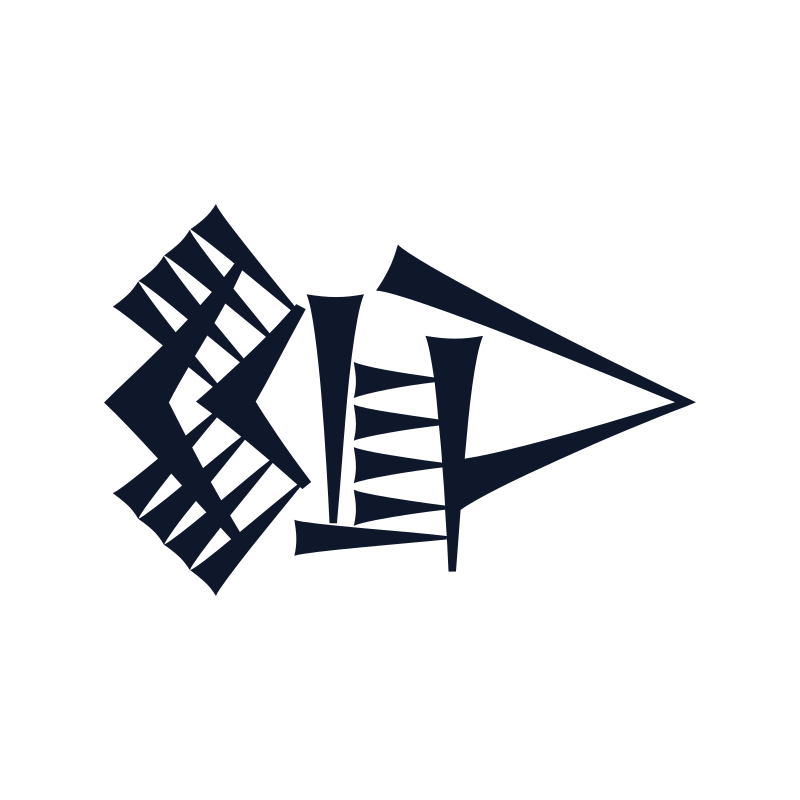 DARA₃ · U+12070
𒁰
wild mountain ibex, sacred goat of Enki
Originating from an archaic pictogram of a wild mountain goat with sweeping curved horns, DARA₃ (Akkadian 'turāhu') designates the Bezoar ibex of the Zagros Mountains. In Sumerian mythology, the god of wisdom Enki (Ea) was revered as 'Dara₃-abzu' ('The Ibex of the Apsû Ocean'), and his ceremonial sacred boat was carved with an ibex prow. Cylinder seals frequently depict the mountain ibex flanking the sacred Tree of Life.
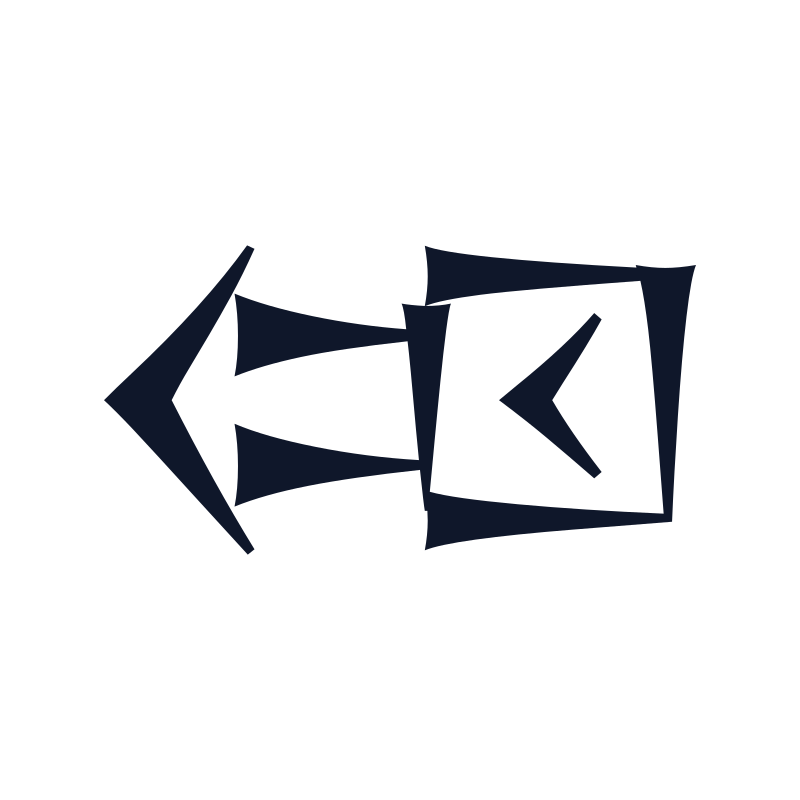 GUL / SUN₂ · U+12122
𒄢
to destroy, carve seal stones
Originally depicting a stone-cutter's engraving tool or burin, the sign GUL means both 'to carve / engrave gemstones' (as in 'bur-gul', a cylinder-seal cutter, Akkadian 'purkullu') and 'to demolish or destroy walls and cities' (Akkadian 'abātu' and 'naqāru'). Read as SUN₂ (Akkadian 'rīmtu'), it means 'wild cow' and forms the sacred name of the goddess Ninsun (𒀭𒊩𒌆𒄢, 'Lady Wild Cow'), the wise divine mother of Gilgamesh. Phonetically it writes 'gul', 'kul', and 'qul'.
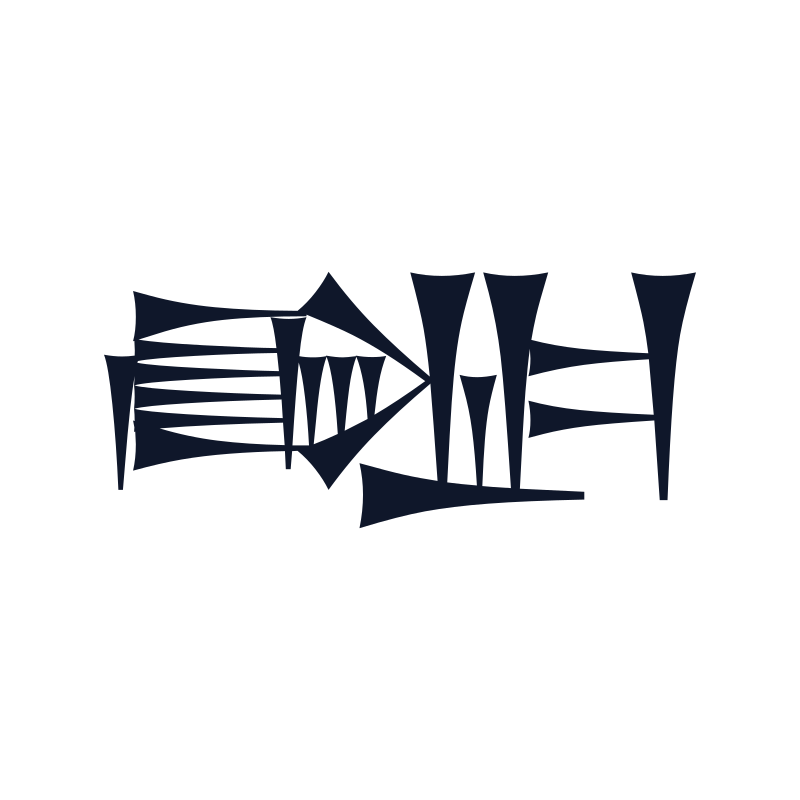 IL₂ / GA₆ · U+1214D
𒅍
to carry, bear tribute
Formed as a gunû-augmented head carrying a basket or load above it, IL₂ (also read GA₆ or GURU₃, Akkadian našû and biltu) is the principal Sumerian verb for 'to lift, carry, bear tribute, or elevate to office'. In astronomical and poetic contexts, lifting one's head or eyes with IL₂ also signifies shining forth.
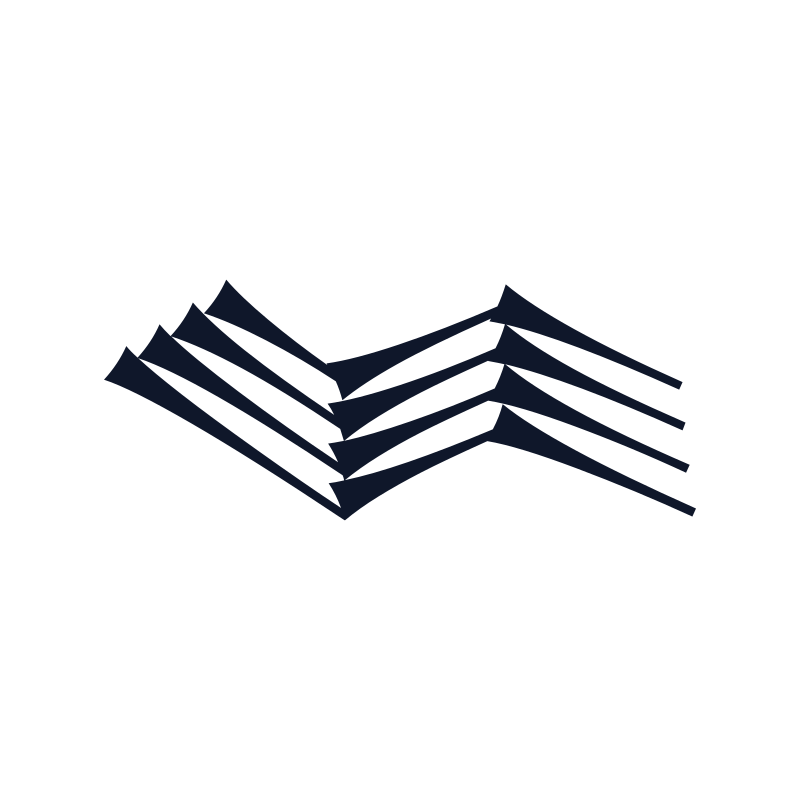 LUM / HUM · U+1221D
𒈝
to bear fruit, grow lushly
Originally a pictograph of undulating waves or lush foliage, LUM (Akkadian unnubu, šummuhu) means 'to bear abundant fruit, grow luxuriantly, or thrive'. Phonetically, it serves as the primary CVC sign for the syllables /lum/ and /hum/ across Old Babylonian and Standard Babylonian cuneiform.
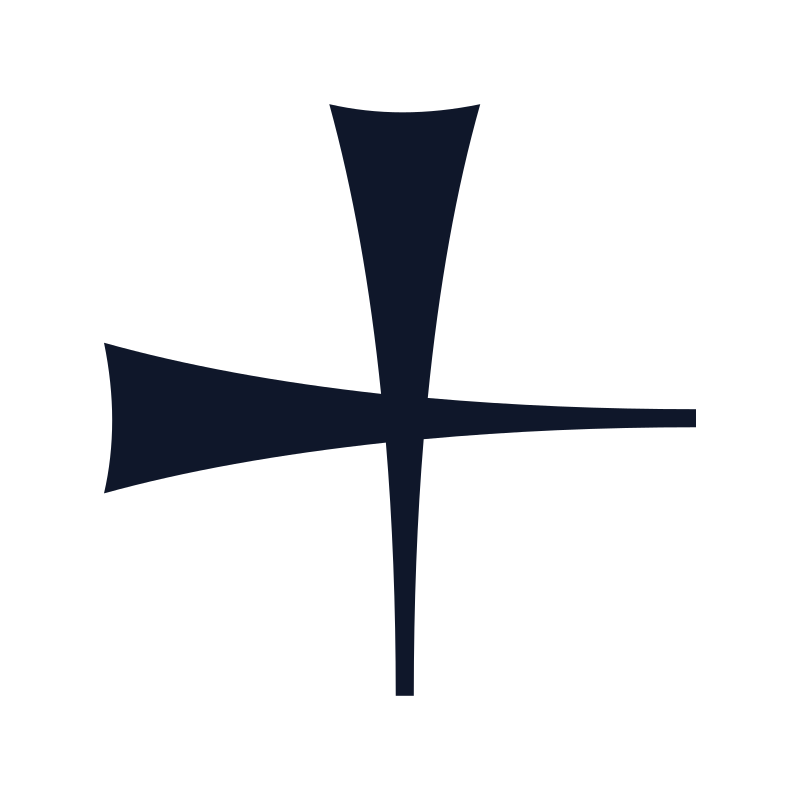 MAŠ · U+12226
𒈦
twin, half
Formed by two intersecting wedges (one horizontal, one vertical), MAŠ expresses division in half (1/2), a twin (Akkadian māšu; astronomical MUL.MAŠ.TAB.BA.GAL.GAL = Gemini), financial interest yielded by silver or barley loans (Akkadian ṣibtu), and extispicy divination (MAŠ.ŠU.GID₂.GID₂ = bārû, the haruspex diviner). Phonetically it reads /maš/.
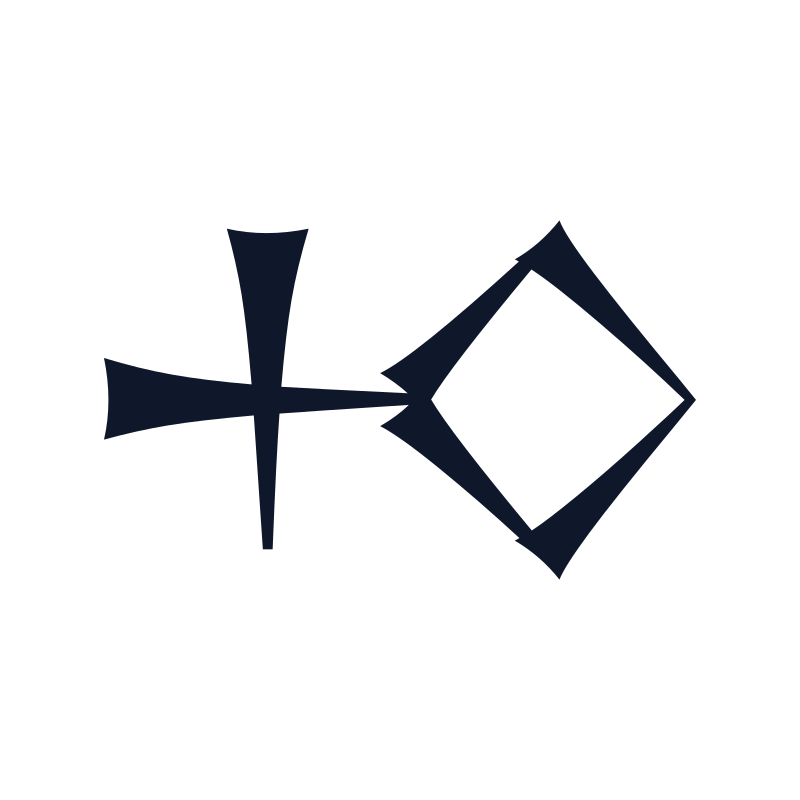 MAŠ₂ · U+12227
𒈧
buck goat, kid
Designating a young buck goat, kid, or steppe gazelle (Sumerian maš₂, Akkadian urīṣu), MAŠ₂ was the standard sacrificial animal offered by private citizens to the diviner (bārû) for inspecting the liver to read the will of the gods—giving rise to its secondary meaning 'omen or divination report' (Akkadian bīru).
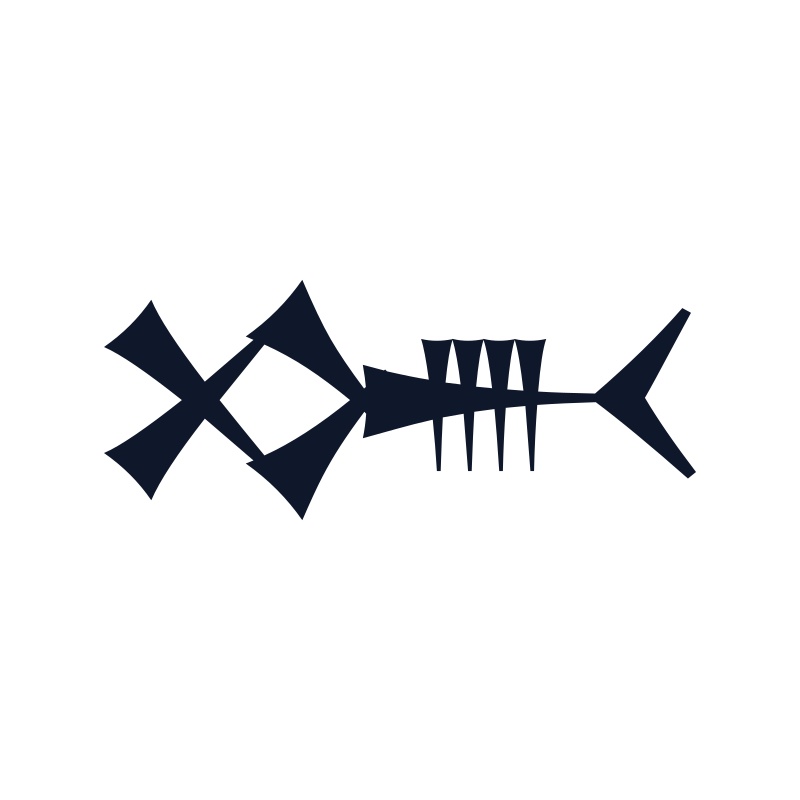 MUŠ · U+12232
𒈲
serpent, snake
Originating from a sinuous pictograph of a rearing cobra or viper, MUŠ (Akkadian ṣēru) is the universal logogram and determinative for snakes, serpents, and ophidian deities (such as Nirah). Combined with HUŠ ('fierce/red'), MUŠ.HUŠ (Akkadian mušhuššu, 'Furious Serpent') names the iconic scaly horned dragon of Marduk depicted on the glazed blue bricks of Babylon's Ishtar Gate.
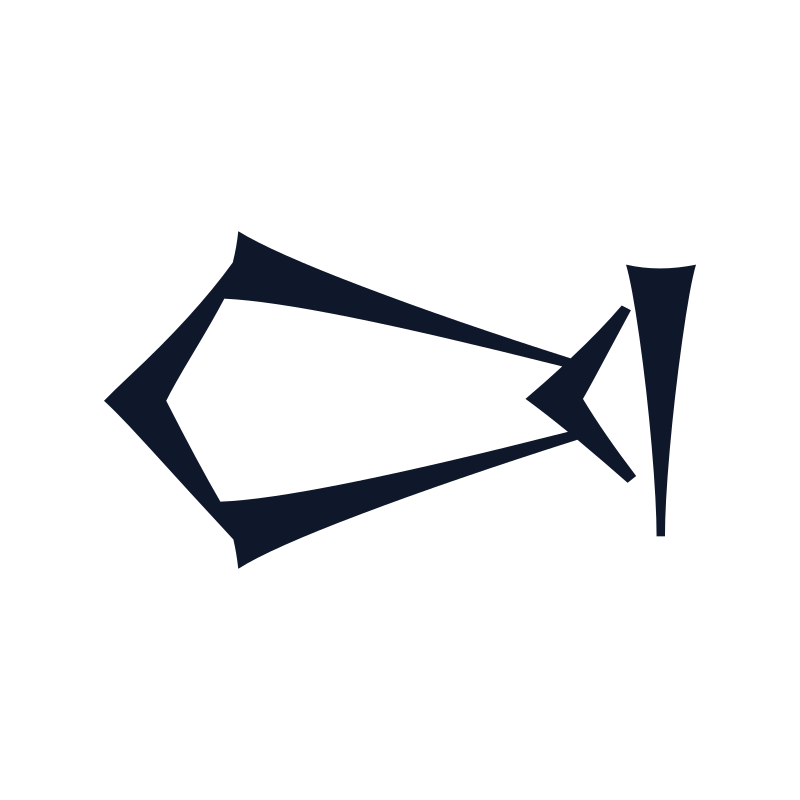 NIM / NUM · U+1224F
𒉏
high, upper land
Originally a pictograph of a winged insect or highland peak, NIM (Akkadian elû, zumbu) means 'high, elevated, upper, early' as well as 'fly'. Because the Iranian plateau rose steeply to the east of Sumer, NIM.MA.KI ('The Highland') became the standard Sumerian logogram for the ancient civilization of Elam (Akkadian Elamtu) and its capital Susa.
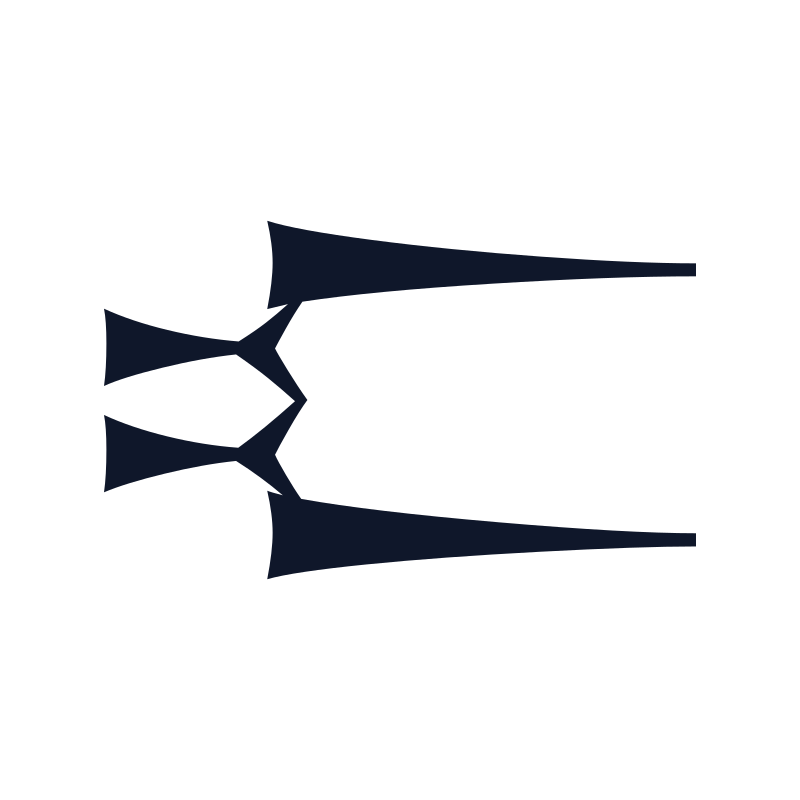 NINDA₂ · U+12252
𒉒
seeder-plough funnel, measuring vessel
Depicting a cylindrical vessel or the vertical seed-funnel attached to the famous Mesopotamian seeder-plough (Akkadian ittû), NINDA₂ allowed farmers to drop barley grains evenly directly into the ploughed furrow. By metaphor of insemination, it also designates a breeding bull (GU₄.NINDA₂, Akkadian bīru) and serves as an outer container frame for composite signs like ŠAM₂ ('price').
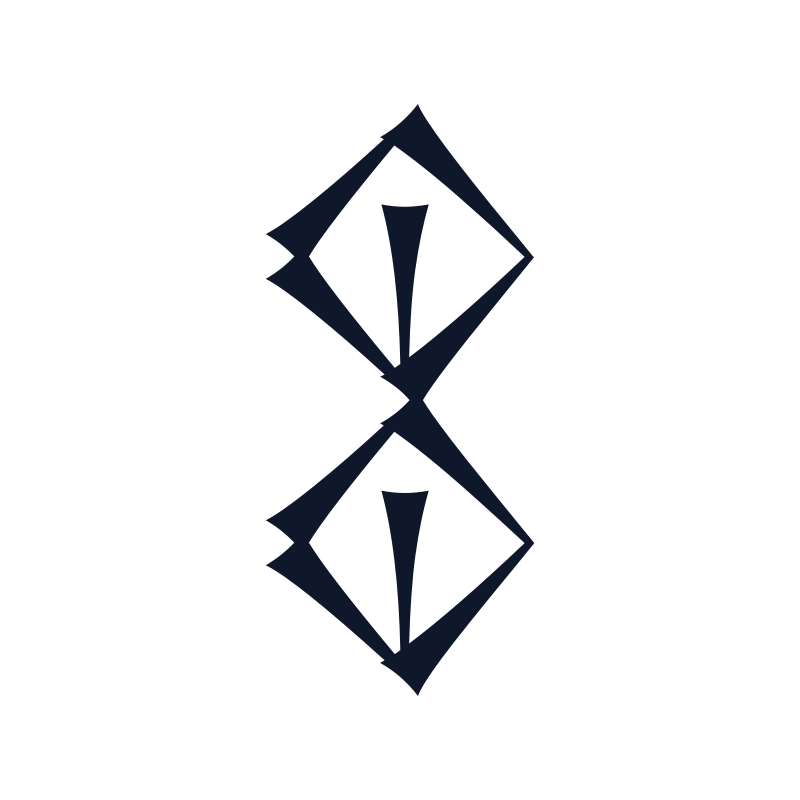 NUNUZ · U+1226D
𒉭
bird's egg, ovoid gemstone bead
Depicting a nest or row of rounded eggs, NUNUZ (Akkadian pelû) means a bird's egg as well as human or divine offspring and female progeny. Preceded by the stone determinative (NA₄.NUNUZ, Akkadian erimtu), it denotes an ovoid barrel-bead of carnelian, lapis lazuli, or agate worn in royal Mesopotamian necklaces.
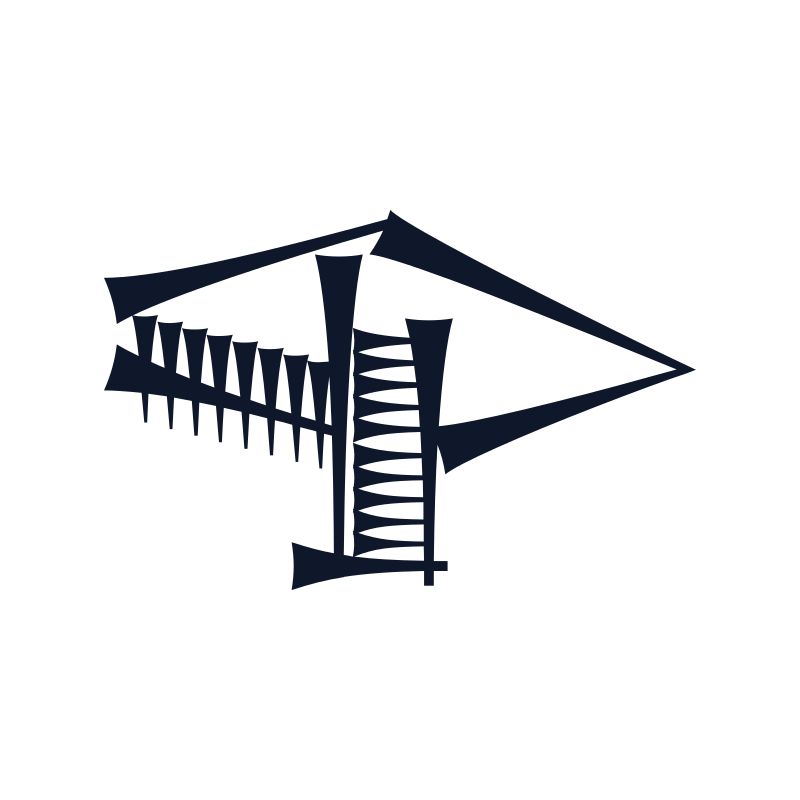 UG / PIRIG · U+1228A
𒊊
lion, fierce beast
Originally a dramatic pictograph of a roaring lion's head with bristling mane, PIRIG (Akkadian labbu, nēšu, ūmu) denotes a lion, a mythical leonine storm-demon, or a fierce wild bull, and also carries the sense of 'bright, shining'. In cuneiform paleography, PIRIG forms the base of major animal and astral signs including AZ ('bear'), UG ('lion/panther'), and GIR₃ ('foot/Nergal').
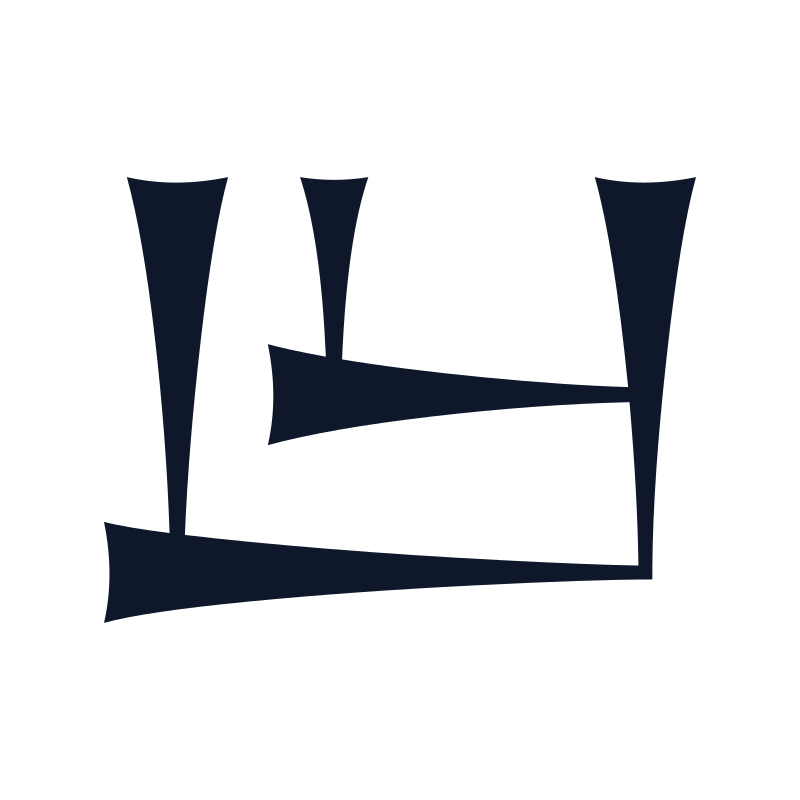 UR · U+12328
𒌨
dog, lion (ur.mah)
Originally a profile pictograph of a seated canine or predator with a curled tail, UR denotes a dog (Akkadian kalbu) and serves as the base for major predators: UR.MAH ('supreme beast' = lion, Akkadian nēšu), UR.BAR.RA ('outsider beast' = wolf, barbaru), and UR.GI₇ ('noble dog' = domestic hound). In Sumerian personal names (such as King Ur-Nammu or Ur-Nanshe), UR means 'devoted servant or hero of [Deity]', and phonetically reads /ur/, /lik/, and /taš/.
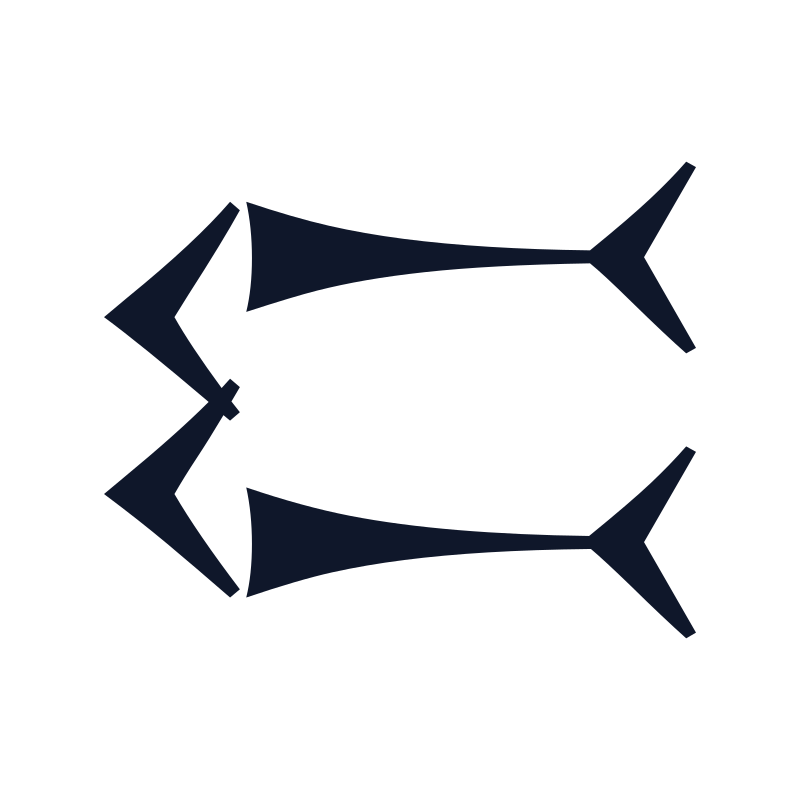 AMAR / ZUR · U+1202B
𒀫
young bull calf, fledgling
Originally a horned head pictograph of a young calf, AMAR (Akkadian būru) denotes a bull calf, fawn, or young bird fledgling. It is immortalized across Mesopotamian history in the Sumerian logographic spelling of Babylon's supreme patron deity Marduk: dAMAR.UTU (literally 'Bull Calf of the Sun-god Utu'), as well as the Ur III royal name Amar-Suen ('Calf of the Moon-god').
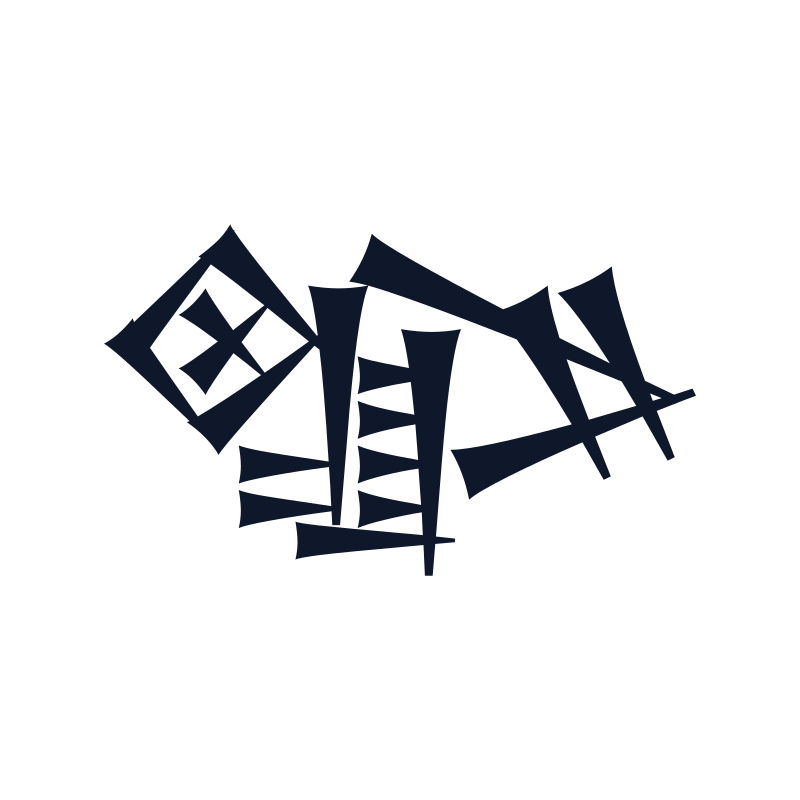 ANŠE · U+12032
𒀲
donkey, horse (anše.kur.ra)
Originally a realistic profile pictograph of a long-eared donkey's head, ANŠE (Akkadian imēru) denotes the domestic donkey (the workhorse of Old Assyrian trade caravans) and serves as the universal determinative for all equids and camels. When horses were introduced to Mesopotamia from the Zagros mountains around 2000 BCE, Sumerian scribes charmingly named the horse ANŠE.KUR.RA ('Donkey of the Mountains', Akkadian sisû), and the camel ANŠE.A.AB.BA ('Donkey of the Sea-land').
 AB₂ (ÁB) · U+12016
𒀖
cow, heifer
Originally a triangular frontal pictograph of a cow's head with curved horns, AB₂ (Akkadian arhu, lītu) is the universal Sumerian logogram for a domestic cow or heifer (complementing GU₄, 'ox/bull'). In Sumerian mythology and childbirth incantations (such as 'The Cow of Sin'), the crescent-horned cows of the Moon god Nanna/Suen symbolize fertility, abundance, and maternal care.
 ARKAB · U+12036
𒀶
bat, nocturnal winged creature
Recorded in Mesopotamian lexical lists of winged creatures (often followed by the bird determinative MUŠEN: ARKAB.MUŠEN, Akkadian šuttinnu), this sign designates the bat—classified by ancient naturalists among nocturnal birds haunting dark ruins and caves.
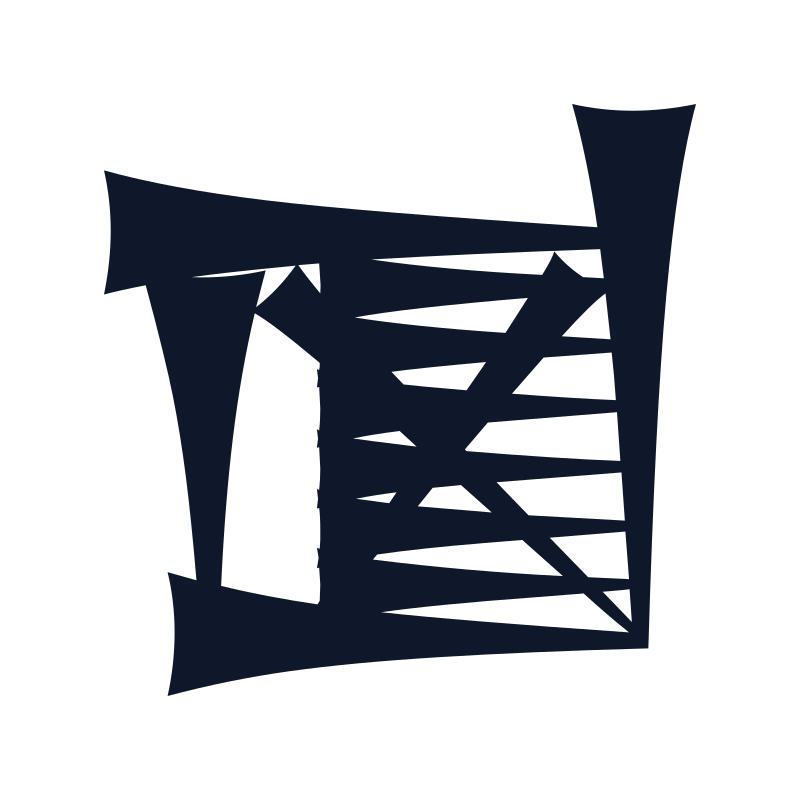 DARA₄ · U+12071
𒁱
dark blood-red, crimson
Used in Mesopotamian lexical, medical, and astronomical texts, DARA₄ (Akkadian da'mu, dāmu) denotes a deep dark blood-red color or clotted blood, and in textile contexts refers to a dyed crimson headband or girdle.
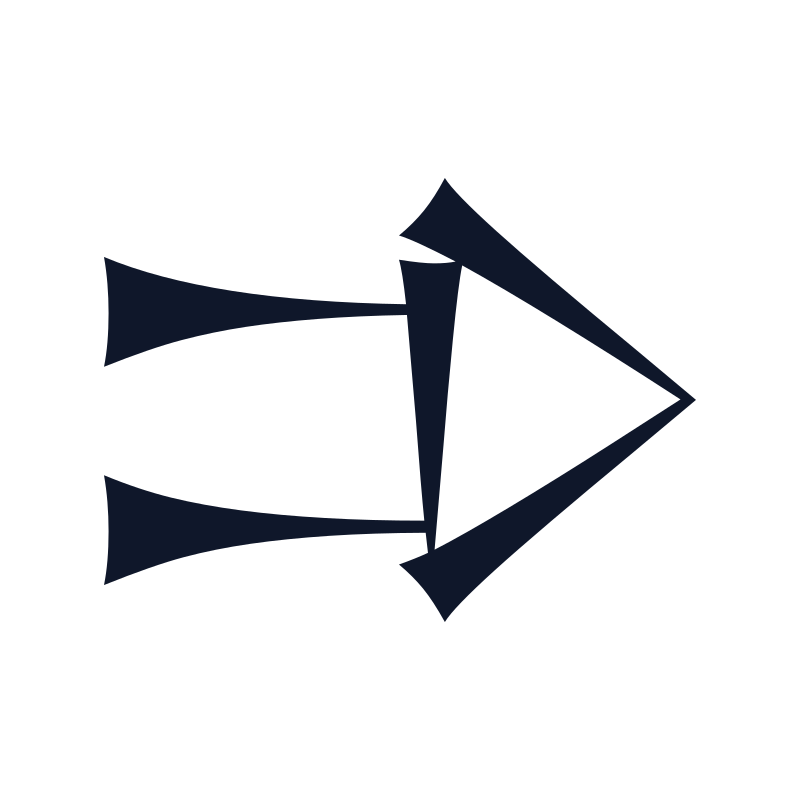 GUD (GU₄) · U+1211E
𒄞
bull, plough ox
One of the oldest and most iconic signs in human writing: originally a frontal pictograph of a bull's triangular head with sweeping horns (the same Mesopotamian-Levantine visual archetype that inspired the Phoenician letter Aleph and our Latin letter 'A'). Read as GU₄ / GUD (Akkadian alpu), it means 'ox or bull'—the indispensable draft animal of Babylonian agriculture—and in astronomy MUL.GU₄.AN.NA ('The Bull of Heaven', slain by Gilgamesh and Enkidu) is our zodiacal constellation Taurus.
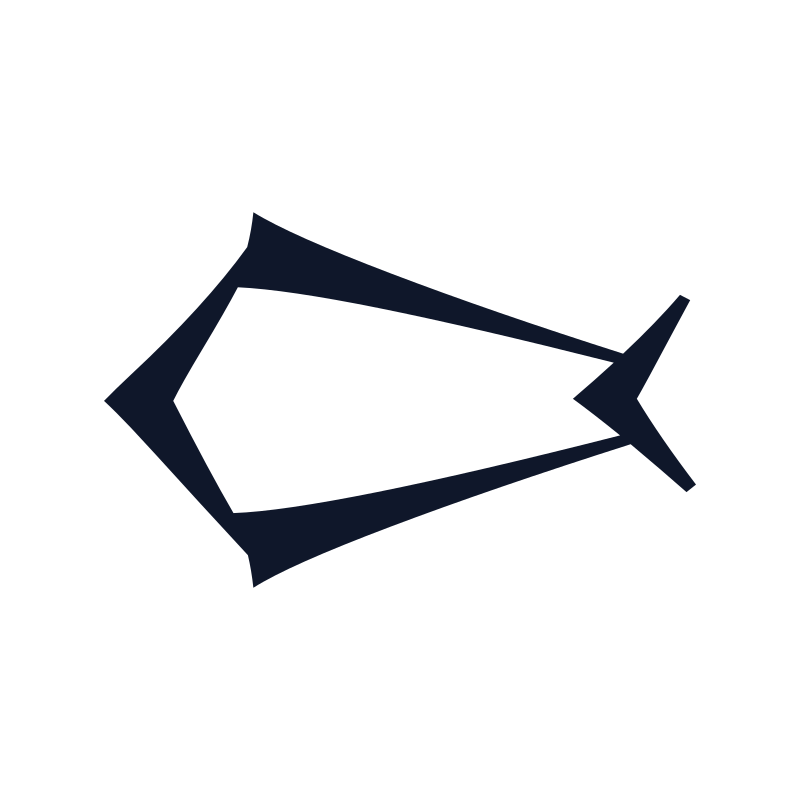 KISIM₅ · U+121A8
𒆨
sheepfold, curdled milk
Associated with pastoral herding and dairy production, KISIM₅ (Akkadian kisimmu, supūru) denotes curdled or soured milk, cheese curds, and a sheepfold or cattle pen, as well as a species of crop-eating caterpillar or grub in agricultural omens.
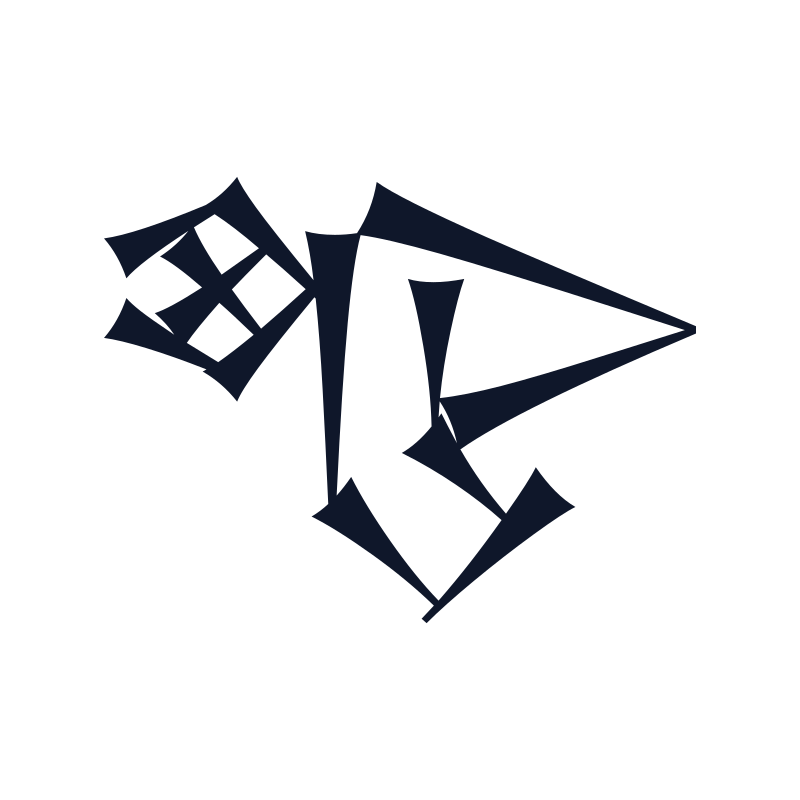 LUL / NAR / KA₅ · U+1221C
𒈜
court musician (nar), fox (ka₅.a)
Originally a pictograph of a fox's head, this fascinating sign unites three spheres through the clever nature of the fox: read as KA₅.A (Akkadian šēlebu), it means 'fox' (famous in Sumerian fables); read as LUL (Akkadian sarru), it means 'false, deceitful, liar, or criminal rebel'; and read as NAR (loaned into Akkadian as nāru), it designates the professional court and temple musician or singer (NAR.GAL = chief musician).
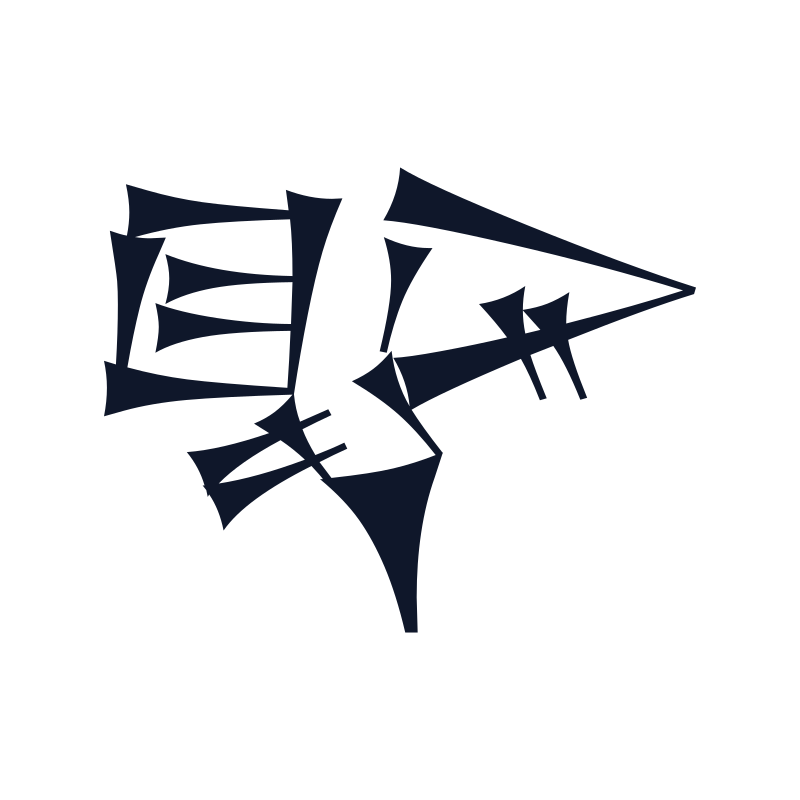 PEŠ₂ · U+1227E
𒉾
field mouse, fig
When preceded by the mouse/rodent determinative (PEŠ₂, Akkadian piazu, humṣīru), this sign designates field mice, jerboas, and small burrowing rodents that raided Mesopotamian barley granaries (featured in humorous Sumerian proverbs and fables). With the wood determinative (GIŠ.PEŠ₃), it is also associated with the sweet fig, and phonetically writes /peš₂/.
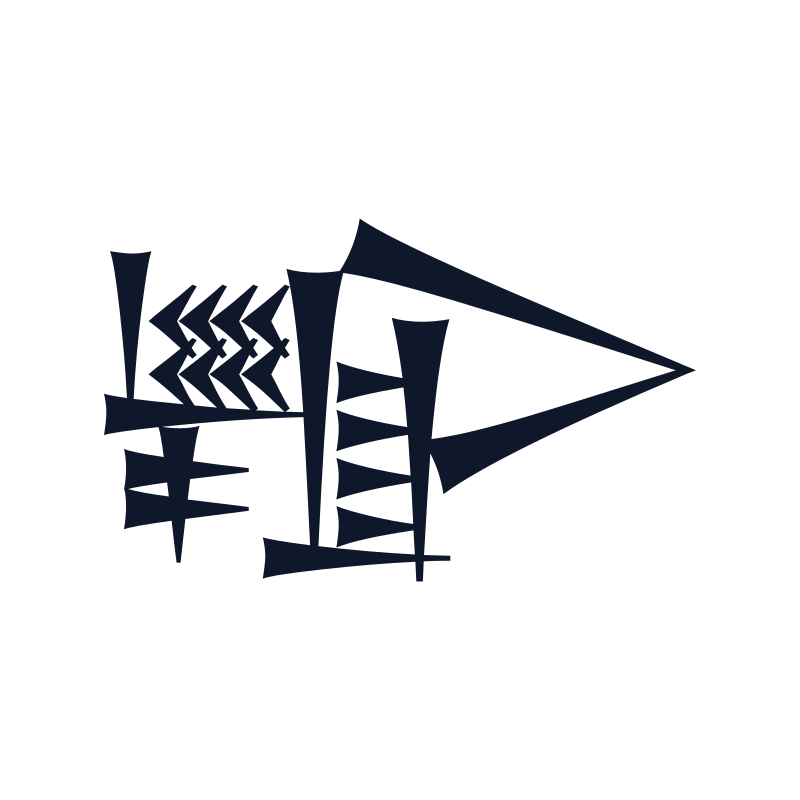 ŠEG₉ · U+122BE
𒊾
wild mountain ram (ibex), mountain snow/frost
Uniting two iconic sights of the high Zagros peaks: ŠEG₉ designates both the wild mountain ram, mouflon, or six-horned ibex (Akkadian šapparu, atūdu; paired with DARA₃ 'stag' as emblems of Enki's Abzu) and winter snow, sleet, or frost (ŠEG₉ / A.AN.ŠEG₉, Akkadian šalgu, šurīpu).
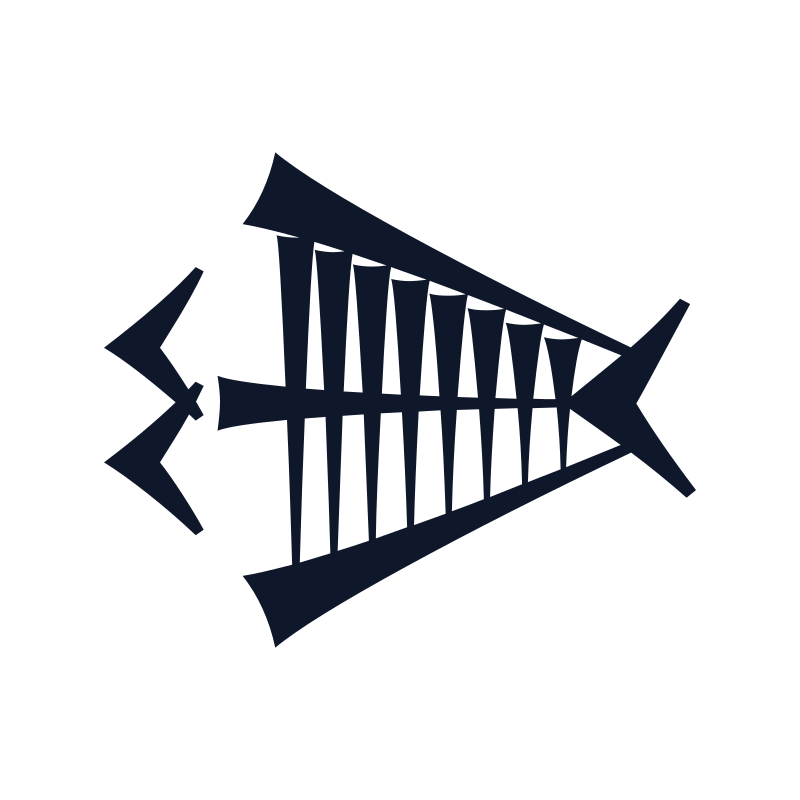 SUMASH · U+122E8
𒋨
sumash fish
Cuneiform sign SUMAŠ (Borger MZL 416, U+122E8), a logogram appearing with the fish determinative KU₆ (sumaš-ku₆) in Early Dynastic fish lists and Ur III economic tablets to denote a specific prized species of Mesopotamian river or Persian Gulf fish.
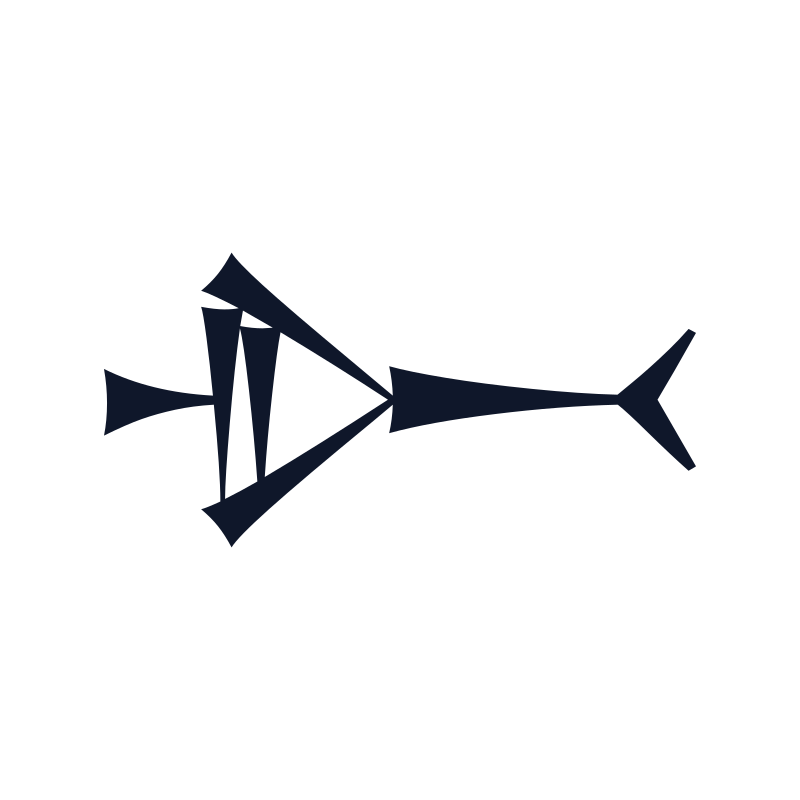 USHUMX · U+12358
𒍘
dragon, serpent
Cuneiform sign UŠUMₓ (U+12358), a logogram for 'dragon, venomous serpent' or 'unique, solitary one' (Sumerian ušum; Akkadian bašmu, ēdu), best known from the compound ušumgal ('great dragon, supreme ruler'; Akkadian ušumgallu) applied to gods and kings.
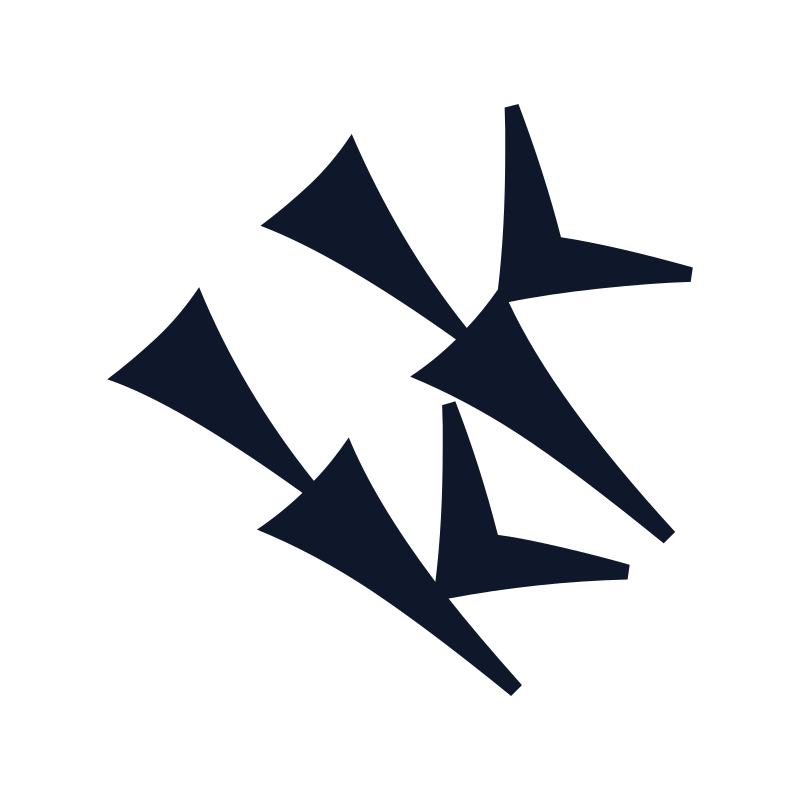 HA_TENU · U+1212A
𒄪
fish, catch
Cuneiform sign HA-tenû (Borger MZL 891, U+1212A), the slanted (tenû) modification of the fish sign HA/KU₆, attested in Mesopotamian lexical lists for specific fish preparations and archaic administrative fish tallies.
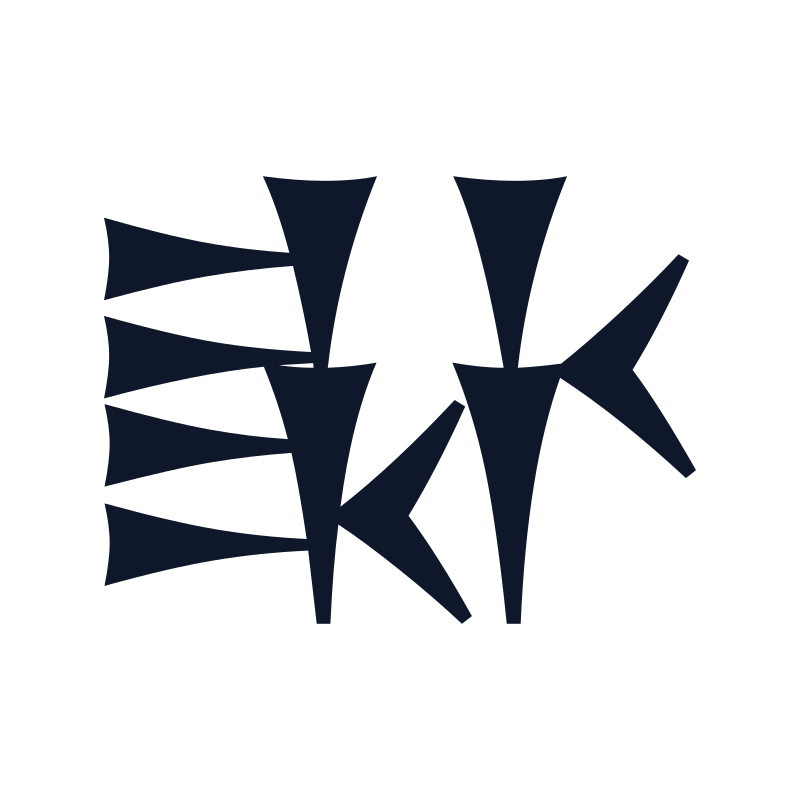 HA_GUNU · U+1212B
𒄫
large fish, abundance
Cuneiform sign HA-gunû (Borger MZL 549, U+1212B), formed by adding gunû strokes to HA/KU₆ ('fish'). It denotes a large marine or riverine fish, teeming abundance, and is closely related to the PEŠ/GIR sign family in Babylonian lexical traditions.
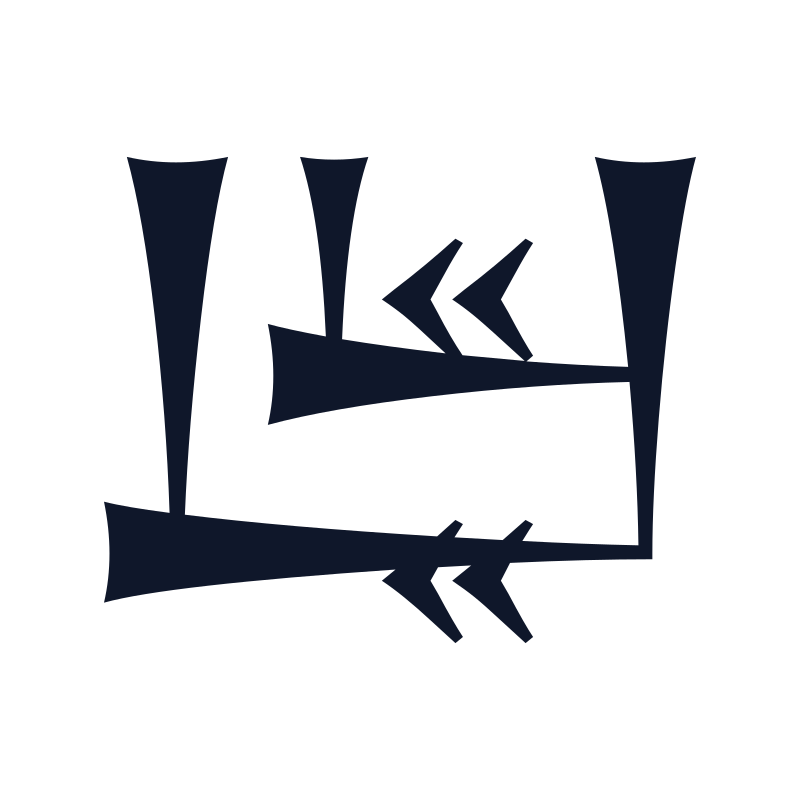 UR_SHESHIG · U+1232A
𒌪
fierce hound, beast
Cuneiform sign UR-šešig (Borger MZL 829, U+1232A), formed by adding šešig wedges to the dog/carnivore sign UR. Attested in lexical lists for a fierce predator or hunting hound.
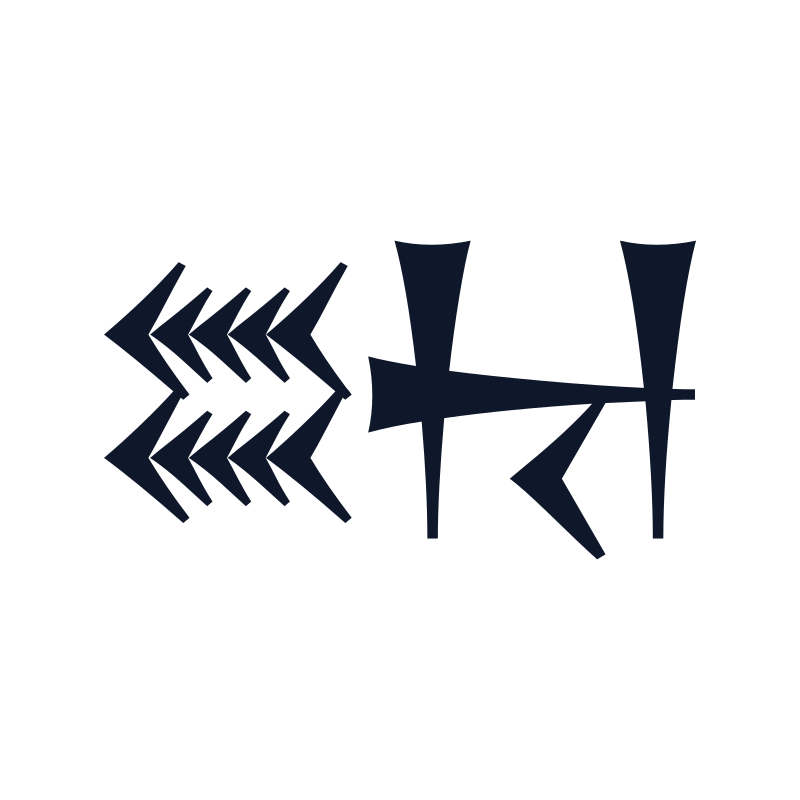 UZ · U+122BB
𒊻
duck, waterfowl
Cuneiform sign UZ or US (compound ŠE+ḪU, literally 'grain-eating bird', Borger MZL 609, U+122BB). It is the Sumerian logogram for 'duck, goose, domesticated waterfowl' (Sumerian uz, bibad; Akkadian ūsu, paspasu) and the standard syllabic sign for closed syllables uz, us, and uṣ.
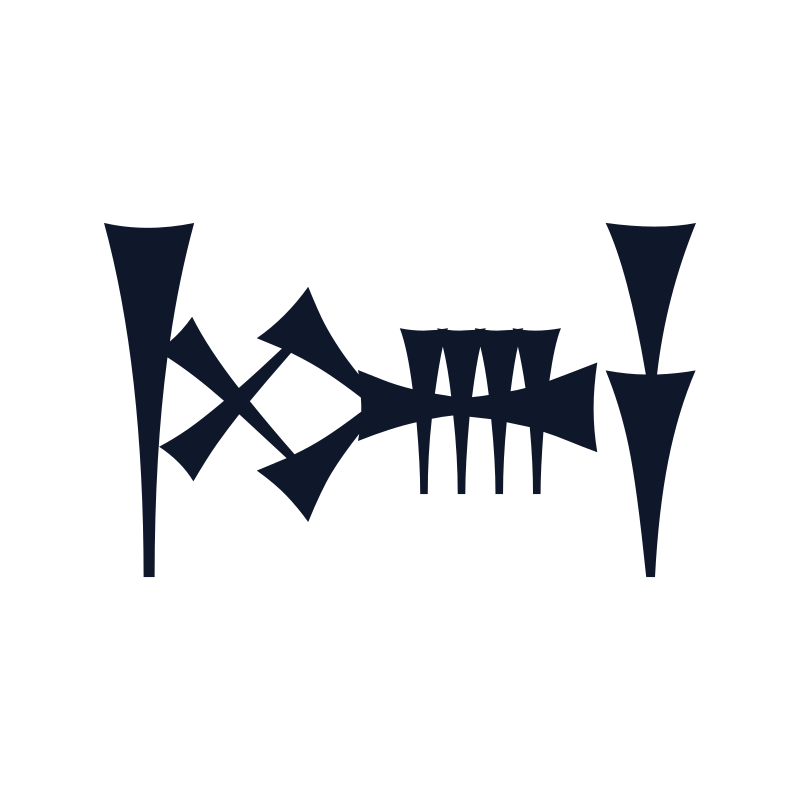 A_MUSH · U+12007
𒀇
water serpent
Cuneiform sign A×MUŠ (Borger MZL 848, U+12007), inscribing the serpent sign MUŠ within the water sign A. Attested in Mesopotamian lexical lists for an aquatic snake or marsh creature.
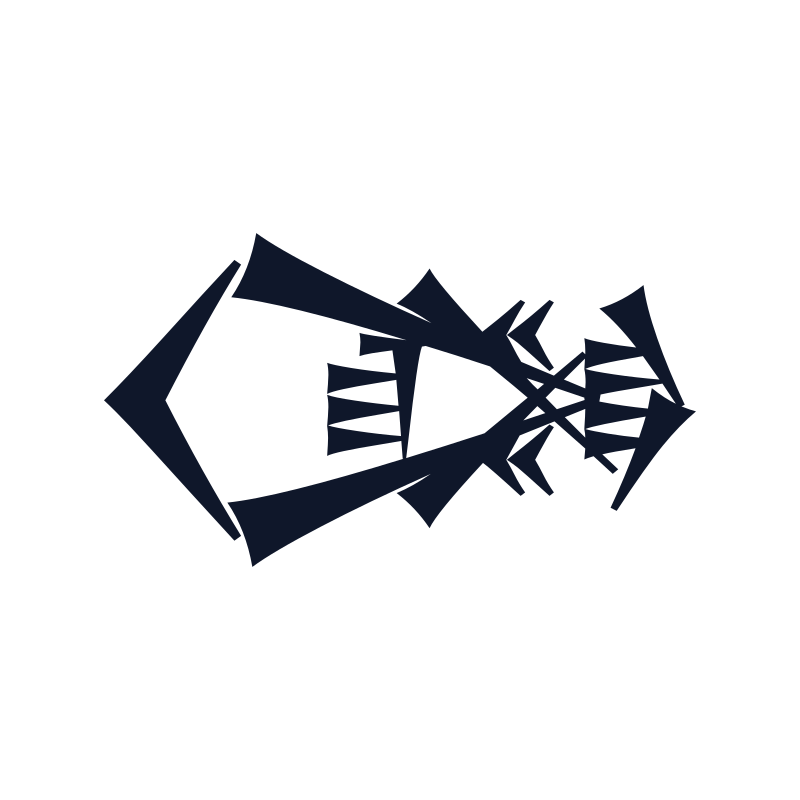 AB2_BALAG · U+12017
𒀗
lowing cow, bellowing
Cuneiform sign AB₂×BALAG (Borger MZL 675, U+12017), inscribing the resonant harp/drum sign BALAG inside the cow sign AB₂ to evoke the resonant lowing or bellowing of a cow calling for her calf in Sumerian poetic imagery.
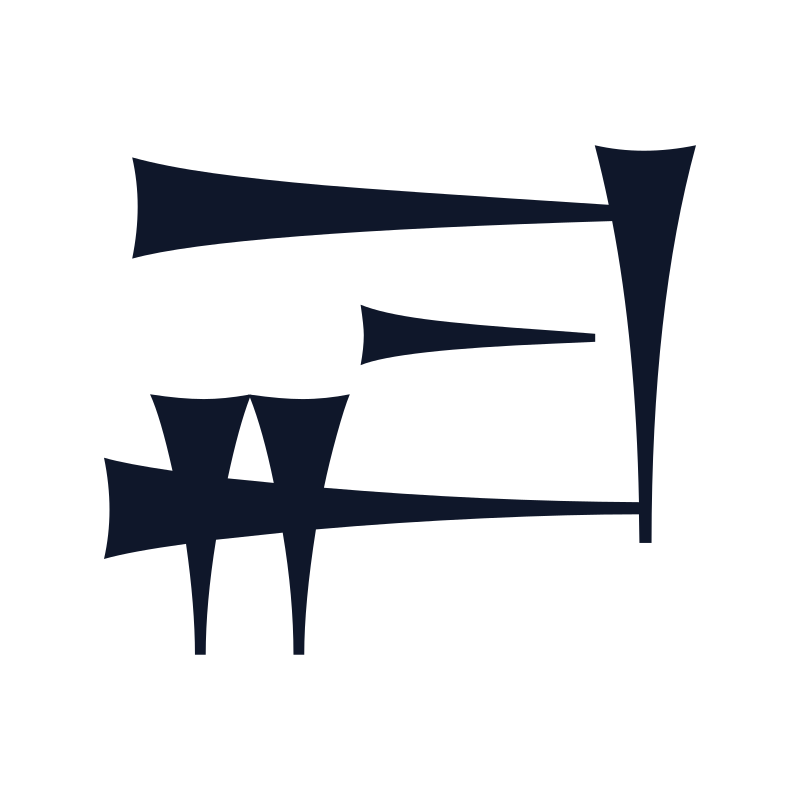 SILA4 · U+120BD
𒂽
lamb, young sheep
Cuneiform sign GA₂×AŠ, read SILA₄ (Borger MZL 412, U+120BD), depicting a sheepfold/enclosure (GA₂) containing a single animal (AŠ). It is the primary Sumerian logogram for 'lamb' (Sumerian sila₄; Akkadian puḫādu), recorded thousands of times in Ur III Drehem livestock tablets and omens.
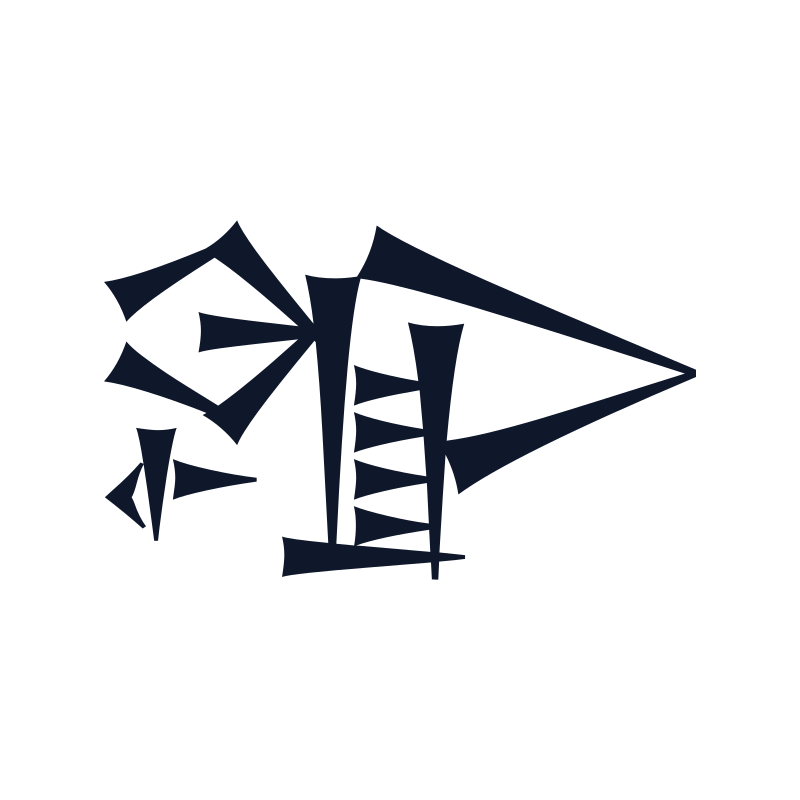 GIR3_IGI · U+1210D
𒄍
fierce beast, predator
Cuneiform sign GIR₃×IGI (Borger MZL 696, U+1210D), combining the lion/hoof sign GIR₃/PIRIG with IGI ('eye'), preserved in Babylonian lexical lists of wild beasts and mythological creatures.
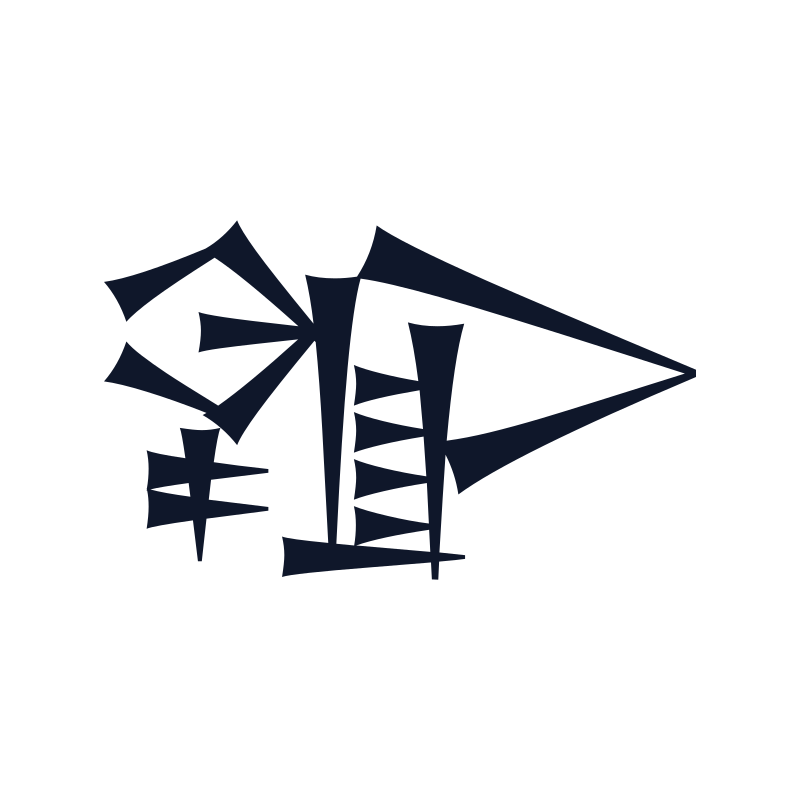 GIR3_PA · U+1210F
𒄏
march leader, stride
Cuneiform sign GIR₃×PA (Borger MZL 695, U+1210F), inscribing PA ('scepter, overseer') inside GIR₃ ('foot, path, lion') in Mesopotamian lexical traditions.
 SUHUR · U+1212E
𒄮
carp fish, crest, crown
Cuneiform sign ḪI×AŠ, read SUḪUR (Borger MZL 636, U+1212E). With the fish determinative (suḫur-ku₆) it denotes the prized giant Mesopotamian barbel/carp (Akkadian purādu), famous from the hybrid 'goat-fish' (suḫurmašû, Capricorn) of the god Enki/Ea; without determinative it means 'tuft of hair, plume, or crown of a date palm' (Akkadian qimmātu).
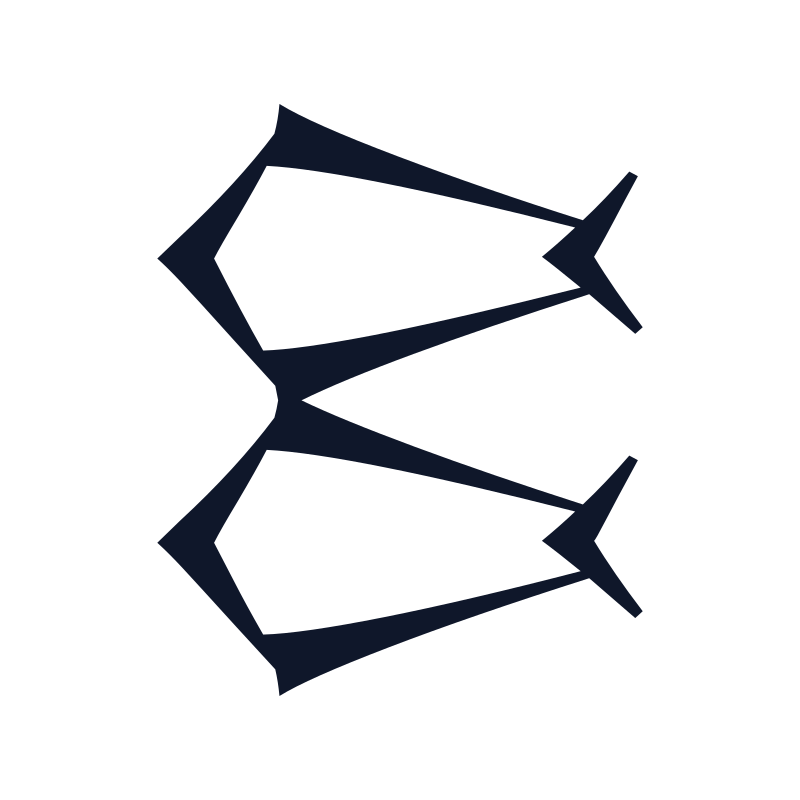 KISIM5/KISIM5 · U+121A9
𒆩
teeming swarm, cattle pens
KISIM₅ OVER KISIM₅ (𒆩) is the reduplicated form of KISIM₅ ('sour milk, cheese, cattle pen, or burrowing insect'). In Mesopotamian lexical lists, the doubled sign expresses plurality and abundance—denoting teeming swarms of insects or numerous sheepfolds and dairy enclosures.
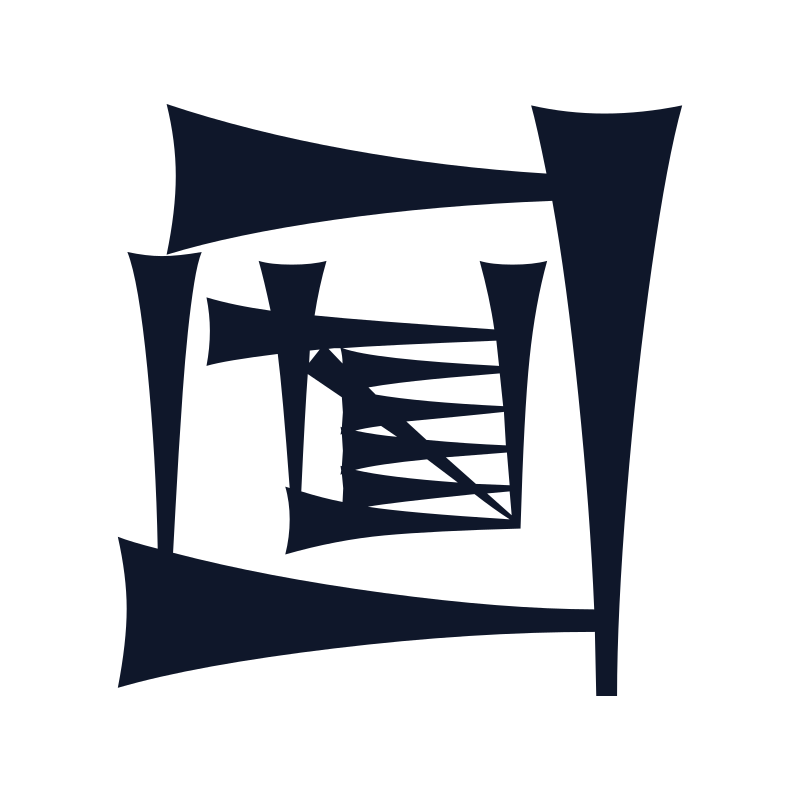 LAGAB×DAR · U+121C2
𒇂
bird coop, francolin cage
LAGAB×DAR (𒇂) encloses DAR ('francolin, black-partridge, variegated/multicolored') inside LAGAB ('enclosure, ring'). In Mesopotamian lexical lists, it denotes a wicker bird cage, poultry coop, or dappled enclosure.
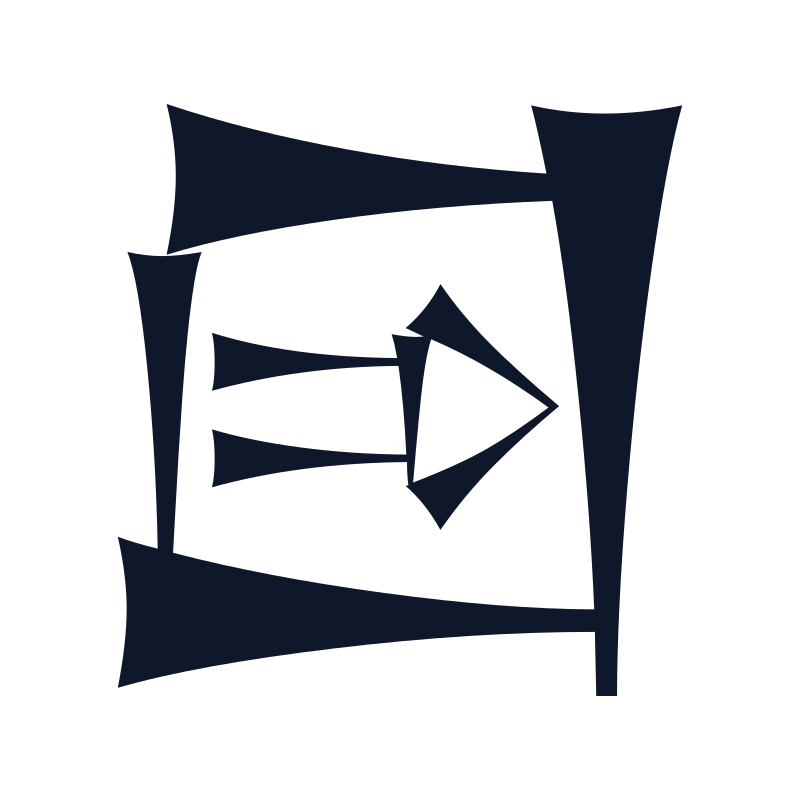 LAGAB×GUD · U+121C6
𒇆
cattle pen, ox corral
LAGAB×GUD (𒇆) encloses the sign GUD ('ox, bull, cattle') within the circular ring LAGAB ('enclosure, pen'). In Sumerian and Akkadian pastoral and lexical texts, it graphically depicts a walled cattle pen or ox corral (`tarbaṣu`).
 LAGAB×HA · U+121C8
𒇈
fishpond, water basin
LAGAB×HA (𒇈) combines the basin sign LAGAB with an inscribed HA / KU₆ ('fish'). In Mesopotamian lexical and administrative traditions, it depicts a stocked fishpond, garden pool, or deep water cistern.
 AMASH · U+121D6
𒇖
sheepfold, flock enclosure
AMAŠ (𒇖, structurally LAGAB×LU, 'sheep inside a circular enclosure') is the classic Sumerian logogram for 'sheepfold' (Akkadian `supūru`). Paired constantly with `tur₃` ('cattle pen') in Sumerian poetry and Dumuzi-Inanna hymns, the `amaš` symbolizes pastoral fertility, security, and royal stewardship over the land.
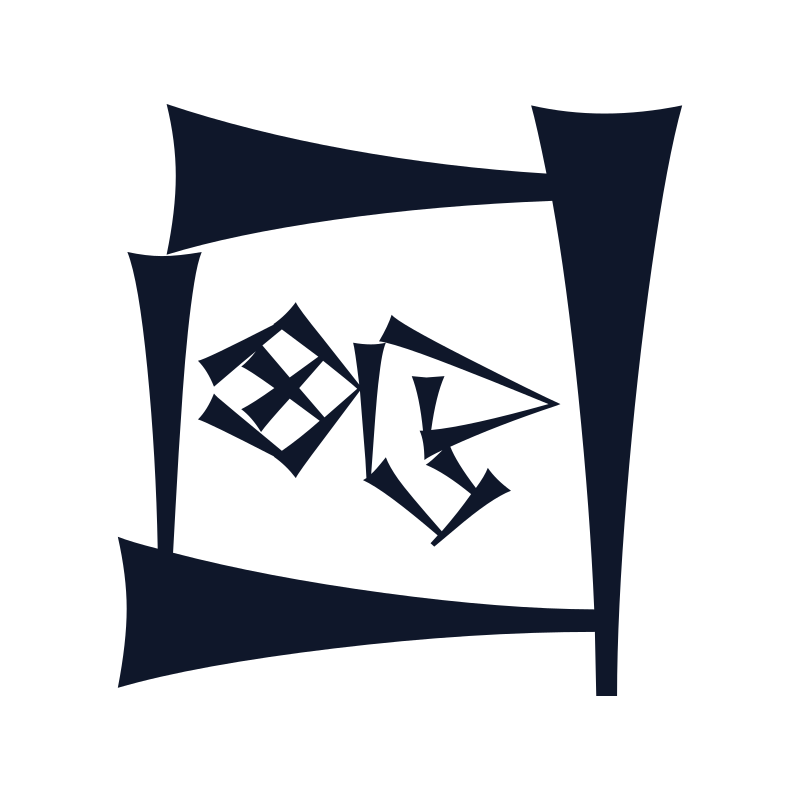 LAGAB×LUL · U+121D7
𒇗
fox den, animal trap
LAGAB×LUL (𒇗) encloses the sign LUL ('fox, cunning, musician') inside the circular boundary LAGAB. In Babylonian lexical lists, it denotes a fox's burrow, an enclosed wild-animal trap, or a concealed lair.
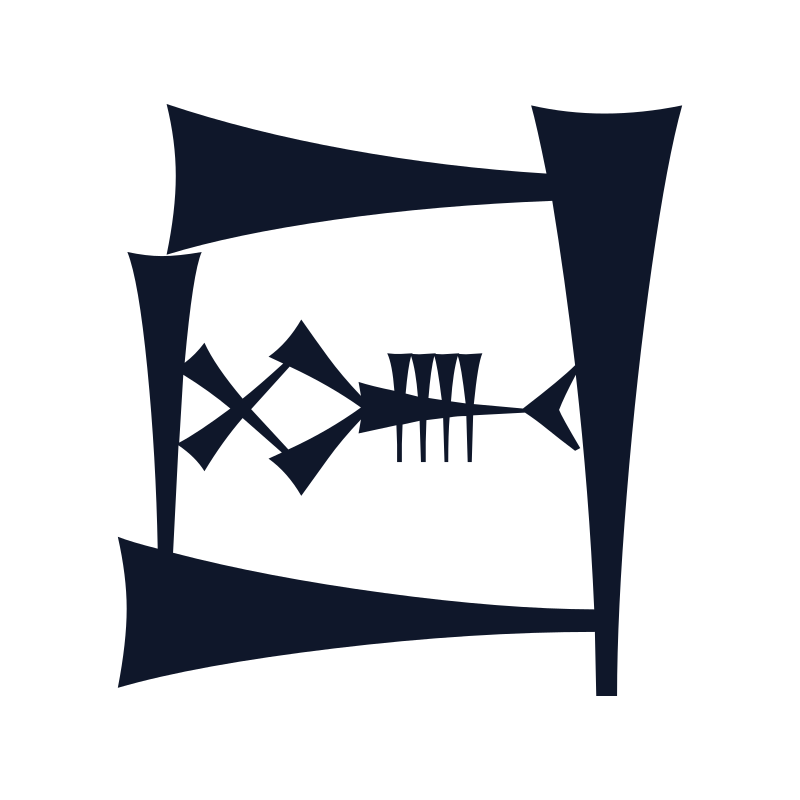 LAGAB×MUSH · U+121DA
𒇚
snake pit, coiled serpent
LAGAB×MUŠ (𒇚) places MUŠ ('snake, serpent') inside the circular enclosure LAGAB. In Mesopotamian lexical and omen traditions, it depicts a serpent coiled inside a pit or basket, or a snake-infested hole.
 UG8 · U+121FC
𒇼
dead sheep, animal carcass
UG₈ (𒇼, structurally LU×BAD) combines LU / UDU ('sheep') with an inscribed BAD ('dead, perished'). In Sumerian administrative flock accounts (especially from Drehem/Puzriš-Dagan), it records sheep that died naturally (`ba-ug₇`) or animal carcasses.
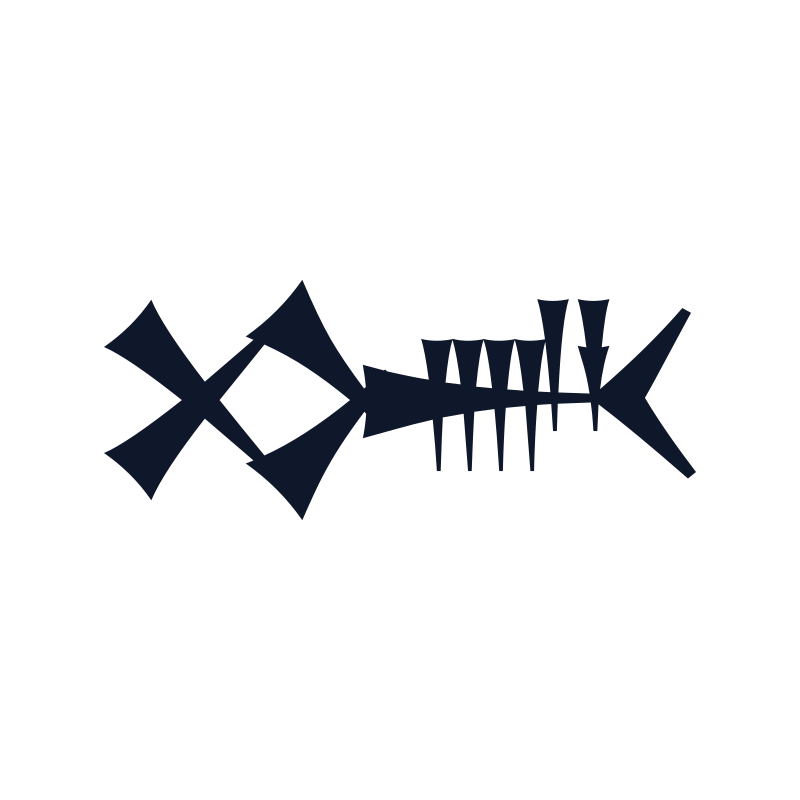 MUSH×A · U+12233
𒈳
water snake, sea serpent
MUŠ×A (𒈳) combines MUŠ ('snake, serpent') with A ('water'). In Mesopotamian zoological and lexical lists (Urra=hubullu XIV), it designates an aquatic snake, marsh viper, or mythical water serpent.
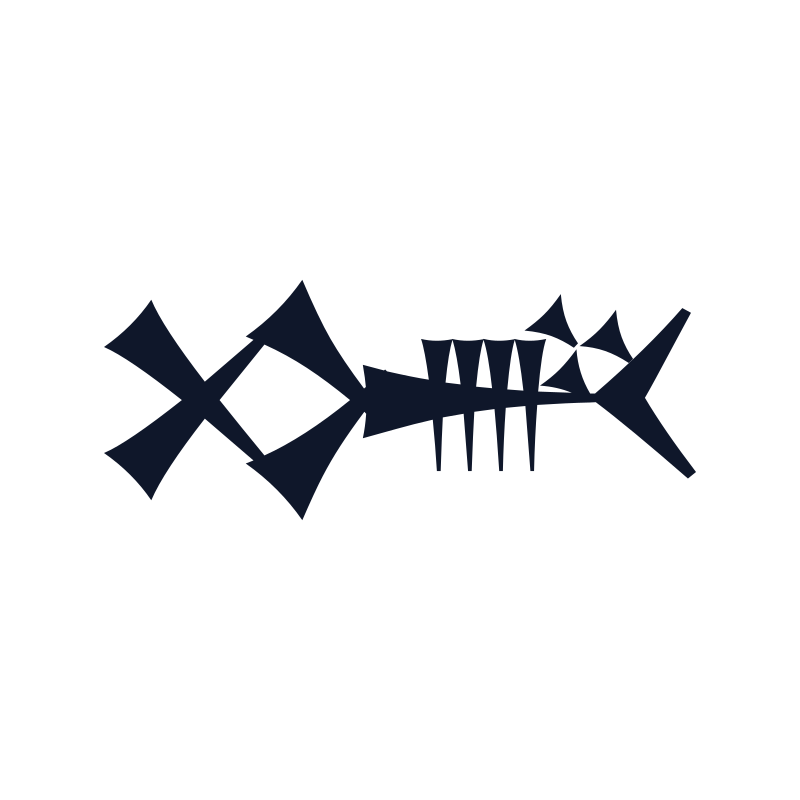 MUSH×KUR · U+12234
𒈴
mountain viper, highland snake
MUŠ×KUR (𒈴) combines MUŠ ('snake, serpent') with KUR ('mountain, highland, underworld'). In Sumerian mythology and zoological lists, mountain serpents (`muš-kur`) were feared as venomous vipers and fearsome dragons inhabiting the Zagros peaks and the netherworld.
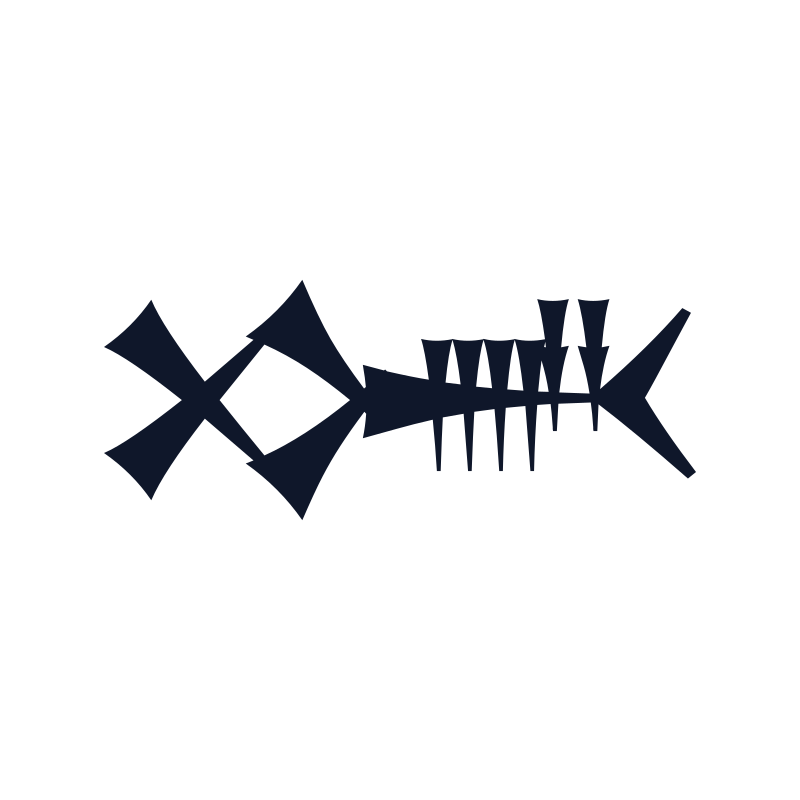 MUSH×ZA · U+12235
𒈵
spotted snake, stone viper
MUŠ×ZA (𒈵) combines MUŠ ('serpent') with ZA ('stone, bead, gem'). In Mesopotamian lexical lists, it denotes a rock-dwelling viper or a serpent with bead-like speckled scales.
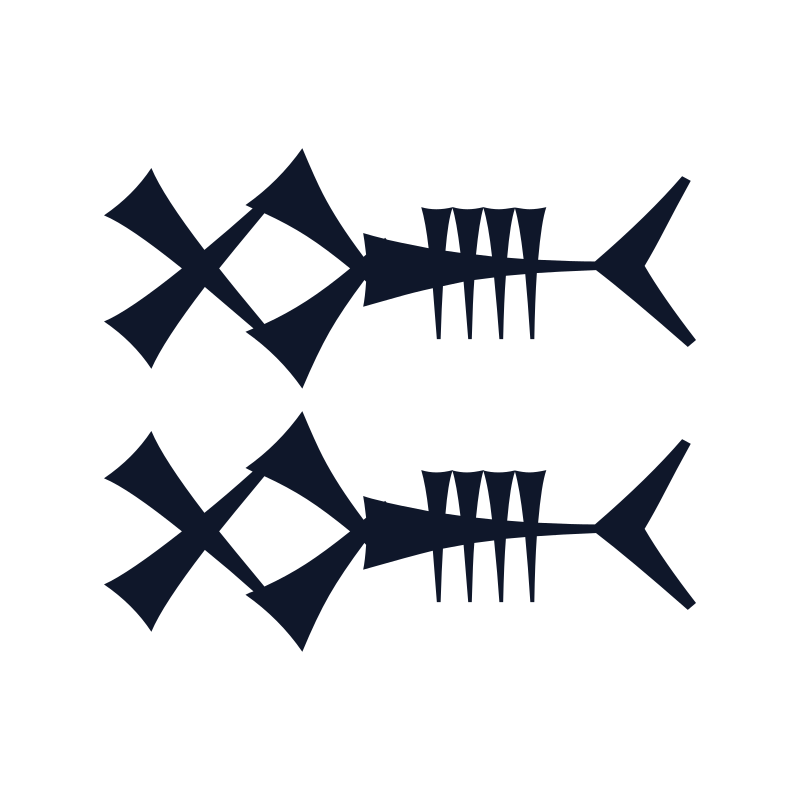 MUSH/MUSH · U+12236
𒈶
pair of snakes, serpents
MUŠ OVER MUŠ (𒈶) is the vertically reduplicated form of MUŠ ('snake, serpent'). Expressing collective plurality (`muš-muš`, Akkadian `ṣērū`) as well as the phonetic value `ri₈`, it denotes a pair or brood of serpents.
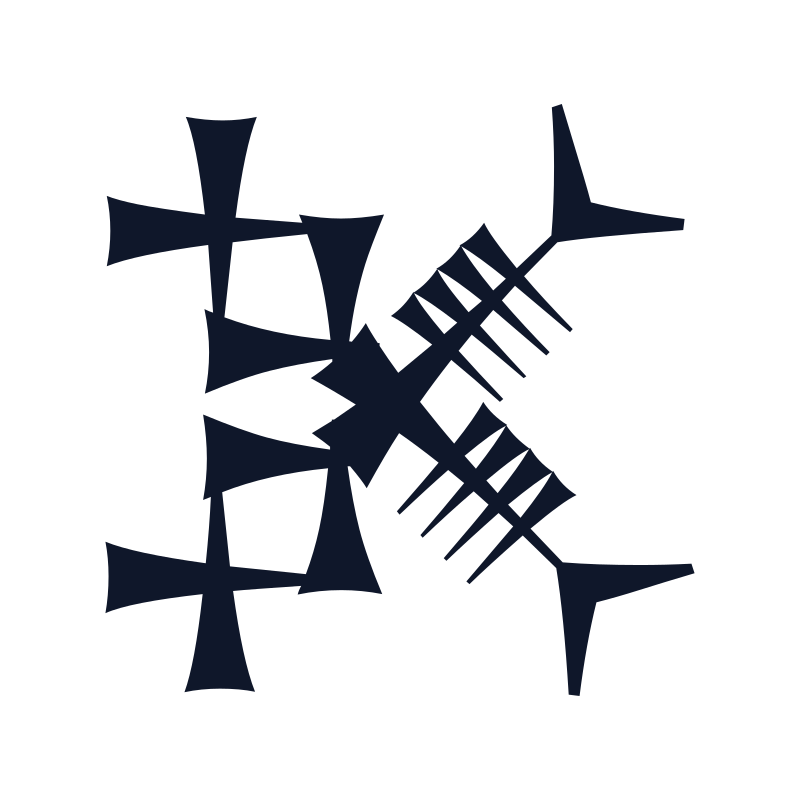 MUSH×MUSH · U+12238
𒈸
entwined serpents, crossed snakes
MUŠ CROSSING MUŠ (𒈸) depicts two intersecting serpents. In Mesopotamian omen texts (Šumma ālu) and sacred iconography—most famously the libation vase of Gudea dedicated to Ningišzida—entwined snakes symbolize chthonic regeneration, protection, and potent portent.
 NINDA2×GUD · U+12256
𒉖
breeding bull, sire
NINDA₂×GUD (𒉖) combines NINDA₂ ('breeding bull, sire, seed-funnel'; Sumerian `ninda₂`, Akkadian `bīru`) with an inscribed GUD ('ox, bull'). In Mesopotamian cattle-breeding and lexical texts, it explicitly designates a stud bull or pedigree breeding ox.
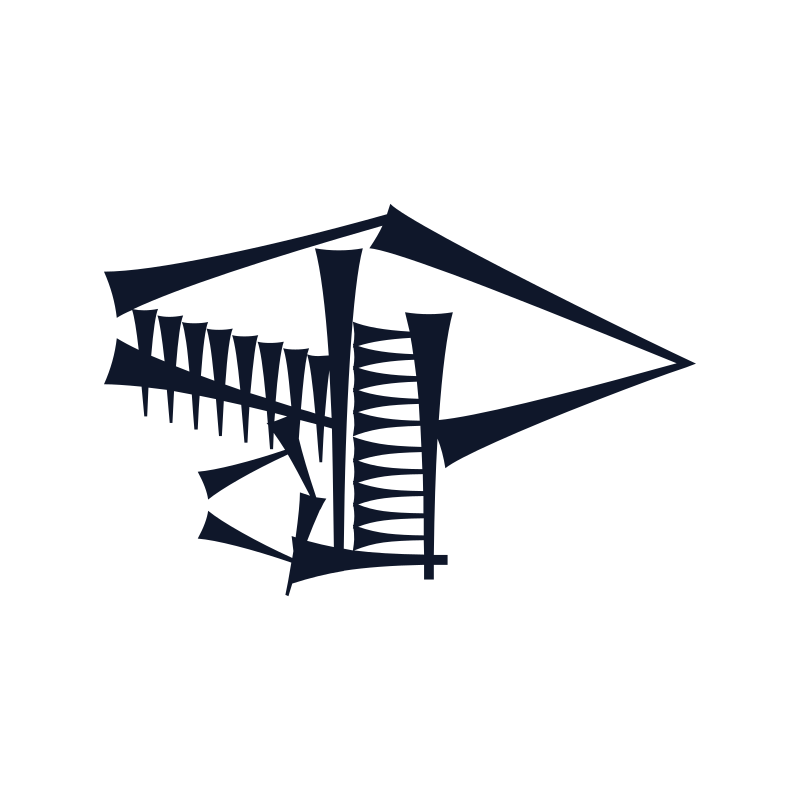 UG · U+1228C
𒊌
lion, storm-beast, leopard
UG (𒊌, structurally PIRIG×UD, 'lion + radiant day/storm') is a major Sumerian logogram meaning 'lion, roaring storm-beast, or leopard' (Akkadian `labbu`, `ūmu`, `nimru` in `pirig-tur`), as well as 'light, day' (`ug`). Phonetically, it is the standard cuneiform sign for the syllable `ug` (`uk`, `uq`).
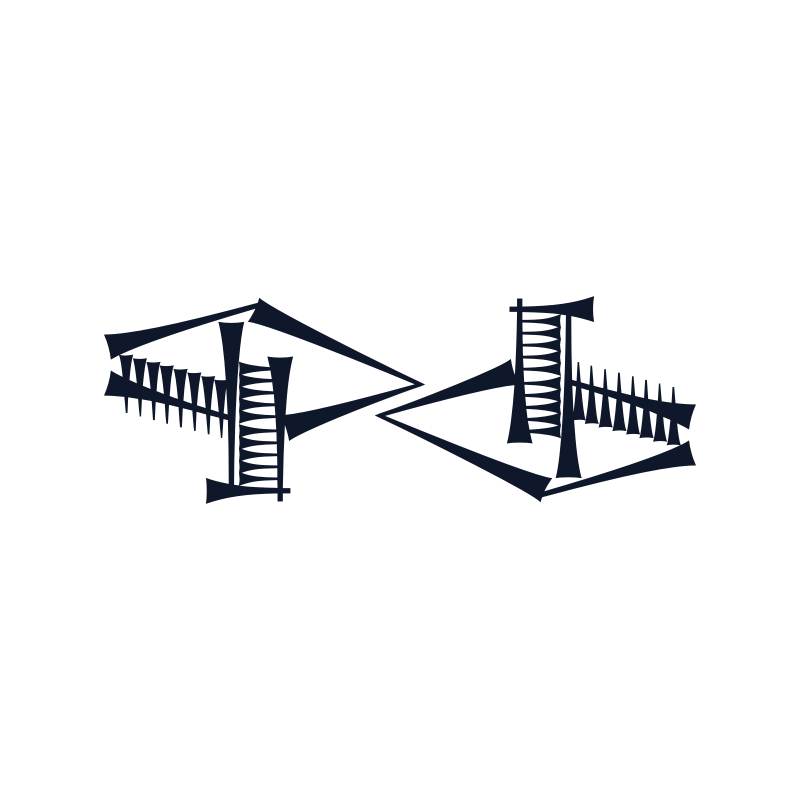 PIRIG.PIRIG · U+1228E
𒊎
rampant lions, wild beasts
PIRIG OPPOSING PIRIG (𒊎) places two PIRIG ('lion, fierce wild beast') signs face-to-face. Echoing the famous heraldic motif of two confronting lions on Mesopotamian cylinder seals and reliefs, it denotes contending lions or fierce highland tribes (`Tidnum`).
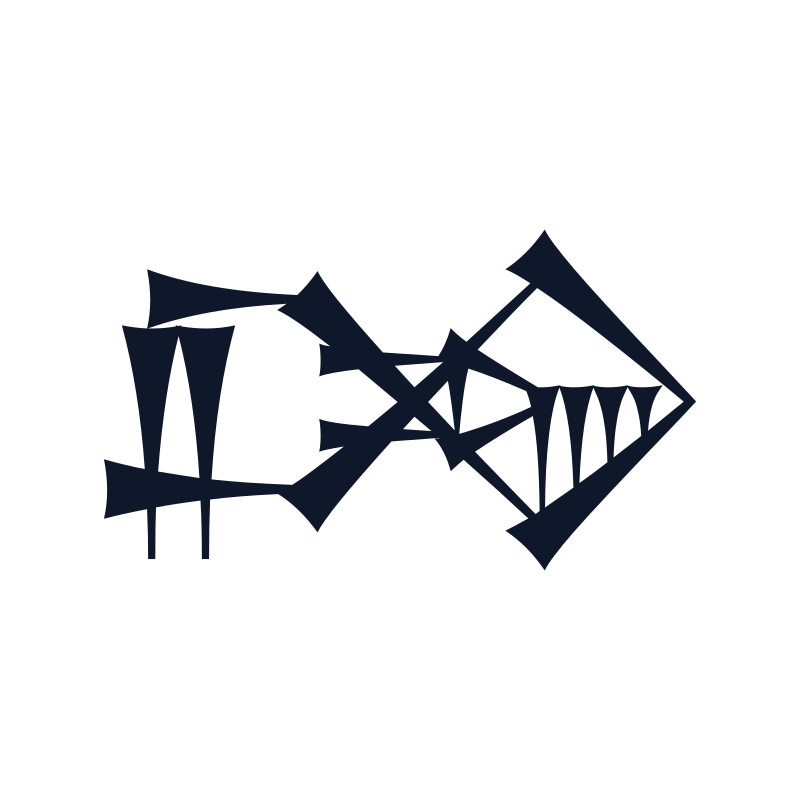 TAG×GUD · U+122F5
𒋵
slaughter ox, butcher cattle
TAG×GUD (𒋵) combines TAG ('to strike, slaughter, sacrifice') with GUD ('ox, bull'). In Mesopotamian lexical and ritual traditions, it denotes striking down or butchering an ox for temple sacrifice or provisions.
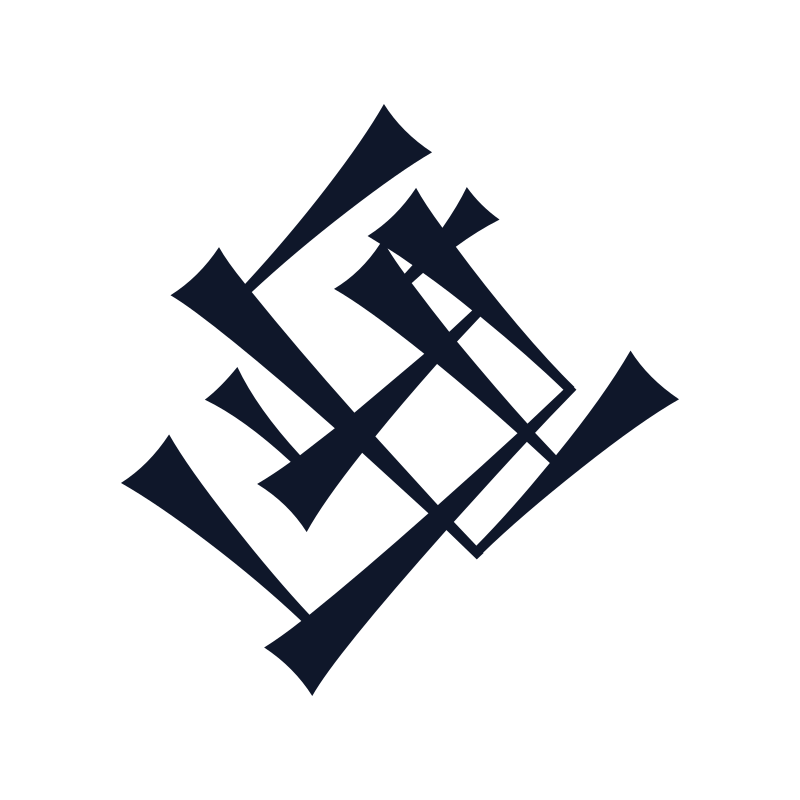 UR×UR · U+12329
𒌩
clashing hounds, warriors
UR CROSSING UR (𒌩) is formed by two intersecting UR ('dog, lion, warrior') signs. In Mesopotamian lexical lists and omen texts, the crossed figures depict fighting dogs or lions locked in combat (`ur-ur`), or warriors clashing on the battlefield.
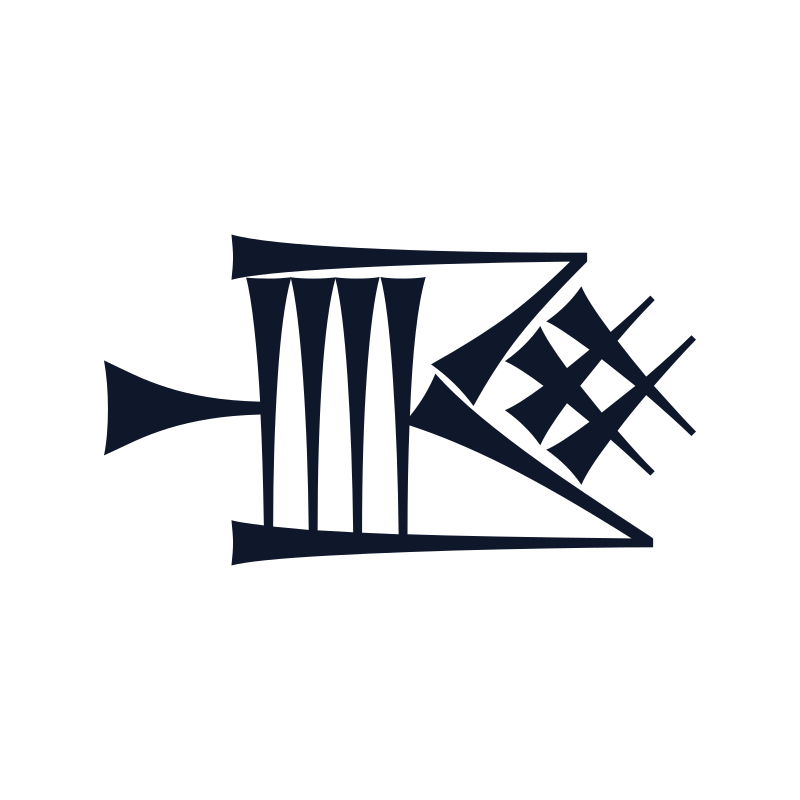 UZ3×KASKAL · U+1235B
𒍛
range goat, migratory flock
UZ₃×KASKAL (𒍛) combines UZ₃ ('she-goat; duck') with KASKAL ('road, journey, expedition'). In Mesopotamian lexical lists, it refers to goats driven along caravan routes or migratory waterfowl.
 AB2×A · U+12371
𒍱
pregnant cow, watered cattle
AB₂×A (𒍱) combines the pictographic cow head AB₂ ('cow') with an inscribed A ('water, seed, offspring'). Parallel to ŠA₃×A (`peš₄`, 'pregnant'), it denotes a cow in calf or cattle pastured by water.
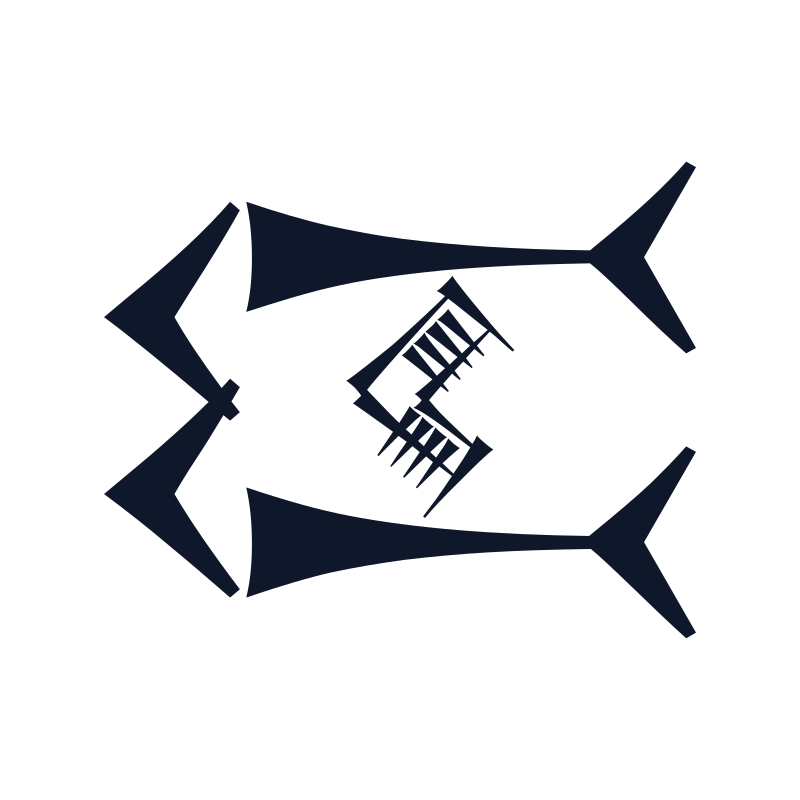 AMAR×KUG · U+12372
𒍲
pure calf, sacred bull-calf
AMAR×KUG (𒍲) combines AMAR ('calf, young animal') with KUG / KU₃ ('pure, holy, shining, silver'). Corresponding to Sumerian `amar-ku₃`, it designates a ritually pure, unblemished calf raised for temple sacrifice, and serves as a poetic epithet of the moon god Nanna-Suen.
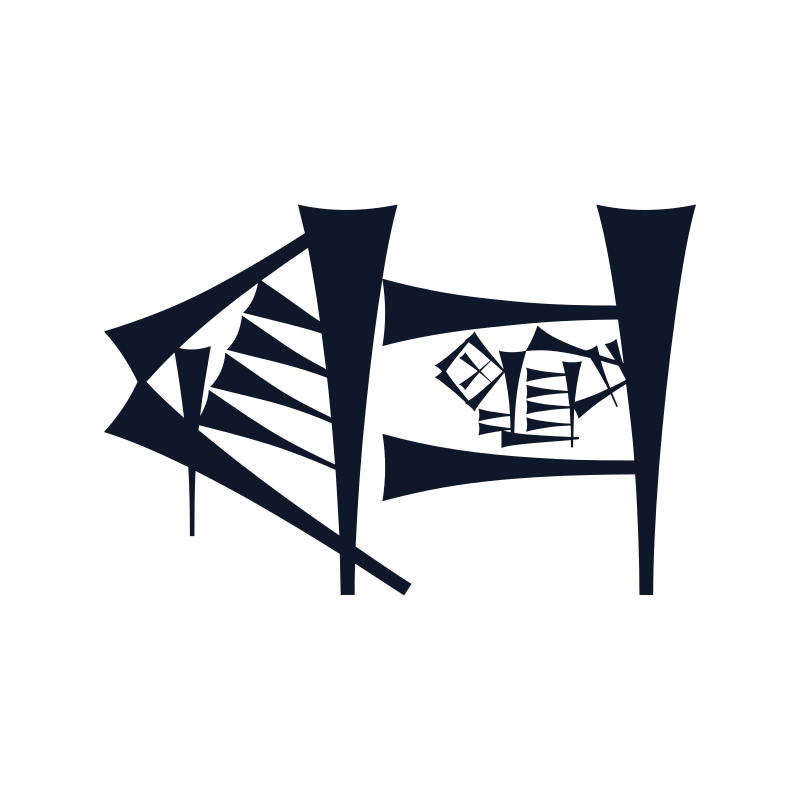 KA×ANSHE · U+1237E
𒍾
donkey's bray, equid muzzle
KA×ANŠE (𒍾) combines KA ('mouth, voice') with an inscribed ANŠE ('donkey, equid'). In Mesopotamian lexical lists and omen texts, it denotes the loud braying of a donkey (`gù-anše`, Akkadian `nagāgu`) or an equid's muzzle and bridle.
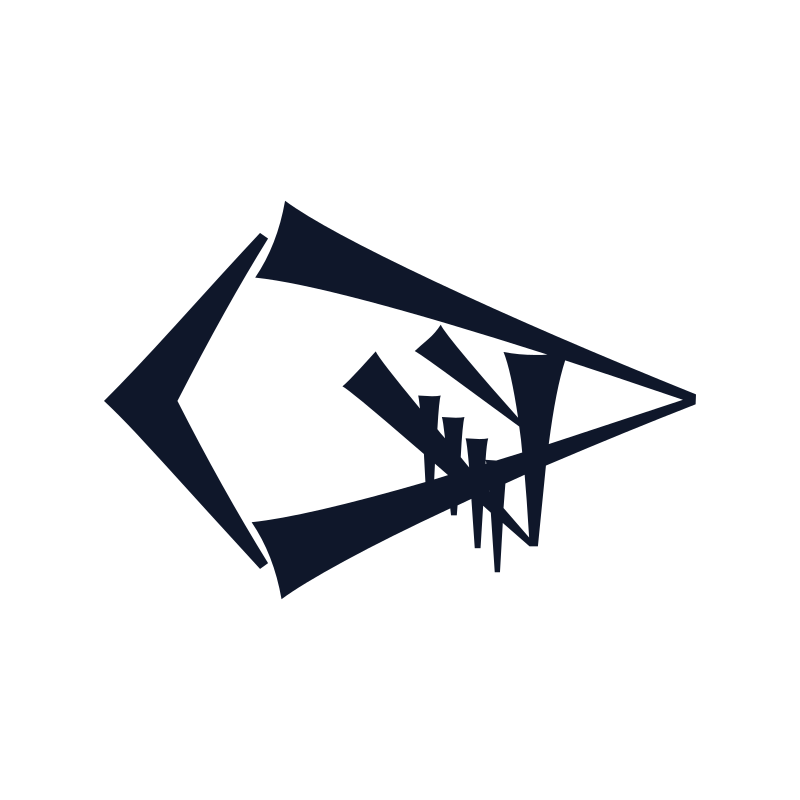 KIR · U+12018
𒀘
heifer, young cow
KIR (𒀘, structurally AB₂×GAN₂-tenû or AB₂׊A₃) is a Sumerian logogram meaning 'cow, heifer, or female calf' (Akkadian `littu`, `arhu`), and is also connected to the sacred bronze kettledrum (`liliz`, covered with bull/cow hide).
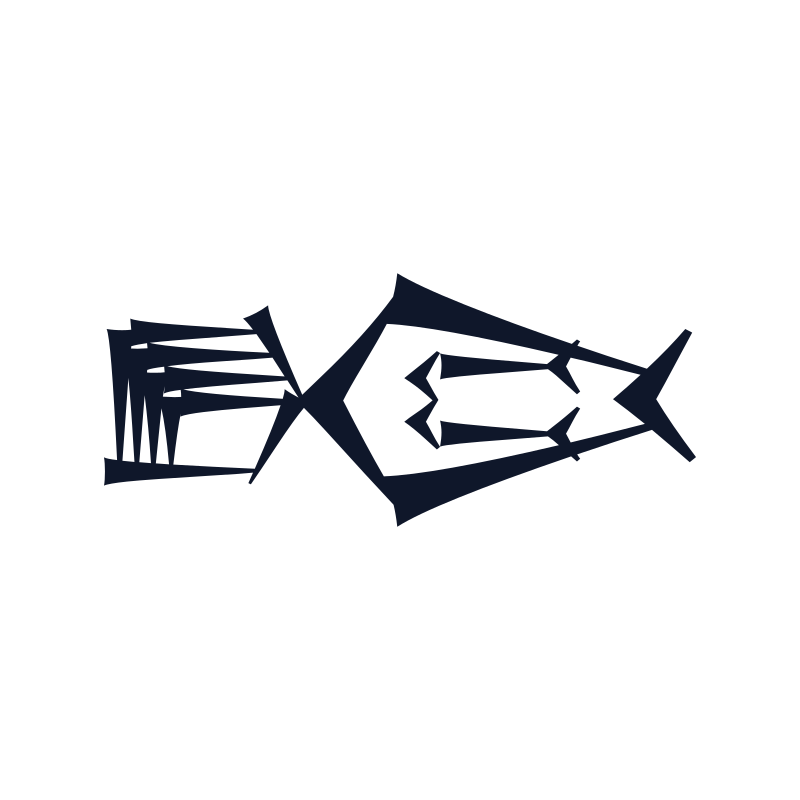 KISIM5×AMAR · U+12058
𒁘
calf stall, young cattle pen
DAG KISIM₅×AMAR (𒁘) encloses AMAR ('calf, young animal') within the cattle-pen frame DAG.KISIM₅. In Sumerian pastoral and lexical traditions, it specifically designates a stall or enclosure where young calves were kept and fed milk.
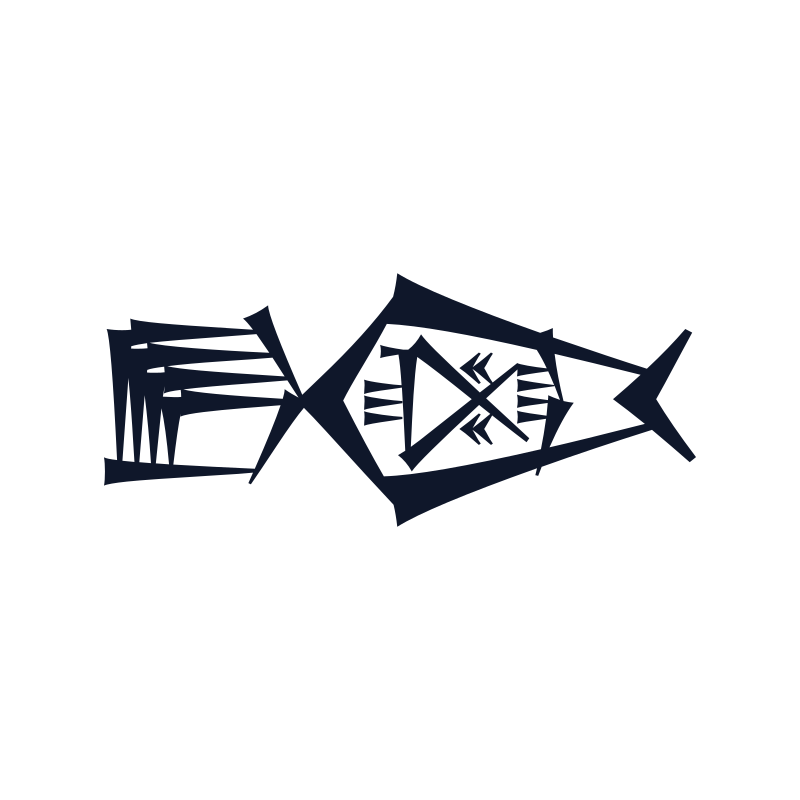 KISIM5×BALAG · U+12059
𒁙
lyre-cricket, chirping locust
DAG KISIM₅×BALAG (𒁙) combines the insect/enclosure frame DAG.KISIM₅ with an inscribed BALAG ('lyre, harp, resonant drum'). In Mesopotamian zoological lists (Urra=hubullu XIV), it designates a chirping cricket or locust (`buru₅-balag-ga`, 'lyre-locust') named for its musical stridulation.
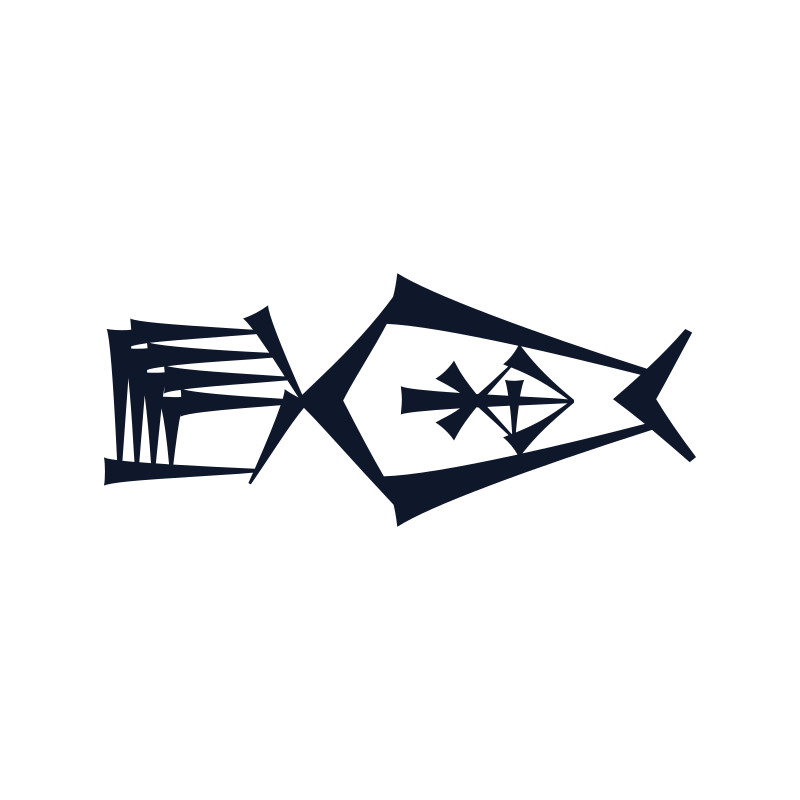 DAG.KISIM5xGIR2 · U+1205E
𒁞
stinging larva, shearing, insect
DAG KISIM₅×GIR₂ (𒁞) is a compound sign combining DAG.KISIM₅ (𒁙) with GIR₂ (𒄈, dagger blade or scorpion sting). In Mesopotamian zoological and lexical lists, it designates a stinging caterpillar or destructive insect larva, as well as the blade-shorn state associated with kisig (funerary shearing or mourning). The internal blade sign highlights sharpness and cutting.
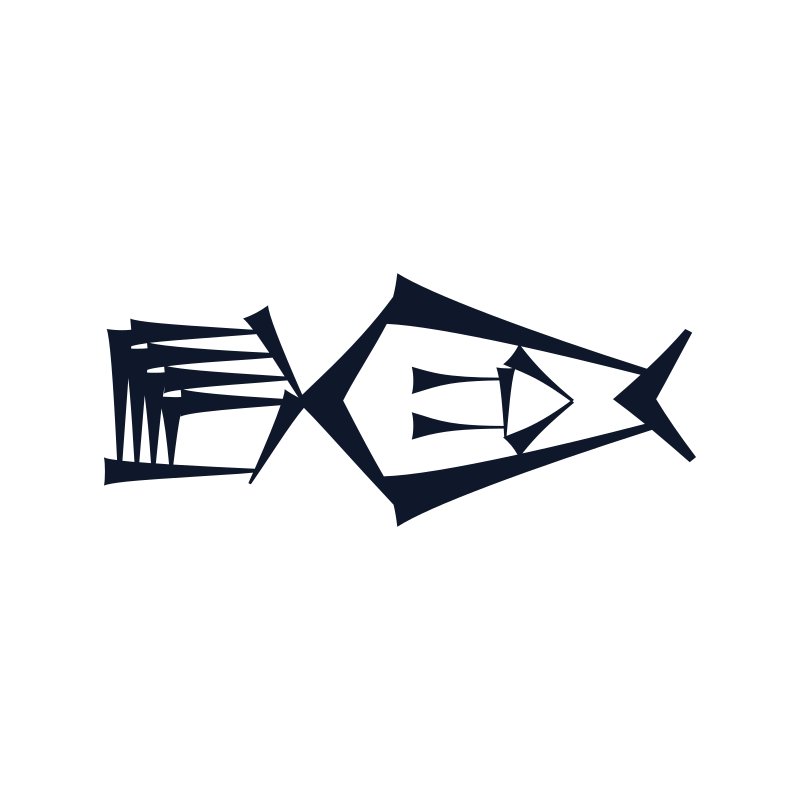 UTUL5 · U+1205F
𒁟
cattle herd, herdsman, byre
DAG KISIM₅×GUD (𒁟), read logographically as UTUL₅, places GUD (𒄞, ox or bull) inside the DAG.KISIM₅ (𒁙) enclosure. It signifies a cattle herd, cattle pen, or chief herdsman (Akkadian utullu, būlu), contrasting with the sheepfold sign that contains a sheep (LU). In royal titles, Mesopotamian kings called themselves the 'faithful herdsman' (utul) caring for the people.
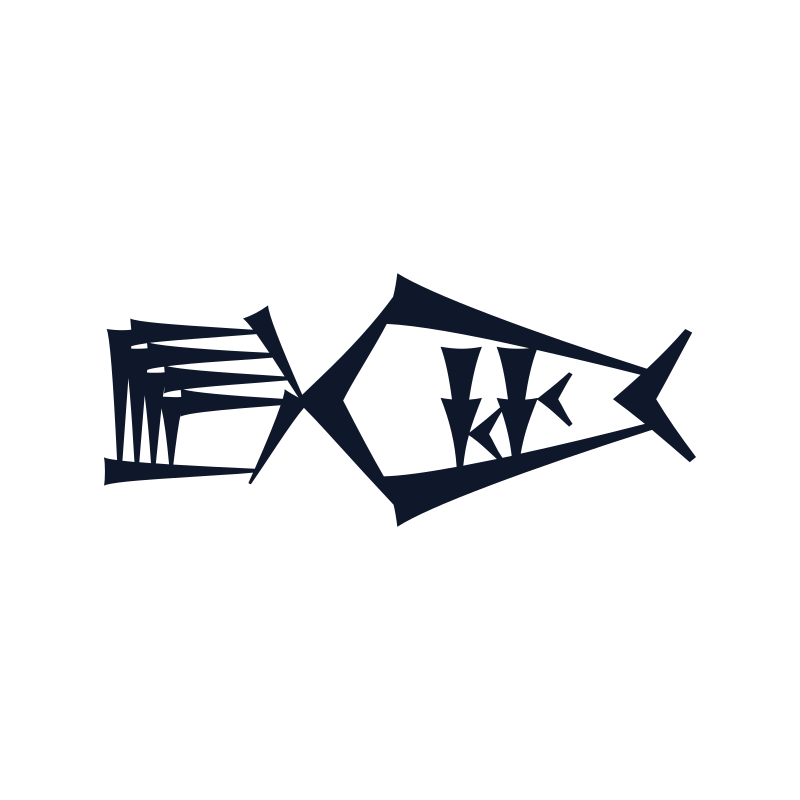 DAG.KISIM5xHA · U+12060
𒁠
fishpond, fish weir, catch
DAG KISIM₅×HA (𒁠) combines the enclosure sign DAG.KISIM₅ (𒁙) with HA (𒄩, KU₆, fish). Attested in Sumerian-Akkadian lexical tablets, it represents an enclosed fishpond, marshland fish weir, or vessel for holding live and cured fish. It illustrates how Mesopotamian scribes systematically varied the inner sign of DAG.KISIM₅ to classify animal enclosures.
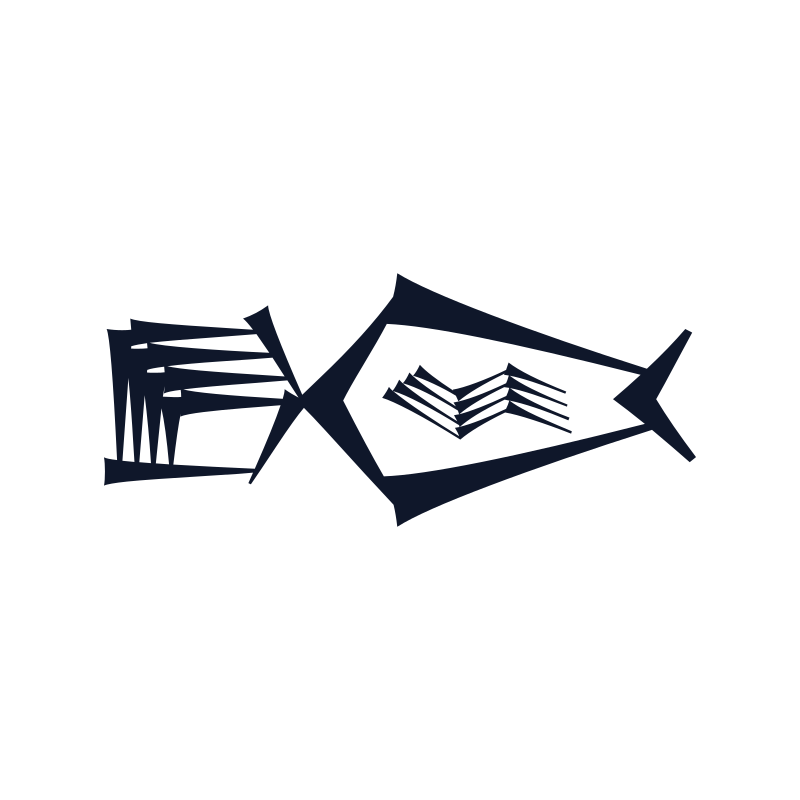 DAG.KISIM5xLUM · U+12067
𒁧
wood larva, cocoon, grub
DAG KISIM₅×LUM (𒁧) inscribes LUM (𒈝, to thrive, swell, or fruit) inside the DAG.KISIM₅ (𒁙) enclosure frame. In Babylonian zoological and lexical lists (Urra XIV and Ea IV), it designates a plump wood-boring grub, caterpillar, or swollen insect cocoon. The inner LUM sign conveys both phonetic resonance and the idea of a rounded, swelling body.
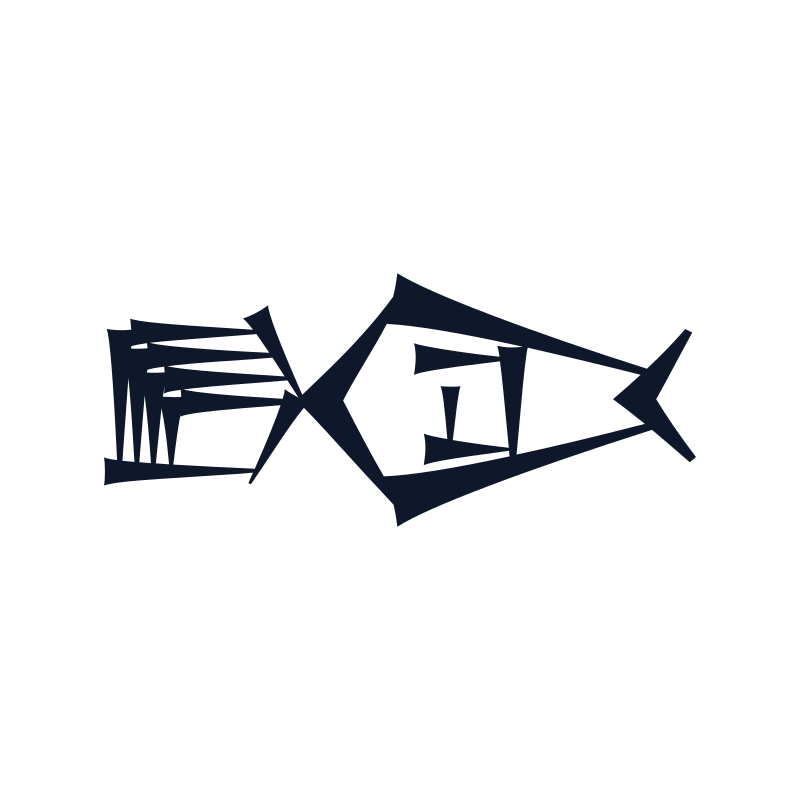 DAG.KISIM5xSI · U+1206A
𒁪
horned caterpillar, horned stock
DAG KISIM₅×SI (𒁪) places SI (𒋛, horn or to fill) inside the DAG.KISIM₅ (𒁙) frame. In Babylonian zoological and lexical tablets, it designates a horned caterpillar (such as a sphinx moth larva) or a pen filled with horned livestock. Scribes used the inscribed horn sign to distinguish horned species within the broader kisim classification.
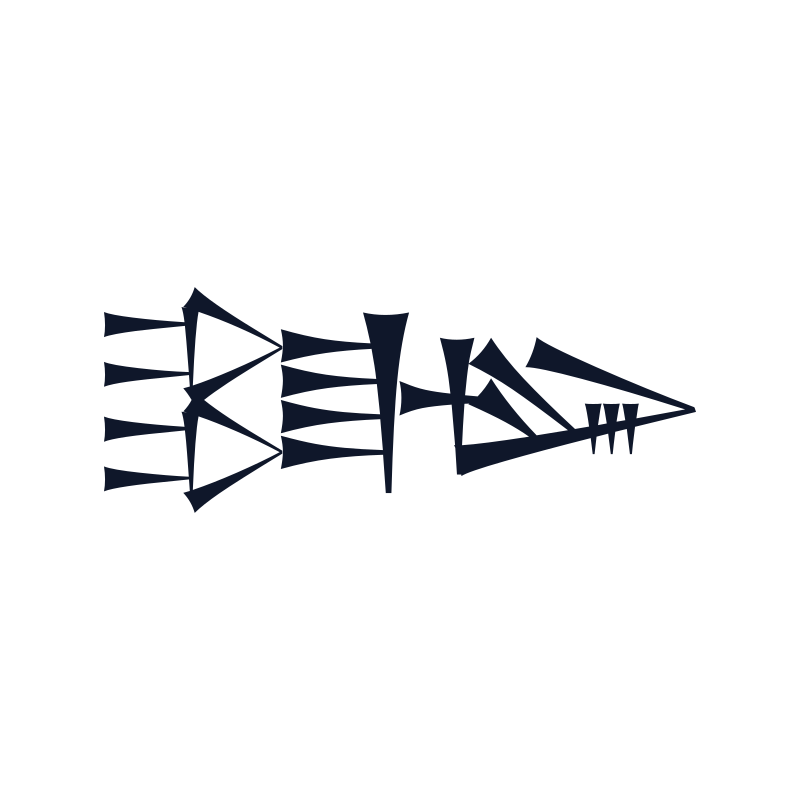 GUD.GUD.LUGAL · U+12121
𒄡
royal bull team, sovereign herd
GUD/GUD LUGAL (𒄡) stacks two GUD (𒄞, bull or ox) signs vertically alongside LUGAL (𒈗, king). Preserved in Early Dynastic and Babylonian lexical lists, it denotes a royal team of prize plow-oxen, a sovereign herd of bulls dedicated to state ceremonies, or a heroic title comparing the monarch to paired wild bulls.
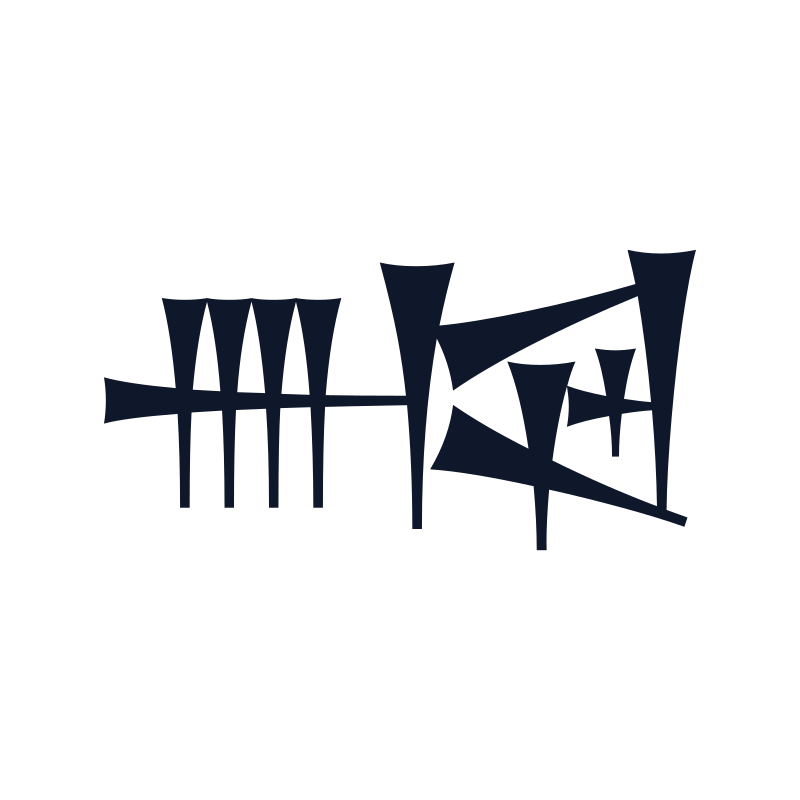 NUN.LAGARxMASH · U+12265
𒉥
kid pen, goat byre, fold
NUN LAGAR×MAŠ (𒉥) inscribes MAŠ (𒈦, kid, goat, or gazelle) inside the NUN.LAGAR / TUR₃ (𒉣𒇬) animal pen frame. In Sumerian-Akkadian lexical traditions, it distinguishes a specialized pen or birthing fold for kids and goats from the larger cattle byre.
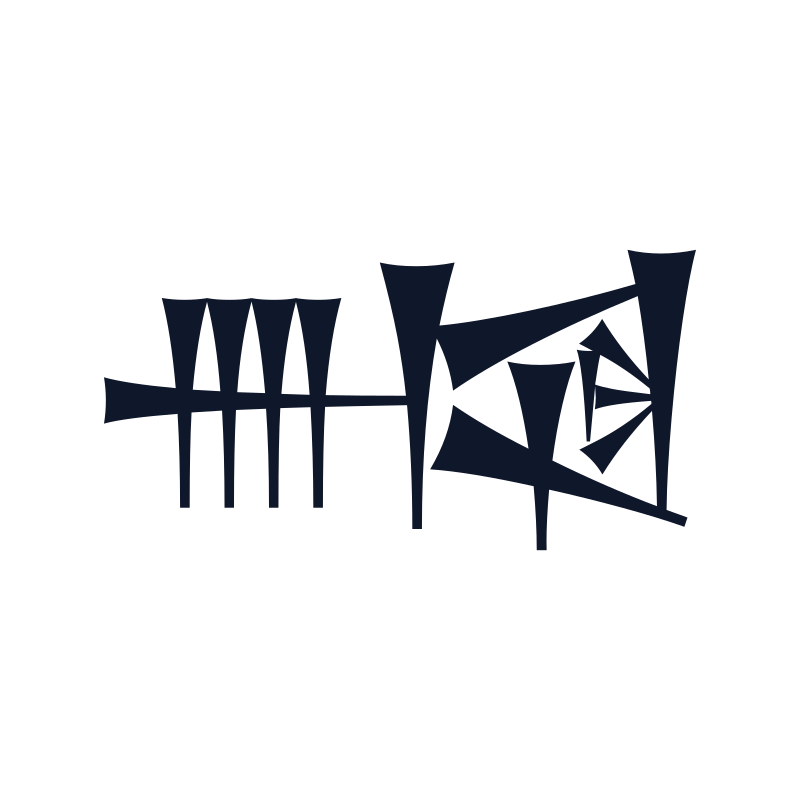 IMMAL · U+12266
𒉦
mother cow, wild cow, heifer
NUN LAGAR×SAL (𒉦), read logographically as IMMAL or ŠILAM (SHILAM), places SAL / MUNUS (𒊩, female) inside the cattle-stall sign NUN.LAGAR / TUR₃ (𒉣𒇬). It means 'mother cow', 'calving cow', or 'wild cow' (Akkadian littu, arhu)—a sacred maternal epithet applied to great Sumerian goddesses such as Ninhursag and Ninsun.
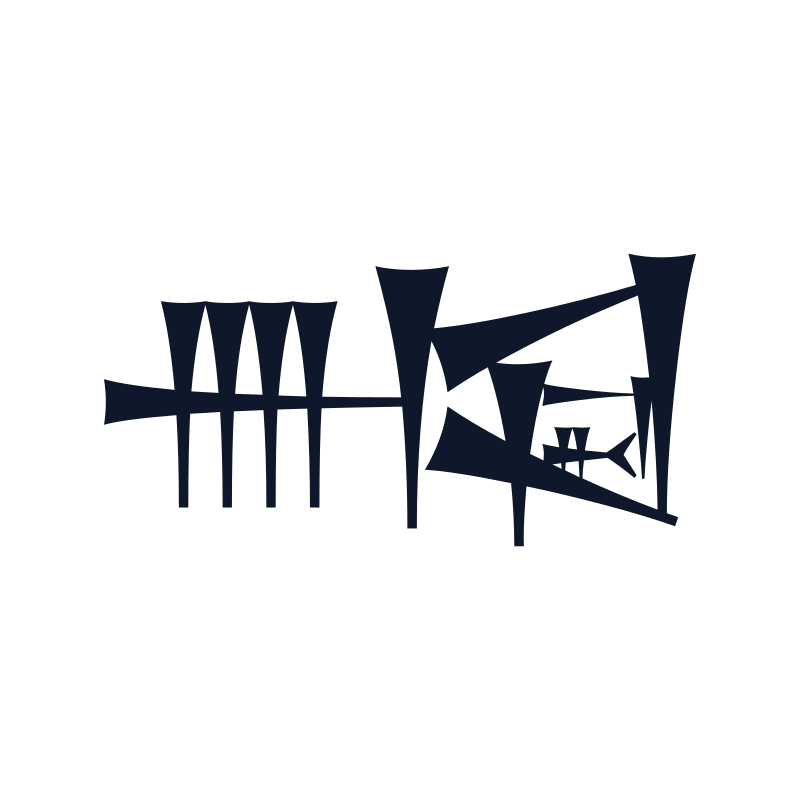 NUN.LAGARxUSH · U+12268
𒉨
breeding stall, womb membrane
NUN LAGAR×UŠ (𒉨) pairs the cattle-pen and birth-hut sign NUN.LAGAR / TUR₃ (𒉣𒇬) with UŠ (𒍑, male or placenta/membrane). In Babylonian lexical lists, it refers both to a pen for breeding bulls alongside NUN LAGAR×SAL (𒉦) and to the embryonic membrane or afterbirth in calving livestock.
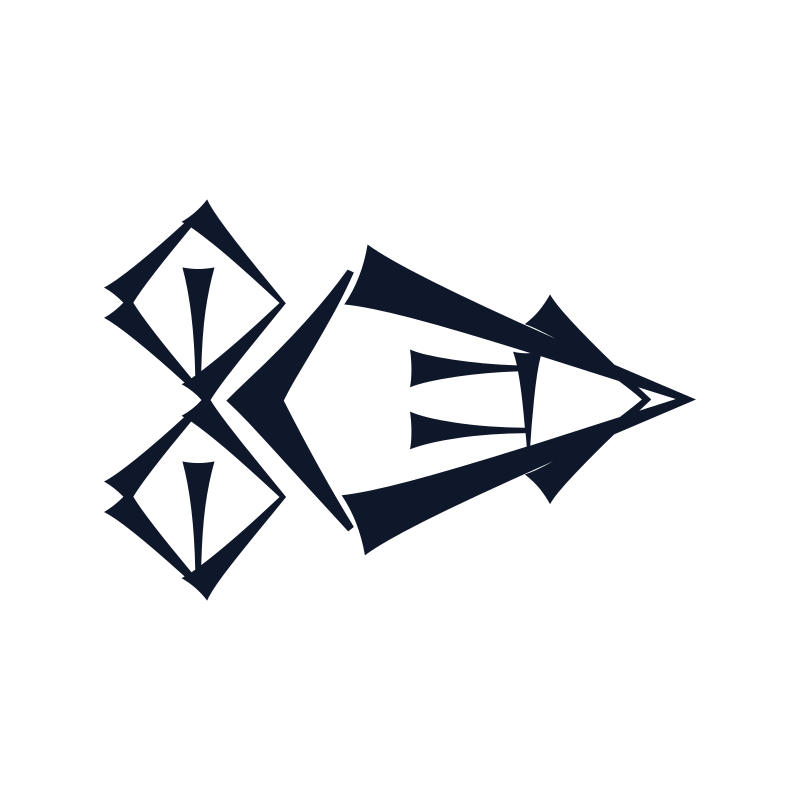 NUNUZ.AB2xGUD · U+12271
𒉱
horned beetle, cattle brood
NUNUZ AB₂×GUD (𒉱) places GUD (𒄞, bull or ox) inside the NUNUZ.AB₂ (𒉭𒀖, egg/brood and cow) compound frame. In Babylonian zoological and lexical lists, it denotes either a horned beetle emerging from its ovoid pupa or the young brood of a cattle herd.
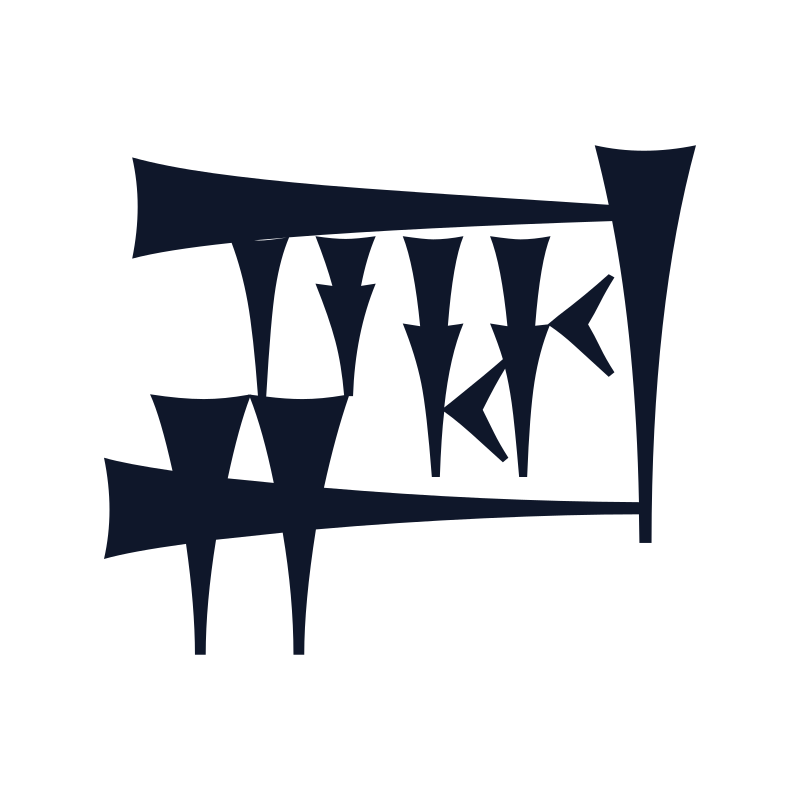 GA2xA.HA · U+120B9
𒂹
enclosed fishpond, fish basin
GA₂×A.HA (𒂹) is a transparent pictographic compound enclosing A (𒀀, water) and HA / KU₆ (𒄩, fish) inside the architectural container GA₂ (𒂷). In Sumerian and Akkadian lexical lists, it signifies a walled fishpond, a palace fish-holding basin, or a submerged reed creel keeping caught fish alive in water.
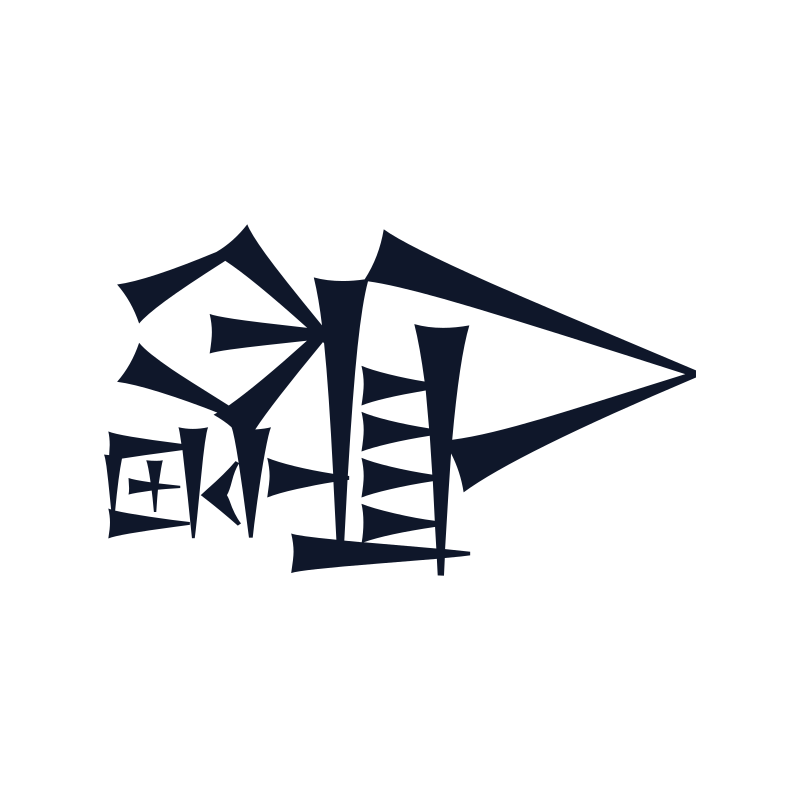 GIR3xLU.IGI · U+1210E
𒄎
flock leader, vanguard step
GIR₃×LU.IGI (𒄎) inscribes LU / UDU (𒇻, sheep) and IGI (𒅆, eye or front) inside GIR₃ (𒄊, foot or animal stride). In Mesopotamian lexical lists, it depicts the bellwether or lead ram striding at the front (igi) of the flock, guiding the herd along pastoral tracks.
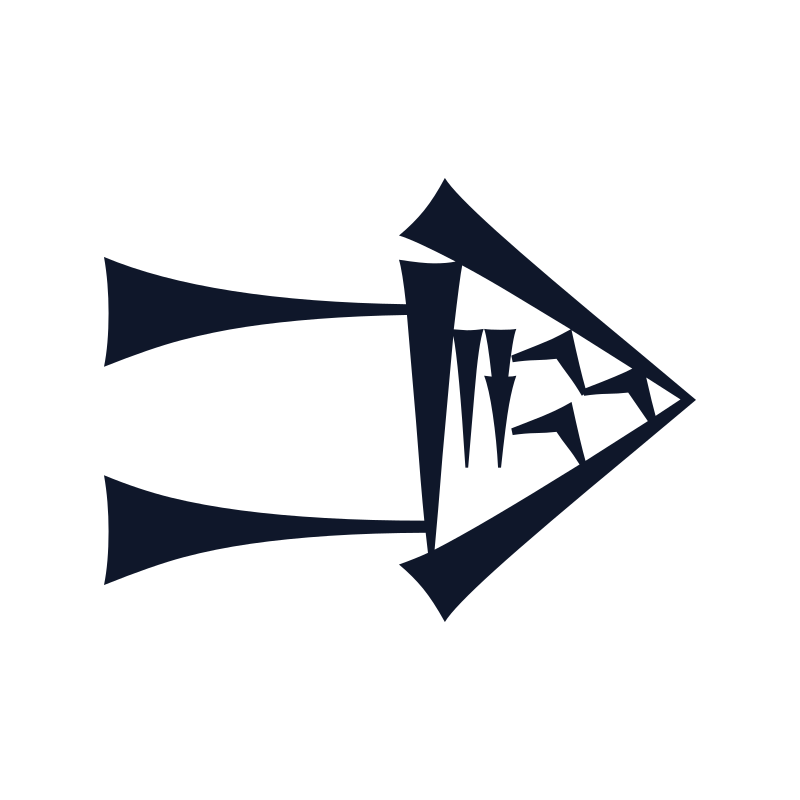 GUDxA.KUR · U+1211F
𒄟
mountain bull, highland bison
GUD×A.KUR (𒄟) places A (𒀀, offspring or water) and KUR (𒆳, mountain) inside the bull sign GUD (𒄞). In Mesopotamian zoological and mythological texts, it denotes a mountain bull or highland bison (alim, Akkadian kusarikku)—a revered creature of the eastern mountains associated with the sun god Utu and royal might.
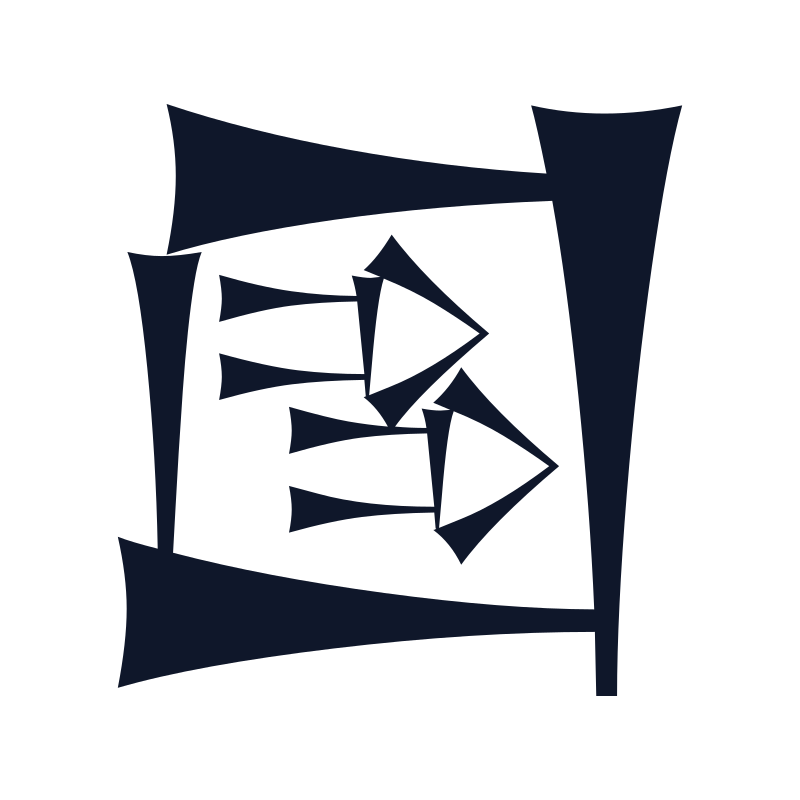 LAGABxGUD.GUD · U+121C7
𒇇
cattle corral, oxen herd
LAGAB×GUD.GUD (𒇇) inscribes a pair of GUD (𒄞, ox or bull) signs inside the circular enclosure sign LAGAB (𒇉). Like LAGAB×GUD (𒇆), the doubled bull sign explicitly marks plurality, signifying a corral full of cattle or a large herd of oxen (Akkadian būlu, utullu).
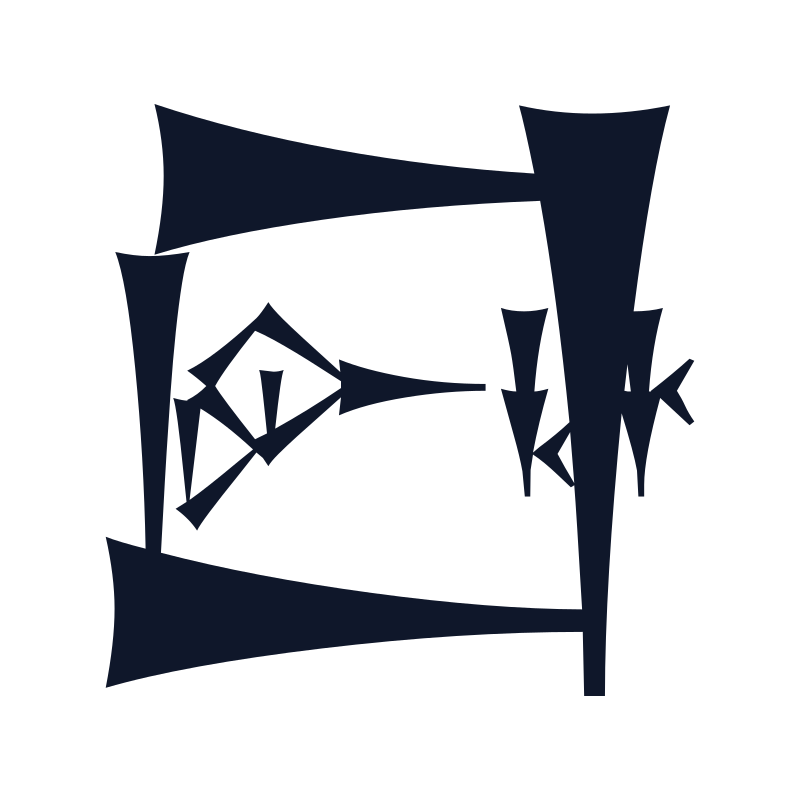 LAGABxIM.HA · U+121CD
𒇍
clay fishpond, marsh pool
LAGAB×IM.HA (𒇍) places IM (𒅎, clay or mud) and HA / KU₆ (𒄩, fish) inside the circular pool sign LAGAB (𒇉). In Babylonian lexical lists, it denotes a clay-lined fishpond or a muddy backwater pool left after the annual river flood where fish were easily trapped.
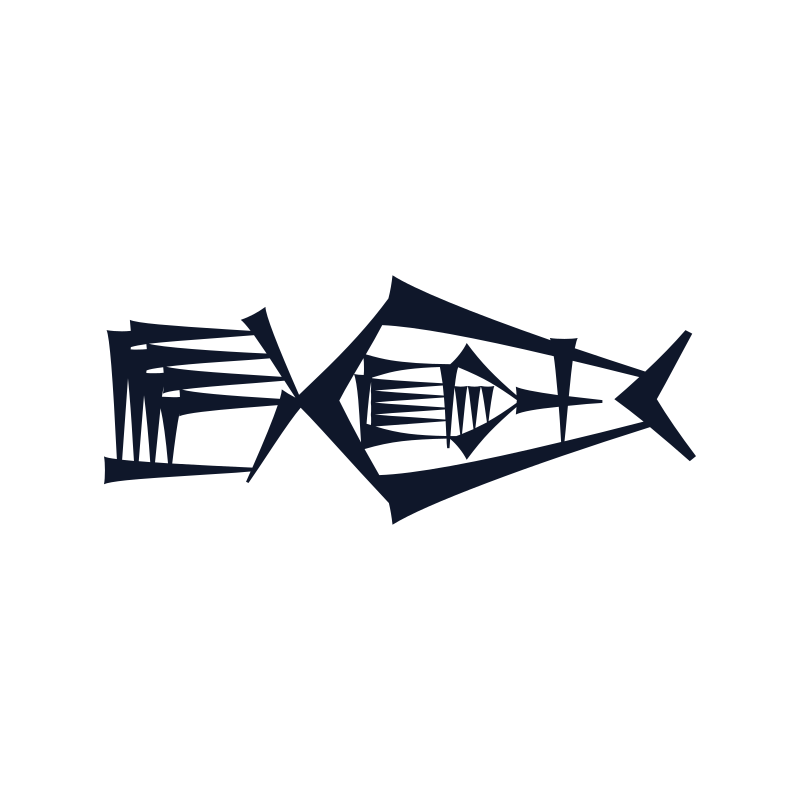 DAG.KISIM5xGA.MASH · U+1205C
𒁜
milking fold, suckling kid pen
DAG KISIM₅×GA.MAŠ (𒁜) combines the DAG.KISIM₅ (𒁙) enclosure frame with GA (𒂵, milk) and MAŠ (𒈦, kid or goat). Bridging DAG.KISIM₅×GA (𒁛, ubur, udder) and DAG.KISIM₅×MAŠ, it denotes a dairy fold where goats were milked and suckling kids were penned.
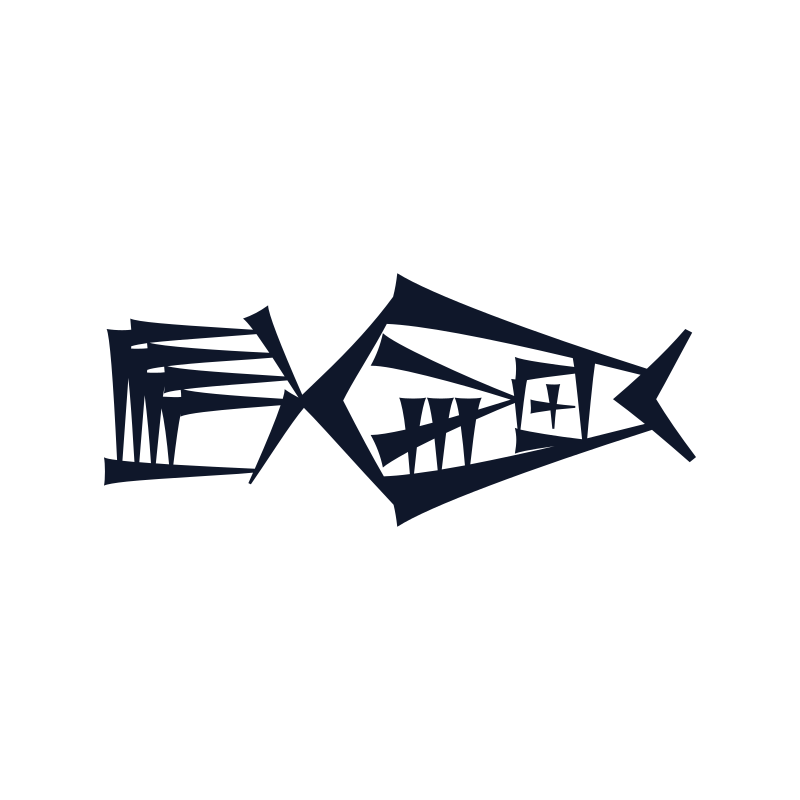 DAG.KISIM5xIR.LU · U+12062
𒁢
fleece-scented fold, lanolin
DAG KISIM₅×IR.LU (𒁢) inscribes IR (𒅕, sweat, scent, or secretion) and LU / UDU (𒇻, sheep) inside the pastoral frame DAG.KISIM₅ (𒁙). Combining the elements of DAG.KISIM₅×IR (𒁡) and DAG.KISIM₅×LU (𒁥, amaš), it denotes a crowded sheepfold redolent of wool-grease (lanolin) or a sheep-tick larva.
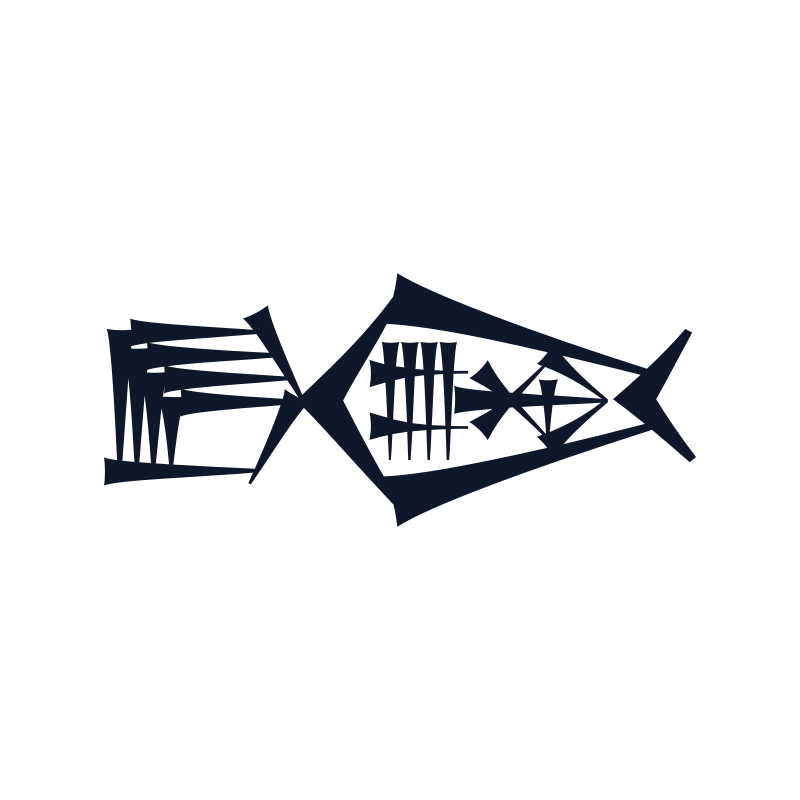 KISIM5 · U+1206C
𒁬
leaf-cutting caterpillar, thornbush
DAG KISIM₅×U₂.GIR₂ (𒁬) places U₂ (𒌑, plant or grass) and GIR₂ (𒄈, blade or thorn; together spelling u₂-gir₂, camelthorn) inside the DAG.KISIM₅ (𒁙) frame. In Mesopotamian lexical lists (Ea IV and Urra XIV), it designates a destructive caterpillar or locust species that shears through vegetation like a blade (Akkadian kisīmu).
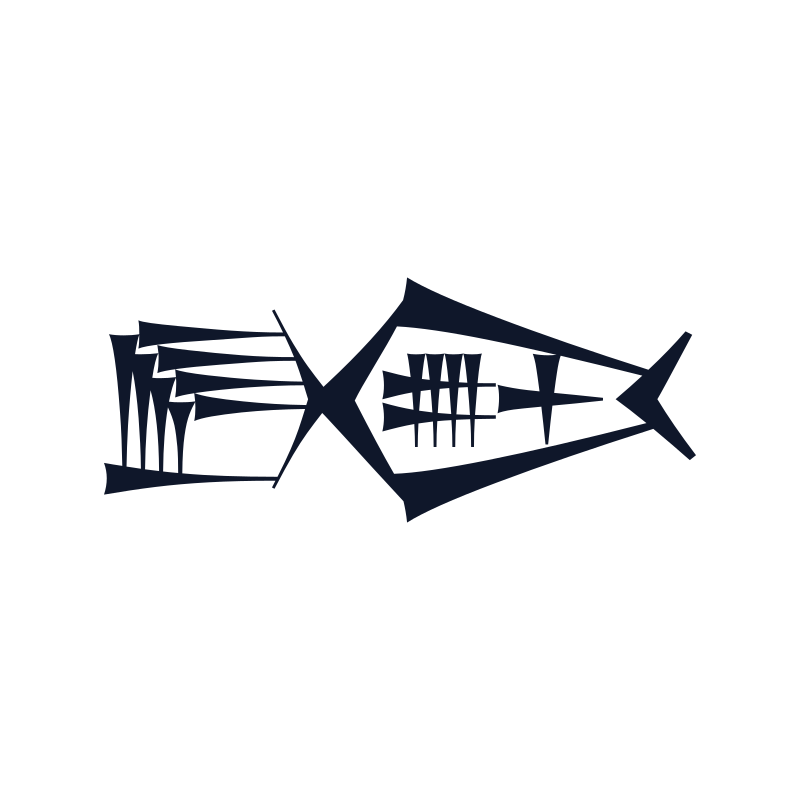 DAG.KISIM5xU2.MASH · U+12373
𒍳
pasture fold, fodder-fed pen
DAG KISIM₅×U₂.MAŠ (𒍳) encloses U₂ (𒌑, grass, pasture, or fodder) and MAŠ (𒈦, kid, goat, or gazelle) inside the pastoral frame DAG.KISIM₅ (𒁙). Related to DAG.KISIM₅×A.MAŠ (𒁗), it depicts a grassy pasture enclosure or fodder-stocked fold for small livestock.
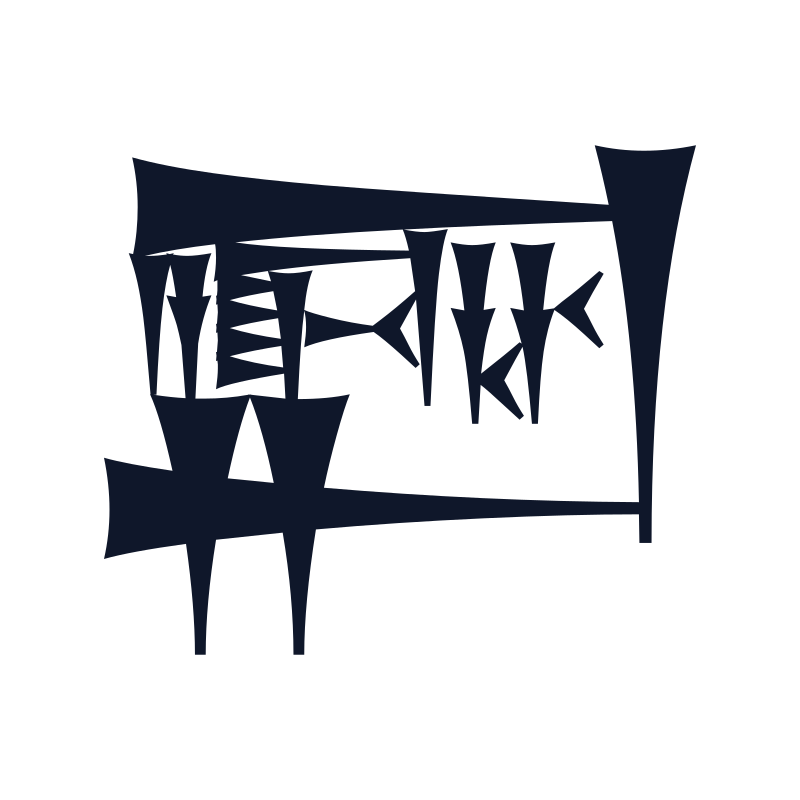 GA2xA.DA.HA · U+120B8
𒂸
embanked fishpond, fishery basin
GA₂×A.DA.HA (𒂸) places A (𒀀, water), DA (𒁕, side wall or dike), and HA / KU₆ (𒄩, fish) inside the architectural frame GA₂ (𒂷). A fuller variant of GA₂×A.HA (𒂹), it depicts an embanked fish-holding pond or basin where live fish were fattened for palace and temple kitchens.
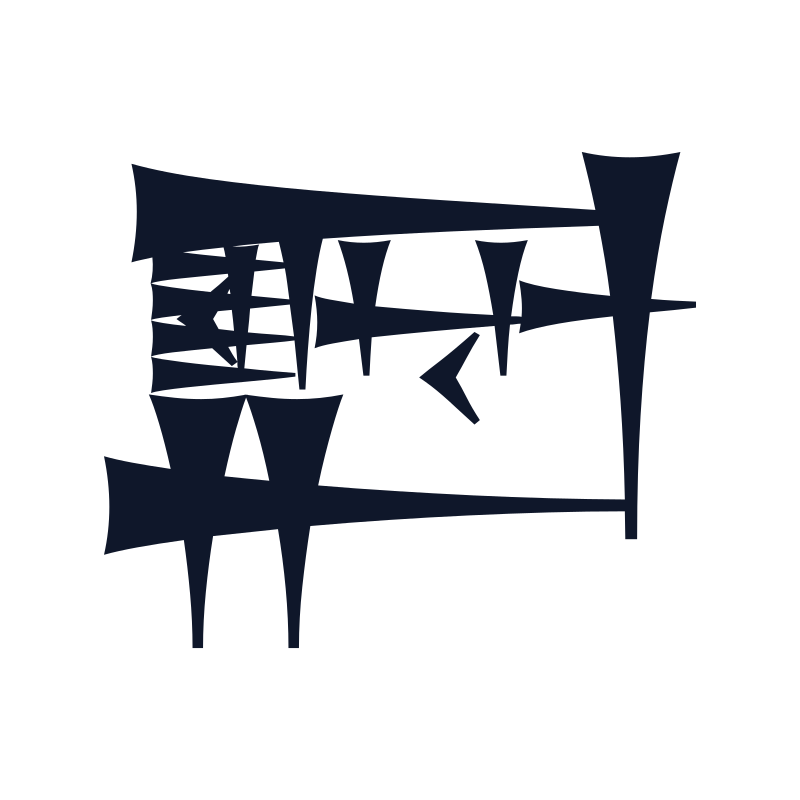 GA2xISH.HU.ASH · U+120D7
𒃗
dovecote, poultry coop, aviary
GA₂×IŠ.HU.AŠ (𒃗) places IŠ (𒅖, earth or dust), HU / MUŠEN (𒄷, bird), and AŠ (𒀸) inside the house sign GA₂ (𒂷). Preserved in Babylonian lexical lists (Ea IV), it designates an earthen birdcote, temple dovecote, or wicker poultry cage.
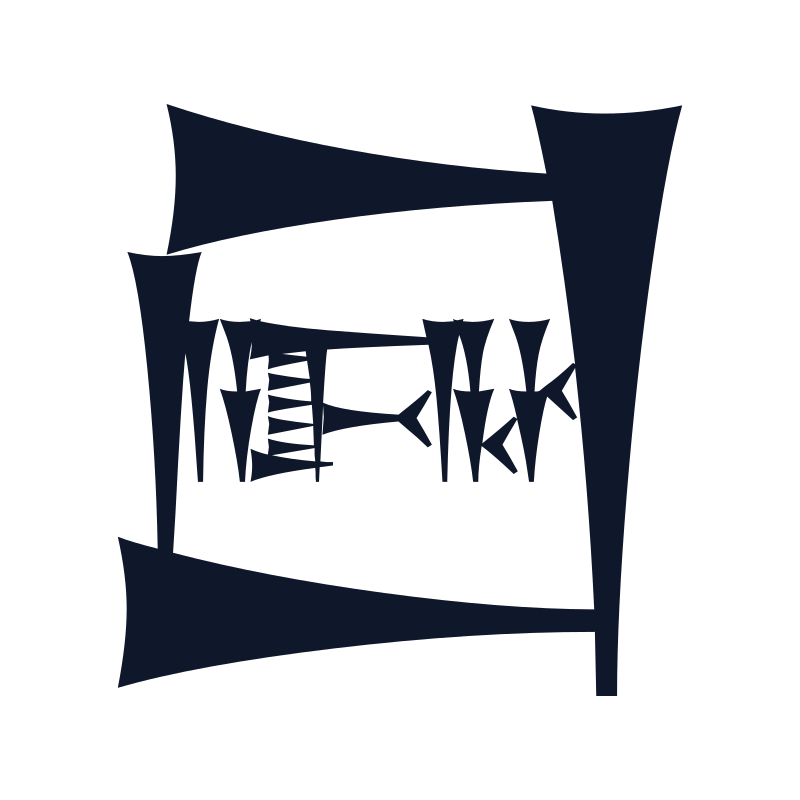 LAGABxA.DA.HA · U+121BA
𒆺
circular fishpond, stocked lagoon
LAGAB×A.DA.HA (𒆺) encloses A (𒀀, water), DA (𒁕, bank or edge), and HA / KU₆ (𒄩, fish) within the circular basin sign LAGAB (𒇉). Forming a triad with E₂×A.HA.DA (𒂎) and GA₂×A.DA.HA (𒂸), it represents a round, dike-bordered fishpond or marsh lagoon teeming with fish.
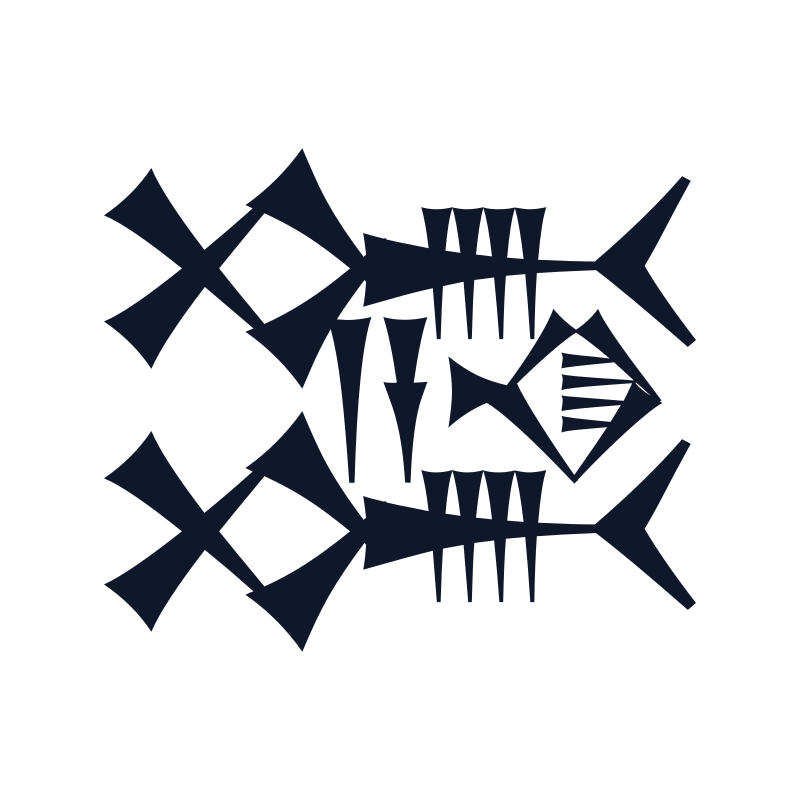 RI8 · U+12237
𒈷
intertwined serpents, water snakes
MUŠ/MUŠ×A.NA (𒈷), read as RI₈ in lexical traditions, combines two vertically paired MUŠ (𒈲, serpent) signs with A (𒀀, water) and NA (𒈾). It evokes intertwined water-snakes or the sacred caduceus-like emblem of Ningishzida, depicting mated serpents rising from subterranean waters.
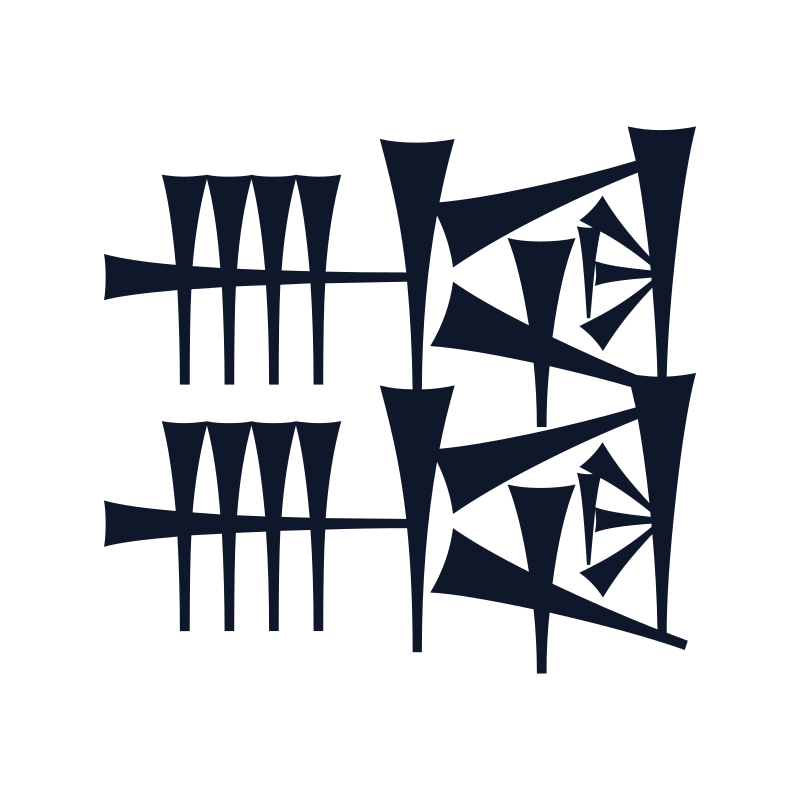 IMMAL.IMMAL · U+12267
𒉧
herd of mother cows, dairy cows
NUN LAGAR×SAL/NUN LAGAR×SAL (𒉧) vertically doubles the sign NUN.LAGAR×SAL (𒉦, immal / šilam, mother cow or wild cow). In Sumerian and Akkadian lexical and pastoral texts, this reduplication marks the collective plural (immal-immal), signifying a thriving herd of calving dairy cows.
